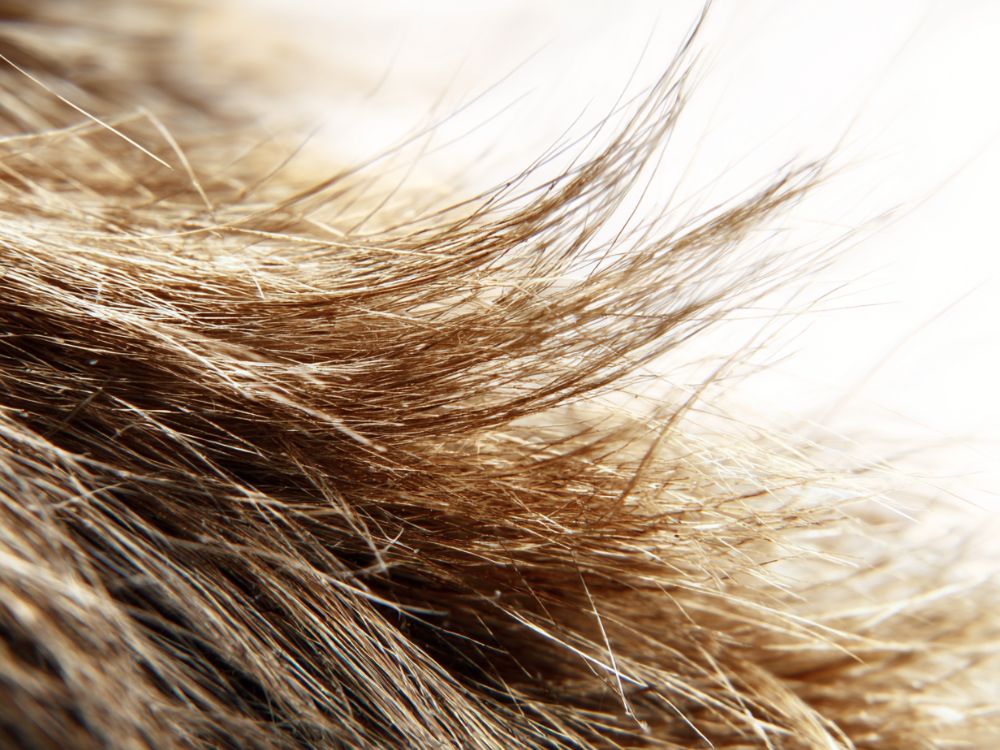
Damage hair is one of the most common problems people face, yet most of us unknowingly contribute to it every day. From swimming in chlorinated pools to using alcohol-based styling products, many habits silently weaken hair, causing dryness, breakage, color fading, and scalp irritation. Understanding how these substances and practices harm your hair and learning safer alternatives is key to keeping your strands strong, smooth, and healthy.
In this quick 5mins read article, we will explore six everyday things that can damage hair, explain why they’re harmful, and provide practical solutions to protect your hair for the long term.
Of course, I didn’t mean literally applying chlorine to your hair. However, many people who enjoy swimming occasionally neglect to protect their hair from pool chemicals.
Why Chlorine Damages Hair
Chlorine is a powerful chemical added to swimming pools to kill bacteria and keep the water clean. While it’s essential for hygiene, it also strips hair of its natural oils, which are vital for maintaining moisture, softness, and shine. Frequent exposure can leave hair dry, rough, brittle, and prone to breakage. For color-treated or naturally light hair, chlorine can also cause discoloration and fading.
Tips to Protect Hair from Chlorine
Extra Tip: Swimming frequently in chlorinated pools without protection can weaken the hair shaft over time, making hair prone to split ends. Regular deep conditioning treatments help restore moisture and prevent long-term damage.
Are you guilty of spraying perfume or body mist directly onto your hair just because you love the scent so much that you want to smell it every time you flip your hair or when people walk past?
How Perfume Can Damage Hair
Most perfumes contain alcohol and synthetic fragrance compounds. When applied to hair, the alcohol evaporates quickly, taking moisture with it. This process dries out the hair shaft, roughens the cuticle, and contributes to frizz and breakage. Over time, hair loses its natural shine and feels brittle.
Safer Alternatives:
Extra Tips: Even occasional perfume application on hair can accumulate damage. Make it a habit to nourish hair regularly with deep-conditioning treatments to counteract dryness.
Using a sulfate shampoo for daily hair washing instead of sulfate-free shampoo because it just feels so much cleaner, sqqqqqqquuishy clean!
How Sulfates Damage Hair
Sulfates are detergents that remove dirt and create lather, but they also strip the hair and scalp of natural oils. This can lead to dryness, frizz, color fading, and weaker strands. Individuals with sensitive scalps may also experience itchiness, irritation, or dandruff from regular sulfate use.
Prevent Damage Hair Tips:
Extra Tip: Choosing shampoos formulated for your hair type (curly, fine, color-treated) reduces the risk of long-term damage.
Daily use of hairspray, gel, mousse, or similar styling products containing alcohol.
How Alcohol-Based Products Damages Hair
Alcohol evaporates quickly, stripping hair of water and natural oils. Over time, repeated use makes hair brittle, dull, and more prone to breakage. Scalp dryness and flaking may also result, creating additional hair health concerns.
Safer Alternatives to Avoid Damage Hair:
Extra Tip: Lightweight serums or leave-in conditioners can provide hold and shine without causing long-term damage.
Powder is powder, right? Using baby powder, especially since it smells like a baby as a DIY dry shampoo. Can you actually do that?
Why Baby Powder Can Damage Hair
While it absorbs oil temporarily, baby powder can clog hair follicles and irritate the scalp. Over time, this leads to dandruff, folliculitis, and dull-looking hair that’s difficult to clean.
Safer Alternatives:
Extra Tip: Regular exfoliation and proper cleansing prevent hair follicle clogging, keeping hair strong and healthy.
Obsessed with the baby smell and thinking that baby powder isn’t enough, you assume baby oil seems ‘healthier’ since it can be applied on babies. So you apply baby oil directly to the scalp or hair to ‘moisturize’. Why is this not okay?
How Baby Oil Damages Hair
Baby oil is heavy, mineral-oil based, and non-absorbing. It traps dirt, dust, and bacteria on the scalp, potentially causing irritation, follicle blockage, or breakouts. Hair may appear greasy but remain dry and undernourished at the core.
Safer Alternatives:
Extra Tip: Regular scalp massages with absorbable oils improve circulation and strengthen roots, reducing overall hair damage. Or you can seek professional services, and yes, De Arte Hair Studio not only provide hair styling and retexturing but also offer hair and scalp treatments.
Our hair is constantly exposed to everyday habits and environmental factors that can quietly cause damage. From swimming in chlorinated pools to spraying perfume or applying heavy oils, even small actions can lead to dryness, breakage, frizz, and scalp issues over time.
The key is awareness. By identifying the things to never put on your hair and replacing harmful habits with safer alternatives such as using protective hair products, choosing alcohol-free styling sprays, and minimizing chemical exposure, you can keep your hair healthy, strong, and shiny for the long term. Remember, healthy hair isn’t just about what you apply, it’s also about what you avoid. Small, mindful changes today can make a big difference tomorrow.
Avoiding damaging habits is only the first step. For optimal results, pair these tips with professional salon care. Whether it’s a nourishing treatment, a trim to prevent split ends, or personalized advice for your hair type, visiting a salon can transform your hair health.
Don’t wait; book an appointment with De Arte Hair Studio today and give your hair the care it deserves. Healthy, strong, and shiny hair is just an appointment away!
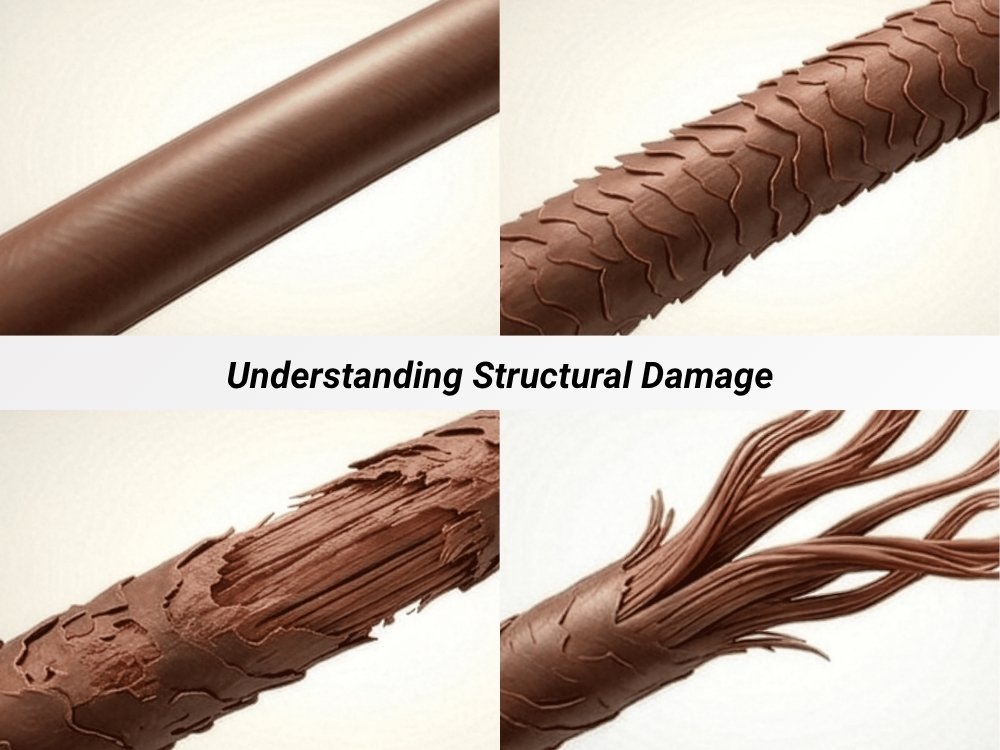
Over-processed hair doesn’t happen overnight, but once it does, it’s hard to ignore. If your hair feels dry, brittle, frizzy, or keeps breaking no matter what you do, you’re likely dealing with structural damage from bleaching, coloring, perming, or repeated heat styling. The thing is that while damaged hair cannot fully regenerate (because hair is […]
READ MORE
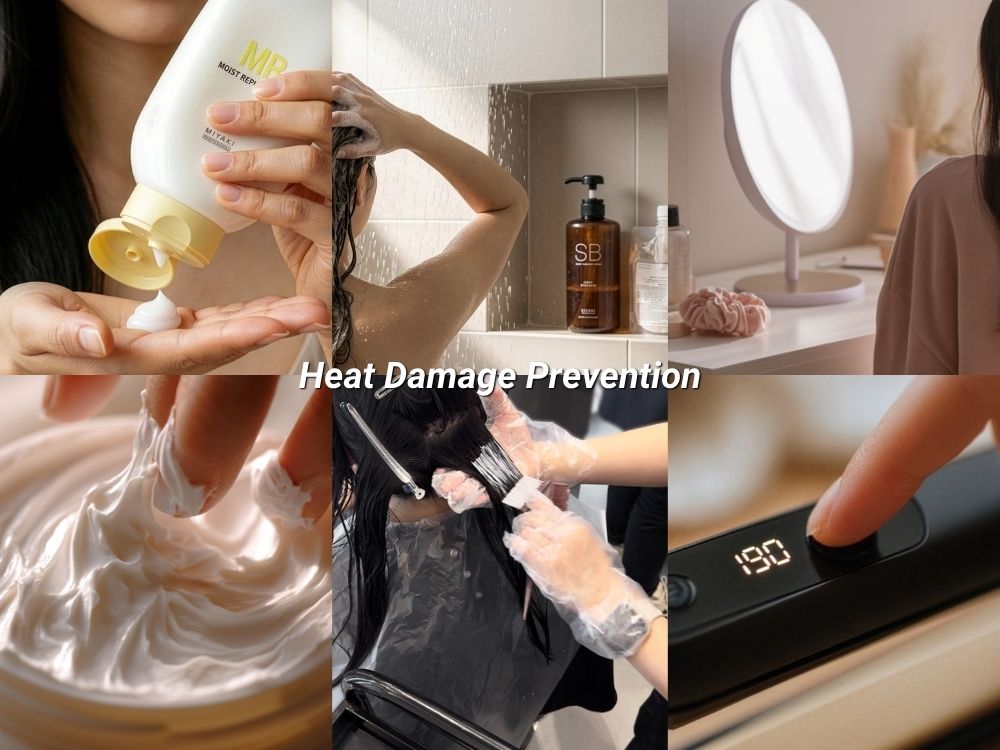
Heat damage from styling tools like flat irons, blow dryers, and curling wands is often blamed for hair damage, but they’re not the only culprits. Environmental factors such as humidity, sun exposure, and pollution also contribute to dryness, frizz, and overall weakness. Over time, these stressors can lead to breakage and thinning. Fortunately, by adopting […]
READ MORE
Scalp acne (often called scalp pimples) is a common condition that many people overlook or confuse with dandruff or irritation. In reality, it is a form of follicle inflammation, and it behaves very similarly to facial acne. The good news? Once you understand how your scalp works like skin, scalp acne becomes much easier to […]
READ MORE