De Arte Hair Studio

Smelly Scalp

How to Get Rid of a Smelly Scalp

POSTED ON August 15, 2025
Smelly Scalp: Causes, Remedies, and How to Keep Your Hair Fresh

Smelly scalp is more common than you might think, and it can be caused by a variety of factors. Whether you’re dealing with excess oil, sweat, or even fungal issues, a smelly scalp can be embarrassing. Especially when you’re taking a group picture and have to squeeze into one frame, sometimes you end up bending down, and people can smell your scalp from above! But don’t worry! Once you know what causes the odor, you can easily address it (or at least start with somewhere simple). In this article, we’ll explore the common causes of a smelly scalp, ways to keep it fresh, and why your hair might still smell bad even after washing.

What Causes a Smelly Scalp?

Several factors can contribute to a smelly scalp. Understanding the root cause of your scalp’s odor is the first step in eliminating it.

1. Excess Oil Production

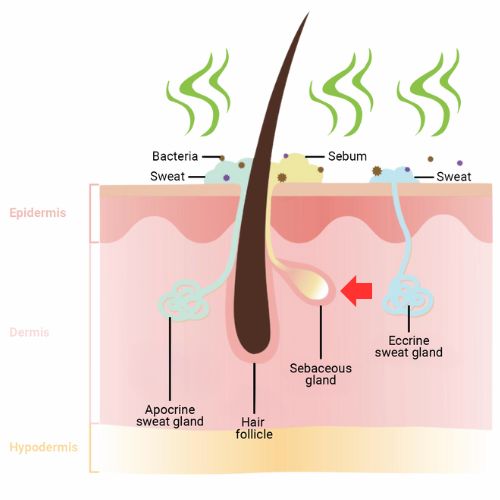
The sebaceous glands in your scalp produce sebum, a natural oil that keeps hair moisturized. However, when these glands produce too much oil, it can mix with sweat, bacteria, and dead skin cells. This creates the perfect environment for bacteria and fungi to thrive, leading not only to a strong, sour, or greasy smell but also to issues like oily scalp and even scalp acne. People with naturally oily hair are especially prone to these problems. (And sadly, I’m one of them!)

2. Sweat and Bacteria

Your scalp has two main types of sweat glands:

  1. Eccrine sweat glands: Found all over the body, including the scalp, they produce a watery sweat mainly for temperature regulation. Even though eccrine sweat is mostly odorless, when it mixes with bacteria on the scalp, it can produce an unpleasant smell.

  2. Apocrine sweat glands: Concentrated around the hair follicles, these glands produce a thicker, milky sweat rich in proteins and lipids. When bacteria break down this sweat, it generates a stronger, characteristic body odor, which can contribute to a smelly scalp.

Both types of sweat can harbor bacteria, but eccrine sweat usually causes mild odor, whereas apocrine sweat tends to produce stronger smells due to its protein- and fat-rich composition.

3. Poor Scalp Hygiene

Neglecting to wash your hair regularly or not properly rinsing your scalp can lead to the buildup of oils, sweat, and product residue. This buildup is a major contributor to a smelly scalp.

4. Fungal Infections

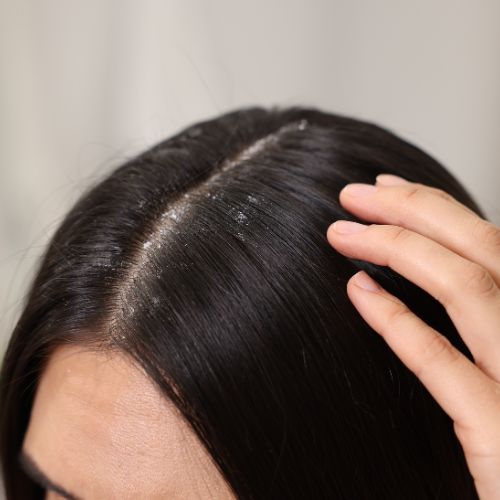
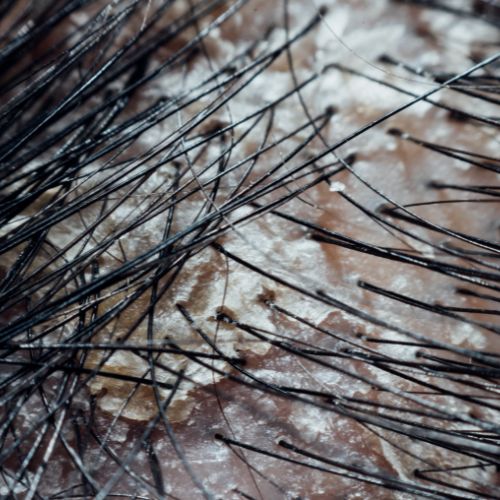
A smelly scalp can also be the result of fungal overgrowth. Conditions like dandruff or seborrheic dermatitis are caused by yeast or fungi, which can lead to excessive oiliness, flaking, and, of course, a smelly scalp.

5. Diet and Food Choices

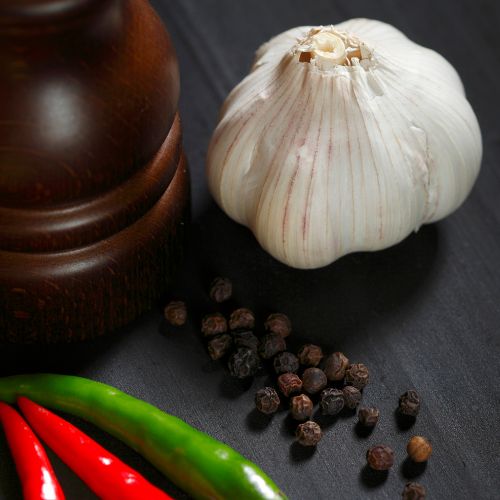
Certain foods, like spicy dishes or garlic, can make your body’s odor more pronounced, including the smell of your scalp. The way your body processes food and sweat can contribute to a smelly scalp.

6. Tight Hairstyles
Tight Hairstyle

Tight hairstyles, such as braids, buns, or ponytails, trap sweat and oil against your scalp. This lack of airflow can cause a buildup of bacteria, leading to an unpleasant odor on your scalp.

7. Hormonal Changes
Hormones Change

Hormonal fluctuations, whether from puberty, pregnancy, or menopause can lead to increased oil production on the scalp, which in turn can lead to a smelly scalp. Hormones play a key role in scalp health, and a hormonal imbalance can contribute to stronger odors.

8. Dehydration
Dry Scalp

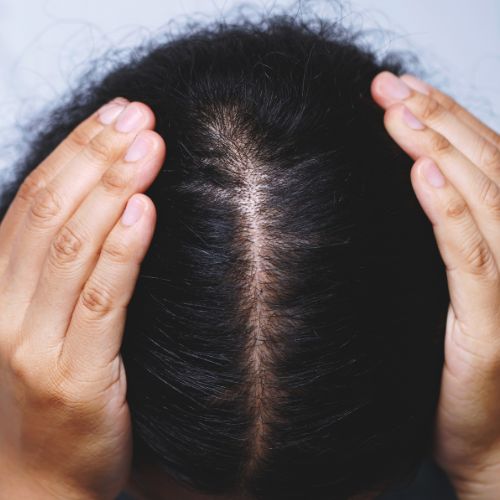
When your scalp is dehydrated, it often overcompensates by producing more oil. This excess oil, when mixed with sweat and bacteria, can cause a smelly scalp.

Why Does Your Hair Smell Bad Even After Washing?

It’s frustrating when you’ve washed your hair thoroughly, but the smell won’t go away. There are a few reasons why your hair might still have a smelly scalp after washing:

1. Incomplete Rinsing

If shampoo or conditioner isn’t properly rinsed from your scalp, it can leave behind residue that combines with sweat and bacteria, causing a lingering smell.

2. Overuse of Styling Products

Excessive use of hairsprays, gels, or other styling products can lead to a buildup on your scalp. Even after washing, this buildup can trap bacteria and contribute to a smelly scalp.

3. Fungal or Bacterial Infections

Conditions like dandruff or seborrheic dermatitis can cause a persistent smelly scalp, even with regular washing. These conditions often require special medicated shampoos or treatments to eliminate the fungal or bacterial overgrowth. You might be interested to read: 4 Common Scalp Problems in Singapore

4. Damp Hair

I know sometimes for long-haired girlie like me, it’s such a hassle to dry your thick, long hair especially after a long day out when all you want to do is lie down on the bed. However, leaving your hair damp or wet for too long can promote bacterial and fungal growth on your scalp, leading to a musty odor. Hence, always make sure your hair is thoroughly dry after washing to prevent a smelly scalp.

5. Oily Scalp

If you have an oily scalp, even after washing, your scalp may continue to produce oil quickly, which mixes with sweat and bacteria, resulting in a smelly scalp that doesn’t stay fresh for long. (Difficult hor? Wash also cannot, don’t wash also cannot, so the solution is… WELL, read on!)

So... How to Keep Your Scalp Fresh

Keeping your scalp fresh and odor-free can start small! Here are the 6 simple practices to prevent and address a smelly scalp:

1. Regular Shampooing

Regular washing is essential to remove oils, dirt, and bacteria from your scalp. A smelly scalp can be controlled by using a gentle, sulfate-free shampoo that suits your hair type. For oily scalps, consider washing your hair more frequently, but avoid over-washing, as this can lead to dryness and trigger more oil production.

Shop Our Top-Pick Shampoos

Formulated for Every Hair and Scalp Concern!

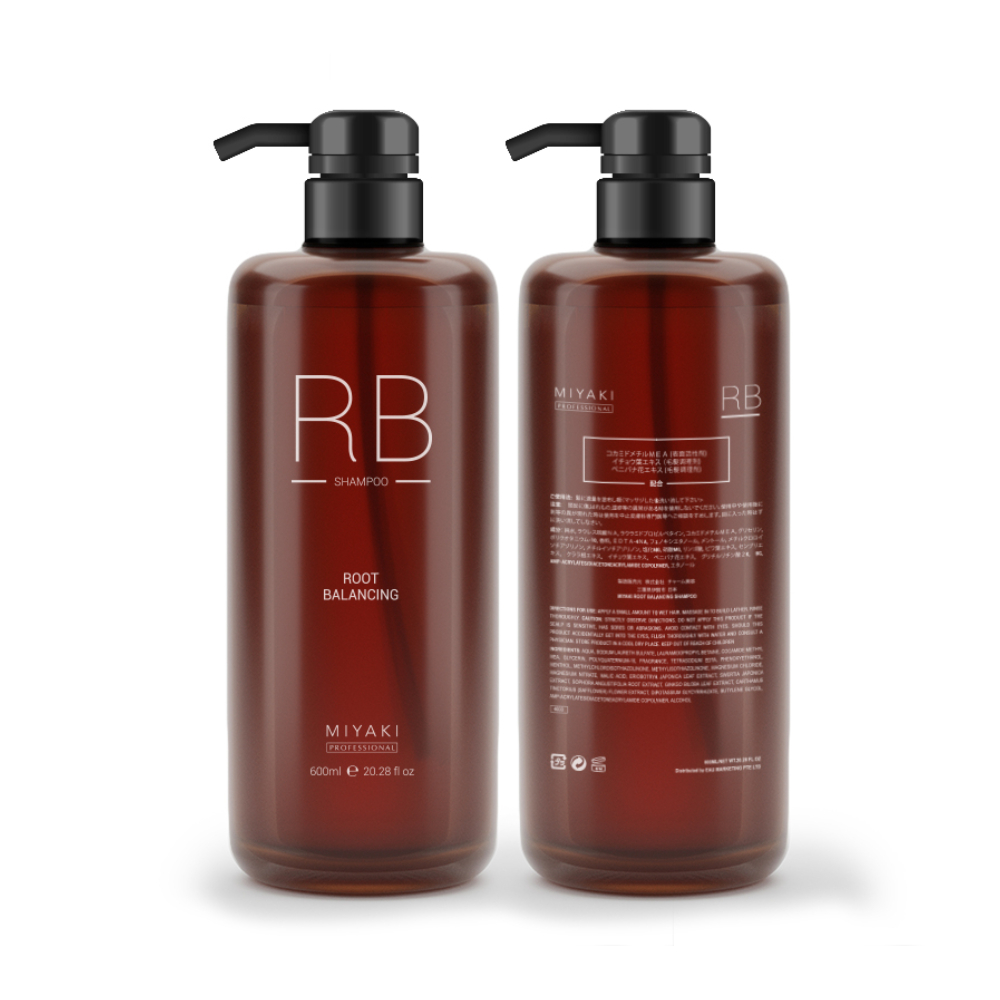
Miyaki RB Shampoo
For Oily Hair

Miyaki Root Balancing Shampoo
Prevents excess oil production in the scalp to prevent oily roots and adds volume to make hair look fuller.

$40.00 – $68.00

Select options This product has multiple variants. The options may be chosen on the product page

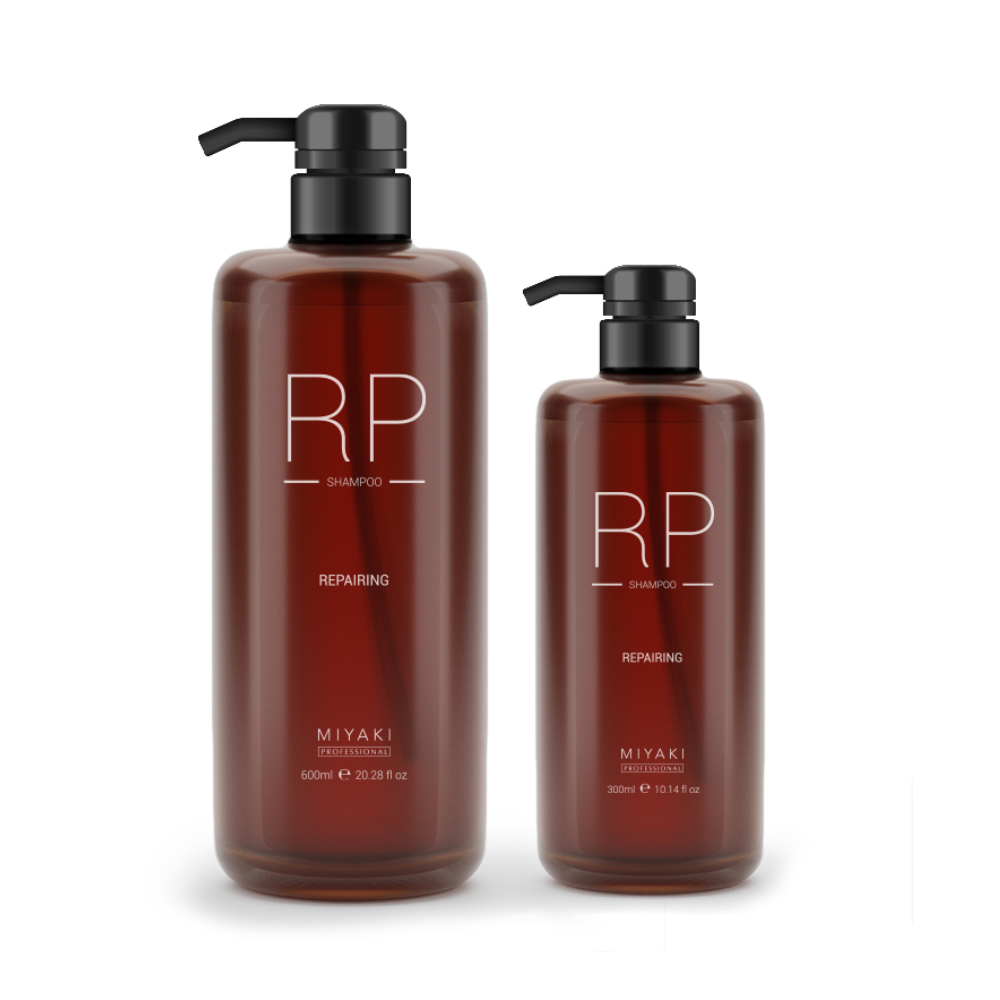
Miyaki RP Shampoo
For Dry & Damaged Hair

Miyaki Repairing Shampoo
Deeply hydrates and nourishes hair from root to tips to repair dry and damaged hair.

$40.00 – $68.00

Select options This product has multiple variants. The options may be chosen on the product page

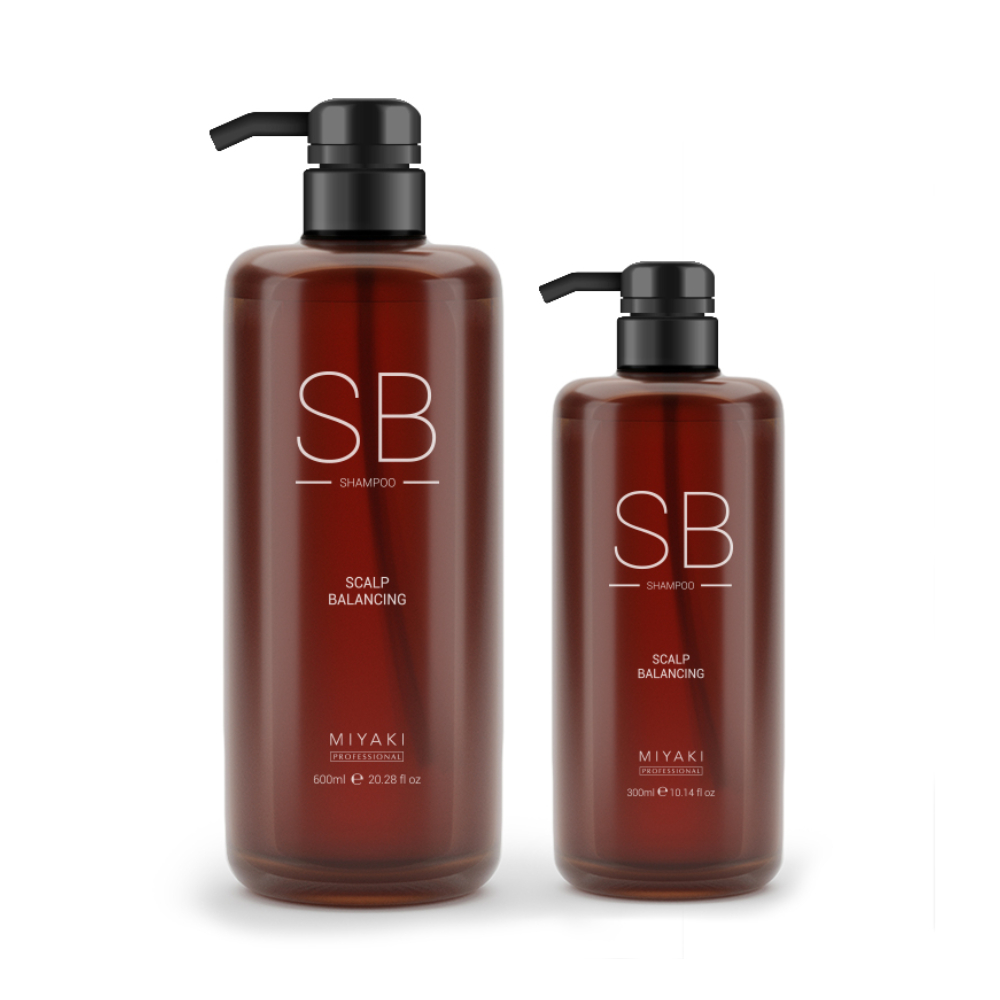
Miyaki SB Shampoo
For Normal/ Dry Scalp

Miyaki Scalp Balancing Shampoo
Balances overall scalp and hair environment to prevent dryness and frizz.

$40.00 – $68.00

Select options This product has multiple variants. The options may be chosen on the product page

2. Exfoliate with a Scalp Treatment

Exfoliating your scalp is an effective way to remove dead skin cells and prevent the buildup of oils that can lead to a smelly scalp. Professional scalp treatments or exfoliating scalp scrubs can help improve scalp health by clearing away buildup and promoting a fresh, clean scalp.

3. Professional Scalp Treatments

For persistent issues like dandruff or an oily scalp, visiting a professional is essential. They can recommend advanced scalp treatments that help balance oil production, eliminate bacteria or fungi, and restore a healthy, fresh-smelling scalp.

At De Arte Hair Studio, we don’t just style and cut hair, we offer a complete, one-stop service focused on both scalp and hair health. Our advanced scalp treatments are tailored to your specific needs, ensuring long-term results and a healthier foundation for hair growth.

What to Expect for Scalp Treatment

1. Consultation

A one-on-one session with our scalp specialist to understand your concerns, symptoms, lifestyle, and product history.
2. Analysis

A detailed scalp analysis using professional tools and techniques to assess oil levels, dandruff presence, inflammation, clogged follicles, or fungal activity. This helps us accurately identify the root cause of your scalp issues.
3. Treatment

Based on your diagnosis, we apply targeted professional treatments to detoxify, balance, and nourish the scalp, often incorporating exfoliation and deep cleansing solutions.

4. Results

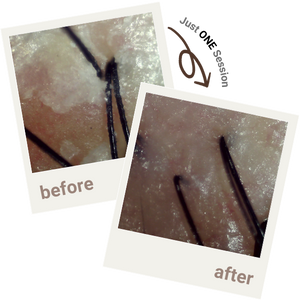
You’ll often notice immediate relief and visible improvements such as reduced flaking, less oiliness, or a calmer scalp. For more serious issues, the treatment’s full effect may take a few sessions, with improvements becoming clearer over time.

5. Monitoring

To ensure long-term results, progress is monitored, and follow-up sessions are scheduled.

These follow-ups allow the stylist to adjust treatments as needed, ensuring optimal care and continued improvements for the client’s hair and scalp health.
4. Avoid Tight Hairstyles

Tight hairstyles prevent your scalp from breathing and can trap sweat and bacteria, which leads to a smelly scalp. Opt for looser styles, or allow your scalp to rest from tight braids and ponytails to reduce oil and sweat buildup.

5. Clean Your Hair Tools

Hairbrushes, combs, and hats can accumulate oils, dirt, and bacteria. These tools can transfer those contaminants back to your scalp, contributing to a smelly scalp. Regularly clean your hair tools to prevent buildup and bacteria transfer.

6. Maintain a Healthy Diet

A balanced diet can influence your scalp’s health and reduce the likelihood of a smelly scalp. Foods rich in omega-3 fatty acids, vitamins A and E, and antioxidants support scalp health. Drinking plenty of water also helps keep your scalp hydrated and fresh.

Book An Appointment

Dealing with a smelly scalp is common, but it can get worse if your routine isn’t right. Don’t wait! If the odor persists, you should consult a professional already.

With our professional help and a few scalp-care tips, you can enjoy a cleaner, healthier scalp and fresh-smelling hair. Book an appointment with us today to start your scalp care journey; and say BYEBYE to your smelly scalp!