Ombre vs Balayage: Which Hair Color Is Right for You?
Discover the Perfect Blend of Style and Elegance
Ombre and balayage are among the most requested hair coloring techniques in salons worldwide. If you’re debating between ombre vs balayage, you’re not alone! Many people search for the perfect hair color that fits their style, face shape, and maintenance preferences.
Choosing the right technique isn’t just about the color, it’s about how it complements your natural hair, lifestyle, and personality.
In this guide, we’ll break down everything you need to know, from technique differences and styling ideas to maintenance tips, cost, and aftercare. By the end, you should be confident about which look is perfect for you. If not, you can always visit our salon for a free consultation.
What is Ombre?
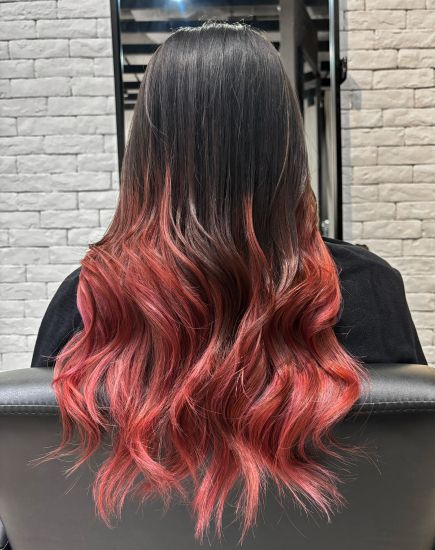
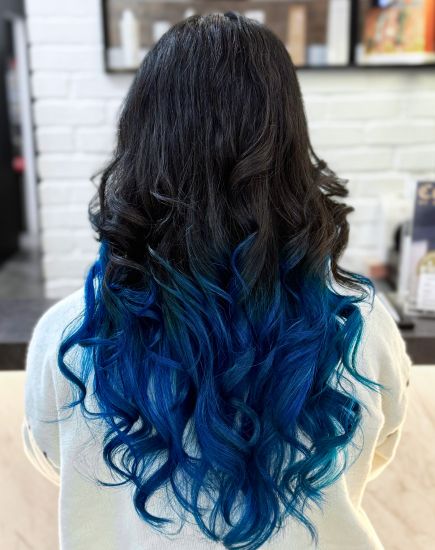
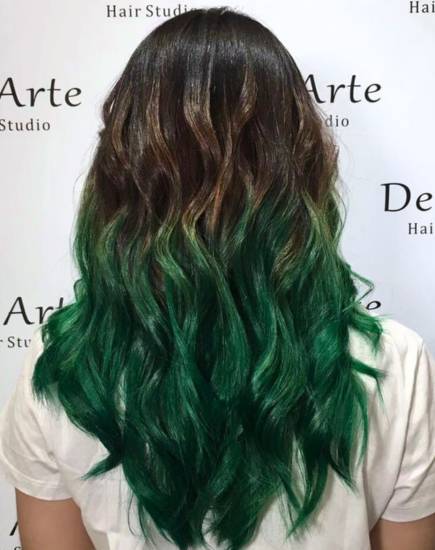
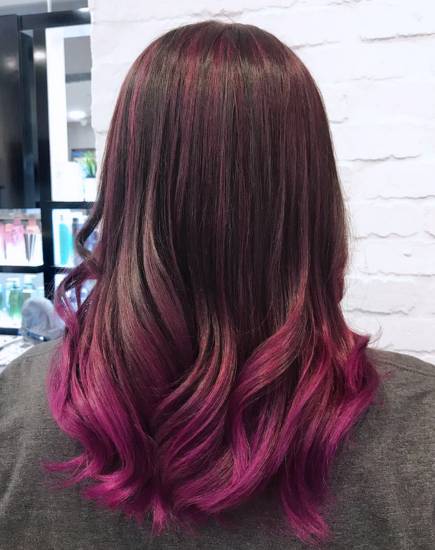
Ombre (pronounced “om-bray”) is a French word meaning “shadow” or “shade.” In hair coloring, it refers to a gradient transition from darker roots to lighter ends. Ombre can be subtle and natural, giving just a hint of light at the ends, or bold and dramatic with a stark contrast between root and tip.
Ombre Styles You’ll Love
- Classic Ombre: Natural dark roots with a smooth transition to lighter ends.
- Reverse Ombre: Light roots blending into darker ends for a unique twist
- Sombre (Soft Ombre): A softer, more subtle version of ombre, perfect for a natural look.
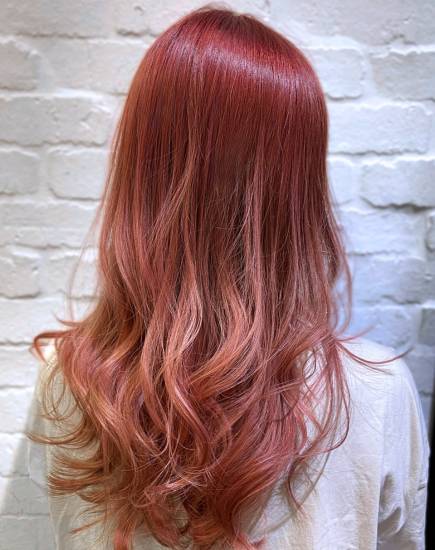
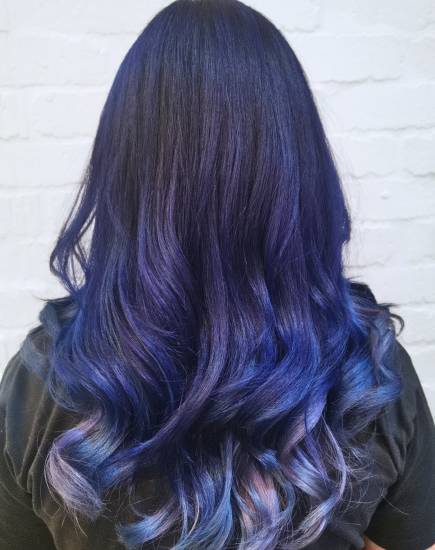
- Colorful Ombre: From pastel pinks to vibrant blues, creative color gradients are trending.
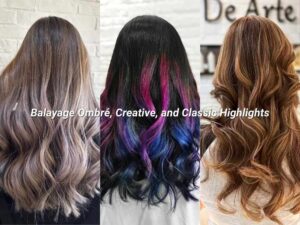
- Balayage + Ombre Hybrid ⭐: Combines soft balayage highlights with a gradient ombre for a modern, multi-dimensional look.
Why Choose Ombre
- Low maintenance: Roots are left dark, so touch-ups are less frequent.
- High visual impact: Perfect for making a statement or refreshing your style.
- Versatile: Works on medium to long hair, straight or curly.
- Customizable: You can adjust contrast levels to suit your personal style.
What is Balayage?
Balayage Styles
- Classic Blonde Balayage: Perfect for a natural blonde glow.
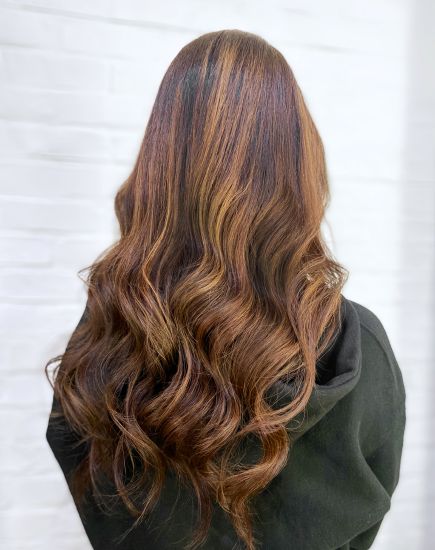
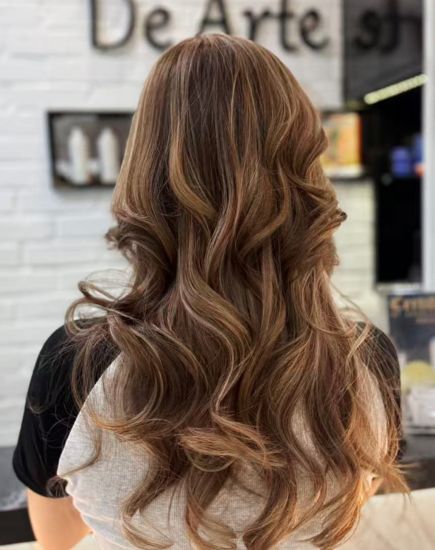
- Bronde Balayage: A combination of brown and blonde for subtle highlights.
- Red Balayage: Adds warmth and richness to red hair tones.
- Fashion Balayage: Bright, unconventional colors for those seeking bold creativity.
- Balayage + Ombre ⭐: A hybrid technique for multi-dimensional color and soft gradient effects.
Why Choose Balayage
- Low maintenance: Subtle regrowth makes touch-ups easy.
- Natural results: Softly blended highlights mimic how the sun naturally lightens hair.
- Face-framing: Brightens your features without full-head color.
- Works on all hair lengths and colors: From short bobs to long locks.

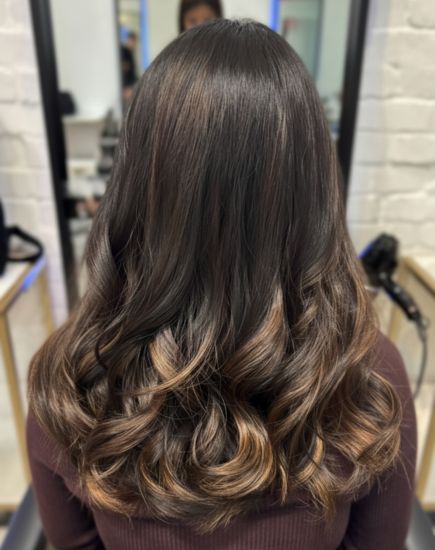
Ombre vs Balayage: 10 Important Comparisons
1. Technique
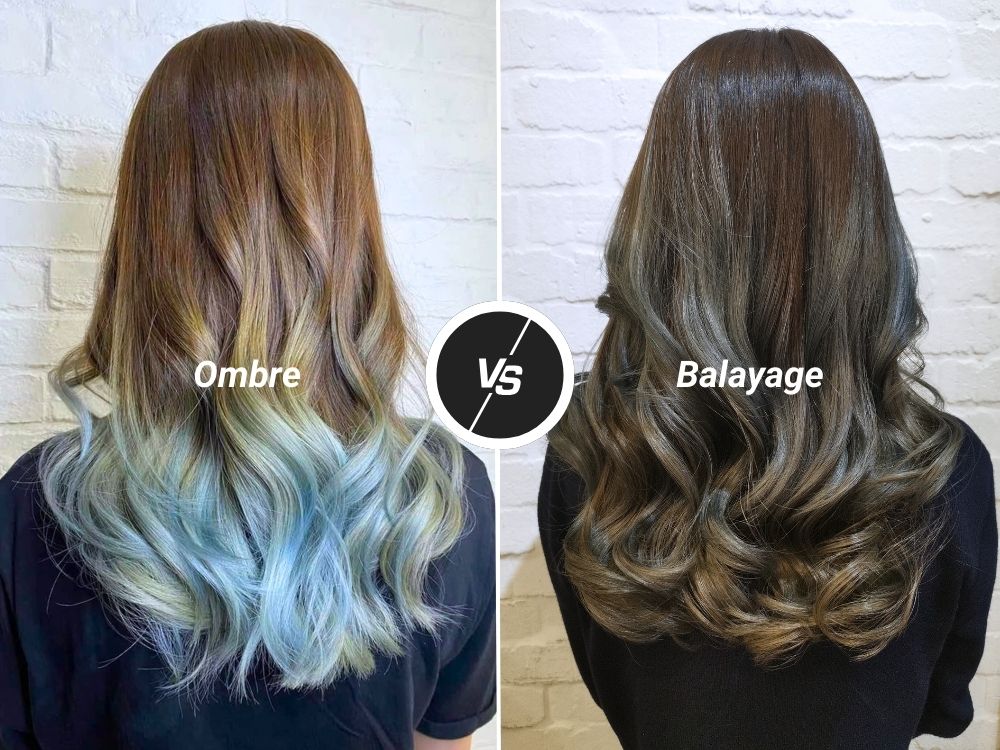
- Ombre: Creates a gradient effect, with darker roots fading into lighter ends. Usually applied from mid-length to tip.
- Balayage: Freehand painting highlights across the hair, creating a natural, sun-kissed look with no harsh lines.
2. Overall Look
- Ombre: Bold and noticeable, draws attention to the ends. Often dramatic.
- Balayage: Soft, multi-dimensional, and blends seamlessly into your natural hair.
3. Maintenance
- Ombre: Low to moderate maintenance* depending on how light the ends are. Touch-ups may be needed every 8 to 12 weeks.
- Balayage: Very low maintenance* due to soft grow-out. Can last 3 to 4 months without a salon visit.
Lifestyle Consideration: If you have a busy schedule or prefer low-maintenance hair, balayage is usually easier to manage.
4. Root Appearance
- Ombre: Dark roots are intentional, creating contrast against lighter ends.
- Balayage: Roots are blended naturally, so regrowth looks seamless.
Balayage is ideal if you want subtle regrowth without a harsh line.
5. Hair Length Suitability
- Ombre: Best on medium to long hair; short hair may not show a smooth gradient.
- Balayage: Works on short, medium, or long hair, giving subtle highlights anywhere.
6. Customization
- Ombre: Mostly focused on mid-lengths and ends. Less flexible for highlights near the face.
- Balayage: Highly customizable, highlights can be placed anywhere, framing the face or brightening specific strands.
7. Cost
- Ombre: Price depends on hair length, thickness, and desired contrast. Usually slightly less than balayage because the technique is more straightforward.
- Balayage: Can cost more due to hand-painted placement and precision work.
8. Damage Level
- Ombre: Focusing lightener on ends may prevent damage to roots.
- Balayage: Applied strategically to minimize over-processing while creating highlights.
Both techniques are safe when applied professionally, but factors like bleach strength, hair health, and aftercare affect results.
9. Grow-Out Phase
- Ombre: Color contrast remains visible as hair grows; a low-maintenance root style.
- Balayage: Grows out seamlessly, avoiding harsh lines.
Best for Busy Schedules: Balayage offers the easiest grow-out with minimal salon visits.
10. Best For Your Lifestyle
- Ombre: Great for bold, statement-making personalities or those looking for a dramatic change.
- Balayage: Ideal for natural, effortless style and minimal maintenance.
How to Choose Between Ombre and Balayage
Consider the following questions:
- Do you prefer subtle or bold contrast?
- How often can you visit the salon?
- Are you aiming for a natural or statement-making look?
Choose Ombre If:
- You like dramatic transitions
- You want brighter ends without coloring roots
- You love trendy, statement styles
Choose Balayage If:
- You want a natural sun-kissed finish
- You prefer soft brightness around the face
- You don’t want frequent touch-ups
Styling Ideas for Ombre & Balayage
Ombre Hairstyles:
- Loose curls highlight the gradient effect
- Sleek straight hair for a bold, dramatic contrast
- Updos or braids to show off lighter ends
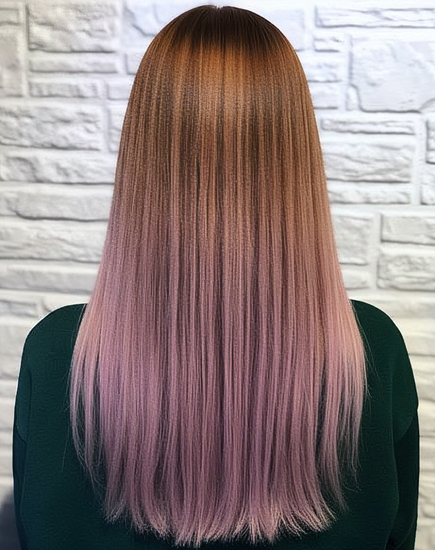
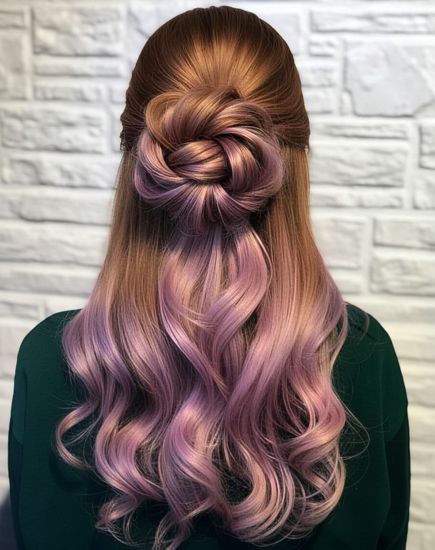
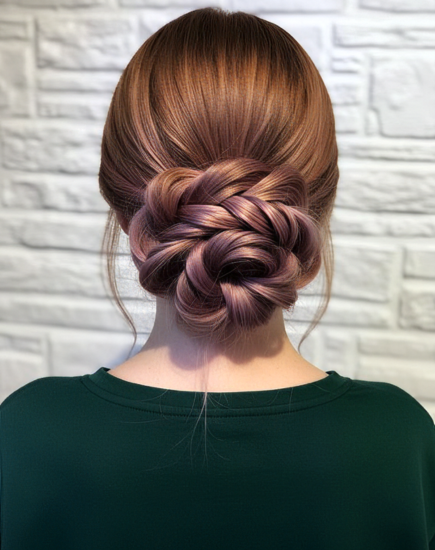
These images are intended as visual references.
Balayage Hairstyles:
- Soft waves enhance dimension
- Straight hair for subtle shine
- Layered cuts for natural, face-framing highlights
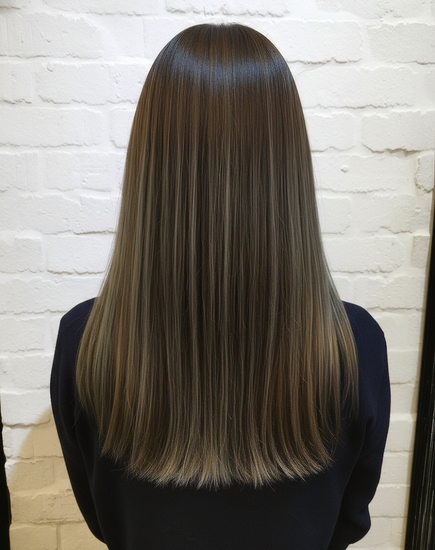
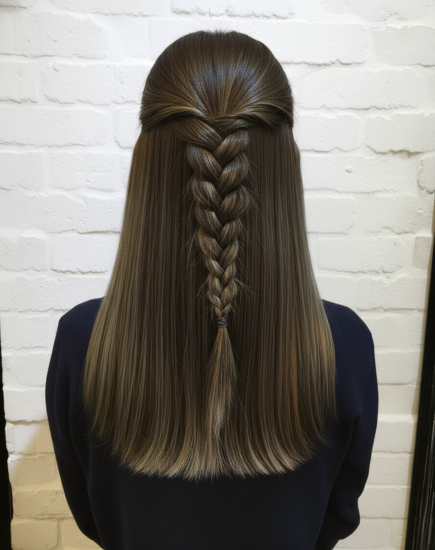
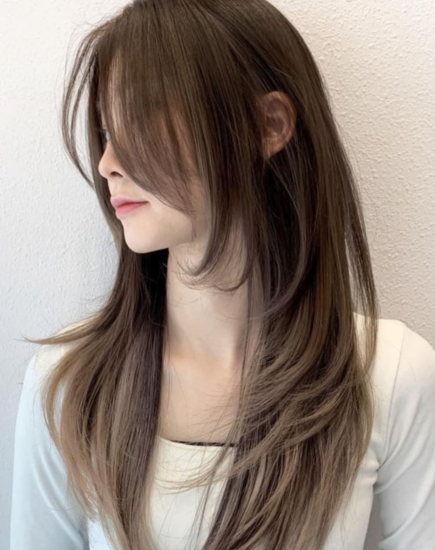
These images are intended as visual references.
Our Expert Hair Coloring Services
Not sure? Our expert colorists customize both techniques to your hair texture, face shape, and lifestyle.
At De Arte Hair Studio, we specialize in:
- Full Ombre Hair Coloring
- Custom Balayage Highlights
- Root Shadow & Color Blending
- Toner and Gloss Treatments
All services use premium, salon-quality products to ensure long-lasting results without compromising the health of your hair.
Aftercare Tips
To maintain vibrant color and healthy hair:
- Use sulfate-free, color-safe shampoo
- Deep condition weekly
- Use purple shampoo for blonde tones
- Minimize heat styling
- Schedule toning every 6–8 weeks
Book Your Hair Coloring Appointment with us Today!
Your dream hair starts here.
Top 10 FAQs about Hair Treatments
Balayage is a hand-painted highlighting technique that creates soft, natural dimension throughout the hair. Ombre is a gradient effect that transitions from darker roots to lighter ends with a more noticeable contrast.
Both are low-maintenance options. However, balayage often grows out more seamlessly because the highlights are blended naturally, while ombre maintains its intentional root contrast as it grows.
Yes, balayage works beautifully on short to medium hair because it adds dimension and brightness without requiring dramatic length for a gradient transition. Ombre typically looks best on medium to long hair.
In most cases, yes. Ombre usually involves lightening the mid-lengths and ends to achieve the gradient effect. The level of bleach depends on your starting hair color and desired brightness.
When performed by a professional colorist using high-quality products, balayage is no more damaging than traditional highlights. Proper aftercare is essential to maintain hair health.
Pricing varies based on hair length, thickness, and color goals. Balayage can sometimes cost more due to the customized hand-painting technique.
Most customers refresh their color every 8 to 12 weeks. Toners may be needed every 6 to 8 weeks to maintain brightness and eliminate brassiness. For the best results, consult with our stylist to create a personalized maintenance plan.
Yes. Balayage can blend gray hair naturally, while ombre can help disguise regrowth by keeping roots darker. Your stylist can customize coverage based on your needs.
Balayage typically looks more natural due to its soft, sun-kissed placement. Ombre creates a more defined color shift.
Consider your desired contrast level, maintenance preference, and lifestyle. If you want subtle dimension, choose balayage. If you love bold transitions, go with ombre.