
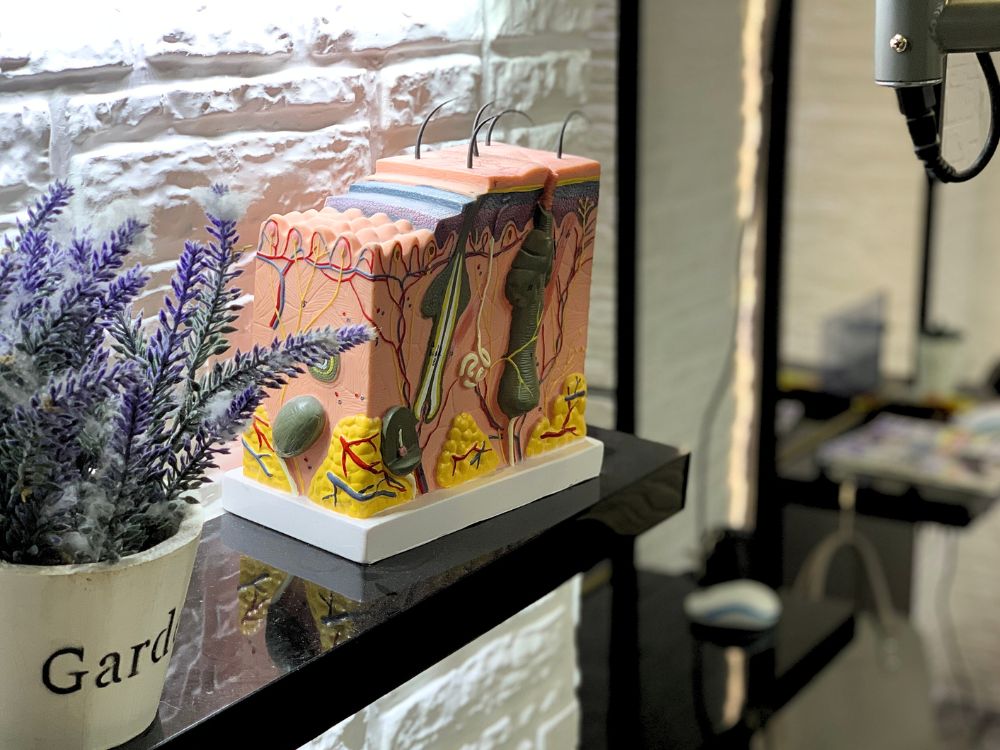
Hair is more than just a beauty statement.
It’s a reflection of your overall health. Whether you’re trying to grow out your hair, prevent hair thinning, or simply maintain strong and vibrant locks, understanding the science of hair growth is key.
At De Arte Hair Salon, we believe that healthy hair starts at the roots, and with the right care, you can enhance your hair’s growth potential. In this article, we’ll explore the hair growth cycle, factors that influence growth, and why professional hair care services can make all the difference.
The Science Behind Hair Growth
Hair growth isn’t random, it follows a structured biological cycle that consists of three key phases. Each hair follicle goes through its own independent cycle of growth, rest, and renewal. This is why you’re constantly shedding some hairs while others are actively growing. Here’s the breakdown:
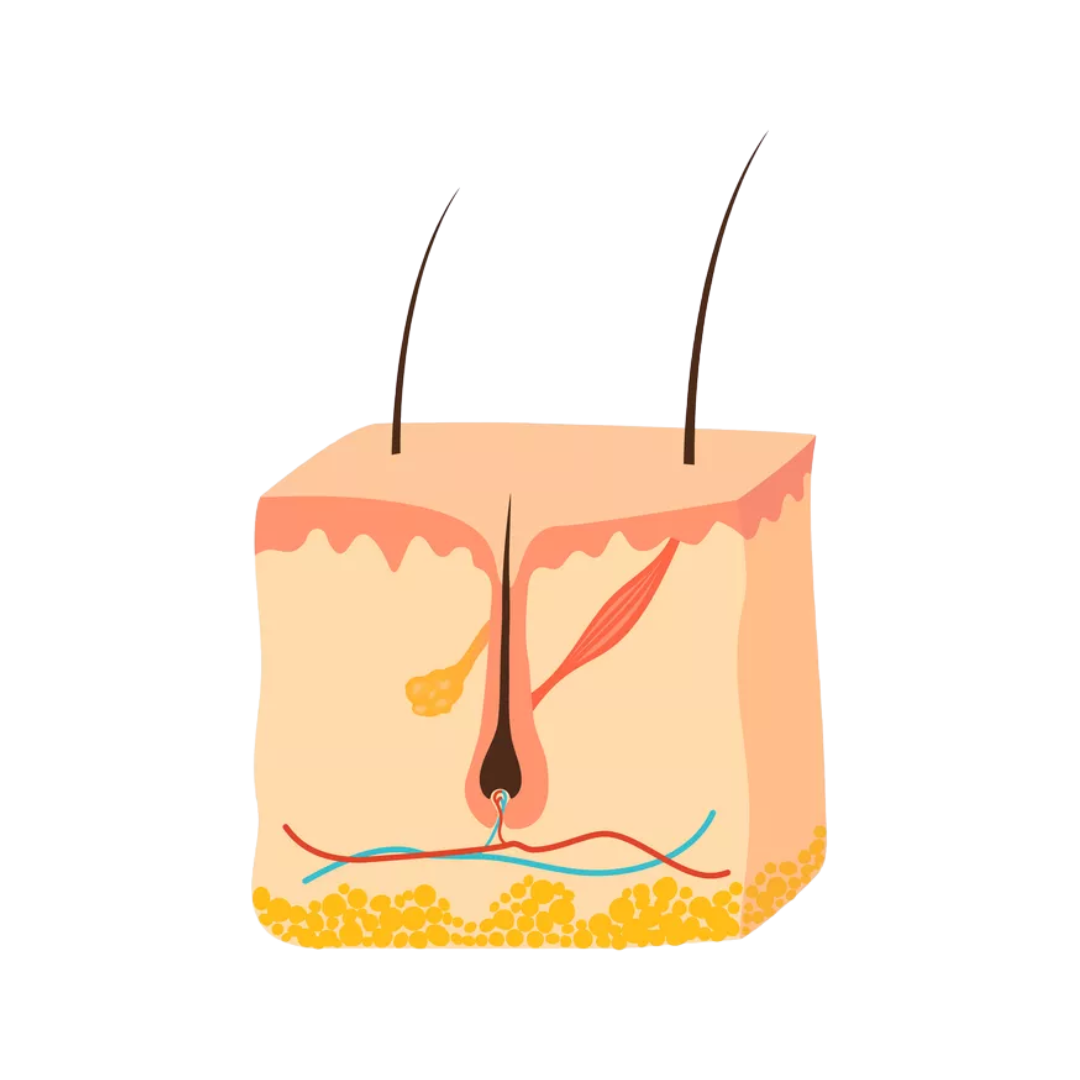
1. Anagen Phase 生长期
(Growth Phase)
The anagen phase is the longest stage of the hair growth cycle, lasting anywhere from 2 to 7 years. During this phase, hair follicles actively produce new hair cells, resulting in hair growing at a rate of approximately ½ inch per month. Around 85–90% of the hair on your scalp is in this active growth phase at any given time.
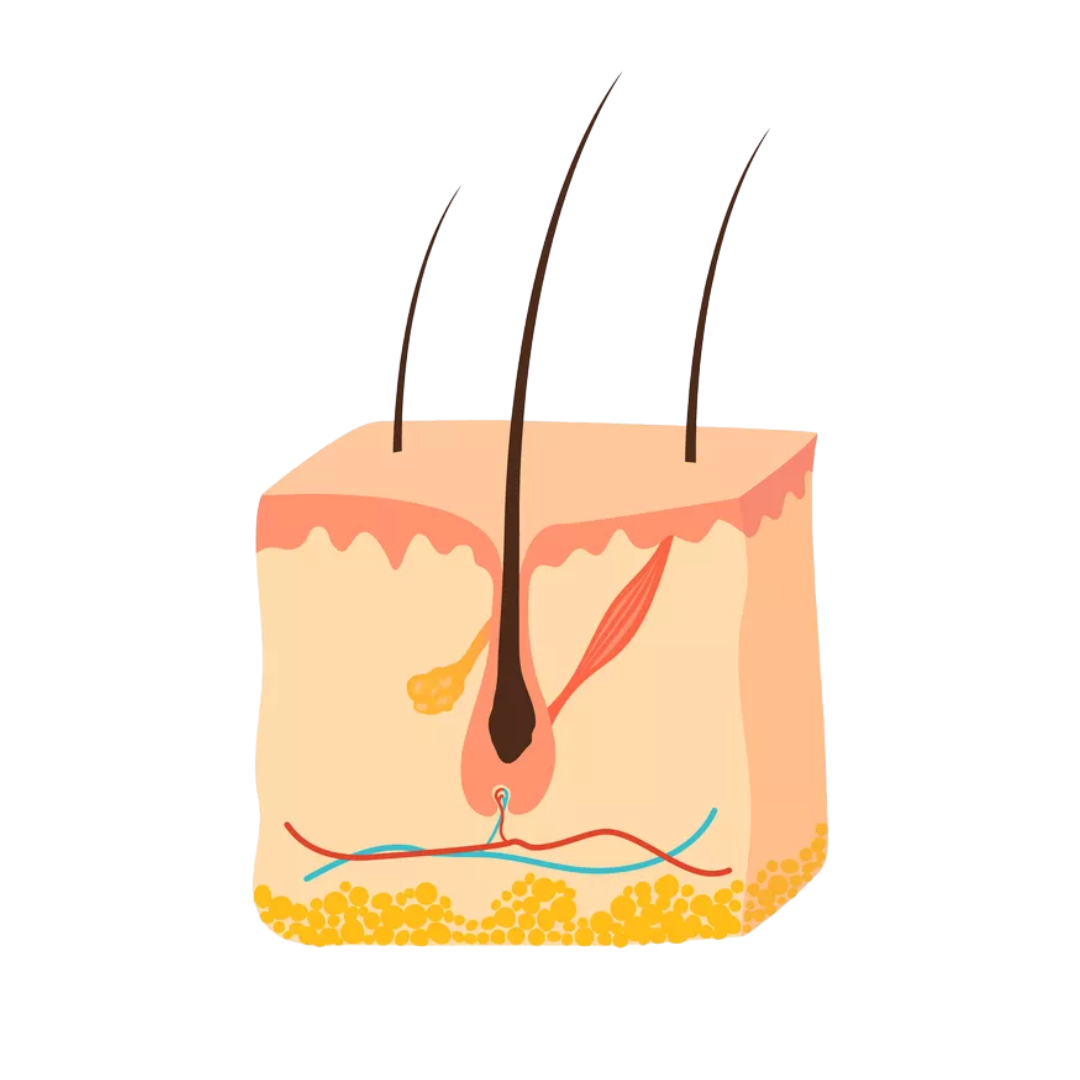
2. Catagen Phase 退化期
(Transition Phase)
The catagen phase lasts about 2–3 weeks. During this time, hair stops growing, and the follicle begins to shrink.
This phase serves as a transition, preparing the hair for the next phase in the growth cycle.
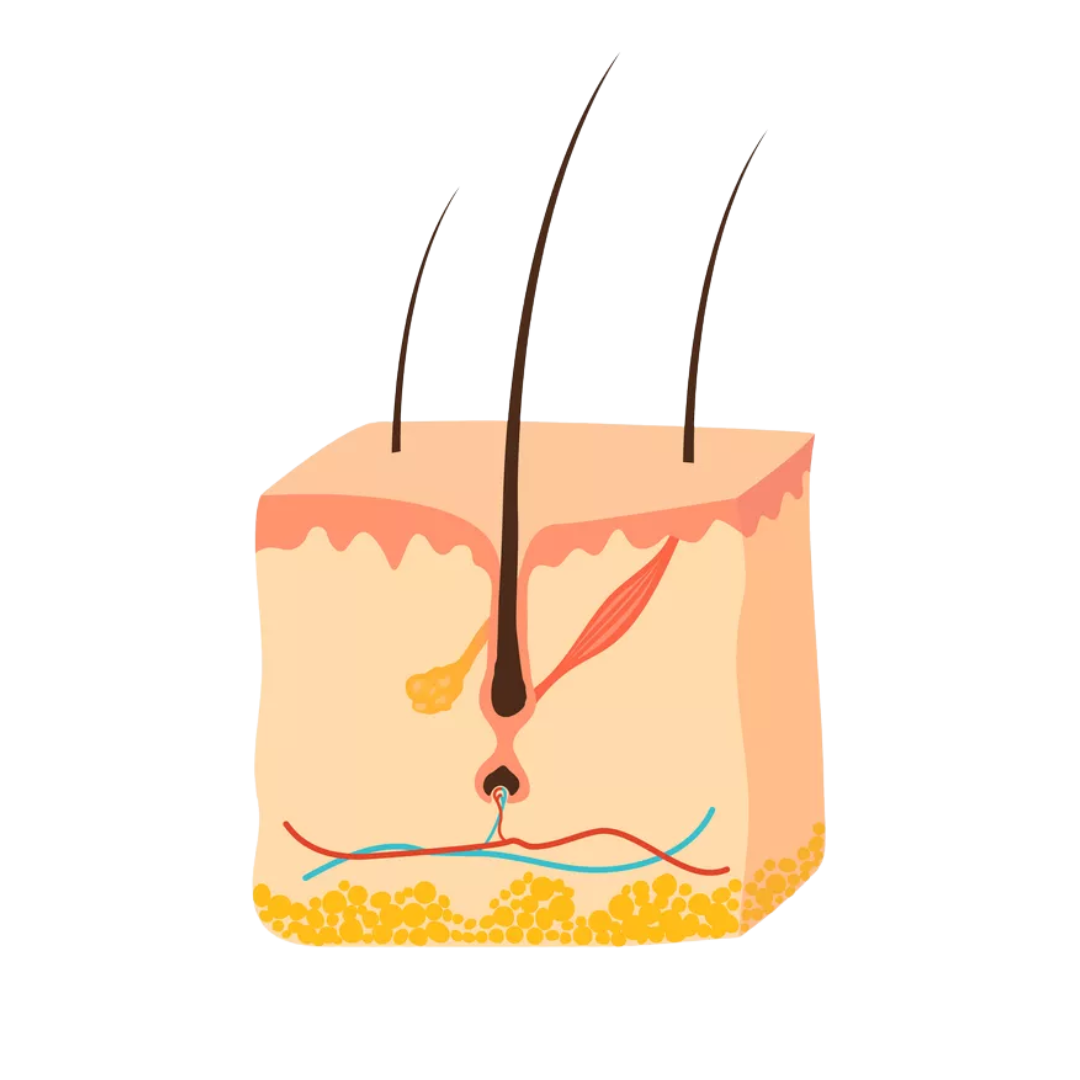
3. Telogen Phase 休止期
(Resting & Shedding Phase)
The telogen phase lasts about 3–4 months, during which old hair sheds, and new hair begins to grow underneath.
Typically, around 10-15% of your hair is in the telogen phase at any given time. During this phase, it is normal to shed about 50–100 hairs per day as the hair cycle progresses.
Normally, after the telogen (shedding) phase, the hair follicle starts a new anagen (growth) phase and produces a fresh hair. This cycle keeps repeating so your hair continuously renews.
However, sometimes hair follicles can get “stuck” in the telogen phase or fail to properly restart the anagen phase. When this happens:
- The follicle remains inactive longer than usual.
- No new hair grows from that follicle.
- Over time, this leads to thinning and visible hair loss.
This can happen due to factors like genetics, hormonal imbalances (like high DHT), chronic stress, illness, or aging. So, while most hairs naturally cycle through all phases, some follicles may stop cycling properly and stay in telogen or even become dormant.
In short, the hair growth cycle is ongoing, but its effectiveness can change over time. A healthy hair cycle maintains a balance, with most hairs growing while some are resting or shedding at any given time.
Fun Fact: Have you ever wondered if shaving your hair makes it grow back thicker or faster?
Well, turns out, shaving all your hair at the same time doesn’t reset or synchronize the hair growth cycle of your follicles! Whether you shave or not, each hair follicle follows its own unique timeline, some are growing, some are resting, and others are shedding. So, shaving just gives you a fresh start on the surface, but the follicles beneath the skin continue with their natural cycle. The hair might feel coarser or appear thicker because shaving cuts the hair at a blunt edge, but it won’t change how fast or thick it grows.
How much hair do we have?
- Hair Growth Rate: Hair typically grows about 0.9 to 1.2 centimeters per month, depending on factors like age, health, and genetics.
- Number of Strands: The average human scalp contains 100,000 to 120,000 strands of hair. Even those on the lower end still have at least 80,000 hairs.
- Hair Growth Cycles: Each hair follicle can go through around 25 full growth cycles in a lifetime. This includes phases of growth, rest, and shedding.
- Daily Shedding: A healthy person loses roughly 100 strands of hair per day
Why You Should Care About Hair Growth
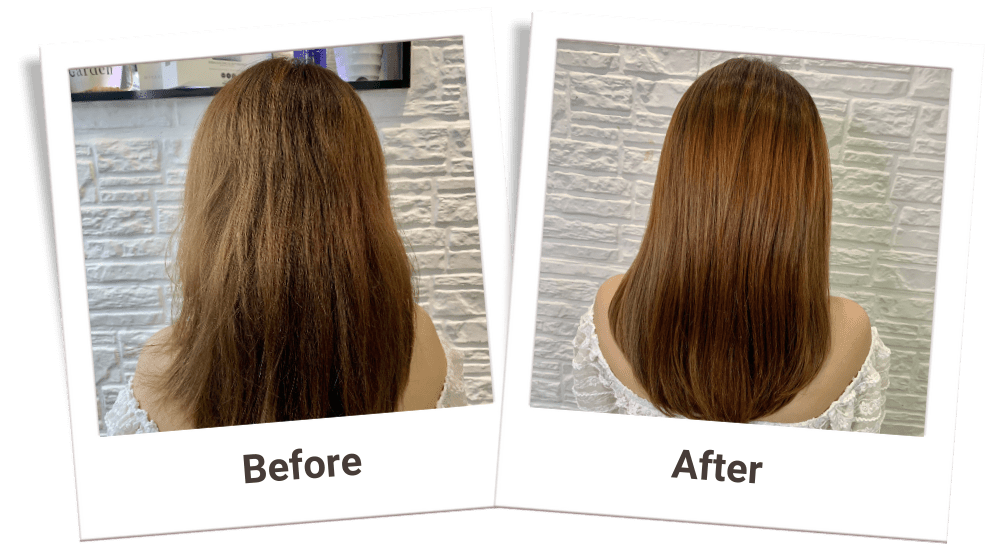
Many people think only about growing longer hair, but maintaining healthy hair growth is important for everyone. Here’s why:
1. Confidence & Beauty
Your hair is one of the first things people notice. Whether styled short or long, healthy hair enhances your overall appearance and self-esteem.
2. Hair Health Reflects Your Overall Well-Being
Thinning, slow-growing, or brittle hair can signal underlying health issues such as:
❌ Nutrient deficiencies (Lack of Iron, Biotin, Vitamin D)
❌ Hormonal imbalances (Thyroid issues, PCOS)
❌ High stress levels (which trigger hair loss conditions like telogen effluvium)
3. Preventing Hair Loss & Damage
Early intervention can prevent excessive hair shedding, breakage, and scalp conditions that might lead to long-term damage.
At De Arte Hair Salon, we don’t just style your hair, we help you nurture it from the roots, so it grows stronger, healthier, and more resilient.
Factors That Affect Hair Growth
1. Genetics
Your natural hair growth rate and thickness are largely influenced by genetics. Your genes determine key factors like:
- Length of the Anagen Phase: How long your hair can grow.
- Sensitivity to DHT: How your follicles respond to DHT (dihydrotestosterone), a hormone that can shrink hair follicles, shortening the growth phase and leading to thinner and weaker hair over time. This is common in male-pattern baldness or female-pattern thinning. If you’re genetically predisposed to DHT sensitivity, your hair may thin earlier, and you might experience receding hairlines or bald spots.
- Hair Density: The number of hair follicles on your scalp, affecting how thick or sparse your hair looks.
- Hair Texture: Determines if your hair is straight, wavy, curly, fine, or thick.
- Shedding Timing: Controls when hair naturally falls out and when new hair starts growing.
While you can’t change your genetic blueprint, you can optimize your hair growth with the right lifestyle choices. If your genetics give you a long anagen phase, maintaining a healthy lifestyle can help keep that growth going longer. However, if you have a shorter anagen phase (due to DHT-related thinning or other genetic factors), lifestyle habits can slow the thinning process, but they can’t change how long your hair grows.
By supporting your natural growth cycle with proper care, you can help your hair reach its full potential in both strength and health.
2. Diet & Nutrition
A nutrient-rich diet fuels hair growth. Essential nutrients include:
🥚 Biotin (Vitamin B7): Found in eggs, nuts, and seeds, promotes keratin production.
🥩 Iron: Helps transport oxygen to hair follicles (found in red meat, spinach).
🐟 Omega-3 Fatty Acids: Reduce scalp inflammation and encourage healthy growth.
3. Medication
Certain medications can influence hair growth by affecting hormones, blood flow, and the overall health of hair follicles. Here’s how:
Hormonal Changes:
Many medications, like birth control pills, hormone replacement therapy (HRT), or steroids, can alter your body’s hormonal balance. Hormones such as estrogen, progesterone, and testosterone play a significant role in regulating the hair growth cycle. For example, high testosterone or DHT (dihydrotestosterone) levels can cause hair follicles to shrink, shortening the anagen (growth) phase and leading to thinning and weaker hair. These hormonal shifts caused by medications can disrupt the natural cycle, leading to hair loss or changes in texture.Blood Flow:
Some medications, especially those used for high blood pressure or depression, can affect circulation by reducing blood flow to the scalp. Healthy hair follicles require an adequate supply of oxygen and nutrients carried by the blood. When blood flow is impaired, hair follicles might not get the nutrients they need, causing slower hair growth, thinning, or shedding. This is because the follicles aren’t able to function at their optimal level due to the lack of sufficient blood supply.Follicle Health:
Medications like chemotherapy or drugs used to treat autoimmune disorders or inflammatory conditions can damage hair follicles. Chemotherapy, for example, targets all fast-growing cells in the body, including hair follicles, leading to temporary hair loss. This disrupts the normal hair growth cycle, forcing follicles into the resting phase or prematurely shedding hair. However, this loss is typically temporary, and hair growth usually resumes once the medication is stopped.Impact on Hair Follicle Function:
Certain medications can alter the function of the hair follicles, either by changing how they respond to hormones or by affecting the growth cycle directly. For example, medications for acne or PCOS that alter androgen levels can lead to thinning hair by shortening the anagen phase and reducing the time follicles spend growing hair. Similarly, medications like beta-blockers or blood thinners may impact how hair follicles interact with the scalp environment, leading to shedding or slower growth.
Important Reminder
If you’re concerned about hair loss from medication, it’s improtant to remember that your overall health is the top priority. Many medications are necessary to treat serious conditions, and discontinuing them without a doctor’s advice can have serious consequences. Always speak to your healthcare provider if you notice hair changes, they can help you balance your health needs with managing any side effects, including those that affect hair.
4. Scalp Health
A clean, well-nourished scalp is the foundation for healthy hair. Issues like dandruff, clogged follicles, and excessive oil buildup can stunt growth.
🔹 Recommended Service: De Arte Aroma Botanical (TrichoTech Therapy Scalp Treatment) – premium scalp therapy that combines advanced technology with natural botanical extracts to nourish the scalp, enhance circulation, and promote healthy hair growth.
5. Hormonal Balance
Hormones play a crucial role in hair health. Conditions like PCOS, thyroid disorders, and pregnancy-related hormonal shifts can trigger hair loss or slow down growth.
6. Stress & Lifestyle
Stress can cause more hair follicles to enter the telogen (shedding) phase prematurely, leading to increased hair shedding (a condition known as telogen effluvium). When the body experiences significant stress, whether physical, emotional, or due to illness, it triggers the release of stress hormones like cortisol and alters other regulatory signals.
These hormonal changes disrupt the normal hair growth cycle by pushing hair follicles that are in the anagen (growth) phase to prematurely enter the catagen (transition) phase, and then quickly move into the telogen (shedding) phase. This shift is thought to be a protective response, as the body reallocates energy away from non-essential functions like hair growth during times of stress.
The result is an increased number of hairs resting and eventually shedding simultaneously, causing noticeable thinning and hair loss. Maintaining a balanced lifestyle with proper sleep, nutrition, exercise, and stress management can help minimize this effect and support healthy hair growth.
7. Aging
Aging naturally affects hair growth by shortening the anagen (growth) phase and causing hair follicles to shrink over time. This leads to thinner, weaker hair that grows more slowly and may shed more easily. Additionally, the overall density of hair tends to decrease with age. While aging is inevitable, good hair care and a healthy lifestyle can help slow down its impact on your hair’s health and appearance.
8. Hair Care Routine
Harsh chemicals, excessive heat styling, and over-washing can damage hair strands and slow down growth.
At De Arte Hair Salon, we recommend:
✅ Sulfate-free shampoos to retain natural oils
✅ Regular deep-conditioning treatments
✅ Gentle styling techniques to prevent breakage
How De Arte Hair Salon Helps You Achieve Faster Hair Growth
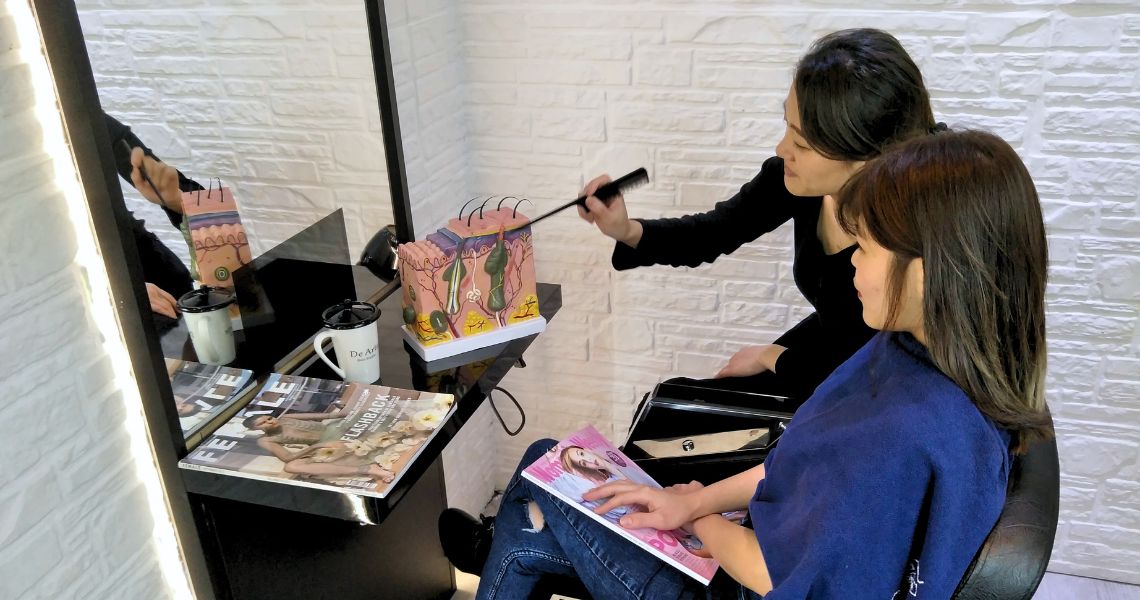
At De Arte Hair Salon, we offer specialized hair growth treatments that target the scalp, hair strands, and overall follicle health.
1. Scalp Therapy for Hair Growth
A clean and nourished scalp is essential for healthy follicle function. Our professional scalp treatments:
✅ Remove product buildup that clogs follicles
✅ Increase blood circulation to stimulate growth
✅ Hydrate and rebalance the scalp’s natural oils
2. Nourishing Hair Treatments
Dry, brittle hair is more likely to break before reaching its full length. Our customized hair treatments restore moisture, strength, and elasticity to prevent breakage.
🔗 For more information, explore our hair & scalp treatments.
3. Professional Haircuts for Healthier Growth
Trimming your hair regularly prevents split ends from traveling up the hair shaft, ensuring healthier and longer strands over time.
🔗 Explore our full list of personalized haircut services to find the right cut for you.
4. Personalized Hair Growth Consultation
Not all hair is the same, which is why we offer one-on-one consultations to analyze your:
✅ Scalp health
✅ Hair texture & density
✅ Daily hair care habits
We then create a customized hair care plan tailored to your growth goals.
Book An Appointment
Hair growth isn’t just about time, it’s about care, consistency, and professional support.
At De Arte Hair Salon, we combine science-backed techniques with luxurious treatments to ensure your hair grows longer, thicker, and healthier.
🌿 Book your appointment today and let’s bring out the best in your hair; because beautiful hair starts with healthy growth!