Heat damage from styling tools like flat irons, blow dryers, and curling wands is often blamed for hair damage, but they’re not the only culprits. Environmental factors such as humidity, sun exposure, and pollution also contribute to dryness, frizz, and overall weakness. Over time, these stressors can lead to breakage and thinning. Fortunately, by adopting the right hair care practices, you can protect your hair from these daily challenges and maintain strong, shiny, and healthy hair.
In this guide, we’ll explore six essential ways to protect your hair from heat damage, humidity, and environmental stress, while promoting overall hair health.
1. Use Heat Protection Products
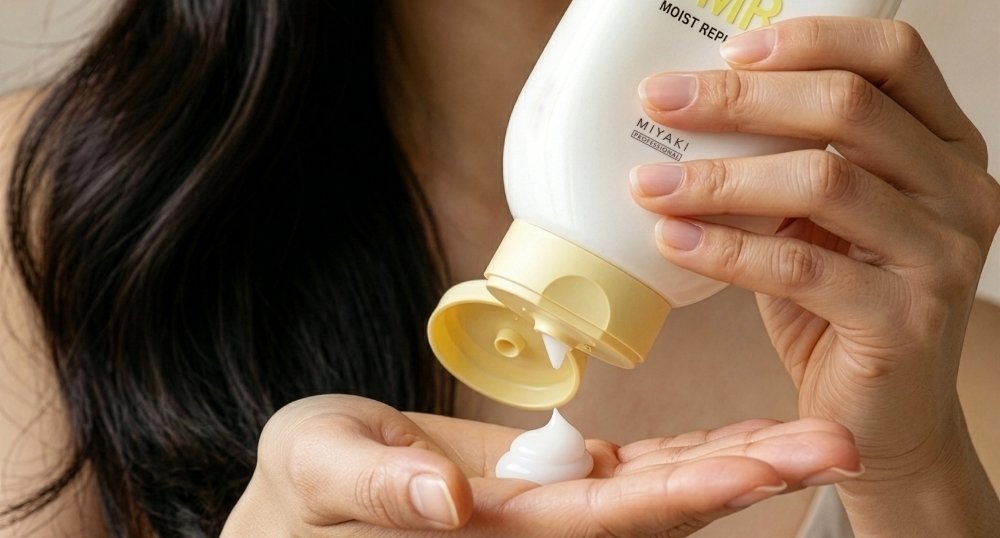
When styling your hair with heat tools, it’s essential to use a heat protectant first. You’ve probably heard this advice many times, but it’s just as important as applying sunscreen to your skin. While sunscreen can’t fully prevent freckles, it minimizes UV damage, and similarly, a heat protectant can’t eliminate all risks of heat damage but significantly reduces its impact on your hair.
Heat protectants create a barrier that locks in moisture and prevents direct heat from damaging the hair shaft. Though they can’t make your hair completely immune to heat damage, they lower the intensity of heat’s effects, helping to keep your hair healthier in the long run.
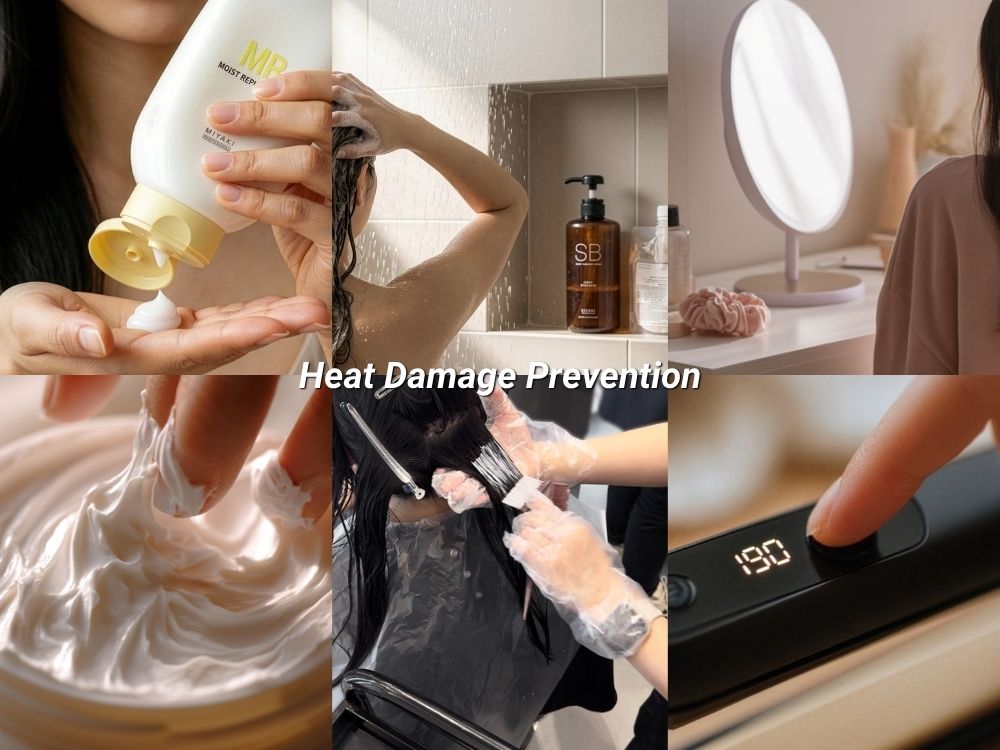
We do recommend Miyaki Professional Moist Replenisher Leave-In Cream, which not only protects your hair from heat but also moisturizes and detangles it. To get the best results, apply the leave-in conditioner after washing your hair. First, towel dry your hair and apply the product when it’s about 30-40% dry. Focus on the ends, where hair tends to be most damaged. Then, continue drying your hair to about 80-90% dry. If needed, you can apply a small amount of leave-in conditioner again for extra moisture and protection, or finish your styling routine with a hydrating serum to seal in moisture and add shine.
***
2. Hydrate and Moisturize Regularly
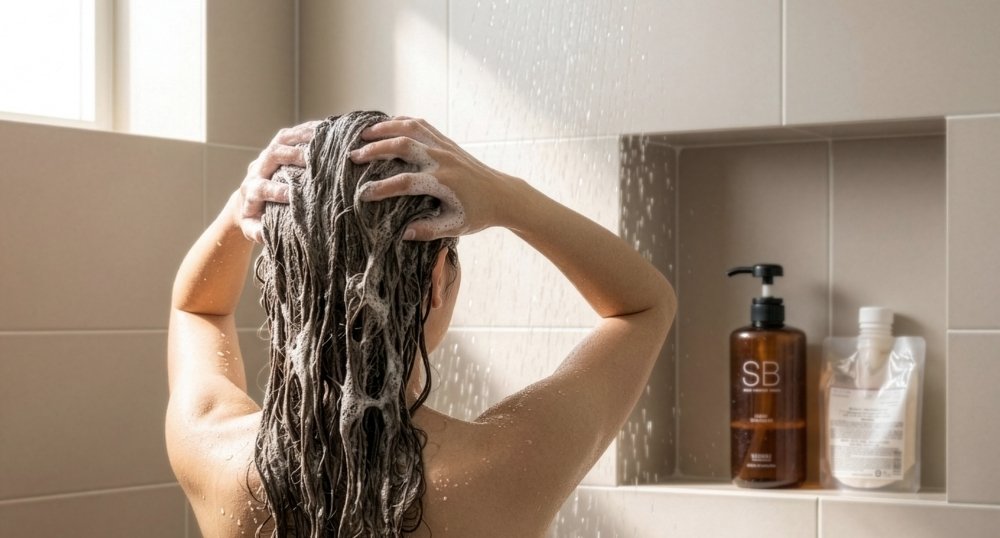
Dry hair is more prone to frizz, breakage, and split ends. One of the most effective ways to protect your hair is by keeping it well-hydrated. Your hair’s ability to resist damage begins with proper moisture retention.
In humid and warm climates, your scalp can easily become oily or sweaty, which may lead to clogged pores. Over-washing your hair can strip away its natural oils, causing an imbalance that may lead to irritation or scalp problems such as dry flakes or scalp acnes (For more tips on caring for different scalp types, check out our article on 🔗 4 Common Scalp Problems in Singapore). Instead of washing your hair in the morning, try washing it at the end of your day and drying it thoroughly. This allows your scalp to naturally balance itself overnight, preventing excess oil and sweat from building up.
To hydrate your hair properly, start with a moisturizing shampoo and conditioner. Look for sulfate-free formulas like Miyaki Professional Repairing Shampoo, which is perfect for dry or damaged hair.
Sulfates, which are common in regular shampoos, can strip your scalp of its natural oils, leaving your hair brittle. Sulfate-free formulas are gentler and help maintain moisture, making them more suitable for dry or normal hair types. If you have an oily scalp, however, sulfate-based shampoos can help remove excess oil without causing additional dryness. For tips on how to choose the right shampoo for your scalp type, check out our article on 🔗 4 Easy Steps to Identify Your Scalp Type & Choose the Perfect Shampoo.
To lock in moisture, consider using leave-in conditioners or hydrating serums throughout the day. These products will keep your hair soft, shiny, and protected from environmental stressors.
***
3. Protect Your Hair from Humidity with Professional Salon Treatments
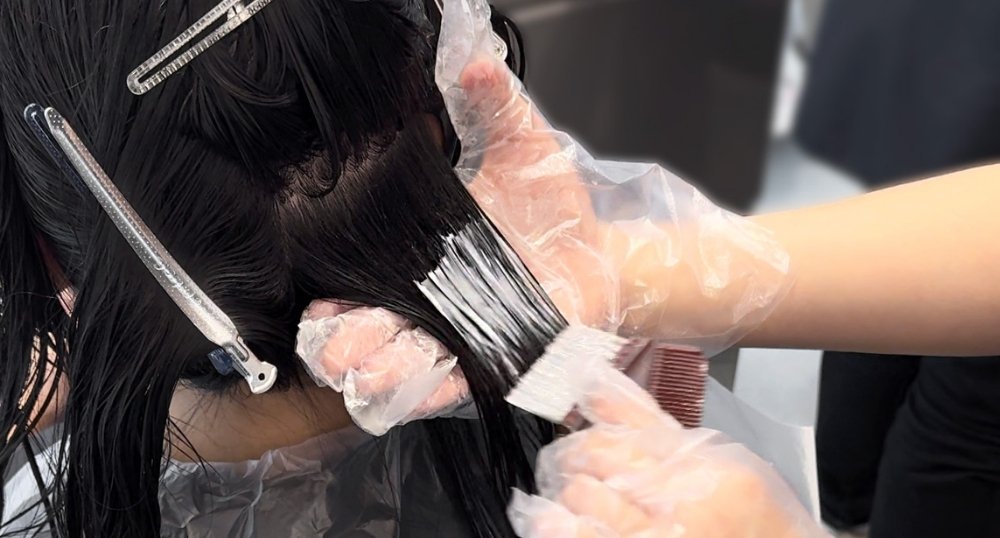
Humidity is one of the leading causes of frizzy hair. When the air is humid, moisture from the environment enters the hair shaft, causing the cuticle (the outer layer of the hair) to swell, leading to frizz. On the other hand, dry weather can strip your hair of essential moisture, making it brittle and prone to breakage.
To protect your hair from both humidity and dry conditions, consider incorporating anti-frizz treatments into your routine. Argan oil is a powerful ingredient for combating frizz. It’s rich in vitamin E, essential fatty acids, and antioxidants, which nourish the hair, lock in moisture, and smooth the cuticle. Argan oil also has anti-inflammatory properties, promoting a healthy scalp.
For a long-term solution that provides lasting frizz control, try our Argan Oil Texture Control professional salon treatment. This service focuses on nourishing your hair while reducing frizz and adding a brilliant shine. Formulated with natural ingredients like Argan Oil, Shea Butter, and Honey, the treatment deeply moisturizes and strengthens your hair, leaving it soft, shiny, and frizz-free for up to six months. It’s the ideal option for anyone seeking a gentler, more natural treatment.
To learn more about how this treatment can transform your hair, check out our article on 🔗Argan Oil Texture Control: The Ultimate Solution for Frizz-Free, Silky Hair in Just 1 Treatment.
***
4. Give Your Hair a Break from Heat Styling Tools
While heat styling tools like flat irons and curling irons are popular for achieving sleek, polished looks, overusing them can cause significant damage to your hair. High heat weakens the hair cuticle, leading to split ends, breakage, and dryness. The key to maintaining healthy hair is moderation.
Try taking regular breaks from heat styling to allow your hair to rest and recover. On heat-free days, experiment with braids, twists, or buns, which protect your hair from heat while still offering stylish results. These simple techniques will help reduce the cumulative damage caused by frequent heat exposure.
***
5. Use Deep Conditioning Masks
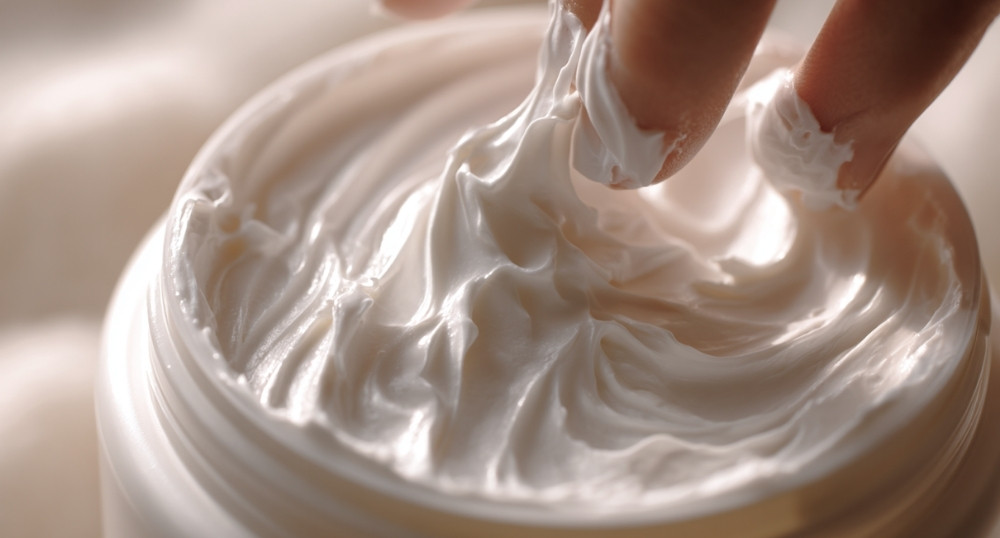
Deep conditioning masks are an excellent way to give your hair the nourishment it needs to stay healthy and strong. These masks provide intense hydration and repair damage, helping to restore moisture and elasticity.
Using a deep conditioning mask once or twice a week (or as needed) is a great way to keep your hair resilient to heat and environmental stress. Look for masks with ingredients like keratin, coconut oil, or shea butter, which help strengthen and hydrate the hair. To get the best results, leave the mask on for at least 20 minutes to allow the ingredients to deeply penetrate your hair.
***
6. Adjust Your Styling Tool Temperature
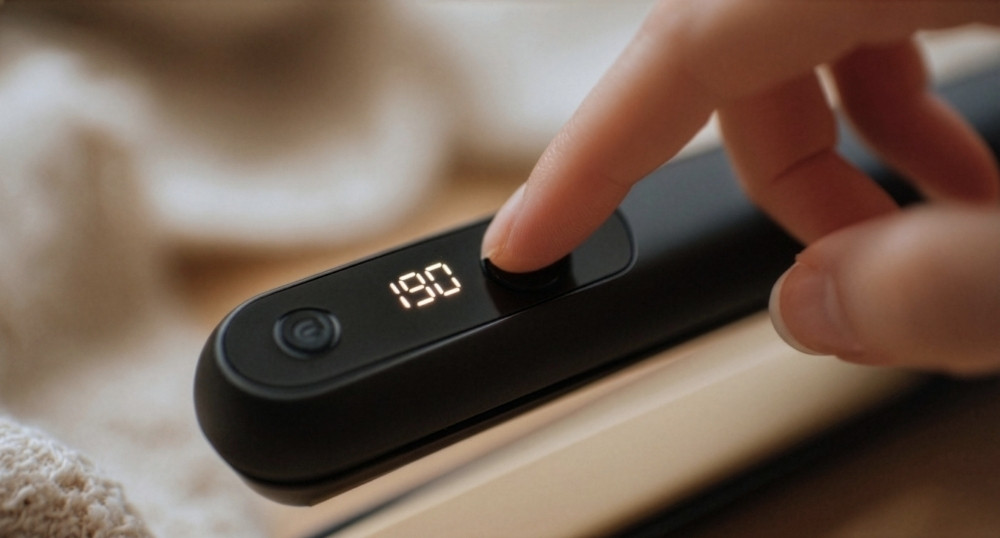
While it’s tempting to crank up the heat to speed up your styling routine, using high temperatures can do more harm than good. The higher the heat, the greater the risk of damaging your hair.
Instead, set your styling tools to a moderate temperature. For most hair types, a temperature of 175°C to 190°C (about 350°F to 375°F) is ideal. If you have fine or fragile hair, you can lower the temperature even further. Avoid using high heat for prolonged periods, as this can cause long-term damage to your hair strands.
By adjusting your styling tool temperature to the appropriate level, you can reduce heat damage and keep your hair looking healthy.
***
Bonus Tip: Nourish Your Hair from the Inside Out
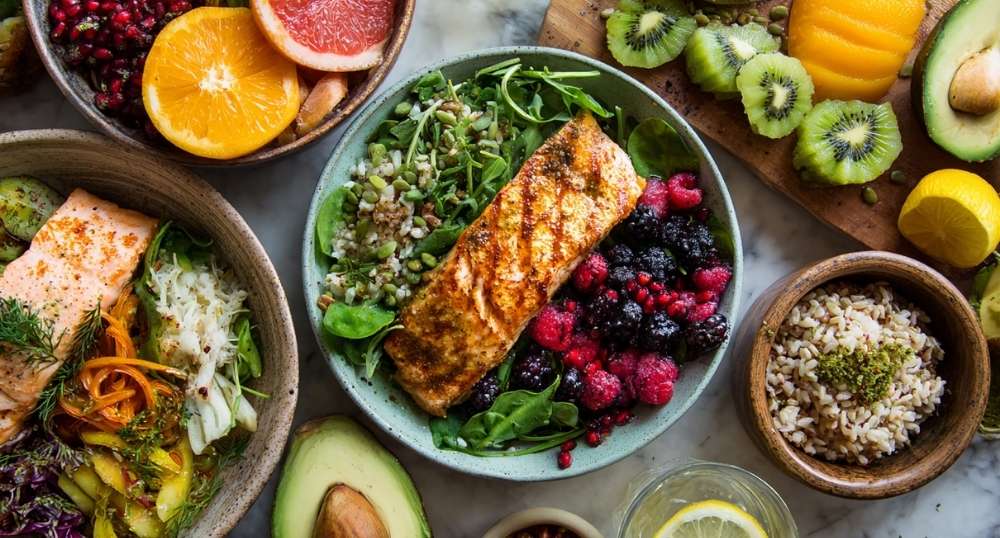
While no amount of external hair care will protect your hair if you’re not taking care of it from within, a well-balanced diet is key to supporting healthy hair growth. Hair is primarily made of keratin, a protein that requires specific nutrients to stay strong and healthy.
Incorporate foods rich in biotin, vitamin E, omega-3 fatty acids, and zinc to help support your hair’s health. Leafy greens, fatty fish, nuts, and seeds are great sources of these essential nutrients. By nourishing your scalp and hair follicles from the inside, you provide the foundation for stronger, healthier hair that’s more resilient to damage.
A healthy, nourished scalp creates a solid foundation for your hair, making it more resistant to environmental stressors and heat damage.
***
Protect Your Hair from Heat and Environmental Damage
Heat styling tools may be a primary cause of hair damage, but they aren’t the only culprits. Environmental factors such as humidity, sun exposure, and pollution also weaken your hair over time. However, by following the right hair care steps, like hydrating regularly, going for anti-frizz treatments, and taking breaks from heat styling, you can keep your hair healthy and strong.
Support your hair with a solid foundation through the right products and a nourishing diet, and you’ll give it the best chance of staying resilient to heat, humidity, and other environmental stressors.