De Arte Hair Studio

Hair Myths Debunking-the-Most-Common-Misconceptions

10 Haircare Myths You Should Stop Believing: Debunking the Most Common Misconceptions

POSTED ON March 19, 2026

Myth or Fact?

When it comes to haircare, there are a lot of myths out there.  From “washing your hair less frequently” to “using keratin treatments for every type of frizz,” misconceptions can easily lead you down the wrong path. If you’ve ever been confused by some of these haircare myths, you’re definitely not alone. It’s time to set the record straight so you can make more informed choices for your hair.

Here are the top 10 haircare myths debunked, with some real facts to help you understand what really works when it comes to caring for your hair.

1. Frequent Washing Is Bad for Your Hair
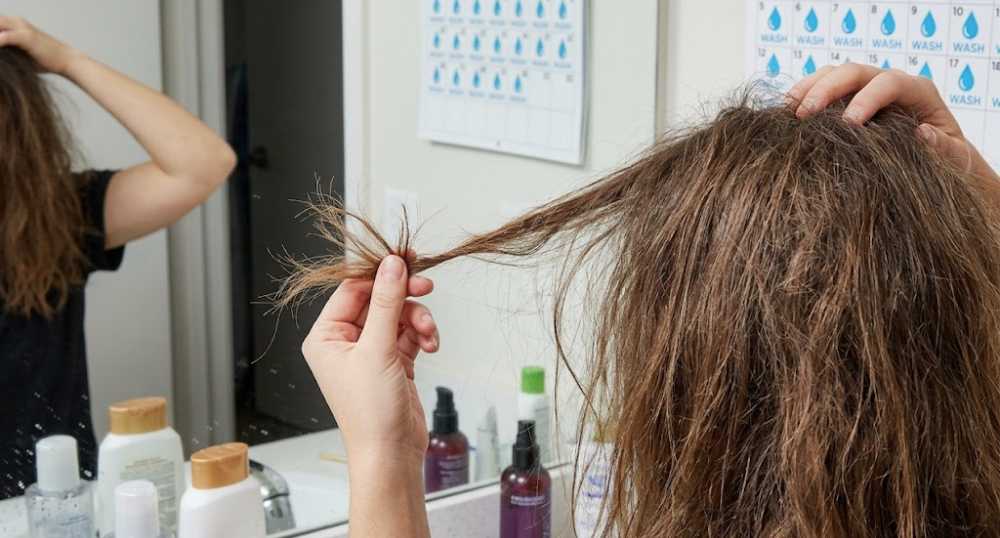
Haircare Myths #01 Frequent Washing Is Bad for Your Hair
Many people believe that washing their hair too often can strip it of natural oils and lead to dryness. While this may hold true for some hair types, frequent washing isn’t universally harmful. In fact, some people, particularly those with oily hair or active lifestyles, may benefit from washing more often.
Fact: The frequency of washing should depend on your hair type and lifestyle. Oily hair may require daily washing to keep it fresh, while dry hair benefits from less frequent washes. According to the American Academy of Dermatology, the key is finding the right balance for your scalp; neither over-washing nor under-washing can maintain healthy hair (source: AAD).
2. Trimming Your Hair Makes It Grow Faster
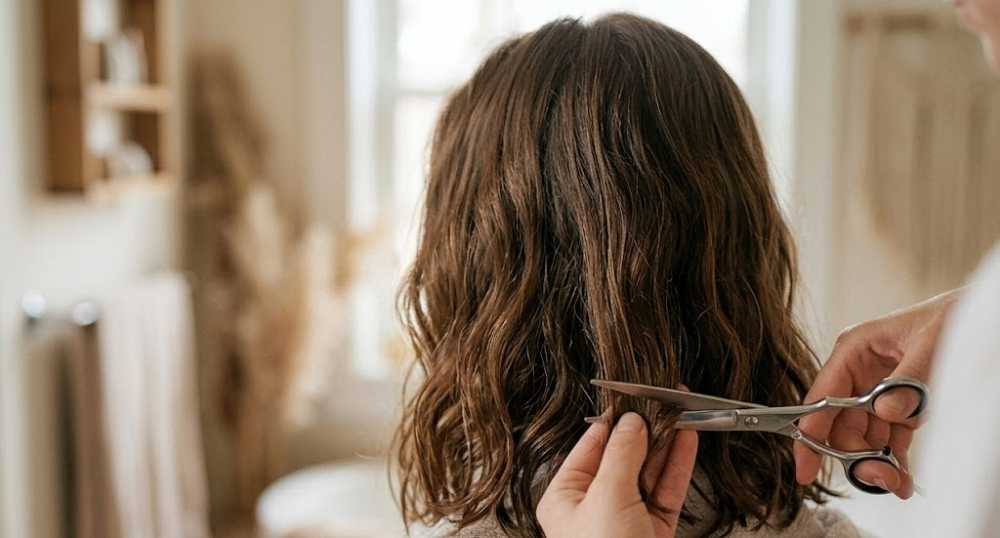
Trimming Hair
One common misconception is that regular trims can make hair grow faster. While trimming removes split ends and helps keep hair looking healthy, it doesn’t actually impact hair growth.
Fact: Hair growth starts at the scalp, not the ends. The average growth rate is around half an inch per month, and trimming helps prevent breakage, which can make your hair appear longer and healthier.

You may be interested in: 🔗 The Science of Hair Growth and Why You Should Care
3. Keratin Treatments Are Always the Best Solution for Frizzy Hair
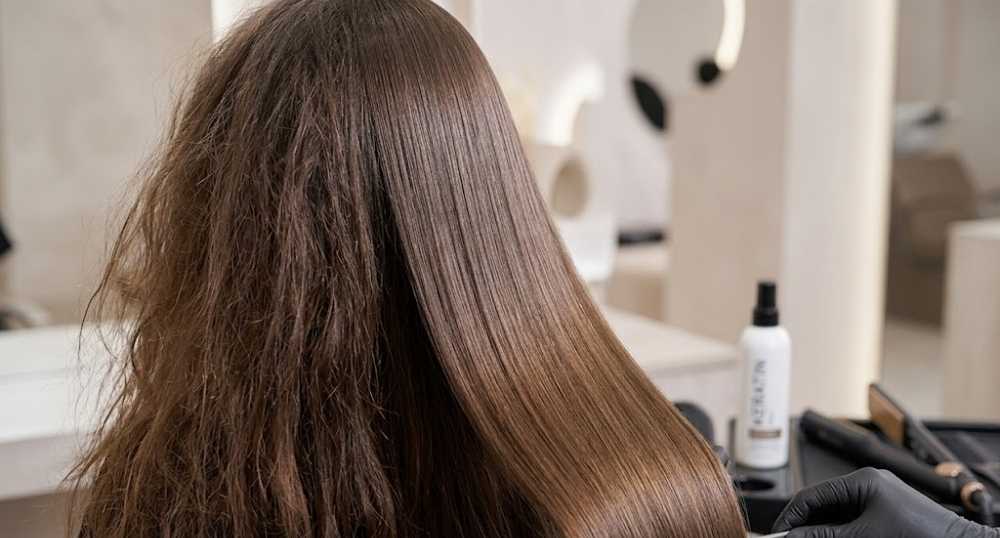
Haircare Myths #03 Keratin Treatments Are Always the Best Solution for Frizzy Hair
While keratin treatments are marketed as the ultimate frizz fix, they’re not the best solution for every hair type. For some hair types, particularly fine or damaged hair, keratin can lead to more harm than good.
Fact: Keratin treatments help smooth and straighten hair, but they’re not universally ideal. Depending on your hair’s condition, certain treatments may be more effective at controlling frizz than others. One of our most popular anti-frizz options is the Argan Oil Texture Control treatment. Regardless, we always recommend consulting a professional before deciding on the best treatment for your hair.
4. Wet Hair Will Give You a Headache or Make You Sick
You’ve probably heard that sleeping with wet hair can make you sick or give you a headache, but this is actually a myth.
Fact: Wet hair itself doesn’t cause illness or a cold. Colds are caused by viruses, not by being out in the cold with wet hair (source: MedicalNewsToday). However, when your hair is wet, it may make you feel more chilled, especially in cooler or air-conditioned environments, which could contribute to discomfort or even a headache. But this is simply because your body is losing heat faster, not because your hair is wet.
That said, going to bed with wet hair or leaving it damp for long periods can increase the risk of scalp infections. The moisture from your hair can dampen your pillow, creating a warm, humid environment where fungi and yeast thrive. This can lead to scalp conditions such as dandruff, or even fungal infections like seborrheic dermatitis.

**Tip**
To avoid potential scalp issues, it’s a good idea to dry your hair as much as possible before going to bed or stepping out. You don’t need to fully dry it, but make sure it’s not soaking wet.

5. Hair Color Always Ruins Your Hair
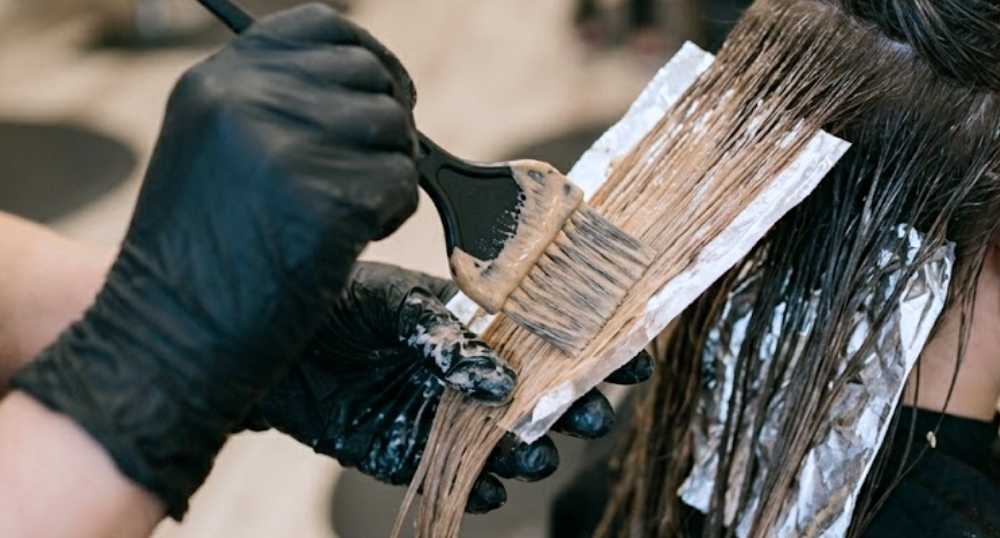
Haircare Myths #05 Hair Color Always Ruins Your Hair
Many people assume that coloring your hair leads to irreversible damage, but modern hair dyes and techniques have evolved significantly. When applied and cared for properly, hair color doesn’t necessarily harm your hair.
Fact: Hair coloring doesn’t inherently damage hair. If done properly and followed with good aftercare, such as using nourishing shampoos and conditioners, hair color can remain vibrant without causing long-term harm. However, excessive coloring or poor aftercare can lead to dryness or breakage.
6. Heat Styling Will Always Destroy Your Hair

Haircare Myths #06 Heat Styling Will Always Destroy Your Hair

Heat styling tools like straighteners and curling irons often get a bad rap, but they don’t automatically destroy your hair.

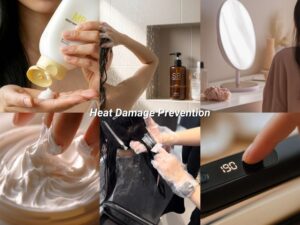
Fact: Heat damage happens when you overuse heat styling tools, but using them in moderation with heat protectant products can minimize damage. Opting for lower heat settings and taking breaks between styling sessions will help keep your hair healthy. Remember, moderation is key, and occasional heat styling doesn’t have to ruin your hair if you use the right precautions.
7. Pulling Out a Grey Hair Will Cause More to Grow Back
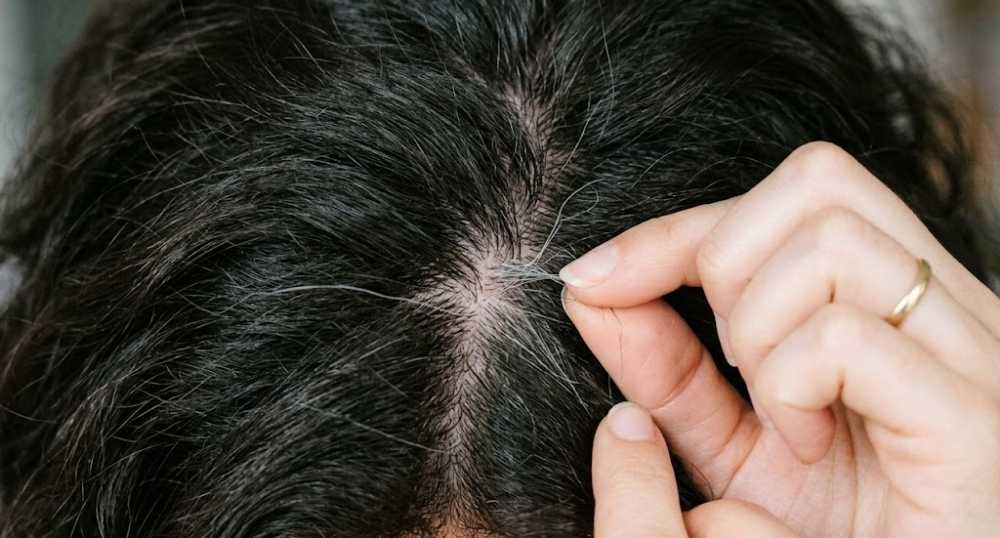
Haircare Myths #07. Pulling Out a Grey Hair Will Cause More to Grow Back
Many people believe that if you pull out a grey hair, more will grow back in its place. This is a common misconception, but it’s simply not true.
Fact: Pulling out a grey hair doesn’t cause more to grow back. Your hair follicles are responsible for hair production, and when you pull a hair out, the follicle remains unaffected. That grey hair won’t “multiply” after being removed. However, pulling out hairs regularly can damage the follicle and lead to hair thinning or scarring, which could affect the regrowth of that hair.
Grey hair occurs because the melanocytes (cells responsible for pigment) in your hair follicles stop producing melanin as you age. Genetics plays the main role in when your hair turns grey, not the act of pulling it out.

Learn more about 🔗 Pulled a Grey Hair? Here’s What Really Happens Next!

8. Hair Needs to "Breathe"
Many people avoid washing their hair too often because they believe their hair needs to “breathe.” However, your hair doesn’t need to be exposed to air to remain healthy.
Fact: Hair follicles are beneath the scalp’s surface and don’t require “breathing.” What matters most is keeping your scalp clean and healthy to promote strong hair growth.
9. Split Ends Can Be Repaired with Products

Haircare Myths #09 Split Ends Can Be Repaired with Products
A common belief is that split ends can be “repaired” with hair products. While there are many products that claim to mend split ends, the truth is that once hair is split, it cannot be truly repaired until it’s trimmed.
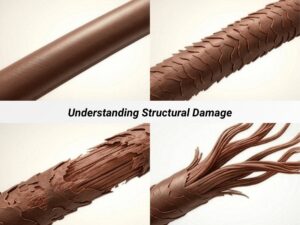
Fact: Split ends occur when the protective outer layer of the hair shaft is damaged, causing the hair to break apart. While products like serums and conditioners can temporarily smooth the ends, the only true fix is to trim the hair. Shampoos formulated for damaged hair can help nourish and strengthen your hair, reducing the likelihood of further splits and preventing additional damage. However, these products can’t permanently repair already split or “dead” hair.
10. You Should Regularly Switch Your Shampoo for Better Results
Many people believe that switching shampoos frequently will prevent hair from getting used to a product and improve its results. However, this idea is 50/50 true.
Fact: While there is no scientific proof that your hair becomes “immune” to a shampoo, there is some truth to the idea that certain shampoos may become less effective over time for specific scalp types.

For example, if you use an oil-control shampoo for an extended period on an oily scalp, your scalp may eventually adapt, and the shampoo may become less effective at controlling oil. This happens because your scalp can get used to the ingredients in the shampoo, and it might no longer produce oil in the same way, requiring a change to another shampoo with a different formulation to achieve the desired results.
Consistency is key, but if your shampoo is no longer giving you the results you need, it’s okay to switch it up. Make sure to choose one suited to your changing scalp or hair condition. For example, if your oily scalp isn’t responding to oil-control shampoo anymore, you might want to try one that’s more hydrating or has a different active ingredient.

To make sure you’re using the right shampoo for your specific hair and scalp type, it’s always best to consult a professional. Alternatively, you can check out our article on 🔗 How to Identify Your Scalp Type & Choose the Right Shampoo to learn how to properly nourish and protect your hair with the right selection.
Debunk the Myths, Embrace Healthier Haircare

Now that you know the truth behind these common haircare myths, you’re ready to make smarter choices for your hair. Forget the myths, and focus on what works best for your unique hair type and needs.

And if you’re still unsure what to do with your hair, why not consult a professional? Whether it’s a salon visit, a phone call, a social media DM, or WhatsApp, we’re here to help! (For faster replies, reach out during working hours 😅)