
Keratin Rebonding vs. Keratin Treatment
If you’re dealing with frizzy, unmanageable, or dull hair, you’ve likely come across salon treatments like keratin rebonding and keratin treatment. Both sound similar as they involve keratin (the protein naturally found in hair), but they deliver different results using very different methods.
The confusion is common. Many people ask:
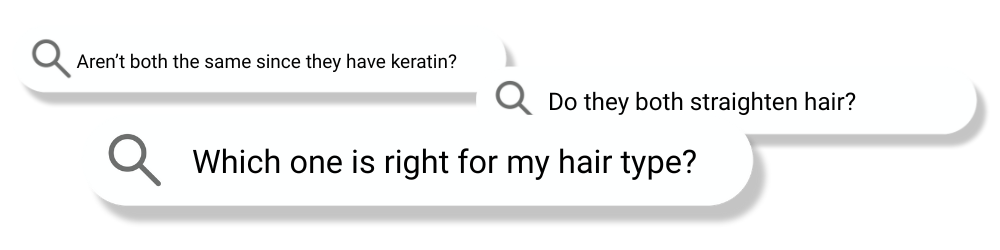
This article breaks down the key differences between keratin rebonding and keratin treatment, and provides tips to maintain the results for as long as possible.
What’s the Core Difference?
Feature | Keratin Rebonding | Keratin Treatment |
Main Goal | Permanently straighten and smooth hair | Smooth, de-frizz, and add shine |
Effect on Hair Bonds | Chemically restructures internal bonds | Coats hair with keratin, no structural change |
Texture Result | Silky-straight with movement | Smooth, soft, retains natural wave/curl |
Longevity | Permanent (until new growth appears) | Temporary (2–3 months) |
Ammonia Used | ✅ Yes (or similar chemicals) | ❌ No |
Formaldehyde Risk | ❌ None | ✅ Yes |
Best For | Those wanting long-term straight hair | Those wanting to manage frizz without losing texture |
Maintenance | High (needs root touch-ups) | Moderate (repeat every few months) |
Chemical Composition: What’s Really in These Treatments?
Keratin Rebonding
- Involves ammonia or ammonia derivatives to open the hair cuticle and break disulfide bonds (the internal structures that define your hair’s natural curl or wave).
- Heat is applied to straighten the hair, and a neutralizer locks it in place.
- The result is permanently straight hair until new growth appears.
Keratin Treatment
- Applies a keratin-rich formula that coats the outer layer of hair, temporarily filling in gaps in the cuticle.
- Hair is sealed with a flat iron but no bond-breaking occurs.
- Many formulas contain formaldehyde or ingredients that release formaldehyde gas when heated during the sealing process. Formaldehyde helps lock the keratin protein into the hair shaft, making the hair smoother and frizz-free for longer.
In short;
- Keratin rebonding involves a stronger chemical process, is permanent, and uses ammonia.
- Keratin treatments are gentler and don’t use ammonia, but may contain formaldehyde or related compounds that can be released in small amounts when heated.
Which One Should You Choose?
Choose Keratin Rebonding if
- You want permanently straight hair.
- You don’t mind touching up roots every 4–6 months.
- Your hair is healthy and strong enough to handle chemical restructuring.
- You’re okay with losing natural texture permanently.
Not Recommended For:
- Damaged, brittle, or fragile hair that may break from harsh chemicals.
- Those who want to keep natural curls or waves.
- People who prefer less frequent salon maintenance.
Choose a Keratin Treatment if:
- You want to control frizz while keeping your natural curl or wave.
- You want to improve shine, softness, and manageability without harsh chemicals.
- You prefer a temporary change with fewer long-term effects.
- You have color-treated or slightly damaged hair (keratin can improve appearance short term).
Not Recommended For:
- Those seeking completely straight hair rather than smoothing or frizz control.
- People wanting a permanent hair texture change.
Things to Take Note
Keratin treatments contain formaldehyde or formaldehyde-releasing agents.
Keratin rebonding is not suitable for highly damaged or over-processed hair. The ammonia and heat involved can worsen breakage.
Neither treatment is “damage-free”, but damage can be minimized with professional application and proper aftercare.
Hair texture will not return to normal after rebonding. You’ll need to grow it out or cut it off.
A Clear Choice Depends on Your Hair Goals
You want… | Go for… |
Long-lasting straight hair with little to no wave | Keratin Rebonding |
Frizz-free, smoother hair while keeping waves/curls | Keratin Treatment |
A low-damage, temporary result | Keratin Treatment |
A more dramatic, lasting transformation (but not recommended for damaged, brittle, or fragile hair) | Keratin Rebonding |
Post-Treatment Care: How to Make Results Last Longer
No matter which treatment you choose, aftercare is crucial for maintaining healthy, smooth results. Here are practical, stylist-approved tips:
1. Use Sulfate-Free Shampoo
Sulfates can strip the treatment from your hair, causing it to fade faster. To protect your results, choose shampoos labeled “sulfate-free” and “keratin-safe”. These gentler formulas help preserve the treatment’s effects and maintain your hair’s health.
2. Wait to Wash Your Hair Immediately After Treatment
It’s important to avoid washing your hair for at least 24–48 hours after your service unless your stylist advises otherwise. During this time, avoid tying, braiding, or tucking your hair behind your ears to prevent unwanted creases or damage as the treatment sets.
3. Manage Freshness Without Overwashing
In humid climates like Singapore where daily washing feels necessary, try to avoid harsh shampoos that can strip treatments. Instead, use dry shampoo or gentle refreshing methods between washes to maintain cleanliness while preserving the keratin or rebonded texture.
4. Minimize Heat Styling
Excessive heat styling can break down keratin proteins and dry out chemically treated hair, shortening the lifespan of your treatment. Whenever possible, reduce the use of flat iron, curling wand, and hair dryer. If you air dry, gently pat your hair dry with a microfiber towel or soft cotton T-shirt, avoid rubbing to prevent friction and breakage. Applying a light leave-in conditioner or anti-frizz serum before air drying helps control frizz and protects your hair.
In humid environments, if air drying causes frizz or discomfort, use a hair dryer on low heat, always paired with a heat protectant spray to minimize damage. Also, avoid leaving your hair soaking wet for long periods, as prolonged moisture can weaken the hair shaft.
5. Avoid Chlorine and Saltwater
Swimming in pools or the ocean can break down keratin or weaken rebonded hair’s structure. To protect your hair, wear a swim cap or apply a leave-in conditioner before swimming.
6. Sleep on Silk or Satin Pillowcases
Using silk or satin pillowcases reduces friction while you sleep, helping to preserve smoothness and moisture in your treated hair.
7. Deep Condition Weekly
Maintaining proper hydration is key to keeping your hair smooth, strong, and healthy. Use deep conditioning masks once a week to replenish moisture and protect your hair from dryness.
Not a Fan of Weekly Masking? Consider In-House Salon Treatments!
If you’re too busy or just don’t want to keep up with regular deep conditioning at home, our salon offers a variety of professional treatments designed to maintain your hair’s health and prolong the smooth, frizz-free results of your keratin treatment.
From deep hydration and nutrient replenishment to targeted repair, we have options for different hair care needs. And if you prefer something simple, you can always choose our basic hydrating treatment to keep your hair nourished and shiny between sessions.
Scheduling these treatments every 4–6 weeks can:
- Extend the life of your keratin treatment by restoring moisture and smoothness
- Replenish essential nutrients lost during daily styling and washing
- Save you time and effort compared to at-home masking routines
- Provide expert, personalized care to keep your hair healthy and vibrant
Ask your stylist about arranging regular maintenance treatments. These are definitely a more hassle-free way to keep your hair looking sleek, healthy, and beautifully manageable!
Final Advice
Before deciding on either keratin treatment or rebonding, here’s what we recommend:
- Consult with a qualified stylist – like us! We’ll carefully assess your hair’s current health to find the best option for you.
- Be honest about your hair history – including any coloring, bleaching, perms, or previous straightening treatments. This helps us customize the safest and most effective approach.
- Ask about the products we use, especially regarding formaldehyde content, so you feel confident and informed.
- And most importantly, don’t skip aftercare – your results and hair health depend on it. We’ll guide you through the best maintenance treatments to keep your hair looking its absolute best!
FAQ (Keratin Rebonding VS Keratin Treatment)
Keratin Rebonding permanently straightens hair by breaking and restructuring internal bonds. Keratin Treatment smooths and de-frizzes hair, leaving natural texture (wave or curl) intact.
Keratin Rebonding is permanent until new hair grows. Keratin Treatment lasts 2-3 months.
Keratin Rebonding straightens hair fully. Keratin Treatment only reduces frizz and smooths hair without making it completely straight.
Keratin Treatment is suitable for most hair types, including color-treated and slightly damaged hair. Keratin Rebonding is best for healthy, strong hair and may not be suitable for damaged or brittle hair.
Keratin Rebonding requires root touch-ups every 4-6 months. Keratin Treatment requires maintenance every 2-3 months.
Swimming in chlorine or saltwater is not recommended for either treatment, as it can break down keratin or weaken the structure of rebonded hair. Consider wearing a swim cap.
You might be interested to learn about: How to Prevent Damage Hair: 6 Things You Should Never Put on Your Hair
Wait at least 24-48 hours before washing your hair after either treatment to allow the formula to set properly. Best is to ask the stylist for advice.
Excessive heat styling can break down keratin proteins. It’s best to minimize use of hot tools and always apply a heat protectant.
Keratin Treatment is ideal for frizz control while maintaining your natural curl or wave. Keratin Rebonding is better for completely straight hair if you want to eliminate frizz long-term.
Book An Appointment
Taking the time to understand your hair’s needs and the right treatment can truly make all the difference in achieving the results you want. If you’re really interested in exploring these services, we encourage you to digest this information at your own pace; it’s worth it!
But if long articles aren’t your thing, no worries. You can always arrange a free consultation with us to discuss your hair condition in person. We’ll provide tailored advice in a relaxed, friendly conversation, detailed enough to help you make informed decisions, but without the overwhelm.
Your hair journey should feel exciting and personal, and we’re here to help every step of the way!