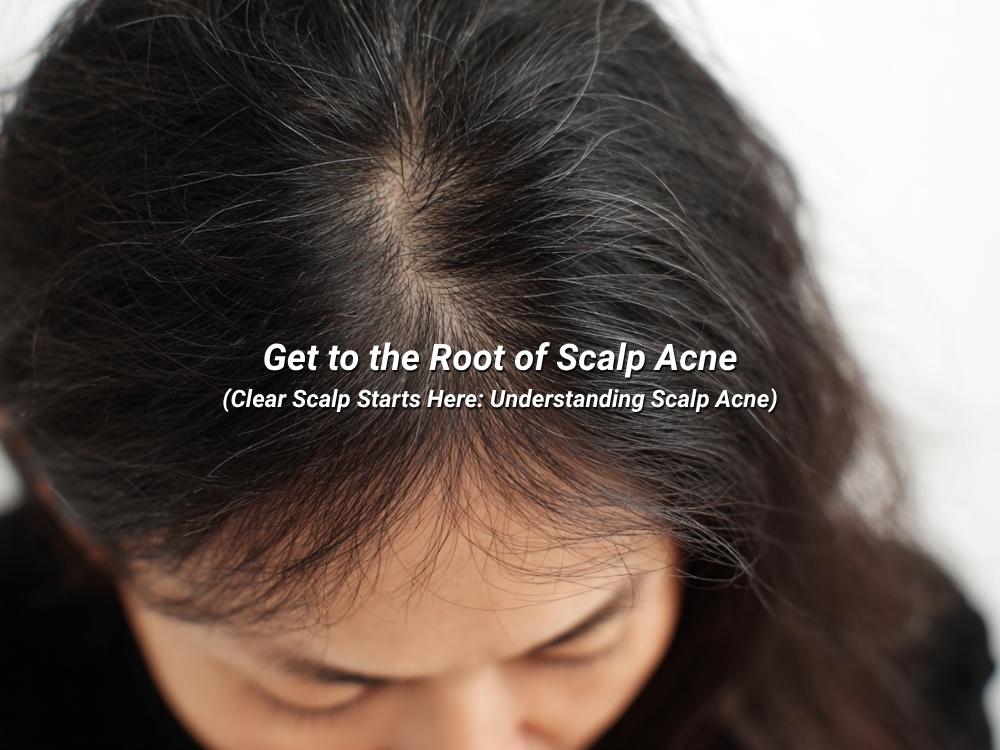
Scalp acne (often called scalp pimples) is a common condition that many people overlook or confuse with dandruff or irritation. In reality, it is a form of follicle inflammation, and it behaves very similarly to facial acne.
The good news? Once you understand how your scalp works like skin, scalp acne becomes much easier to manage and prevent.
What Is Scalp Acne?
Scalp acne is most closely linked to folliculitis, which is inflammation of hair follicles.
It develops when follicles become blocked by:- Sebum (natural oil produced by the scalp)
- Dead skin cells
- Sweat
- Product residue
- Cutibacterium acnes (bacteria associated with acne)
- Malassezia (yeast that thrives in oily, humid environments)
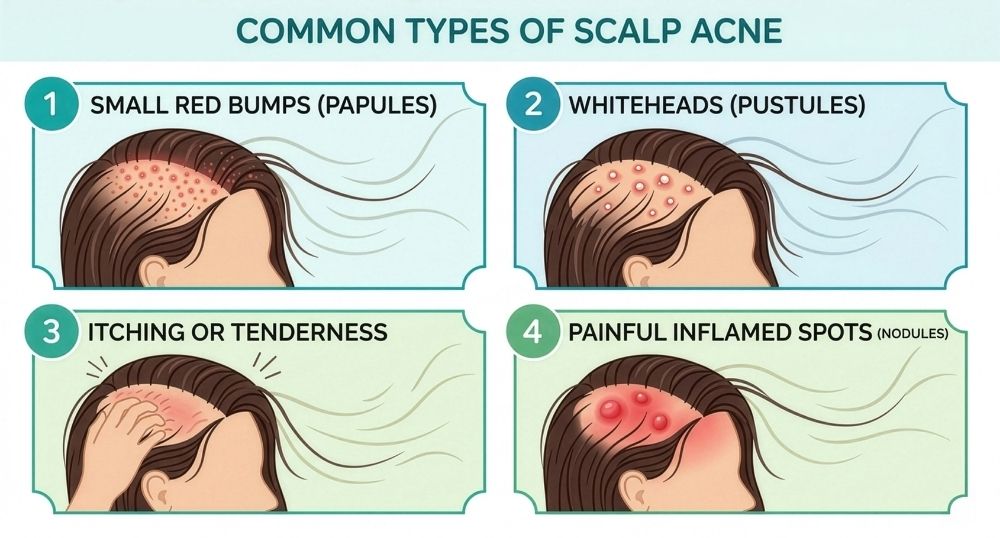
Common Symptoms of Scalp Acne
Small red bumps (Papules)
These are early-stage inflammatory acne lesions. Papules appear as tiny, raised red bumps on the scalp that feel firm to the touch. They do not contain pus, but they can feel slightly sore or sensitive. Papules form when hair follicles become irritated or mildly infected due to oil buildup, bacteria, or product residue. They are often the first visible sign that the scalp is becoming inflamed.
Whiteheads or pus-filled pimples (Pustules)
Pustules are similar to papules but are more advanced. They appear as red bumps with a white or yellow center filled with pus. This pus is made up of white blood cells, bacteria, and debris that the body sends to fight infection. Pustules may be tender or painful and can sometimes burst if irritated. They are commonly associated with clogged follicles and bacterial overgrowth.
Itching or tenderness
Occasionally painful inflamed spots (Nodules)
Scalp acne symptoms can range from mild surface bumps (papules) to deeper, more painful lesions (nodules), often accompanied by itchiness and sensitivity due to inflammation.
***
Your Scalp Is Skin too!
A key misconception is treating the scalp as “just hair.” In reality, your scalp is also skin with hair growing from it
It contains:- Hair follicles (pores)
- Sebaceous glands (oil glands)
- Skin microbiome* (good + bad microbes)
What is microbiome?
👉 The microbiome = all the bacteria, fungi, and other microbes that live in a specific area (like your scalp, skin, or gut)
Your scalp is home to a natural microbiome (a balanced ecosystem of bacteria and yeast that helps keep your scalp healthy). This includes microorganisms like Cutibacterium acnes and Malassezia, which normally live on your scalp without causing problems.
However, when this balance is disrupted, i.e. often due to excess oil, sweat, heat, humidity, or product buildup, certain microbes can overgrow. This overgrowth can irritate hair follicles, trigger inflammation, and lead to scalp pimples or acne.
Important difference from facial skin:
* The scalp has more oil glands, making it more prone to oil buildup
* It is usually covered by hair, creating a warmer, more humid environment
👉 Together, these factors increase the chances of scalp acne. Not because the skin is weaker, but because the conditions favor breakouts.
***
Is the Scalp More Sensitive Than Facial Skin?
✅ What is true:
- The scalp is not inherently more sensitive than facial skin
- It has a slightly thicker protective layer
Why it feels more sensitive:
- Higher sebum (oil) production
- Heat and humidity
- Sweat trapped under hair
- Product buildup
- Occlusion from hats, helmets, or hairstyles
👉 The scalp is not naturally more sensitive, but it is more prone to becoming irritated or inflamed.
***
What Causes Scalp Pimples?
1. Excess Oil Production
- Mix with dead skin cells
- Clog hair follicles
- Trigger inflammation
2. Microbial Imbalance
- Bacterial overgrowth (Cutibacterium acnes)
- Yeast imbalance (Malassezia)
These thrive in warm, oily, humid environments.
3. Product Buildup
- Dry shampoo
- Styling gels or waxes
- Conditioner applied too close to the scalp
This acts like “blocked pores” on facial skin.
4. Sweat, Heat & Humidity
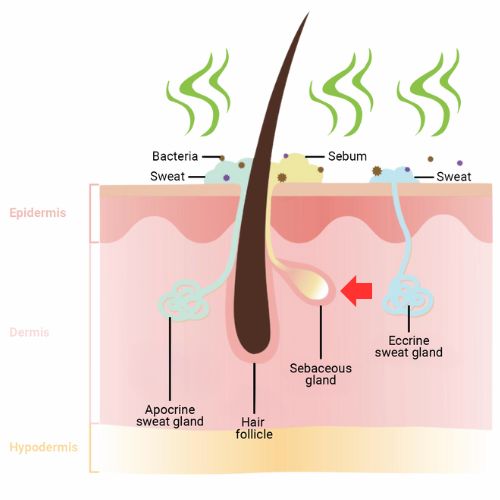
- Trapped
- Mixed with oil
- Left unwashed
It increases the risk of clogged follicles and bacterial growth. This is especially common in hot, humid climates like Singapore.
5. Damp Scalp & Poor Drying Habits
✅ What is true:
- Warm + moist environments promote microbial growth
- Leaving hair damp for long periods can increase irritation risk
- Covered damp hair (e.g., sleeping or tying it up) increases risk further
❌ What is false:
- Water alone causes acne
It’s not “wet hair = acne,” but prolonged dampness + heat + occlusion = higher risk of scalp breakouts
6. Friction & Mechanical Stress
- Helmets
- Caps
- Tight hairstyles
***
How to Prevent Scalp Acne
1. Cleanse Like You Care for Facial Skin
- Choose a shampoo suited to your scalp type
- Avoid both overwashing and underwashing
🔗 Read more on How to Identify Your Scalp Type & Choose the Right Shampoo
2. Always Dry Your Scalp Properly
- Do not sleep with wet hair
- Dry scalp after washing
- Use low or cool heat if blow-drying
- Avoid tying hair when damp
3. Use Targeted Active Ingredients
- Salicylic acid → unclogs follicles
- Ketoconazole → reduces yeast overgrowth
- Zinc → helps control bacteria and inflammation
4. Prevent Product Buildup
- Avoid applying conditioner to scalp
- Limit heavy styling products
- Use clarifying shampoo occasionally
5. Maintain Scalp Hygiene Habits
- Wash after sweating
- Change pillowcases regularly
- Clean helmets and hats
***
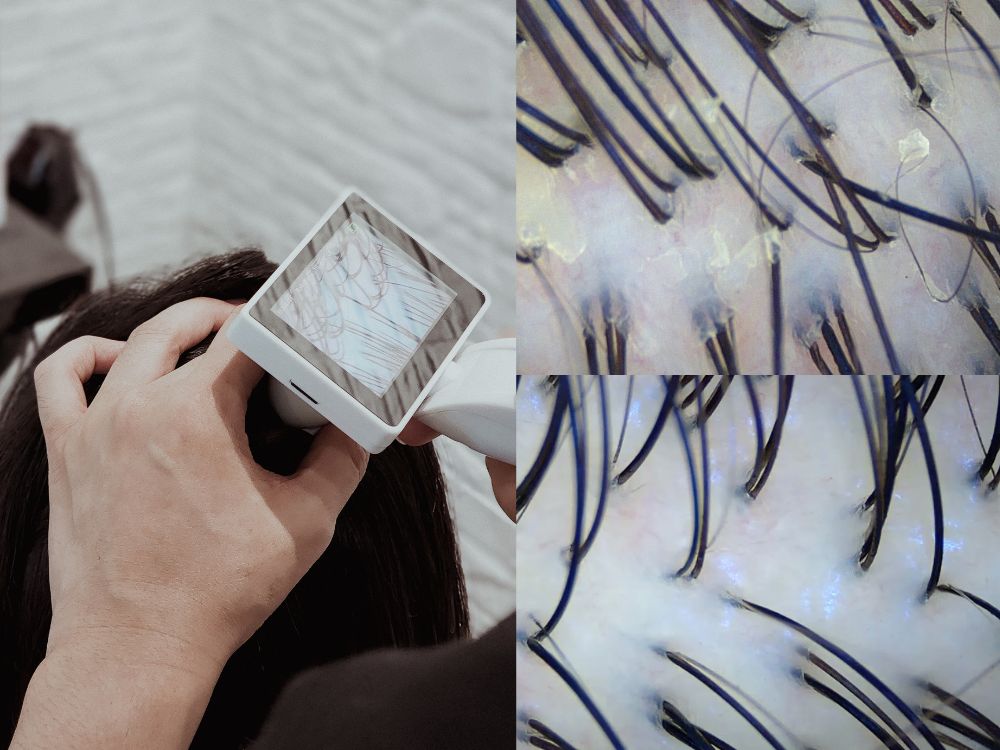
Professional Scalp Treatments (Deeper Reset)
- Deep cleansing clogged follicles
- Removing excess buildup
- Rebalancing scalp oil levels
- Calming inflammation
Detoxifying Herb Infusion
- Herbs extracts to soothe irritation
- Detoxification techniques to remove buildup
- Circulation support for healthier follicles
Think of it as a professional facial treatment, but for your scalp.
🚫 Common Myths About Scalp Acne
❌ “Wet hair causes scalp acne”
Not directly, only prolonged dampness in the wrong environment increases risk.
❌ “You just need to wash more”
Overwashing can strip natural oils and worsen imbalance.
❌ “Scalp care is just hair care”
Your scalp is living skin, it needs skincare-style attention.
***
Your Scalp Deserves Skin-Level Care
Scalp acne is not random, it develops due to a combination of:
- Oil imbalance
- Clogged follicles
- Microbial activity
- Environment and habits
The most important shift you can make is this: Treat your scalp like your skin, not just your hair.
With the right routine and awareness, scalp acne is highly manageable.
***
Book a Professional Scalp Assessment Today
- Recurrent scalp pimples
- Painful or inflamed bumps
- Persistent oiliness or buildup
- No improvement with home care
What you can expect:
- Scalp condition analysis
- Oil and sensitivity assessment
- Follicle and buildup evaluation
- Personalized treatment recommendation
Ready for a clearer, healthier scalp?
Book your scalp consultation today and take the first step toward long-term scalp health and confidence.