How to Support the Recovery of Bleached Damaged Hair: A Balanced Approach
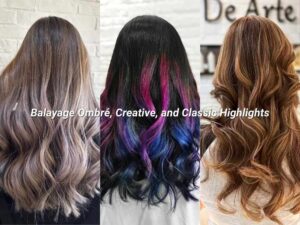
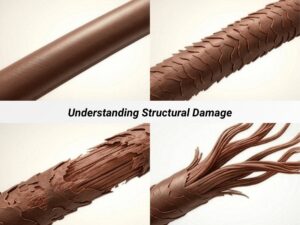
Bleaching can be a transformative hair process, but it often leaves hair vulnerable to damage. Bleached damaged hair can present with a range of issues, such as dryness, breakage, and frizz, depending on the degree of processing, hair type, and individual lifestyle factors.
This guide offers practical methods to support the recovery process. While results will vary from person to person, these approaches can help strengthen and protect your hair during its recovery journey.
Why Does Bleach Cause Hair Damage?
- Increased porosity, leading to faster moisture loss
- Disruption of protein bonds, weakening hair strands
- Dryness and brittleness, making hair prone to breakage
7 Practical Tips to Nourish and Revive Weakened Hair
1. Use Bond Repair Treatments
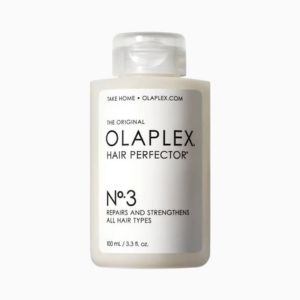
Olaplex No.3 Hair Perfector
A highly reviewed at‑home bond repair treatment that specifically targets weakened hair structure and helps reduce breakage with regular use.
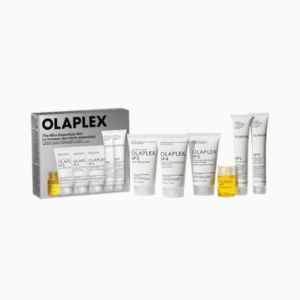
Olaplex Mini Essentials Set
A compact set that lets you try the core bond‑building treatment at a lower upfront cost; useful for first‑time users.
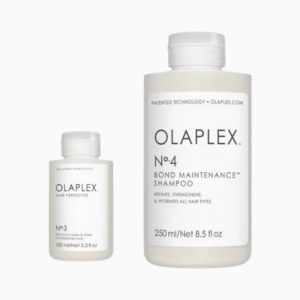
Olaplex No.3 and No.4 Duo
2. Deep Hydration Treatments
Hydrating hair masks or conditioners with ingredients like glycerin, shear butter, ceramides, and plant oils (such as argan or jojoba oil) can deeply nourish the hair and improve softness and shine.
3. Balance Protein and Moisture
Finding the right balance between protein and moisture is crucial when recovering bleached hair. Too much protein can cause hair to feel brittle, while insufficient protein can leave it weak and lifeless.
Protein-rich treatments like keratin or hydrolyzed silk protein can help reinforce damaged strands, while moisturizing ingredients like hyaluronic acid or glycerin help maintain hydration levels.
Note: Alternate between protein treatments and moisturizing masks to avoid overloading the hair with either.
4. Choose a Gentle Shampoo
Shampoos that are sulfate-free, color-safe, and moisturizing often work best for bleached hair. Ingredients like ceramides and fatty alcohols can help replenish the moisture balance that bleaching tends to strip away.
5. Limit Heat Styling
Excessive heat styling can worsen damage in already fragile bleached hair. If you must use heat, it’s important to apply a heat protectant and keep styling to a minimum.
Heat protectant sprays or serums containing silicone-based ingredients or vitamin E can help reduce the risk of further damage. If heat styling is essential, keep the temperature on your tools below 300°F (150°C) to minimize stress on the hair shaft. Air drying when possible is an easy way to give your hair a break from heat damage.6. Apply Leave-In Treatments
Leave-in conditioners or serums help to provide ongoing moisture and protection for bleached hair throughout the day. They can help improve manageability and reduce frizz.
Look for leave-in products with natural oils (like argan oil or coconut oil), silk proteins, or vitamin E. These ingredients help to hydrate the hair, add shine, and protect it from external stressors like UV rays or pollution.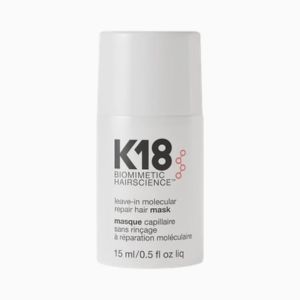
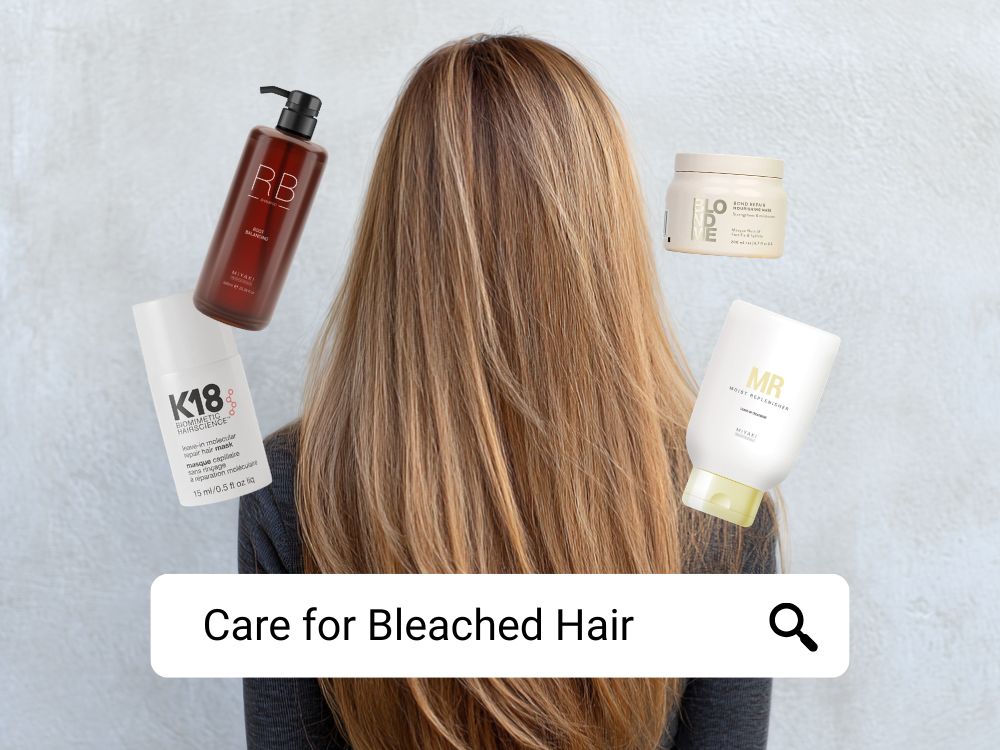
K18 Leave In Molecular Repair Hair Mask
A popular peptide‑based leave‑in mask that many users report helps improve elasticity and reduce dryness, making it a good option for chemically treated hair.
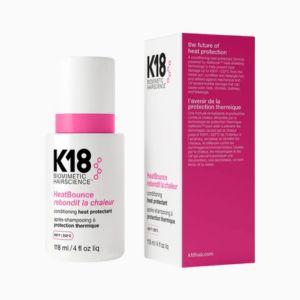
K18 HeatBounce Conditioning Heat Protectant
A lightweight conditioning spray that also protects against heat damage, useful if you use styling tools.
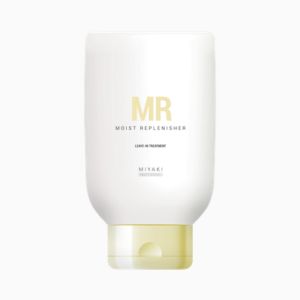
Miyaki Professional Moist Replenisher
7. Trim Regularly
Bleached hair can develop split ends and become prone to breakage. Regular trims can help minimize the spread of damage and keep your hair looking healthier.
Trimming damaged or split ends every 6–8 weeks helps maintain the appearance of healthy hair and prevents further breakage from moving up the strand. Even a small trim can make a big difference in reducing the appearance of damaged hair.
Disclaimer: We highlight products that are trending and highly rated online. Our suggestions are unbiased and not limited to our own salon’s brand.
When a Structured Treatment Plan May Be Helpful
- Highly porous
- Continuously breaking
- Weak even after basic conditioning
- Overprocessed from multiple bleach sessions
A more structured, multi-step treatment approach may be considered.
- Clarifying or preparation
- Bond reinforcement
- Protein support
- Moisture replenishment
- Cuticle sealing and protection
This type of approach may provide more comprehensive support for severely compromised strands, depending on individual hair condition.
Considering a More Intensive Restructuring Routine?
How Long Does It Take to Support the Recovery of Bleached Hair?
- Degree of damage
- Hair type
- Consistency of care
- Lifestyle factors (e.g., heat styling frequency, sun exposure)
Many people begin to notice small changes within 4–8 weeks of consistent care, such as improved softness or reduced breakage. However, more noticeable recovery may take several months, especially if the hair has been heavily processed.
Because chemically altered hair cannot fully return to its original state, long-term improvement often depends on maintaining a supportive routine and allowing healthier new growth to gradually replace more compromised strands. In some cases, periodic trims may also be necessary to maintain overall hair integrity.
Recovery timelines vary from person to person. Hair type, previous chemical history, styling habits, and daily maintenance all influence the process.
If you choose to bleach your hair, it is important to approach it with realistic expectations and a commitment to ongoing aftercare. Consistency, patience, and a balanced routine tend to play a significant role in maintaining bleached hair over time.
Restore Your Hair with Care
Your bleached hair deserves the care it needs; let our experts guide you.