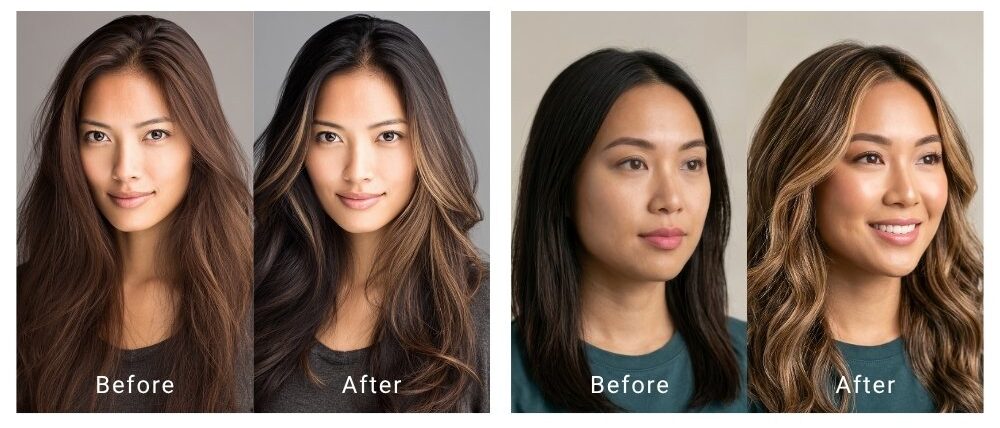
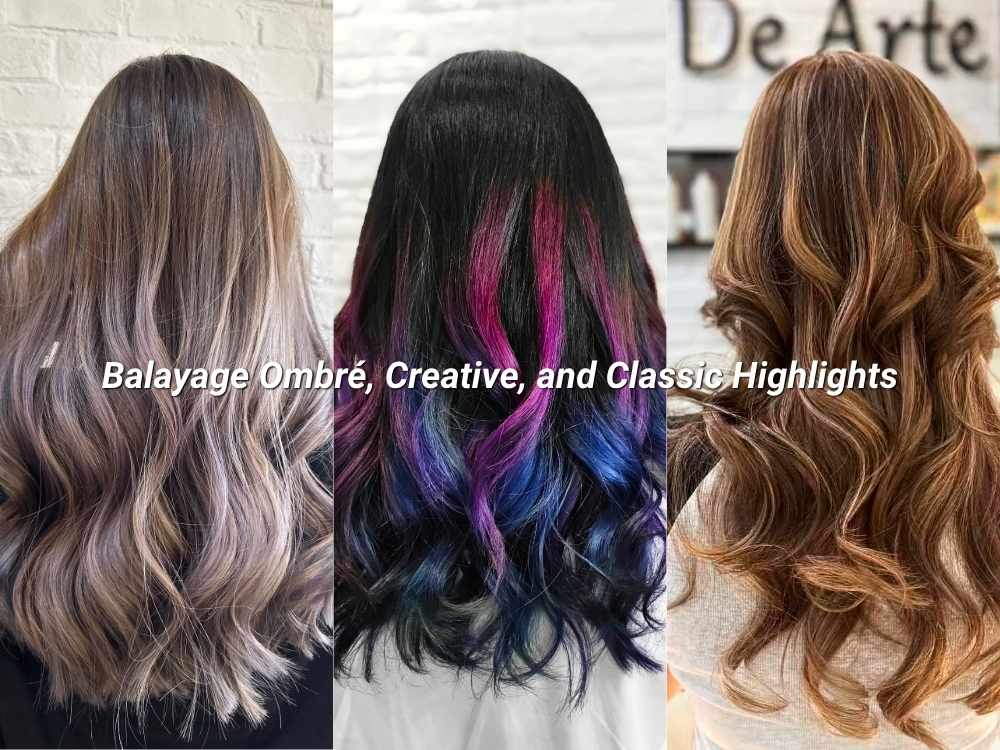
Highlights and modern hair color aren’t just about changing your hair, they completely transform your style, confidence, and personal vibe. The right highlights enhance natural beauty, add depth, and create a luminous, multidimensional finish. Whether you want a soft sun-kissed glow, bold editorial tones, or a polished classic look, understanding these hair color techniques will help you get the results you’ve always dreamed of.
In this ultimate guide, you’ll discover three essential techniques: Balayage Ombré, Creative Highlights, and Classic Highlights. With detailed step-by-step instructions, styling tips, maintenance advice, and professional insights. By the end, you should have an idea on which style suits your hair type, lifestyle, and personality best.
1. Introduction to Modern Hair Techniques
2. How Highlights Transform Your Look and Style
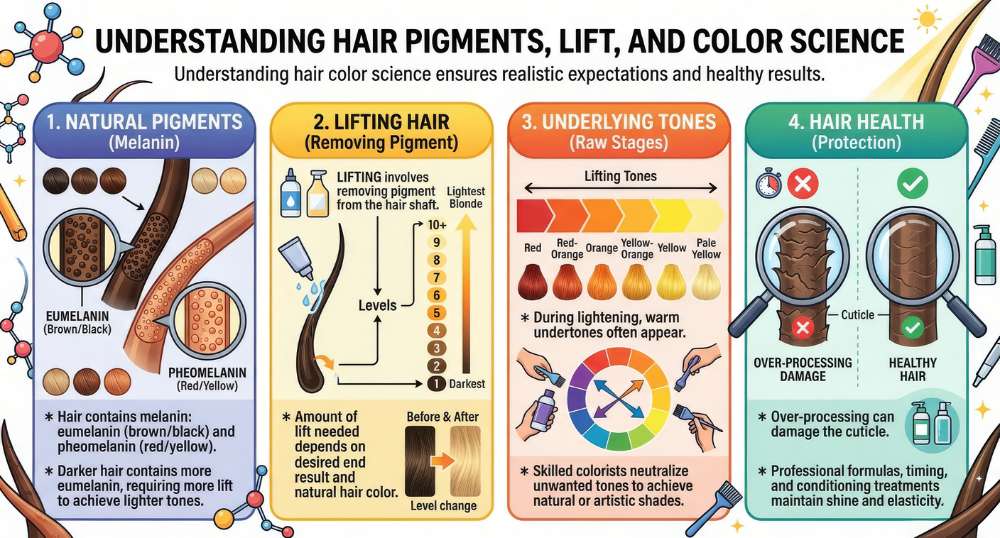
3. Understanding Hair Pigments, Lift, and Color Science
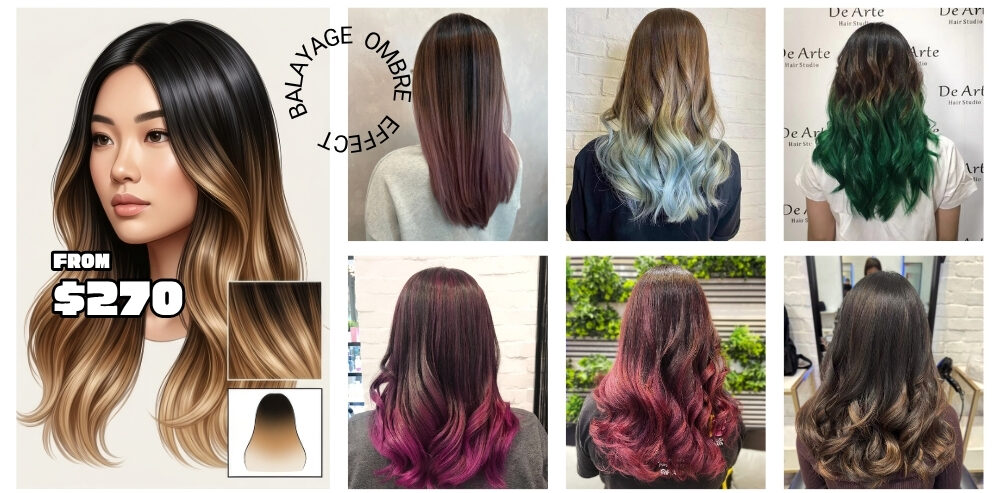
4. Technique 1: Balayage Ombré
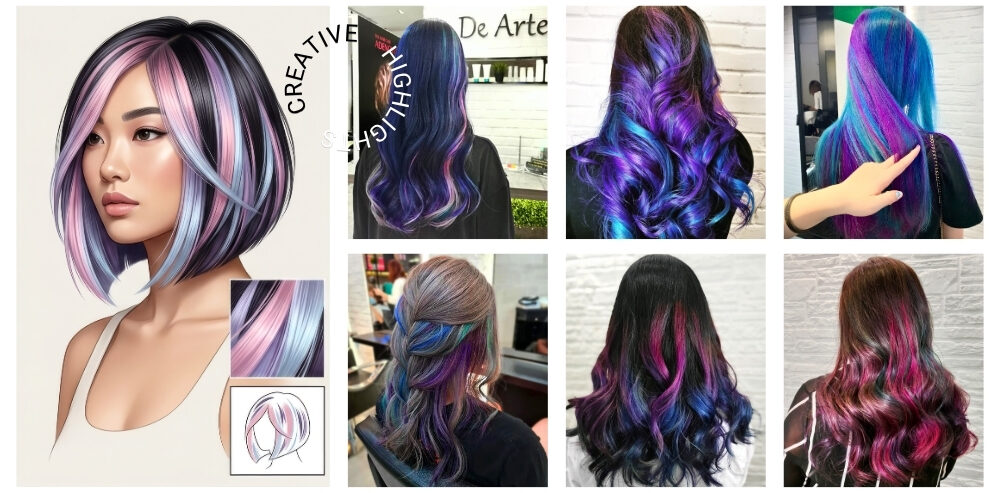
5. Technique 2: Creative Highlights
6. Technique 3: Classic Highlights
7. Comparing Techniques: Which One Is Right for You
8. Common Mistakes and How to Avoid Them
9. FAQs About Highlights & Modern Hair Color
Modern hair techniques aren’t just about lightening strands; they’re a form of artistic expression. With carefully placed sections of color, hair gains visual volume, shine, and multidimensional movement.
The key benefits include:* Enhancing natural texture and body
* Accentuating facial features
* Providing flexible styling options
* Offering results that grow out gracefully
* Depth and dimension: Creates the illusion of thicker, fuller hair
* Face-framing effects: Lightens around the face for a radiant glow
* Personal expression: From subtle natural tones to bold fashion colors
* Low-maintenance options: Some techniques allow longer intervals between salon visits
1. Consultation: Discuss hair history, desired outcome, and lifestyle.
2. Sectioning: Divide hair into panels for control.
3. Painting: Apply lightener freehand from mid-lengths to ends. Root area is softly blended.
4. Processing: Allow hair to lift to the desired brightness.
5. Toning: Apply toner to neutralize unwanted warmth and refine the shade.
6. Finishing: Apply conditioning treatments, blow-dry, and style.
* Works on straight, wavy, or curly hair
* Ideal for those who want low-maintenance highlights
* Enhances natural movement and texture
* Salon touch-ups every 4–6 months
* Use color-safe shampoos and conditioners
* Gloss treatments every 2–3 months for vibrancy
* Loose waves enhance the gradient
* Air-dry with lightweight oil for shine
* Use a diffuser to maintain natural curl patterns
1. Consultation: Choose color palette and placement strategy.
2. Sectioning: Asymmetric or geometric panels are defined for artistic effect.
3. Lifting: Dark hair is pre-lightened before applying vibrant fashion colors.
4. Color Application: Pastels, icy tones, or vivid shades are applied strategically.
5. Processing: Ensure even saturation and lift.
6. Finishing: Tone, treat, and style.
* Pastel pink, lavender, and icy blue
* Vibrant copper or red streaks
* Ombre or peek-a-boo placement for movement
* Frequent color refresh required
* Cold-water rinses prevent fading
* Sulfate-free, color-safe shampoos preserve pigments
* Use straighteners or curling irons to highlight contrast
* Layered haircuts enhance artistic color placement
* Styling products that protect from heat help maintain vibrancy
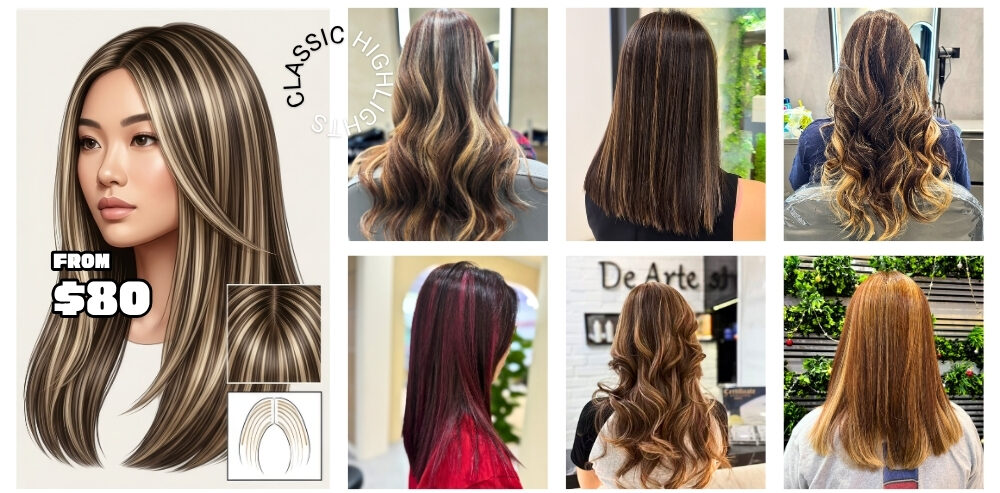
Classic Highlights, also known as foil highlights, are structured, uniform highlights that provide a polished, multi-dimensional look.
1. Consultation: Determine width and spacing of highlights.
2. Sectioning & Foiling: Weave fine sections and enclose in foils for precise lift.
3. Processing: Hair lifts evenly in foils.
4. Toning: Adjust shade for natural-looking brightness.
5. Finishing: Condition, blow-dry, and style.
* Straight, wavy, and slightly curly hair
* Works well for uniform coverage and structured looks
* Suitable for those who prefer traditional salon finishes
* Touch-ups every 6–8 weeks
* Regular gloss treatments for shine
* Color-safe shampoos maintain crisp tones
* Straight styles showcase precision
* Curls enhance multi-dimensional effects
* Highlighted layers add depth to simple cuts
| Feature | Balayage Ombré | Creative Highlights | Classic Highlights |
|---|---|---|---|
| Root Blend | Soft, diffused | Varied, artistic | Precise, starts at root |
| Placement | Hand-painted, freehand | Geometric/asymmetric | Structured, uniform weaving |
| Maintenance | Low (4–6 months) | High (requires upkeep) | Medium-High (6–8 weeks) |
| Vibe | Effortless, lived-in | Bold, editorial | Polished, timeless |
* Too much lift too quickly: Can cause breakage, always consult a professional
* Ignoring undertones: Warm tones may appear; toning is essential
* Skipping maintenance: Even low-maintenance highlights benefit from gloss treatments
* Wrong product use: Sulfate shampoos fade color faster
Highlights are sections of hair that are lightened or colored to create dimension, brightness, and contrast. In modern hair color, they are customized using techniques like balayage, foiling, or creative placement to suit individual style and hair type.
Neither is universally better, it depends on your goal.
A professional consultation helps determine the best option for your hair.
Longevity depends on hair growth, aftercare, and color choice.
When performed professionally, highlights cause minimal damage. However, all lightening involves chemical lifting, so hair health depends on:
Healthy hair begins with professional technique and continues with proper maintenance.
Yes. Dark hair can absolutely be highlighted, but it may require multiple sessions depending on the desired level of lift. A skilled colorist will manage undertones and ensure the hair remains strong and glossy throughout the process.
Balayage Ombré is the lowest maintenance option because the root is softly blended, allowing for a natural grow-out without harsh regrowth lines.
Brassiness occurs when underlying warm pigments are exposed during lifting. This is common in lightening processes and is corrected with:
Yes. Highlights create visual dimension and light reflection, which can make hair appear fuller, more textured, and voluminous.
Avoid:
These can reduce color longevity and shine.
Consider:
A consultation with a professional ensures the best match for your goals.
Yes. Color correction is possible through:
However, correction is always easier when done by an experienced colorist from the start.
* Look for certified color specialists
* Review portfolios and client testimonials
* Ask about products, technique, and aftercare
* A consultation ensures the color matches your hair type, lifestyle, and desired outcome
New to De Arte Hair Studio? Read our 🔗 First Salon Visit: 7 Steps for New Customers to Feel Ready guide to understand what to expect during your consultation and appointment, helping you feel confident and prepared before your visit.
These colors may appear effortless once complete, but achieving seamless, healthy, and long-lasting results takes advanced technical skill. The difference between a good outcome and a truly transformative one often comes down to the colorist’s expertise, training, and precision.
Creating these looks involves more than simply applying lightener. A professional must also understand:
A skilled colorist doesn’t just “add highlights”, they design a personalized color system that enhances your features, lifestyle, and maintenance preferences.
Your Hair, Your Vibe: Book a personalized consultation with our master color specialists and discover the technique that brings your hair to life.
Over-processed hair doesn’t happen overnight, but once it does, it’s hard to ignore. If your hair feels dry, brittle, frizzy, or keeps breaking no matter what you do, you’re likely dealing with structural damage from bleaching, coloring, perming, or repeated heat styling. The thing is that while damaged hair cannot fully regenerate (because hair is […]
READ MORE
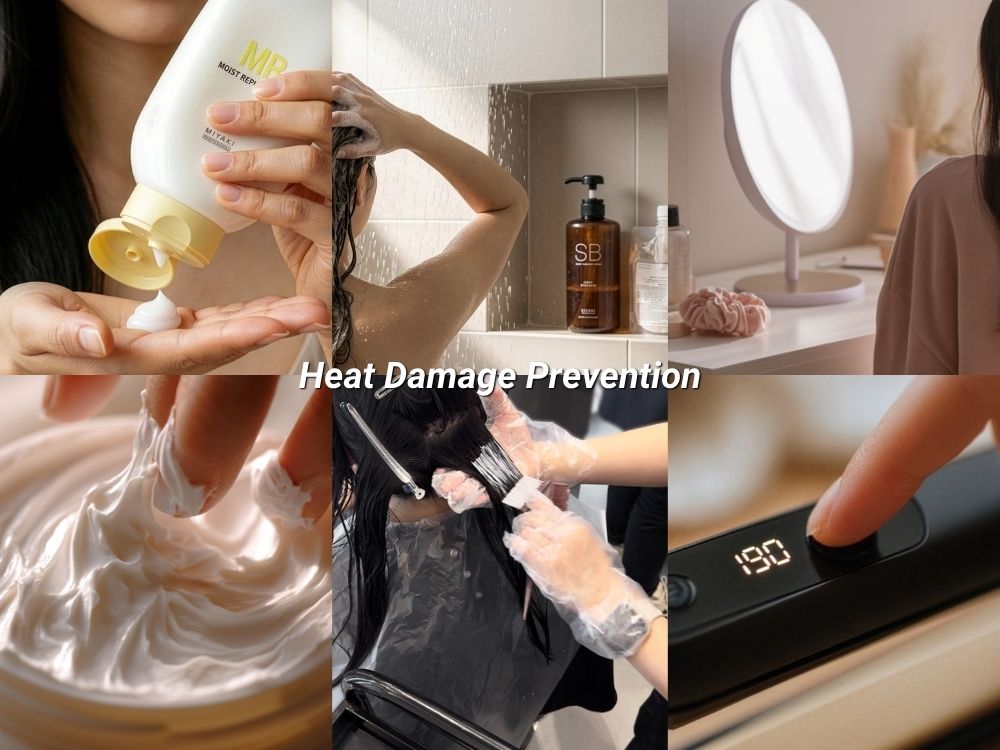
Heat damage from styling tools like flat irons, blow dryers, and curling wands is often blamed for hair damage, but they’re not the only culprits. Environmental factors such as humidity, sun exposure, and pollution also contribute to dryness, frizz, and overall weakness. Over time, these stressors can lead to breakage and thinning. Fortunately, by adopting […]
READ MORE
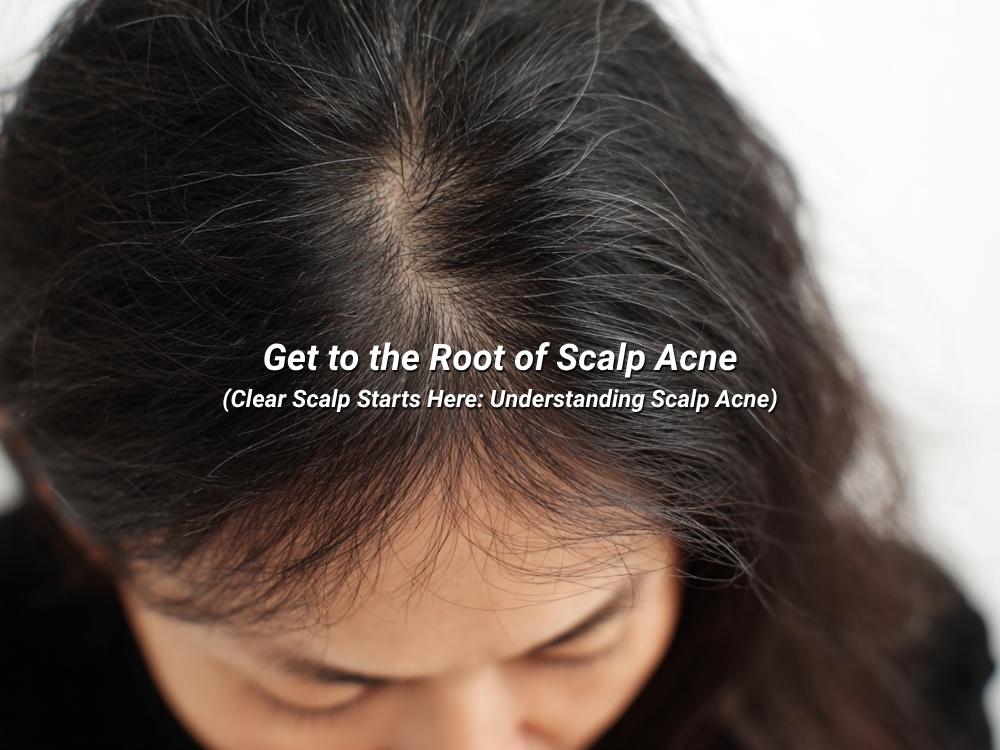
Scalp acne (often called scalp pimples) is a common condition that many people overlook or confuse with dandruff or irritation. In reality, it is a form of follicle inflammation, and it behaves very similarly to facial acne. The good news? Once you understand how your scalp works like skin, scalp acne becomes much easier to […]
READ MORE