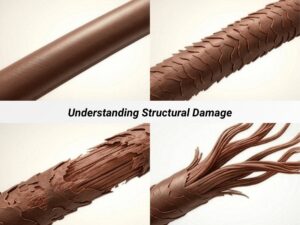
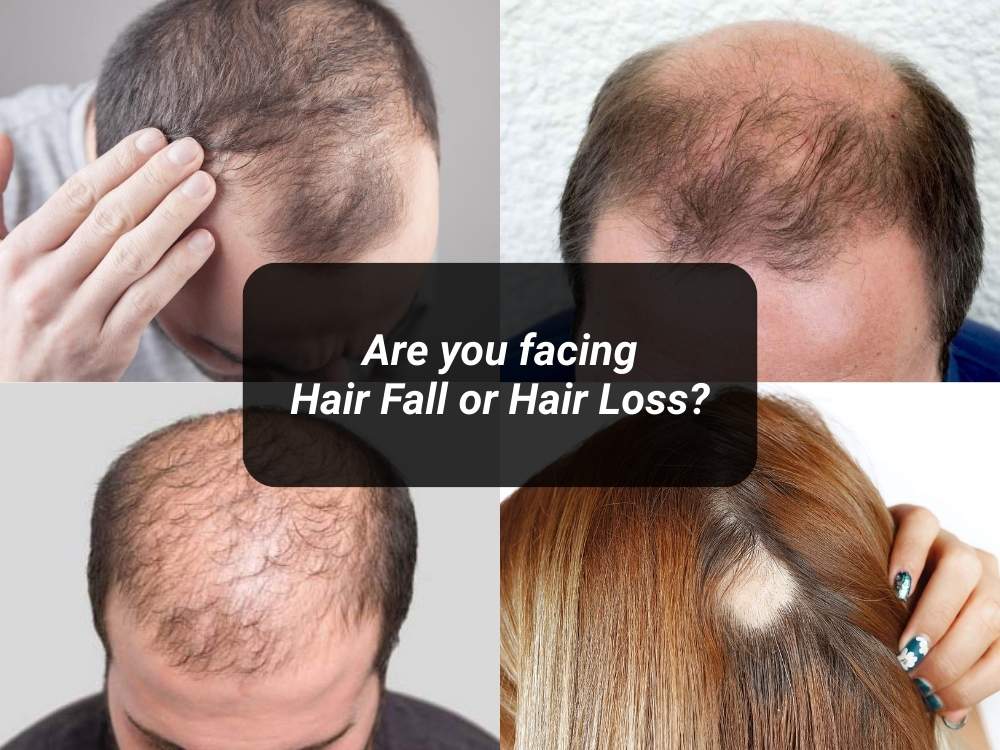
Hair fall and hair loss are two terms often used interchangeably, but they represent different issues in the hair growth cycle. While both conditions can result in thinning or shedding of hair, understanding the difference between hair fall (telogen effluvium) and hair loss (anagen effluvium) is crucial to addressing the root causes and choosing the most effective treatment. In this article, we’ll explore how these conditions differ and offer practical strategies to promote hair regrowth, from simple scalp care to advanced treatments like minoxidil and light therapy.
Find out more: The Science of Hair Growth and Why You Should Care
Hair Fall (Telogen Effluvium) vs. Hair Loss (Anagen Effluvium)
Hair Fall (Telogen Effluvium)
Hair fall, medically known as telogen effluvium, refers to temporary hair shedding that occurs when a large number of hair follicles prematurely enter the telogen phase (resting phase) of the hair growth cycle. Unlike hair loss, which often involves more permanent damage to hair follicles, telogen effluvium is usually reversible and can be triggered by various external factors.
Causes of Hair Fall (Telogen Effluvium):
- Stress: Emotional or physical stress can disrupt the hair cycle, causing excessive shedding.
- Hormonal Imbalances: Changes in hormones, such as during pregnancy, menopause, or thyroid issues, can lead to hair fall.
- Poor Diet: Deficiencies in key nutrients, like iron, zinc, or vitamins, can affect hair health.
- Illness or Medication: Certain medications or underlying health conditions may trigger telogen effluvium.
- Weight Loss or Surgery: Rapid weight loss or undergoing surgery can also shock the body and lead to temporary hair shedding.
In telogen effluvium, hair follicles are not permanently damaged, and once the triggering factor is addressed (like reducing stress, correcting hormonal imbalances, or improving nutrition), hair typically grows back within 6 to 12 months.
"It's normal to lose 50 to 100 strands of hair per day as part of the natural hair growth cycle."
Hair Loss (Anagen Effluvium)
Hair loss, or anagen effluvium, is a more severe condition in which hair falls out during the anagen phase (growth phase) of the hair cycle. This type of hair loss is often sudden and more noticeable, with large amounts of hair shedding over a short period. It is typically caused by more intense factors that directly affect the hair follicle’s ability to grow hair.
Causes of Hair Loss (Anagen Effluvium):
- Chemotherapy and Radiation: Treatments that target rapidly dividing cells can damage hair follicles, leading to significant hair loss.
- Autoimmune Diseases: Conditions like alopecia areata cause the immune system to attack hair follicles, resulting in patchy or total hair loss.
- Medications: Drugs used to treat cancer, thyroid disorders, or even some blood thinners can cause hair loss.
- Genetics: Androgenic alopecia (pattern baldness) is a hereditary condition that affects both men and women.
"Losing up to 100 strands of hair a day is normal, but more than that could be a sign of hair loss."
Promoting Hair Regrowth: The 3-Level Pyramid
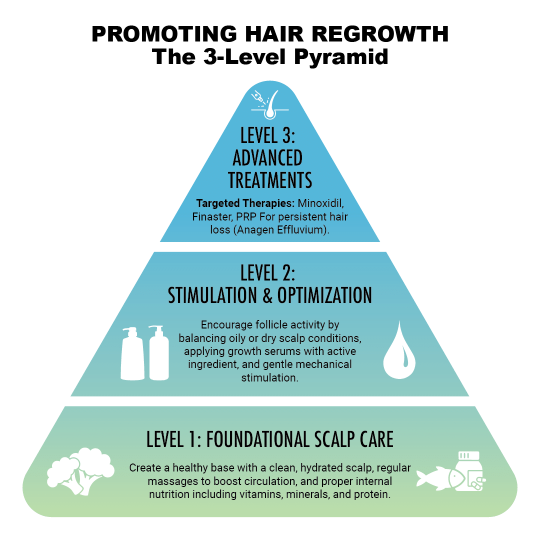
Level 1: Foundational Scalp Care
- Scalp Cleansing: Use a gentle, sulfate-free shampoo to cleanse the scalp. This helps to remove excess oil, dirt, and dead skin cells, which can clog hair follicles. Find out more: How to Identify Your Scalp Type & Choose the Right Shampoo
- Scalp Massages: Gently massage your scalp for a few minutes daily to improve blood flow. This helps deliver more nutrients and oxygen to the hair follicles, encouraging hair growth.
- Hydration: Keep your scalp well-hydrated with nourishing oils to restore moisture and promote healthy scalp conditions. Find out more about how we use different types of essence to target scalp needs: Scalp Treatment: 7-in-1 Aroma Botanical for Hair Regrowth
- Internal Nutritional Support: Supplements (eg. Biotin, Iron, Zinc, Vitamin D, Omega-3) and balanced diet are most useful when nutritional deficiencies are present or dietary intake is low. Internal balance must be restored before stimulation or medical treatments can show results.
Level 2: Regulating the Scalp Environment
- Correcting Scalp Imbalances: An oily scalp can suffocate hair follicles and lead to thinning hair or shedding. Use shampoos with salicylic acid, tea tree oil, or charcoal to cleanse and regulate oil production without stripping the scalp’s natural moisture.
- Nourishing a Dry Scalp: A dry scalp can result in itching, irritation, and hair breakage. To restore moisture and soothe dryness, apply hydrating scalp masks or oils with rosemary, jojoba, or argan oil. These oils not only moisturize but also promote circulation, stimulating dormant hair follicles.
- Hair Serums & Tonics: At this stage, it’s beneficial to introduce scalp tonics or serums that contain active ingredients like caffeine, biotin, and peptides. These ingredients help nourish the scalp and promote follicular health, providing an added boost to your hair regrowth efforts.
Level 3: Active Hair Regrowth Stimulation
The final level of the pyramid focuses on actively stimulating hair regrowth through more intensive treatments. This stage includes options such as minoxidil or low-level laser therapy (LLLT). These treatments work directly to enhance hair follicle activity and accelerate the regrowth process.
Minoxidil
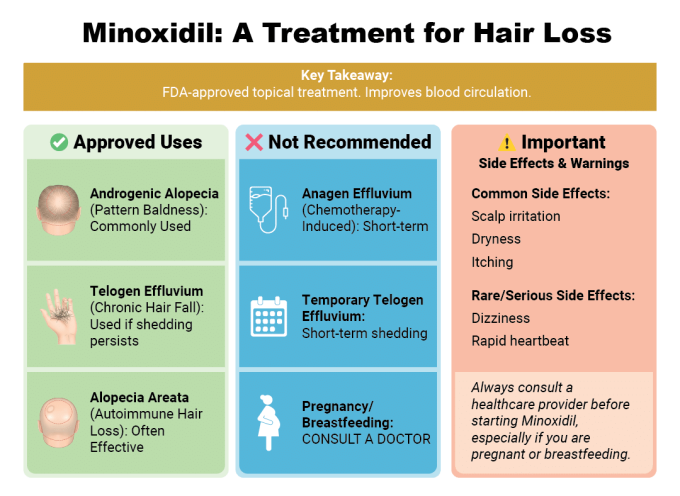
- This FDA-approved topical treatment is commonly used to treat both androgenic alopecia (pattern baldness) and telogen effluvium (chronic hair fall). Minoxidil works by improving blood circulation to the hair follicles, helping to stimulate hair regrowth. While it’s effective for many, it’s not the first-line treatment for telogen effluvium unless the shedding persists.
- Minoxidil for Telogen Effluvium: Minoxidil is not always necessary for temporary hair shedding caused by stress, illness, or hormonal imbalances. However, if shedding continues for several months, minoxidil may help stimulate regrowth.
- Minoxidil for Anagen Effluvium: Minoxidil is often effective in cases of androgenic alopecia and autoimmune-related hair loss (like alopecia areata). It’s typically used when the hair follicles are still healthy and capable of regrowth. Minoxidil should not be used for hair loss caused by chemotherapy, as hair regrowth typically resumes naturally once treatment ends.
- Important Side Effects of Minoxidil: While effective, minoxidil can cause side effects such as scalp irritation, dryness, or itching. In rare cases, it may cause dizziness or a rapid heartbeat. Minoxidil should not be used by pregnant or breastfeeding women unless directed by a healthcare provider. Always consult a doctor before starting minoxidil if pregnant or breastfeeding.
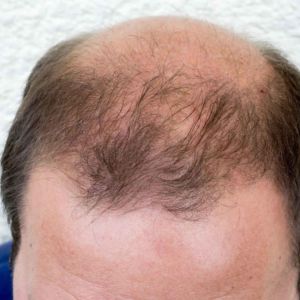
Androgenic Alopecia
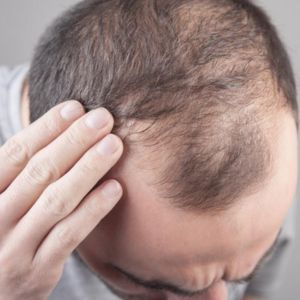
Telogen Effluvium
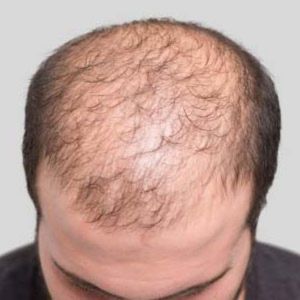
Anagen Effluvium
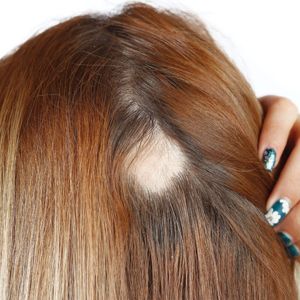
Alopecia Areata
Low-Level Laser Therapy (LLLT)
Professional & Prescription Options
Depending on the cause, dermatologists may recommend:
Finasteride or dutasteride (for androgen-driven loss)
PRP (Platelet-Rich Plasma)
Exosome or stem-cell–based therapies
Treatment for underlying medical conditions (thyroid, autoimmune disorders, PCOS)
Maximizing Effectiveness: Combining the Pyramid Strategy
To get the best results, consistency is key. Combining these treatments across all three levels ensures you’re addressing every aspect of hair health. Here’s how to integrate the pyramid strategy for maximum effectiveness:
Clean scalp, hydration, massages, and internal nutrition.
Level 2: Stimulation & Optimization
Correct scalp imbalances and use growth serums + massage.
Level 3: Targeted Growth
Use minoxidil, LLLT, or clinical treatments if needed.
This structured approach ensures stability → stimulation → targeted intervention, creating the ideal conditions for healthy, sustained regrowth.
Conclusion: Understanding Hair Fall vs. Hair Loss and Regrowing Your Hair
Understanding the difference between hair fall (telogen effluvium) and hair loss (anagen effluvium) is crucial when selecting the right treatment. While telogen effluvium is typically temporary and resolves once the triggering factor is addressed, anagen effluvium often requires more intensive treatment to stimulate regrowth.
By following the three-level pyramid strategy, you can approach hair regrowth in a structured and comprehensive way. Start with basic scalp care, regulate the scalp environment, and use active treatments like minoxidil and LLLT to encourage healthy hair growth.
Patience is essential, as hair regrowth can take time. However, with consistent effort and the right treatment plan, you can achieve healthier, fuller hair.
Did you know...
De Arte Hair Studio does more than just styling and cutting?
We also offer treatments that care for your scalp and hair because we believe that healthy hair starts with a healthy scalp. In many cases, for your style to truly shine, a strong base is essential. While we address common scalp concerns, we also provide a complimentary scalp consultation to identify any issues and explain the solutions we recommend. Feel free to check out our full list of services below, or if you prefer, you can arrange a free scalp consultation and we’ll help choose the best treatment for you 🙂
Want to book an appointment?
You’re just one click away! Follow simple instruction below and we’ll see you real soon!