4 Common Scalp Problems in Singapore and How to Fix Them
When it comes to maintaining healthy hair, many people focus solely on the products they use to style or treat their hair. But the truth is, a healthy scalp is just as, if not more but as important. Especially for individuals living in fast-paced, urban environments like Singapore, the challenges faced by your scalp can directly affect your hair’s health, appearance, and growth.
In this article, we’ll explore the 4 common scalp problems you may encounter, the effects they have on your hair, and how to address them for a healthier scalp and hair growth cycle, with a focus on those experiencing scalp concerns in the modern, often stressful world of their 20s and 30s in Singapore.
Understanding Scalp Problems: Causes and Effects on Hair
Scalp health is something that’s often overlooked, yet it’s fundamental to the health of your hair. In fact, a healthy scalp is the foundation for healthy hair growth. When the scalp is neglected or exposed to harmful factors (be it environmental stressors, poor diet, or even the wrong hair care routine), your hair follicles can become compromised, leading to conditions such as thinning hair, dryness, excessive oil, or dandruff.
In places like Singapore, where high humidity, pollution, and air conditioning are daily realities, the scalp faces unique challenges. The effects of these environmental factors can exacerbate scalp issues that, if not addressed, can lead to serious hair concerns later on.
4 Common Scalp Problems in Singapore
It’s easy to assume that scalp problems only affect people with visible dandruff or extreme hair loss.
However, many people experience scalp issues in more subtle forms, especially in the urban environments of Singapore. Regardless of your age, understanding the underlying causes of scalp discomfort and hair thinning is key to finding effective solutions.
1. Oily Scalp
Its Impact on Hair Health
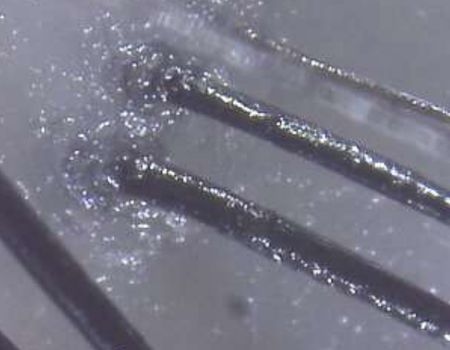
If your scalp feels greasy soon after washing, or you find that your hair becomes limp and flat by midday, you may be dealing with an oily scalp. Oily scalps are especially common in humid climates like Singapore, where the excess moisture in the air can stimulate the sebaceous glands, causing them to overproduce sebum (oil).
While oil is necessary to protect the scalp and keep it moisturized, an overproduction can lead to clogged hair follicles. Over time, this can cause irritation, inflammation, and even hair thinning. In the worst-case scenario, it could disrupt the natural hair growth cycle, leaving hair looking dull, lifeless, and thin.
The added effect of pollution only worsens the situation. When pollutants in the air mix with sweat and sebum on your scalp, they can form a barrier that prevents hair follicles from getting the nutrients they need. The result? A potential increase in dandruff, hair thinning, and overall unhealthy hair.
2. Dry Scalp
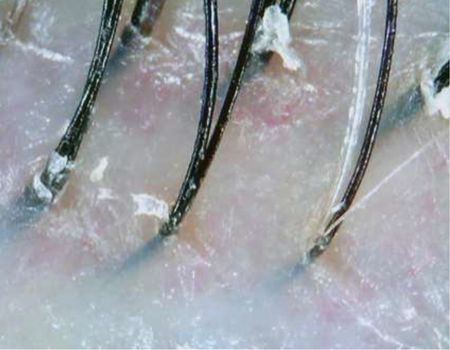
When Your Scalp Doesn’t Get Enough Moisture
On the opposite end of the spectrum, some people experience a dry scalp. This condition can be particularly common for those who spend a lot of time indoors in air-conditioned environments. Air conditioning can strip moisture from the scalp, leaving it feeling tight, itchy, and flaky.
A dry scalp might seem like a minor inconvenience at first, but it can have long-term consequences if not managed. Dryness can lead to dandruff (a more severe version often referred to as seborrheic dermatitis), or it may weaken hair follicles, making it more difficult for your hair to grow healthily. The scalp, like the skin on your face, requires hydration to maintain its barrier function and prevent irritation. Without sufficient moisture, the scalp’s health can deteriorate quickly.
3. Sensitive Scalp
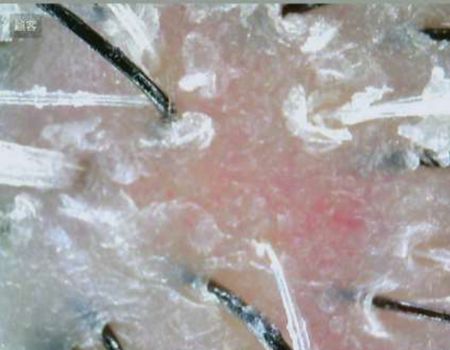
The Silent Culprit of Hair Problems
In addition to the physical effects of weather and pollution, many individuals (especially those in their 30s) experience a sensitive scalp. Over time, your skin’s tolerance to hair treatments or environmental stressors may diminish, leading to a more sensitive, reactive scalp. Sensitive scalp conditions may manifest as redness, inflammation, and an increased feeling of discomfort after washing or using hair care products.
A sensitive scalp can often be exacerbated by the harsh chemicals found in certain shampoos, conditioners, and styling products. While your hair may look good in the short term, these chemicals can strip away natural oils and disrupt the delicate balance of your scalp, causing irritation. This can lead to a vicious cycle where the scalp becomes even more sensitive and prone to further issues.
4. Oily Dandruff
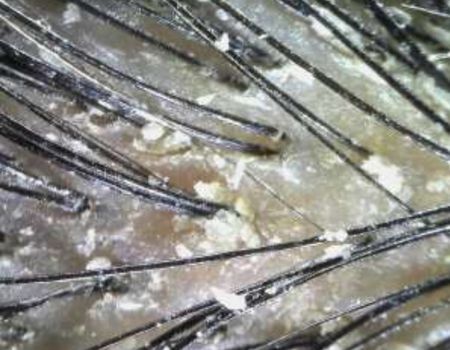
When Oil and Flakes Don’t Mix
While dandruff is often thought of as a dry scalp issue, there is also a form of dandruff that is associated with oily scalps. Oily dandruff occurs when excess sebum mixes with dead skin cells, resulting in larger, greasier flakes. These flakes are not only unsightly but can also cause discomfort and irritation, often leading to a continuous cycle of scratching, which only worsens the condition.
This type of dandruff is more common in people with oily skin or a predisposition to seborrheic dermatitis, a condition that affects both the scalp and other oily areas of the body, like the face and chest. In Singapore’s climate, oily dandruff can be particularly persistent due to the heat and humidity, which keeps the scalp in a constant state of oil production.
What Causes Scalp Problems?
Understanding the root causes of scalp problems is the first step in addressing them effectively. Several factors, often working in combination, contribute to the development of scalp issues:
1. Environmental Factors
Humidity and Pollution: The high levels of humidity in Singapore encourage sebum production. Combined with urban air pollution, your scalp becomes a magnet for dirt, oil, and sweat, clogging pores and leading to inflammation.
Air-conditioning: While AC provides comfort, it also dries out your scalp, causing moisture imbalance and making it more prone to irritation.
2. Lifestyle Factors
Diet: A lack of essential nutrients, including vitamins and fatty acids, can make your scalp more susceptible to problems. A diet lacking in hydration and nutrients can leave your scalp dry and irritated.
Stress: The pressures of modern work-life balance, family commitments, and personal responsibilities can lead to heightened stress levels. Stress hormones, such as cortisol, can disrupt the scalp’s natural balance, leading to hair loss or skin sensitivity.
3. Hair Care Habits
Overuse of Hair Products: Constantly using styling gels, sprays, or other hair products with harsh chemicals can irritate the scalp and leave it vulnerable to dryness, itchiness, and other scalp conditions.
Improper Washing Routines: Overwashing or not washing your scalp enough can lead to either excess oil buildup or dryness. Finding a balanced hair care routine is essential for maintaining a healthy scalp.
4. Hormonal Changes
As you age, hormonal fluctuations can lead to changes in how your scalp behaves. Whether due to stress, pregnancy, or menopause, hormonal shifts can increase oil production, decrease moisture, or make the scalp more sensitive.
What Happens to the Follicle & Hair Growth Cycle When Disrupted?
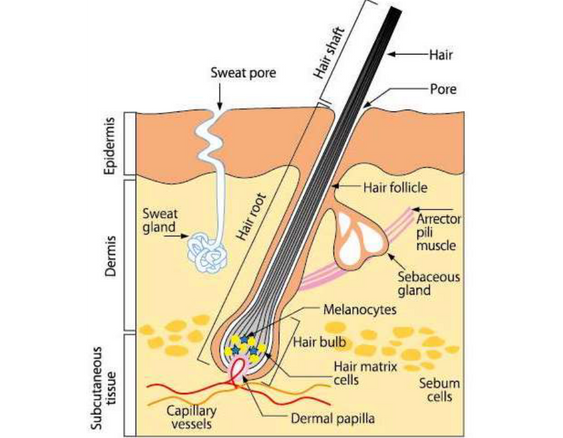
Scalp and Skin Structure Visualisation
The hair growth cycle consists of three key phases: anagen (growth), catagen (transitional), and telogen (resting). Under normal conditions, hair grows for 2-7 years in the anagen phase before shedding and being replaced by new hair. However, when scalp issues (eg. excess oil, dryness, or inflammation) affect the follicles, this cycle can be disrupted, causing hair to behave differently. Here’s how:
Hair Grows Out Thinner due to Low FGF7 Activity
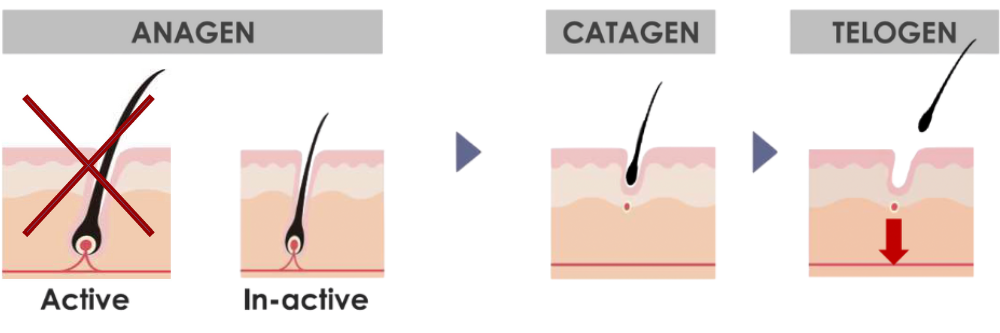
When FGF7 activity is low, hair follicles are less able to produce thick, healthy hair. FGF7 plays a crucial role in the anagen phase (growth phase) by signaling the dermal papilla to promote hair production. Without enough FGF7, the follicle’s growth is slowed, and the hair that grows is often thinner and weaker.
During the catagen phase, the dermal papilla naturally detaches from the follicle, and this detachment is even more pronounced when FGF7 activity is low. In addition, the dermal papilla does not anchor back to the deepest layer of the skin, where the capillaries are located, during this phase. This makes it harder for the follicle to receive vital nutrients and oxygen, further slowing down hair growth.
As a result, the follicle receives fewer growth signals and nutrients, causing hair to grow out thinner and leading to increased shedding. This disruption in the hair growth cycle, with weaker hair production and less efficient nourishment, can contribute to visible hair thinning and hair loss over time.
Shortened Lifespan of Hair
In a normal hair cycle, each hair strand goes through approximately 25 cycles of growth before naturally shedding. However, when the dermal papilla loses its ability to properly anchor to the scalp’s deepest layer, the hair growth phase shortens. As a result, hair enters the resting phase prematurely and the lifespan of each hair strand is significantly reduced. Normally, hair should last between 2 to 7 years, but in a compromised cycle, this could be reduced to as little as a few months.
Follicles Start to Die Off
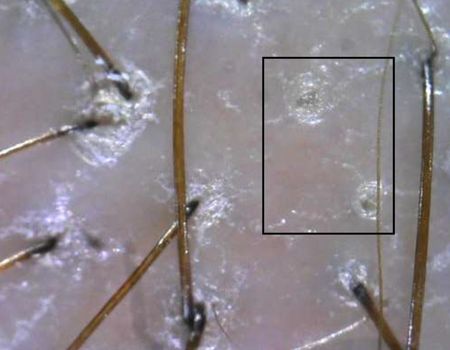
The most severe consequence of a disrupted growth cycle is follicle atrophy. As your follicles undergo repeated cycles of stress, some may start to die off entirely. A healthy scalp typically has around 100,000 hair follicles, each going through their own individual cycles. However, when the follicles become damaged, you might see a reduction in the number of active follicles, perhaps dropping from 100,000 to 80,000, and even further to 40,000 in more advanced stages. This results in significant hair thinning and bald spots, particularly around the crown.
Once the follicles have regressed to this extent, nothing can fully revive them. This is why early intervention is critical to prevent long-term hair loss. If left untreated, the crown area may become shiny and bald, and regeneration becomes nearly impossible.
Hair Growth Becomes Dormant
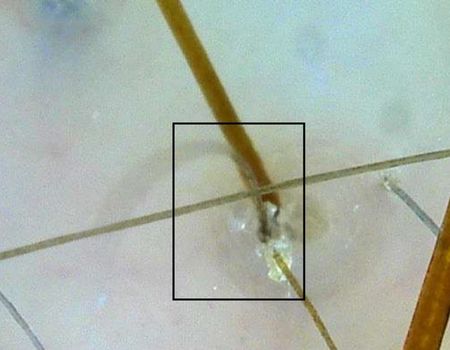
As the follicles face long-term stress from factors like poor blood circulation, hormone fluctuations, or constant scalp irritation, hair follicles can enter the dormant phase. This phase can last anywhere from 3 months to several years, depending on the severity of the disruption. During this time, hair growth slows significantly or stops altogether. As a result, hair thinning or shedding becomes more noticeable, particularly in areas where the follicles are weak or inactive.
For a more in-depth explanation of the hair growth cycle, read our detailed article on The Science of Hair Growth and Why You Should Care.
Solutions to Common Scalp Problems
Now that we’ve discussed common scalp problems, it’s time to explore the solutions that can help restore balance and ensure long-term scalp health.
For those experiencing an oily scalp, a gentle shampoo with salicylic acid or tea tree oil can help regulate oil production without stripping away too much moisture. Regular scalp exfoliation can also help remove buildup and prevent clogged pores.
On the other hand, if you’re dealing with a dry scalp, look for shampoos with hydrating ingredients like aloe vera or hyaluronic acid. Incorporating scalp oils such as coconut or argan oil into your routine can replenish moisture and restore balance.
For those with a sensitive scalp, choose hypoallergenic, fragrance-free products, and avoid any harsh chemicals or treatments. Calming ingredients like chamomile and lavender can help reduce inflammation and soothe the skin.
If you’re struggling with oily dandruff, try an anti-fungal shampoo containing zinc pyrithione or ketoconazole to address both the oil buildup and the flakes. Regular washing and treatment can help keep dandruff in check.
Overall Hair Growth Solutions: Restoring the Cycle
Restoring healthy hair growth involves addressing the root causes of scalp issues. Hair follicles thrive on a balanced, healthy scalp, where blood flow and nutrients can reach them effectively. Here are some additional ways to optimize your hair growth cycle:
Stimulate Follicle Health
To enhance hair growth, increase the activity of the dermal papilla in your hair follicles. The FGF7 (Fibroblast Growth Factor 7) helps stimulate healthy cell proliferation, leading to stronger and thicker hair. There are treatments that can help enhance this factor, including low-level laser therapy (LLLT) and scalp micropigmentation.
Promote Blood Circulation
A well-circulated scalp is crucial for nutrient delivery to the follicles. Massaging your scalp, using a derma roller, or investing in scalp stimulation tools can encourage better blood flow.
Nutritional Support for Hair Growth
Hair health isn’t just about what you put on your scalp, it’s also about what you nourish your body with. Ensure you’re consuming a balanced diet rich in vitamins and minerals like vitamin D, biotin, zinc, and omega-3 fatty acids to support the growth of healthy hair from the inside out.
Final Thoughts~
Taking care of your scalp is just as important as taking care of your skin and health. With the right approach and the right products, you can overcome common scalp issues and create an environment that encourages healthy hair growth. Whether you’re navigating the stresses of a busy career, adjusting to environmental changes in Singapore, or dealing with the challenges.
Book An Appointment
Book your FREE consultation today and get personalized advice just for you!