
So, how shall we start?
Healthy hair starts with a healthy scalp. But not all scalps are the same. Your scalp type whether oily, dry, normal, or sensitive, determines which shampoo, treatment, and care routine will work best for you. Knowing your scalp type and how ingredients interact with it is the first step toward balanced, nourished hair.
In this guide, we’ll cover:
Step 1: Identify Your Scalp Type
Each hair grows from a follicle, which has a tiny oil-producing gland called a sebaceous gland. This oil, called sebum, moisturizes your scalp, protects your hair, and helps guard against bacteria and fungi.
At the base of the follicle, new cells are continuously produced in the hair bulb. These new cells push older cells upward, where they harden into keratin and form the visible hair. Meanwhile, the scalp’s skin cells are also constantly renewing: as new cells form at the base of the skin, older ones die and rise to the surface, eventually shedding as dead skin. Sometimes dead skin cells mix with excess oil or product buildup, which can clog follicles and slow or disrupt healthy hair growth. The right shampoo helps keep your scalp balanced (not too oily, not too dry).
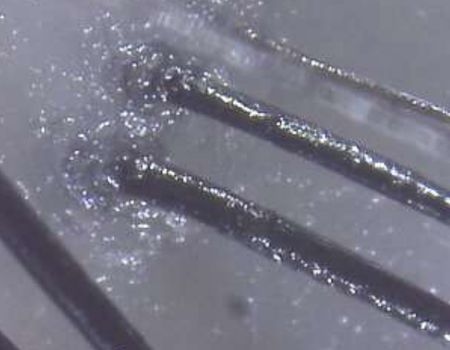
Oily Scalp (overactive sebaceous gland)
Common Signs
Feels greasy soon after washing, limp roots, product buildup
Recommended Shampoo
Deep-cleansing or balancing shampoos with clarifying surfactants
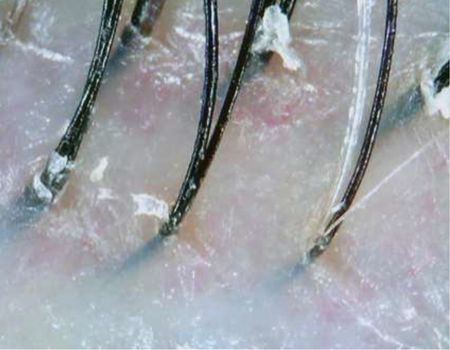
Dry Scalp (underactive sebaceous gland)
Common Signs
Tight, flaky, itchy
Recommended Shampoo
Moisturizing, sulfate-free shampoos with amino acids and oils
Normal Scalp (balanced sebaceous glands)
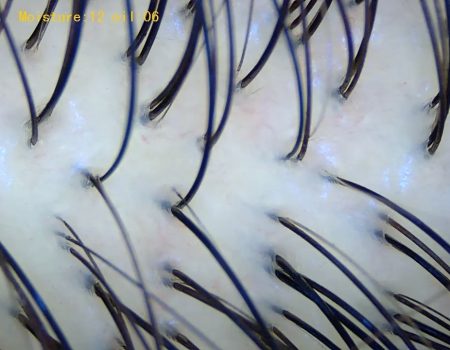
Common Signs
Feels clean and comfortable for 2–3 days after washing
Recommended Shampoo
Balanced, gentle formulas
Sensitive or Damaged Scalp
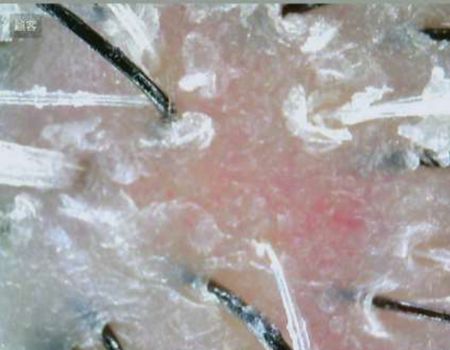
Common Signs
Redness, irritation, tingling after wash
Recommended Shampoo
Mild, soothing shampoos with gentle surfactants and calming extracts
In humid climates, it’s common to have oily roots and dry ends. A balancing shampoo suited to your scalp type can cleanse effectively without stripping moisture. 🔗 You might be interested in 4 Common Scalp Problems in Singapore.
Step 2: How Surfactants Work
Surfactants are the cleansing agents in shampoo. They have two ends: one that attracts oil and dirt (hydrophobic) and one that attracts water (hydrophilic), which helps wash away grease, buildup, and impurities. The “charge” of a surfactant refers to the electric charge present on the water-loving (hydrophilic) end of the molecule.
Here are the main types used in modern, gentle formulations:
Anionic
Charge
Negative
Example
Sodium Laureth Sulfate (SLES SO₄⁻), TEA-Cocoyl Glutamate (–COO⁻)
Function
Effective cleansing and foaming
Gentleness
Medium to strong
Cationic
Charge
Positive
Example
Polyquaternium-10 (NR₄⁺)
Function
Conditions and smooths hair
Gentleness
Very gentle
Nonionic
Charge
No charge
Example
Cocamide MEA (–OH hydroxyl group)
Function
Adds mildness, stabilizes foam
Gentleness
Gentle
Amphoteric
Charge
Both
Example
Lauramidopropyl Betaine (COO⁻ and +NR₃⁺)
Function
Balances harshness, improves foam
Gentleness
Very gentle
Step 3: SLS & SLES — Are They Good or Bad?
| Ingredient | Function | Pros | Cons |
|---|---|---|---|
|
Sodium Lauryl Sulfate (SLS) |
Strong detergent and foaming agent |
Deep cleans oily scalp |
Can strip natural oils |
|
Sodium Laureth Sulfate (SLES) |
Gentler derivative of SLS |
Smooth, effective foam |
May still dry sensitive scalps |
✔️ Ideal for oily scalps needing deep cleansing
✔️ Avoid for dry, sensitive, or color-treated hair
✔️ Although amino acid–based surfactants like TEA-Cocoyl Glutamate are anionic (with a negatively charged COO⁻ head), unlike traditional sulfate-based anionic surfactants such as SLES, they are much milder on skin and hair and do not contain harsh sulfates, making them gentle, sulfate-free alternatives for cleansing.
💡 Key point: ‘Anionic’ only describes the charge, not the harshness. The chemical structure of the head group and the tail determines how gentle or strong the surfactant is.
A Note for Sensitive Scalps
If your scalp type is sensitive, surfactants aren’t the only consideration, preservatives matter too.
Certain synthetic preservatives used in personal care, such as Methylchloroisothiazolinone (MCI), Methylisothiazolinone (MI), DMDM Hydantoin, Glycolactone, or Imidazolidinyl Urea, can occasionally cause irritation or allergic reactions in very sensitive individuals.
Our Miyaki shampoos range use MCI/MI in strictly regulated, low concentrations that meet international cosmetic safety standards, ensuring freshness and microbial protection.
⚠️ If you have a known sensitivity or allergy, we recommend performing a patch test before use or consulting your dermatologist for guidance. This transparent approach helps keep our formulas safe, effective, and suitable for most scalps, while acknowledging that extra-sensitive skin may need specialized care.
Step 4: Ingredient Analysis — Our Formulas for Every Scalp
Now that you understand your scalp type and the role of surfactants and preservatives, it’s time to see how our shampoos are formulated. Each shampoo is designed to support a specific scalp type, balancing health, moisture, and comfort while keeping hair nourished.
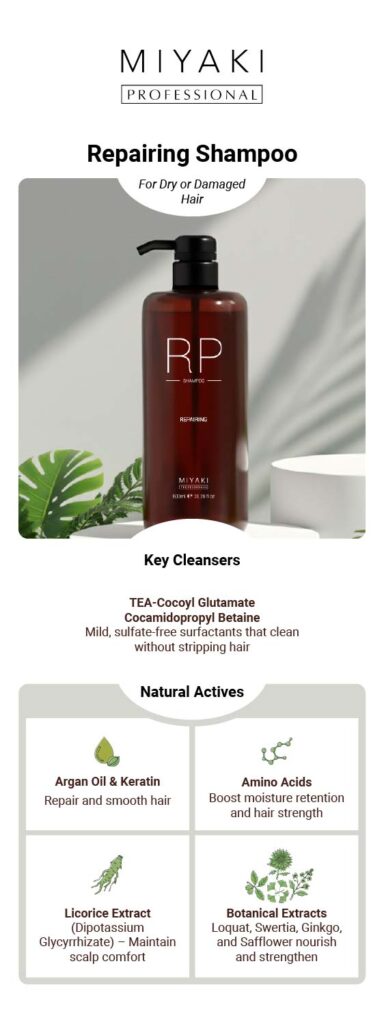
For dry or damaged hair
Select options This product has multiple variants. The options may be chosen on the product page
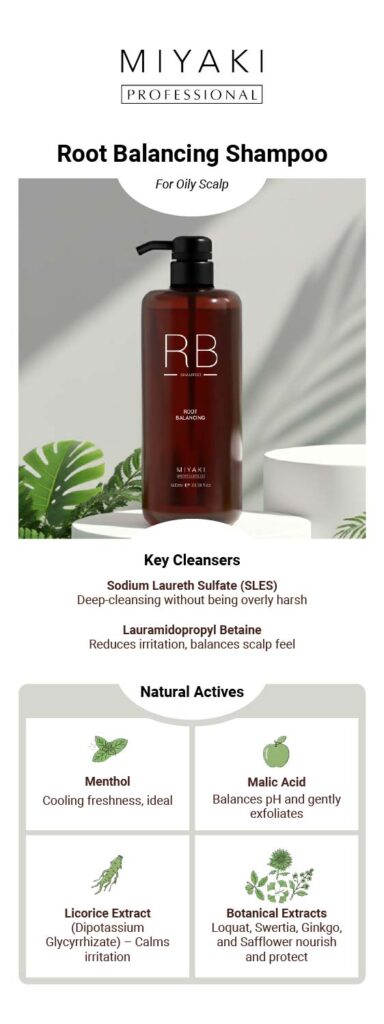
For Oily Scalp
Select options This product has multiple variants. The options may be chosen on the product page
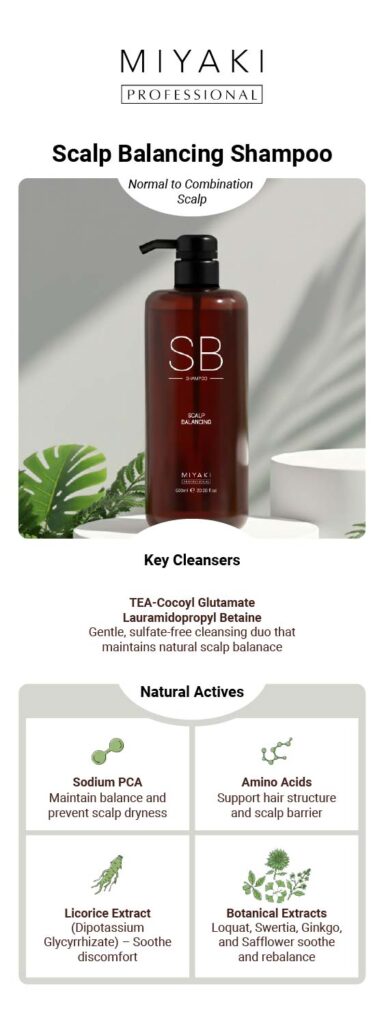
For Normal to Combination Scalp
Select options This product has multiple variants. The options may be chosen on the product page
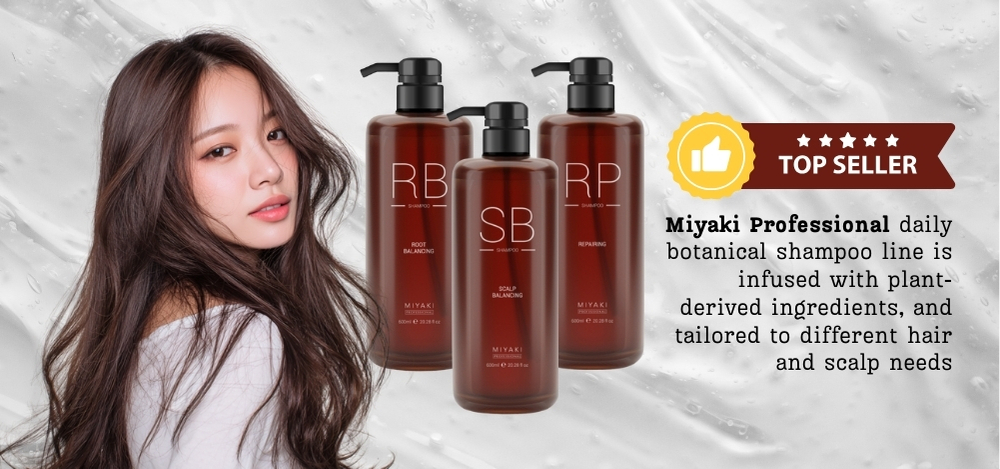
All three Miyaki shampoos Root Balancing, Repairing, and Scalp Balancing contain key natural ingredients that help nourish, protect, and soothe the scalp and hair. These include Loquat Extract, Swertia Japonica Extract, Ginkgo Biloba Extract, Safflower Extract, and Licorice Extract (Dipotassium Glycyrrhizate).
Although these ingredients are common across all three formulas, the concentration and combination of each extract are tailored to address specific hair and scalp concerns. The Repairing Shampoo uses these extracts to restore moisture and strengthen damaged hair. The Root Balancing Shampoo focuses on rebalancing the scalp and controlling oil. The Scalp Balancing Shampoo helps hydrate and soothe irritation for a more comfortable scalp.
| Shampoo | Surfactants | Key Function | Ideal For | Sulfate-Free |
|---|---|---|---|---|
|
Repairing |
TEA-Cocoyl Glutamate, Cocamidopropyl Betaine |
Repair, moisture |
Dry/damaged hair |
✅ |
|
Root Balancing |
Sodium Laureth Sulfate, Lauramidopropyl Betaine |
Deep cleanse, refresh |
Oily scalp |
❌ |
|
Scalp Balancing |
TEA-Cocoyl Glutamate, Lauramidopropyl Betaine |
Gentle balance |
Normal/combination scalp |
✅ |
Match Your Shampoo to Your Scalp Type
🌿 Oily scalp? Try our Root Balancing Shampoo for a refreshing cleanse.
🌾 Dry or damaged hair? Choose our Repairing Shampoo, rich in amino acids and oils.
🌸 Normal or slightly sensitive scalp? Our Scalp Balancing Shampoo keeps everything in harmony.
Each of our Miyaki shampoo is formulated with botanical extracts and modern natural surfactants, combining nature and science for scalp health that truly shows. Not sure which shampoo is right for your scalp type? Message us on Messenger and we’ll guide you! 🙂