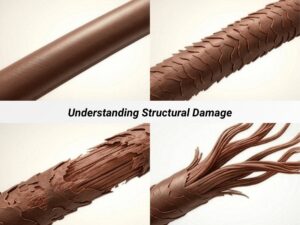
Bleached hair is one of the most popular ways to achieve a lighter, brighter look, but many people don’t realize the hidden changes happening beneath the surface. Bleaching doesn’t just alter the color, it changes the hair’s structure, affecting protein bonds, moisture balance, and overall strength. Understanding these hidden effects is essential for maintaining healthy, strong hair after bleaching.
Why You Should Care About Bleach Damage
Bleached hair isn’t just a cosmetic change, it chemically alters the hair’s internal structure. Knowing how and why damage occurs helps you:
- Make better color decisions
- Prevent severe breakage and hair loss
- Extend the life of your color
- Maintain healthier hair long-term
Awareness is the first step to protecting your hair while enjoying your new look. Proper care transforms temporary beauty into lasting health.
Bleached Hair: What Happens During the Process
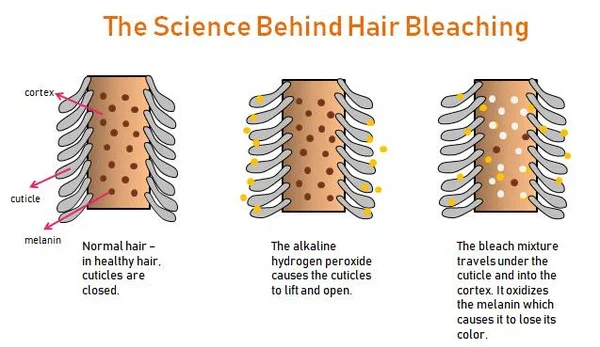
Step‑by‑Step Breakdown
Why Bleached Hair Turns Into Damaged Hair
Hair damage doesn’t always happen overnight. With bleached hair, damage builds gradually.
Bleaching can:
- Cuticle disruption: Swollen or lifted cuticles make it harder for hair to retain moisture.
- Increased porosity: Hair absorbs and loses water too easily, leading to dryness.
- Protein breakdown: Keratin and other proteins are partially degraded, weakening fibers.
- Permanent pigment change: Unlike semi-permanent dyes, bleach irreversibly alters melanin.
Many people mistake these changes for “naturally dry hair,” not realizing they are signs of chemical damage.
Bleached Hair: Signs of Hidden Damage
Even if hair feels soft after a salon visit, bleached hair can have hidden damage. Common signs include:
- Breaks easily when brushed or styled
- Feels stiff, brittle, or straw-like
- Tangles more than usual
- Looks dull even after conditioning
- Loses curl or wave patterns
- Splits at the ends frequently
- Feels weaker when wet
These symptoms indicate that internal protein bonds have been weakened, even if the hair looks healthy externally.
Is All Bleached Hair Damaged?
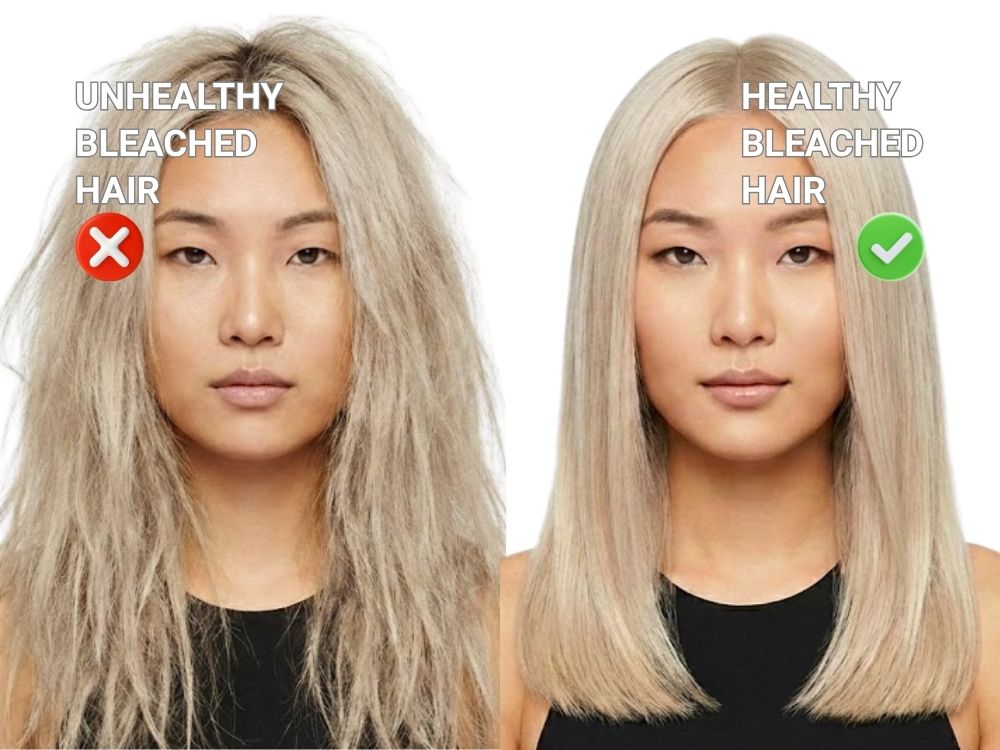
Not all bleached hair looks damaged right away, but all bleached hair is structurally altered. Even when hair feels soft after a salon visit, internal protein loss may already be occurring. Without proper care, damage becomes more visible with time, heat styling, or repeated bleaching.
This is why professional aftercare is essential for anyone with bleached hair.
How to Protect and Repair It
While bleach damage cannot be fully reversed, it can be managed and improved with informed care:
- Use bond-repair treatments to strengthen weakened strands
- Balance protein and moisture to prevent brittleness
- Avoid frequent heat styling on freshly bleached hair
- Choose gentle, sulfate-free cleansers
🔗 You might be interested in: 7 Methods to Support Recovery for Bleached Damaged Hair
Still can't decide whether to bleach your hair?
If you’re unsure, it’s best to leave it to the professionals.
At De Arte Hair Studio, we assess the condition of your hair and carefully guide you through the process to achieve the color you desire. While multiple rounds of pre-lightening can take a toll on your hair, our stylists are trained to provide individual care and personalized guidance.
If you’re going to do it, do it right, otherwise, you might be left with more damage than you bargained for. Trust us to help you get the results you want, without the heavy aftercare stress.
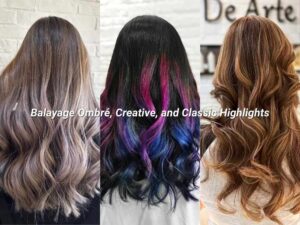
Check out our customers' stunning color! Yours could be next!
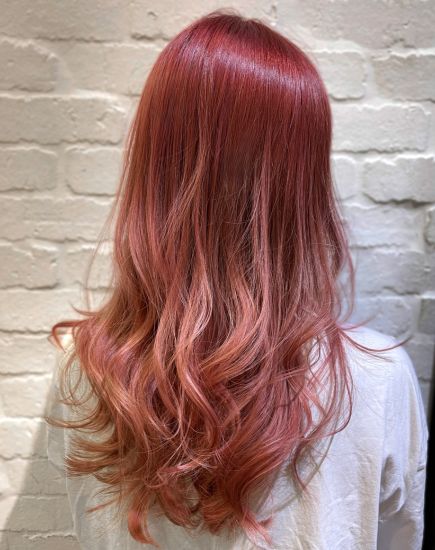
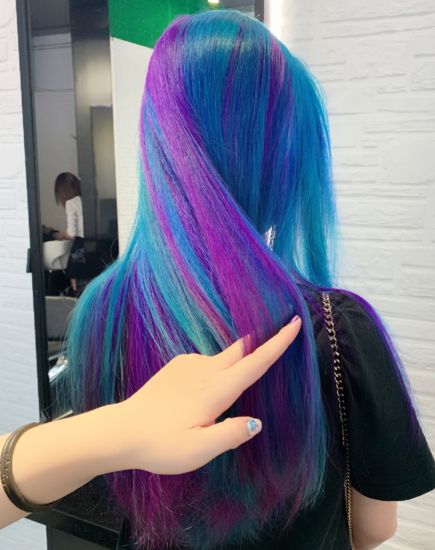
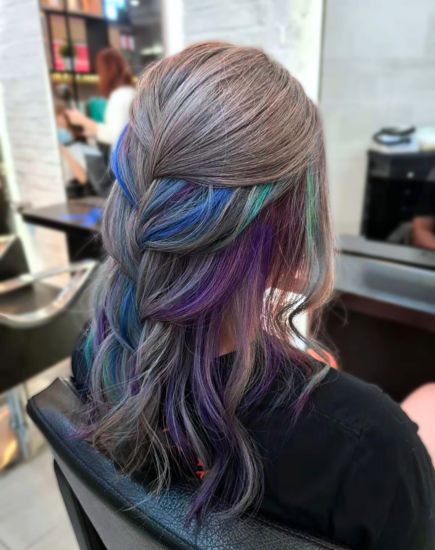
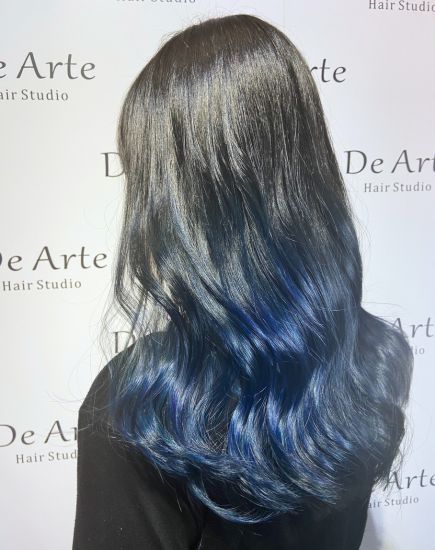
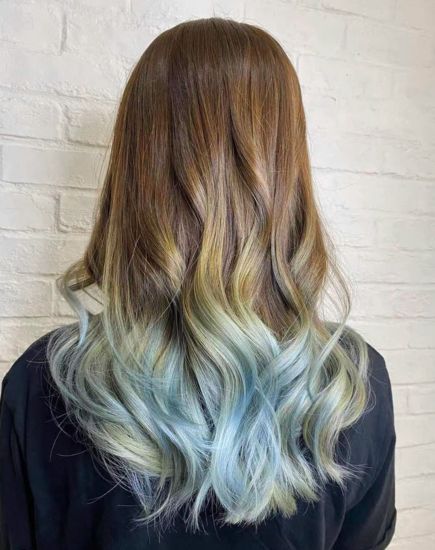
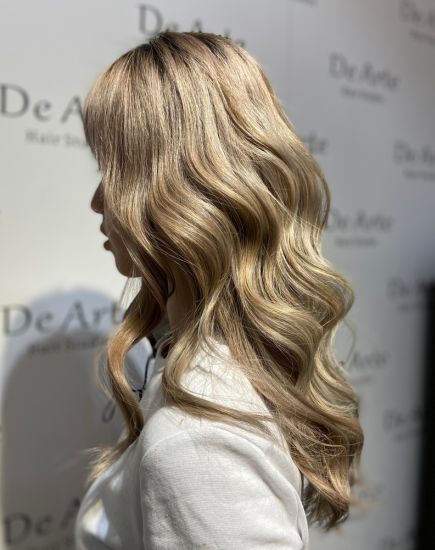
Once again, bleached hair is more than just a cosmetic change, it creates hidden structural damage that affects long-term hair health. Understanding the science behind bleaching, recognizing signs of hidden damage, and implementing proper care routines can help you enjoy lightened hair without sacrificing strength, shine, or vitality.