De Arte Hair Studio

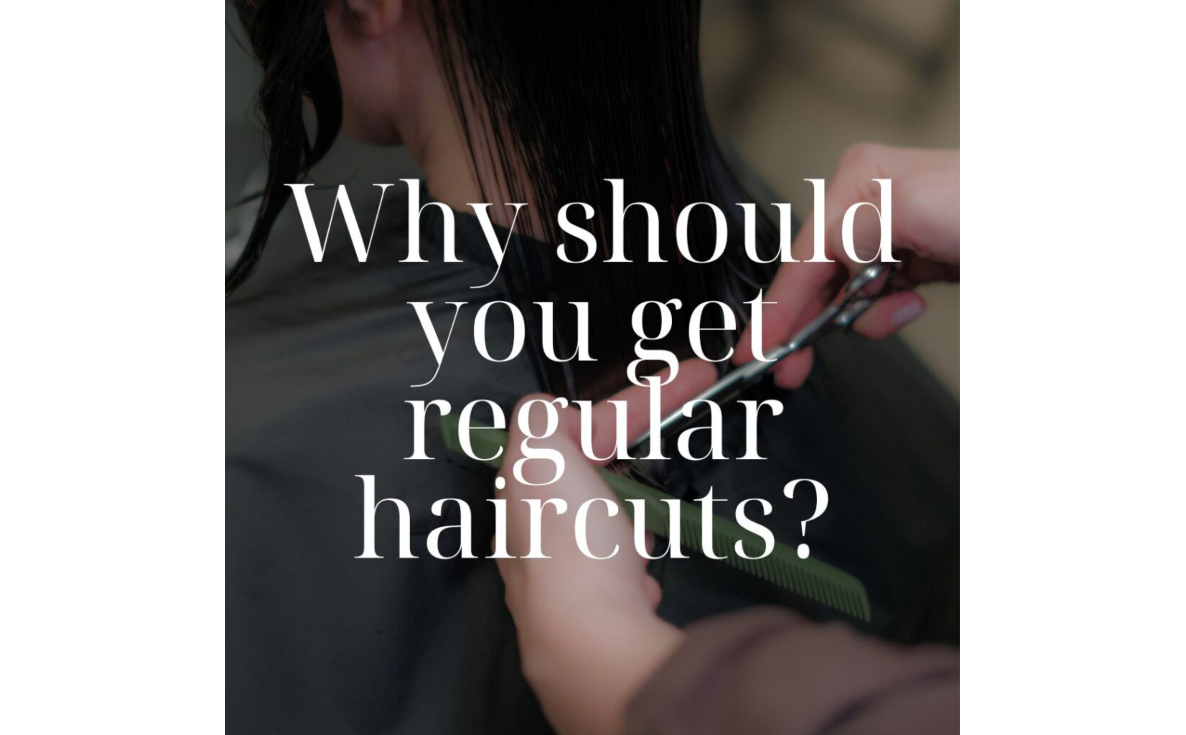
5 Important Reasons to get Regular Haircuts

Regular haircuts are often overlooked in many people’s hair care routines, but they are essential for maintaining healthy, vibrant locks. Whether you’re aiming for long, flowing tresses or a sleek, stylish look, getting regular trims can make a world of difference in the overall health and appearance of your hair. In this comprehensive guide, we’ll explore five compelling reasons why scheduling regular haircuts should be a priority in your beauty regimen.

1. Regular Haircuts Promotes Hair Growth and Health

Regular haircuts are crucial for promoting hair growth and overall hair health. While it may seem counterintuitive to cut your hair to make it grow longer, trimming the ends helps prevent split ends and breakage, allowing your hair to grow longer and stronger. By removing damaged and split ends, you’re preventing the damage from traveling up the hair shaft and causing further breakage. Additionally, regular trims stimulate blood flow to the scalp, which can promote hair growth and improve the overall health of your hair follicles.

Regular Haircuts

2. Prevents Split Ends and Breakage

One of the most significant benefits of regular haircuts is the prevention of split ends and breakage. Split ends occur when the protective outer layer of the hair shaft becomes damaged, causing the hair to split into two or more strands. If left untreated, split ends can travel up the hair shaft, leading to further breakage and damage. By getting regular trims every 6-8 weeks, you can keep split ends at bay and maintain the integrity of your hair. This not only makes your hair look healthier and more vibrant but also helps prevent the need for more significant cuts in the future to remove damaged hair.

Prevent Split Ends & Breakage

3. Maintains Style and Shape

Whether you have a short pixie cut or long layers, regular haircuts are essential for maintaining your desired style and shape. Over time, hair can become uneven and lose its intended look due to natural growth and wear and tear. By getting regular trims, you can keep your hair looking fresh and polished, ensuring that your style remains intact. This is especially important for those with shorter hairstyles or intricate cuts that require precise shaping and maintenance. By staying on top of your haircuts, you can avoid the frustration of dealing with overgrown, unruly hair and keep your style looking its best.

4. Improves Hair Texture and Manageability

Regular haircuts can also improve the texture and manageability of your hair. As hair grows, the ends can become dry, frizzy, and difficult to style, leading to a lackluster appearance. By getting rid of dead ends and damaged hair, you can improve the overall texture of your hair, making it feel smoother, softer, and more manageable. This can make styling your hair easier and more enjoyable, whether you’re rocking beachy waves or a sleek blowout. Additionally, regular trims can help distribute natural oils more evenly along the hair shaft, resulting in healthier, shinier locks.

Improve Hair Texture

5. Regular Haircuts Boosts Confidence and Self-Esteem

Last but certainly not least, regular haircuts can boost your confidence and self-esteem. There’s nothing quite like the feeling of stepping out of the salon with freshly trimmed hair that looks and feels amazing. A good haircut can enhance your features, frame your face, and complement your personal style, leaving you feeling like the best version of yourself. Whether you’re preparing for a special occasion or just want to treat yourself to a little self-care, scheduling regular haircuts can uplift your mood and leave you feeling more confident and empowered.

Getting Professional Styling Assistance

When it comes to getting a regular haircuts, it’s important to find the right professional to assist you. A professional hairstylist can provide you with the advice, guidance and expertise to help you make the best decisions for your hair. Professional styling assistance can give you the confidence to know that your hair is in good hands. A professional can also provide you with styling advice and tips that can help you create a look that best fits your lifestyle. In addition, they will be able to offer you the best advice on the type of products and treatments that you should use on your hair to help keep it looking its best.

Whether you’re looking for a new look or simply want to maintain your current style, speak with our professional stylists to help you reach your goals.

In Conclusion

Regular haircuts are a cornerstone of a healthy hair care routine, offering a wide range of benefits for both the health and appearance of your hair. From promoting hair growth and preventing split ends to maintaining style and boosting confidence, there are countless reasons to prioritise regular trims. So why wait? Schedule your next haircut today and reap the rewards of healthy, beautiful hair that shines from within.
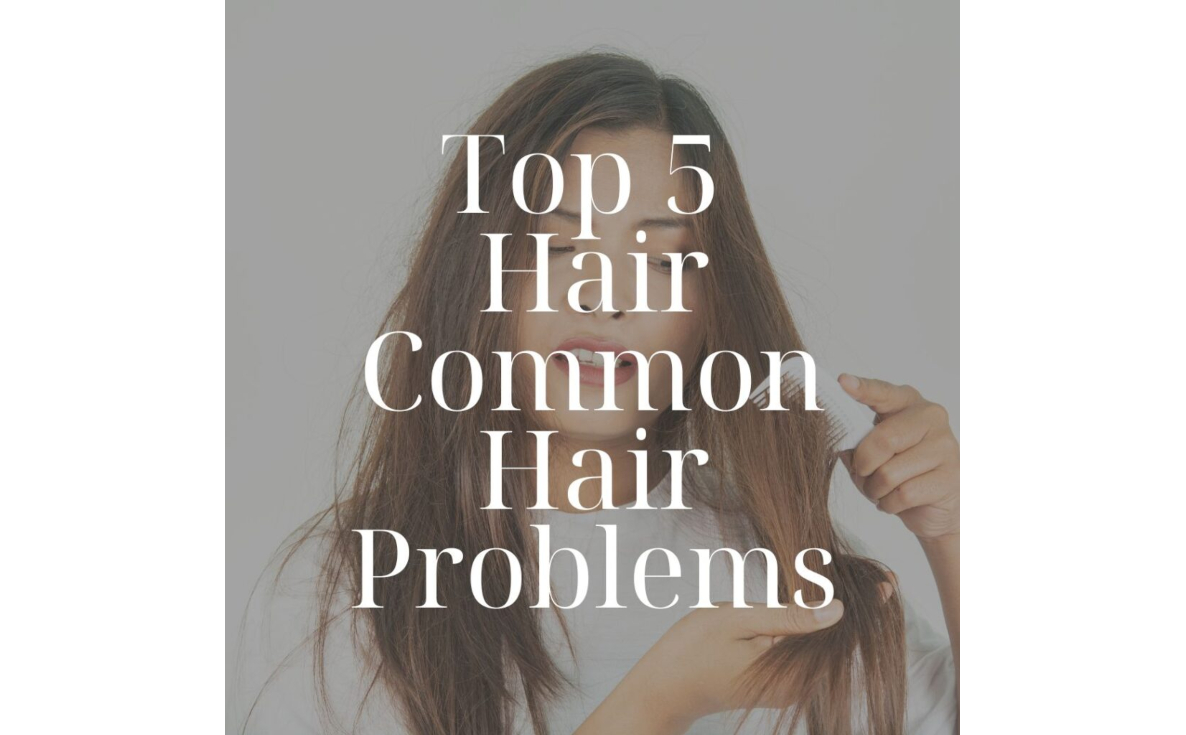
Top 5 Common Hair Problems and How to Fix Them: A Comprehensive Guide

Hair is often considered a person’s crowning glory, but it can also be a source of frustration when problems arise. From split ends to dandruff, there are a variety of issues that can affect the health and appearance of our locks. However, the good news is that many common hair problems can be addressed with the right knowledge and care. In this comprehensive guide, we’ll explore some of the most common hair problems and provide practical solutions to help you achieve healthier, more beautiful hair.

1. Split Ends

Split ends are a frequent complaint among many individuals, caused by damage to the hair shaft. This damage can result from various factors, including heat styling, chemical treatments, and environmental stressors. Split ends are usually one of the most popular hair problems due to the many factors such as – exposure to damage, hair structure, and moisture content in hair.

Symptoms: Split ends typically appear as the hair shaft splits into two or more strands at the ends. You may notice that the ends of your hair look frayed or have a “Y” shape, indicating the split. It may also be more prone to tangled ends with dryness or frizziness.

Solutions:

  • Regular trims: It is essential to remove the damaged hair.
  •  Moisturise: Deep conditioning treatments are your best friend. Look for products with ingredients like shea butter, coconut oil, and hyaluronic acid.
  • Minimising heat styling: Heat styling plays a huge role in many of the issues faced when trying to maintain a healthy and shiny hair health. Reduce the use of heat styling and turn to more natural styling habits instead!
Pro Tip
Reduce washing frequency to 2-3 times a week and use lukewarm water. Opt for a gentle, sulfate-free shampoo.
Hair Problems Split Ends

2. Dry and Brittle Hair

Dry and brittle hair is a prevalent hair problem that arises from a combination of internal and external factors affecting the hair’s health and moisture balance. One primary cause of dryness and brittleness is the depletion of natural oils and moisture from the hair shaft, which can occur due to overwashing with harsh shampoos, exposure to environmental stressors like sun, wind, and pollution, and frequent use of heat styling tools. Additionally, chemical treatments such as coloring, bleaching, and perming can strip the hair of its protective lipid layer, leading to moisture loss and weakening of the hair structure. Furthermore, nutritional deficiencies, dehydration, hormonal imbalances, and certain medications can impact the hair’s vitality and resilience, contributing to dryness and brittleness.

Symptoms: Hair feels coarse, lacks shine, and is prone to breakage and split ends.

Causes: Over-washing, harsh shampoos, excessive heat styling, sun exposure, chemical treatments (coloring, perming), and nutritional deficiencies.

Solutions:

  • Hydration is Key: Limit washing frequency (aim for 2-3 times a week) and use a gentle, hydrating shampoo and conditioner. Look for formulas with ingredients like hyaluronic acid, argan oil, and shea butter.
  • Deep Conditioning: Treat your hair to a deep conditioning mask once a week for an extra moisture boost.
  • Heat Protectant is Your Friend: Never underestimate the power of a heat protectant spray before using hot tools like blow dryers, straighteners, or curling irons.
  • Embrace Natural Drying: Whenever possible, let your hair air dry to minimize heat damage.
  • Diet Matters: Ensure your diet is rich in essential vitamins and minerals like biotin, iron, and omega-3 fatty acids, which contribute to hair health.

3. Frizzy Hair

Frizzy hair is a common hair problem due to several factors affecting the hair’s structure and environment. One primary cause of frizz is the hair’s natural texture and porosity, particularly in individuals with curly or wavy hair types. The uneven distribution of natural oils along the hair shaft can lead to dehydration, making the hair more susceptible to frizz. Environmental factors such as humidity and temperature fluctuations play a significant role in exacerbating frizz by causing the hair cuticle to swell and lift, allowing moisture to penetrate and disrupt the hair’s smooth surface. Additionally, damage from heat styling tools, chemical treatments, and rough handling can further compromise the hair’s integrity, leading to frizz and flyaways.

Symptoms: Hair appears fluffy, unmanageable, and prone to static, especially in humid environments.

Causes: Dryness, damage, high porosity (hair absorbs moisture easily but loses it quickly), and chemical treatments.

Solutions:

  • Hydration is Key (Again!): Follow the same hydration tips mentioned for dry hair. Deep conditioning is crucial for frizzy hair.
  • Tame the Mane: Use anti-frizz serums or leave-in conditioners to smooth the hair cuticle and reduce frizz.
  • Embrace the Microfiber Towel: Swap your regular towel for a microfiber towel to gently remove excess water without roughing up the hair cuticle.
  • Diffuser is Your Friend: If you must use a blow dryer, opt for a diffuser attachment to distribute heat evenly and minimize frizz.
  • Argan Oil Texture Control Treatment: Have you ever heard of our speciality? – Argan Oil Texture Control Treatment. It is our best rated treatment in treating frizz and repairing your hair cuticles with zero ammonia!
Frizzy Hair

4. Dandruff

Dandruff is a common hair problem that occurs due to a combination of factors, including an overgrowth of a yeast-like fungus called Malassezia, irregular shedding of dead skin cells from the scalp, and sensitivity to certain hair care products. Malassezia naturally resides on the scalp and feeds on sebum, the oily substance produced by the skin’s sebaceous glands. However, when there is an overproduction of sebum or an imbalance in the scalp’s microbiome, Malassezia can proliferate, leading to irritation and inflammation. This triggers an accelerated shedding of skin cells, resulting in the characteristic flaking associated with dandruff. Additionally, factors such as stress, hormonal changes, environmental conditions, and poor hygiene practices can exacerbate dandruff symptoms.

Symptoms: Visible white flakes on the scalp and hair, often accompanied by itching.

Causes: Dry scalp, seborrheic dermatitis (a chronic skin condition), fungal infection (malassezia), and sensitivity to hair products.

Solutions:

  • Anti-Dandruff Shampoo: Use a medicated anti-dandruff shampoo containing ingredients like zinc pyrithione, salicylic acid, or selenium sulfide. Follow the usage instructions carefully to avoid irritation.
  • Scalp Soothing: Apply natural oils like tea tree oil or jojoba oil to the scalp to reduce inflammation and itching. (Important Note: Always dilute essential oils with a carrier oil like coconut oil before applying them to your scalp.)
  • Identify Triggers: If your dandruff seems to worsen with certain hair products, identify and eliminate those triggers.
Dandruff

5. Hair Loss

Hair loss is a common hair problem influenced by various genetic, hormonal, environmental, and lifestyle factors. Genetic predisposition plays a significant role in pattern baldness, known as androgenetic alopecia, which affects both men and women and is characterized by progressive hair thinning and eventual hair loss. Hormonal imbalances, such as fluctuations in testosterone, estrogen, and thyroid hormones, can also contribute to hair loss by disrupting the hair growth cycle. Environmental factors, including exposure to pollutants, UV radiation, and harsh chemicals in hair care products, can damage the hair follicles and accelerate hair shedding. Additionally, lifestyle factors such as stress, poor nutrition, insufficient sleep, and certain medications or medical conditions can impact the hair’s health and vitality, leading to increased shedding and thinning. Without proper diagnosis and management, hair loss can worsen over time, affecting self-esteem and quality of life. Seeking professional guidance from dermatologists or trichologists can help identify the underlying causes and implement appropriate treatments to address hair loss effectively.

Symptoms: Thinning hair, excessive hair shedding, and noticeable bald patches.

Causes: Stress, genetics, hormonal changes (pregnancy, menopause), medical conditions (thyroid issues), scalp conditions (alopecia), and tight hairstyles.

Solutions:

  • Consult a Dermatologist: Hair loss can be a symptom of an underlying medical condition. Consulting a dermatologist for diagnosis and treatment is crucial.
  • Gentle Hair Care: Be gentle with your hair to minimize breakage. Avoid tight hairstyles, harsh chemicals, and excessive heat styling.
  • Scalp Treatment: Customisable scalp treatment is available with De Arte Hair to help improve and strengthen your scalp to aid in hair growth. Remember, a little goes a long way! Treatments have to always be revisited in order to see improvement over time and investing in yourself is always worth it!
Hair Loss

Combating Hair Problems

While experiencing hair problems can be frustrating, there are numerous solutions available to address common issues and promote healthier, more beautiful hair. By understanding the causes of these problems and implementing appropriate care routines, you can effectively manage and prevent many hair-related concerns. Remember to be patient and consistent with your hair care regimen, as achieving optimal results may take time. With the right knowledge and dedication, you can overcome common hair problems and enjoy luscious locks that shine with vitality and health.

Unlocking the Palette: Exploring Hair Colouring Techniques 101

Art of hair coloring featured picture 2

In the vibrant world of haircare, colouring techniques have evolved into an art form, allowing individuals to express their personalities through a spectrum of hues. From subtle highlights to bold transformations, understanding the various colouring techniques is the key to achieving the perfect look. In this blog post, we’ll delve into the art of hair colouring, demystifying popular techniques and guiding you towards finding the perfect hue for your style.

The Basics of Hair Colouring

Embark on a journey beneath the surface of your strands to discover the fundamentals of hair structure and its intricate dance with color.

The Canvas: Hair Structure

Hair, our natural canvas, is composed of three layers: the cuticle, cortex, and medulla. Understanding these layers is crucial for successful color transformations.

The Maestro: Melanin

Delve into the role of melanin, the pigment responsible for hair color. Explore how eumelanin produces black and brown hues, while pheomelanin contributes to red and blonde shades.

The Chemistry: Color Interaction

Uncover the chemical processes involved in hair colouring. From lifting natural pigments to depositing new ones, learn how color interacts with the hair’s structure.

Hair's Structure
Hair Colouring Selection

Types of Hair Dyes

Not all dyes are created equal; each type brings its own unique qualities to the colouring palette.

The Chameleons: Temporary Hair Dyes

Briefly explore the world of temporary dyes, perfect for those who crave fleeting color adventures. Discuss the ease of application and quick transformations without long-term commitments.

The Middle Ground: Semi-Permanent Hair Dyes

Dive into semi-permanent options, offering a balance between temporary and permanent solutions. Discuss their versatility, fade patterns, and suitability for various hair types.

Hair Chalk
Henna

The Permanence Promise: Permanent Hair Dyes

Examine the realm of permanent hair dyes, the enduring choice for those seeking lasting transformations. Highlight the commitment, color range, and professional expertise often associated with this category.

Weighing the Options: Benefits and Considerations

Navigate the decision-making process by comparing the benefits and considerations of each type. From longevity to potential damage, empower readers to make informed choices aligned with their preferences and lifestyle.

Tailoring the Palette: Personalised Color Journeys

Conclude by emphasising that the right choice depends on individual preferences, maintenance expectations, and desired outcomes. Invite readers to embark on their personalised color journeys armed with newfound knowledge. In the colourful world of hair, understanding the basics sets the stage for endless possibilities. Whether opting for a temporary splash of vibrancy or committing to a permanent transformation, every strand tells a unique story. Ready to paint with the hues of knowledge? Let’s dive in!

Popular Hair Colouring Techniques

Balayage: Painting with Sunlight

Unveil the artistry of balayage, a technique that mimics the natural, sun-kissed highlights one might acquire after a beach vacation.

Definition and Execution
Define balayage as a freehand technique where color is painted onto sections of the hair for a seamless, graduated result. Emphasize its ability to create a soft and natural appearance.

Maintenance and Suitable Hair Types
Offer insights into balayage’s low-maintenance allure, with regrowth appearing more natural than traditional highlights. Guide readers on suitable hair types and share tips for prolonging the vibrancy of their sun-kissed locks.

Balayage Highlight
Balayage Highlight

Ombre: The Gradient Elegance

Explore the ombre technique, a striking transition from darker to lighter hues that has taken the hair world by storm.
Transition and Variations
Explain the distinctive ombre effect, emphasising the gradient flow of color. Introduce variations such as reverse ombre (light to dark) and sombre (a softer, more subtle ombre) for diverse style options.
Ombre
Ombre

Highlights and Lowlights: Dimensional Brilliance

Dive into the world of highlights and lowlights, classic techniques for adding dimension and depth to hair.

Definition and Differentiation
Differentiate between highlights (lightening strands) and lowlights (darkening strands), showcasing their combined power for a multidimensional look
Highlights Lowlights

DIY Hair Colouring Tips: Home-Run Hues

Strategic Planning

  1. Choose Your Shade Wisely: Consider your skin tone and undertones before selecting a hair color.
  2. Gather the Right Tools: Ensure you have quality gloves, an applicator brush, and an old shirt to protect your clothes.
  3. Sectioning Matters: Divide your hair into sections for even color application.

Product Selection

  1. Quality Over Quantity: Emphasise the importance of using reputable, quality hair colour products.
  2. Follow Instructions: Stress the need to carefully follow the instructions provided with the hair dye to ensure optimal results.

Damage Control

  1. Protective Measures: Advise on using petroleum jelly around the hairline to prevent staining.
  2. Post-Color Care: Provide tips on post-color care, such as using sulfate-free shampoos and deep conditioning treatments.
Protective Measure
Post Color Care

Consultation with Professionals: The Expert Touch

Sometimes, the magic lies in the hands of a professional. Explore the importance of seeking expert advice for personalised colour transformations.

Professional Consultations

  1. Understanding Your Needs: Encourage readers to express their desires and expectations during the consultation.
  2. Personalised Recommendations: Highlight how professionals can assess factors like skin tone, lifestyle, and hair condition to offer tailored color recommendations.

Effective Communication

  1. Visual Aids: Suggest bringing pictures or references to convey desired outcomes clearly.
  2. Open Communication: Emphasise the need for open dialogue with the stylist, discussing concerns, preferences, and potential limitations.

Achieving Desired Results

  1. Realistic Expectations: Discuss the importance of realistic expectations, considering factors like natural hair color and the possibility of multiple sessions for drastic changes.
  2. Maintenance Advice: Provide post-color maintenance tips and recommend follow-up appointments for touch-ups or adjustments.

Building a Relationship

Trust and Consistency: Stress the importance of building a trusting relationship with a stylist for consistent and satisfactory results over time.

In the colourful world of hair transformations, whether at home or in the salon, a blend of DIY prowess and professional expertise ensures a spectrum of successful outcomes. Strive for the perfect hue, experiment responsibly, and let your hair become the canvas for your vibrant self-expression.

Color Dye
Care

Maintenance and Aftercare: Nurturing the Hue

Colour-Protecting Products: Guarding Brilliance

Preserving the vibrancy of your newly adorned mane requires the right arsenal of colour-protecting products. Explore the role of these products in maintaining your chosen hue and shielding it against premature fading.

Essentials for Color Maintenance

  1. Sulfate-Free Shampoos: Discuss the benefits of sulfate-free shampoos in preventing color stripping and maintaining moisture levels.
  2. Colour-Boosting Conditioners: Highlight the importance of colour-boosting conditioners to enhance and extend the life of your color.

Leave-in Treatments

  1. UV Protection: Recommend leave-in treatments with UV protection to shield your hair from the sun’s harmful rays, a common culprit for color fading.
  2. Hydration Heroes: Introduce hydrating leave-in products to combat dryness and keep your colour looking lustrous.

Regular Touch-ups: A Brushstroke of Freshness

Maintaining a freshly coloured look requires a strategic approach to touch-ups. Guide readers on when and how to schedule regular touch-ups to ensure their color stays vibrant.

Timeframe Considerations

  1. Root Touch-ups: Discuss the ideal timeframe for root touch-ups, considering factors like hair growth rate and the desired level of maintenance.
  2. Full Color Refresh: Highlight the importance of periodic full-color refreshes to revive the entire hue and address any fading or color changes.

Embarking on a journey to change your hair color is an exciting venture, and understanding the various coloring techniques is the first step towards achieving the perfect look. Whether you’re opting for the sun-kissed warmth of balayage or the bold statement of ombre, these techniques offer a palette of possibilities. Experiment, embrace the creativity, and let your hair reflect your unique style. Remember, the world of hair coloring is as dynamic as your personality—full of options waiting to be explored. Happy coloring!

In-Salon Hair Treatment: Yay or Nay?

The benefits of professional in-salon treatments cover

When it comes to hair care, the decision between DIY treatments and professional in-salon hair treatments can be challenging. Both have their pros and cons, but in-salon treatments offer a range of benefits that DIY methods often fall short on. Whether you’re looking to repair damage, maintain healthy hair, or simply indulge in some self-care, this comprehensive guide will help you understand why in-salon treatments are worth the investment.

The Importance of In-Salon Hair Treatments

Our hair is more than just a style statement; it’s an important asset that reflects our overall health and well-being. Environmental factors like pollution, humidity, and harsh styling practices can take a toll on your hair, making it prone to damage, breakage, and lack of vitality. While at-home treatments like conditioners and hair masks can help, they often can’t address the deeper issues that affect your hair’s health.

In-salon hair treatments, on the other hand, offer a specialized solution to your hair care needs. Professional treatments are designed to nourish, protect, and restore hair from the inside out. These treatments are applied by skilled professionals who understand the nuances of different hair types and conditions, ensuring a customized approach to achieving healthier, stronger, and more vibrant hair.

Benefits of In-Salon Hair Treatments

1. Immediate Results During Vulnerable Phases

In-salon treatments are applied during hair styling procedures, a time when hair is most susceptible to damage. Since you cannot expose your hair to water until 3 days after a color or styling treatment, any potential damage could already occur before you can take action. Professional treatments can be applied immediately, providing protection and nourishment during these critical moments, preventing further damage before it happens.

2. Customized Care Designed to Your Hair's Needs

Unlike DIY treatments, which are often a one-size-fits-all solution, professional in-salon treatments are tailored to your unique hair needs. Whether you need to strengthen, hydrate, or repair damaged hair, salons offer a wide range of treatments designed to target specific concerns. Whether you have curly, straight, dry, or oily hair, professionals can recommend the best treatment for your specific hair type and condition.

Even if your hair is already healthy, regular professional treatments help maintain its vitality and prevent future damage, ensuring your hair stays at its best.

3. Prevent Heat Damage

Many in-salon treatments include thermal protectants, which are designed to shield your hair from the heat of styling tools like flat irons, blow dryers, and curling wands. These treatments help to prevent heat damage, which can cause dryness, split ends, and breakage over time.

While you can purchase heat protectant sprays for at-home use, professional treatments often contain more potent ingredients and are applied in a way that offers more thorough protection. Stylists can apply heat protectants strategically, ensuring that your hair is fully shielded from styling damage.

4. Expert Knowledge and Guidance

in-salon hair treatments

One of the greatest advantages of choosing a professional in-salon treatment is the expertise that stylists bring to the table. Professional stylists assess your hair’s condition and provide personalized advice based on years of training and experience. They know which treatments work best for different hair types and conditions, and they ensure that the products and techniques used are compatible with your hair’s specific needs.

DIY treatments, on the other hand, can sometimes lead to poor results or even damage if the wrong products or methods are used. Without the expertise of a professional, you may unknowingly be using the wrong treatment for your hair, which could lead to undesirable results.

5. Long-Term Hair Health and Strength

In-salon treatments not only provide instant improvements but also contribute to long-term hair health. Regular professional treatments help repair the inner structure of your hair, restoring strength and elasticity. Over time, these treatments can make your hair more resilient to damage, leaving it feeling softer, shinier, and more manageable.

DIY treatments may offer temporary fixes, but they often don’t address the root cause of hair issues. In contrast, in-salon treatments promote lasting improvements by nourishing and strengthening the hair from within.

6. A Relaxing and Hassle-Free Experience

Lin-salon hair treatments

Going to the salon isn’t just about hair treatments; it’s an experience. In-salon treatments offer a relaxing environment where you can unwind while professionals take care of your hair. 

At De Arte Hair Stuio, we make sure you feel welcome and enjoy every session. We understand the hectic pace of modern life, and we want to ensure that you not only receive the best styling but also comprehensive care for your hair. We provide a peaceful space where you can take a break from your busy schedule, allowing us to pamper and nurture your hair.

DIY treatments, on the other hand, can be messy and time-consuming. You have to apply the treatment yourself, clean up afterward, and sometimes deal with the hassle of setting aside time for a lengthy process. At De Arte Hair Studio, we eliminate all of these inconveniences, giving you the opportunity to sit back, relax, and let the experts handle the work.

Click here for the list of hair and scalp treatments we offer.

7. Consistency and Maintenance

Consistency is key to achieving and maintaining healthy hair. While DIY treatments can be effective, it’s easy to fall into a routine where you skip treatments or use products inconsistently. With in-salon treatments, you’ll be more likely to follow a regular schedule, ensuring that your hair receives the attention it needs.

At De Arte Hair Studio, we offer package pricing to help you maintain regular treatments without the hassle of scheduling each visit individually. These packages are designed with your hair’s long-term health in mind, helping you stay on top of your hair care routine and ensuring your hair stays vibrant and strong over time.

Salon vs. DIY: A Quick Comparison

Feature In-Salon Treatments DIY Hair Treatments
Customization
Personalized treatments tailored to your hair type and condition
Limited, one-size-fits-all products
Expert Guidance
Professional advice from experienced stylists
Minimal or self-guided
Results
Immediate improvements and long-lasting effects
Take time to see results
Heat Protection
Professional-grade thermal protectants
Available, but often less effective
Convenience
Relaxing experience, no hassle
Can be time-consuming and messy
Benefits
Strengthens and nourishes for lasting results
Temporary solutions

While DIY hair treatments are convenient and cost-effective, in-salon treatments offer superior results with personalized care, expert advice, and a relaxing experience. Whether you’re looking to repair damage, maintain healthy hair, or simply enjoy a luxurious self-care session, investing in professional hair care is the best way to ensure your hair gets the attention it deserves. Regular in-salon treatments can help keep your hair strong, vibrant, and healthy for the long term.

Ready to give your hair the care it deserves?

Don’t wait for damage to take its toll! Book your appointment with us today and experience the difference professional in-salon treatments can make!