De Arte Hair Studio

8 Signs of Over-Processed Hair and How to Repair the Damage

Understanding structural damage

Over-processed hair doesn’t happen overnight, but once it does, it’s hard to ignore. If your hair feels dry, brittle, frizzy, or keeps breaking no matter what you do, you’re likely dealing with structural damage from bleaching, coloring, perming, or repeated heat styling.

The thing is that while damaged hair cannot fully regenerate (because hair is not living tissue), but it can be significantly improved. With the right approach, you can restore strength, improve texture, and bring your hair back to a healthier state.

What Really Happens to Over-Processed Hair
Over-Processed Hair The Anatomy of Hair Damage

When hair is exposed to repeated chemical or heat treatments, its internal structure begins to break down. This isn’t just surface dryness, it’s deep structural damage that affects how your hair behaves, feels, and responds to products.

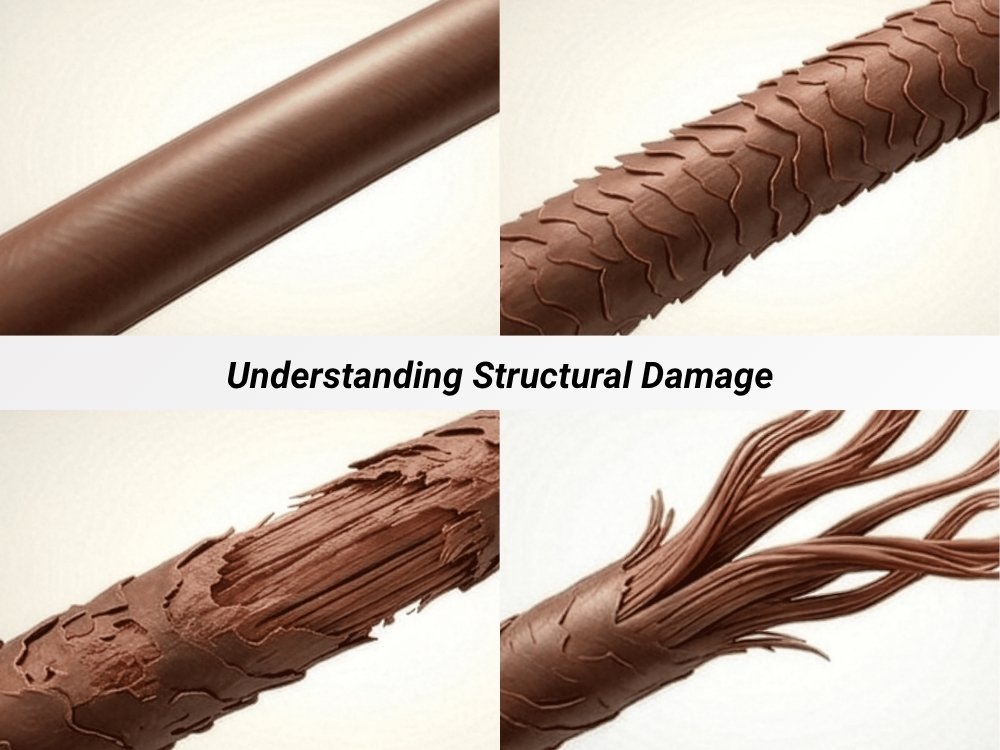
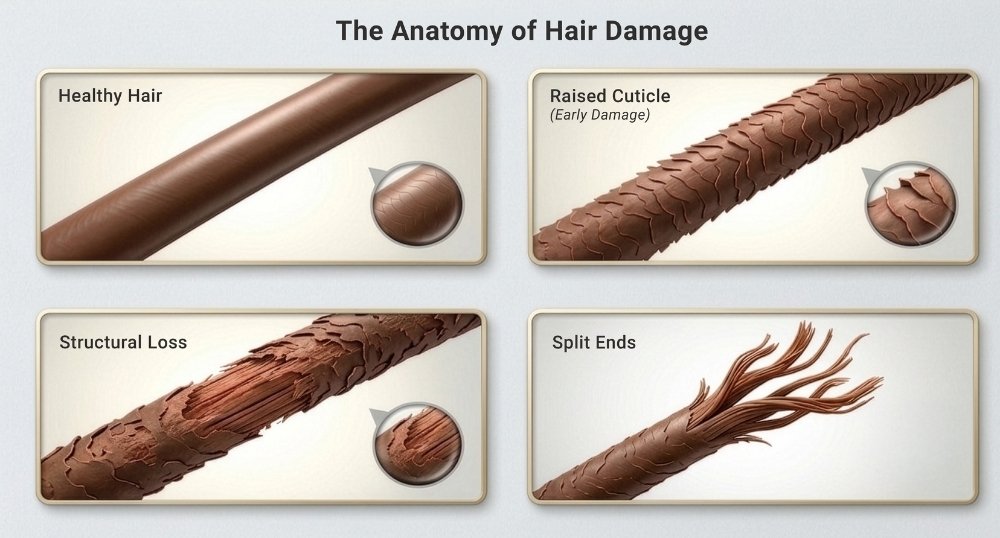
The four images illustrate the gradual breakdown of hair, starting with Healthy Hair, where the protective cuticle scales lie flat and smooth to lock in shine and moisture. In the second stage, the scales begin to lift and ruffle, making the hair feel rough and prone to tangles. This progresses to structural erosion, where the cuticle is stripped away to expose the fragile inner core, leading to extreme brittleness. Finally, the strand reaches terminal damage, where the inner fibers completely unravel, resulting in the frayed “split ends” that often require a trim to fix.

***

Here’s a clearer breakdown of what’s actually happening inside over-processed hair:
1. The Cuticle Becomes Damaged or Lifted (Raised)
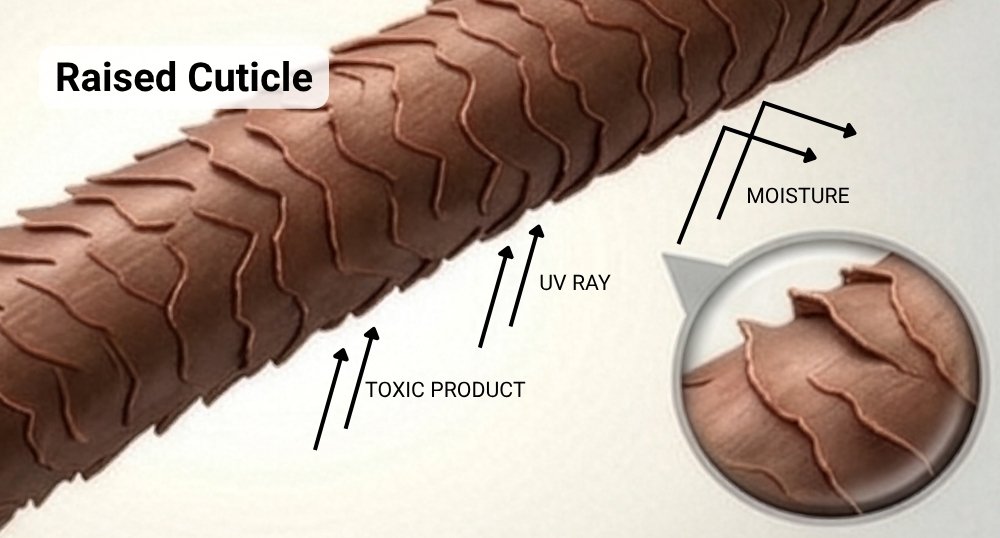
The cuticle is your hair’s outer protective layer. In healthy hair, it lies flat and smooth, locking in moisture and reflecting shine.

When over-processed:
  • The cuticle lifts, cracks, or chips away
  • Hair loses its smooth texture
  • Moisture escapes easily, leading to dryness

This is why damaged hair often feels rough and looks dull.

To fully understand this, it helps to first learn how hair is built:
🔗 Hair Structure Explained: Cuticle, Cortex, and Tips for Healthy Hair

2. Protein Loss Weakens Hair Structure
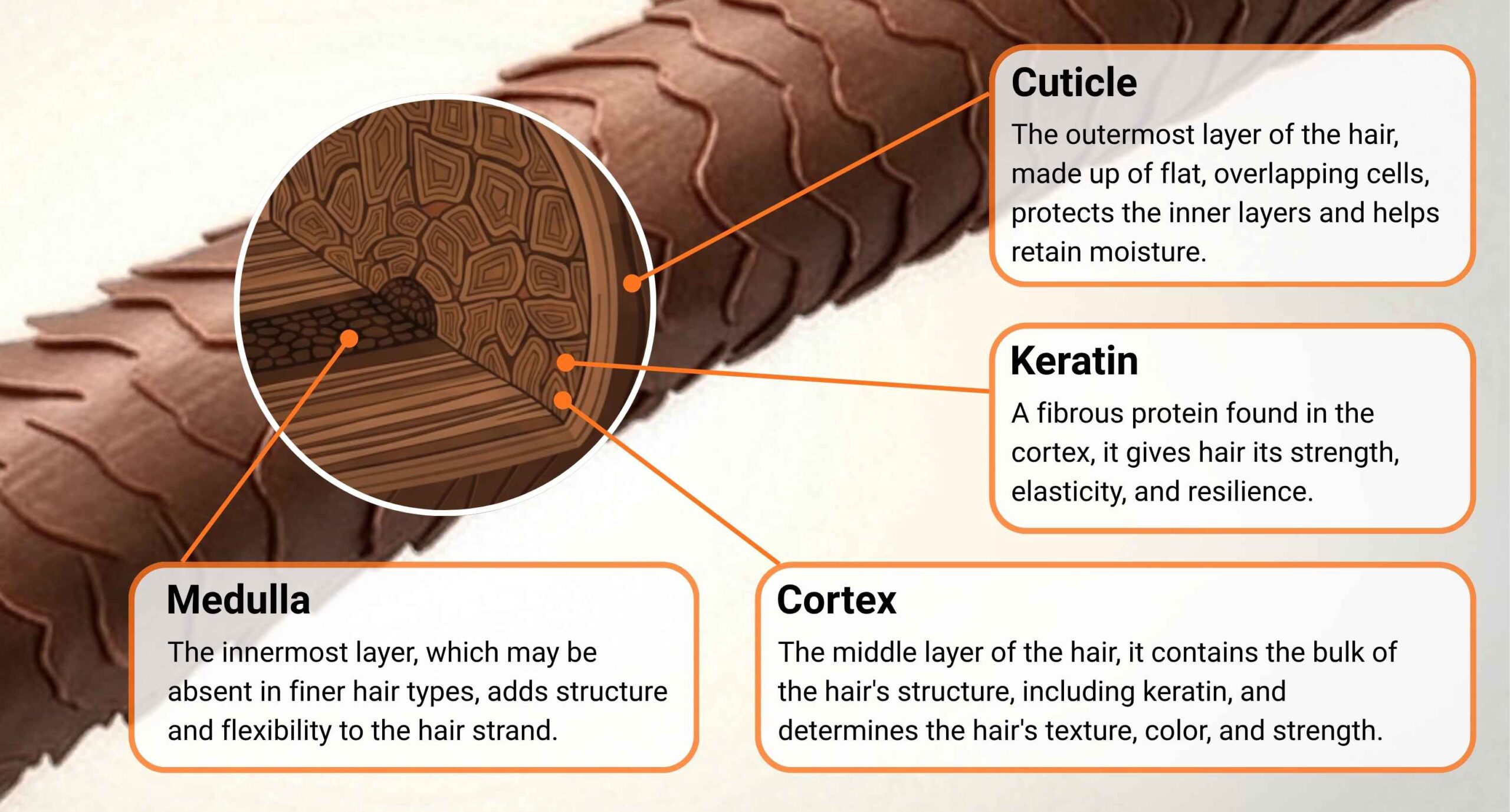
Inside the cortex, hair is made primarily of keratin protein. Chemical treatments break down this protein, weakening the strand from within.

As protein is lost:
  • Hair becomes fragile and prone to breakage
  • Elasticity decreases (hair doesn’t bounce back)
  • Ends split more easily

This is a core reason why protein-based hair restoration is essential.

3. Moisture Imbalance Leads to Brittleness
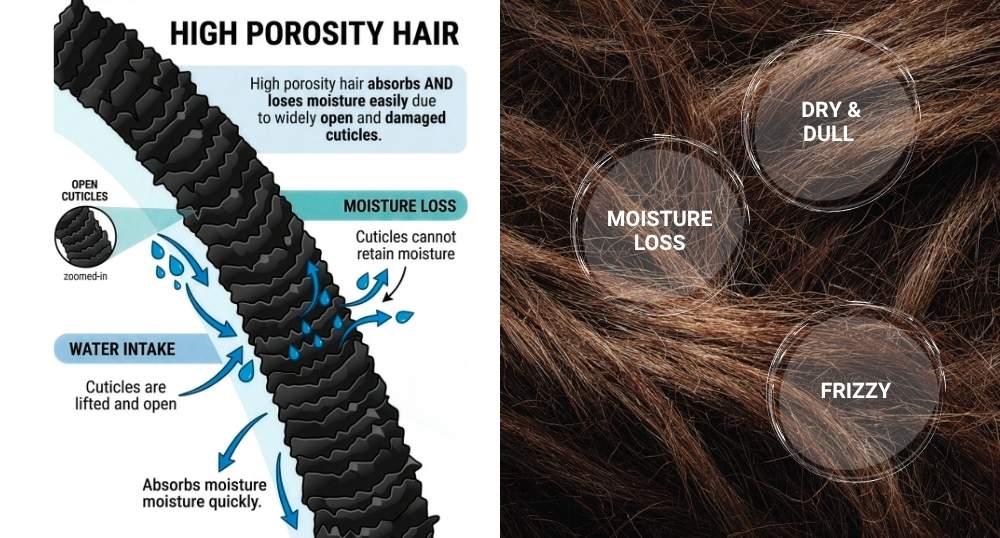
Over-processed hair struggles to retain moisture properly due to increased porosity.

You may notice:
  • Hair feels extremely dry when styled
  • Hair feels overly soft or stretchy when wet
  • Frizz becomes harder to control

This imbalance between protein and moisture is one of the biggest challenges in repairing damaged hair.

4. Broken Hair Bonds Reduce Strength and Flexibility
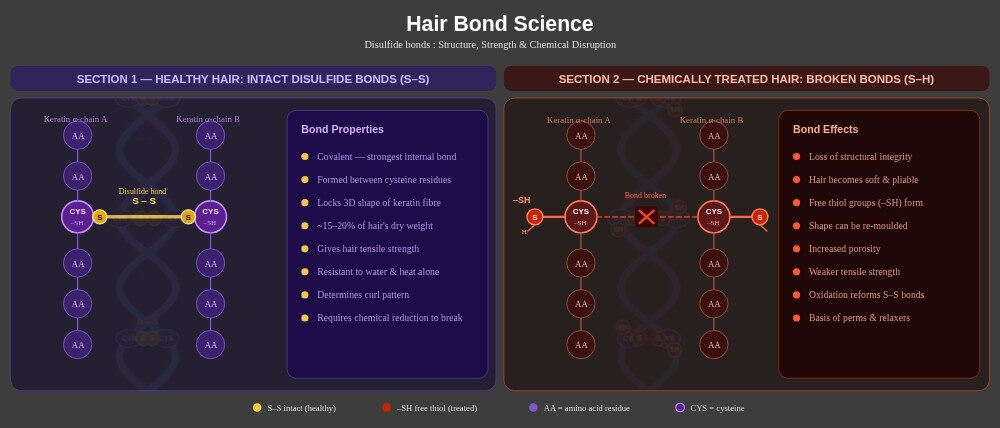
Internal bonds in hair, especially disulfide (S–S) bonds formed between cysteine residues in keratin, provide strength, elasticity, and natural shape. Chemical treatments like bleaching, perming, or relaxing break these bonds. When a disulfide bond is broken, each cysteine is left with a free thiol group (–SH); the reactive part of the amino acid that was formerly linked in the S–S bond.

With repeated or harsh processing:

  • Disulfide and other internal bonds can weaken permanently
  • Hair becomes more prone to breakage
  • Texture may become uneven, frizzy, or unpredictable
Modern bond-repair treatments work by restoring or reinforcing these bonds, helping hair regain strength, resilience, and manageability. The process often involves reforming S–S bonds from the free –SH groups, locking hair back into a stable structure.
5. Increased Porosity Causes Ongoing Damage
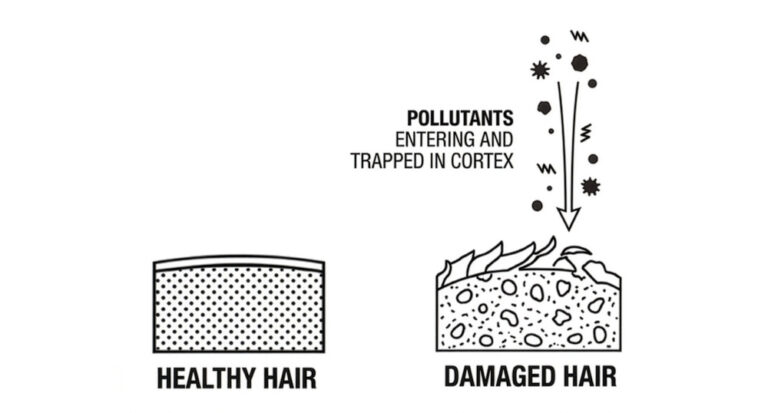
When the cuticle is damaged, hair becomes highly porous.

This means:

  • Water and products penetrate quickly but escape just as fast, which contributes to the moisture imbalance discussed earlier. Hair can feel dry when styled, overly soft or stretchy when wet, and harder to manage.
  • Pollutants and environmental stressors like UV rays, smoke, humidity, and heavy metals can slip through gaps in the cuticle and get trapped inside the hair. Once inside, they weaken the internal structure and break down the bonds that give hair its strength and shape, making hair even more fragile and prone to breakage, the same issues we highlighted earlier with bond damage.

Porosity is essentially hair “leaking from the inside out”, the more porous it is, the harder it is to retain moisture, protect itself, and keep products working effectively.

6. Tangling, Dullness, and Friction Increase
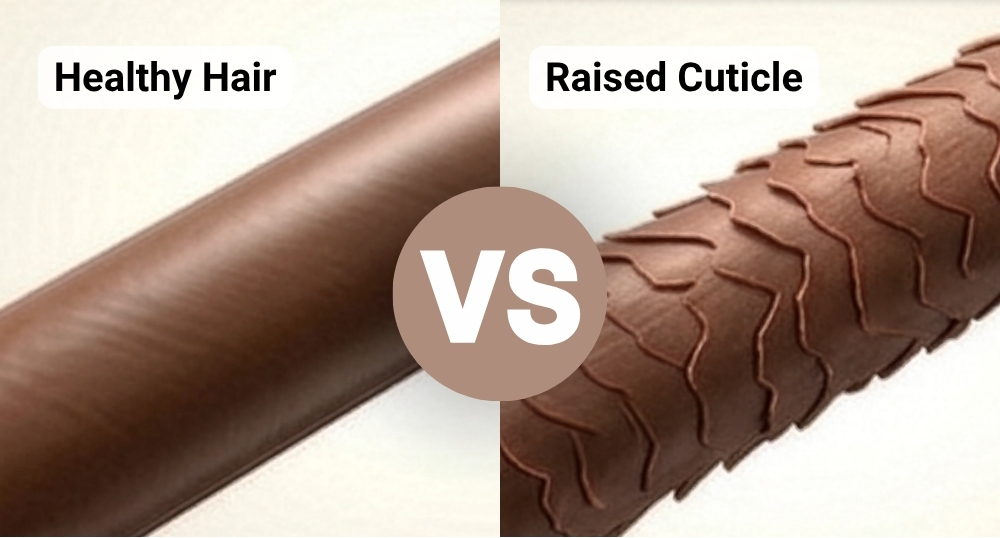
A damaged cuticle creates a rough surface instead of a smooth one.

As a result:
  • Hair tangles more easily
  • Strands catch onto each other
  • Shine is reduced because light isn’t reflected evenly

This is often one of the first visible signs of over-processing.

7. Damage Is Cumulative (And Often Overlooked)
One of the most important things to understand is that hair damage builds over time.

For example:
  • Bleaching already lightened hair
  • Rebonding or perming too frequently
  • Daily heat styling on chemically treated hair
All of these accelerate structural breakdown. Eventually, hair reaches a point where it can no longer tolerate further processing (often referred to as chemical burnout).
8. Surface Damage vs Structural Damage
Not all damage is the same, and this distinction matters.
  • Surface damage affects how hair feels (dry, frizzy) and can often be improved with conditioning
  • Structural damage affects the cortex and internal bonds, leading to breakage and requires deeper repair

Understanding this helps you choose the right damaged hair fix strategy, rather than relying on temporary solutions.

The Real Solution: Rebuilding Hair from the Inside Out

Fixing over-processed hair isn’t about using more products, it’s about using the right combination consistently.

Hair needs two things to recover: protein for strength and moisture for flexibility. Without protein, hair becomes weak. Without moisture, it becomes brittle. The balance between the two is what determines whether your hair feels healthy again.

This is exactly where targeted hair restoration treatments make the biggest difference.

Recommended Miyaki Hair Repair System
(Salon-Level Results at Home)
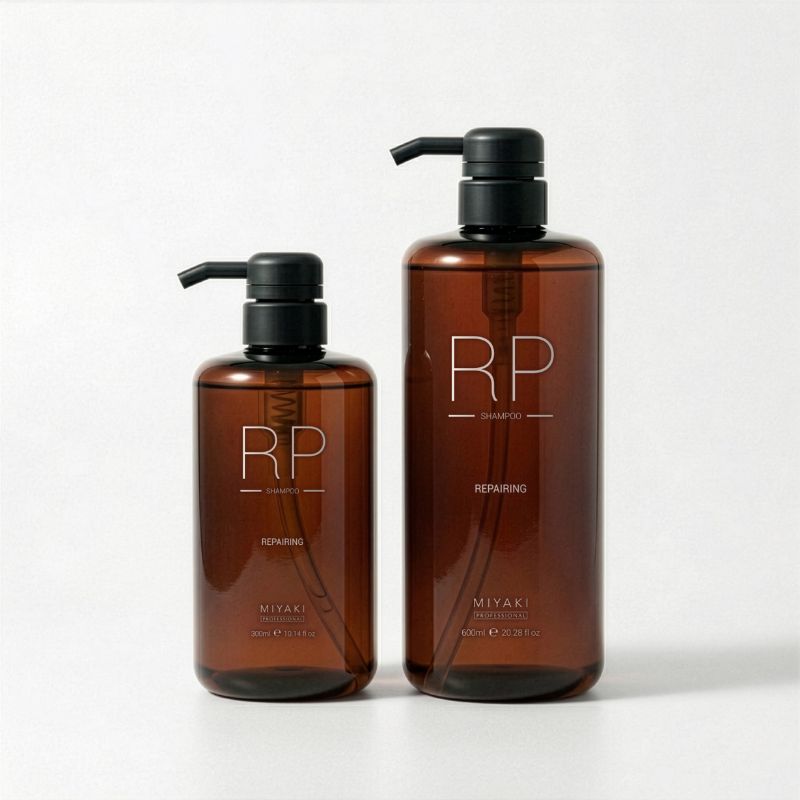
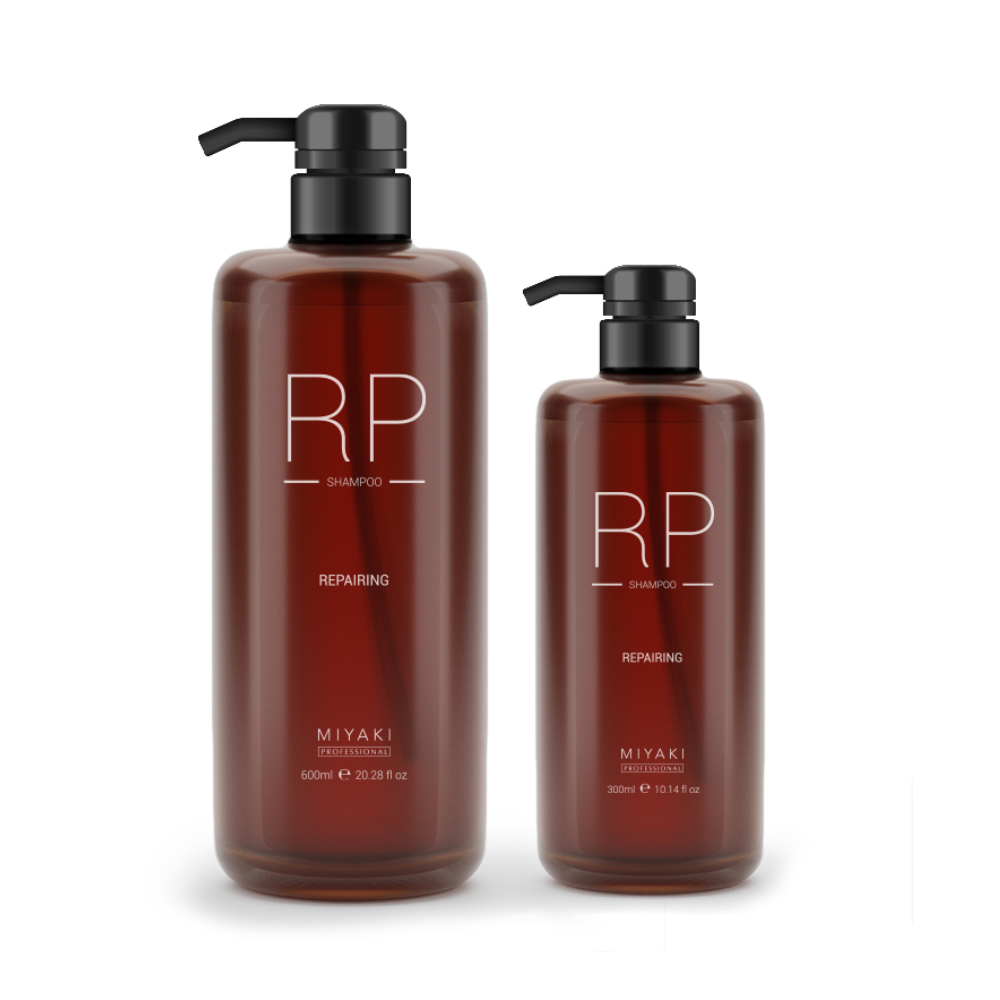
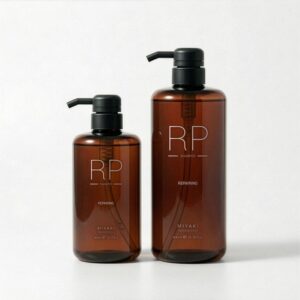
Miyaki Professional Repairing Shampoo

Select options This product has multiple variants. The options may be chosen on the product page

Deep Repair and Strength Restoration
Miyaki Repairing Shampoo
300/ 600ml

The Miyaki Repairing Shampoo is designed to gently cleanse hair and scalp while helping remove buildup that can weigh strands down or make them feel dull. Enriched with hydrolyzed keratin, it helps temporarily smooth the hair surface and improve the feel of weakened areas. Argan oil nourishes and softens hair, supporting moisture retention for enhanced manageability and reduced dryness. Humectants like butylene glycol and amino acids help maintain hydration, leaving hair feeling softer, more flexible, and easier to style. Ideal for hair exposed to bleaching, coloring, or frequent heat styling, this shampoo helps hair look cleaner, smoother, and more polished with every wash.
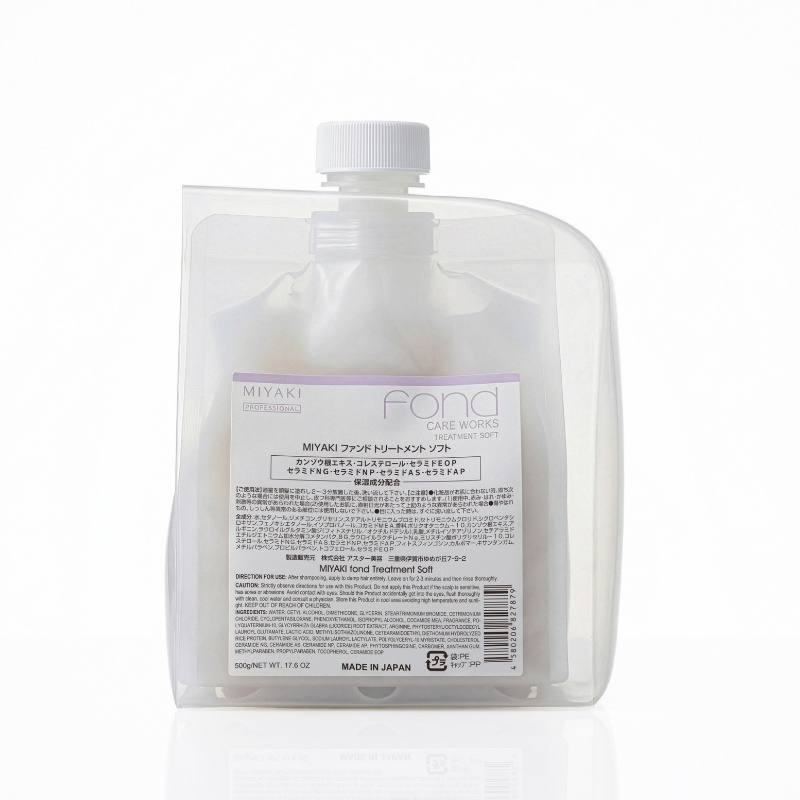
Intensive Strength + Fiber Repair
Miyaki Professional Fond Treatment Soft

500/ 1000ml

Miyaki Professional Fond Treatment Soft delivers intensive strength and fiber repair for weakened, damaged hair. Formulated with amino acids and hydrolyzed rice protein, it penetrates deep to reinforce the hair’s internal structure, improving elasticity and reducing breakage.

Ceramides and cholesterol help rebuild and protect the hair’s outer layer, locking in moisture and restoring smoothness and shine. Ideal for bleached, chemically treated, or stressed strands, this treatment strengthens, repairs, and softens from the inside out.
Daily Moisture Protection
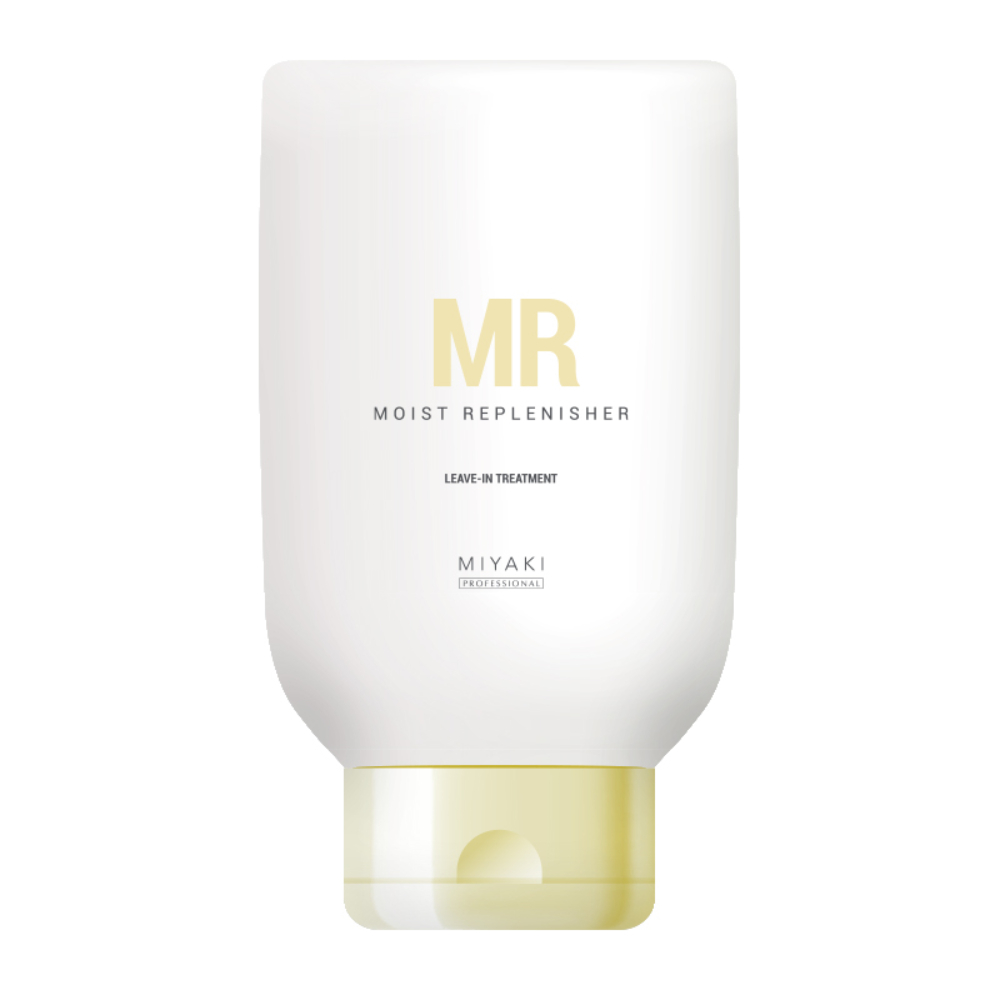
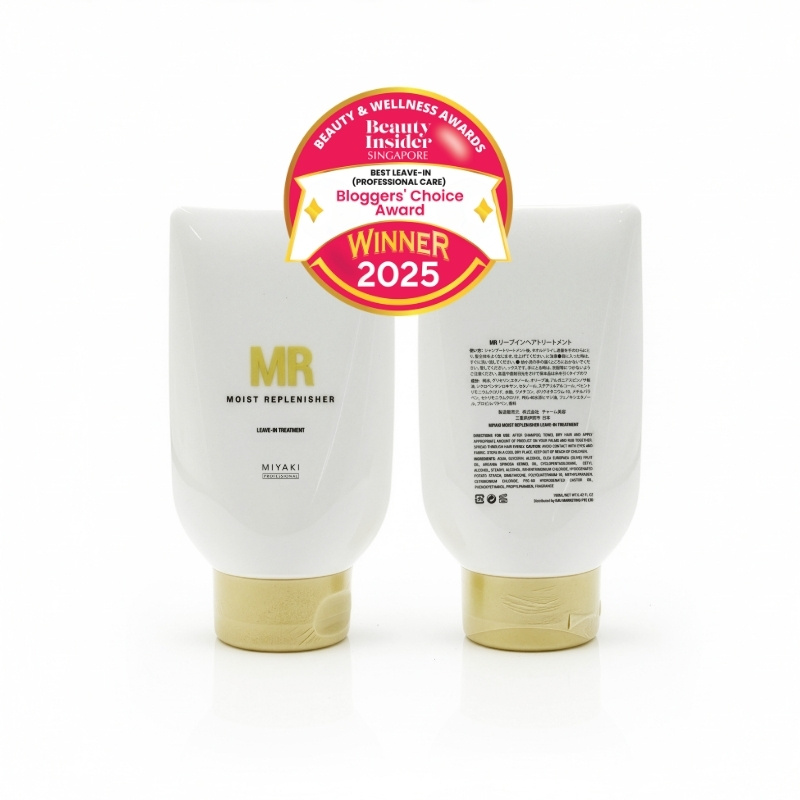
Miyaki Professional Moist Replenisher Leave-in Cream

190ml

To maintain healthy-looking hair, consistent hydration and protection are key. Miyaki Professional Moist Replenisher Leave-In Cream helps replenish moisture while enhancing softness, smoothness, and manageability throughout the day. Its lightweight formula, enriched with glycerin, olive oil, argan oil, and conditioning agents, helps reduce frizz, minimize dryness, and protect fragile, over-processed hair from environmental stress. Ideal for hair weakened by bleaching, coloring, or frequent heat styling, this leave-in keeps strands nourished, smooth, and easier to style.

How to Actually Revive Damaged Hair (Without Overcomplicating It)

Most people overcomplicate hair repair. In reality, consistency matters more than complexity.

Start with a structured routine: repair treatments weekly, hydration regularly, and minimal heat exposure. Small habits, like being gentle when brushing or avoiding rough towel drying, can significantly reduce breakage over time.

Trimming remains necessary for severely damaged ends, as no treatment can permanently fix split ends. Hair shafts are made of dead tissue and cannot regenerate. While products like hydrolyzed proteins, oils, and silicones can temporarily smooth, strengthen, or protect hair, these effects are cosmetic, and true repair only occurs as new hair grows from healthy follicles.

Internal Resources for Deeper Hair Care Knowledge

If you’re interested to understand the different levels of chemical hair damage:
🔗 Mild to Severe: 7 Levels of Chemical Hair Damage

If your damage is caused by bleaching, you’ll want to understand the root cause:
🔗 Bleached Hair and Damaged Hair: What Bleach Really Does to Your Hair

If you’ve had a perm or chemical treatment, proper maintenance is key:
🔗 How to Maintain Your Perms: 8 Tips for Healthy, Long-Lasting Curls

When At-Home Repair Isn’t Enough...

If your hair feels gummy, overly stretchy, or continues breaking despite consistent care, it’s time for professional intervention. Salon-grade treatments can penetrate deeper into the hair structure and deliver more intensive repair.

Ready to Restore Your Hair?

If you’re serious about transforming your hair, not just managing damage, it’s worth getting expert help. Book your hair restoration consultation today and get a customized treatment plan tailored to your hair condition.
Healthy, strong, and revived hair isn’t about luck. It’s about the right strategy.

Best Shampoos for Hair Loss & Oily Scalp in Singapore

Best Shampoos for Hair Loss & Oily Scalp in Singapore

Hair loss and oily scalp are super common here in Singapore. Not only is oily scalp a common factor in hair loss, but I personally struggle with it, so I wanted to see how different shampoos actually feel, smell, and work in real life (or at least for me).

To do that, I bought and tried some of the top‑selling and most talked‑about shampoos on Shopee Singapore, and also included products that show up in 2026 “best shampoo” recommendations online (based on search trends, user reviews, and aggregator lists). I also wanted to understand the formulas and the hype, so I can see how our own salon-grade formula measures up in real life. Not to criticise, but just trying them, reviewing them, and sharing my experience and then you can read it and decide for yourself.

The Shampoos I Tried

Once again, this simply is a research and trial of popular shampoos available in the market. The goal was to understand how these products feel, smell, and perform for oily scalp concerns, so reader like yourself can make an informed choice. #NotSponsored; Just My Honest Take

Product

Focus

Approx. Price (SGD)

Where to buy

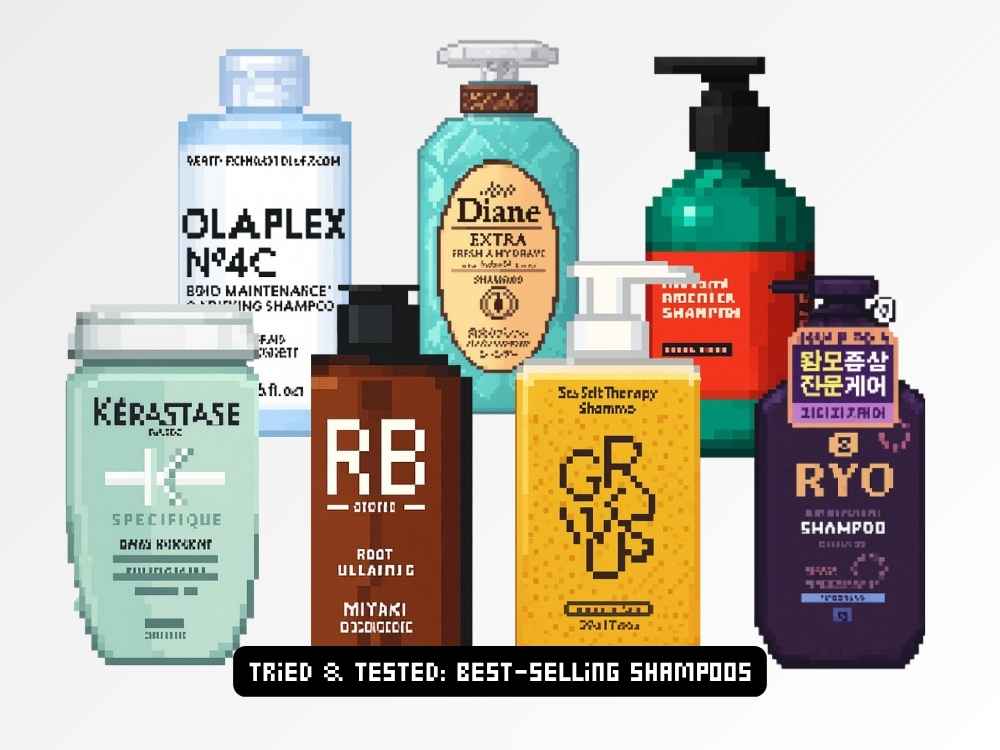
Olaplex No.4C Clarifying Shampoo

Clarifying Shampoo

~$52

Sephora

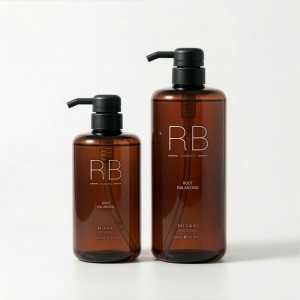
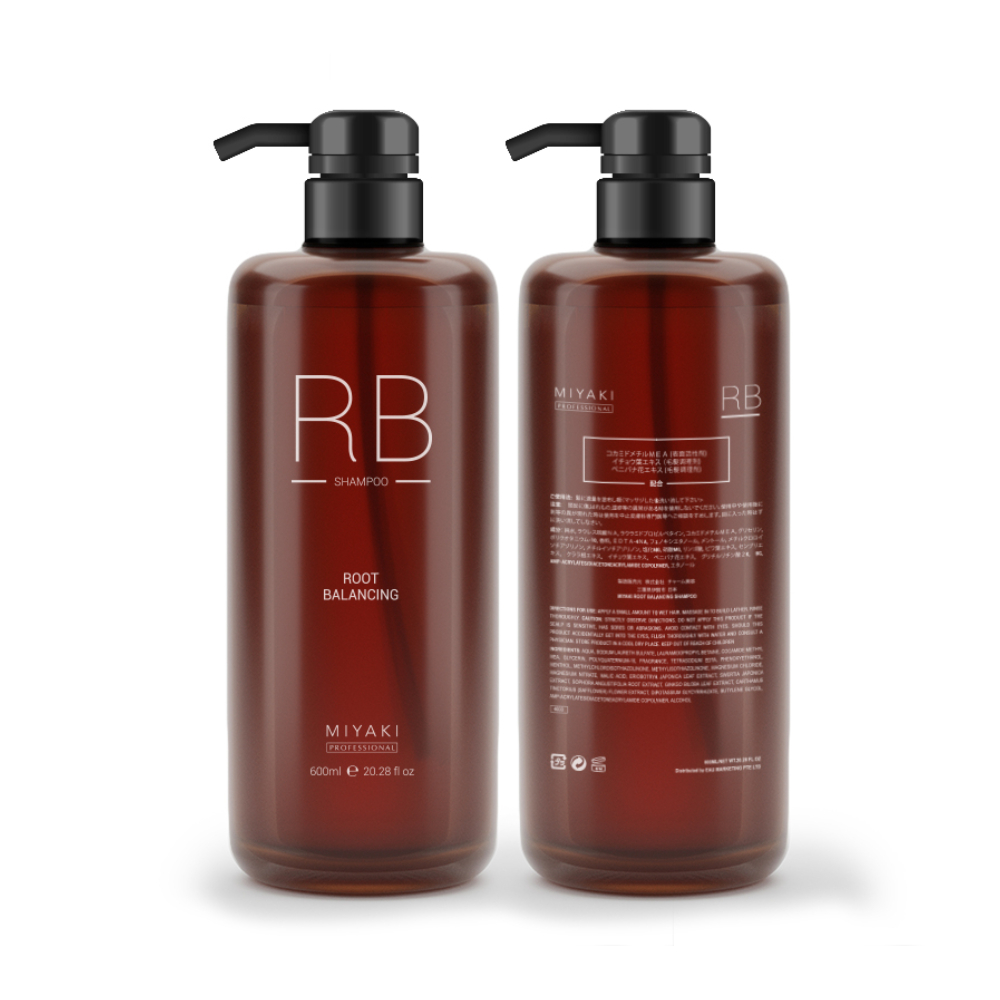
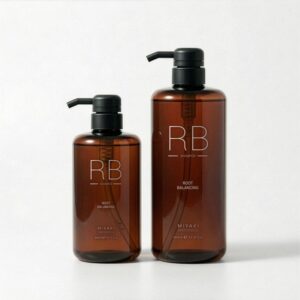
Miyaki Professional Root Balancing

Oily scalp

~$40

Shop new

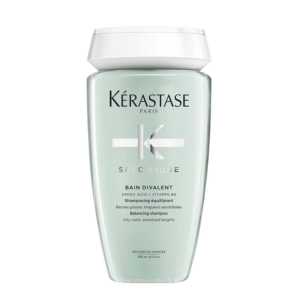
Kérastase Bain Divalent

Oily roots

~$38.30

Shopee

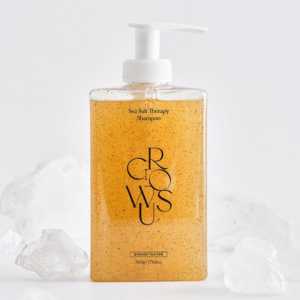
Growus Sea Salt

Scalp detox

~$19.26

Shopee

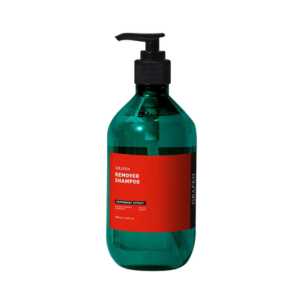
[GRAFEN] Minty Remover Shampoo 500ml

Oily scalp

~$18.90

Shopee

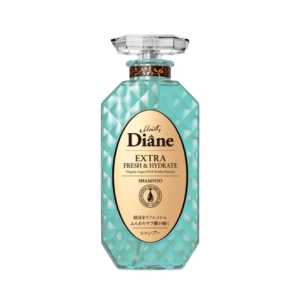
Moist Diane Fresh & Hydrate

Hair fall

~$15.22

Shopee

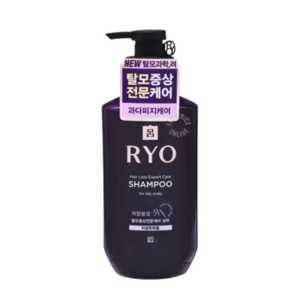
Ryo Hair Loss Expert

Root stimulation

~$12.30

Fairprice NTUC

*The prices listed are approximate at the time of purchase. Discounts, promotions, or campaigns may affect the final price depending on when you view the product listing. Links are for reference only and may not be available or updated at the time of viewing, as these products links are not reviewed continuously.
How I Test
  • I tried each shampoo for about 2 weeks, which is enough to get a sense of feel, smell, and any side effects but probably too short to judge long-term hair growth.
  • Switching shampoos frequently can sometimes give different results or even contradict observations, so this is mainly about immediate impressions.
  • My main focus was on oily scalp concerns, since that’s both common here in Singapore and something I personally deal with.
Two weeks is enough to see how a shampoo behaves, but longer-term consistency is what really counts.
What Makes a Shampoo Feel Good for Oily Scalp
From my experience, a shampoo that works well for oily scalp should:
  • Clean without over-stripping → hair shouldn’t feel dry or crunchy
  • Smell pleasant → fresh but not overpowering
  • Soothe the scalp → no itching, burning, or irritation
  • Support scalp balance over time → oils regulated without buildup
Observations From Testing
Olaplex No.4C Clarifying Shampoo

Deep cleanse and detox; excellent for removing buildup and excess oils weekly, though not meant for daily washes because of its strength.

Miyaki Professional Root Balancing

Targets oily scalp, soothes and refreshes, and provides a consistent, gentle feel suitable for daily use. Used in our salon, it has received positive feedback from customers for both its texture and pleasant fragrance.

Kérastase Bain Divalent

Premium salon‑grade product that balances oily roots and nourishes hair lengths. Great for regular use with strong market reputation.

Growus Sea Salt

Sea salt base gives a detoxing sensation, feels like it removes buildup. Can be drying if used every day.

[GRAFEN] Minty Remover Shampoo

I love the minty scent, it feels really refreshing and gives a cool, clean sensation after every wash.

Moist Diane Fresh & Hydrate

Soft, smells great, nourishes hair shafts; less about scalp balance. Nourishes hair more than deep oil removal.

Ryo Hair Loss Expert

Herbal, stimulates roots, but scalp oil wasn’t fully balanced.

Key Ingredients Of Miyaki Professional Root Balancing Shampoo & Why They Matter

Discussing the details of other sellers’ products can be tricky, as inaccurate or misleading information could cause controversy. For this reason, I’ll focus on highlighting our product’s key selling points instead.

  • Menthol + Malic Acid → refreshing, balances oil
  • Eribotrya Japonica Leaf & Swertia Japonica Extracts → calm irritation, strengthen roots
  • Sophora Angustifolia Root & Ginkgo Biloba Leaf Extracts → improve circulation and scalp health
  • Carthamus Tinctorius (Safflower) Flower Extract → light nourishment without weighing hair down

Miyaki Professional Root Balancing Shampoo is formulated with carefully selected botanical extracts to address both scalp and hair needs. In short, it cleanses, refreshes, and soothes gently, making it perfect for daily use on oily scalps.

My Takeaways

Trying multiple shampoos gave me a clearer sense of how different products feel and perform for oily scalps in Singapore. Needless to say, the reason these shampoos are popular is that they effectively cleanse and refresh the scalp, which explains the hype.

At the same time, everyone’s hair and scalp are different, so experiences may vary depending on scalp type, usage habits, and the local climate.

Ultimately, what really matters is how a shampoo feels, smells, and interacts with your scalp. Sometimes that matters just as much as the ingredients or the buzz around a product.

” The real test comes from consistent use over time. “

There are so many shampoos on the market, and it can be really hard to find one that truly suits you, you’re literally spoiled for choice. Most of the time, we end up relying on reviews or word of mouth, but honestly, if you happen to come across this article, giving our Miyaki Root Balancing Shampoo a try won’t hurt. Who knows, it might just become your next favourite addition to your self-care routine.

And if oily scalp isn’t your main concern, you can also check out our article on the Miyaki Professional series, which covers the other products we offer. 🔗 Learn more: How to Identify Your Scalp Type & Choose the Right Shampoo

Hair Fall vs. Hair Loss: Understanding the Differences and Promoting Hair Regrowth

Hair Loss? Hair Fall?

Hair fall and hair loss are two terms often used interchangeably, but they represent different issues in the hair growth cycle. While both conditions can result in thinning or shedding of hair, understanding the difference between hair fall (telogen effluvium) and hair loss (anagen effluvium) is crucial to addressing the root causes and choosing the most effective treatment. In this article, we’ll explore how these conditions differ and offer practical strategies to promote hair regrowth, from simple scalp care to advanced treatments like minoxidil and light therapy.

Find out more: The Science of Hair Growth and Why You Should Care

Hair Fall (Telogen Effluvium) vs. Hair Loss (Anagen Effluvium)
Hair Fall (Telogen Effluvium)

Hair fall, medically known as telogen effluvium, refers to temporary hair shedding that occurs when a large number of hair follicles prematurely enter the telogen phase (resting phase) of the hair growth cycle. Unlike hair loss, which often involves more permanent damage to hair follicles, telogen effluvium is usually reversible and can be triggered by various external factors.

Causes of Hair Fall (Telogen Effluvium):

  • Stress: Emotional or physical stress can disrupt the hair cycle, causing excessive shedding.
  • Hormonal Imbalances: Changes in hormones, such as during pregnancy, menopause, or thyroid issues, can lead to hair fall.
  • Poor Diet: Deficiencies in key nutrients, like iron, zinc, or vitamins, can affect hair health.
  • Illness or Medication: Certain medications or underlying health conditions may trigger telogen effluvium.
  • Weight Loss or Surgery: Rapid weight loss or undergoing surgery can also shock the body and lead to temporary hair shedding.

In telogen effluvium, hair follicles are not permanently damaged, and once the triggering factor is addressed (like reducing stress, correcting hormonal imbalances, or improving nutrition), hair typically grows back within 6 to 12 months.

"It's normal to lose 50 to 100 strands of hair per day as part of the natural hair growth cycle."

Hair Loss (Anagen Effluvium)

Hair loss, or anagen effluvium, is a more severe condition in which hair falls out during the anagen phase (growth phase) of the hair cycle. This type of hair loss is often sudden and more noticeable, with large amounts of hair shedding over a short period. It is typically caused by more intense factors that directly affect the hair follicle’s ability to grow hair.

Causes of Hair Loss (Anagen Effluvium):

  • Chemotherapy and Radiation: Treatments that target rapidly dividing cells can damage hair follicles, leading to significant hair loss.
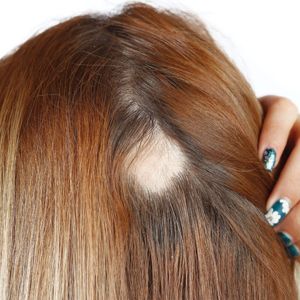
  • Autoimmune Diseases: Conditions like alopecia areata cause the immune system to attack hair follicles, resulting in patchy or total hair loss.
  • Medications: Drugs used to treat cancer, thyroid disorders, or even some blood thinners can cause hair loss.
  • Genetics: Androgenic alopecia (pattern baldness) is a hereditary condition that affects both men and women.
Anagen effluvium often leads to more visible hair loss, such as patches of baldness or thinning, and can require more intensive interventions to manage.

"Losing up to 100 strands of hair a day is normal, but more than that could be a sign of hair loss."

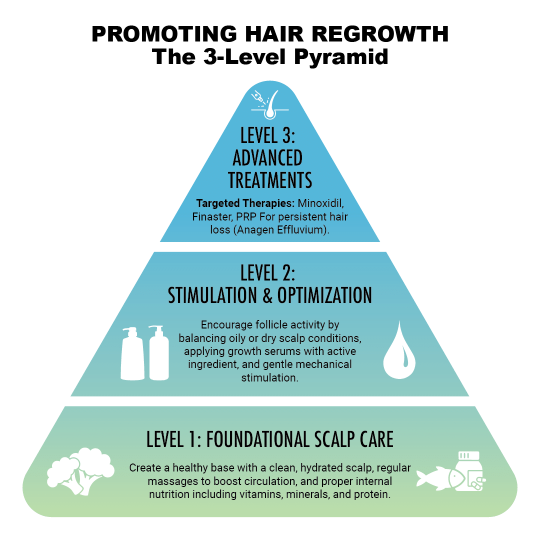
Promoting Hair Regrowth: The 3-Level Pyramid
Promoting hair regrowth works best with a step-by-step method. The 3-Level Pyramid Strategy ensures you’re supporting hair health from the foundation upward; starting with essential scalp and internal health, then moving into follicle stimulation, and finally applying advanced treatments when needed. This structure helps address both hair fall (telogen effluvium) and hair loss (anagen-related thinning) in a clear, effective way.
Hair Loss VS Hair Fall-04
Level 1: Foundational Scalp Care
At the base of the pyramid lies the most fundamental step in promoting hair regrowth: scalp care. Healthy hair starts with a healthy scalp, so the first step is to keep your scalp clean, nourished, and balanced.
  • Scalp Cleansing: Use a gentle, sulfate-free shampoo to cleanse the scalp. This helps to remove excess oil, dirt, and dead skin cells, which can clog hair follicles. Find out more: How to Identify Your Scalp Type & Choose the Right Shampoo
  • Scalp Massages: Gently massage your scalp for a few minutes daily to improve blood flow. This helps deliver more nutrients and oxygen to the hair follicles, encouraging hair growth.
  • Hydration: Keep your scalp well-hydrated with nourishing oils to restore moisture and promote healthy scalp conditions. Find out more about how we use different types of essence to target scalp needs: Scalp Treatment: 7-in-1 Aroma Botanical for Hair Regrowth
  • Internal Nutritional Support: Supplements (eg. Biotin, Iron, Zinc, Vitamin D, Omega-3) and balanced diet are most useful when nutritional deficiencies are present or dietary intake is low. Internal balance must be restored before stimulation or medical treatments can show results.
Level 2: Regulating the Scalp Environment
Once the basics are covered, the next step is regulating the scalp environment. At this stage, you’ll address specific scalp issues that may be hindering hair growth, such as excess oil production, dryness, or irritation. These issues can create an unhealthy environment for hair follicles, so it’s important to tackle them for optimal growth conditions.
  • Correcting Scalp Imbalances: An oily scalp can suffocate hair follicles and lead to thinning hair or shedding. Use shampoos with salicylic acid, tea tree oil, or charcoal to cleanse and regulate oil production without stripping the scalp’s natural moisture.
  • Nourishing a Dry Scalp: A dry scalp can result in itching, irritation, and hair breakage. To restore moisture and soothe dryness, apply hydrating scalp masks or oils with rosemary, jojoba, or argan oil. These oils not only moisturize but also promote circulation, stimulating dormant hair follicles.
  • Hair Serums & Tonics: At this stage, it’s beneficial to introduce scalp tonics or serums that contain active ingredients like caffeine, biotin, and peptides. These ingredients help nourish the scalp and promote follicular health, providing an added boost to your hair regrowth efforts.
Level 3: Active Hair Regrowth Stimulation

The final level of the pyramid focuses on actively stimulating hair regrowth through more intensive treatments. This stage includes options such as minoxidil or low-level laser therapy (LLLT). These treatments work directly to enhance hair follicle activity and accelerate the regrowth process.

Hair Loss VS Hair Fall-02
Minoxidil
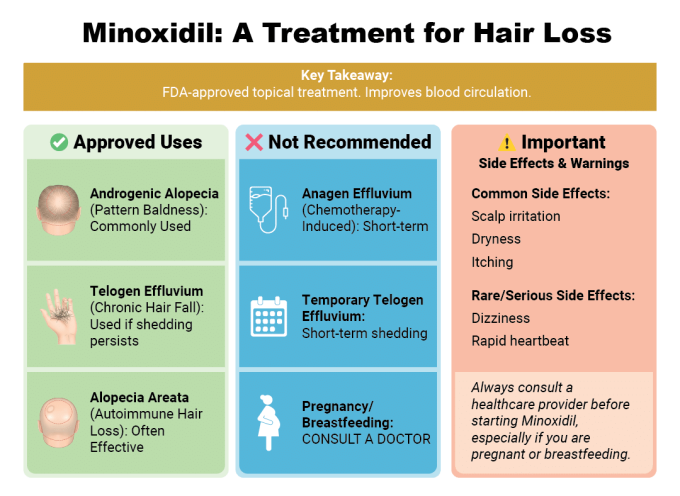
  • This FDA-approved topical treatment is commonly used to treat both androgenic alopecia (pattern baldness) and telogen effluvium (chronic hair fall). Minoxidil works by improving blood circulation to the hair follicles, helping to stimulate hair regrowth. While it’s effective for many, it’s not the first-line treatment for telogen effluvium unless the shedding persists.
  • Minoxidil for Telogen Effluvium: Minoxidil is not always necessary for temporary hair shedding caused by stress, illness, or hormonal imbalances. However, if shedding continues for several months, minoxidil may help stimulate regrowth.
  • Minoxidil for Anagen Effluvium: Minoxidil is often effective in cases of androgenic alopecia and autoimmune-related hair loss (like alopecia areata). It’s typically used when the hair follicles are still healthy and capable of regrowth. Minoxidil should not be used for hair loss caused by chemotherapy, as hair regrowth typically resumes naturally once treatment ends.
  • Important Side Effects of Minoxidil: While effective, minoxidil can cause side effects such as scalp irritation, dryness, or itching. In rare cases, it may cause dizziness or a rapid heartbeat. Minoxidil should not be used by pregnant or breastfeeding women unless directed by a healthcare provider. Always consult a doctor before starting minoxidil if pregnant or breastfeeding.
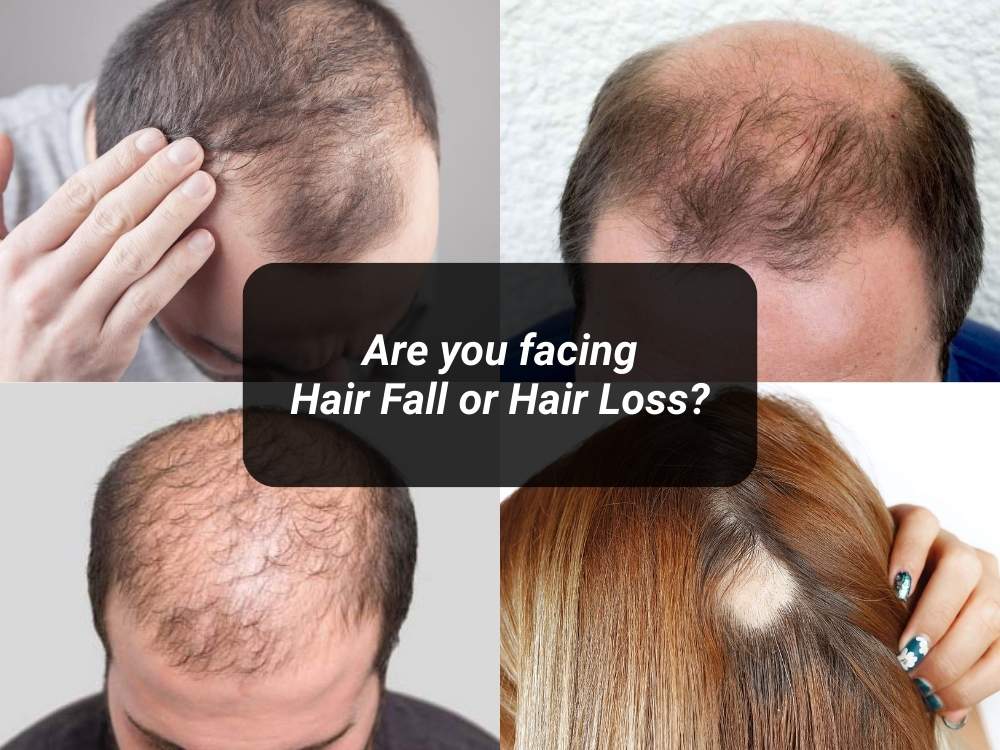
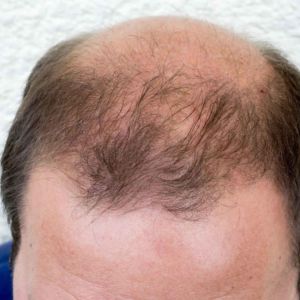
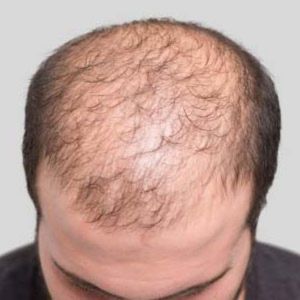
Androgenic Alopecia
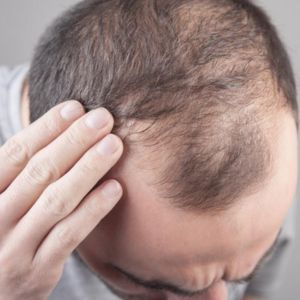
Telogen Effluvium
Anagen Effluvium
Alopecia Areata
⚠️ Important Side Effects of Minoxidil: While effective, minoxidil can cause side effects such as scalp irritation, dryness, or itching. In rare cases, it may cause dizziness or a rapid heartbeat. Minoxidil should not be used by pregnant or breastfeeding women unless directed by a healthcare provider. Always consult a doctor before starting minoxidil if pregnant or breastfeeding.
Low-Level Laser Therapy (LLLT)
Devices like red light combs or laser helmets use low-level laser light to stimulate hair follicles, increase circulation, and promote regrowth. Consistent use of LLLT devices can help encourage hair follicles to stay in the growth phase and improve overall hair density.
Professional & Prescription Options

Depending on the cause, dermatologists may recommend:

  • Finasteride or dutasteride (for androgen-driven loss)

  • PRP (Platelet-Rich Plasma)

  • Exosome or stem-cell–based therapies

  • Treatment for underlying medical conditions (thyroid, autoimmune disorders, PCOS)

Maximizing Effectiveness: Combining the Pyramid Strategy

To get the best results, consistency is key. Combining these treatments across all three levels ensures you’re addressing every aspect of hair health. Here’s how to integrate the pyramid strategy for maximum effectiveness:

Level 1: Foundation
Clean scalp, hydration, massages, and internal nutrition.

Level 2: Stimulation & Optimization
Correct scalp imbalances and use growth serums + massage.

Level 3: Targeted Growth
Use minoxidil, LLLT, or clinical treatments if needed.

This structured approach ensures stability → stimulation → targeted intervention, creating the ideal conditions for healthy, sustained regrowth.

Conclusion: Understanding Hair Fall vs. Hair Loss and Regrowing Your Hair

Understanding the difference between hair fall (telogen effluvium) and hair loss (anagen effluvium) is crucial when selecting the right treatment. While telogen effluvium is typically temporary and resolves once the triggering factor is addressed, anagen effluvium often requires more intensive treatment to stimulate regrowth.

By following the three-level pyramid strategy, you can approach hair regrowth in a structured and comprehensive way. Start with basic scalp care, regulate the scalp environment, and use active treatments like minoxidil and LLLT to encourage healthy hair growth.

Patience is essential, as hair regrowth can take time. However, with consistent effort and the right treatment plan, you can achieve healthier, fuller hair.

Did you know...

De Arte Hair Studio does more than just styling and cutting?

We also offer treatments that care for your scalp and hair because we believe that healthy hair starts with a healthy scalp. In many cases, for your style to truly shine, a strong base is essential. While we address common scalp concerns, we also provide a complimentary scalp consultation to identify any issues and explain the solutions we recommend. Feel free to check out our full list of services below, or if you prefer, you can arrange a free scalp consultation and we’ll help choose the best treatment for you 🙂

Want to book an appointment?

You’re just one click away! Follow simple instruction below and we’ll see you real soon!

Dry Hair vs Oily Hair: Causes, Differences, and Solutions

Dry Hair VS Oily Hair VS Both..

Are you dealing with dry hair or oily hair or perhaps a mix of both? It can be frustrating when your hair feels like it’s not cooperating, but the good news is that with the right routine and products, balance can be restored.

This guide will help you have a better understanding of the causes of dry and oily hair, the differences between them, and how you can manage these issues, especially in Singapore’s humid climate.

How Your Scalp and Hair Are More Connected Than You Think

Your scalp is closely connected to the health of your hair, and its condition often follows the state of your skin. If you’ve ever noticed that your skin tends to get dry, oily, or a bit of both, your scalp may follow suit. Because your scalp is closely connected to your skin, factors like the environment, lifestyle choices, diet, and hormones can impact both your skin and your hair in similar ways.

The Link Between Dry and Oily Hair & Your Skin

Your scalp is essentially a part of your skin, which is why skin conditions like dryness or oiliness often have a direct impact on your scalp and hair. Just like the skin on your face, your scalp can also experience imbalances, whether that’s excess oil production, a lack of moisture, or even a mix of both.

Dry Skin & Dry Hair

When your skin is dry, it can feel tight and uncomfortable. Similarly, dry hair lacks moisture, leaving it feeling rough, brittle, and dull. When your scalp doesn’t have enough moisture, it can lead to an itchy, tight feeling, and flaky patches.

Oily Skin & Oily Hair

If your skin tends to be oily, your scalp is likely producing excess sebum (natural oils) as well. In humid conditions like Singapore’s, the production of oil on your scalp can accelerate, resulting in greasy hair and clogged pores. Your hair might feel weighed down and flat, with the need for frequent washing.

Scalp Imbalances: More Than Just Dry or Oily

Sometimes, your scalp and hair might not neatly fit into the “dry” or “oily” categories. Instead, it can experience a combination of both conditions, making it harder to manage. You may find that some areas of your scalp are oily, while others are dry or flaky. Once again, this imbalance can occur for several reasons, such as hormonal changes, fluctuating weather, or inconsistent hair care habits.

Combination Scalp (Dry & Oily Hair)

A combination scalp is characterized by areas where your scalp is oily, particularly around the roots, but dry or flaky in other parts, like the crown or hairline.

  • Cause: Uneven sebum production across your scalp.
  • Symptoms: Oily roots by midday, with dry or flaky patches on the scalp. Hair may feel greasy at the roots but dry and brittle at the ends.
  • Common Triggers: Hormonal fluctuations, inconsistent washing routines, and varying humidity levels.
Oily Hair & Dry Scalp

This condition can be particularly confusing because your hair may appear oily, but your scalp feels dry, itchy, or flaky.

  • Cause: Overactive sebaceous glands at the roots produce excess oil, but the scalp lacks moisture, possibly due to overuse of harsh shampoos or air conditioning.
  • Symptoms: Oily hair roots combined with a dry, tight scalp. You may experience scalp irritation or flakiness, but your hair still feels greasy right after washing.
  • Common Triggers: Over-washing, harsh products, and environmental factors like air conditioning or pollution.
Dry Hair & Oily Scalp

This occurs when your scalp produces excess oil, but the hair itself is dry, frizzy, and damaged, particularly at the ends.

  • Cause: The scalp produces too much sebum, but the hair shafts remain dry, often due to heat styling, environmental damage, or using heavy products that don’t provide moisture to the hair’s length.
  • Symptoms: Oily roots but dry, frizzy, or split ends. The hair may look greasy at the roots but feel rough or lack moisture at the tips.
  • Common Triggers: Excessive heat styling, using the wrong conditioners, or exposure to environmental stressors like sun and pollution.
Dry Hair VS Oily Hair Hair Care Routines

Living in Singapore means dealing with intense humidity, which can make dry hair frizzy and oily hair greasy even faster. Whether you’re dealing with dry, oily, or a combination scalp, here’s how you can manage your hair in the city’s ever-changing climate:

Dry hair VS Oily Hair Hot water  VS Cold Water
Hair Care Routine for Dry Hair:

If your hair feels parched and lacks moisture, here’s how to restore hydration:

  1. Hydrating Shampoo: Opt for a sulfate-free, moisturizing shampoo with natural oils like argan oil or shea butter. Avoid harsh chemicals that strip moisture. Use lukewarm to warm water when shampooing to open up the cuticles and cleanse the hair thoroughly.
  2. Deep Conditioning: Treat your hair to a nourishing mask or deep conditioning treatment once a week to restore moisture and repair damage. For deep conditioning, rinse with warm water to help the product penetrate, but finish with cold water to lock in the moisture.
  3. Leave-In Conditioner: Use a leave-in conditioner for hydration throughout the day without weighing your hair down. For best results, apply after using cold water to seal in hydration and help smooth frizz.
  4. Reduce Heat Styling: Limit the use of blow dryers, straighteners, or curling irons. When you do style, apply a heat protection spray.
  5. Hydrate from Within: Stay hydrated by drinking plenty of water, and eat a balanced diet rich in vitamins A, C, and E for overall hair health.
Hair Care Routine for Oily Hair:

If your scalp is producing too much oil, here’s how to manage it without over-washing:

  1. Clarifying Shampoo: Use a clarifying shampoo once or twice a week to remove excess oil and product buildup. Shampoo with warm water to open up the hair cuticles and effectively lift away oils and impurities.
  2. Lightweight Conditioner: Use a lightweight conditioner, applying it only to the ends to prevent weighing down the roots. Rinse with cool water to help seal the cuticles and prevent oil from spreading to the lengths of your hair.
  3. Avoid Over-Washing: Washing your hair too often can stimulate oil production. Aim to wash your hair every 2-3 days or when necessary.
  4. Dry Shampoo: Dry shampoo is a great way to absorb excess oil between washes and refresh your hair.
  5. Cool Water Rinse: After washing, rinse your hair with cool water to help close the pores and reduce oil production. This helps tighten the scalp’s pores and keeps oil at bay, giving your hair a fresher, less greasy appearance.

Shop Our Recommended Hair Care Products

Ready to take your hair care routine to the next level?

Miyaki RB Shampoo
For Oily Hair

Miyaki Root Balancing Shampoo
Prevents excess oil production in the scalp to prevent oily roots and adds volume to make hair look fuller.

For oily scalp and hair loss

$40.00 – $68.00

Select options This product has multiple variants. The options may be chosen on the product page

Miyaki RP Shampoo
For Dry Hair

Miyaki Repairing Shampoo
Deeply hydrates and nourishes hair from root to tips to repair dry and damaged hair.

For dry or damaged hair

$40.00 – $68.00

Select options This product has multiple variants. The options may be chosen on the product page

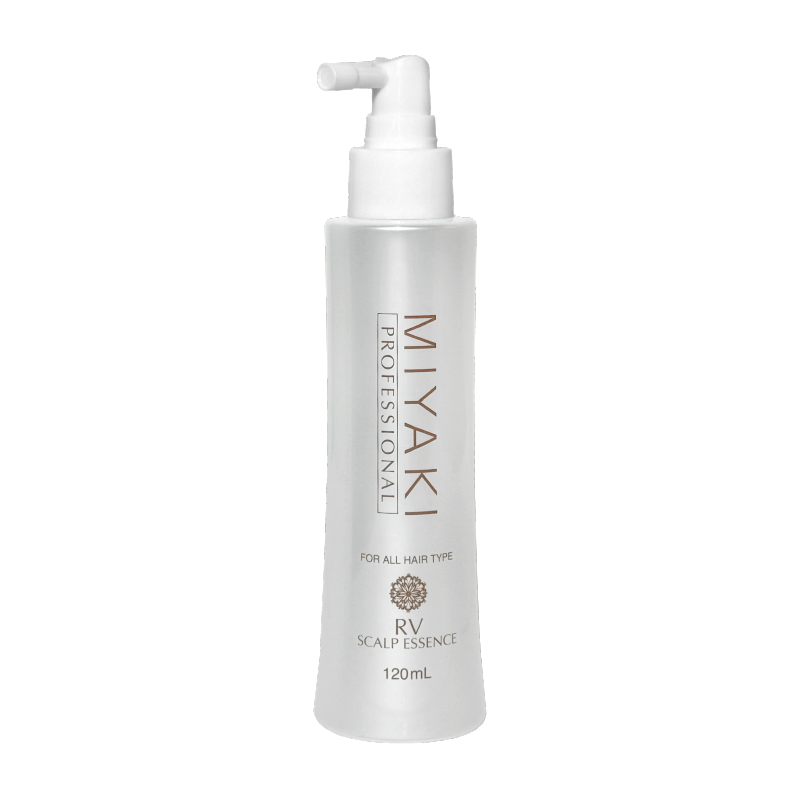
Miyaki RV Scalp Essence
For Scalp

Miyaki RV Scalp Essence
A nourishing scalp treatment made with 7 plant-based ingredients that repair and protect against dryness and UV damage. Infused with nano-sized hydrolyzed hyaluronic acid and collagen, it deeply hydrates and locks in moisture

$108.00
Aftercare

Miyaki Moist Replenisher
A leave-in treatment infused with argan oil and castor oil that leaves hair feeling strong, smooth, and shiny all day.

Suitable for all hair types.

$38.00
How Professional Salons Can Help with THE PROBLEM

When home remedies and over-the-counter products don’t seem to get to the root of your problem, it’s often because the exact cause of your scalp and hair issues is difficult to pinpoint without a professional’s assessment. De Arte Hair Studio is more than just a place for styling and cutting hair, we offer a full range of services, including advanced treatments for both scalp and hair health. We go beyond the basics to identify what’s really going on beneath the surface.

Scalp Analysis and Professional Guidance

At De Arte Hair Studio, we start with a thorough scalp analysis to help uncover the specific issues affecting your hair and scalp. Our professional stylists use specialized tool to carefully examine your scalp, checking for:

  • Oil production levels: Determining whether your scalp is producing too much oil or insufficient oil.
  • Moisture balance: Assessing whether your scalp is dehydrated or well-moisturized.
  • Scalp health: Looking for signs of irritation, flakiness, dandruff, or other scalp issues.

Based on the findings, we provide personalized recommendations on the best products and treatments specifically suited to your scalp and hair condition. Whether it’s a specialized shampoo, a deep-conditioning treatment, or a purifying scalp mask, we ensure you have the right products to restore balance and achieve healthier, more manageable hair.
Personalized Treatments for Dry or Oily Hair

We believe in treating both the scalp and hair, which is why De Arte Hair Studio offers a variety of professional treatments that go deeper than what you can typically do at home:

  • For Oily Hair: Our scalp purifying treatments are designed to balance excess oil production, eliminate buildup, and promote a healthier scalp. Our scalp massages further stimulate blood circulation, promoting healthier hair growth.
  • For Dry Hair: Our moisture-infusing treatments focus on deep hydration, repairing damage, and restoring the softness and shine that dry hair craves.

By understanding your unique scalp and hair needs, we can customize a treatment plan to ensure that both your scalp and hair thrive.

Step-by-Step Guide to our Professional Hair & Scalp Treatments

1. Consultation

The process begins with a thorough consultation where the stylist listens to the client’s hair and scalp concerns, goals, and preferences.

This helps identify the right treatment options, whether the client needs nourishment, scalp healing, or more intensive care for hair issues like thinning or dryness.

2. Analysis

(For scalp treatment only)
A detailed scalp analysis is conducted to assess its health.

The stylist checks for conditions like oiliness, dandruff, flakiness, or scalp irritation, explaining the findings and how the treatment will address specific concerns.

3. Treatment

Once the analysis is complete, the appropriate treatment is applied. For scalp concerns, depending on the condition, targeted serums, exfoliants, or soothing treatments are used to address issues like dryness or oiliness.

Hair treatments typically focus on nourishing masks or oils to improve hair health. While the scalp treatment include a relaxing massage to stimulate circulation, both scalp and hair treatments can be done concurrently to enhance overall results.

4. Results

The immediate results are typically visible: healthier, shinier hair, or a more balanced scalp.

For more serious issues, the treatment’s full effect may take a few sessions, with improvements becoming clearer over time.

5. Monitoring

To ensure long-term results, progress is monitored, and follow-up sessions are scheduled.

These follow-ups allow the stylist to adjust treatments as needed, ensuring optimal care and continued improvements for the client’s hair and scalp health.

The Importance of Regular Scalp Assessments

Your scalp condition, much like your skin, can change over time. For instance, you may start with an oily scalp and use products designed to control excess oil. Over time, these products can help normalize the scalp, but continuing to use the same oil-control treatments when your scalp has shifted to a more balanced state could lead to dryness.

At De Arte Hair Studio, we view hair care as a continuous journey. Regular scalp assessments allow us to stay in tune with how your scalp evolves over time. By working together, we can adjust your routine to match the current condition of your scalp and hair, ensuring your treatment remains effective. We’re committed to helping you maintain the healthiest scalp and hair, not just for today, but for the long term.

Final Thoughts

Managing dry or oily hair is about more than just finding the right products; it’s about understanding how your scalp and hair respond to factors like humidity, diet, and stress. In Singapore’s humid climate, your scalp can shift between dry, oily, or combination states, making it harder to maintain balance.

If you’ve tried various products but still struggle with your hair or scalp, we at De Arte Hair Studio are here to help. With our personalized scalp analysis and tailored treatments, we can pinpoint the root cause of your hair and scalp issues and provide solutions that work. By addressing these concerns directly, we’ll guide you toward healthier, more manageable hair.

Take control of your hair care today; whether you’re dealing with dryness, excess oil, or a combination of both. With our professional guidance and customized care, you’ll enjoy the long-term benefits of healthier, more vibrant hair that reflects your confidence and style!

Book An Appointment

Book your FREE consultation today and get personalized advice just for you!

5 Effective Anti-Frizz Tips for Singapore’s Humid Climate

Anti Frizz Hair Treatment

Struggling with frizz in Singapore’s weather? You’re not alone.

Hair needs moisture to stay healthy and smooth, but in Singapore’s humid climate, the high moisture in the air can actually cause problems, especially if your hair is dry or damaged. When the outer layer of your hair (called the cuticle) is lifted or porous, it lets in extra moisture from the humid air unevenly. This causes the hair to swell, lose its smooth texture, and frizz up.

So, while your hair should retain moisture to stay soft and manageable, too much moisture from the environment can throw off its natural balance. Whether your hair is curly, wavy, or straight, that mix of heat, sweat, and humidity makes frizz a daily challenge.

The good news? Managing frizz doesn’t have to be complicated. Often, it just takes a few simple habit changes (i.e.  how you wash, dry, or style your hair) that can make a big difference. Here are 5 easy and practical anti-frizz tips that work especially well in Singapore’s humid climate.

1.Use a Wide-Tooth Comb with Conditioner in the Shower

Brushing your hair when it’s dry can cause breakage and frizz. Instead, apply conditioner in the shower and use a wide-tooth comb to gently detangle your hair. This method reduces friction and helps maintain your hair’s natural texture.

2. Dry Hair Gently with a Microfiber Towel or Soft Cotton Cloth

Rough bath towels create friction and soak up too much moisture, which can lead to frizz and damage. Instead, reach for a microfiber towel or a soft cotton cloth to gently blot your hair dry.

3. Avoid Blow-Drying Your Hair Completely

While air-drying your hair can help prevent heat damage, it’s not always the best option, especially in humid climates like Singapore. Prolonged dampness can weaken hair, making it more prone to breakage and frizz.

Instead, consider blow-drying your hair using a dryer equipped with ionic technology. These dryers emit negative ions that break down water molecules faster, reducing drying time and allowing you to use lower heat settings. This method minimizes heat exposure, helping to preserve your hair’s natural moisture and reduce frizz. To further protect your hair, always apply a heat protectant spray before styling.

Additionally, avoid drying your hair completely. Leaving a small amount of moisture in your hair can help maintain its natural texture and prevent it from becoming too dry or brittle.

4. Choose Sulfate-Free Shampoo and Hydrating Products

Sulfates are harsh detergents found in many shampoos that can strip your hair of its natural oils, leading to dryness and frizz. Opt for sulfate-free shampoos that cleanse without removing essential moisture.

At De Arte Hair Studio, we recommend the MIYAKI Shampoo range, each of these shampoos is formulated to cater to specific hair concerns, ensuring that your hair receives the appropriate care it deserves.

For Normal to Dry Scalp:

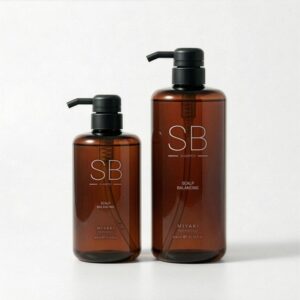
Miyaki Scalp Balancing Shampoo (SB) balances the scalp's environment to prevent dryness and frizz, making it suitable for normal or dry scalps experiencing hair loss.

For Oily Scalp:

Miyaki Root Balancing Shampoo (RB) helps regulate excess oil production, adding volume for a fuller appearance. This shampoo is ideal for oily scalps dealing with hair loss.

For Dry or Damaged Hair:

Miyaki Repairing Shampoo (RP) provides deep hydration and nourishment from roots to tips, repairing dry and damaged hair.

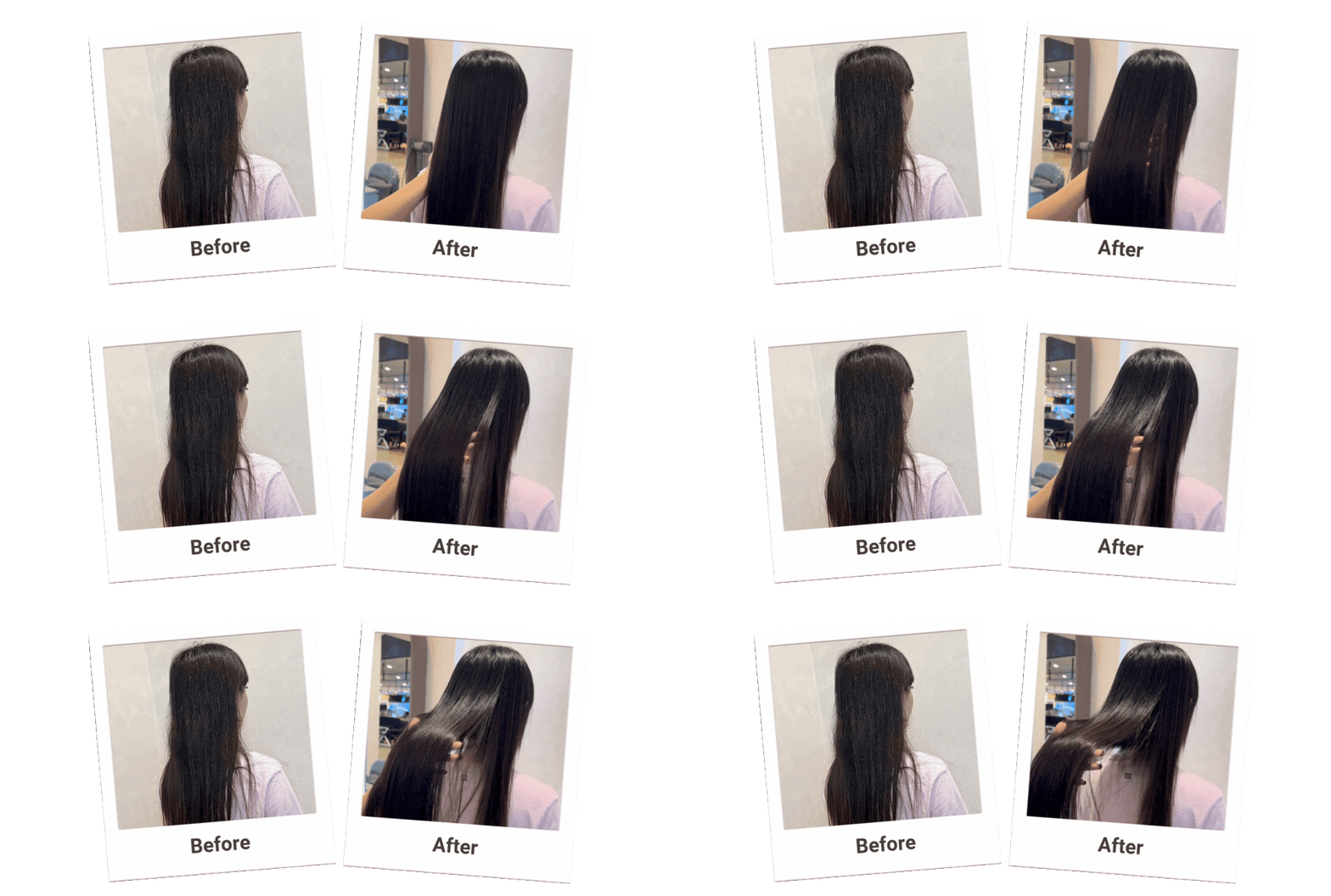
5. Treat Your Hair with Argan Oil Texture Control

If you’re looking for a more lasting way to manage frizz, especially in Singapore’s high humidity, an anti-frizz salon treatment like Argan Oil Texture Control may be worth considering. This treatment is designed to smooth and soften hair while preserving its natural movement, making it ideal for those who want manageable hair without harsh straightening.

What sets it apart is its ability to deeply hydrate and strengthen the hair from within, leading to noticeable improvements in texture and shine that can last for months.

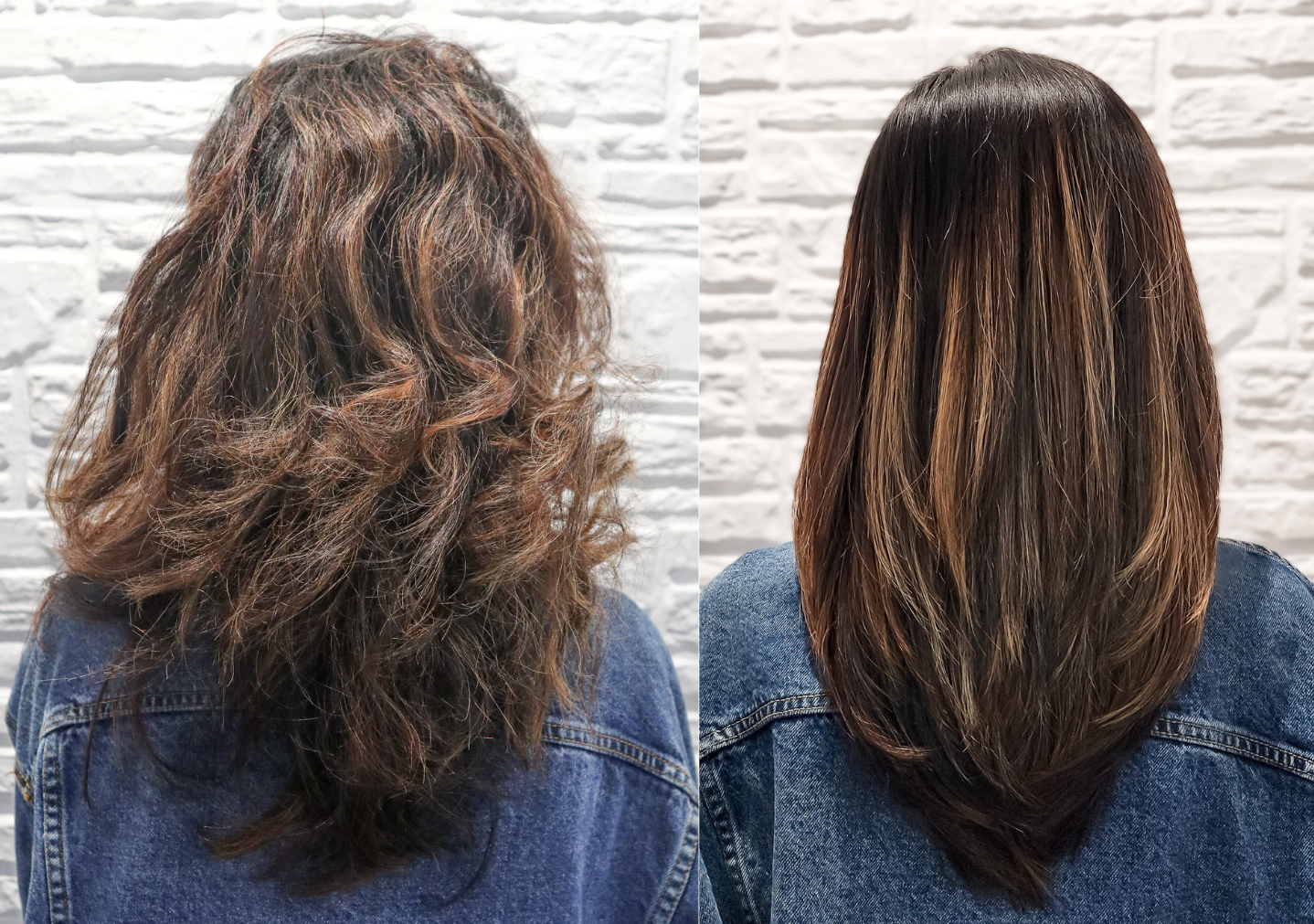
Argan Oil Texture Control Before and After

Key Benefits include:

Up to 95% frizz reduction, helping you enjoy manageable, easier-to-style hair.

Up to 60% more shine, giving your hair a healthy look.

Prevents split ends for up to 90 days, supporting long-term hair health.

Lasts up to 6 months, so you spend less time on daily styling and upkeep.

While results may vary depending on your hair type and condition, it’s a gentle yet effective choice for those wanting smoother hair with less daily effort. For the best results, it’s always advisable to consult with the stylist, who can assess your hair and recommend the most suitable approach based on your goals and current hair condition.
Bonus Tips

These simple but often overlooked tips can make a noticeable impact on how your hair responds to Singapore’s constant heat and humidity. Add them to your daily routine to boost the effects of your main anti-frizz efforts.

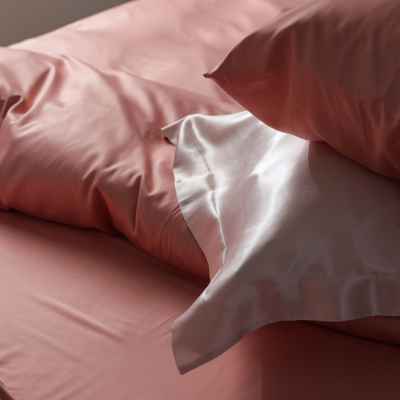
1. Sleep on a Silk or Satin Pillowcase

Regular cotton pillowcases create friction while you sleep, causing hair strands to roughen, tangle, and frizz by morning. Silk and satin pillowcases have smoother surfaces that let your hair glide freely, reducing breakage and maintaining your hair’s moisture balance overnight.

2. Rinse with Cold Water After Conditioning

At the end of your hair wash, a quick cold-water rinse can help seal the hair cuticle. Closed cuticles lie flat and reflect more light, meaning shinier, smoother hair that resists absorbing excess humidity.

3. Use a Humidity-Resistant Hair Serum or Spray

Before stepping out into the humid Singapore air, apply a humidity-shielding serum or spray. These products create a thin barrier over your hair, helping to block excess moisture in the air that causes swelling, puffiness, and frizz.

Ready for Smoother, Frizz-Free Hair?

Say goodbye to daily hair struggles. Our Argan Oil Texture Control Treatment offers a healthier, natural alternative to traditional anti-frizz solutions. This award-winning treatment is formaldehyde-free, ammonia-free, and cruelty-free, ensuring a safe and nourishing experience for your hair. Read more >>

Ready to transform your hair? Book your Argan Oil Texture Control Treatment today and enjoy hair that stays manageable, regardless rain or shine.

Pulled a Grey Hair? Here’s What Really Happens Next!

Grey hair is a natural part of the aging process, but spotting a single grey strand can be surprising. Many people instinctively reach for tweezers to remove it, but have you ever wondered what happens when you pull a grey hair? Is it harmless, or could it have unintended consequences?

In this article, we explore the effects of plucking grey hairs, debunk common myths, and provide insights into caring for your hair as it undergoes this natural transition.

Understanding Grey Hair

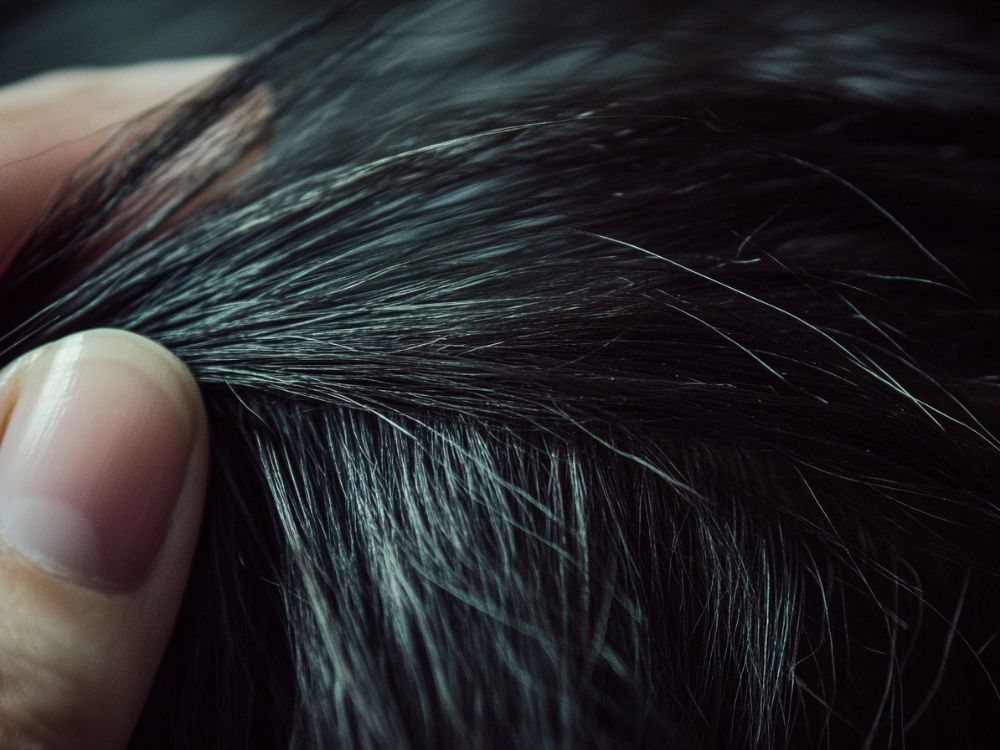
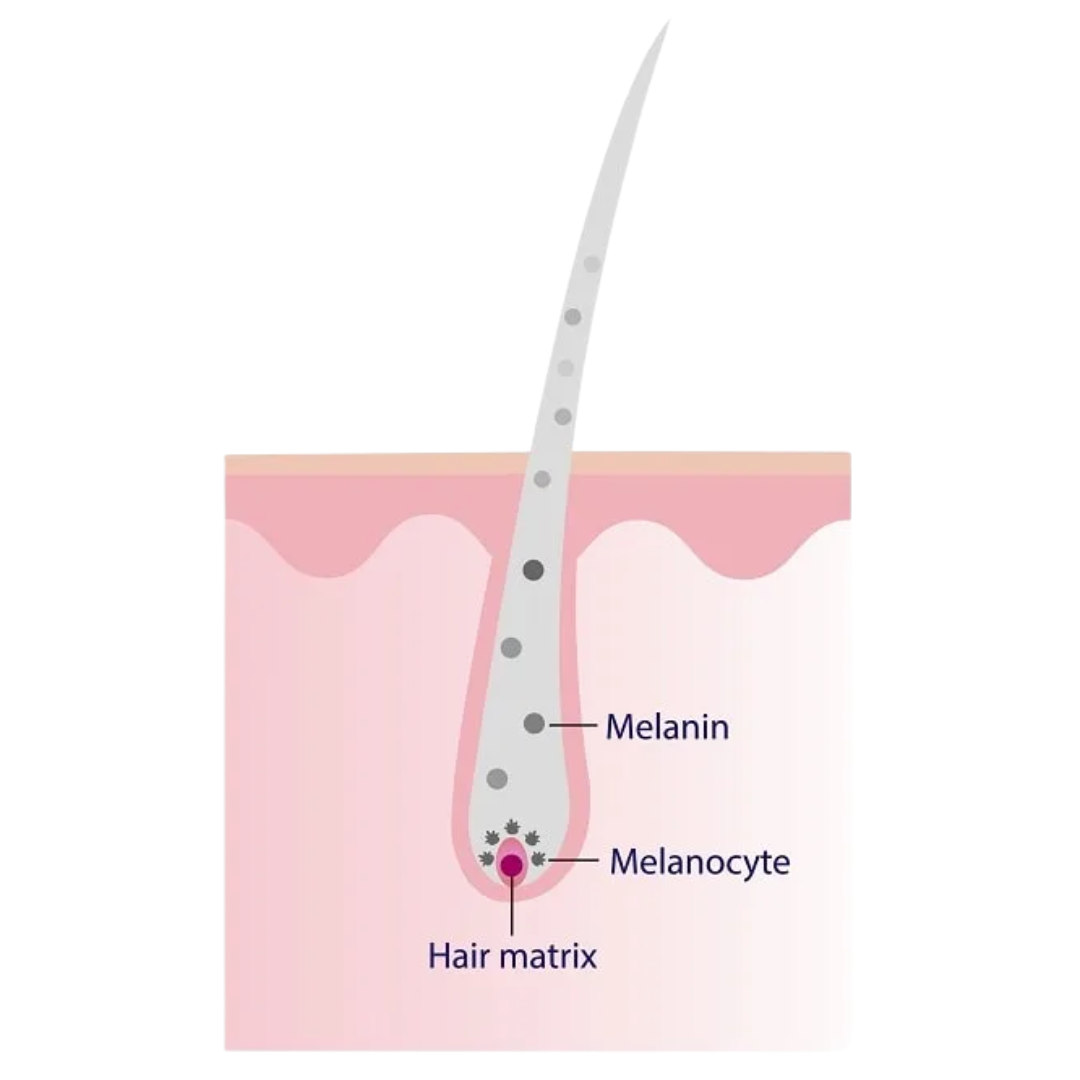
Hair color is determined by melanin, a pigment produced by melanocytes in hair follicles. As we age, these melanocytes produce less melanin, leading to the gradual transition from colored to grey or white hair. This process varies among individuals, influenced by genetics, environment, and lifestyle factors.

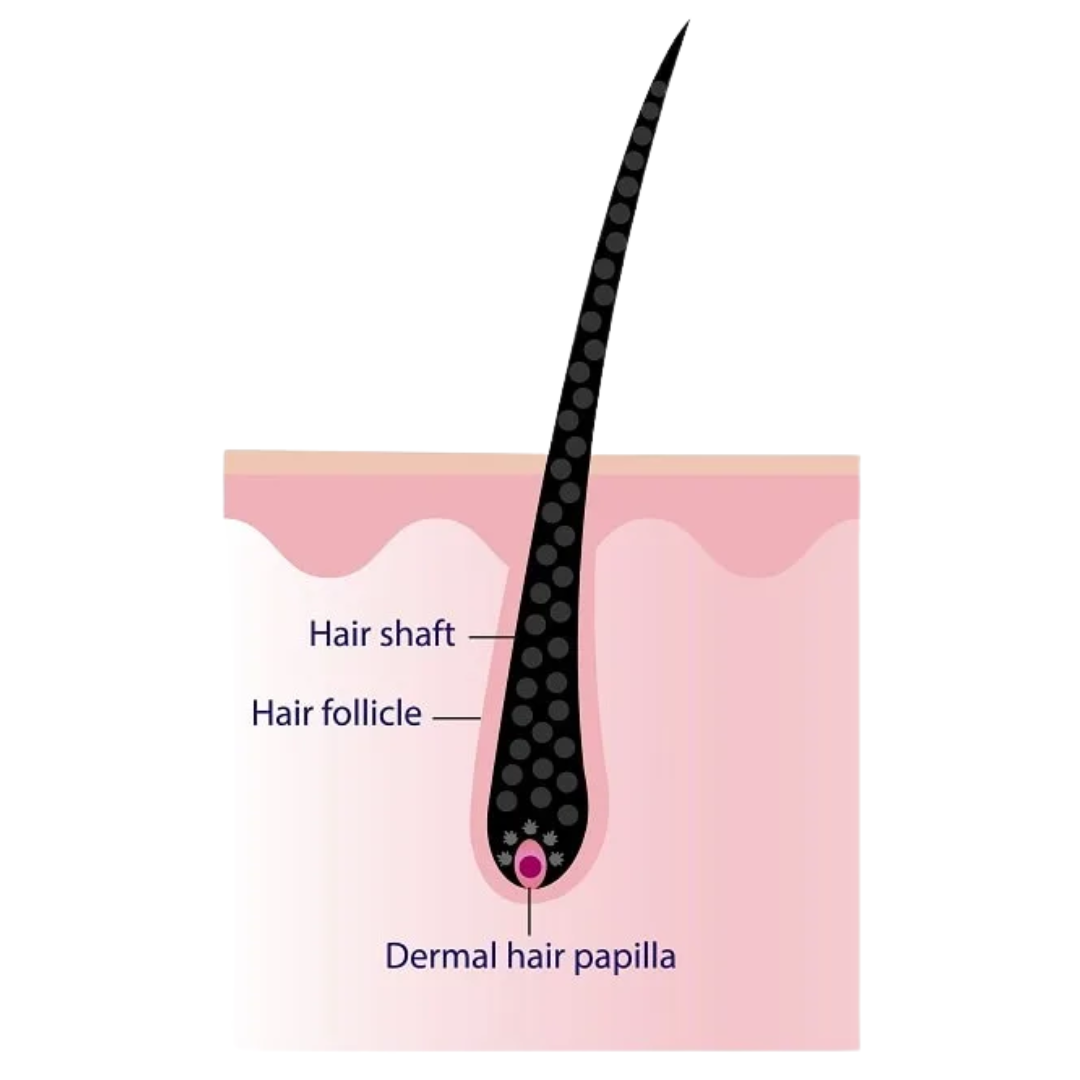
Pigmented Hair

Hair Shaft: This is the visible part of your hair that you see above the scalp. It’s made up of a protein called keratin.

Hair Follicle: The hair follicle is the tiny tube in your skin that holds the hair root. It’s where the hair grows from.

Dermal Papilla: This is a small area at the base of the hair follicle that provides nutrients and signals to the growing hair. It helps control the growth of the hair.

Grey Hair
White/ Grey Hair

Hair Matrix: This is the part of the hair follicle where the hair cells rapidly divide and grow to form the hair shaft. It’s responsible for creating the new hair.

Melanocyte: These are special cells in the hair follicle that make melanin, the pigment that gives your hair its color.

Melanin: Melanin is the pigment responsible for the color of your hair. When you’re younger, your melanocytes produce a lot of melanin, giving your hair its natural color. As you age, these cells produce less melanin, which is why hair turns grey or white.

Melanin Production

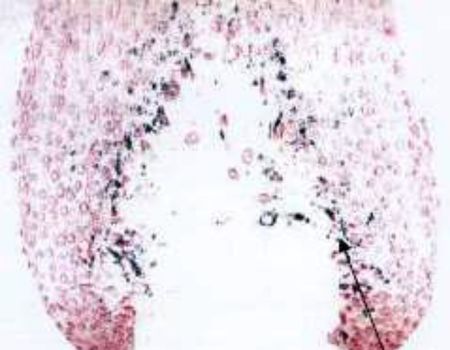
Active Melanocyte

Dark Hair (Active Melanocyte)

Melanocyte produces melanin pigment.

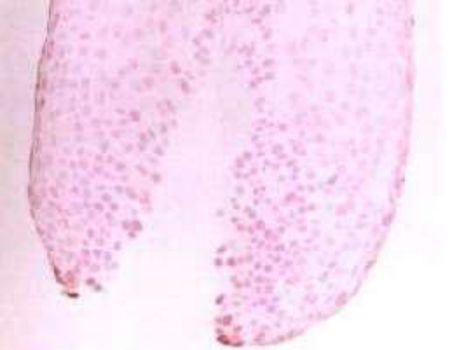
Dormant type

Grey Hair (Dormant type)

Melanocyte does not produce melanin pigment.

Lost type

Grey Hair (Lost type)

Melanocyte is completely lost from hair bulb part.

What Happens When You Pull a Grey Hair?

It’s common to feel the urge to remove grey hairs, especially when they appear prematurely or in noticeable areas. However, understanding the implications of plucking is essential.

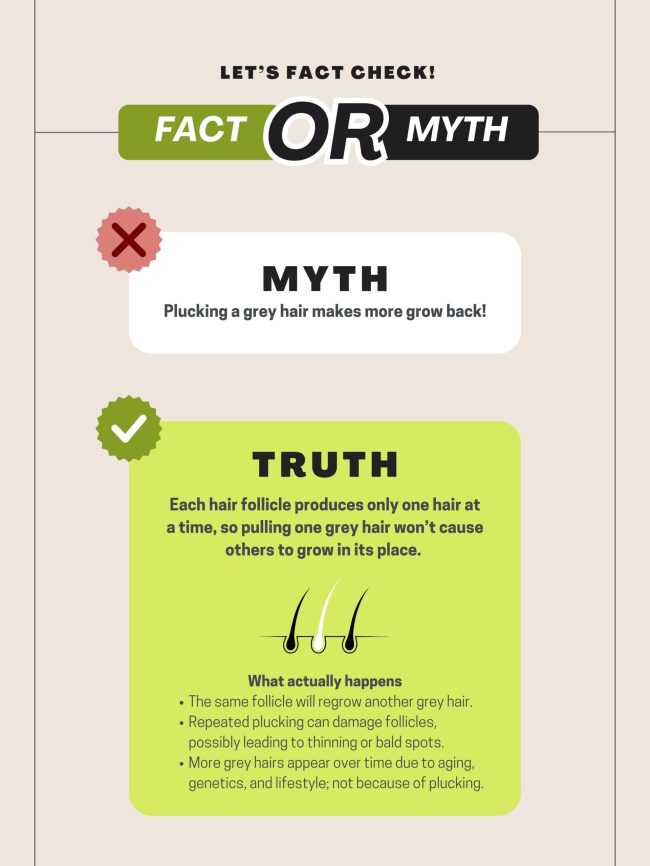
  • Regrowth of a Grey Hair: Each hair follicle produces only one hair at a time. When you pluck a grey hair, the follicle will eventually grow a new hair, which will also be grey. This is because the underlying cause of greying (reduced melanin production) remains unchanged by plucking.(UMAS Health, 2019)

  • Potential Damage to Hair Follicles: Repeatedly plucking hairs can cause trauma to the hair follicle, potentially leading to permanent hair loss in that area. Damaged follicles may not produce hair at all, or the hair that regrows may be thinner and weaker. (Limmerhtc, 2022)

  • Risk of Infection and Other Issues: Plucking can expose the hair follicle to bacteria, increasing the risk of infection. It can also lead to ingrown hairs, skin irritation, and follicle damage, all of which can affect the overall health of your scalp and hair.(Healthshots, 2023)

Debunking Common Myths About Plucking Grey Hair

Myth 1: Plucking One Grey Hair Causes More to Grow
This is a myth. Plucking a single grey hair does not cause more grey hairs to appear. Hair follicles work independently, and plucking one does not influence the others.

Myth 2: Plucking Grey Hair Will Reverse the Greying Process
Plucking a grey hair does not reverse the greying process. When you pluck a grey hair, the follicle will continue to produce new hair, but the new hair will usually grow in with the same characteristics as the previous one. If the hair was grey, the new hair will most likely be grey as well.

The color of your hair is determined by pigment cells in the follicle, and plucking doesn’t alter that process. Once the melanocytes (the cells responsible for producing hair pigment) slow down or stop producing melanin, the hair is unlikely to return to its original dark color.

Recommendations for Dealing with Grey Hair

Instead of plucking, consider the following approaches:

  • Gentle Cutting: If a grey hair is particularly bothersome, carefully trim it with sanitized scissors. This avoids the potential risks associated with plucking.
  • Embrace and Care for Grey Hair: Grey hair can be beautiful and unique. Use moisturizing shampoos and conditioners designed for grey hair to keep it healthy and vibrant.
  • Consult a Professional: If you’re considering color treatments or other interventions, consult with a professional hairstylist or dermatologist to ensure safe and effective options.

While the sight of a grey hair can be startling, plucking it is not a recommended solution. It does not prevent more grey hairs from appearing and can lead to various scalp and hair issues. Embracing your natural hair color and caring for it properly is the healthiest approach as you navigate the changes that come with aging.

Book An Appointment

Book your FREE consultation today and get personalized advice just for you!

Best tips to combat frizz in humid weather

Singapore’s tropical climate, characterized by high temperatures and humidity, can be challenging for maintaining healthy and beautiful hair. The combination of heat and moisture often leads to frizz, dryness, and scalp issues. However, with the right hair care routine and products, you can keep your hair looking fabulous all year round. This in-depth guide will provide you with essential tips, recommended products, and expert advice to help you manage your hair in Singapore’s hot and humid weather.

Understanding the Effects of Humidity on Hair

Humidity refers to the amount of water vapor in the air. In a hot and humid climate like Singapore, the air is saturated with moisture, which affects your hair in several ways:

Frizz
Frizz: The cuticles of your hair absorb moisture from the air, causing them to swell and lift. This results in frizz and an unruly texture.
Dryness
Dryness: Despite the high humidity, your hair can become dry because the moisture from the air doesn’t provide the same hydration as natural oils.
Scalp Issues
Scalp Issues: The hot and humid environment can lead to an oily scalp, dandruff, and other scalp conditions due to increased sweating and sebum production.

Hair Types and Humidity

Different hair types react differently to humidity. Understanding your hair type is crucial for tailoring your hair care routine:

Straight Hair
Straight Hair: Prone to becoming flat and greasy. Needs lightweight products to maintain volume.
Wavy Hair
Wavy Hair: Tends to become frizzy and lose its defined waves. Requires anti-frizz products and hydration.
Curly Hair
Curly Hair: Highly susceptible to frizz and dryness. Needs intense moisture and curl-defining products.
Coily Hair
Coily Hair: Most affected by humidity, often experiencing shrinkage and frizz. Requires deep conditioning and protective styles.

Haircare Routine

Cleansing

  • Frequency: In a humid climate, washing your hair frequently is essential to remove sweat and buildup. Aim for 2-3 times a week, depending on your hair type.
  • Shampoo Choice: Use a sulfate-free shampoo to gently cleanse your hair without stripping its natural oils. Look for shampoos with moisturizing and anti-frizz properties.
 

Conditioning and Treatment

  • Regular Conditioning: Apply a hydrating conditioner after every wash to replenish moisture and smooth the hair cuticle.
  • Deep Conditioning: Incorporate a deep conditioning treatment once a week to restore moisture and strengthen your hair. Ingredients like shea butter, argan oil, and keratin are excellent for deep conditioning.
 

Styling

  • Heat Protection: If you use heat styling tools, always apply a heat protectant spray to minimize damage and reduce frizz.
  • Humidity-Resistant Products: Opt for styling products specifically designed to withstand humidity. Look for labels indicating anti-humidity or humidity-resistant properties.
  • Protective Hairstyles: Styles like braids, buns, and twists help to minimize exposure to humidity and reduce frizz. These styles also protect your hair from the sun and environmental damage.
Curler Coil
Bun Up

In House Treatments

Argan Oil Texture Control

When it comes to managing frizz and improving your hair’s condition, the Argan Oil Texture Control Treatment stands out as a healthier choice compared to other chemical anti-frizz treatments. The choice ultimately depends on the specific results you aim to achieve.

Key Benefits of Argan Oil Treatment:

  1. Moisturising Power: Argan oil, rich in fatty acids and vitamin E, offers exceptional moisturization, leaving your hair soft and silky.
  2. Nourishing Shield: The antioxidants in argan oil provide nourishment and protection against damage induced by free radicals and environmental elements.
  3. Enhanced Hair Texture: Argan oil effectively reduces frizz and flyaways, leading to improved hair texture that’s easier to style.
  4. Strength and Resilience: It reinforces your hair, reducing the risk of breakage and split ends.
  5. Dry Hair Restoration: Argan oil restores moisture balance to dry hair and prevents further damage.
  6. Heat Protection: Shield your hair from heat damage caused by styling tools like flat irons and blow dryers with the help of Argan oil.
  7. Radiant Shine: Argan oil imparts a natural shine and gloss to your hair, resulting in a healthy and radiant appearance.

Moreover, it’s crucial to recognise that prolonged sun exposure can harm your hair by damaging the cuticles, leading to thinning, split ends, frizz, and brittle strands. Our Argan Oil Treatment serves as a protective barrier, safeguarding your hair from potential sun-induced damage.

In summary, the Argan Oil Texture Control Treatment is a fantastic way to enhance the health and appearance of your hair, leaving it luxuriously soft, silky, and effortlessly manageable. Find out more about Argan Oil Texture Control >>

Argan Oil Texture Control

Scalp Treatment

Scalp treatments can be beneficial for anyone who wants to improve the health and appearance of their hair and scalp. Some common benefits of scalp treatments include: ecalp treatments can help to reduce the appearance of dandruff by removing dead skin cells and excess oil from the scalp.

  1. Stimulating hair growth: Some scalp treatments are designed to stimulate hair growth by increasing blood flow to the scalp and nourishing the hair follicles.
  2. Reducing hair loss: Certain scalp treatments can help to reduce hair loss by strengthening the hair follicles and promoting healthy hair growth.
  3. Improving scalp health: Scalp treatments can improve the overall health of the scalp by removing buildup, reducing inflammation, and nourishing the skin.
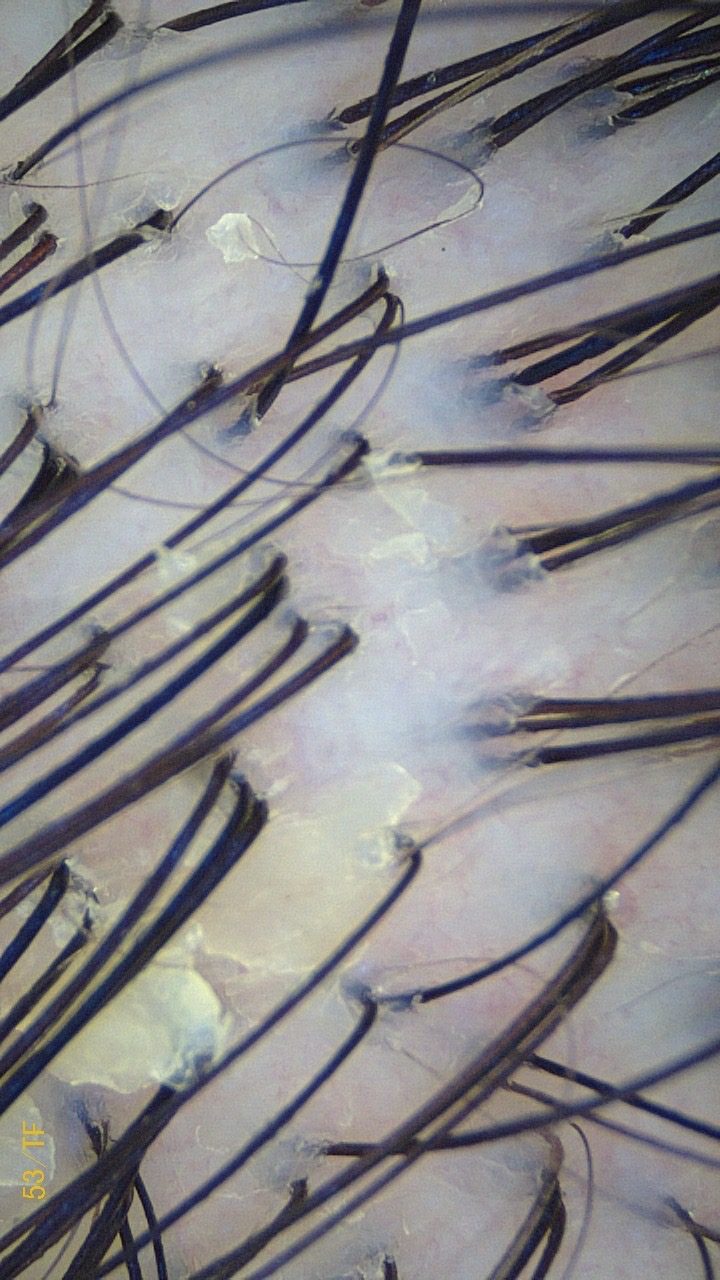
Scalp Before
Before
Scalp After
After

Conclusion

Caring for your hair in hot and humid Singapore requires a thoughtful approach and the right products. By understanding how humidity affects your hair, maintaining a consistent hair care routine, and choosing suitable hairstyles, you can keep your hair looking healthy and beautiful despite the challenging climate. Embrace these tips, consult with your stylist, and enjoy frizz-free, manageable hair all year round.

Visit our salon for personalised hair care advice and professional treatments tailored to your unique hair type and needs. With our expert team and high-quality products, we’ll help you achieve the perfect look, no matter the weather!

Top 5 Common Hair Problems and How to Fix Them: A Comprehensive Guide

Hair is often considered a person’s crowning glory, but it can also be a source of frustration when problems arise. From split ends to dandruff, there are a variety of issues that can affect the health and appearance of our locks. However, the good news is that many common hair problems can be addressed with the right knowledge and care. In this comprehensive guide, we’ll explore some of the most common hair problems and provide practical solutions to help you achieve healthier, more beautiful hair.

1. Split Ends

Split ends are a frequent complaint among many individuals, caused by damage to the hair shaft. This damage can result from various factors, including heat styling, chemical treatments, and environmental stressors. Split ends are usually one of the most popular hair problems due to the many factors such as – exposure to damage, hair structure, and moisture content in hair.

Symptoms: Split ends typically appear as the hair shaft splits into two or more strands at the ends. You may notice that the ends of your hair look frayed or have a “Y” shape, indicating the split. It may also be more prone to tangled ends with dryness or frizziness.

Solutions:

  • Regular trims: It is essential to remove the damaged hair.
  •  Moisturise: Deep conditioning treatments are your best friend. Look for products with ingredients like shea butter, coconut oil, and hyaluronic acid.
  • Minimising heat styling: Heat styling plays a huge role in many of the issues faced when trying to maintain a healthy and shiny hair health. Reduce the use of heat styling and turn to more natural styling habits instead!
Pro Tip
Reduce washing frequency to 2-3 times a week and use lukewarm water. Opt for a gentle, sulfate-free shampoo.
Hair Problems Split Ends

2. Dry and Brittle Hair

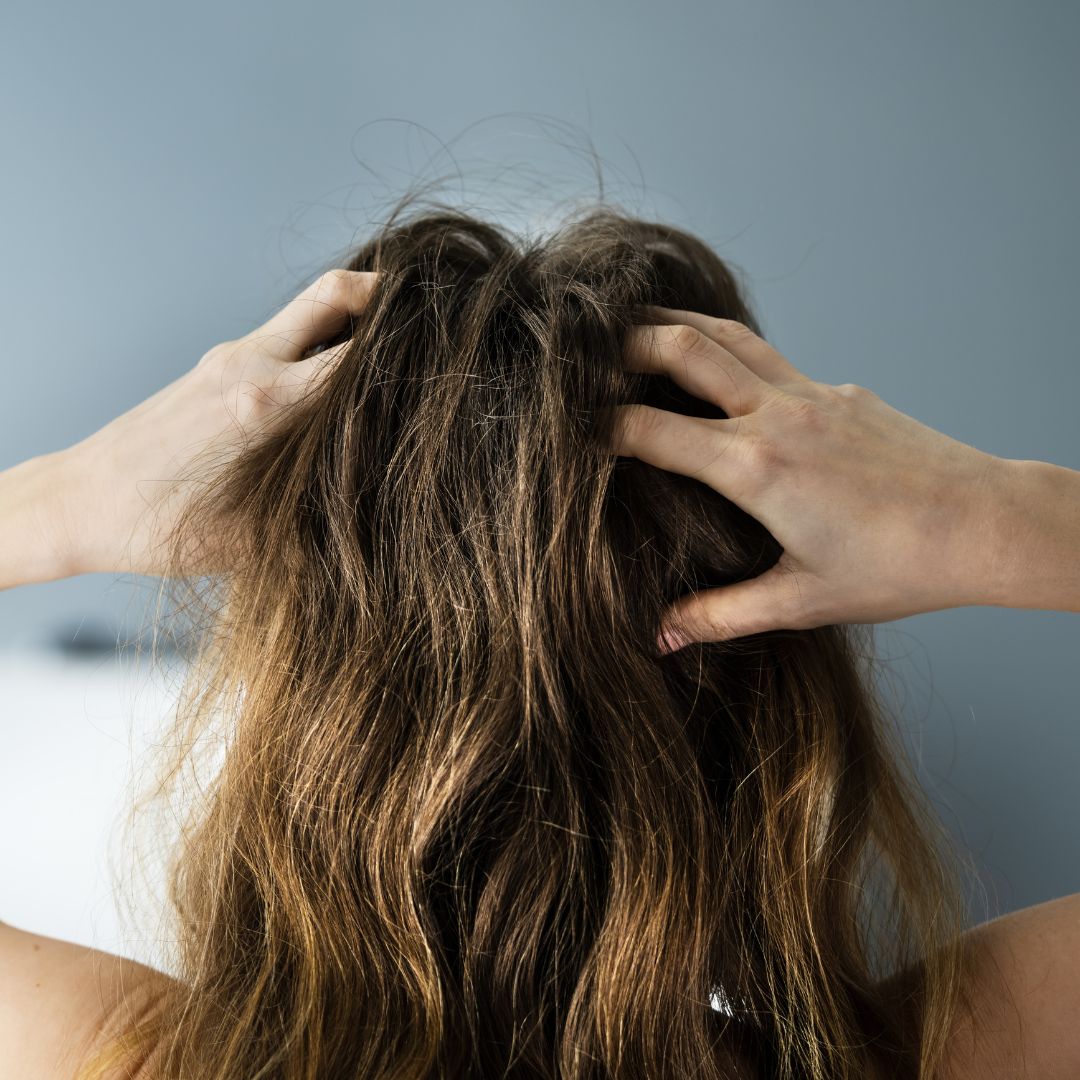
Dry and brittle hair is a prevalent hair problem that arises from a combination of internal and external factors affecting the hair’s health and moisture balance. One primary cause of dryness and brittleness is the depletion of natural oils and moisture from the hair shaft, which can occur due to overwashing with harsh shampoos, exposure to environmental stressors like sun, wind, and pollution, and frequent use of heat styling tools. Additionally, chemical treatments such as coloring, bleaching, and perming can strip the hair of its protective lipid layer, leading to moisture loss and weakening of the hair structure. Furthermore, nutritional deficiencies, dehydration, hormonal imbalances, and certain medications can impact the hair’s vitality and resilience, contributing to dryness and brittleness.

Symptoms: Hair feels coarse, lacks shine, and is prone to breakage and split ends.

Causes: Over-washing, harsh shampoos, excessive heat styling, sun exposure, chemical treatments (coloring, perming), and nutritional deficiencies.

Solutions:

  • Hydration is Key: Limit washing frequency (aim for 2-3 times a week) and use a gentle, hydrating shampoo and conditioner. Look for formulas with ingredients like hyaluronic acid, argan oil, and shea butter.
  • Deep Conditioning: Treat your hair to a deep conditioning mask once a week for an extra moisture boost.
  • Heat Protectant is Your Friend: Never underestimate the power of a heat protectant spray before using hot tools like blow dryers, straighteners, or curling irons.
  • Embrace Natural Drying: Whenever possible, let your hair air dry to minimize heat damage.
  • Diet Matters: Ensure your diet is rich in essential vitamins and minerals like biotin, iron, and omega-3 fatty acids, which contribute to hair health.

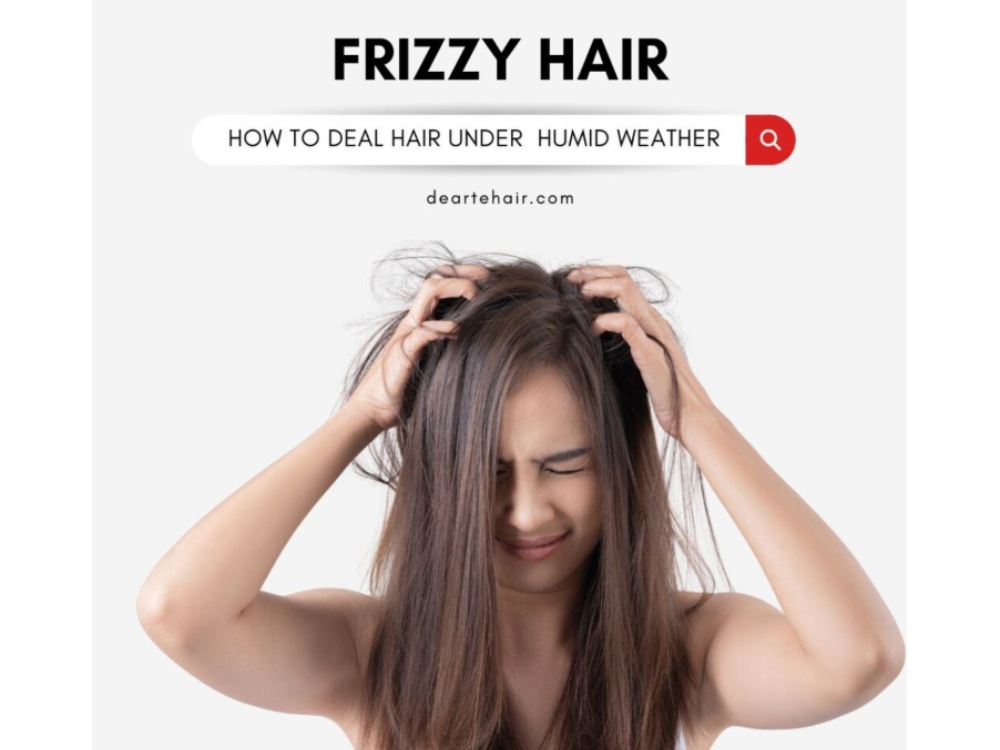
3. Frizzy Hair

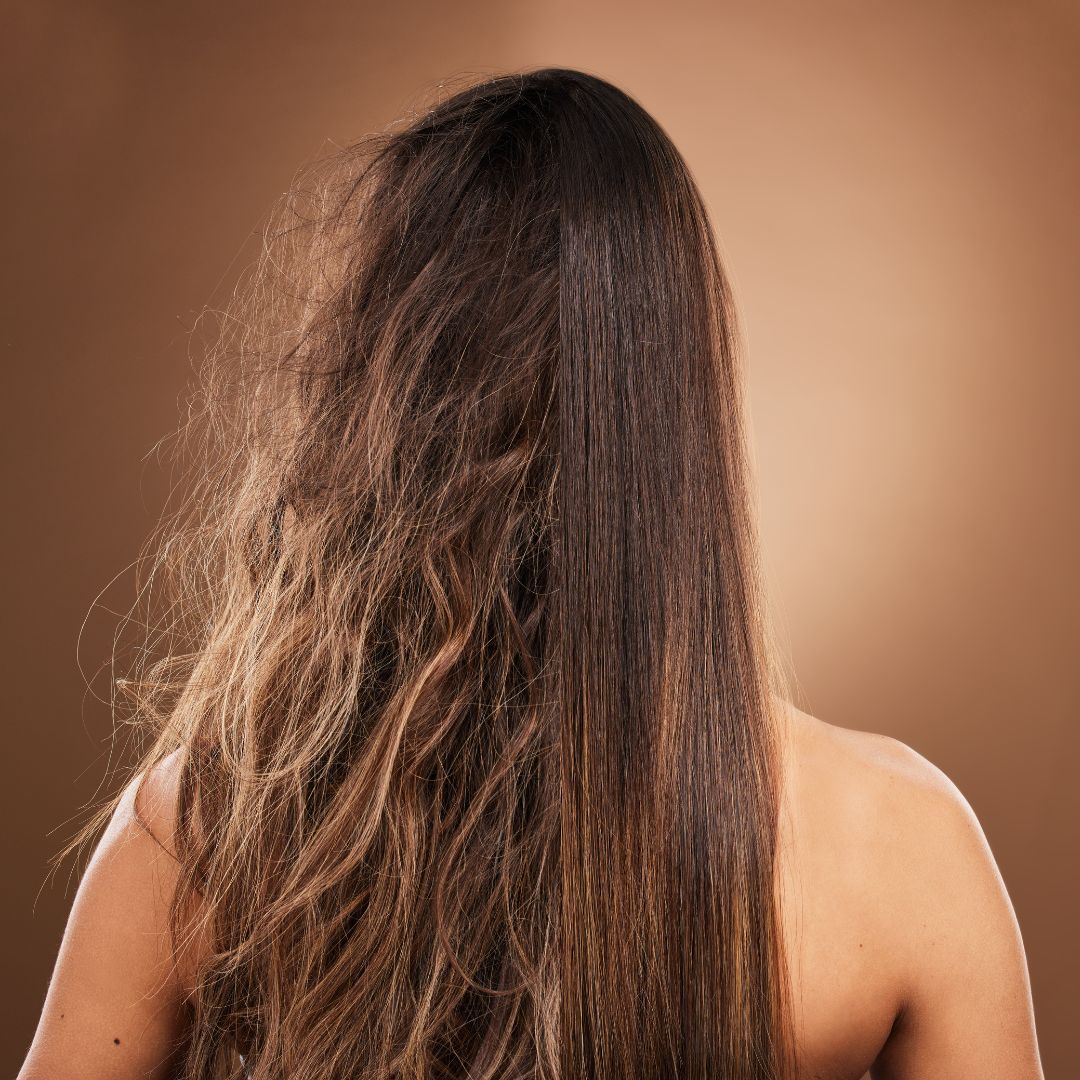
Frizzy hair is a common hair problem due to several factors affecting the hair’s structure and environment. One primary cause of frizz is the hair’s natural texture and porosity, particularly in individuals with curly or wavy hair types. The uneven distribution of natural oils along the hair shaft can lead to dehydration, making the hair more susceptible to frizz. Environmental factors such as humidity and temperature fluctuations play a significant role in exacerbating frizz by causing the hair cuticle to swell and lift, allowing moisture to penetrate and disrupt the hair’s smooth surface. Additionally, damage from heat styling tools, chemical treatments, and rough handling can further compromise the hair’s integrity, leading to frizz and flyaways.

Symptoms: Hair appears fluffy, unmanageable, and prone to static, especially in humid environments.

Causes: Dryness, damage, high porosity (hair absorbs moisture easily but loses it quickly), and chemical treatments.

Solutions:

  • Hydration is Key (Again!): Follow the same hydration tips mentioned for dry hair. Deep conditioning is crucial for frizzy hair.
  • Tame the Mane: Use anti-frizz serums or leave-in conditioners to smooth the hair cuticle and reduce frizz.
  • Embrace the Microfiber Towel: Swap your regular towel for a microfiber towel to gently remove excess water without roughing up the hair cuticle.
  • Diffuser is Your Friend: If you must use a blow dryer, opt for a diffuser attachment to distribute heat evenly and minimize frizz.
  • Argan Oil Texture Control Treatment: Have you ever heard of our speciality? – Argan Oil Texture Control Treatment. It is our best rated treatment in treating frizz and repairing your hair cuticles with zero ammonia!
Frizzy Hair

4. Dandruff

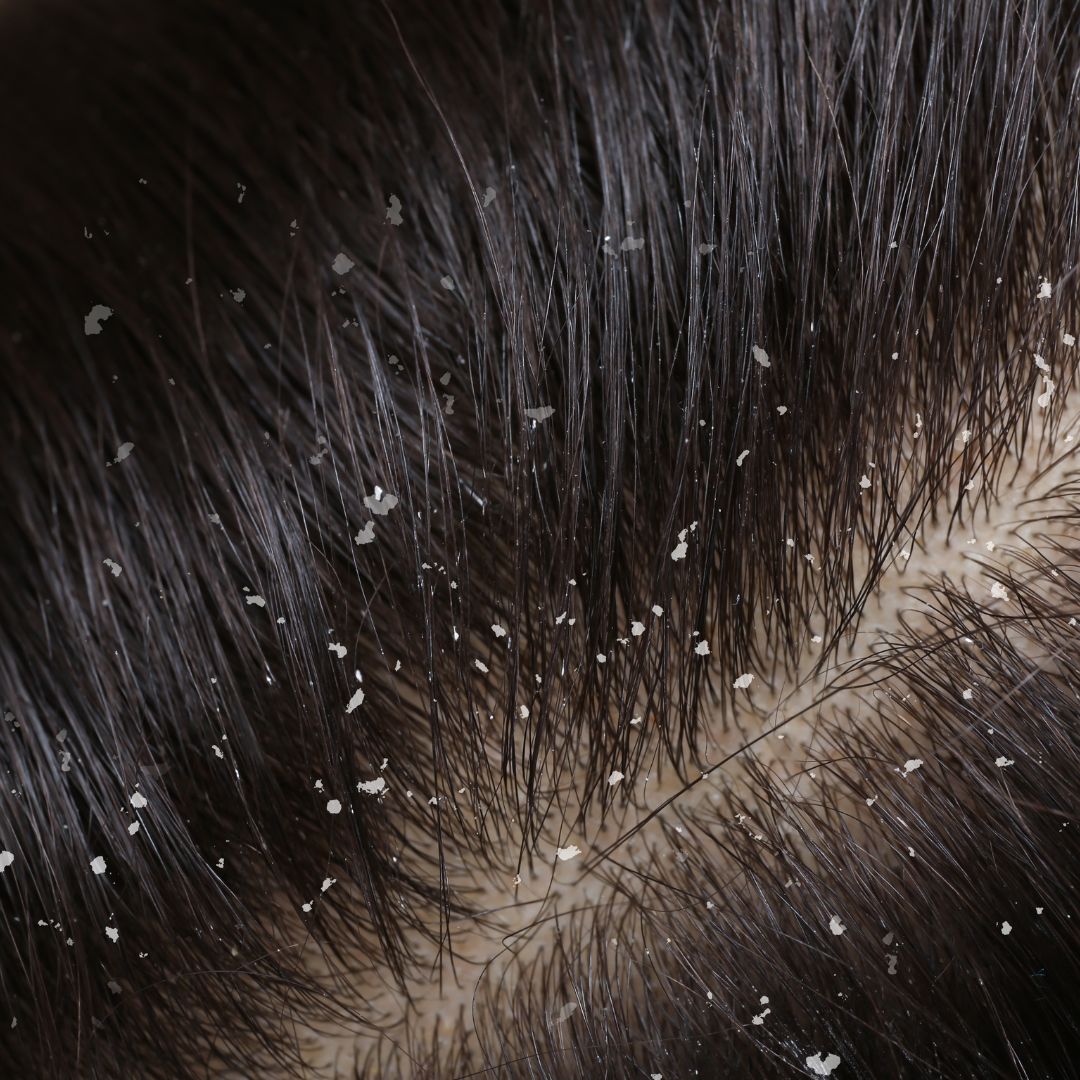
Dandruff is a common hair problem that occurs due to a combination of factors, including an overgrowth of a yeast-like fungus called Malassezia, irregular shedding of dead skin cells from the scalp, and sensitivity to certain hair care products. Malassezia naturally resides on the scalp and feeds on sebum, the oily substance produced by the skin’s sebaceous glands. However, when there is an overproduction of sebum or an imbalance in the scalp’s microbiome, Malassezia can proliferate, leading to irritation and inflammation. This triggers an accelerated shedding of skin cells, resulting in the characteristic flaking associated with dandruff. Additionally, factors such as stress, hormonal changes, environmental conditions, and poor hygiene practices can exacerbate dandruff symptoms.

Symptoms: Visible white flakes on the scalp and hair, often accompanied by itching.

Causes: Dry scalp, seborrheic dermatitis (a chronic skin condition), fungal infection (malassezia), and sensitivity to hair products.

Solutions:

  • Anti-Dandruff Shampoo: Use a medicated anti-dandruff shampoo containing ingredients like zinc pyrithione, salicylic acid, or selenium sulfide. Follow the usage instructions carefully to avoid irritation.
  • Scalp Soothing: Apply natural oils like tea tree oil or jojoba oil to the scalp to reduce inflammation and itching. (Important Note: Always dilute essential oils with a carrier oil like coconut oil before applying them to your scalp.)
  • Identify Triggers: If your dandruff seems to worsen with certain hair products, identify and eliminate those triggers.
Dandruff

5. Hair Loss

Hair loss is a common hair problem influenced by various genetic, hormonal, environmental, and lifestyle factors. Genetic predisposition plays a significant role in pattern baldness, known as androgenetic alopecia, which affects both men and women and is characterized by progressive hair thinning and eventual hair loss. Hormonal imbalances, such as fluctuations in testosterone, estrogen, and thyroid hormones, can also contribute to hair loss by disrupting the hair growth cycle. Environmental factors, including exposure to pollutants, UV radiation, and harsh chemicals in hair care products, can damage the hair follicles and accelerate hair shedding. Additionally, lifestyle factors such as stress, poor nutrition, insufficient sleep, and certain medications or medical conditions can impact the hair’s health and vitality, leading to increased shedding and thinning. Without proper diagnosis and management, hair loss can worsen over time, affecting self-esteem and quality of life. Seeking professional guidance from dermatologists or trichologists can help identify the underlying causes and implement appropriate treatments to address hair loss effectively.

Symptoms: Thinning hair, excessive hair shedding, and noticeable bald patches.

Causes: Stress, genetics, hormonal changes (pregnancy, menopause), medical conditions (thyroid issues), scalp conditions (alopecia), and tight hairstyles.

Solutions:

  • Consult a Dermatologist: Hair loss can be a symptom of an underlying medical condition. Consulting a dermatologist for diagnosis and treatment is crucial.
  • Gentle Hair Care: Be gentle with your hair to minimize breakage. Avoid tight hairstyles, harsh chemicals, and excessive heat styling.
  • Scalp Treatment: Customisable scalp treatment is available with De Arte Hair to help improve and strengthen your scalp to aid in hair growth. Remember, a little goes a long way! Treatments have to always be revisited in order to see improvement over time and investing in yourself is always worth it!
Hair Loss

Combating Hair Problems

While experiencing hair problems can be frustrating, there are numerous solutions available to address common issues and promote healthier, more beautiful hair. By understanding the causes of these problems and implementing appropriate care routines, you can effectively manage and prevent many hair-related concerns. Remember to be patient and consistent with your hair care regimen, as achieving optimal results may take time. With the right knowledge and dedication, you can overcome common hair problems and enjoy luscious locks that shine with vitality and health.