De Arte Hair Studio

What’s My Hair Type? Discover the 4 Hair Types in 4 Easy Steps

Whats your hair type?

There’s no such thing as the perfect hair type, only the perfect way to care for your own. Beauty isn’t one-size-fits-all, and the same goes for your hair. Understanding your hair type isn’t about fitting into a box, it’s about embracing your natural texture, working with your hair instead of against it, and bringing out its healthiest, most radiant self.

Whether your hair is straight, wavy, curly, or coily, it’s uniquely yours, and that’s what makes it beautiful. Once you learn to appreciate your hair’s natural shape and texture, you can care for it in a way that truly supports its needs.

This guide will walk you through how to identify your hair’s type, texture, volume, and porosity, so you can create a routine that brings out the very best in your hair.

What Is Hair Type?

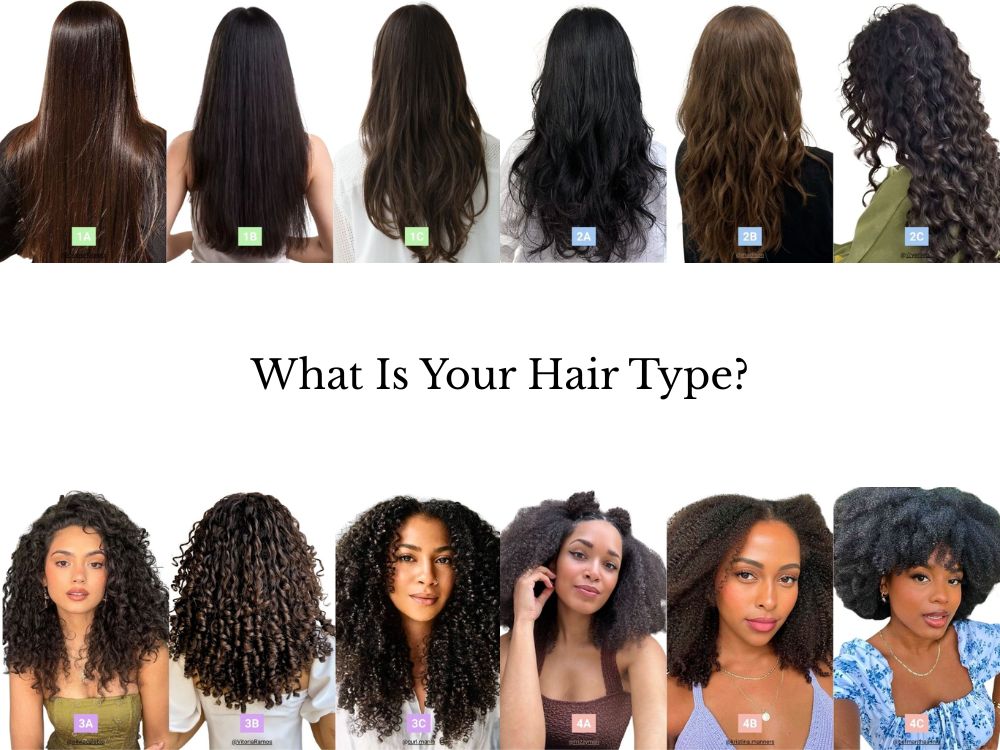
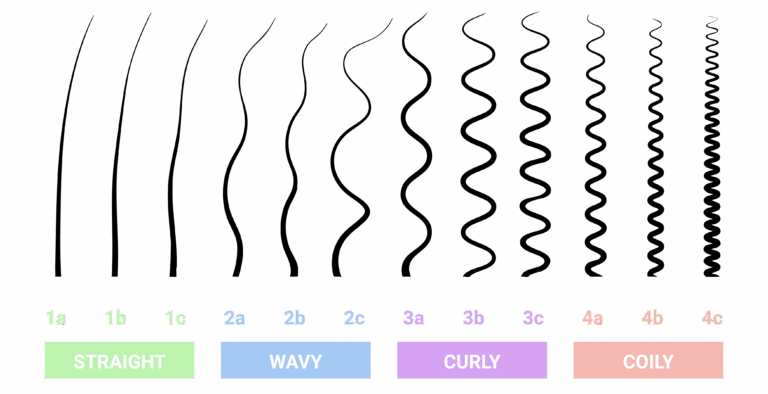
Hair type refers to your hair’s natural shape and texture, which is primarily determined by the shape of your hair follicles. The most widely used classification system is the Andre Walker Hair Typing System, which divides hair into four major types:

  • Type 1: Straight
  • Type 2: Wavy
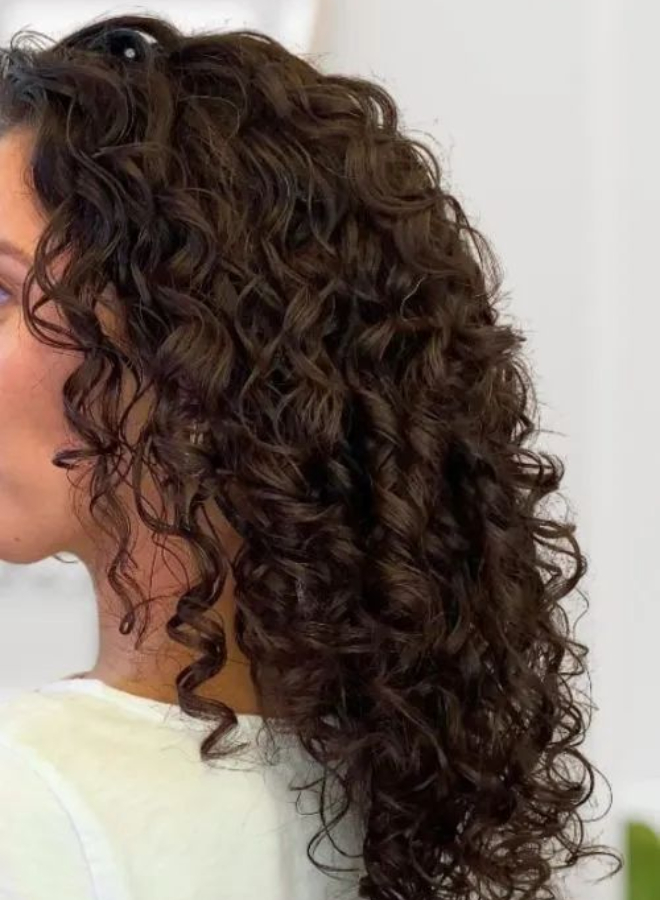
  • Type 3: Curly
  • Type 4: Coily

Each category is further divided into subtypes (A, B, C) to reflect differences in curl pattern tightness and definition. For example, Type 1A is very straight and tends to be fine and flat, while Type 4C has the tightest coils and often appears dense and voluminous, though strand thickness can vary in all types.

Understanding the Four Main Hair Types

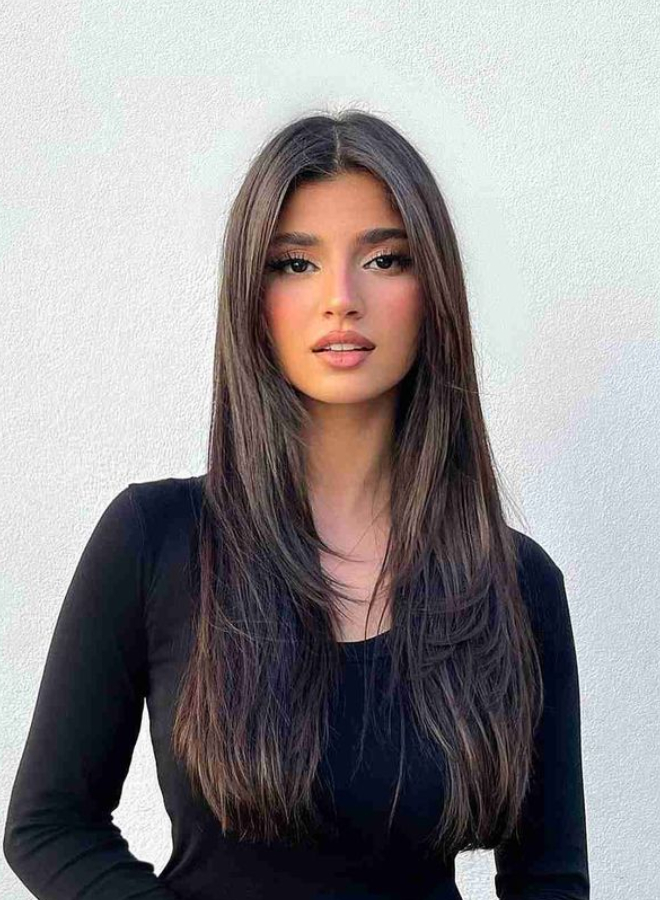
Type 1: Straight Hair
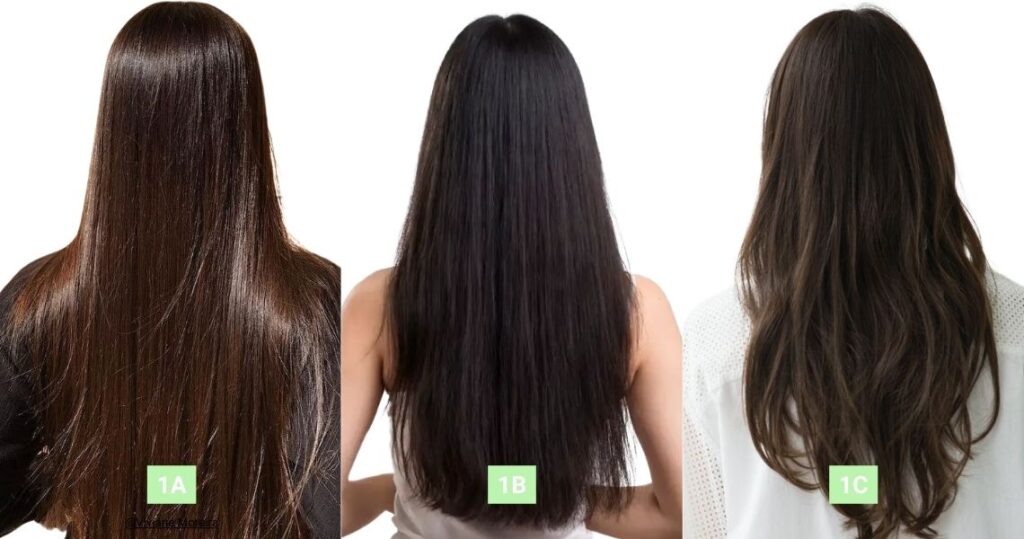
Hair Type 1A B C

1A: Very straight and fine; lacks volume, can get oily quickly.

1B: Straight with more body and volume; holds styles better.

1C: Straight but coarse; may have slight bends or waves.

Care Tips: Use lightweight shampoos and conditioners to avoid weighing down hair. Regular washing helps manage oiliness. Avoid heavy styling products. Use lightweight serums or sprays for shine.

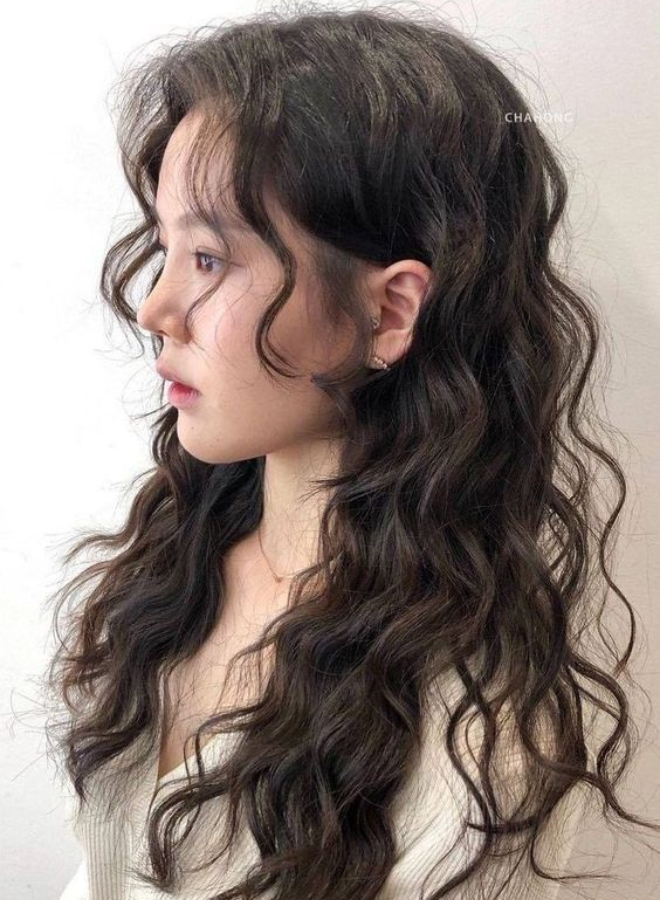
Type 2: Wavy Hair
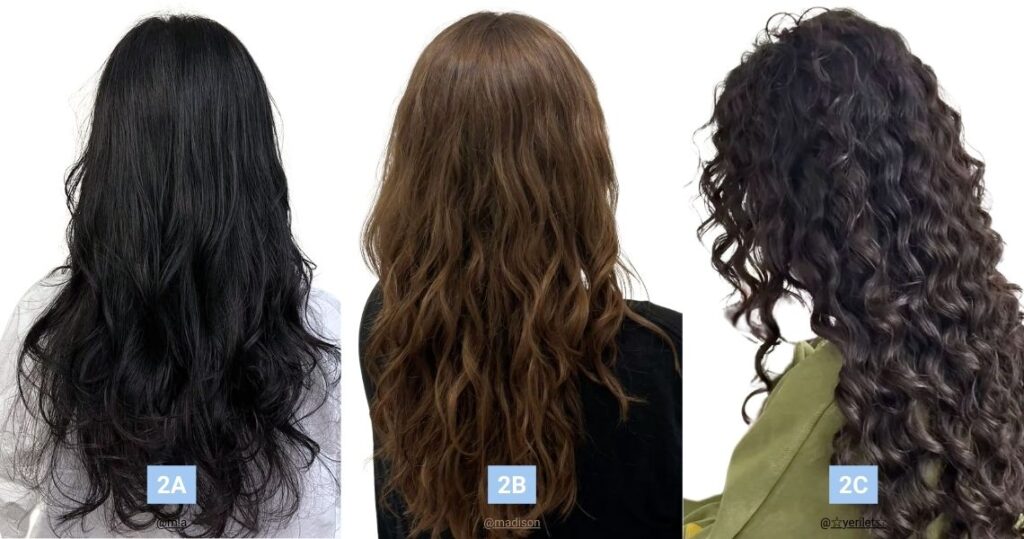
Hair Type 2A B C

2A: Fine, loose waves; easy to style but may lack volume.

2B: Medium-textured waves with defined “S” shapes; prone to frizz.

2C: Thick, defined waves; may show some curl patterns; more resistant to styling.

Care Tips: Use sulfate-free shampoos to reduce frizz. Lightweight styling creams enhance wave definition without heaviness. Avoid over-washing to keep natural oils.

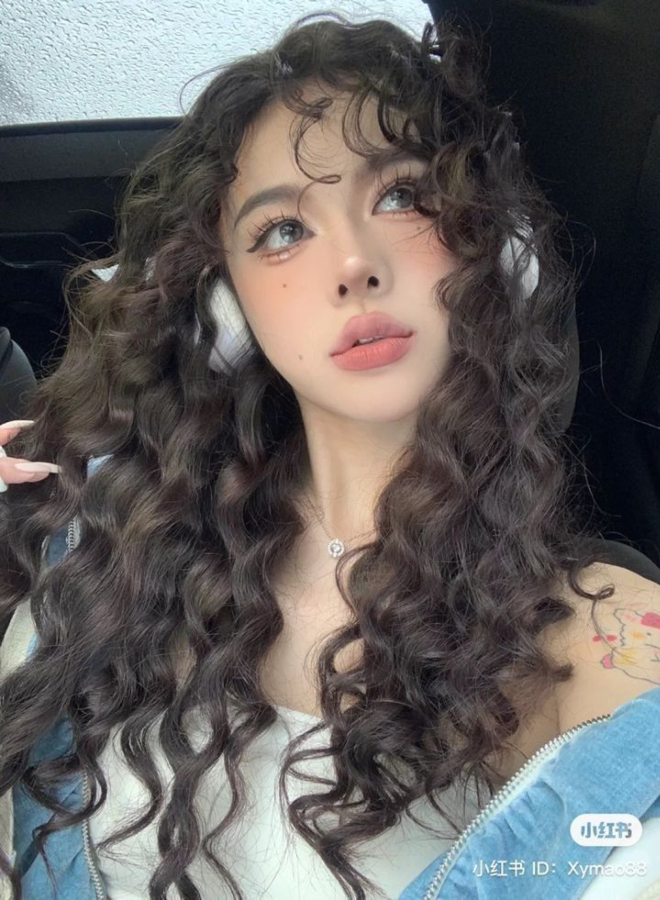
Type 3: Curly Hair
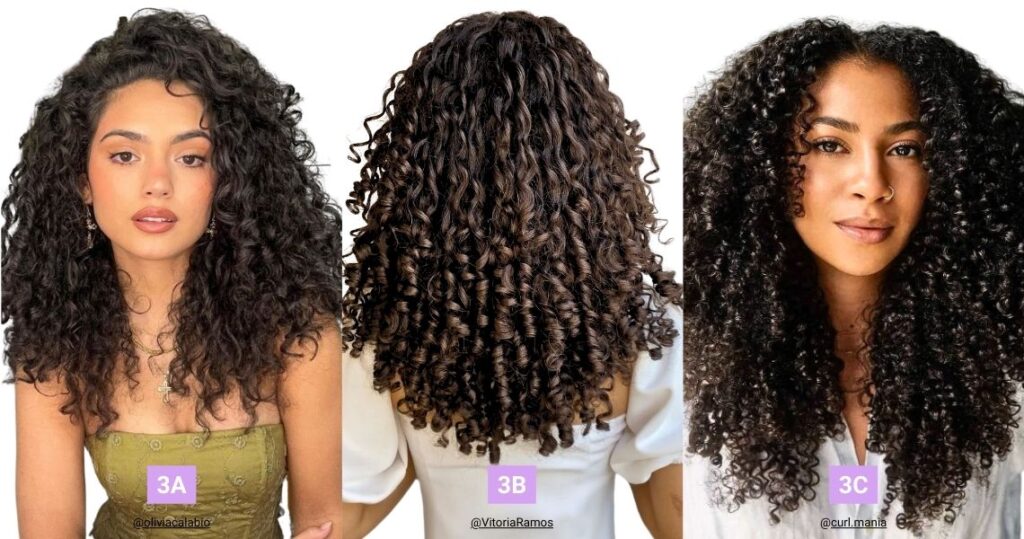
Hair Type 3A B C

3A: Loose, large curls; shiny and bouncy.

3B: Tighter curls with more volume; may be frizz-prone.

3C: Very tight curls or corkscrews; dense and voluminous.

Care Tips: Deep conditioning is essential. Use leave-in conditioners and curl creams. Diffuse hair when drying for enhanced curl shape.

Type 4: Coily Hair
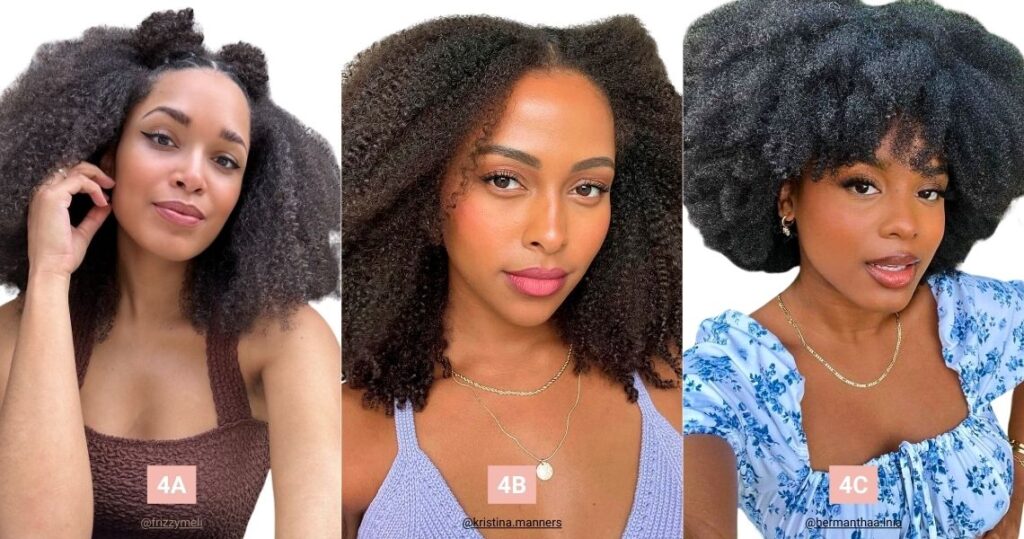
Hair Type 4A B C

4A: Tightly coiled with an “O” pattern.

4B: Z-shaped or angular curls; less defined.

4C: Extremely tight coils or kinks; may lack curl definition.

Care Tips: Regular deep conditioning is crucial. Use heavy creams and oils to lock in moisture and reduce breakage. Regular trims and moisture treatments are vital.

Hair Type Comparison Table

Here’s a quick reference table to help you understand your hair type at a glance:
Hair Type Pattern Volume Porosity Recommended Products
1A
Straight
Low
Low
Lightweight shampoo, dry shampoo
1B
Straight
Medium
Low
Volumizing spray, light serum
1C
Straight
Med-High
Medium
Anti-frizz cream, smoothing serum
2A
Wavy
Low-Med
Low-Med
Curl cream, light mousse
2B
Wavy
Medium
Medium
Sulfate-free shampoo, anti-frizz spray
2C
Wavy
High
High
Curl-enhancing cream, deep conditioner
3A
Curly
Medium
Medium
Leave-in conditioner, curl gel
3B
Curly
High
High
Curl Cream, moisturizing shampoo
3C
Curly
Very High
High
Deep conditioner, curl butter
4A
Coily
High
Medium-High
Heavy cream, oils, leave-in
4B
Coily
High
High
Moisturizing cream, protective styles
4C
Coily
High
Very High
Oils, intense deep treatment

Pattern: How tight or loose the curl/ wave is  |  Volume: How full or thick the hair looks |  Porosity: How well the hair absorbs/ retains moisture

How to Determine Your Hair Type

To accurately identify your hair type, assess these four key characteristics:

1. Curl Pattern

Observe clean, air-dried hair. Is it flat, wavy, curly, or coily?

Curl Pattern
2. Texture

Feel a single strand. Is it fine (thin), medium, or coarse (thick)?

3. Porosity

This refers to how well your hair absorbs and retains moisture:

Low: Resistant to moisture   |   Medium: Balanced absorption and retention   |    High: Absorbs quickly but loses moisture fast

Porosity Test
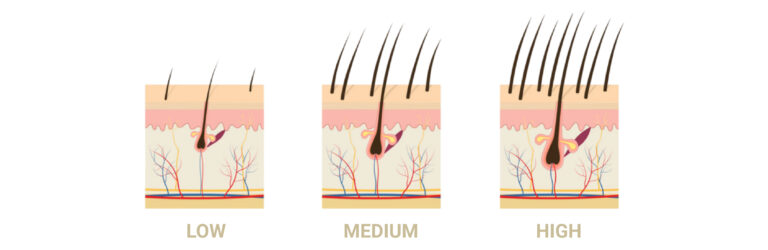
4. Volume (Density)

Assess how full your hair looks overall:

Low: Sparse or thin   |   Medium: Average fullness   |   High: Thick or dense appearance
Conclusion

Identifying your hair type is more than a beauty trend, it’s the foundation for effective hair care. By understanding your hair’s natural texture, pattern, and needs, you can create a routine that truly works for you.

It’s also important to know that many people have more than one hair type on their head. For example, the hair on top might be straighter while the hair underneath is curlier. This is completely normal and may require slightly different care in different areas.

Keep in mind, your hair type can change over time due to factors like age, hormonal changes, or chemical treatments, so reassessing it regularly is a smart move.

Book An Appointment

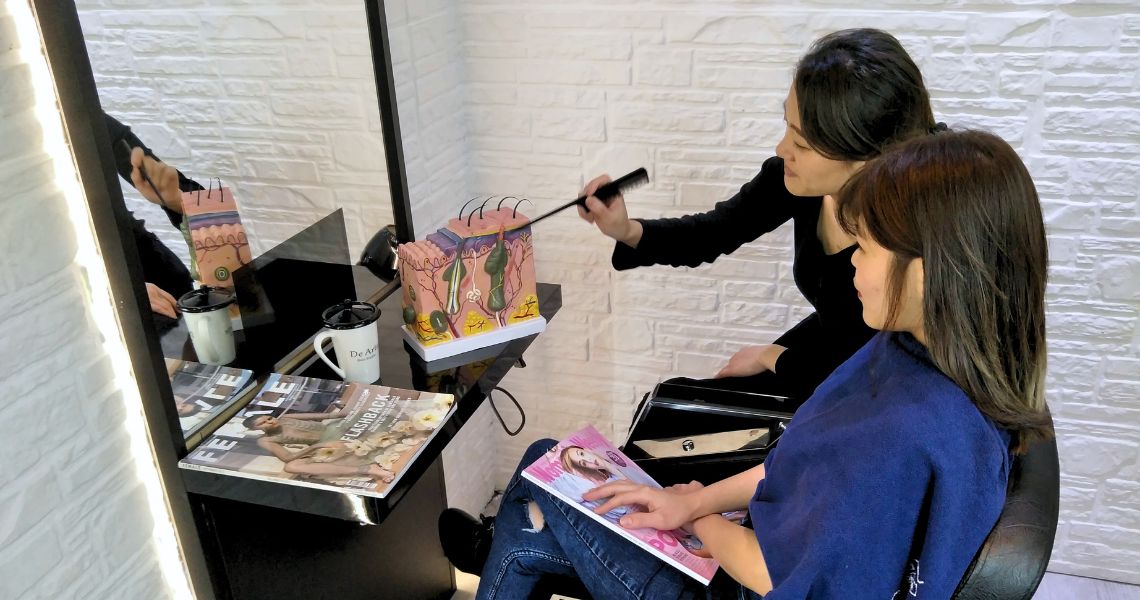
If you’re feeling unsure or overwhelmed, you’re not alone! And you don’t have to figure it all out by yourself. A professional hairstylist can take a closer look, explain things you may not notice on your own, and recommend the right care to help your hair look and feel its best.
7 Powerful Benefits of Pre-Chemical Protection for a Healthier, Happier Scalp!

Pre-Chemical Protection for a Healthier Scalp During Hair Treatments

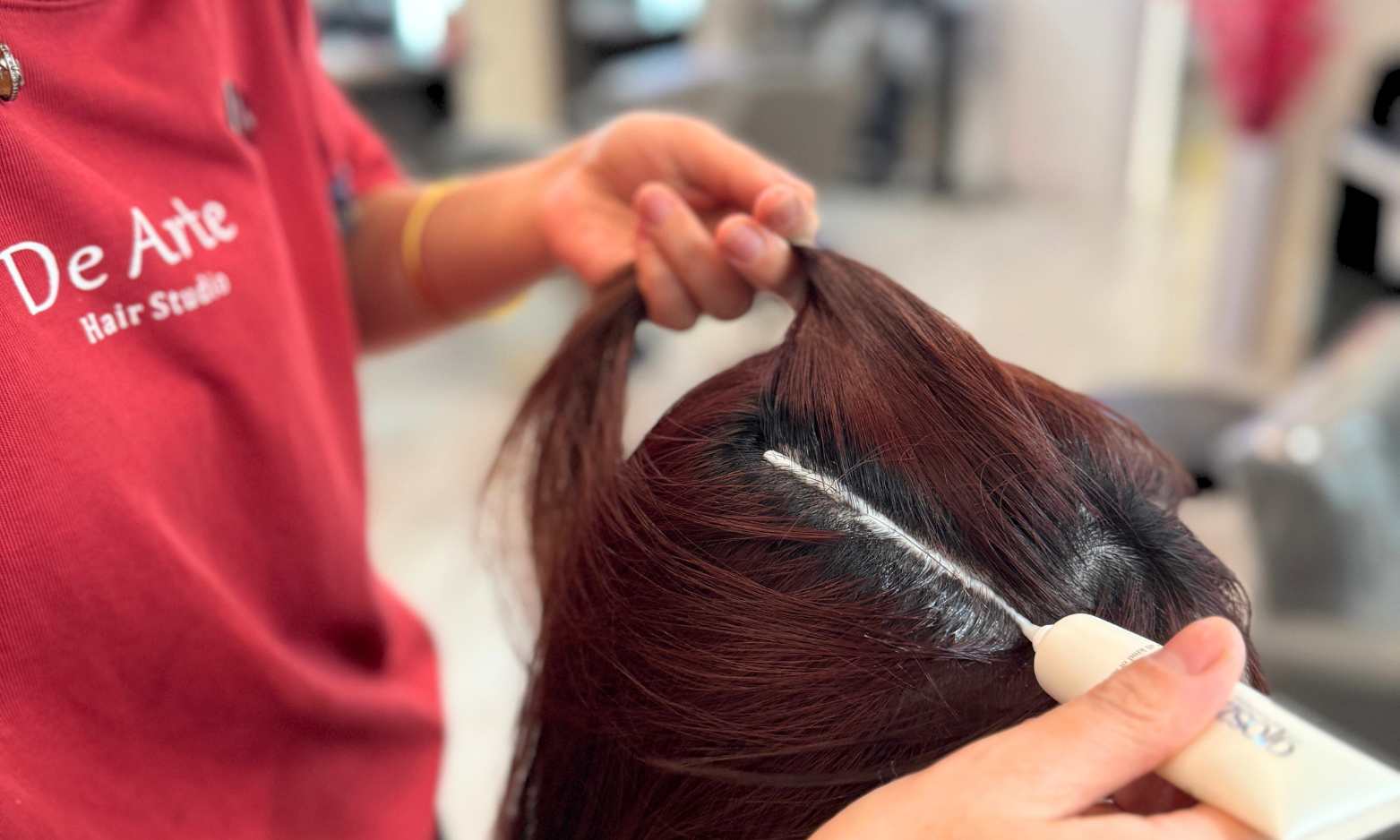
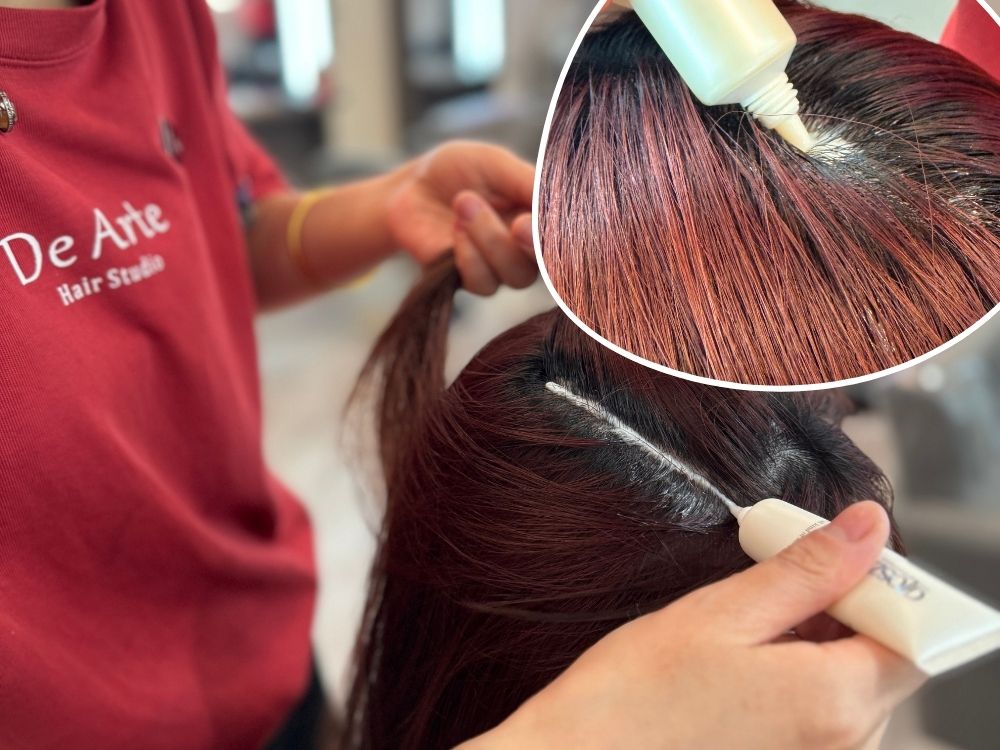
When undergoing chemical hair treatments like coloring, bleaching, or relaxing, your scalp can be exposed to harsh chemicals that may cause irritation, dryness, or allergic reactions. Using a pre-chemical protection product, such as a scalp protector, creates an invisible barrier on your scalp, reducing direct contact with these chemicals and minimizing potential damage. This essential step ensures both your scalp and hair receive optimal care during the process.

Why Pre-Chemical Protection Matters

A well-formulated scalp protector shields the skin while allowing normal scalp functions and hair follicle activity. By reducing the absorption of harsh chemicals, it helps maintain the skin’s natural integrity and prevents irritation.

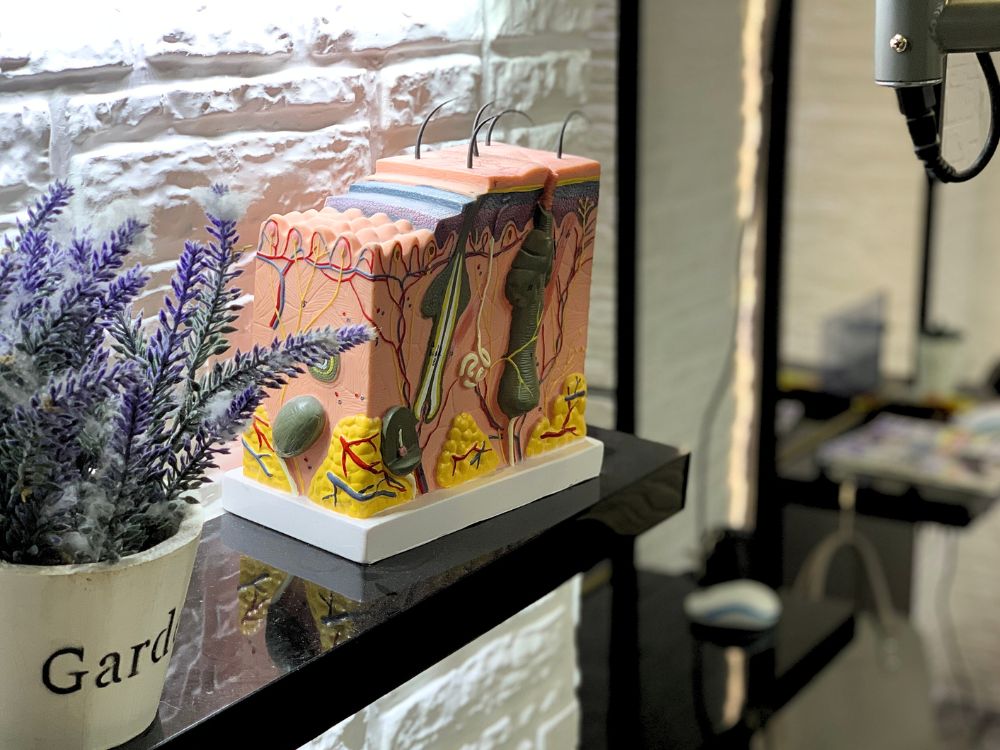
Understanding Your Scalp’s Layers & Why They Need Protection

To provide extra protection for your scalp during the coloring process, we offer an optional pre-chemical protection treatment (scalp protector). This creates a protective barrier to reduce irritation and chemical exposure.

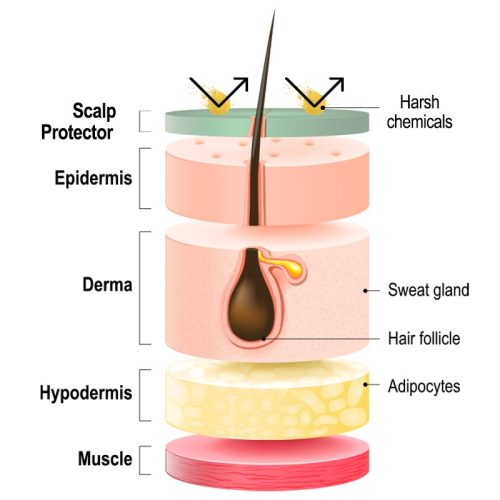
Understanding how this works starts with knowing the basic structure of your scalp. The scalp consists of several layers, each playing a vital role in protecting your skin and supporting healthy hair growth:

glosz-scalp-protector-process
    1. Epidermis (Outer Layer): The epidermis is the topmost layer of the skin, made up of keratinocytes (cells that produce keratin, a protein that protects your skin). This layer forms the first line of defense against environmental factors like chemicals, pollution, and UV radiation. It also acts as a barrier to prevent harmful substances from penetrating deeper layers.

    2. Dermis (Middle Layer): Beneath the epidermis lies the dermis, which contains important structures such as blood vessels, sweat glands, hair follicles, and nerve endings. The dermis provides structural support to the skin and supplies nutrients to the hair follicles, helping to maintain healthy hair growth.

    3. Hypodermis (Subcutaneous Layer): The hypodermis is the deepest layer of skin, composed mainly of fat cells (adipocytes), connective tissue, and larger blood vessels. This layer acts as insulation, keeping the body warm, and connects the skin to underlying muscles and bones.

    4. Muscle Layer: Underneath the hypodermis lies the muscle layer, which is important for the movement of the skin and hair follicles. The tiny muscles attached to the hair follicles (called arrector pili) contract when you’re cold or stressed, causing “goosebumps.”

How a Pre-Chemical Scalp Protector Works

Pre chemical Scalp Protection Horizontal 1

When it comes to chemical hair treatments, your scalp deserves the best care. Pre-chemical protection creates a protective barrier, reducing exposure to harsh chemicals and ensuring a safer, more comfortable experience. Here are 7 powerful benefits of using a scalp protector before your next hair treatment.

1. Prevents Direct Chemical Contact

A pre-chemical protection product forms an invisible shield on the epidermis, blocking direct contact with hair dyes, relaxers, and bleach. This reduces irritation, redness, and discomfort during treatments.

2. Reduces the Risk of Allergic Reactions

Many hair products contain strong chemicals that can trigger allergies. By adding a protective layer, pre-chemical protection minimizes allergic reactions, making the process safer for sensitive scalps.

3. Maintains the Scalp’s Natural Barrier

The epidermis is the first line of defense against external aggressors. A scalp protector preserves its integrity, preventing damage that could lead to dryness, peeling, or excessive sensitivity.

4. Minimizes Chemical Absorption

Without a protective layer, chemicals can penetrate deeper skin layers like the dermis and hypodermis. Pre-chemical protection helps limit absorption, reducing the risk of long-term scalp damage.

5. Supports Healthy Hair Growth

By safeguarding the hair follicles and blood vessels in the dermis, pre-chemical protection ensures that essential nutrients continue to reach your hair roots, promoting strong and healthy growth.

6. Prevents Scalp Dryness and Irritation

Many hair treatments strip away natural moisture, leading to dryness and itching. A scalp protector helps retain hydration, keeping your scalp soothed and comfortable throughout the process.

7. Enhances Overall Comfort During Hair Treatments

Pre-chemical protection ensures a stress-free, irritation-free experience, allowing you to enjoy vibrant hair color or sleek, straight styles without discomfort.

Ensure a Safer Hair Coloring Experience

Using pre-chemical protection before any chemical hair treatment is a simple yet essential step for maintaining scalp health, preventing irritation, and ensuring the best results. Don’t let harsh chemicals compromise your comfort; protect your scalp today!

Book An Appointment

Time for a color refresh?
Book a FREE consultation with us today, and let our expert stylists help you find the perfect color for you!

6 Best Types of Hair Perm for Different Face Shapes: Find Your Perfect Look

Best Types of Hair Perm

Hair perms are a timeless way to add volume, curls, and texture to your hair, but choosing the right perm isn’t just about style! It should also complement your face shape. The right perm can enhance your features, creating a more balanced and flattering look.

In this article, we’ll break down 6 different types of perms, how they work, and which face shapes they suit best. Whether you’re after soft waves, tight curls, or added volume, there’s a perm for you!
What Is a Hair Perm?

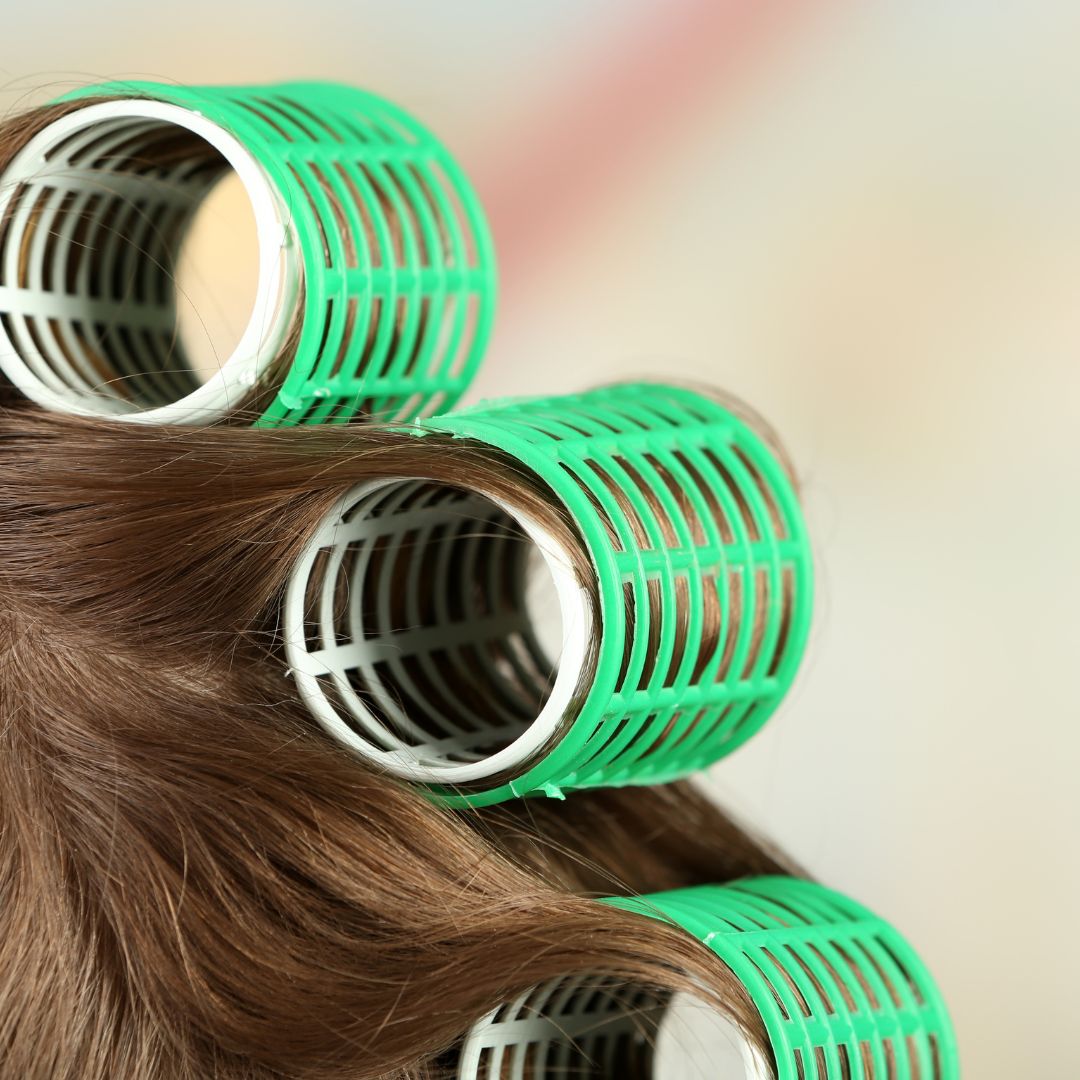
A perm (short for permanent wave) is a chemical treatment that reshapes the hair to create curls, waves, or volume that last for months. The result depends on the technique used, the size of the curling rods, and your natural hair texture.

Modern perms use various techniques like cold perms, digital perms, and root perms, each creating a different curl pattern and style.

How to Choose the Right Perm for Your Face Shape

Your face shape plays a crucial role in determining which perm style will look best on you. Here’s a quick guide:

  • Round Face → Opt for perms that add height and length to elongate your face.

  • Oval Face → Almost any perm works! Experiment with different curls and waves.

  • Square Face → Soften sharp angles with loose, flowing waves.

  • Heart-Shaped Face → Balance a wider forehead with curls that add volume near the jawline.

  • Long Face → Choose voluminous curls to add width and balance.

Now, let’s explore 6 of the best perm styles and which face shapes they flatter the most.
1. Body Wave Perm

Best for: Oval, Square, and Heart-Shaped Faces
Creates: Loose, natural-looking waves

A body wave perm uses large curling rods to create soft, subtle waves that add volume without looking overly curly. This style adds a natural, effortless texture and balances strong jawlines (square faces) while also adding fullness to the lower face (heart-shaped faces).

2. Spiral Perm

Best for: Oval and Round Faces
Creates: Tight, bouncy curls

A spiral perm uses long curling rods to create springy, defined curls with lots of volume and movement. These curls give the hair height and texture, which works well for round faces by elongating them and creating a more defined look.
3. Beach Wave Perm

Best for: Round and Square Faces
Creates: Loose, tousled waves for a casual look

A beach wave perm mimics natural, sun-kissed waves, giving you a carefree, relaxed style. It creates soft, loose waves that resemble the texture you might get after a day at the beach. This style softens strong jawlines (square faces) and adds texture and volume to round faces, making them appear less full.

4. Ceramic and Digital Perm - Most Popular ❤️

Best for: Oval, Heart-Shaped Faces
Creates: Soft, natural-looking curls with a modern touch

Both ceramic and digital perms use heat to create natural-looking waves and curls, but they differ in technique and results. A ceramic perm uses ceramic rods or plates, applying gentle, evenly distributed heat for smooth, shiny curls with less frizz. A digital perm, on the other hand, uses a combination of heat and chemicals to create more defined, longer-lasting curls.

Both perm styles are well-suited for oval and heart-shaped faces. For oval faces, the soft curls from either perm enhance the natural features without adding bulk. For heart-shaped faces, the volume added near the jawline helps balance the wider forehead, creating a flattering, harmonious look.

5. C-Curl and S-Curl Perm

Best for: Heart and Oval Faces
Creates: Soft, polished curls at the ends

  • C-Curl Perm: Adds inward or outward curls at the ends, giving your hair a sleek, defined look.

  • S-Curl Perm: Forms S-shaped waves, adding natural movement and volume.

Both styles help to frame heart-shaped faces and add volume near the jawline, which balances a wider forehead. They also provide softness to other face shapes, creating a gentle and feminine look.

6. Japan/Korea Perm - Most Recommended 👍

Best for: Long and Square Faces
Creates: Fuller, bouncier hair without tight curls, often associated with Japan-Korean hair trends

A volumizing perm focuses on adding lift and body rather than creating tight curls, giving hair a thicker, fuller appearance. This style is inspired by the popular Japan-Korean perm, known for its natural, soft volume and bounce. It helps add width and volume to long faces, making them appear more balanced and proportional. The gentle lift creates a light, airy texture without the need for tightly defined curls, making it perfect for those with fine or thin hair who are looking for extra bounce and fullness.

Perm Care Tips for Long-Lasting Curls

Use sulfate-free shampoos – Protects your curls from dryness and frizz.
Deep condition regularly – Keeps permed hair moisturized and healthy.
Avoid excessive heat styling – Heat tools can weaken and loosen perm curls.
Sleep on a silk pillowcase – Reduces frizz and prevents curls from flatteni

Book An Appointment

Honestly, with so many types of perms, and some even combining different techniques, it can be overwhelming to figure out the best one.

That’s why we recommend consulting with a professional stylist at our salon. The right perm style can enhance your face shape, adding balance, volume, and movement to your hair. Whether you prefer loose waves, tight curls, or extra root volume, there’s a perm technique that will work for you!

Ready for a hair transformation? Book a FREE consultation with us today, and let our expert stylists help you find the perfect perm for you!

The Science of Hair Growth and Why You Should Care

The Science of Hair Growth Cover
Hair is more than just a beauty statement.

It’s a reflection of your overall health. Whether you’re trying to grow out your hair, prevent hair thinning, or simply maintain strong and vibrant locks, understanding the science of hair growth is key.

At De Arte Hair Salon, we believe that healthy hair starts at the roots, and with the right care, you can enhance your hair’s growth potential. In this article, we’ll explore the hair growth cycle, factors that influence growth, and why professional hair care services can make all the difference.

The Science Behind Hair Growth

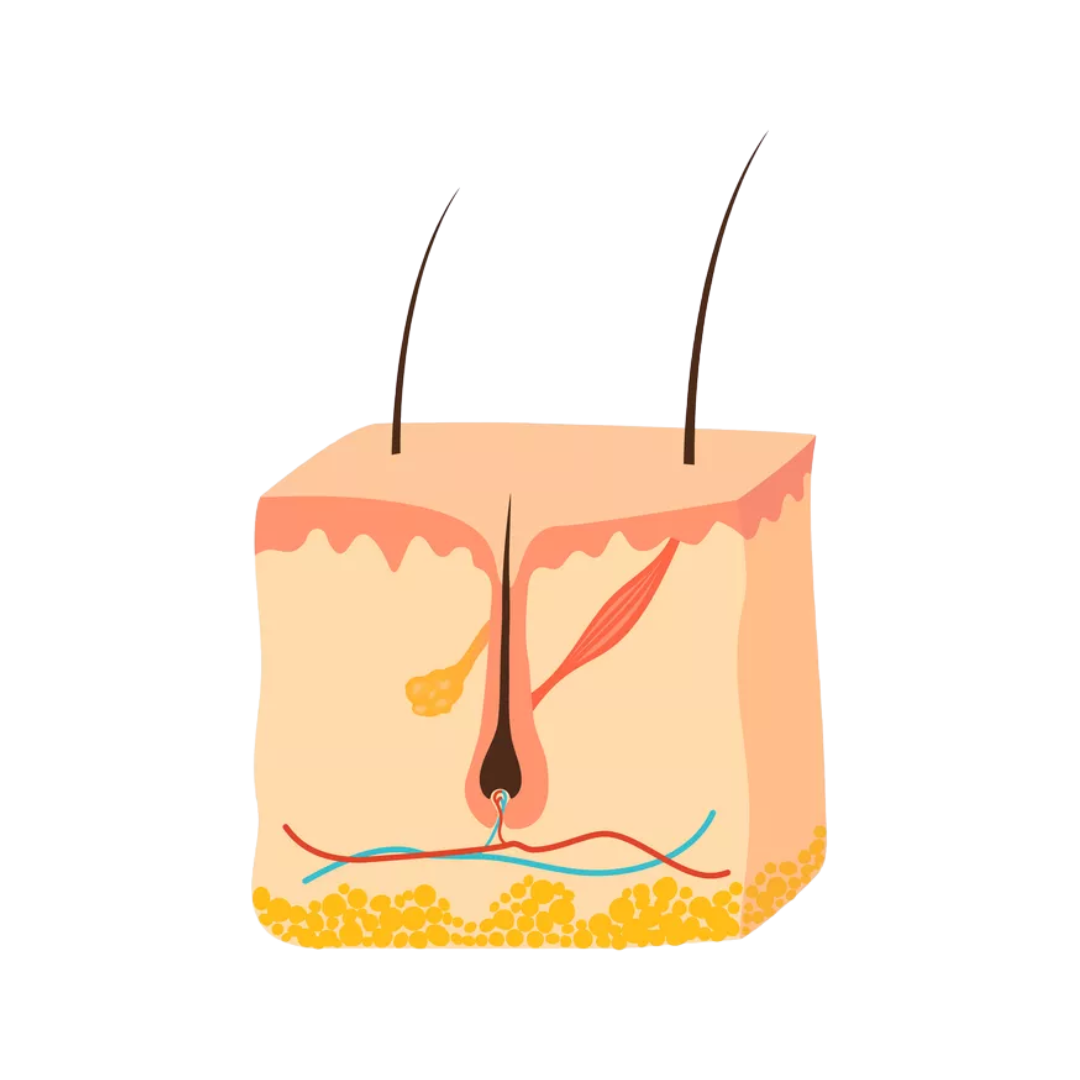
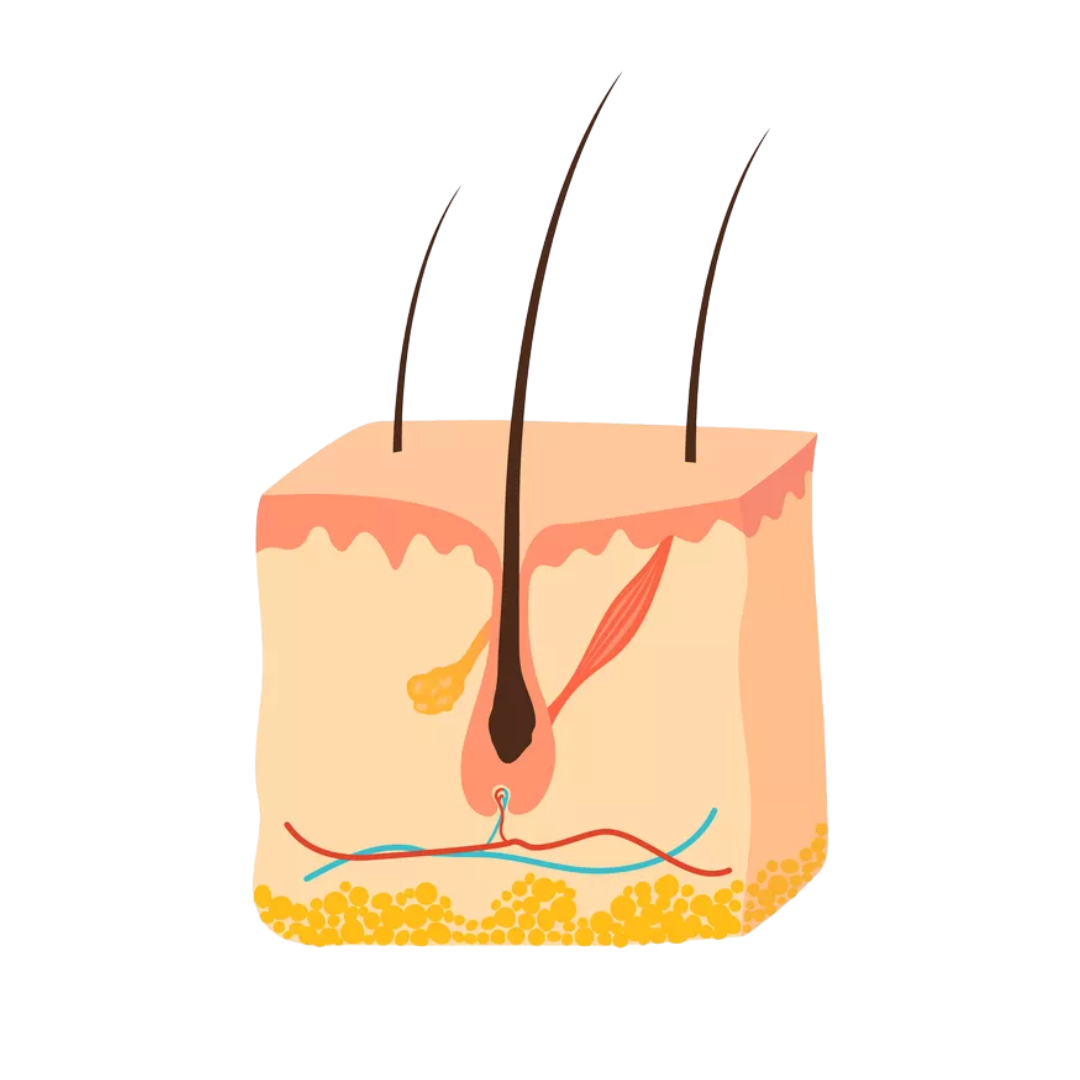
Hair growth isn’t random, it follows a structured biological cycle that consists of three key phases. Each hair follicle goes through its own independent cycle of growth, rest, and renewal. This is why you’re constantly shedding some hairs while others are actively growing. Here’s the breakdown:

1. Anagen Phase 生长期
(Growth Phase)

The anagen phase is the longest stage of the hair growth cycle, lasting anywhere from 2 to 7 years. During this phase, hair follicles actively produce new hair cells, resulting in hair growing at a rate of approximately ½ inch per month. Around 85–90% of the hair on your scalp is in this active growth phase at any given time.

Hair Growth Stage 2 Catagen

2. Catagen Phase 退化期
(Transition Phase)

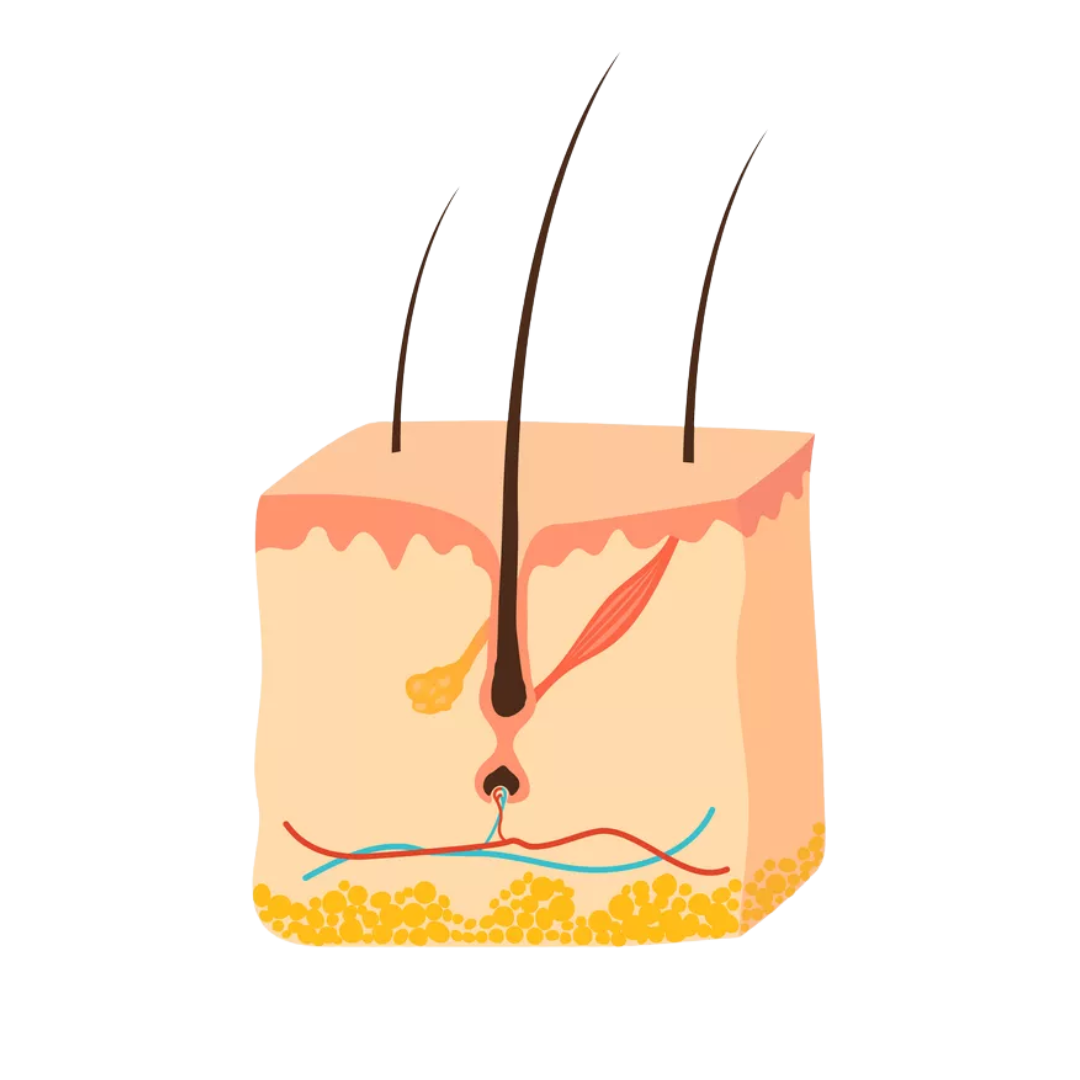
The catagen phase lasts about 2–3 weeks. During this time, hair stops growing, and the follicle begins to shrink.

This phase serves as a transition, preparing the hair for the next phase in the growth cycle.

Haie Growth Stage 3 Telogen

3. Telogen Phase 休止期
(Resting & Shedding Phase)

The telogen phase lasts about 3–4 months, during which old hair sheds, and new hair begins to grow underneath.

Typically, around 10-15% of your hair is in the telogen phase at any given time. During this phase, it is normal to shed about 50–100 hairs per day as the hair cycle progresses.

Normally, after the telogen (shedding) phase, the hair follicle starts a new anagen (growth) phase and produces a fresh hair. This cycle keeps repeating so your hair continuously renews.

However, sometimes hair follicles can get “stuck” in the telogen phase or fail to properly restart the anagen phase. When this happens:

  • The follicle remains inactive longer than usual.
  • No new hair grows from that follicle.
  • Over time, this leads to thinning and visible hair loss.

This can happen due to factors like genetics, hormonal imbalances (like high DHT), chronic stress, illness, or aging. So, while most hairs naturally cycle through all phases, some follicles may stop cycling properly and stay in telogen or even become dormant.

In short, the hair growth cycle is ongoing, but its effectiveness can change over time. A healthy hair cycle maintains a balance, with most hairs growing while some are resting or shedding at any given time.

Fun Fact: Have you ever wondered if shaving your hair makes it grow back thicker or faster?

Well, turns out, shaving all your hair at the same time doesn’t reset or synchronize the hair growth cycle of your follicles! Whether you shave or not, each hair follicle follows its own unique timeline, some are growing, some are resting, and others are shedding. So, shaving just gives you a fresh start on the surface, but the follicles beneath the skin continue with their natural cycle. The hair might feel coarser or appear thicker because shaving cuts the hair at a blunt edge, but it won’t change how fast or thick it grows.

How much hair do we have?

  • Hair Growth Rate: Hair typically grows about 0.9 to 1.2 centimeters per month, depending on factors like age, health, and genetics.
  • Number of Strands: The average human scalp contains 100,000 to 120,000 strands of hair. Even those on the lower end still have at least 80,000 hairs.
  • Hair Growth Cycles: Each hair follicle can go through around 25 full growth cycles in a lifetime. This includes phases of growth, rest, and shedding.
  • Daily Shedding: A healthy person loses roughly 100 strands of hair per day

Why You Should Care About Hair Growth

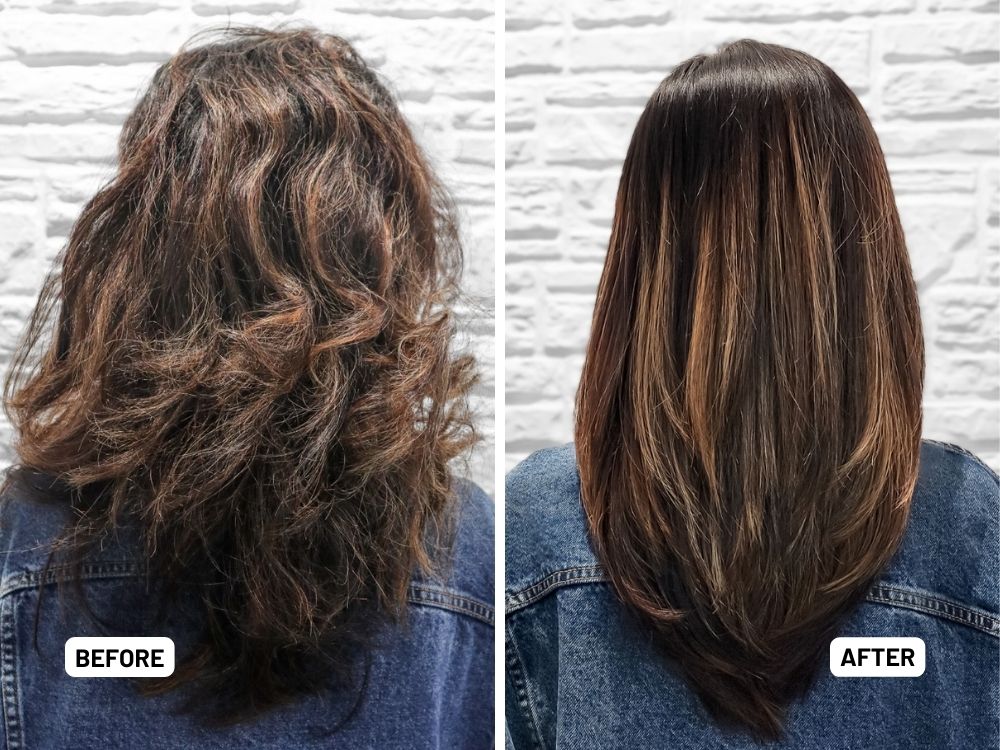
Before and After Argan Oil Texture Control

Many people think only about growing longer hair, but maintaining healthy hair growth is important for everyone. Here’s why:

1. Confidence & Beauty

Your hair is one of the first things people notice. Whether styled short or long, healthy hair enhances your overall appearance and self-esteem.

2. Hair Health Reflects Your Overall Well-Being

Thinning, slow-growing, or brittle hair can signal underlying health issues such as:
Nutrient deficiencies (Lack of Iron, Biotin, Vitamin D)
Hormonal imbalances (Thyroid issues, PCOS)
High stress levels (which trigger hair loss conditions like telogen effluvium)

3. Preventing Hair Loss & Damage

Early intervention can prevent excessive hair shedding, breakage, and scalp conditions that might lead to long-term damage.

At De Arte Hair Salon, we don’t just style your hair, we help you nurture it from the roots, so it grows stronger, healthier, and more resilient.

Factors That Affect Hair Growth

1. Genetics

Your natural hair growth rate and thickness are largely influenced by genetics. Your genes determine key factors like:

  • Length of the Anagen Phase: How long your hair can grow.
  • Sensitivity to DHT: How your follicles respond to DHT (dihydrotestosterone), a hormone that can shrink hair follicles, shortening the growth phase and leading to thinner and weaker hair over time. This is common in male-pattern baldness or female-pattern thinning. If you’re genetically predisposed to DHT sensitivity, your hair may thin earlier, and you might experience receding hairlines or bald spots.
  • Hair Density: The number of hair follicles on your scalp, affecting how thick or sparse your hair looks.
  • Hair Texture: Determines if your hair is straight, wavy, curly, fine, or thick.
  • Shedding Timing: Controls when hair naturally falls out and when new hair starts growing.

While you can’t change your genetic blueprint, you can optimize your hair growth with the right lifestyle choices. If your genetics give you a long anagen phase, maintaining a healthy lifestyle can help keep that growth going longer. However, if you have a shorter anagen phase (due to DHT-related thinning or other genetic factors), lifestyle habits can slow the thinning process, but they can’t change how long your hair grows.

By supporting your natural growth cycle with proper care, you can help your hair reach its full potential in both strength and health.

2. Diet & Nutrition

A nutrient-rich diet fuels hair growth. Essential nutrients include:
🥚 Biotin (Vitamin B7): Found in eggs, nuts, and seeds, promotes keratin production.
🥩 Iron: Helps transport oxygen to hair follicles (found in red meat, spinach).
🐟 Omega-3 Fatty Acids: Reduce scalp inflammation and encourage healthy growth.

🔗 Read more to know the top 10 foods for healthy hair!

3. Medication

Certain medications can influence hair growth by affecting hormones, blood flow, and the overall health of hair follicles. Here’s how:

  1. Hormonal Changes:
    Many medications, like birth control pills, hormone replacement therapy (HRT), or steroids, can alter your body’s hormonal balance. Hormones such as estrogen, progesterone, and testosterone play a significant role in regulating the hair growth cycle. For example, high testosterone or DHT (dihydrotestosterone) levels can cause hair follicles to shrink, shortening the anagen (growth) phase and leading to thinning and weaker hair. These hormonal shifts caused by medications can disrupt the natural cycle, leading to hair loss or changes in texture.

  2. Blood Flow:
    Some medications, especially those used for high blood pressure or depression, can affect circulation by reducing blood flow to the scalp. Healthy hair follicles require an adequate supply of oxygen and nutrients carried by the blood. When blood flow is impaired, hair follicles might not get the nutrients they need, causing slower hair growth, thinning, or shedding. This is because the follicles aren’t able to function at their optimal level due to the lack of sufficient blood supply.

  3. Follicle Health:
    Medications like chemotherapy or drugs used to treat autoimmune disorders or inflammatory conditions can damage hair follicles. Chemotherapy, for example, targets all fast-growing cells in the body, including hair follicles, leading to temporary hair loss. This disrupts the normal hair growth cycle, forcing follicles into the resting phase or prematurely shedding hair. However, this loss is typically temporary, and hair growth usually resumes once the medication is stopped.

  4. Impact on Hair Follicle Function:
    Certain medications can alter the function of the hair follicles, either by changing how they respond to hormones or by affecting the growth cycle directly. For example, medications for acne or PCOS that alter androgen levels can lead to thinning hair by shortening the anagen phase and reducing the time follicles spend growing hair. Similarly, medications like beta-blockers or blood thinners may impact how hair follicles interact with the scalp environment, leading to shedding or slower growth.

Important Reminder

If you’re concerned about hair loss from medication, it’s improtant to remember that your overall health is the top priority. Many medications are necessary to treat serious conditions, and discontinuing them without a doctor’s advice can have serious consequences. Always speak to your healthcare provider if you notice hair changes, they can help you balance your health needs with managing any side effects, including those that affect hair.

4. Scalp Health

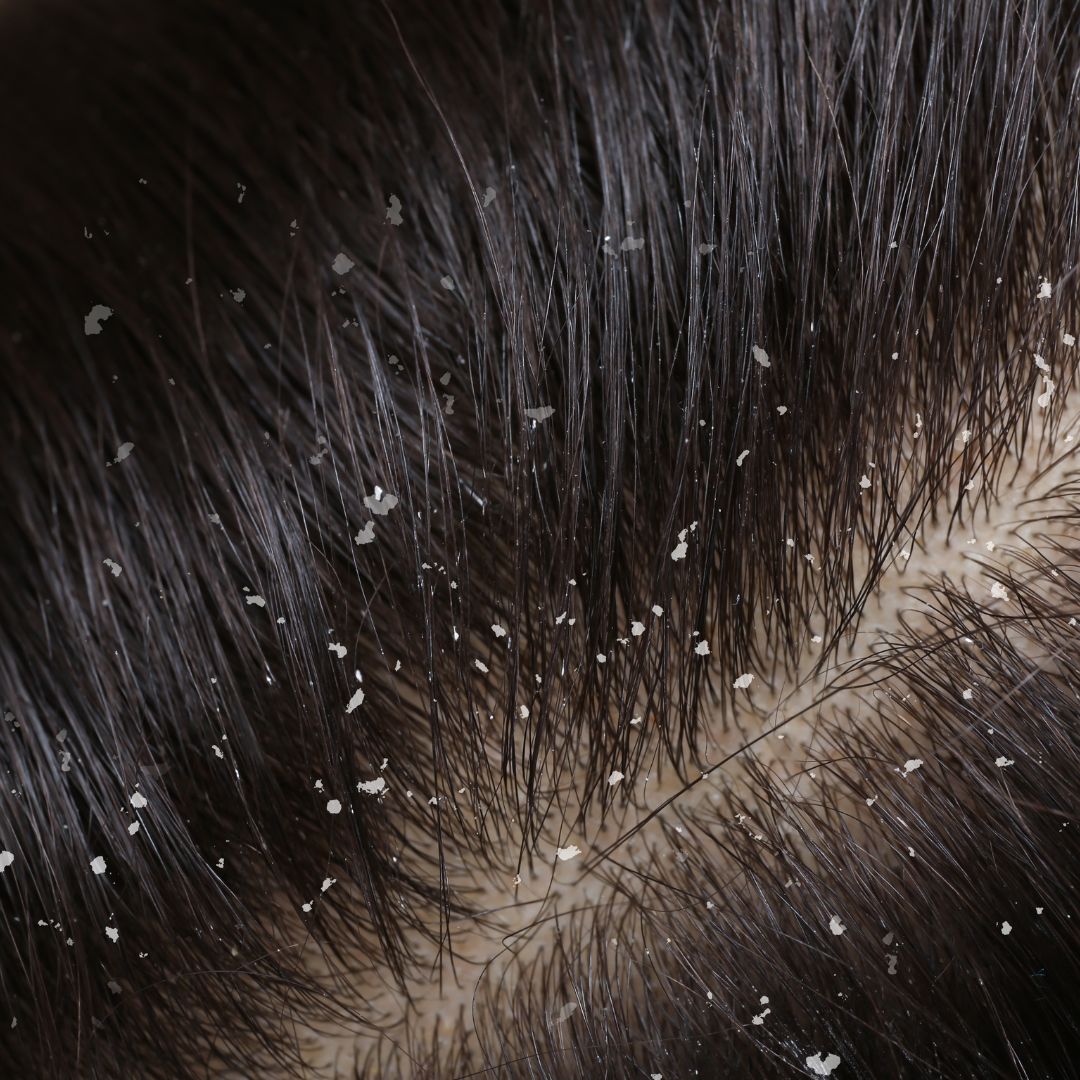
A clean, well-nourished scalp is the foundation for healthy hair. Issues like dandruff, clogged follicles, and excessive oil buildup can stunt growth.

🔹 Recommended Service: De Arte Aroma Botanical (TrichoTech Therapy Scalp Treatment) – premium scalp therapy that combines advanced technology with natural botanical extracts to nourish the scalp, enhance circulation, and promote healthy hair growth.

5. Hormonal Balance

Hormones play a crucial role in hair health. Conditions like PCOS, thyroid disorders, and pregnancy-related hormonal shifts can trigger hair loss or slow down growth.

6. Stress & Lifestyle

Stress can cause more hair follicles to enter the telogen (shedding) phase prematurely, leading to increased hair shedding (a condition known as telogen effluvium). When the body experiences significant stress, whether physical, emotional, or due to illness, it triggers the release of stress hormones like cortisol and alters other regulatory signals.

These hormonal changes disrupt the normal hair growth cycle by pushing hair follicles that are in the anagen (growth) phase to prematurely enter the catagen (transition) phase, and then quickly move into the telogen (shedding) phase. This shift is thought to be a protective response, as the body reallocates energy away from non-essential functions like hair growth during times of stress.

The result is an increased number of hairs resting and eventually shedding simultaneously, causing noticeable thinning and hair loss. Maintaining a balanced lifestyle with proper sleep, nutrition, exercise, and stress management can help minimize this effect and support healthy hair growth.

7. Aging

Aging naturally affects hair growth by shortening the anagen (growth) phase and causing hair follicles to shrink over time. This leads to thinner, weaker hair that grows more slowly and may shed more easily. Additionally, the overall density of hair tends to decrease with age. While aging is inevitable, good hair care and a healthy lifestyle can help slow down its impact on your hair’s health and appearance.

8. Hair Care Routine

Harsh chemicals, excessive heat styling, and over-washing can damage hair strands and slow down growth.

At De Arte Hair Salon, we recommend:
Sulfate-free shampoos to retain natural oils
Regular deep-conditioning treatments
Gentle styling techniques to prevent breakage

How De Arte Hair Salon Helps You Achieve Faster Hair Growth

At De Arte Hair Salon, we offer specialized hair growth treatments that target the scalp, hair strands, and overall follicle health.

1. Scalp Therapy for Hair Growth

A clean and nourished scalp is essential for healthy follicle function. Our professional scalp treatments:
✅ Remove product buildup that clogs follicles
✅ Increase blood circulation to stimulate growth
✅ Hydrate and rebalance the scalp’s natural oils

2. Nourishing Hair Treatments

Dry, brittle hair is more likely to break before reaching its full length. Our customized hair treatments restore moisture, strength, and elasticity to prevent breakage.

🔗 For more information, explore our hair & scalp treatments.

3. Professional Haircuts for Healthier Growth

Trimming your hair regularly prevents split ends from traveling up the hair shaft, ensuring healthier and longer strands over time.

🔗 Explore our full list of personalized haircut services to find the right cut for you.

4. Personalized Hair Growth Consultation

Not all hair is the same, which is why we offer one-on-one consultations to analyze your:
Scalp health
Hair texture & density
Daily hair care habits

We then create a customized hair care plan tailored to your growth goals.

Book An Appointment

Hair growth isn’t just about time, it’s about care, consistency, and professional support.

At De Arte Hair Salon, we combine science-backed techniques with luxurious treatments to ensure your hair grows longer, thicker, and healthier.

🌿 Book your appointment today and let’s bring out the best in your hair; because beautiful hair starts with healthy growth

Pulled a Grey Hair? Here’s What Really Happens Next!

Grey hair is a natural part of the aging process, but spotting a single grey strand can be surprising. Many people instinctively reach for tweezers to remove it, but have you ever wondered what happens when you pull a grey hair? Is it harmless, or could it have unintended consequences?

In this article, we explore the effects of plucking grey hairs, debunk common myths, and provide insights into caring for your hair as it undergoes this natural transition.

Understanding Grey Hair

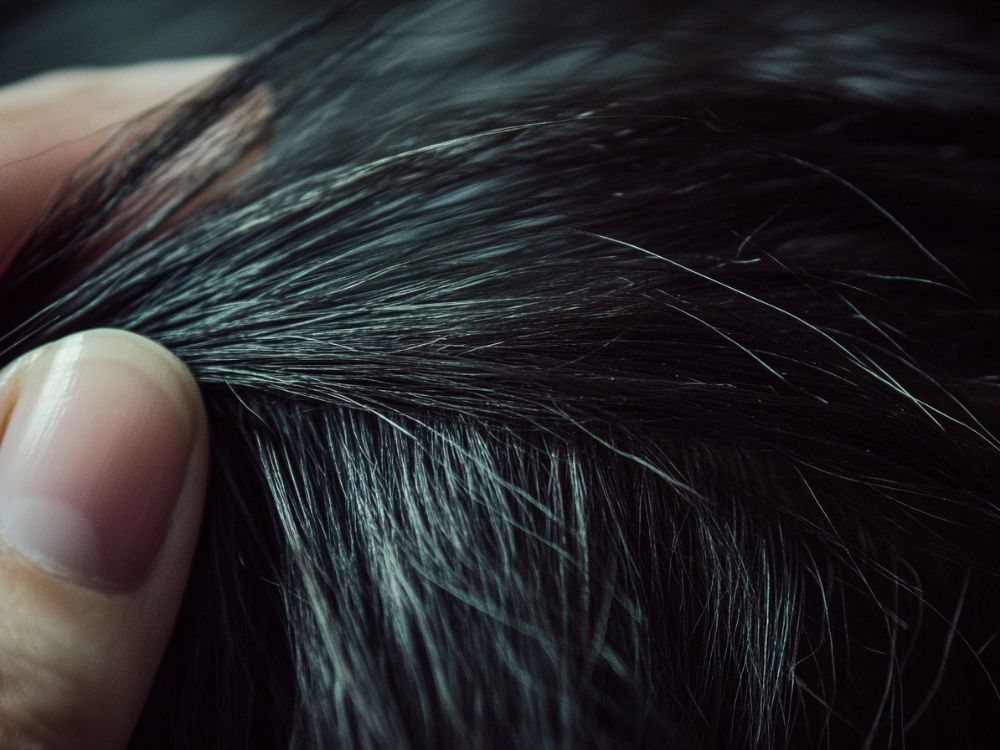
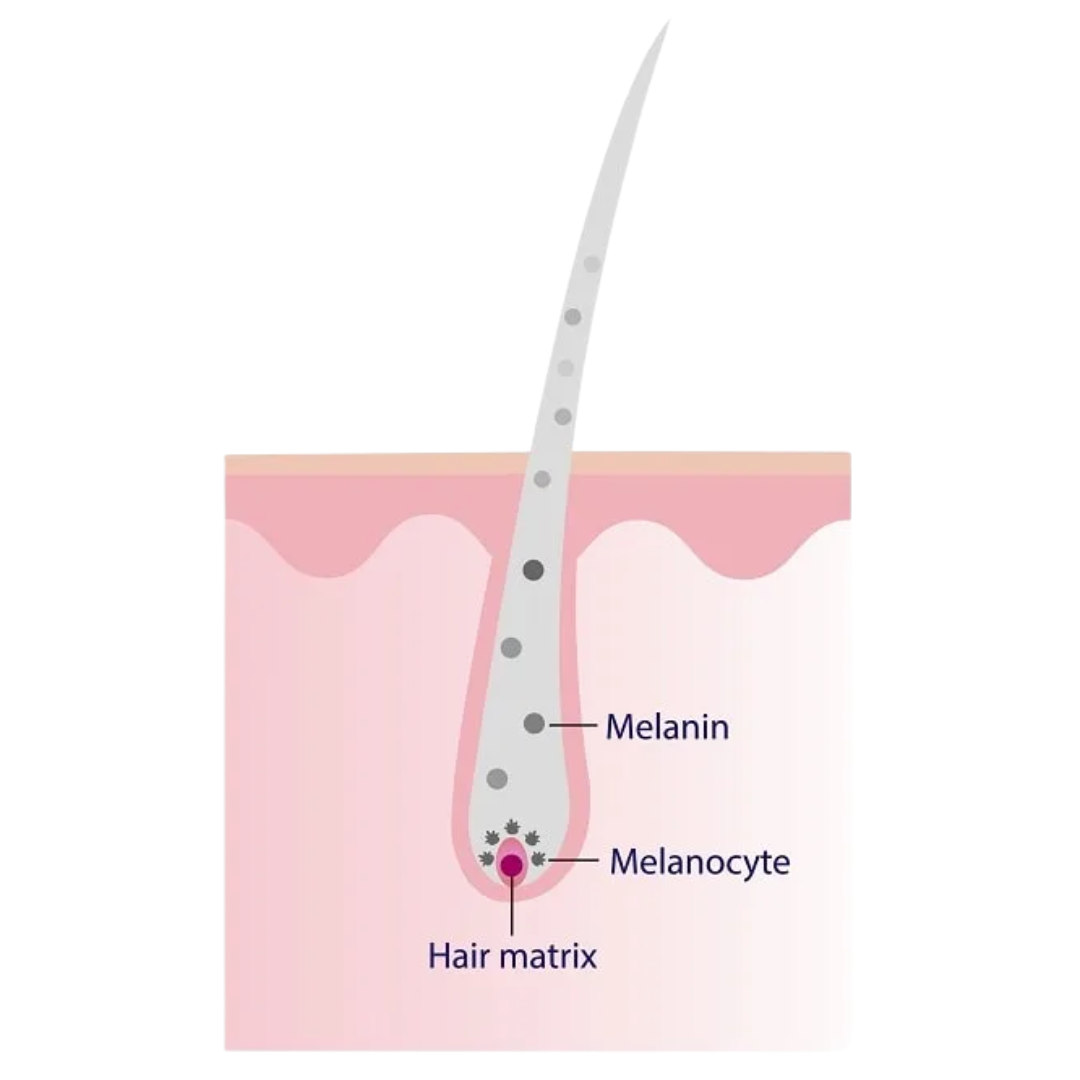
Hair color is determined by melanin, a pigment produced by melanocytes in hair follicles. As we age, these melanocytes produce less melanin, leading to the gradual transition from colored to grey or white hair. This process varies among individuals, influenced by genetics, environment, and lifestyle factors.

Pigmented Hair

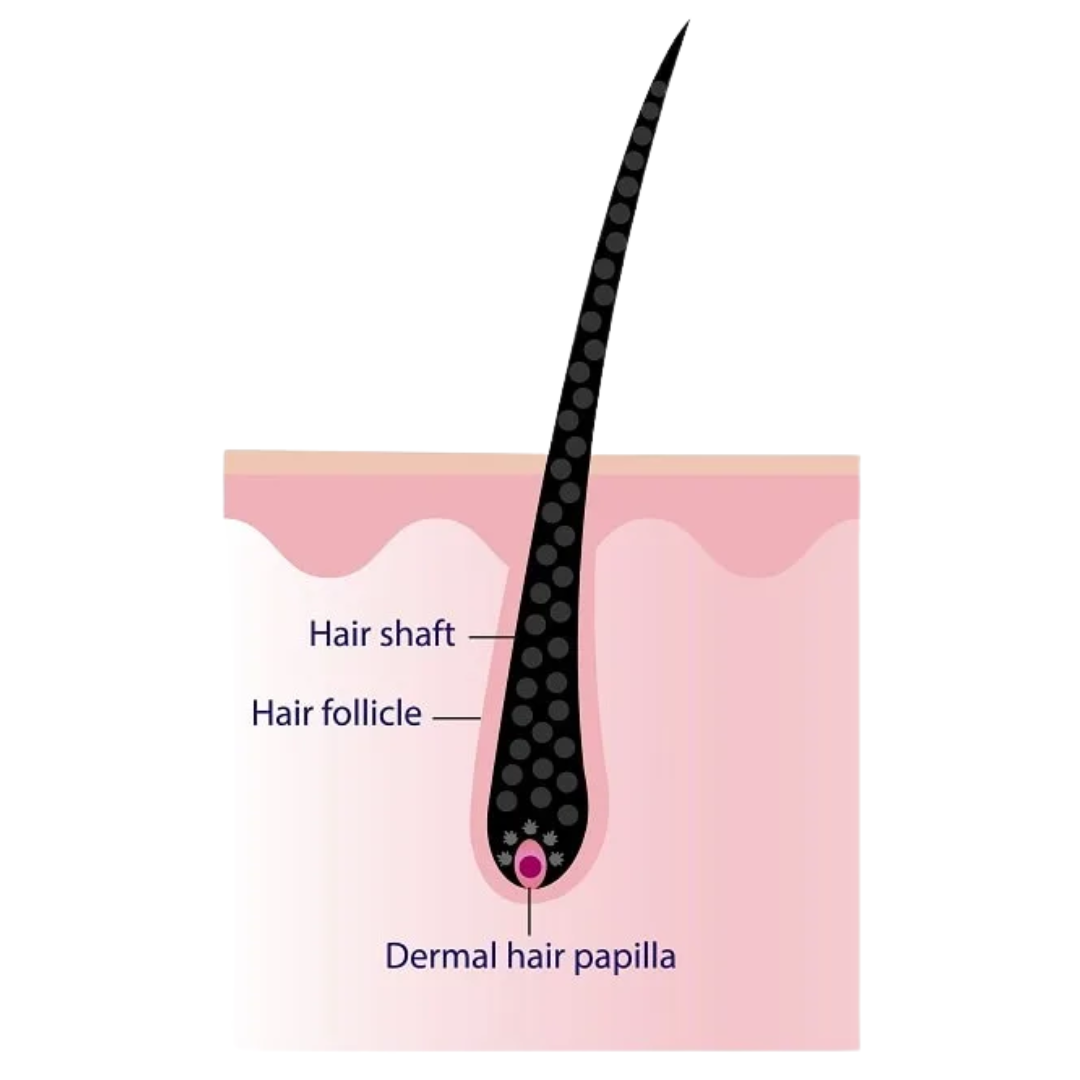
Hair Shaft: This is the visible part of your hair that you see above the scalp. It’s made up of a protein called keratin.

Hair Follicle: The hair follicle is the tiny tube in your skin that holds the hair root. It’s where the hair grows from.

Dermal Papilla: This is a small area at the base of the hair follicle that provides nutrients and signals to the growing hair. It helps control the growth of the hair.

Grey Hair
White/ Grey Hair

Hair Matrix: This is the part of the hair follicle where the hair cells rapidly divide and grow to form the hair shaft. It’s responsible for creating the new hair.

Melanocyte: These are special cells in the hair follicle that make melanin, the pigment that gives your hair its color.

Melanin: Melanin is the pigment responsible for the color of your hair. When you’re younger, your melanocytes produce a lot of melanin, giving your hair its natural color. As you age, these cells produce less melanin, which is why hair turns grey or white.

Melanin Production

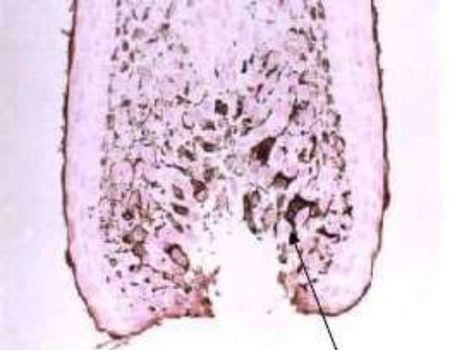
Active Melanocyte

Dark Hair (Active Melanocyte)

Melanocyte produces melanin pigment.

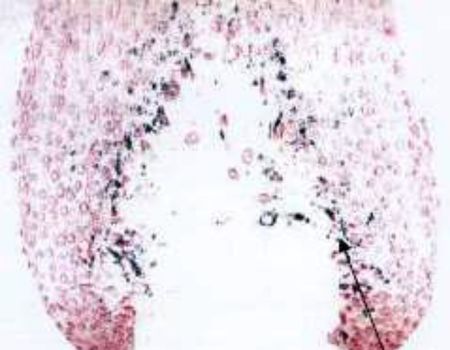
Dormant type

Grey Hair (Dormant type)

Melanocyte does not produce melanin pigment.

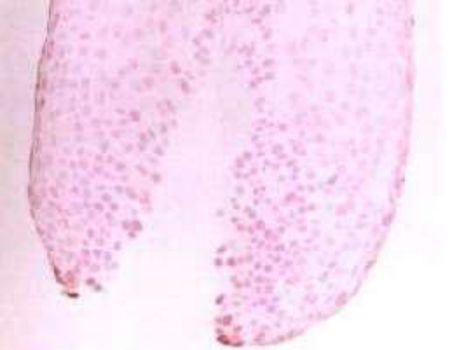
Lost type

Grey Hair (Lost type)

Melanocyte is completely lost from hair bulb part.

What Happens When You Pull a Grey Hair?

It’s common to feel the urge to remove grey hairs, especially when they appear prematurely or in noticeable areas. However, understanding the implications of plucking is essential.

  • Regrowth of a Grey Hair: Each hair follicle produces only one hair at a time. When you pluck a grey hair, the follicle will eventually grow a new hair, which will also be grey. This is because the underlying cause of greying (reduced melanin production) remains unchanged by plucking.(UMAS Health, 2019)

  • Potential Damage to Hair Follicles: Repeatedly plucking hairs can cause trauma to the hair follicle, potentially leading to permanent hair loss in that area. Damaged follicles may not produce hair at all, or the hair that regrows may be thinner and weaker. (Limmerhtc, 2022)

  • Risk of Infection and Other Issues: Plucking can expose the hair follicle to bacteria, increasing the risk of infection. It can also lead to ingrown hairs, skin irritation, and follicle damage, all of which can affect the overall health of your scalp and hair.(Healthshots, 2023)

Debunking Common Myths About Plucking Grey Hair

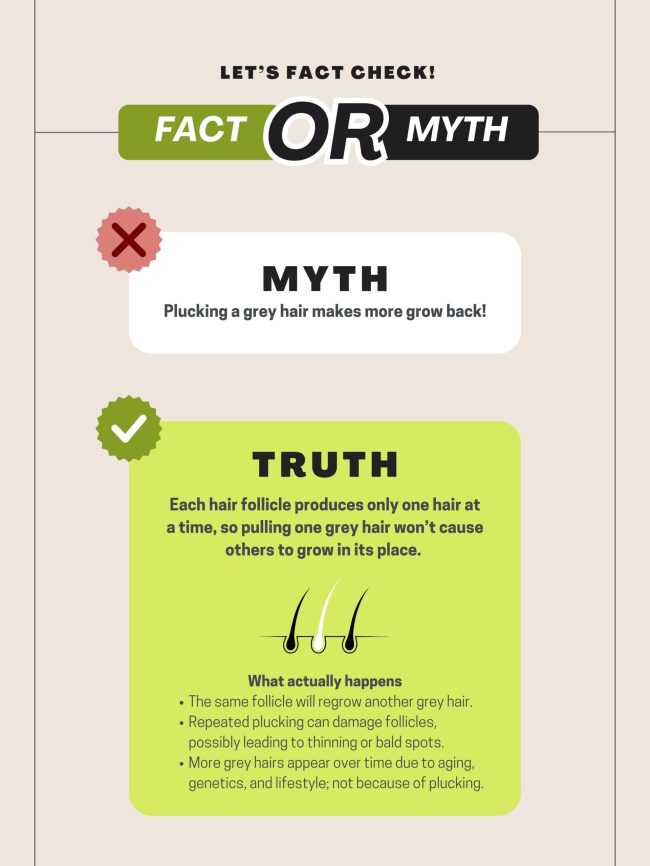
Myth 1: Plucking One Grey Hair Causes More to Grow
This is a myth. Plucking a single grey hair does not cause more grey hairs to appear. Hair follicles work independently, and plucking one does not influence the others.

Myth 2: Plucking Grey Hair Will Reverse the Greying Process
Plucking a grey hair does not reverse the greying process. When you pluck a grey hair, the follicle will continue to produce new hair, but the new hair will usually grow in with the same characteristics as the previous one. If the hair was grey, the new hair will most likely be grey as well.

The color of your hair is determined by pigment cells in the follicle, and plucking doesn’t alter that process. Once the melanocytes (the cells responsible for producing hair pigment) slow down or stop producing melanin, the hair is unlikely to return to its original dark color.

Recommendations for Dealing with Grey Hair

Instead of plucking, consider the following approaches:

  • Gentle Cutting: If a grey hair is particularly bothersome, carefully trim it with sanitized scissors. This avoids the potential risks associated with plucking.
  • Embrace and Care for Grey Hair: Grey hair can be beautiful and unique. Use moisturizing shampoos and conditioners designed for grey hair to keep it healthy and vibrant.
  • Consult a Professional: If you’re considering color treatments or other interventions, consult with a professional hairstylist or dermatologist to ensure safe and effective options.

While the sight of a grey hair can be startling, plucking it is not a recommended solution. It does not prevent more grey hairs from appearing and can lead to various scalp and hair issues. Embracing your natural hair color and caring for it properly is the healthiest approach as you navigate the changes that come with aging.

Book An Appointment

Book your FREE consultation today and get personalized advice just for you!

Ammonia-Based vs. Ammonia-Free Hair Dyes: What’s the Difference?

Hair dyeing is more than just a cosmetic process; it’s a fascinating mix of art and science, driven by chemistry. Whether you’re going bold with a new color or simply covering grays, the type of dye you choose plays a crucial role in the final result. Salons typically offer two main categories of hair dye: ammonia-based and ammonia-free. But what exactly sets them apart? And how do you know which is best for your hair? Let’s find out the differences to help you make an informed decision.

Understanding Ammonia in Hair Dyes

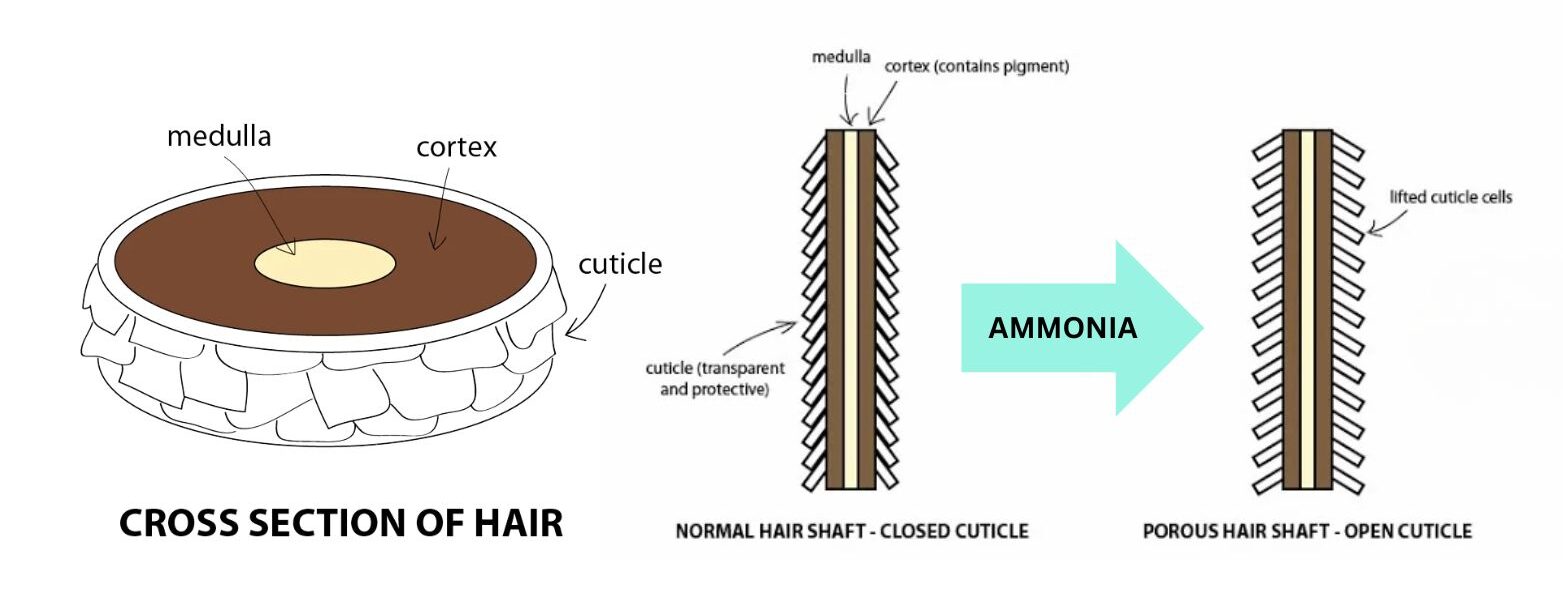
Ammonia has been a staple ingredient in hair dye formulations for decades, and for good reason. Its primary function is to open up the hair cuticle, allowing the dye to deeply penetrate the hair shaft. This chemical reaction is crucial for achieving vibrant and long-lasting color.

In addition to helping the dye penetrate the hair, ammonia also raises the pH level of your hair, which helps lighten your natural color. When applied, ammonia interacts with melanin (the natural pigment in your hair), chemically altering the shade.

However, ammonia has a few downsides. Its molecules are small and volatile, meaning they evaporate quickly and can be quite pungent. This is why ammonia-based dyes often have a strong odor that can linger long after the coloring process is complete. On the plus side, ammonia makes it easier to rinse out the color since it helps break down the dye, ensuring a thorough wash.

Pros of Ammonia-Based Dyes
Effective Gray Coverage: Ammonia-based dyes excel in covering gray hairs, providing even and lasting coverage.

Long-Lasting Results: These dyes typically provide more vibrant and durable color compared to their ammonia-free counterparts.

Cons of Ammonia-Based Dyes
Scalp Irritation: The strong chemical nature of ammonia can lead to scalp irritation or allergic reactions in some people.

Strong Odor: The pungent smell of ammonia can be unpleasant during the dyeing process and may linger afterward.

The Ammonia-Free Alternative

In recent years, ammonia-free hair dyes have gained popularity, particularly among those looking for a gentler option. While ammonia-free dyes are marketed as being less harsh, they still contain other alkaline ingredients, such as monoethanolamine (MEA) or aminomethylpropanol (AMP). These ingredients perform a similar function to ammonia, they help regulate the pH of the hair, but they are less potent and often used in lower concentrations.

The primary difference is that these ingredients have larger molecules than ammonia, meaning they don’t penetrate the hair as deeply or as quickly. As a result, the color may not be as vibrant or long-lasting as it would be with ammonia-based dyes.

One of the biggest advantages of ammonia-free dyes is that they tend to have a much milder odor. Since their molecules are larger and less volatile, they don’t evaporate as quickly, making the coloring process more comfortable for those sensitive to strong smells. However, this slower evaporation means that the dye may take longer to rinse out, and you may need to wash your hair a few more times to fully remove any residue.

Pros of Ammonia-Free Dyes
Gentler on Scalp and Hair: These dyes are less likely to cause scalp irritation, making them a great choice for those with sensitive skin.

Reduced Odor: The absence of ammonia means a less pungent smell during and after the dyeing process.

Cons of Ammonia-Free Dyes
Potentially Less Effective on Gray Hair: Ammonia-free dyes may not provide full coverage for gray hair, especially in people with coarser hair textures.

Color Longevity: The color may fade faster than ammonia-based dyes, meaning more frequent touch-ups might be necessary.

Choosing the Right Hair Dye for You

When deciding between ammonia-based and ammonia-free hair dyes, it’s important to consider your hair type, the results you want to achieve, and your sensitivity to certain chemicals. Each option has its strengths, so choosing the best one depends on what’s most important to you; whether it’s vibrant, long-lasting color, or a gentler, less odorous experience.

Factors to Consider:

  • Hair Type and Texture: Coarser or thicker hair may benefit from ammonia-based dyes, which tend to provide more durable coverage.
  • Desired Color Outcome: If you’re aiming for a dramatic color change or need to cover stubborn gray hair, ammonia-based dyes might be the better choice. On the other hand, if you’re just looking for a subtle change, ammonia-free dyes can be a gentler option.
  • Sensitivity: If you have a sensitive scalp or are prone to allergic reactions, ammonia-free dyes may be the safer choice.
Recommended Ammonia-Free Hair Dye Brands in Singapore

If you’re exploring ammonia-free options, here are a few reputable brands that are known for their quality and effectiveness. These brands are widely available at major beauty stores, supermarkets, and online platforms in Singapore.

Ammonia Free Revlon Hair Dye
Revlon Colour Silk 3D Hair Dye: This dye is free from ammonia and contains silk proteins to nourish and smooth your hair, providing a silky and shiny finish.
Ammonia Free Garnier Hair Dye
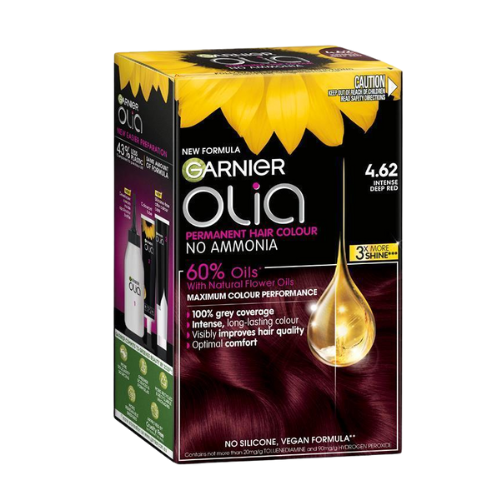
Garnier Olia Permanent Hair Color: An ammonia-free formula that uses natural flower oils to deliver vibrant color while caring for your hair's health.
Ammonia Free NaturVital Hair Dye
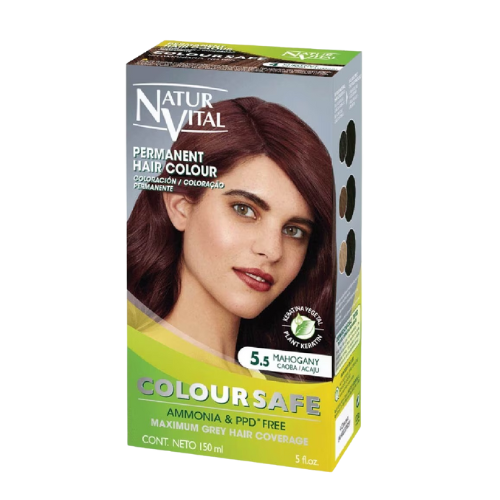
NaturVital Coloursafe Permanent Hair Colour: This dye is free from ammonia, PPD, resorcinol, and parabens, minimizing the risk of allergic reactions.

Tip: Always perform a patch test before full application to ensure compatibility with your hair and scalp. While these products are highly rated, individual results can vary.

Note: This information is based on online research; individual results may vary. At De Arte Hair Studio, we use our own color formulations and techniques, and these specific products have not been tested in our salon.

Enjoy a Professional, Worry-Free Coloring Experience

While understanding the differences between ammonia-based and ammonia-free dyes can help you make an informed decision, achieving the best results often requires professional expertise. At De Arte Hair Studio, we offer personalized consultations to determine the most suitable coloring options based on your unique hair type and preferences.

Our Salon Hair Coloring Services Include:

  • Scalp Protection: We offer pre-chemical protection (optional), which creates an invisible barrier on your skin to protect against harsh chemicals, ensuring that your scalp remains healthy during the coloring process. 🔗 Explore the 7 powerful benefits of pre-chemical protection for healthier scalp
  • Customized Coloring: Whether you opt for ammonia-based or ammonia-free dyes, our skilled stylists choose the best products for your hair to ensure vibrant, long-lasting results.
  • Expert Application: Our team uses advanced techniques to apply color evenly and precisely, minimizing the risk of damage and maximizing the beauty of your hair.
Ammonia Free  Hair Dye
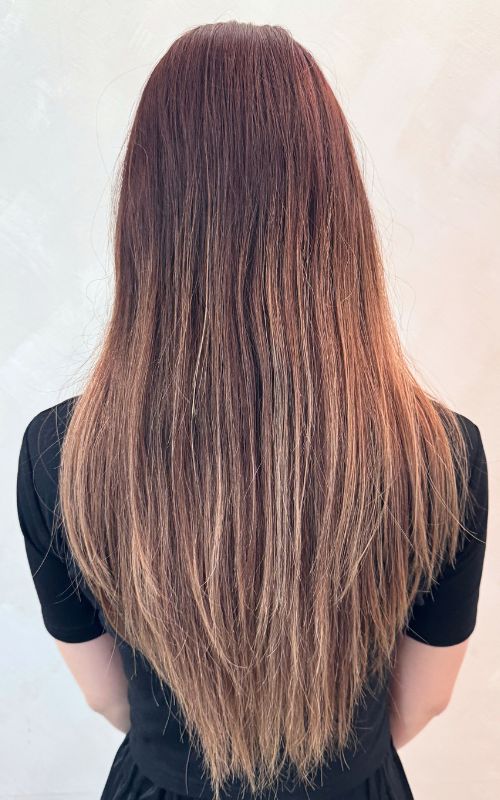
BEFORE
Preparing Your Hair for the Best Results

Before starting the coloring process, our stylist begins by assessing your hair to determine the best approach.

This includes checking your hair’s condition, texture, and the current color, so we can select the perfect dye and treatment tailored to your needs.

We ensure that your hair is clean and ready for the dyeing process, setting the foundation for flawless, vibrant results.
Ammonia Free  Hair Dye
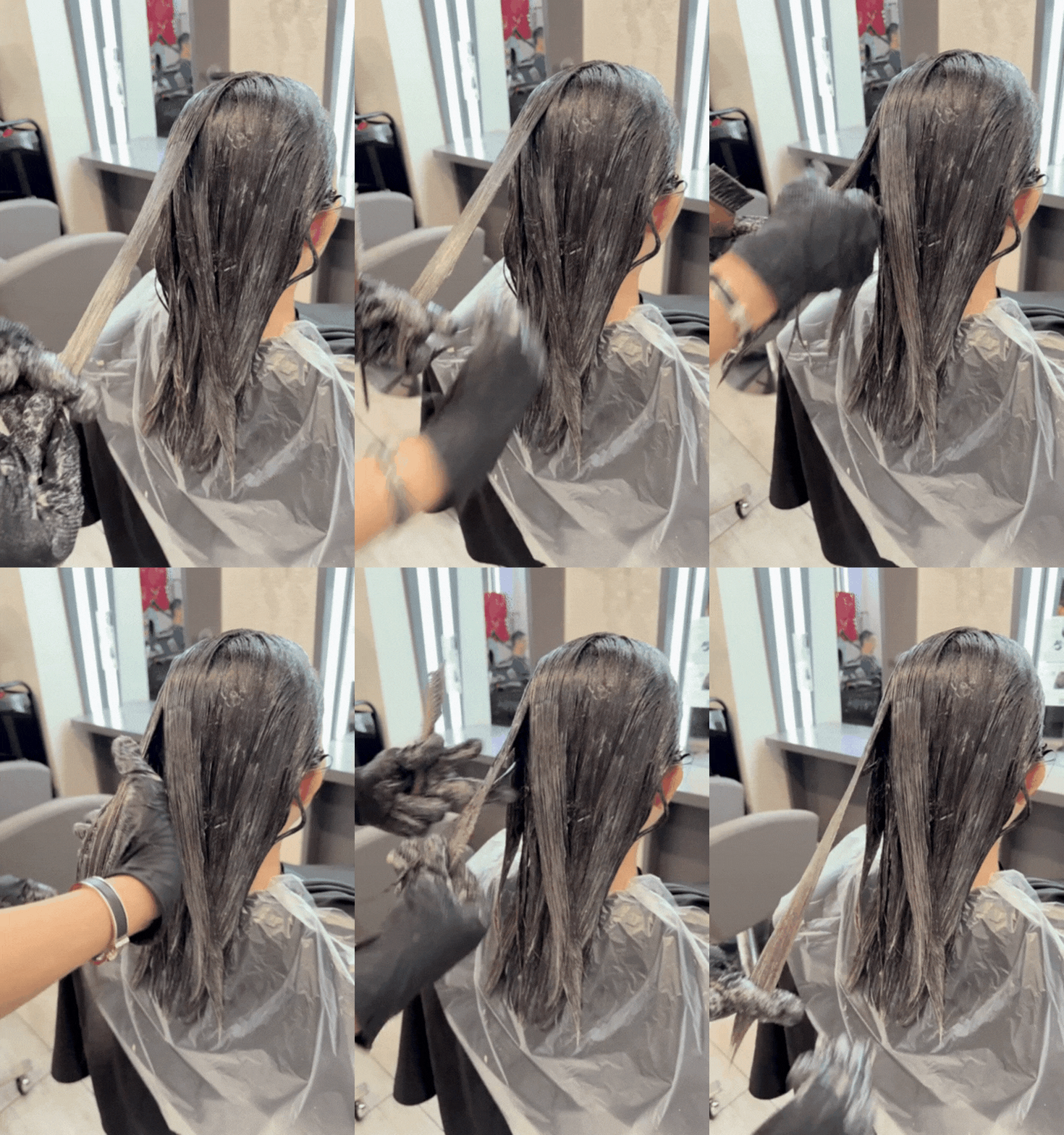
DURING
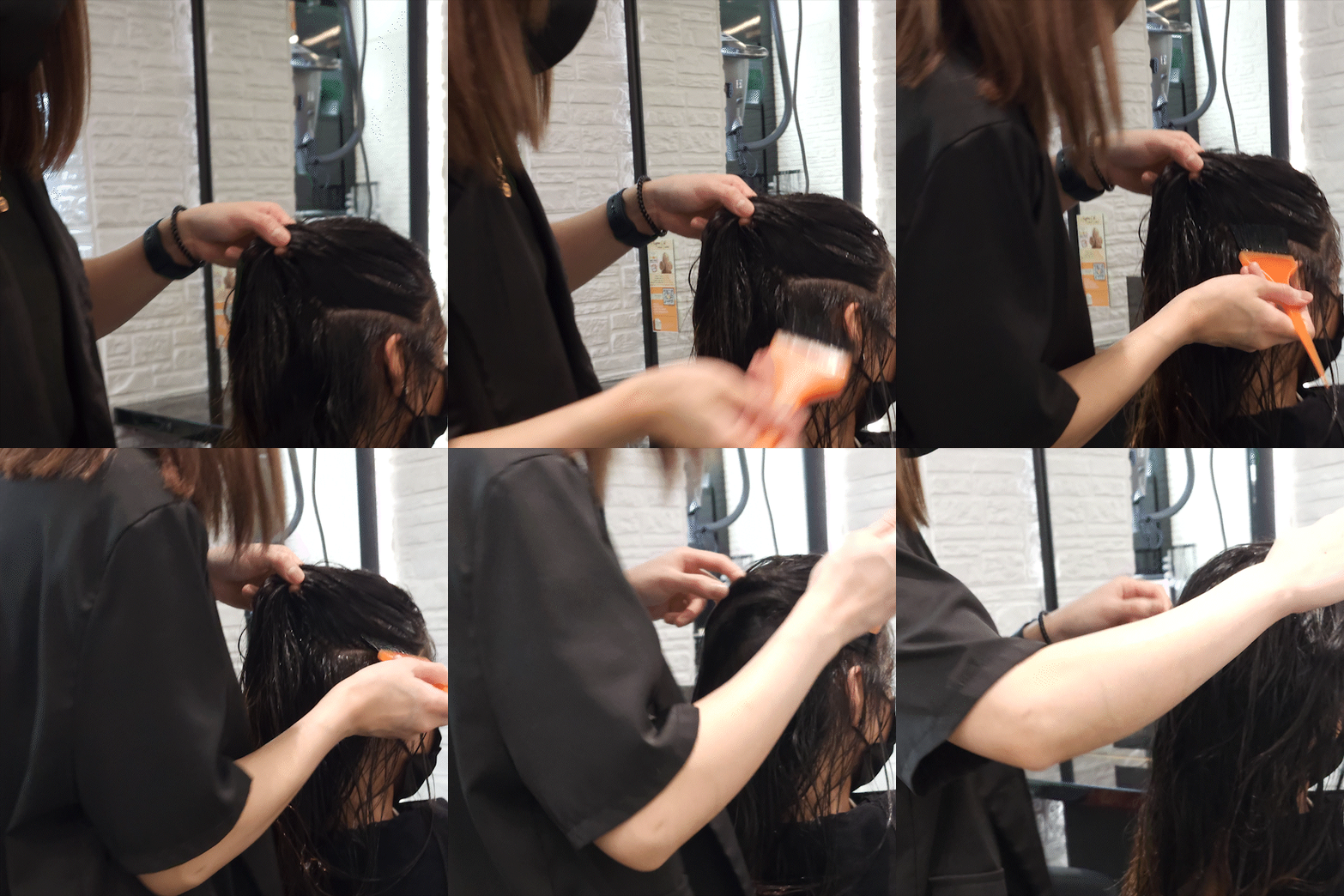
Applying Scalp Protector and Color Treatment (Non-ammonia)

To protect your scalp and enhance the coloring process, we apply a pre-chemical protection (add-on option). This product creates an invisible barrier on the skin’s surface, preventing irritation and discomfort from the chemicals in the dye.

Next, we use a color treatment to correct any unwanted tones or uneven color, ensuring that your hair achieves a more even, vibrant shade. This careful preparation ensures the best possible outcome and protects your hair’s health throughout the coloring process.
Ammonia Free NaturVital Hair Dye
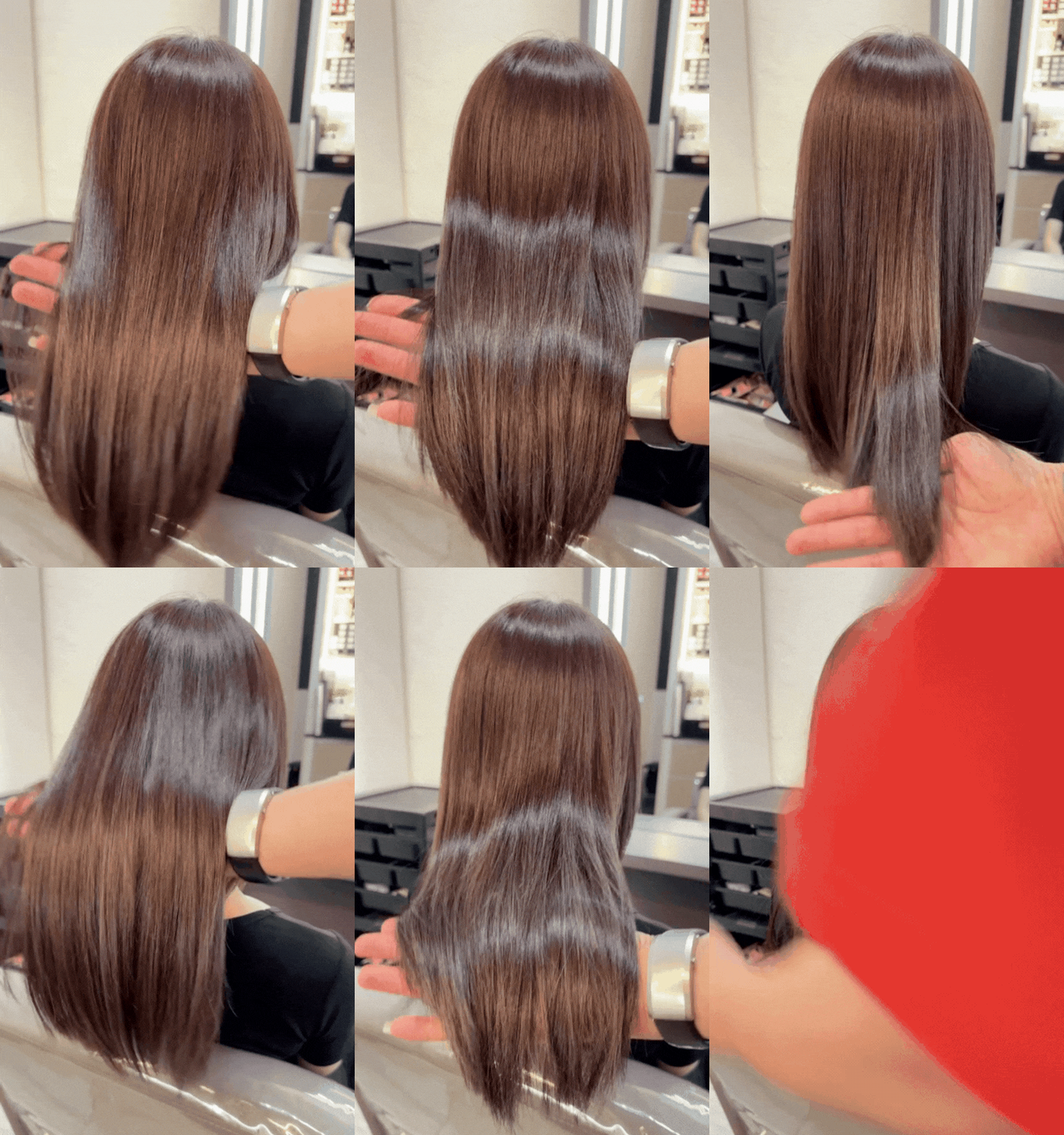
RESULT
Beautifully Blended Colors with a Healthy Glow

After the dye has been applied, we ensure a flawless blending of colors to create a natural, seamless look.

The result is a vibrant, multi-dimensional shade that enhances your hair's texture and shine.

With proper care and expert application, your hair will have a healthy, glowing finish; radiant with rich, even color that looks and feels nourished and beautiful. You’ll leave our salon with a refreshed, confident new look.

Book An Appointment

Whether you choose ammonia-based or ammonia-free hair dye, it’s important to understand how each works and how it will affect your hair.

If you’re unsure about which option is best for you, a consultation with a professional stylist can help ensure you get the results you’re looking for, without compromising the health of your hair. Why not leave the hard work to the experts and enjoy a stress-free, gorgeous transformation at our salon? We’re here to help you shine!

Aftercare Tips for Color-Treated Hair

Regardless of the dye you choose, proper aftercare is essential for maintaining your color and ensuring the health of your hair. To keep your new shade looking fresh and vibrant:

Use Color-Safe Shampoos and Conditioners: These products help extend the life of your color by protecting it from fading.

Regular Conditioning: Moisturizing treatments keep your hair nourished and prevent dryness or damage from the coloring process.

Avoid Excessive Heat Styling: Too much heat can cause color to fade faster, so try to minimize the use of hot tools.

Scalp Therapy: The Ultimate 9-Step Detoxifying Herb Infusion Scalp Treatment

Scalp Therapy - Detoxifying Herb Infusion

A healthy scalp is the foundation for luscious, vibrant hair. Detoxifying your scalp with herbal treatments can clear buildup, boost circulation, and restore your hair’s natural shine. Here’s a comprehensive guide to the Detoxifying Herb Infusion Scalp Therapy process that uses natural ingredients and advanced techniques to deeply cleanse, hydrate, and rejuvenate your scalp for optimal hair health.

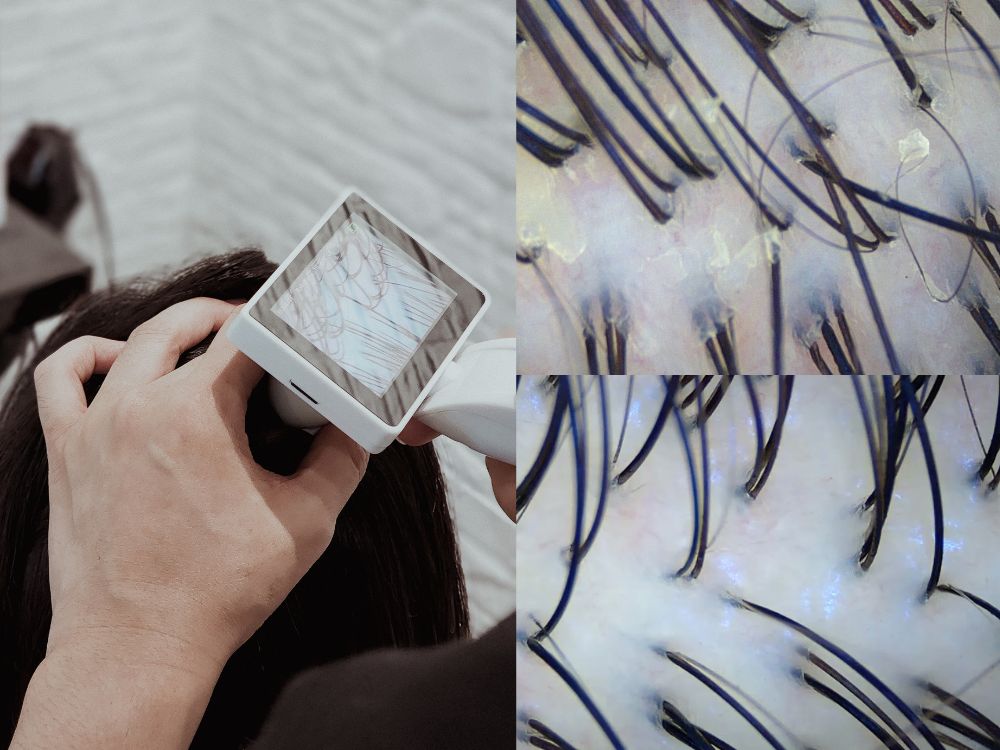
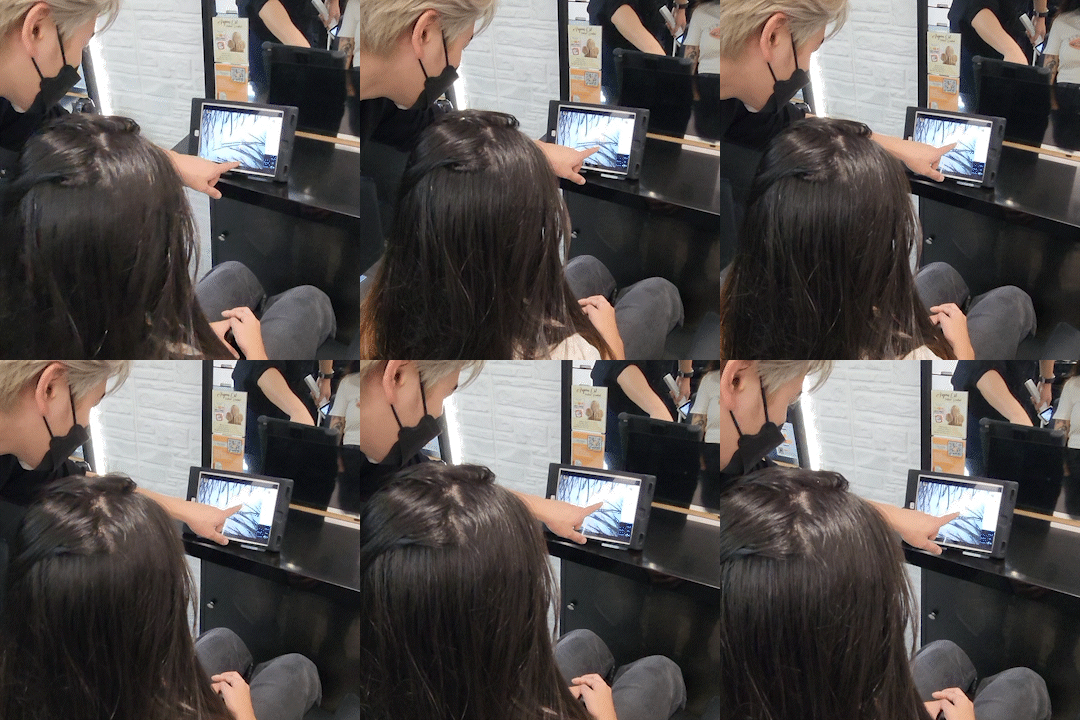
Scalp Therapy Scalp Analysis

Step 1: Scalp Analysis

Understand Your Scalp Condition

Before beginning any treatment, it’s crucial to assess your scalp’s unique needs. Whether you have an oily, dry, flaky, or sensitive scalp, our expert will help identify the underlying issues and ensure the right treatments are applied. This targeted approach in scalp therapy helps to achieve the best results without causing any damage.

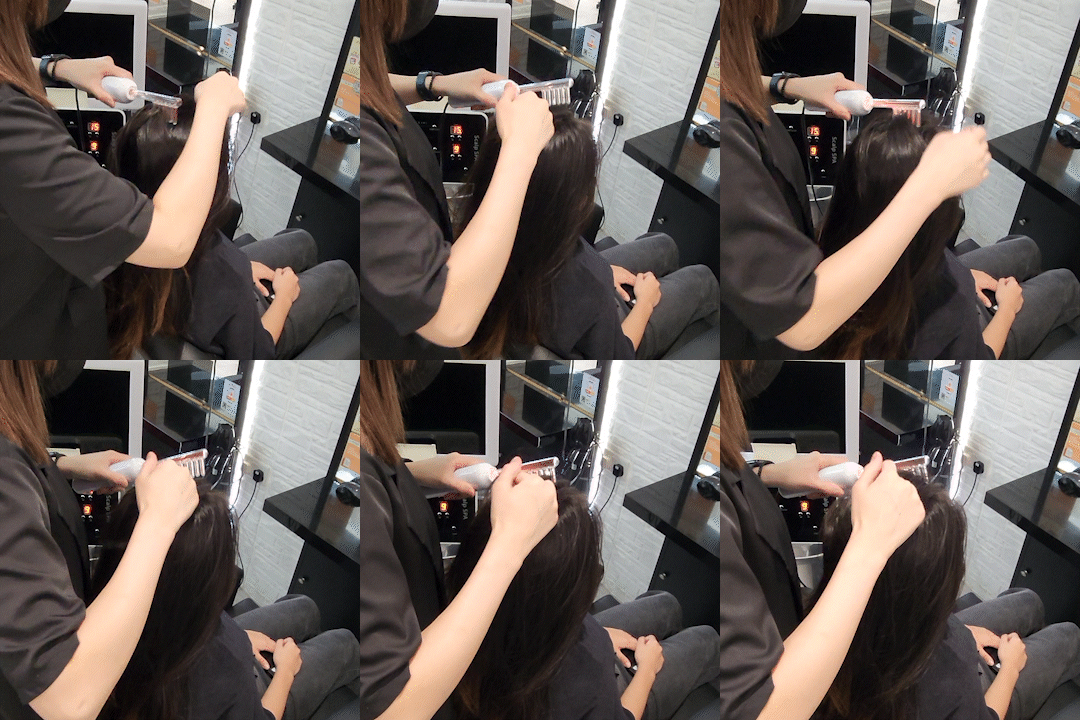
Scalp Therapy High Frequency Treatment

Step 2: High Frequency Treatment

Stimulate Scalp Health

A glass electrode wand emitting mild electrical currents is used to generate oxygen molecules and gently heat the scalp. This process stimulates collagen and elastin production, boosting circulation and encouraging cell renewal. The oxygen molecules work to eliminate acne-causing bacteria and toxins, making this step essential for a cleaner, healthier scalp environment. High-frequency scalp therapy is an important technique in scalp care that improves overall scalp health and hair growth.

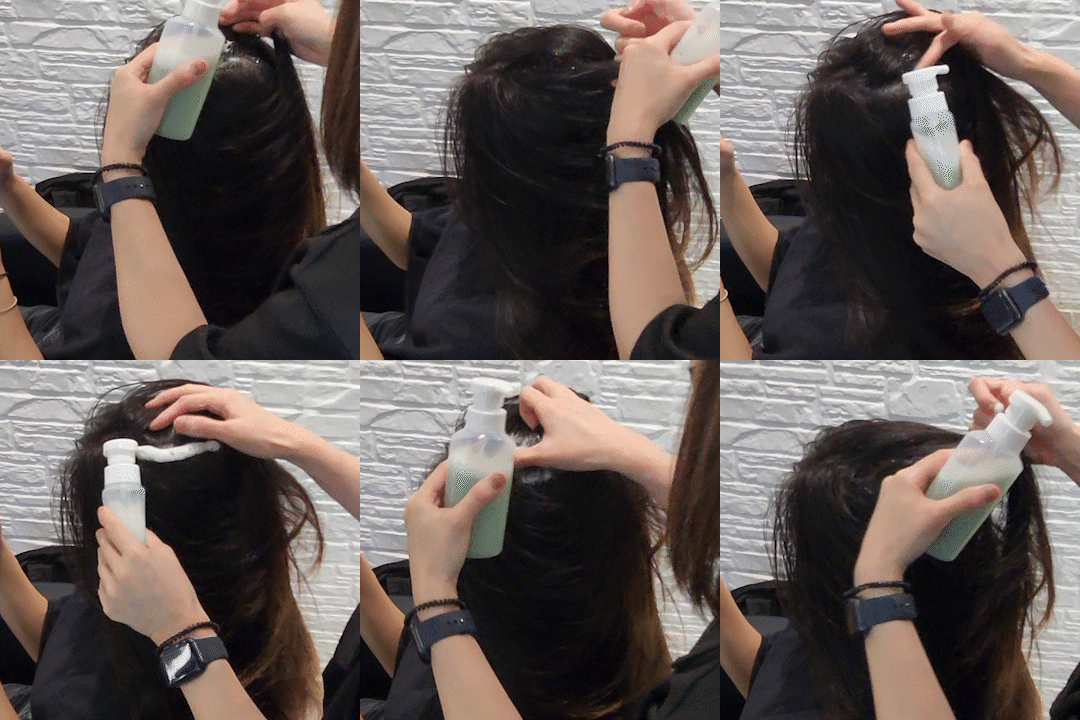
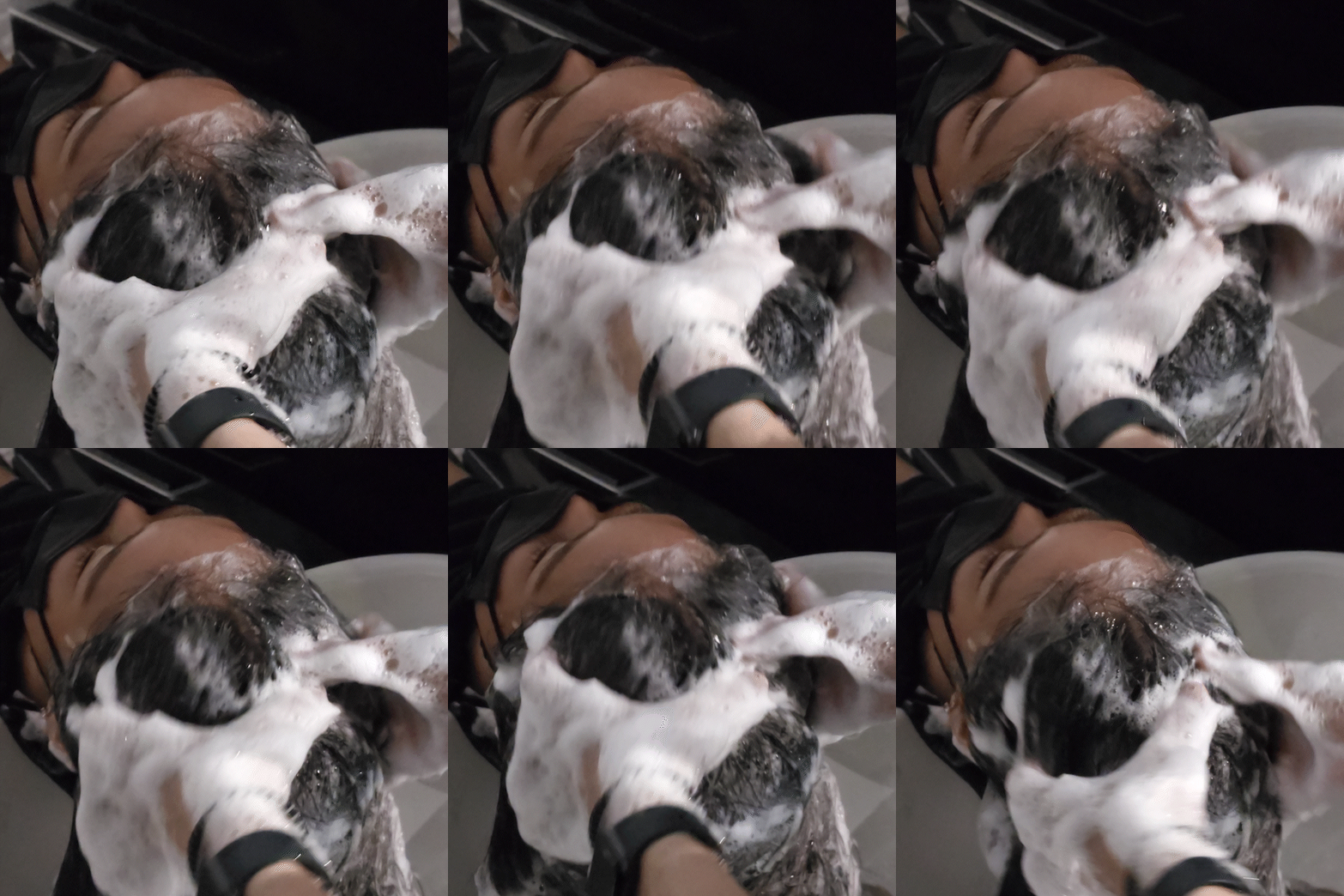
Scalp Therapy Bubble Cleansing

Step 3: Bubble Cleansing

Deeply Cleanse Without Stripping Moisture

Using a specially formulated infusion of tea tree oil, soybean seed extract, avocado oil, and eucalyptus, this step deeply cleanses the scalp without disrupting the natural moisture balance of your hair. Tea tree oil has antifungal and antibacterial properties, while avocado oil nourishes the scalp with essential fatty acids. The bubble cleansing process gently removes impurities, leaving your scalp feeling fresh and revitalized. This is an essential part of a thorough scalp therapy treatment to detoxify and balance the scalp.

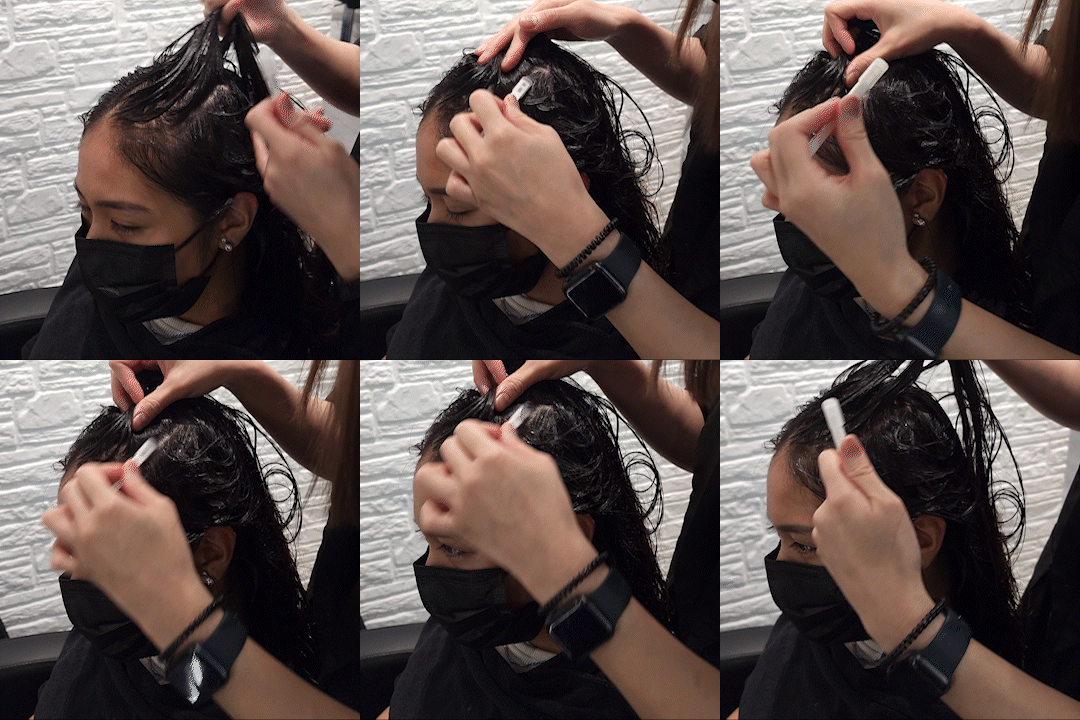
Scalp Therapy Exfoliation

Step 4: Exfoliation

Target Scalp Build-Up

Depending on your scalp condition, exfoliation may be necessary to remove dead skin cells, excess oil, or product buildup. This step promotes healthy skin renewal, encourages better absorption of subsequent treatments, and helps to prevent clogged hair follicles that can lead to hair thinning or scalp irritation. Exfoliation is a vital step in any scalp therapy to ensure the scalp remains clear of buildup.

Scalp Therapy Massage

Step 5: Massage

Boost Circulation and Enhance Absorption

A soothing scalp massage is performed to help distribute the products deeply into the skin and hair follicles. The massaging technique not only enhances product absorption but also improves blood flow to the scalp. This results in better nutrient delivery to the hair follicles, which can stimulate growth and promote a healthier scalp. Regular scalp therapy massages improve circulation, reduce stress, and boost overall scalp health.

Scalp Therapy Wash Rinse

Step 6: Wash & Rinse

Remove Impurities and Refresh the Scalp

After applying the products, a gentle wash will remove any remaining impurities and leave the scalp feeling clean and refreshed. The massage combined with a thorough rinse ensures all treatment residues are removed, preparing your scalp for the next step. This washing process is an integral part of the scalp therapy regimen to maintain cleanliness and balance.

Scalp Therapy Customised Treatment

Step 7: Apply Customised Treatment Mask

Tailor to Scalp Needs

Depending on your specific scalp condition (e.g., oily, dry, or sensitive), a customized treatment mask is applied to address your concerns. These treatments are infused with plant-based oils, herbs, and vitamins, designed to nourish and rejuvenate the scalp and hair. Whether it’s hydrating or balancing, this step ensures that your scalp receives the exact care it requires. Customizing your scalp therapy helps target specific issues such as dryness, excess oil, or dandruff.

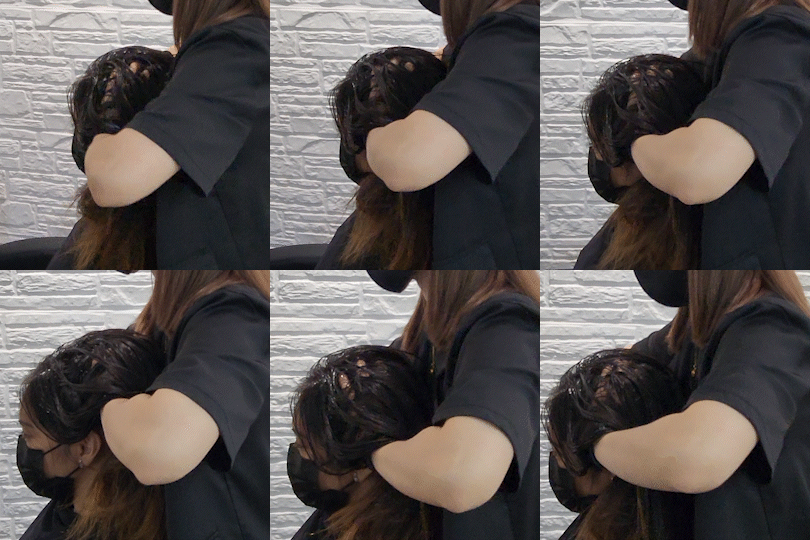
Scalp Therapy Head & Neck Massage

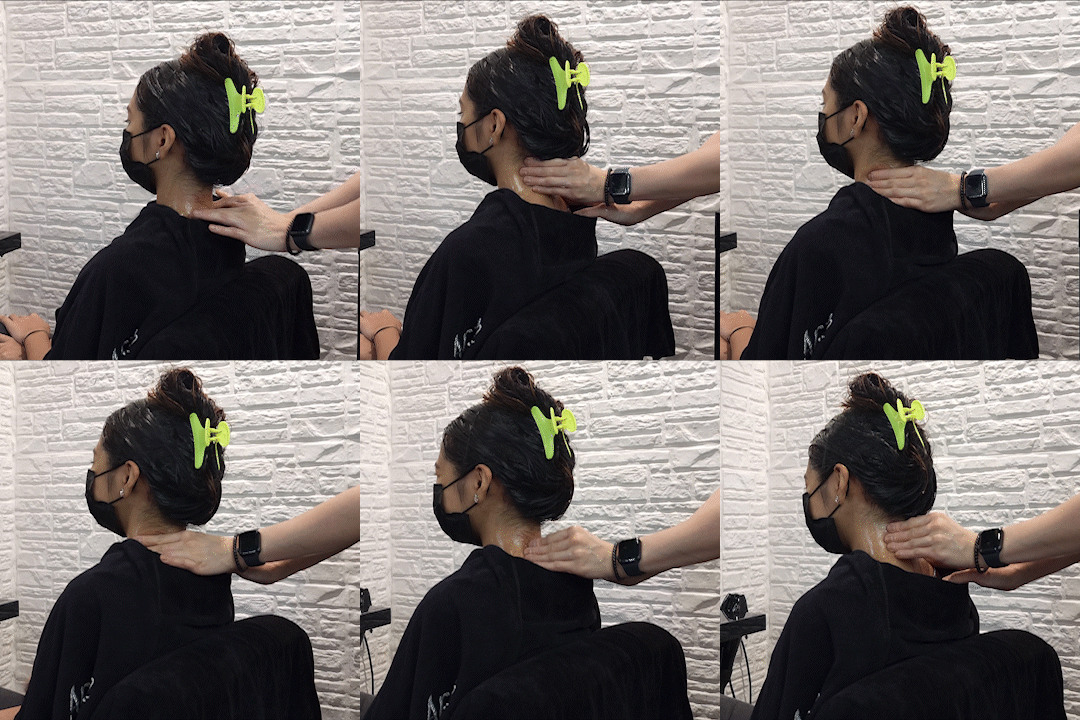
Step 8: Head & Neck Massage

Relieve Tension and Boost Circulation

A relaxing head and neck massage follows, targeting key pressure points to alleviate tension and stress. This not only enhances circulation to the scalp but also improves overall relaxation and well-being. Increased blood flow promotes healthier hair follicles and a calmer, balanced mind. The head and neck massage is a key element in scalp therapy, helping to boost relaxation and support healthy scalp circulation.

Scalp Therapy Steaming

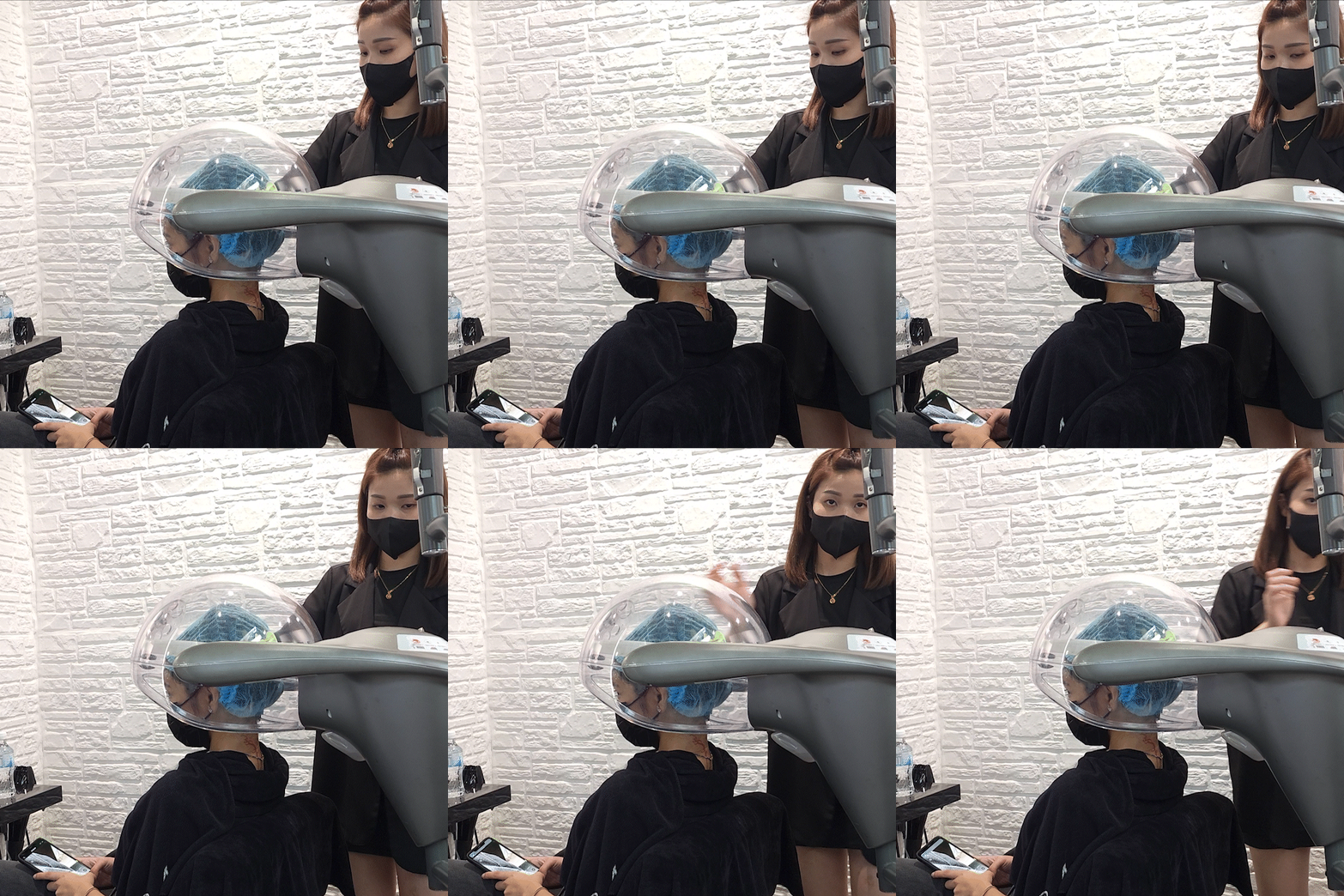
Step 9: Steaming

Maximize Treatment Absorption

Steaming uses moist heat to open the pores on scalp, allowing the active ingredients in the treatment mask to penetrate deeply into the hair fibers. Unlike dry heat, which can lift the cuticle without allowing proper penetration, steam works gently to soften the scalp and hair cuticles, making them more receptive to treatments. This process maximizes hydration, nourishment, and moisture retention. Steaming is one of the most effective scalp therapy methods to ensure the best absorption of active ingredients, improving both scalp health and hair quality.

As a result...

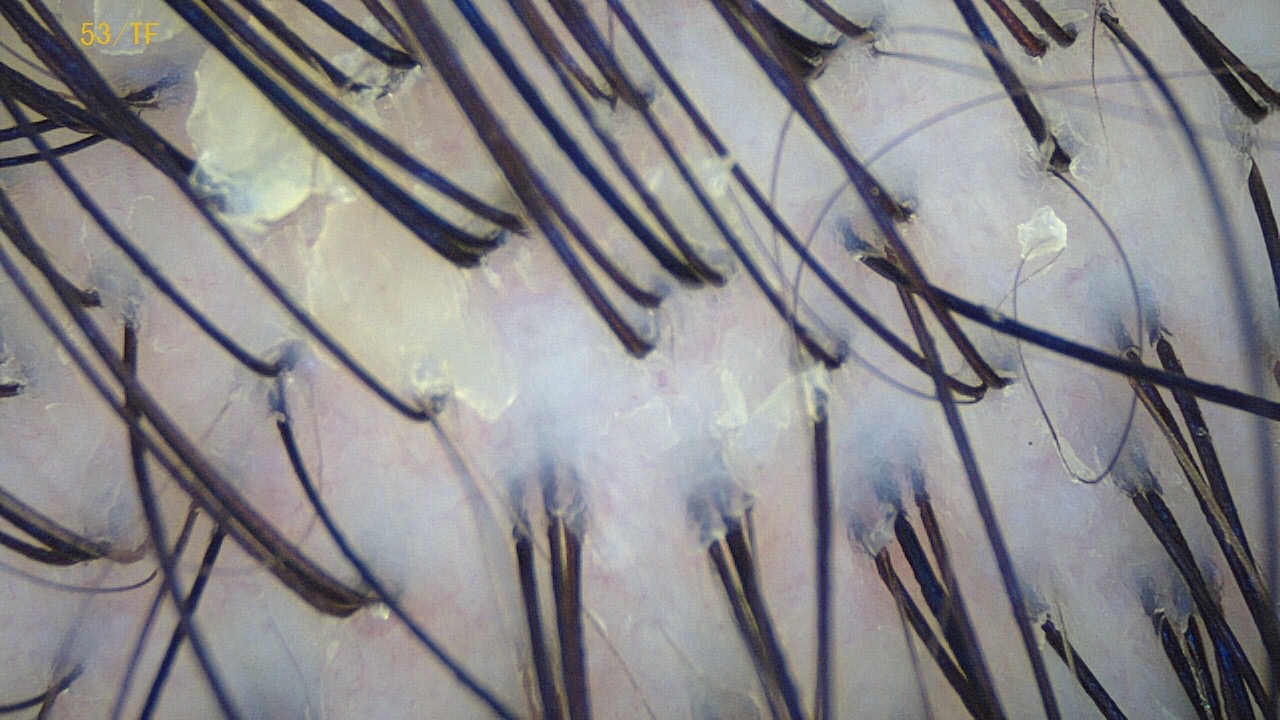
Scalp Treatment Before
Before Scalp Therapy Treatment
Build-up of dead skin cells, oil, and toxins that can lead to clogged hair follicles, irritation, or hair loss.
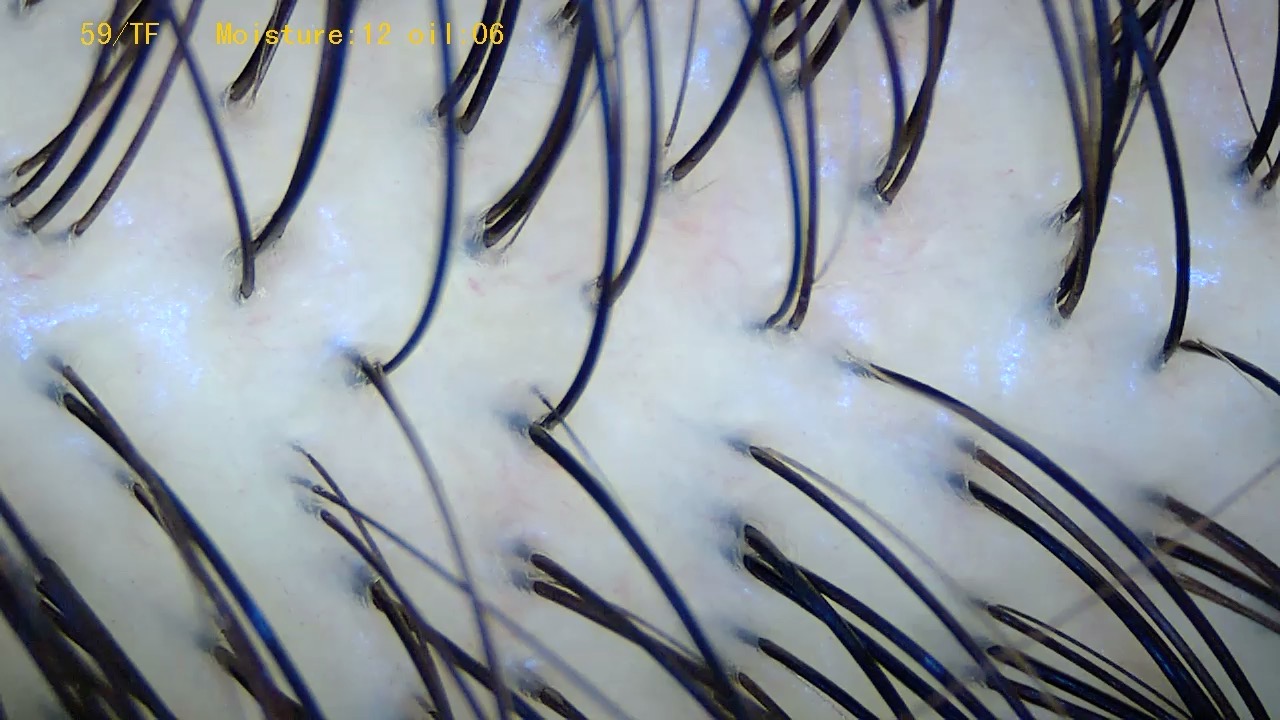
Scalp Treatment After
After Scalp Therapy Treatment
A refreshed, clean scalp with improved circulation, reduced buildup, and enhanced hair growth potential.

The Detoxifying Herb Infusion Scalp Therapy offers a comprehensive, natural approach to restoring your scalp’s health. With the power of herbal extracts, high-frequency stimulation, and targeted scalp care techniques, this treatment addresses a variety of scalp conditions to promote hair growth and overall scalp well-being. Rejuvenate your scalp, restore balance, and enjoy healthier, shinier hair with this effective 9-step scalp therapy.

Aftercare Tips: Maintaining a Healthy Scalp Post-Therapy

To extend the benefits of your Detoxifying Herb Infusion Scalp Therapy, incorporating a thoughtful aftercare routine with targeted products can help maintain a healthy scalp and promote vibrant hair. Here are some recommendations:

1. Regular Scalp Exfoliation

Gently exfoliating your scalp once a week can help remove dead skin cells and product buildup, promoting a healthier environment for hair growth. This process can also enhance the effectiveness of other hair care products by improving their absorption.

2. Scalp Massage

Do a simple DIY scalp massage to help boost blood flow to your hair follicles, which can support healthy hair growth and help you relax. You can follow this link for easy step-by-step instructions.

3. Cleanse with the Right Shampoo

Maintaining a healthy scalp is essential for vibrant, healthy hair. Incorporating shampoos infused with plant-derived ingredients can significantly enhance scalp health. These shampoos provide gentle cleansing while delivering essential nutrients, promoting overall hair vitality.

For Normal to Dry Scalp:

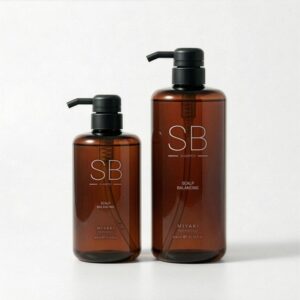
Miyaki Scalp Balancing Shampoo (SB) balances the scalp's environment to prevent dryness and frizz, making it suitable for normal or dry scalps experiencing hair loss.

For Oily Scalp:

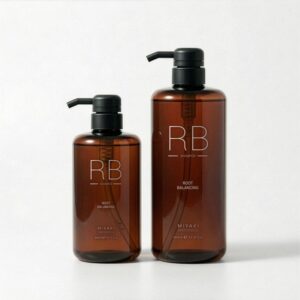
Miyaki Root Balancing Shampoo (RB) helps regulate excess oil production, adding volume for a fuller appearance. This shampoo is ideal for oily scalps dealing with hair loss.

For Dry or Damaged Hair:

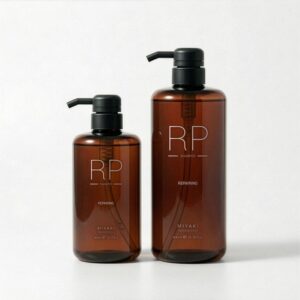
Miyaki Repairing Shampoo (RP) provides deep hydration and nourishment from roots to tips, repairing dry and damaged hair.

4. Application of Scalp Treatments

To further nourish and strengthen your hair, consider incorporating specialized scalp treatments:

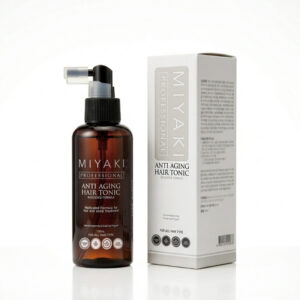
Miyaki Anti-Aging Hair Tonic:
Formulated with botanical extracts rich in minerals and nutrients, this tonic strengthens hair follicles and promotes hair growth, addressing hair loss and thinning.

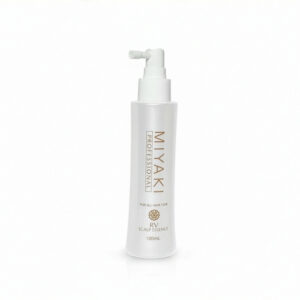
Miyaki RV Scalp Essence:
This essence revitalizes the scalp, ensuring it remains nourished and balanced, which is essential for sustaining the benefits of your detoxifying therapy.

By integrating these practices and products into your aftercare routine, you can effectively maintain a healthy scalp and promote vibrant hair, extending the benefits of your detoxifying therapy.

Book An Appointment

Ready to give your scalp the nurturing environment it deserves?

Book an appointment today and let our expert guide you through a customized Detoxifying Herb Infusion Scalp Therapy. Rejuvenate your scalp, restore balance, and enjoy healthier, shinier hair with our tailored treatments. Your hair’s healthiest future starts here!

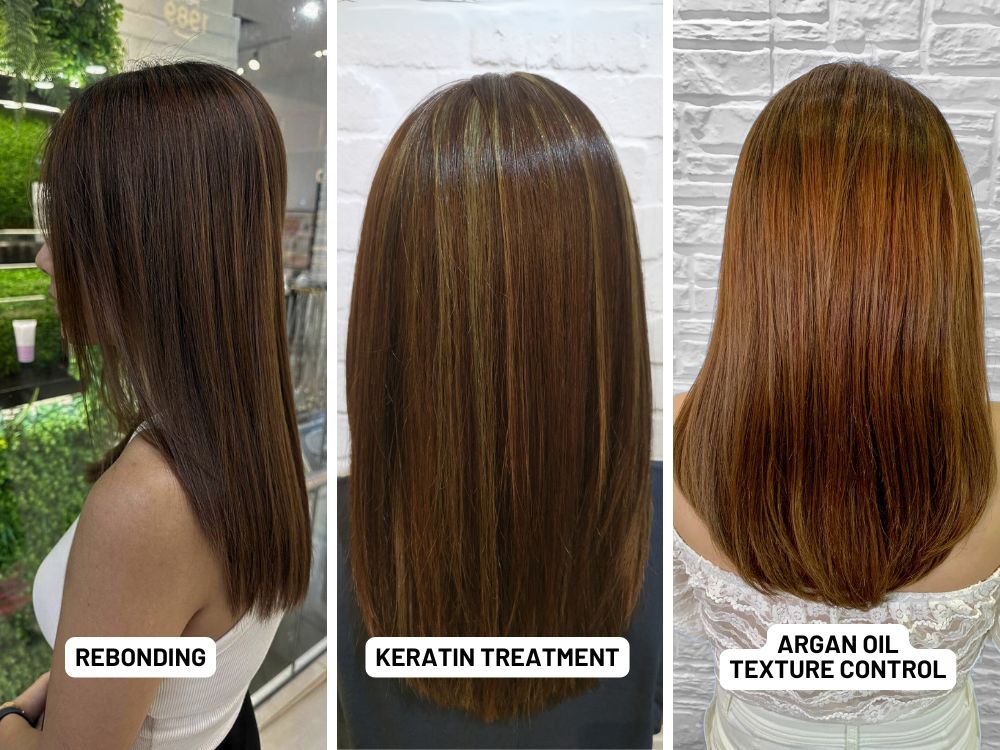
Transform Frizzy Hair with 3 Different Methods: Rebonding, Keratin Treatment, and Argan Oil Texture Control for Smooth, Manageable Results

3 Methods to Tame Frizzy Hair Cover
Dealing with dry, frizzy hair can be incredibly frustrating, especially when you feel like you’ve tried every drugstore product and DIY home remedy without success. If nothing’s worked for you, it might be time to visit a salon and let a professional give your hair the care it needs.

At De Arte Hair Studio, we offer a range of methods to control texture and tame frizzy hair, including Rebonding, Keratin Treatment, and Argan Oil Texture Control. Each method is tailored to different hair types and conditions, helping you achieve the smooth, frizz-free look you desire. Let’s explore each option so you can find the best fit for your hair.

3 Methods to Tame Frizzy Hair

1. Rebonding: For Smooth, Straight Hair

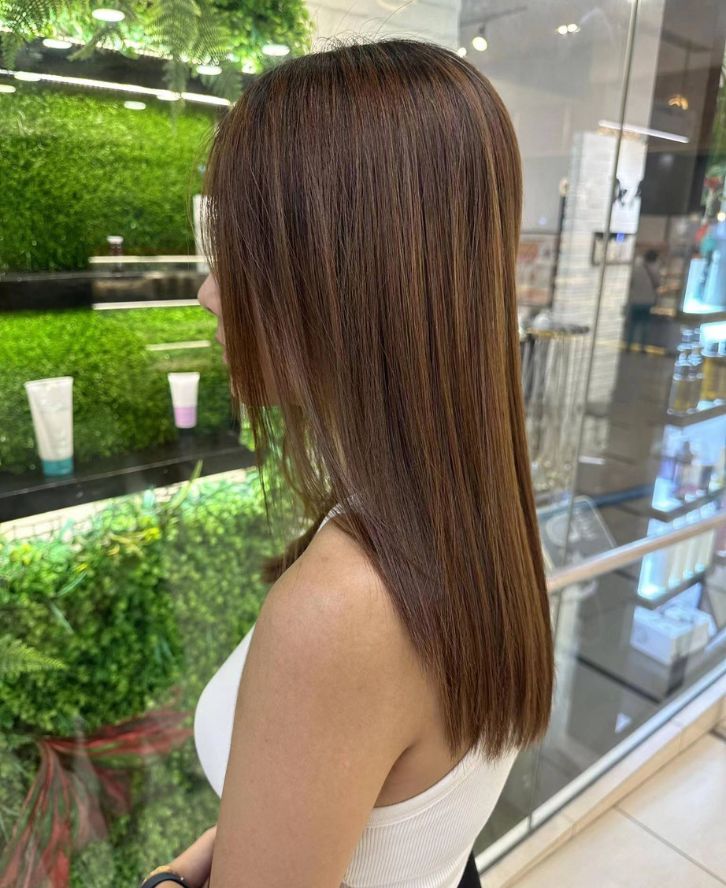
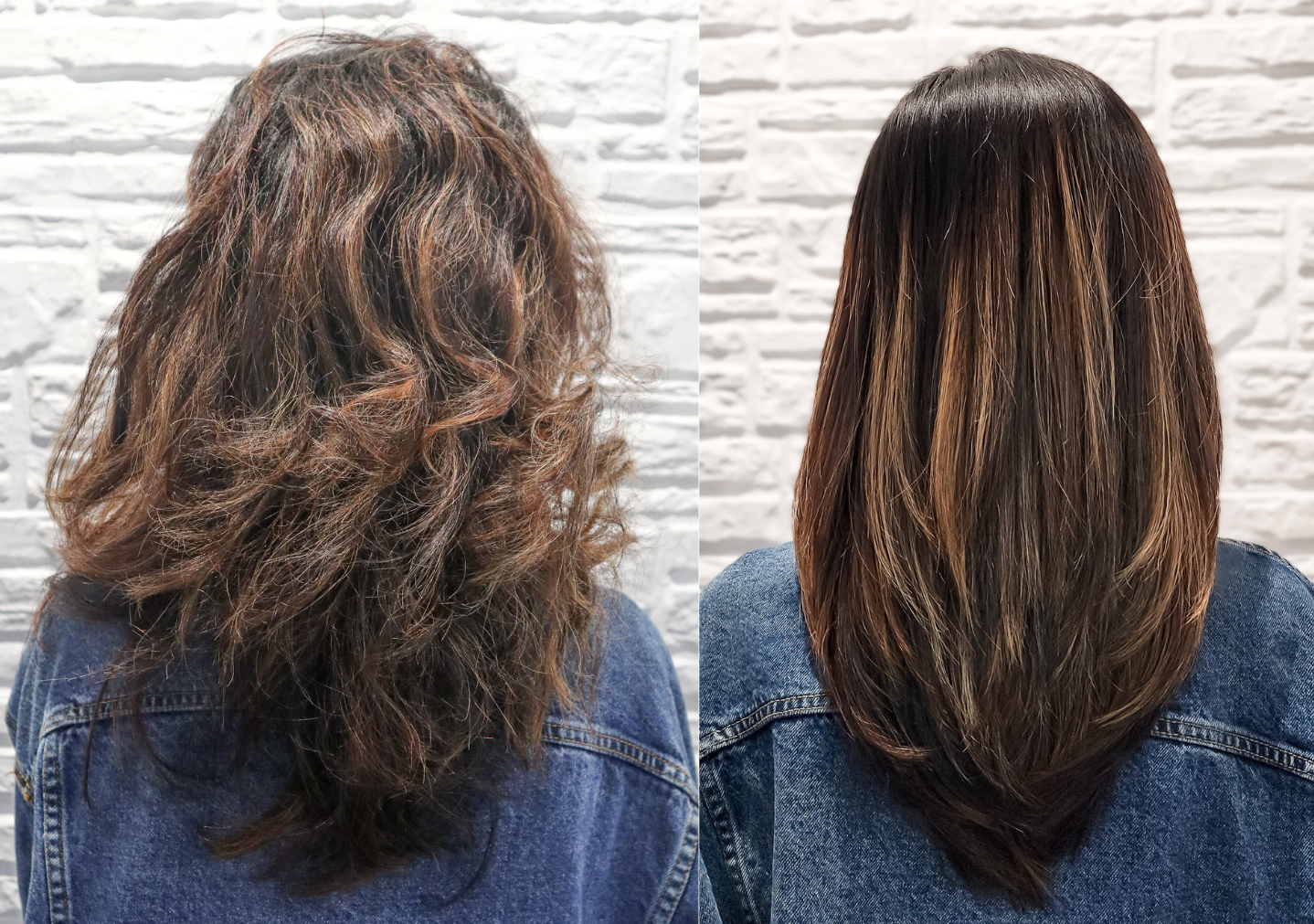
Rebonding is a popular treatment for taming curly, coarse, or frizzy hair. It’s a chemical process that breaks down and reconfigures the natural bonds in your hair to create a smoother, straighter texture. Rebonding is ideal for thick, voluminous, or curly hair that’s difficult to manage.

How it Works:
The natural bonds in your hair are broken down, and then new bonds are created to give you sleek, straight hair. You can choose between:
  • Soft Rebonding: A gentler method that leaves some volume for a more natural look.
  • Straight Rebonding: Provides a sleek, pin-straight finish.
Rebonding

Understanding the Pros and Cons of Hair Rebonding

Pros:

  • Long-lasting results (up to 6 months)
  • Leaves hair sleek and straight
  • Makes hair shine (up to 25%)

Cons:

  • Frequent rebonding can lead to brittleness and breakage.
  • Requires regular maintenance (every 3-6 months) as new growth will return to its natural texture.
  • Not suitable for colored, bleached, or previously chemically treated hair.
  • Chemicals used in the process can irritate the scalp, causing blisters or itchiness.
  • You must wait 3 days before washing or styling your hair.

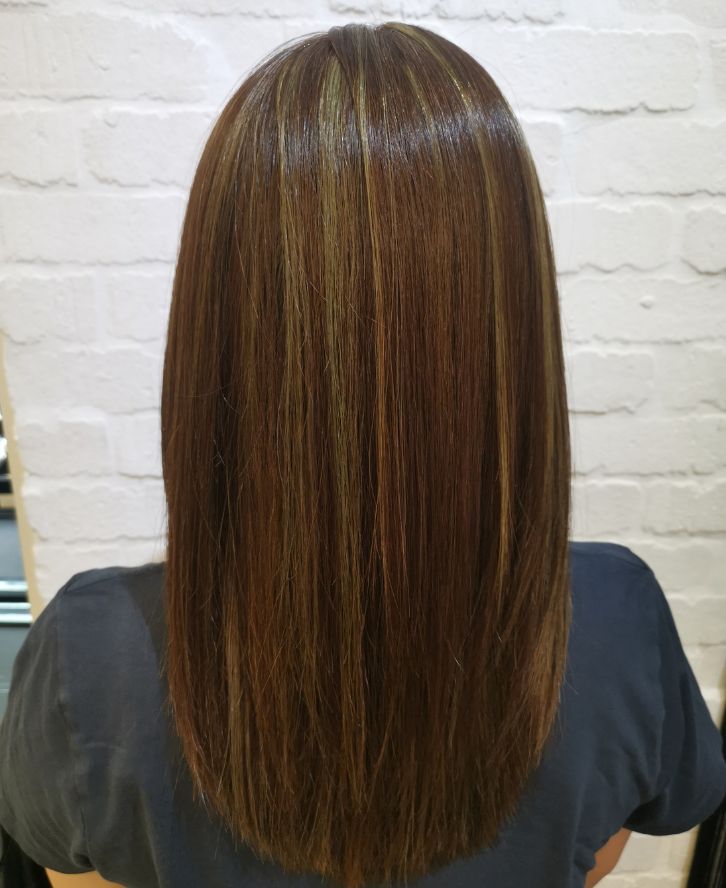
2. Keratin Treatment: For Smooth, Healthy Hair

Keratin is a protein naturally found in your hair, skin, and nails that helps keep hair strong and smooth. However, things like heat styling, chemicals, and environmental damage can break down the keratin in your hair, making it dry and brittle. A keratin treatment restores the lost keratin, boosting shine, smoothness, and frizz control, while also making hair more resilient and easier to style.  

How it Works:
Keratin treatments are designed to tame frizzy hair by replenishing the natural keratin in the hair, which helps smooth the hair cuticle, making it appear shinier and less prone to frizz. While they don’t permanently straighten the hair like chemical relaxers, they temporarily smooth and control the hair’s texture, leaving it more manageable and frizz-free. Many keratin treatments contain formaldehyde ingredients, which help lock the keratin in place and enhance the smoothing effect.
Keratin Treatment

Understanding the Pros and Cons of Keratin Treatment

Pros:

  • Suitable for natural, colored, bleached, or chemically treated hair.
  • Achieves a natural, straight look, with results up to 50%.
  • Increases hair shine by 30-50%.
  • Reduces blow-dry time by 40-60%.
  • Makes hair healthier, stronger, and easier to manage.


Cons:

  • Results last for 2-3 months, so you’ll need to schedule regular touch-ups.
  • You must wait 2 days before washing or tying up your hair.
  • Like rebonding, keratin treatments contain chemicals that may irritate your scalp.

3. Argan Oil Texture Control: A Natural, Chemical-Free Option

If you’re looking for a more natural solution to frizzy hair, argan oil texture control is an excellent alternative. Argan oil is rich in essential fatty acids, such as oleic acid and linoleic acid, along with vitamin E, which help to moisturize, protect, and repair damaged hair. These fatty acids have been proven to lubricate the hair shaft, making it softer and more manageable. Argan oil also improves scalp health, prevents styling and coloring damage, helps with hair loss, and adds protection against sun damage.

How it Works:
Argan oil treatment revitalizes your frizzy hair by nourishing the scalp and regenerating hair follicles. Unlike rebonding and keratin treatments, it doesn’t straighten your hair but enhances its natural texture, leaving it shiny, soft, and frizz-free. While the treatment involves blow-drying and ironing, it is 100% free from harsh chemicals, making it a safer, more natural option compared to other method.
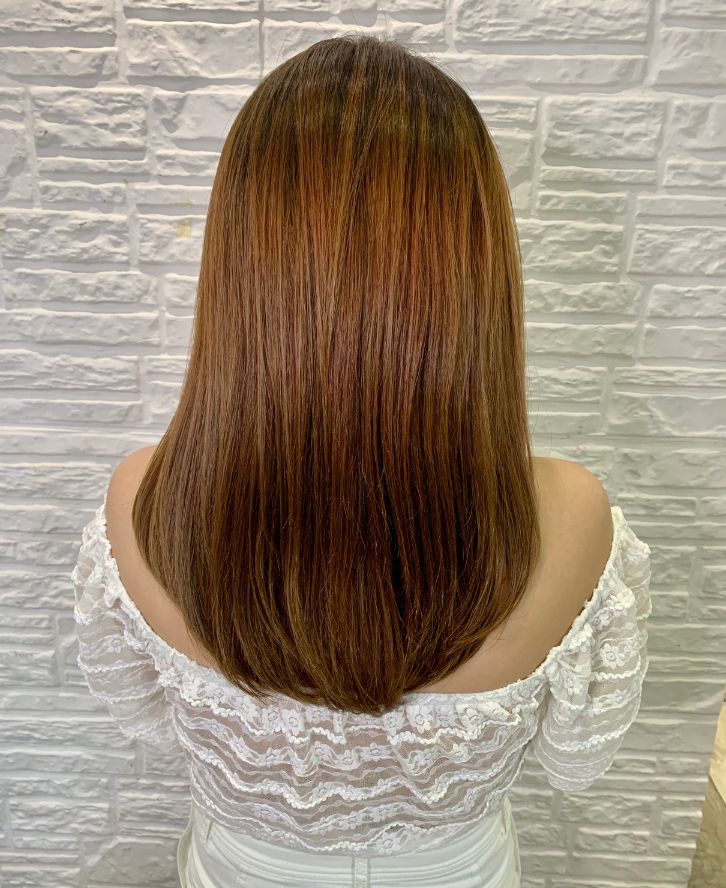
Argan Oil Texture Control Treatment

Understanding the Pros and Cons of Argan Oil Texture Control

Pros:

  • Gives your hair a natural, silky-soft look, while enhancing its smoothness and shine.
  • Free from harsh chemicals like formaldehyde, making it a safe treatment for pregnant and breastfeeding mothers who want to tame frizzy hair naturally.
  • Increases hair shine by 50% or more
  • Results last for over six months
  • No waiting period after treatment; you can wash and style your hair immediately.

Cons:

  • Price: Argan oil is one of the rarest oils in the world, so the treatment can be more expensive than rebonding or keratin.

Key Considerations Before Choosing a Treatment

Selecting the right hair treatment for your frizzy hair is essential to achieve your desired look while maintaining the health of your hair. Here’s what to keep in mind:

  1. Hair Type and Condition
    • Evaluate the current state of your hair. For colored or chemically treated hair, some treatments may not be suitable.
    • For example, rebonding uses strong chemicals that can damage fragile or already processed hair.
  1. Desired Outcome
    • If you’re aiming for sleek, straight hair, rebonding delivers a dramatic transformation.
    • For a more natural finish, keratin or argan oil treatments are better options, as they enhance hair health and fizziness without losing the natural volume of your hair.
  1. Maintenance Requirements
    • Rebonding: Requires touch-ups every 3-6 months to maintain its effect.
    • Keratin treatments: Typically last 2-3 months.
    • Argan oil texture control: Can last up to 6 months or more with proper care.


Why These Factors Matter

Your hair’s condition, desired results, and the maintenance involved in each treatment are key to making the right decision. It’s equally important to understand how different treatments interact with your hair’s structure, shine, and appearance.

In the following sections, we’ll explore how these treatments affect your hair bonds, enhance shine, and impact appearance; giving you the insights you need to make an informed choice.

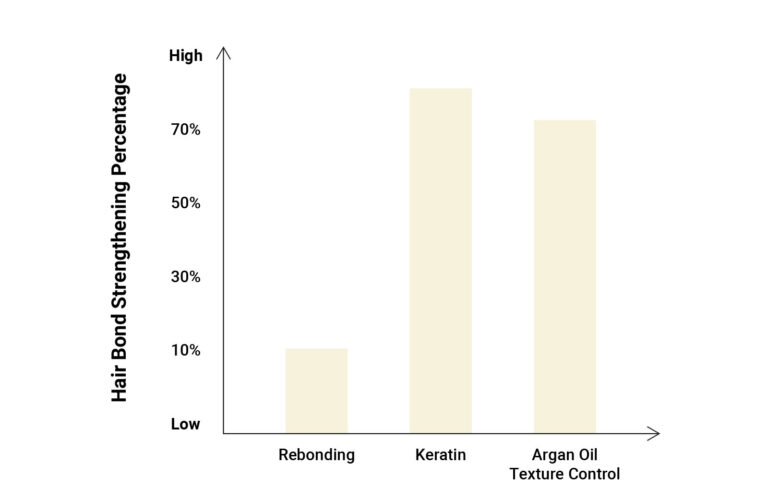
Effect of Treatment on Hair Bond Strengthening Percentage

Hair Bond Strengthening Chart

Rebonding: Rebonding uses chemicals to break down your hair’s natural bonds and reshape them, creating a smoother, straighter appearance. As such, it results in low bond strengthening. Over time, especially with repeated treatments, this process will weaken your hair and make it less resilient.
Keratin Treatment: Keratin helps strengthen porous frizzy hair by filling in gaps along the hair shaft and replenishing natural protein, resulting in smoother, more resilient hair.
Argan Oil Texture Control: Argan oil treatments use Anti-Break Bond Technology, which helps to retexture and strengthen frizzy or unruly hair. Argan oil penetrates deeply into the hair shaft, locking in moisture and improving overall hair health without damaging the natural structure.

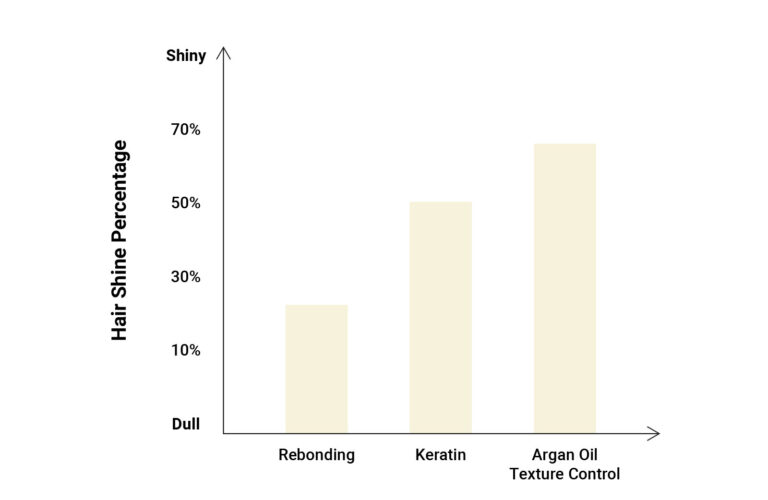
Improvement in Hair Shine After Treatment

Rebonding: Results in up to a 25% increase in hair shine for non-chemically treated hair.
Keratin Treatment: Improves shine by 30% to 50%, giving hair a smooth finish.
Argan Oil Texture Control: Boosts shine by more than 50%, with its nourishing properties enhancing the hair’s natural shine.

Why the difference in shine? The shine improvement varies due to the different methods of each treatment. Rebonding primarily alters the hair’s natural bond with chemicals, giving it a smoother appearance but with less nourishment. In contrast, keratin replenishes natural proteins, while argan oil, being rich in essential fatty acids and antioxidants, penetrates and hydrates the hair, resulting in a more natural, radiant shine.

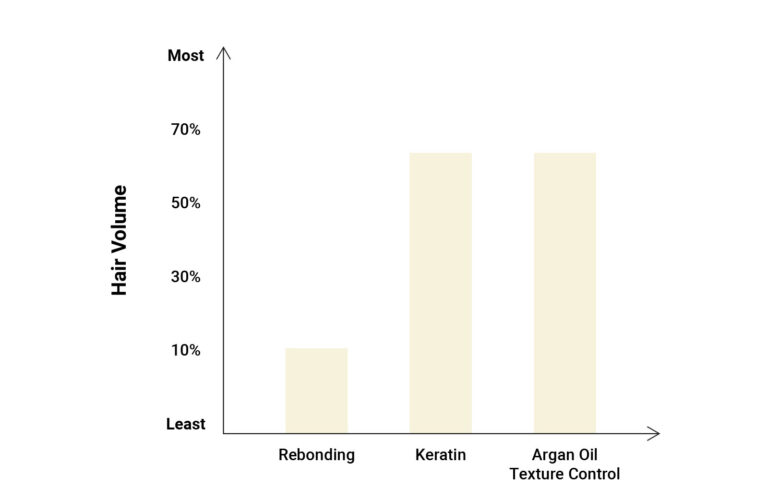
Hair Volume Retention by Treatment

Hair Volume Chart
Rebonding: Creates a very straight, sleek appearance; approximately 10% of the hair’s natural volume or texture remains.
Keratin Treatment & Argan Oil Texture Control: Provides a natural, frizz-free finish with more than 60% of the hair’s natural texture and volume retained, leaving hair smooth but not overly straight.

A quick comparison of three hair services for taming frizz

*What is Formaldehyde? Formaldehyde is a chemical with a strong, distinct smell that is commonly used in some hair straightening products. It works by altering the natural structure of your hair, making it smoother and straighter. While some people may be sensitive to it and experience irritation to the skin, eyes, or breathing, it’s generally safe for most people, especially when used in a well-ventilated area. Note: Traditional rebonding treatments do not contain formaldehyde, but many keratin-based treatments do. This is why keratin rebonding is often associated with formaldehyde. The chemical is used to help the treatment last longer and give smoother results.

**What does “Lasting Effect” mean in this context? In this case, lasting effect refers to how long the results of each treatment continue to impact the hair before maintenance or reapplication is required. For example:

Rebonding: The rebonded hair lasts up to 6 months, but a touch-up is needed every 3-6 months due to new hair growth. As your natural hair grows, it returns to its original state, causing unevenness.

Keratin treatment: Keratin lasts 2-3 months because it coats the hair, smoothing it temporarily. The effects fade as the treatment breaks down with washing and exposure over time.

Argan oil texture control: Argan oil can last up to 6 months and blends well with new hair growth. It keeps hair nourished and shiny, benefiting both treated and new hair.

No matter which option you choose, professional salon treatments can help you achieve the frizz-free, shiny hair you’ve been dreaming of. Visit De Arte Hair Studio to discuss your options and find the best solution for your hair.

Are you ready to achieve smooth, silky hair?

Argan Oil Texture Control: The Ultimate Solution for Frizz-Free, Silky Hair in Just 1 Treatment

Argan Oil Texture Control Feature Image 2

Say Goodbye to Frizz with Argan Oil

Are you tired of battling frizz and dullness every time you style your hair? Say goodbye to those frustrating hair days and hello to smooth, shiny, and healthy hair with our Argan Oil Texture Control Treatment. This 5-in-1 Anti-Frizz Treatment Solution isn’t just a quick fix; it’s a complete hair makeover! Experience softer, shinier, and stronger hair that lasts for up to 6 months; without relying on harsh chemicals that can damage your locks.

Whether you have curly, wavy, or straight hair, this treatment is your go-to solution for tackling frizz, adding shine, and improving the overall health of your hair. Discover the secret to smoother, healthier, and more manageable hair with just one treatment.

Key Benefits

  • 100% Formaldehyde-Free
  • 100% Ammonia-Free
  • 100% Cruelty-Free
  • No Harsh Chemicals – A healthy alternative to traditional anti-frizz treatments
  • Smooth, Silky Hair for Up to 6 Months
  • Prevents Split Ends for 90 Days
  • Reduces Frizz by Up to 95%
  • Increases Shine by Up to 60%
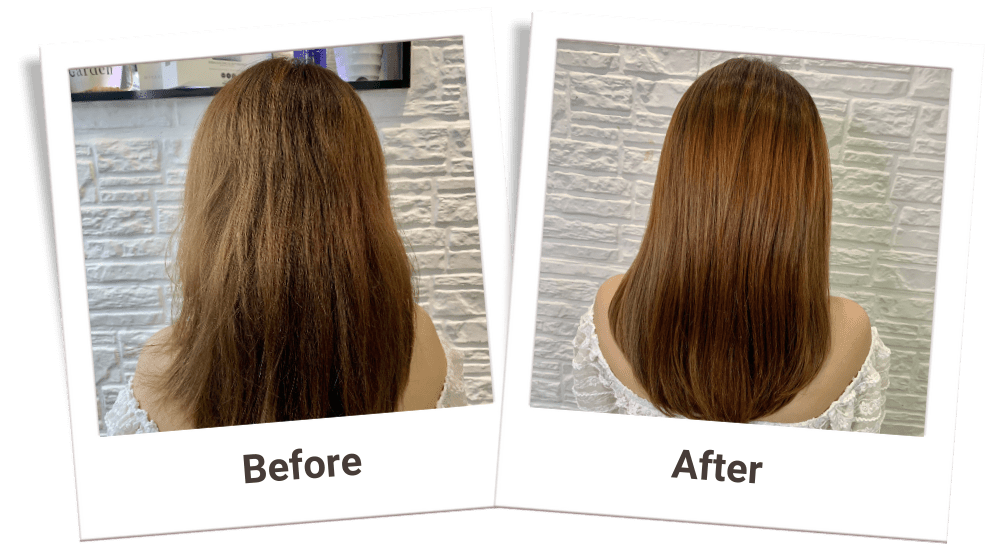
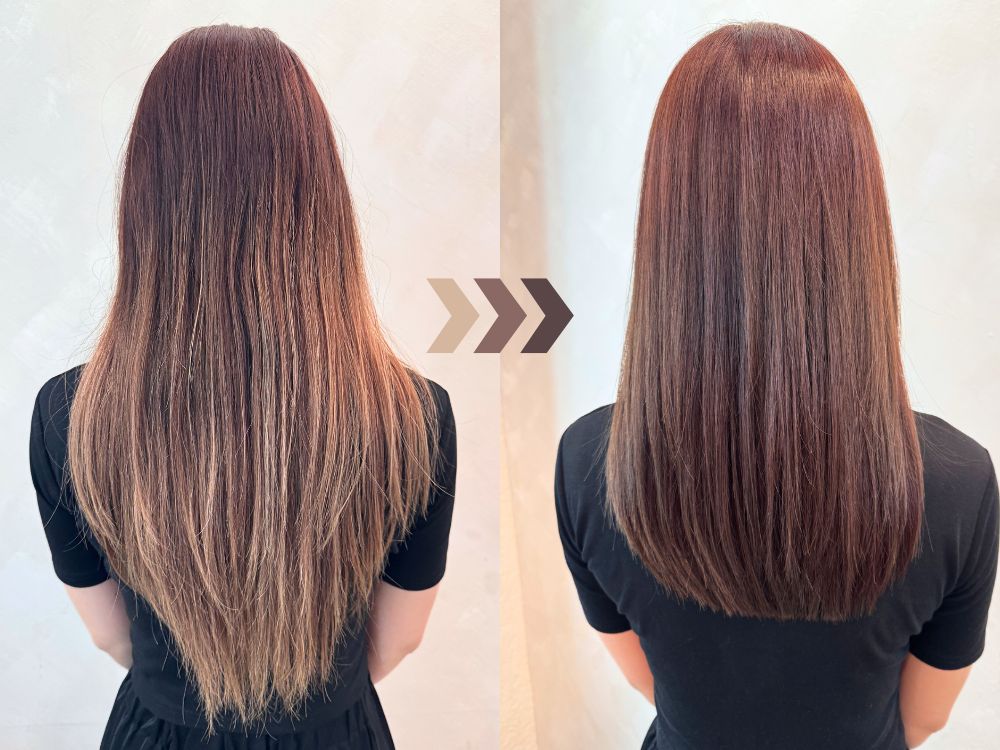
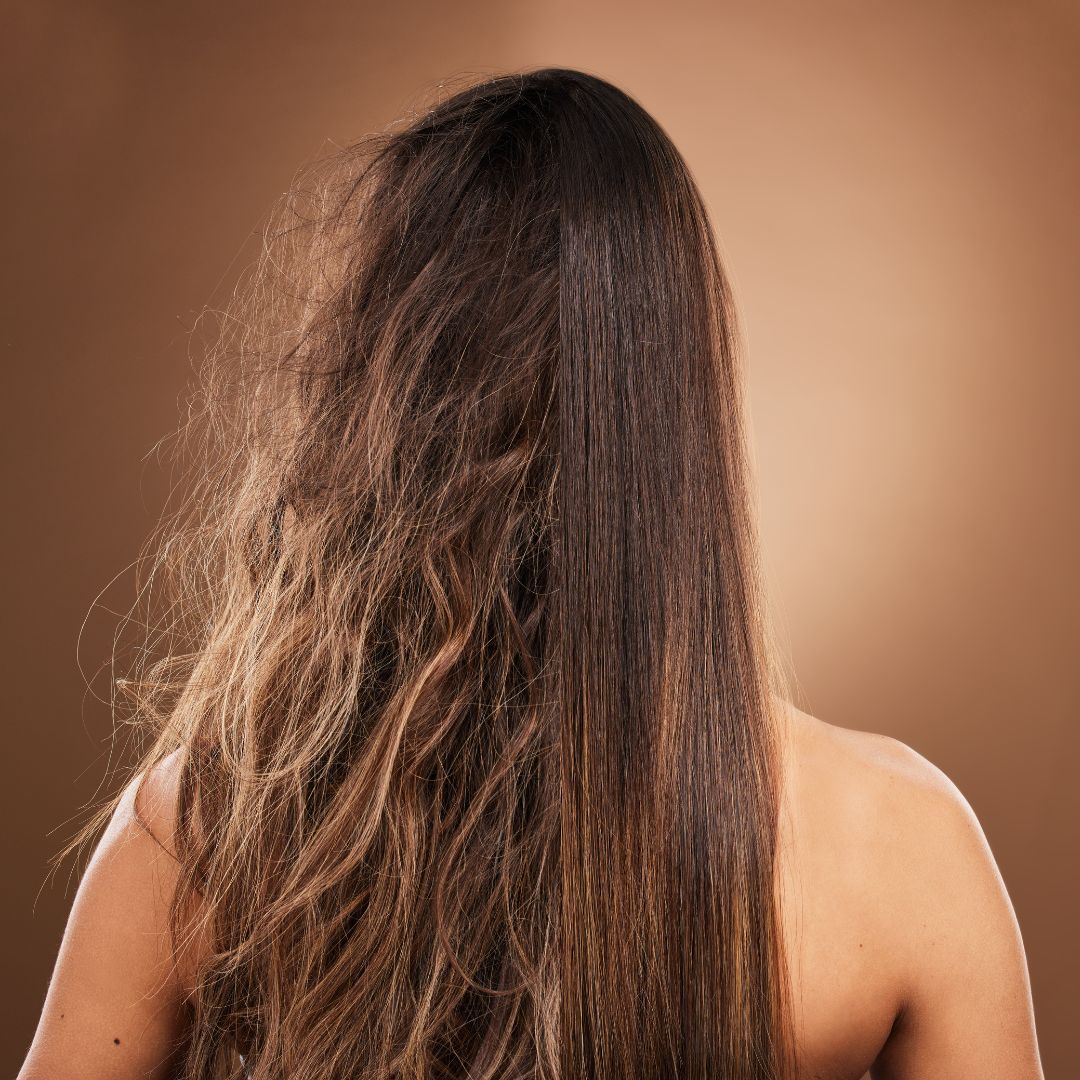
Before and After Argan Oil Texture Control

Our Argan Oil Texture Control Treatment is designed to deliver long-lasting results with no compromise. You’ll notice smoother, shinier hair from the very first treatment, and the effects can last for months. Plus, with no harsh chemicals involved, you can feel confident that you’re treating your hair to something gentle, nourishing, and truly transformative.

Powered by Nature

At the heart of this powerful treatment is Argan Oil, a natural ingredient that has been used for centuries for its nourishing and beautifying properties. But we didn’t stop there; our formula includes a carefully selected blend of natural ingredients that work together to restore your hair to its healthiest state.

Let’s break down the powerful ingredients in our Argan Oil Texture Control Treatment:

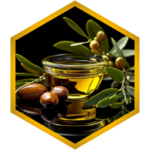
Argan Oil - Argan Oil Texture Control-01
Argan Oil

Often referred to as “liquid gold,” argan oil is packed with antioxidants, essential fatty acids, and Vitamin E, which naturally restore moisture and shine to your hair. Argan oil also helps boost hair elasticity, making it softer, smoother, and more manageable.

Argan Oil Castor Oil Texture Control-02
Castor Oil

Known for its high content of protein and fatty acids, castor oil is an incredible addition to any hair care regimen. Its antibacterial and antifungal properties help improve scalp health, while its nourishing qualities strengthen the hair shaft, making it less prone to damage and breakage.

Argan Oil Honey Texture Control-03
Honey

A natural humectant, honey draws moisture into the hair, helping to keep it hydrated and healthy. It also reduces the risk of breakage and split ends by locking in essential moisture, leaving your hair soft, smooth, and more elastic.

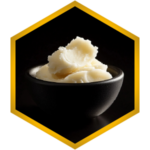
Argan Oil Shea Butter Texture Control-04
Shea Butter

Packed with vitamins A and E, shea butter is a highly effective ingredient in reducing frizz. It helps seal moisture into the hair cuticle, enhancing shine and softness. It also works wonders on dry or brittle hair, making it look healthier and more vibrant.

Argan Oil Jojoba Oil Texture Control-05
Jojoba Oil

Full of vitamins and minerals, jojoba oil is known for its ability to penetrate the scalp and hair shaft, providing deep nourishment. It helps to strengthen hair, making it more resilient and giving it a fuller, more voluminous appearance.

Argan Oil Collagen Texture Control-06
Collagen

Collagen, the protein that keeps your skin firm and elastic, can also work wonders for your hair. When applied to the hair, collagen helps repair damaged hair follicles, stimulate hair growth, and maintain smoothness and shine. It also improves the strength and texture of the hair, making it less prone to frizz and breakage.

Why Choose Argan Oil Texture Control?

In today’s beauty world, there are countless anti-frizz treatments, but none compare to Argan Oil Texture Control. Our treatment is a healthier, more natural alternative to traditional chemical-based like rebonding. While rebonding can certainly reduce frizz and add shine, they often rely on formaldehyde and ammonia; ingredients that can be harsh on your hair and scalp. Our Argan Oil Texture Control by contrast, is completely formaldehyde-free and ammonia-free, ensuring a safer experience for both you and the environment.

The Result?

With Argan Oil Texture Control, you’ll finally achieve the silky, shiny, and smooth hair you’ve always dreamed of; all while nourishing and protecting your hair from the inside out. Our treatment is suitable for all hair types, but it’s especially beneficial for those with coarse, frizzy, or chemically treated hair. Whether your hair has been through too much styling, heat damage, or harsh chemical treatments, this treatment will breathe new life into it, leaving it healthier and more manageable.

Rebonding vs. Keratin vs. Argan Oil Texture Control: Which is Right for You?

Each of these treatments has unique benefits and is designed for different hair concerns. Here’s a quick comparison:

  • Rebonding: A chemical treatment designed to straighten hair permanently. It works by breaking and re-forming the hair’s bonds, giving you sleek, straight hair. However, it can leave hair feeling dry and brittle if not properly maintained, and frequent touch-ups may be necessary.
  • Keratin Treatments: Keratin is a natural protein found in hair, and treatments work by infusing hair with additional protein to smooth frizz and add shine. While effective, many keratin treatments use formaldehyde or similar chemicals that can be damaging over time. Results generally last 2-3months.
  • Argan Oil Texture Control: Unlike the other two treatments, Argan Oil Texture Control focuses on nourishing the hair while reducing frizz and adding shine. With natural ingredients like Argan Oil, Shea Butter, and Honey, it deeply moisturizes and strengthens hair, leaving it soft, shiny, and frizz-free for up to 6 months. It’s an ideal choice for those looking for a gentler, more natural treatment

To understand the full differences and benefits of each option, Read more about Rebonding vs Keratin vs Argan Oil Texture Control.

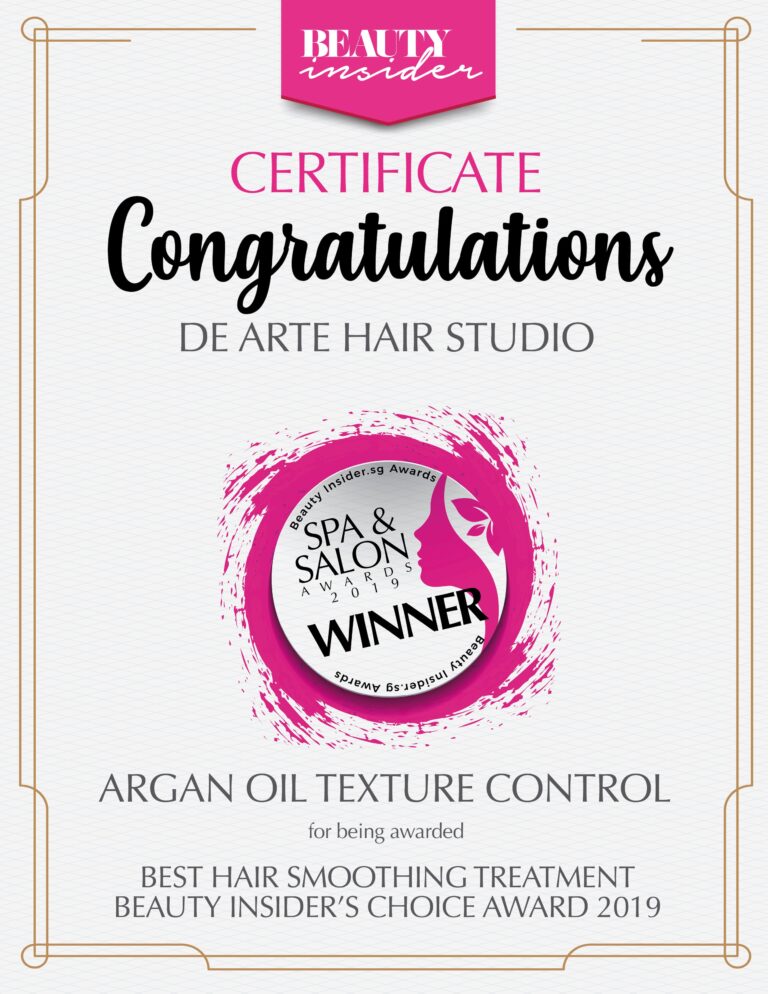
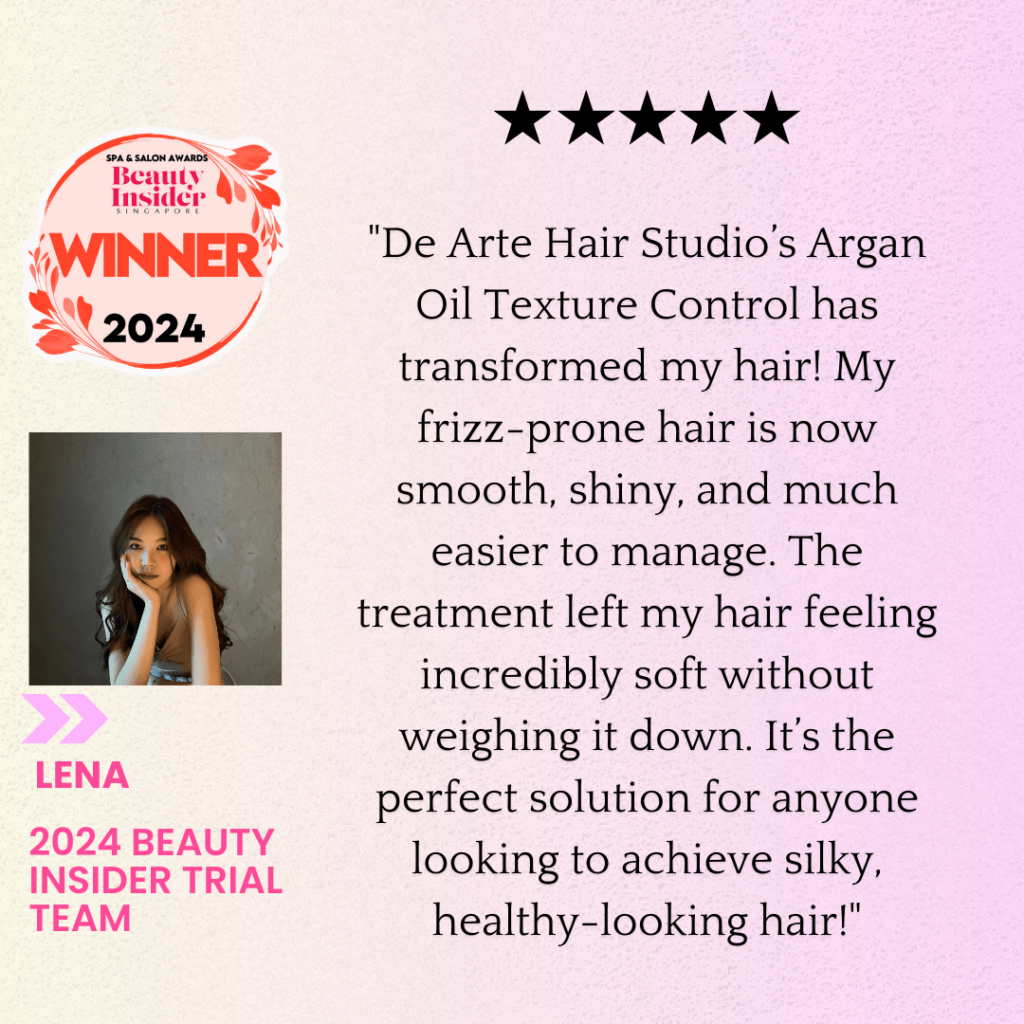
Our Argan Oil Texture Control has received high praise in the beauty industry, earning numerous accolades for its outstanding results:

  • Beauty Insider’s Choice Award 2019 Winner: Best Hair Smoothing Treatment
  • Beauty Insider’s Choice Award 2024 Winner: Best Signature Hair Treatment Bloggers’ Choice Award
Beauty Insider De Arte Winner 2024 1
Beauty Insider De Arte Winner 2024 2

These awards are a testament to the transformative power of this treatment, which has earned a loyal following among beauty enthusiasts, hairstylists, and influencers alike.

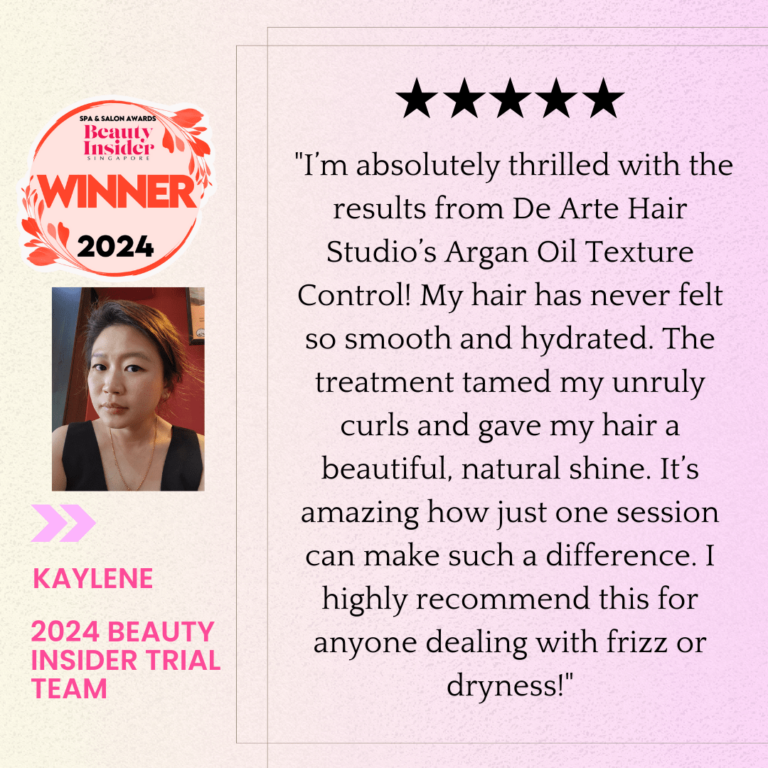
Client Testimonials

FAQ (Argan Oil Texture Control Anti Frizz Treatment)

Is Argan Oil Texture Control the same as rebonding?

No, Argan Oil Texture Control is not the same as hair rebonding. While it smooths the hair and provides a naturally straighter appearance, it does not permanently alter the hair’s structure like rebonding does. Instead, it softens texture, reduces frizz, and enhances manageability while maintaining the hair’s natural movement.

Is Argan Oil Texture Control suitable for all hair types?

Yes, it is suitable for all hair types. It is especially beneficial for those with dry, frizzy, coarse, or chemically treated hair. If your hair is severely damaged, a deep-conditioning treatment may be recommended by your stylist to maximize results and lock in moisture after the treatment.

Is the treatment safe for pregnant or breastfeeding women?

Yes, the Argan Oil Texture Control treatment is safe for pregnant and breastfeeding women as it is free from harsh chemicals such as formaldehyde and ammonia.

Can I wash or style my hair immediately after the treatment?

Yes, there is no downtime required. You can wash, blow-dry, straighten, or curl your hair immediately after the
treatment. However, to maintain the results and keep your hair healthy, it’s important to follow a proper hair care
routine. This includes using a heat protectant spray before heat styling, avoiding harsh shampoos, and using
sulfate-free, moisture-rich products recommended by your stylist

How long does the result last?

With proper care and recommended aftercare products, the results can last up to 6 months or longer. Factors such
as hair type, washing frequency, and exposure to heat or harsh products can affect longevity.

Will it completely straighten my hair?

It’s depend on required, the treatment is designed to relax curls and waves, reduce frizz, and give the hair a smoother appearance, it can customise to permanently straighten it or anti-frizz with retain your hair’s natural body and movement.

Can I color my hair after the treatment?

Yes, always consult your stylist to determine the best timing and approach for your hair.

How soon can I repeat the treatment?

The treatment is gentle enough to be repeated every 3–6 months, depending on your hair’s condition and how well you maintain it.

Will it damage my hair?

No, the treatment is formulated to nourish and strengthen the hair. It does not contain harsh chemicals that typically cause hair damage.

Do I need to use special shampoos or products after the treatment?

For best results, use sulfate-free and sodium chloride-free shampoos and conditioners to prolong the effects of
the treatment and keep your hair smooth and moisturized.

How much does the treatment cost?

The treatment ranges from $288 to $388, depending on your hair length.

How long does a treatment session take?

Usually a treatment session lasts between 2 to 3 hours. However, if your hair is especially long or thick, it may take up to an additional hour. If you’re concerned about the time, it’s best to consult your stylist beforehand for a more accurate estimate.

Book An Appointment

Interested in Argan Oil Texture Control? Book your appointment at De Arte Hair Studio to discover how this treatment can help you achieve smoother, shinier, and more manageable hair.

Best tips to combat frizz in humid weather

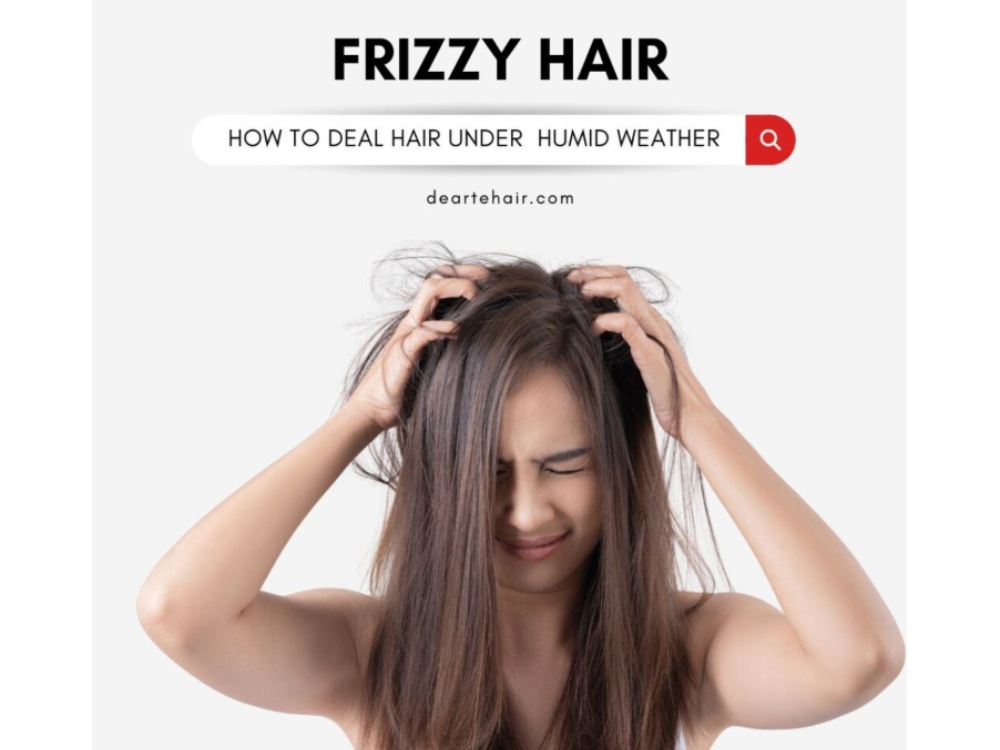
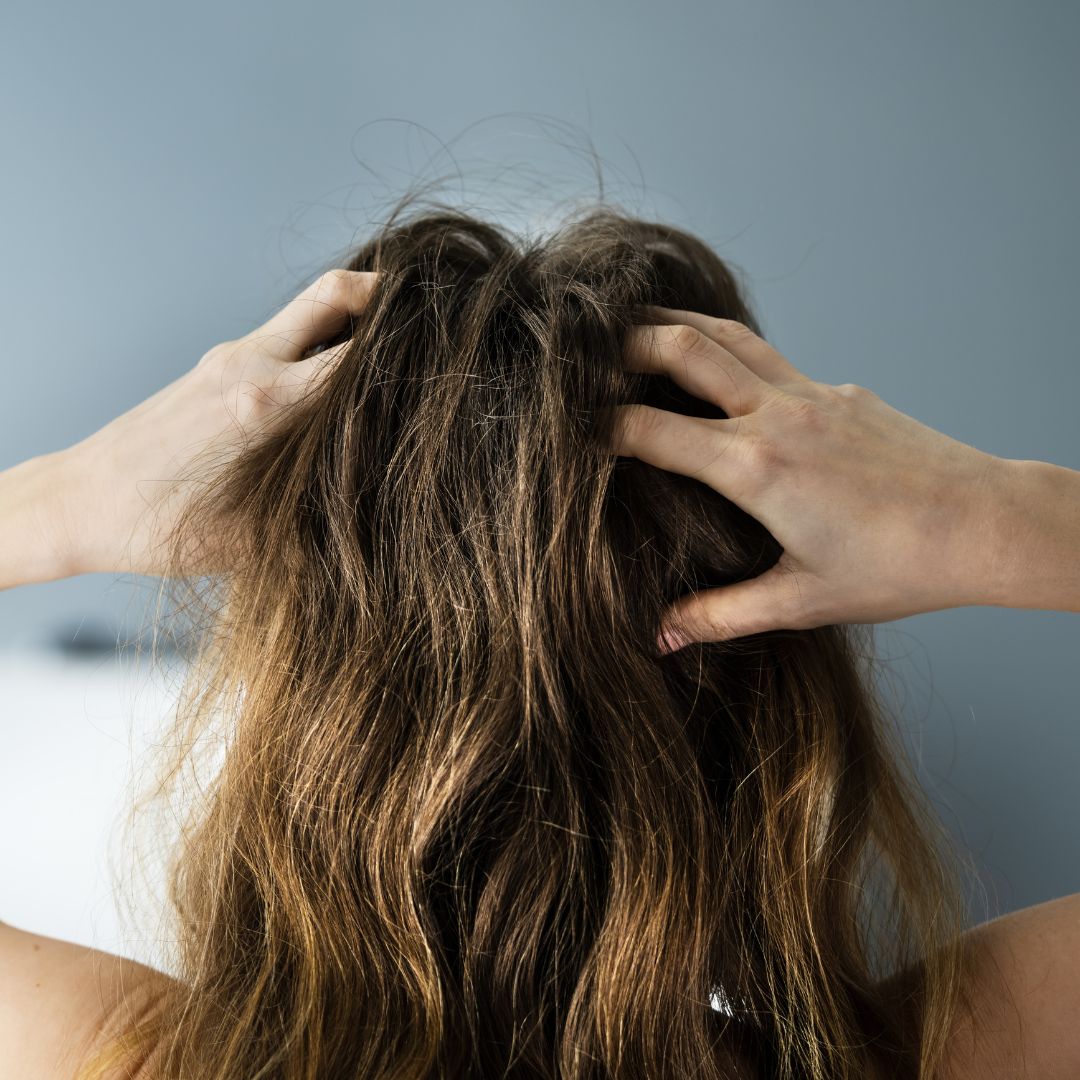
Singapore’s tropical climate, characterized by high temperatures and humidity, can be challenging for maintaining healthy and beautiful hair. The combination of heat and moisture often leads to frizz, dryness, and scalp issues. However, with the right hair care routine and products, you can keep your hair looking fabulous all year round. This in-depth guide will provide you with essential tips, recommended products, and expert advice to help you manage your hair in Singapore’s hot and humid weather.

Understanding the Effects of Humidity on Hair

Humidity refers to the amount of water vapor in the air. In a hot and humid climate like Singapore, the air is saturated with moisture, which affects your hair in several ways:

Frizz
Frizz: The cuticles of your hair absorb moisture from the air, causing them to swell and lift. This results in frizz and an unruly texture.
Dryness
Dryness: Despite the high humidity, your hair can become dry because the moisture from the air doesn’t provide the same hydration as natural oils.
Scalp Issues
Scalp Issues: The hot and humid environment can lead to an oily scalp, dandruff, and other scalp conditions due to increased sweating and sebum production.

Hair Types and Humidity

Different hair types react differently to humidity. Understanding your hair type is crucial for tailoring your hair care routine:

Straight Hair
Straight Hair: Prone to becoming flat and greasy. Needs lightweight products to maintain volume.
Wavy Hair
Wavy Hair: Tends to become frizzy and lose its defined waves. Requires anti-frizz products and hydration.
Curly Hair
Curly Hair: Highly susceptible to frizz and dryness. Needs intense moisture and curl-defining products.
Coily Hair
Coily Hair: Most affected by humidity, often experiencing shrinkage and frizz. Requires deep conditioning and protective styles.

Haircare Routine

Cleansing

  • Frequency: In a humid climate, washing your hair frequently is essential to remove sweat and buildup. Aim for 2-3 times a week, depending on your hair type.
  • Shampoo Choice: Use a sulfate-free shampoo to gently cleanse your hair without stripping its natural oils. Look for shampoos with moisturizing and anti-frizz properties.
 

Conditioning and Treatment

  • Regular Conditioning: Apply a hydrating conditioner after every wash to replenish moisture and smooth the hair cuticle.
  • Deep Conditioning: Incorporate a deep conditioning treatment once a week to restore moisture and strengthen your hair. Ingredients like shea butter, argan oil, and keratin are excellent for deep conditioning.
 

Styling

  • Heat Protection: If you use heat styling tools, always apply a heat protectant spray to minimize damage and reduce frizz.
  • Humidity-Resistant Products: Opt for styling products specifically designed to withstand humidity. Look for labels indicating anti-humidity or humidity-resistant properties.
  • Protective Hairstyles: Styles like braids, buns, and twists help to minimize exposure to humidity and reduce frizz. These styles also protect your hair from the sun and environmental damage.
Curler Coil
Bun Up

In House Treatments

Argan Oil Texture Control

When it comes to managing frizz and improving your hair’s condition, the Argan Oil Texture Control Treatment stands out as a healthier choice compared to other chemical anti-frizz treatments. The choice ultimately depends on the specific results you aim to achieve.

Key Benefits of Argan Oil Treatment:

  1. Moisturising Power: Argan oil, rich in fatty acids and vitamin E, offers exceptional moisturization, leaving your hair soft and silky.
  2. Nourishing Shield: The antioxidants in argan oil provide nourishment and protection against damage induced by free radicals and environmental elements.
  3. Enhanced Hair Texture: Argan oil effectively reduces frizz and flyaways, leading to improved hair texture that’s easier to style.
  4. Strength and Resilience: It reinforces your hair, reducing the risk of breakage and split ends.
  5. Dry Hair Restoration: Argan oil restores moisture balance to dry hair and prevents further damage.
  6. Heat Protection: Shield your hair from heat damage caused by styling tools like flat irons and blow dryers with the help of Argan oil.
  7. Radiant Shine: Argan oil imparts a natural shine and gloss to your hair, resulting in a healthy and radiant appearance.

Moreover, it’s crucial to recognise that prolonged sun exposure can harm your hair by damaging the cuticles, leading to thinning, split ends, frizz, and brittle strands. Our Argan Oil Treatment serves as a protective barrier, safeguarding your hair from potential sun-induced damage.

In summary, the Argan Oil Texture Control Treatment is a fantastic way to enhance the health and appearance of your hair, leaving it luxuriously soft, silky, and effortlessly manageable. Find out more about Argan Oil Texture Control >>

Argan Oil Texture Control

Scalp Treatment

Scalp treatments can be beneficial for anyone who wants to improve the health and appearance of their hair and scalp. Some common benefits of scalp treatments include: ecalp treatments can help to reduce the appearance of dandruff by removing dead skin cells and excess oil from the scalp.

  1. Stimulating hair growth: Some scalp treatments are designed to stimulate hair growth by increasing blood flow to the scalp and nourishing the hair follicles.
  2. Reducing hair loss: Certain scalp treatments can help to reduce hair loss by strengthening the hair follicles and promoting healthy hair growth.
  3. Improving scalp health: Scalp treatments can improve the overall health of the scalp by removing buildup, reducing inflammation, and nourishing the skin.
Scalp Before
Before
Scalp After
After

Conclusion

Caring for your hair in hot and humid Singapore requires a thoughtful approach and the right products. By understanding how humidity affects your hair, maintaining a consistent hair care routine, and choosing suitable hairstyles, you can keep your hair looking healthy and beautiful despite the challenging climate. Embrace these tips, consult with your stylist, and enjoy frizz-free, manageable hair all year round.

Visit our salon for personalised hair care advice and professional treatments tailored to your unique hair type and needs. With our expert team and high-quality products, we’ll help you achieve the perfect look, no matter the weather!