De Arte Hair Studio

Keratin Rebonding vs. Keratin Treatment: Understanding the Difference and How to Maintain Results

Keratin Rebonding vs. Keratin Treatment

If you’re dealing with frizzy, unmanageable, or dull hair, you’ve likely come across salon treatments like keratin rebonding and keratin treatment. Both sound similar as they involve keratin (the protein naturally found in hair), but they deliver different results using very different methods.

The confusion is common. Many people ask:
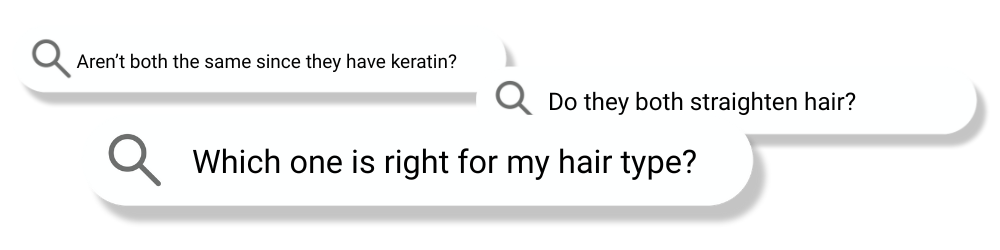
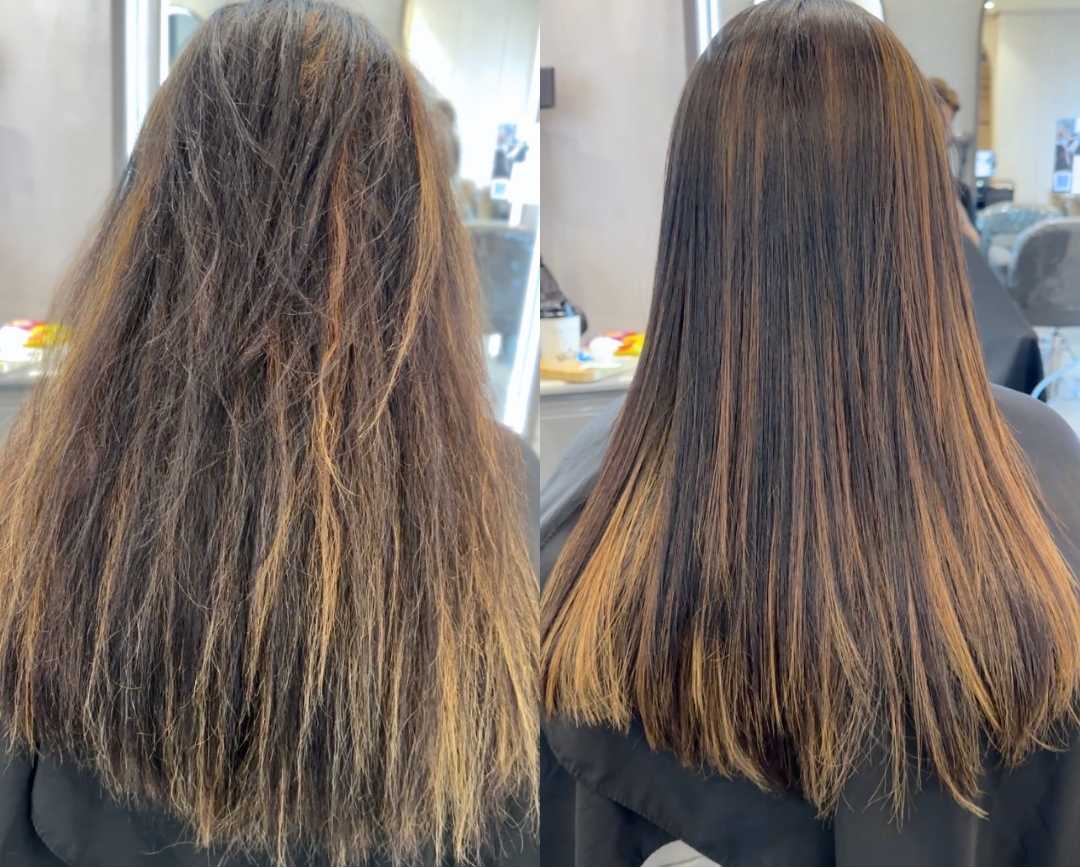
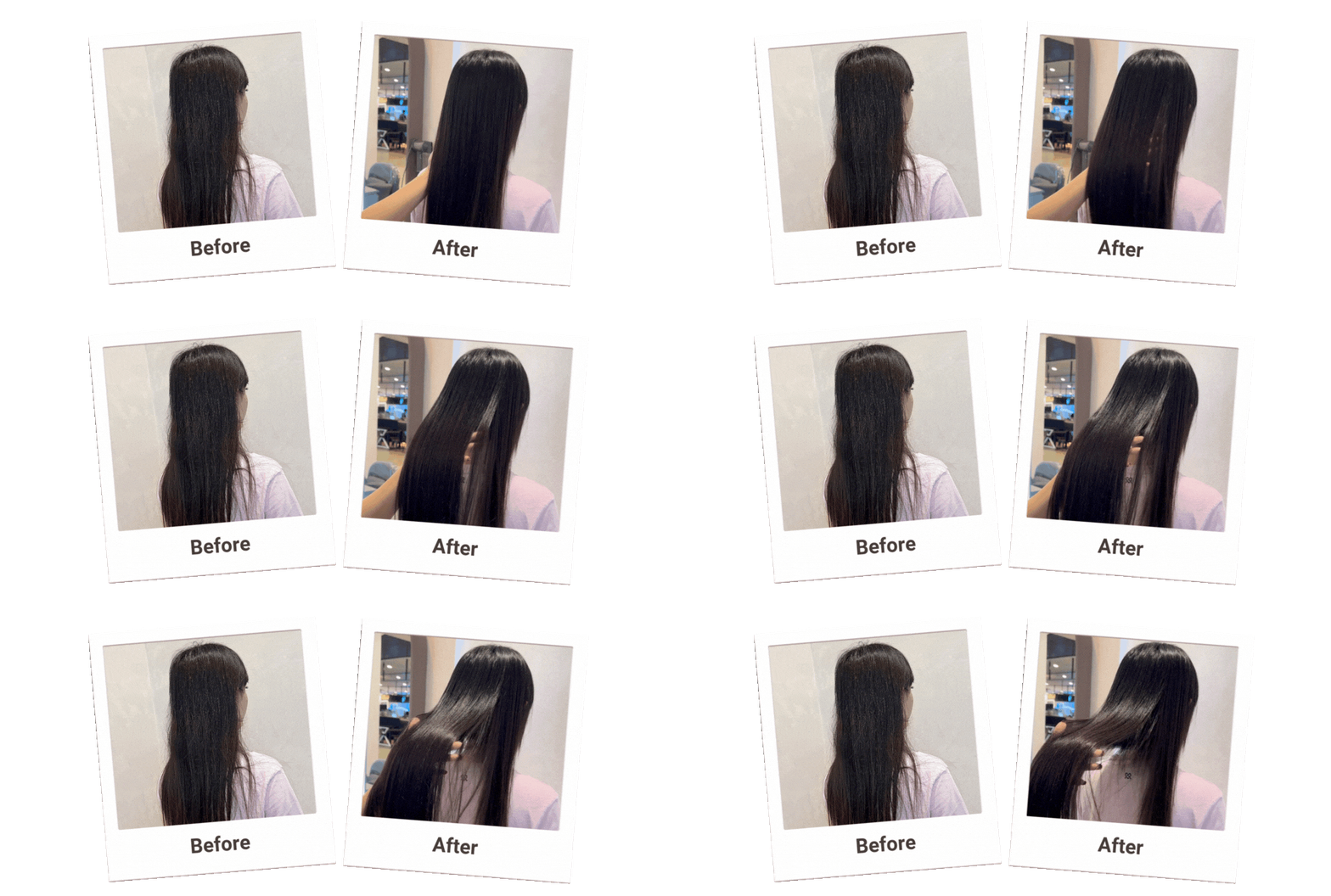
Keratin Treatment or Keratin Rebonding Banner

This article breaks down the key differences between keratin rebonding and keratin treatment, and provides tips to maintain the results for as long as possible.

What’s the Core Difference?

Feature

Keratin Rebonding

Keratin Treatment

Main Goal

Permanently straighten and smooth hair

Smooth, de-frizz, and add shine

Effect on Hair Bonds

Chemically restructures internal bonds

Coats hair with keratin, no structural change

Texture Result

Silky-straight with movement

Smooth, soft, retains natural wave/curl

Longevity

Permanent (until new growth appears)

Temporary (2–3 months)

Ammonia Used

Yes (or similar chemicals)

No

Formaldehyde Risk

None

Yes

Best For

Those wanting long-term straight hair

Those wanting to manage frizz without losing texture

Maintenance

High (needs root touch-ups)

Moderate (repeat every few months)

Chemical Composition: What’s Really in These Treatments?
Keratin Rebonding
  • Involves ammonia or ammonia derivatives to open the hair cuticle and break disulfide bonds (the internal structures that define your hair’s natural curl or wave).
  • Heat is applied to straighten the hair, and a neutralizer locks it in place.
  • The result is permanently straight hair until new growth appears.
Keratin Treatment
  • Applies a keratin-rich formula that coats the outer layer of hair, temporarily filling in gaps in the cuticle.
  • Hair is sealed with a flat iron but no bond-breaking occurs.
  • Many formulas contain formaldehyde or ingredients that release formaldehyde gas when heated during the sealing process. Formaldehyde helps lock the keratin protein into the hair shaft, making the hair smoother and frizz-free for longer.
In short;
  • Keratin rebonding involves a stronger chemical process, is permanent, and uses ammonia.
  • Keratin treatments are gentler and don’t use ammonia, but may contain formaldehyde or related compounds that can be released in small amounts when heated.
Which One Should You Choose?
Choose Keratin Rebonding if
  • You want permanently straight hair.
  • You don’t mind touching up roots every 4–6 months.
  • Your hair is healthy and strong enough to handle chemical restructuring.
  • You’re okay with losing natural texture permanently.

Not Recommended For:
  • Damaged, brittle, or fragile hair that may break from harsh chemicals.
  • Those who want to keep natural curls or waves.
  • People who prefer less frequent salon maintenance.
Choose a Keratin Treatment if:
  • You want to control frizz while keeping your natural curl or wave.
  • You want to improve shine, softness, and manageability without harsh chemicals.
  • You prefer a temporary change with fewer long-term effects.
  • You have color-treated or slightly damaged hair (keratin can improve appearance short term).

Not Recommended For:
  • Those seeking completely straight hair rather than smoothing or frizz control.
  • People wanting a permanent hair texture change.
Things to Take Note

Keratin treatments contain formaldehyde or formaldehyde-releasing agents.

Keratin rebonding is not suitable for highly damaged or over-processed hair. The ammonia and heat involved can worsen breakage.

Neither treatment is “damage-free”, but damage can be minimized with professional application and proper aftercare.

Hair texture will not return to normal after rebonding. You’ll need to grow it out or cut it off.

A Clear Choice Depends on Your Hair Goals

You want…

Go for…

Long-lasting straight hair with little to no wave

Keratin Rebonding

Frizz-free, smoother hair while keeping waves/curls

Keratin Treatment

A low-damage, temporary result

Keratin Treatment

A more dramatic, lasting transformation (but not recommended for damaged, brittle, or fragile hair)

Keratin Rebonding

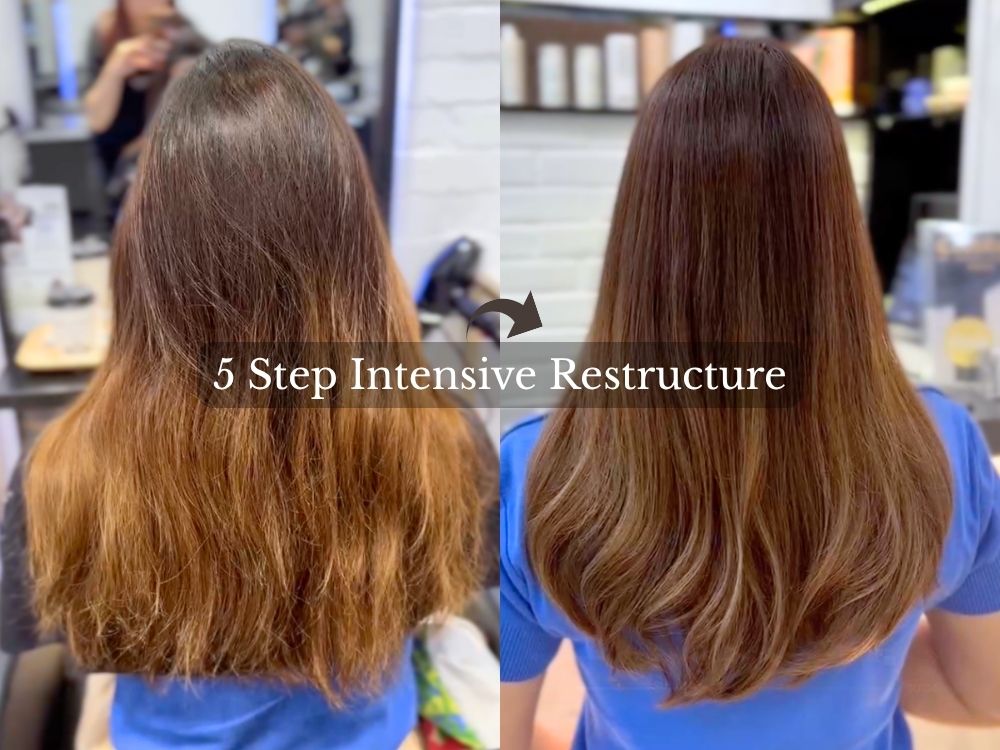
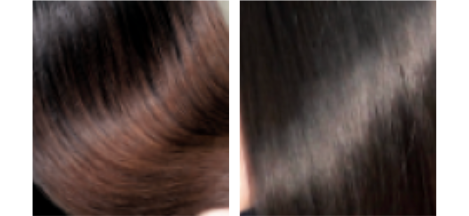
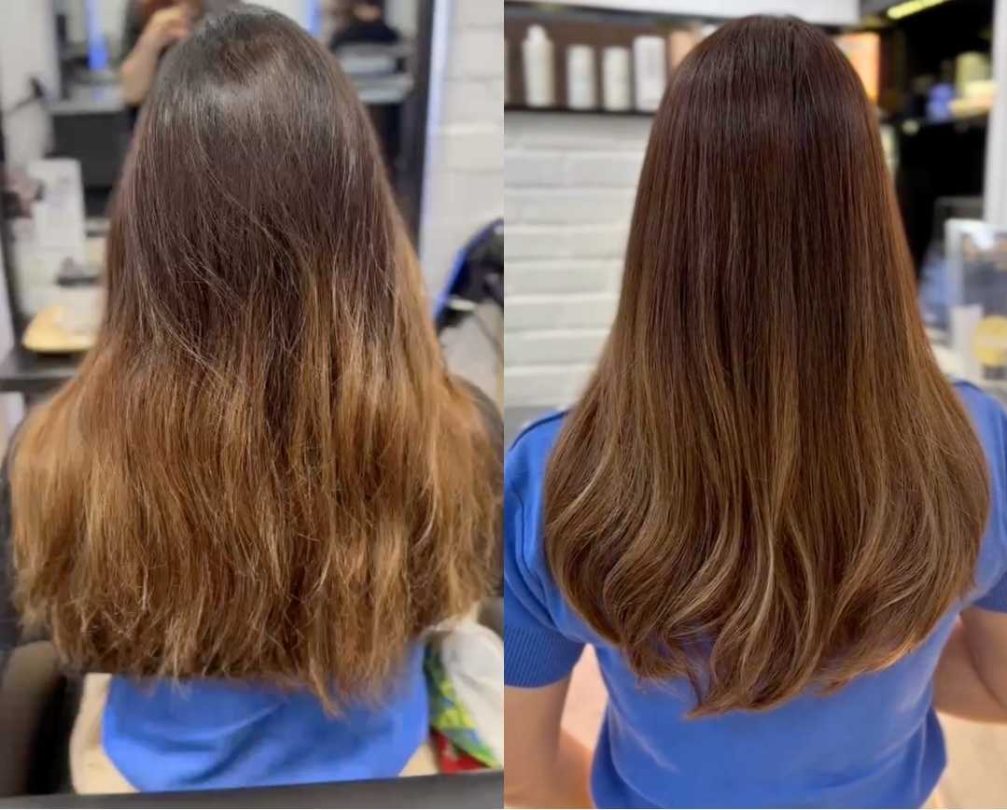
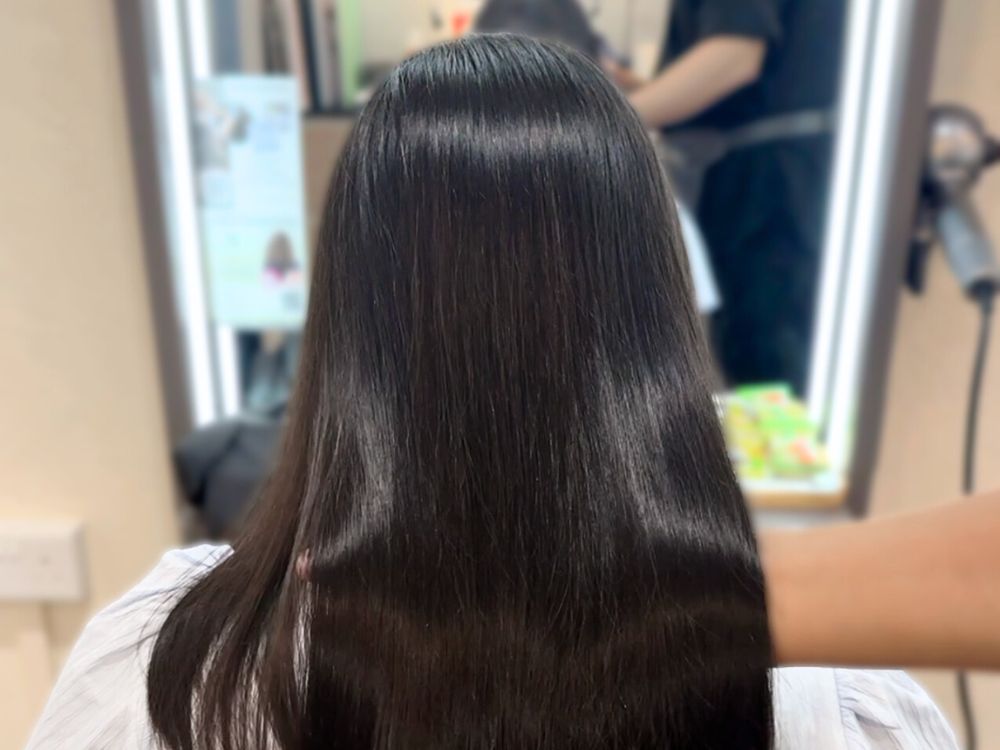
Answer: The service used to achieve the results shown in the banner’s before and after picture is a Keratin Treatment. Unlike keratin rebonding, which permanently straightens hair by chemically breaking its bonds and can cause more damage, keratin treatment works by smoothing and reducing frizz while preserving the hair’s natural texture. It offers a semi-permanent straightening effect that enhances shine and manageability without completely altering the hair’s structure or causing excessive damage.
Post-Treatment Care: How to Make Results Last Longer

No matter which treatment you choose, aftercare is crucial for maintaining healthy, smooth results. Here are practical, stylist-approved tips:

1. Use Sulfate-Free Shampoo

Sulfates can strip the treatment from your hair, causing it to fade faster. To protect your results, choose shampoos labeled “sulfate-free” and “keratin-safe”. These gentler formulas help preserve the treatment’s effects and maintain your hair’s health.

2. Wait to Wash Your Hair Immediately After Treatment

It’s important to avoid washing your hair for at least 24–48 hours after your service unless your stylist advises otherwise. During this time, avoid tying, braiding, or tucking your hair behind your ears to prevent unwanted creases or damage as the treatment sets.

3. Manage Freshness Without Overwashing

In humid climates like Singapore where daily washing feels necessary, try to avoid harsh shampoos that can strip treatments. Instead, use dry shampoo or gentle refreshing methods between washes to maintain cleanliness while preserving the keratin or rebonded texture.

4. Minimize Heat Styling

Excessive heat styling can break down keratin proteins and dry out chemically treated hair, shortening the lifespan of your treatment. Whenever possible, reduce the use of flat iron, curling wand, and hair dryer. If you air dry, gently pat your hair dry with a microfiber towel or soft cotton T-shirt, avoid rubbing to prevent friction and breakage. Applying a light leave-in conditioner or anti-frizz serum before air drying helps control frizz and protects your hair.

In humid environments, if air drying causes frizz or discomfort, use a hair dryer on low heat, always paired with a heat protectant spray to minimize damage. Also, avoid leaving your hair soaking wet for long periods, as prolonged moisture can weaken the hair shaft.

5. Avoid Chlorine and Saltwater

Swimming in pools or the ocean can break down keratin or weaken rebonded hair’s structure. To protect your hair, wear a swim cap or apply a leave-in conditioner before swimming.

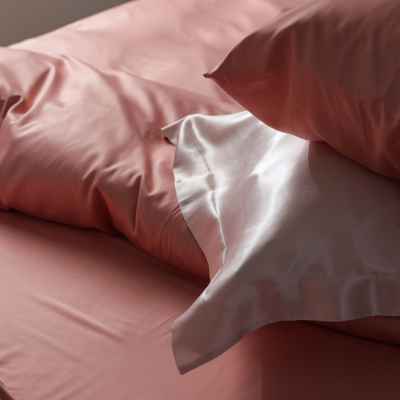
6. Sleep on Silk or Satin Pillowcases

Using silk or satin pillowcases reduces friction while you sleep, helping to preserve smoothness and moisture in your treated hair.

7. Deep Condition Weekly

Maintaining proper hydration is key to keeping your hair smooth, strong, and healthy. Use deep conditioning masks once a week to replenish moisture and protect your hair from dryness.

Not a Fan of Weekly Masking? Consider In-House Salon Treatments!

If you’re too busy or just don’t want to keep up with regular deep conditioning at home, our salon offers a variety of professional treatments designed to maintain your hair’s health and prolong the smooth, frizz-free results of your keratin treatment.

From deep hydration and nutrient replenishment to targeted repair, we have options for different hair care needs. And if you prefer something simple, you can always choose our basic hydrating treatment to keep your hair nourished and shiny between sessions.

Scheduling these treatments every 4–6 weeks can:

  • Extend the life of your keratin treatment by restoring moisture and smoothness
  • Replenish essential nutrients lost during daily styling and washing
  • Save you time and effort compared to at-home masking routines
  • Provide expert, personalized care to keep your hair healthy and vibrant

Ask your stylist about arranging regular maintenance treatments. These are definitely a more hassle-free way to keep your hair looking sleek, healthy, and beautifully manageable!

Final Advice

Before deciding on either keratin treatment or rebonding, here’s what we recommend:

  • Consult with a qualified stylist – like us! We’ll carefully assess your hair’s current health to find the best option for you.
  • Be honest about your hair history – including any coloring, bleaching, perms, or previous straightening treatments. This helps us customize the safest and most effective approach.
  • Ask about the products we use, especially regarding formaldehyde content, so you feel confident and informed.
  • And most importantly, don’t skip aftercare – your results and hair health depend on it. We’ll guide you through the best maintenance treatments to keep your hair looking its absolute best!

FAQ (Keratin Rebonding VS Keratin Treatment)

What’s the main difference between keratin rebonding and keratin treatment?

Keratin Rebonding permanently straightens hair by breaking and restructuring internal bonds. Keratin Treatment smooths and de-frizzes hair, leaving natural texture (wave or curl) intact.

Which treatment lasts longer?

Keratin Rebonding is permanent until new hair grows. Keratin Treatment lasts 2-3 months.

Do both treatments straighten hair?

Keratin Rebonding straightens hair fully. Keratin Treatment only reduces frizz and smooths hair without making it completely straight.

Is keratin treatment safe for all hair types?

Keratin Treatment is suitable for most hair types, including color-treated and slightly damaged hair. Keratin Rebonding is best for healthy, strong hair and may not be suitable for damaged or brittle hair.

What’s the maintenance like for each treatment?

Keratin Rebonding requires root touch-ups every 4-6 months. Keratin Treatment requires maintenance every 2-3 months.

Can I swim after a keratin treatment or rebonding?

Swimming in chlorine or saltwater is not recommended for either treatment, as it can break down keratin or weaken the structure of rebonded hair. Consider wearing a swim cap.

You might be interested to learn about: How to Prevent Damage Hair: 6 Things You Should Never Put on Your Hair

How soon can I wash my hair after the treatment?

Wait at least 24-48 hours before washing your hair after either treatment to allow the formula to set properly. Best is to ask the stylist for advice.

Can I use heat styling tools after a keratin treatment or rebonding?

Excessive heat styling can break down keratin proteins. It’s best to minimize use of hot tools and always apply a heat protectant.

Which treatment is better for frizzy hair?

Keratin Treatment is ideal for frizz control while maintaining your natural curl or wave. Keratin Rebonding is better for completely straight hair if you want to eliminate frizz long-term.

Book An Appointment

Taking the time to understand your hair’s needs and the right treatment can truly make all the difference in achieving the results you want. If you’re really interested in exploring these services, we encourage you to digest this information at your own pace; it’s worth it!

But if long articles aren’t your thing, no worries. You can always arrange a free consultation with us to discuss your hair condition in person. We’ll provide tailored advice in a relaxed, friendly conversation, detailed enough to help you make informed decisions, but without the overwhelm.

Your hair journey should feel exciting and personal, and we’re here to help every step of the way!
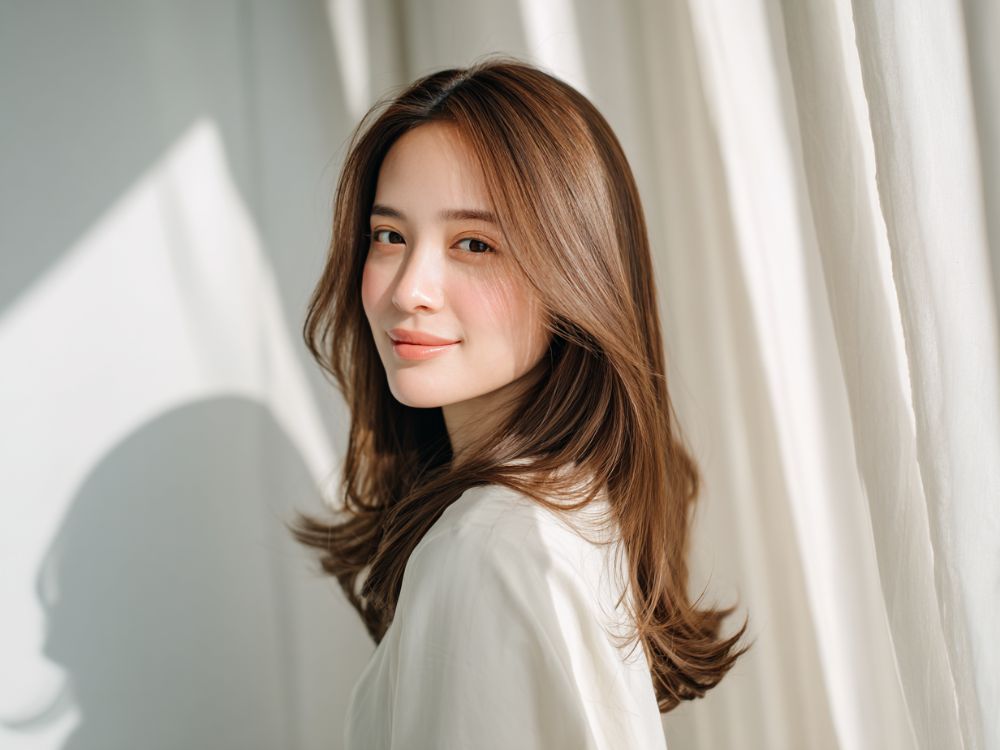
How To Get Soft And Shiny Hair? 10 Proven Tips for Healthy, Shiny Hair

Let’s be real, who doesn’t want to have silky, smooth, and shiny hair that looks healthy and full of life. But daily exposure to pollution, heat styling, and chemical products often leaves hair dull and rough. If you’ve been wondering how to get soft and shiny hair, the good news is you can achieve it with the right care, nutrition, and consistency.

This article covers the basics of hair health, simple but effective tips, the role of diet, and professional treatments that can help restore softness and shine.

Understanding Hair Health

Before learning how to get soft and shiny hair, it’s helpful to understand what makes hair healthy.

Keratin (The Building Block)

Each strand of hair is mostly made of the protein keratin, along with water, natural oils, and pigments. Keratin gives hair its strength and structure, while shine comes from healthy keratin fibers covered by a smooth cuticle.

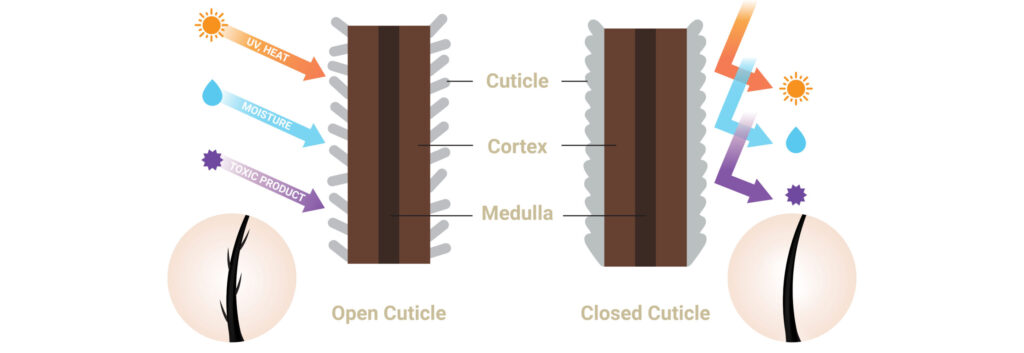
The Hair Layers:

Hair has three parts:

    • Cuticle: the protective outer layer that reflects light for shine.
    • Cortex: the middle layer with protein and pigment for color.
    • Medulla: the core, mainly in thicker hair types.
Shiny Hair Hair Cuticle
Nutrition & Hydration:

Your body doesn’t “add keratin” directly from food, but a balanced diet provides proteins, vitamins, and minerals that support healthy growth and shine.

Gentle Care

Avoiding harsh chemicals, overwashing, and heat damage helps maintain a smooth, reflective cuticle.

Why Does Hair Become Dry and Dull?

Common reasons include:

  • Harsh shampoos or frequent washing
  • Heat styling without protection
  • Poor diet and not drinking enough water
  • Environmental stress like sun and pollution
  • Split ends and product buildup

10 Proven Tips on How To Get Soft and Shiny Hair

1. Choose the Right Shampoo and Conditioner

The foundation of shiny hair starts with your wash routine. Harsh, sulfate-heavy shampoos can strip natural oils, leaving hair rough and lifeless. A sulfate-free shampoo gently cleanses without over-drying, while a hydrating conditioner smooths the cuticle, helping hair reflect more light.

Shop Our Top-Pick Shampoos

Formulated for Every Hair and Scalp Concern!

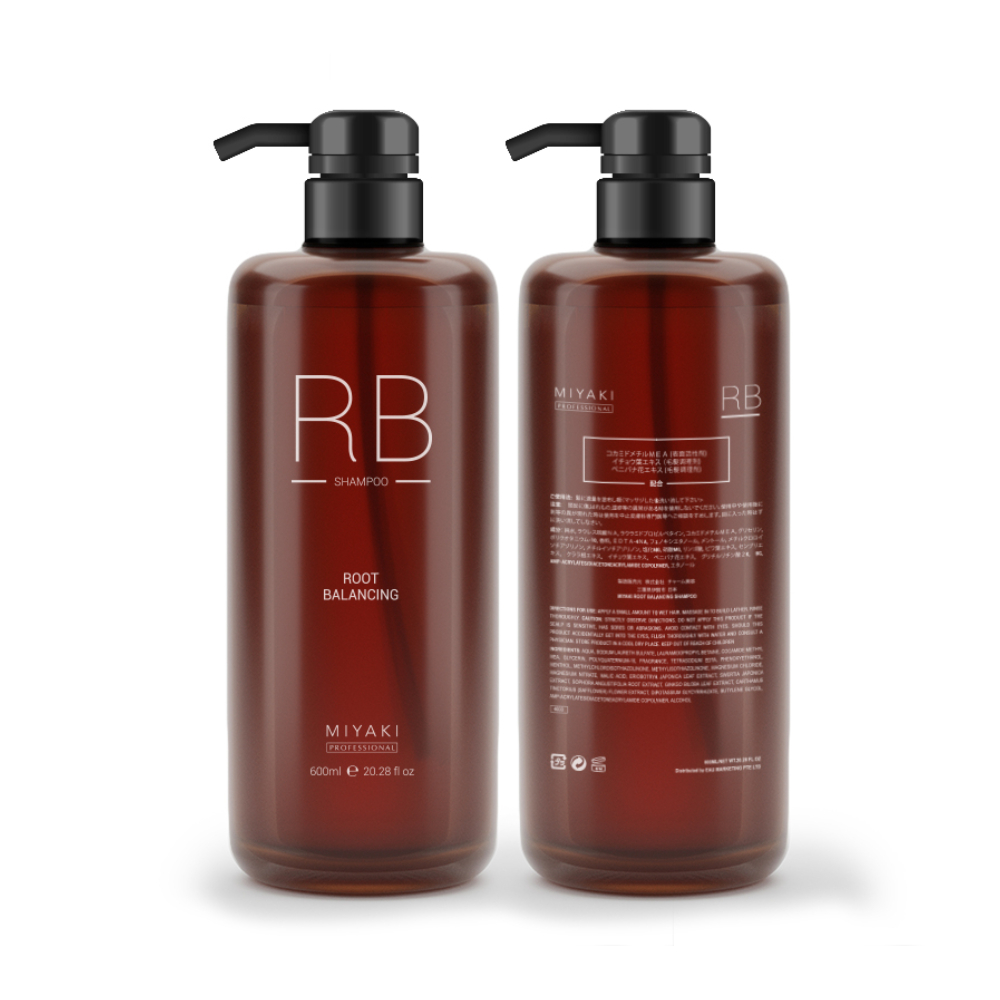
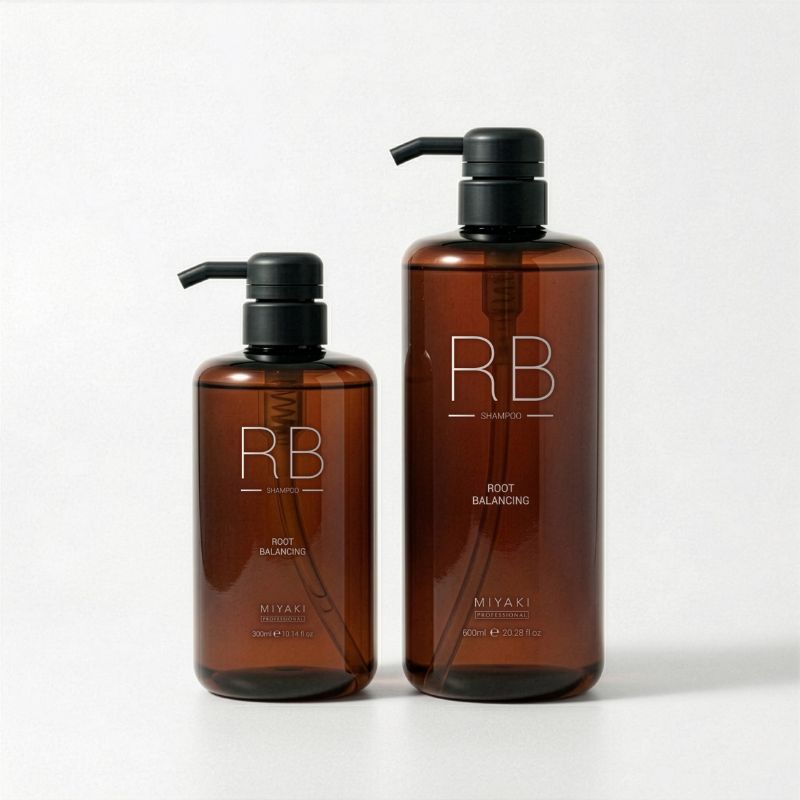
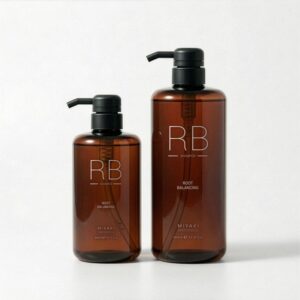
Miyaki RB Shampoo
For Oily Hair

Select options This product has multiple variants. The options may be chosen on the product page

Miyaki Root Balancing Shampoo
Prevents excess oil production in the scalp to prevent oily roots and adds volume to make hair look fuller.

$40.00 – $68.00
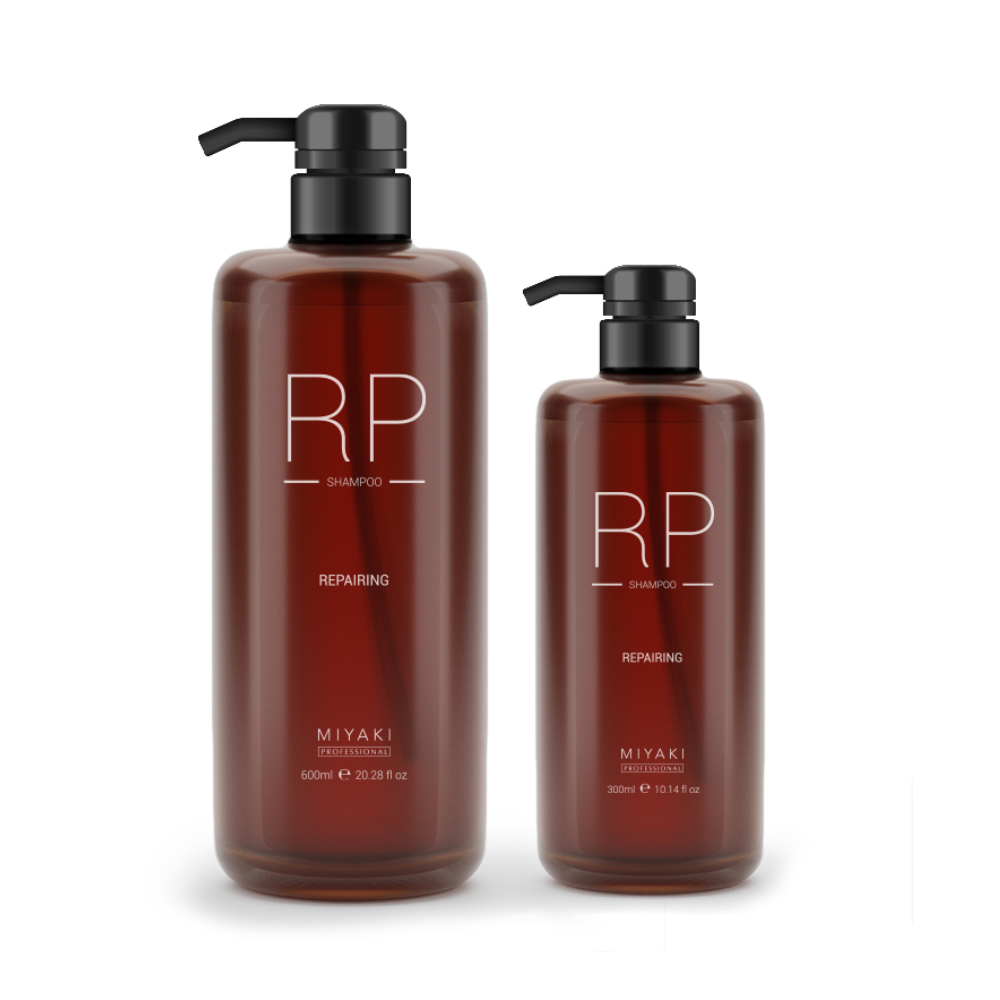
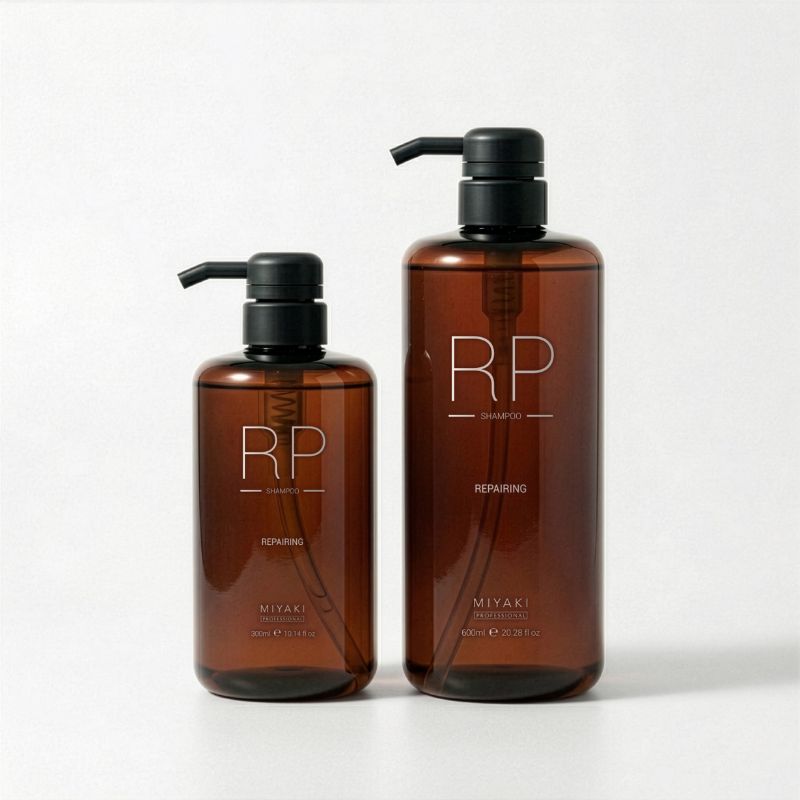
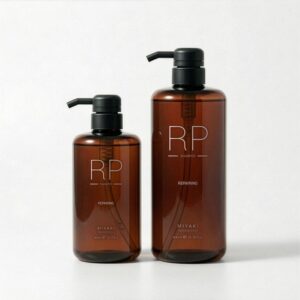
Miyaki RP Shampoo
For Dry & Damaged Hair

Select options This product has multiple variants. The options may be chosen on the product page

Miyaki Repairing Shampoo
Deeply hydrates and nourishes hair from root to tips to repair dry and damaged hair.

$40.00 – $68.00
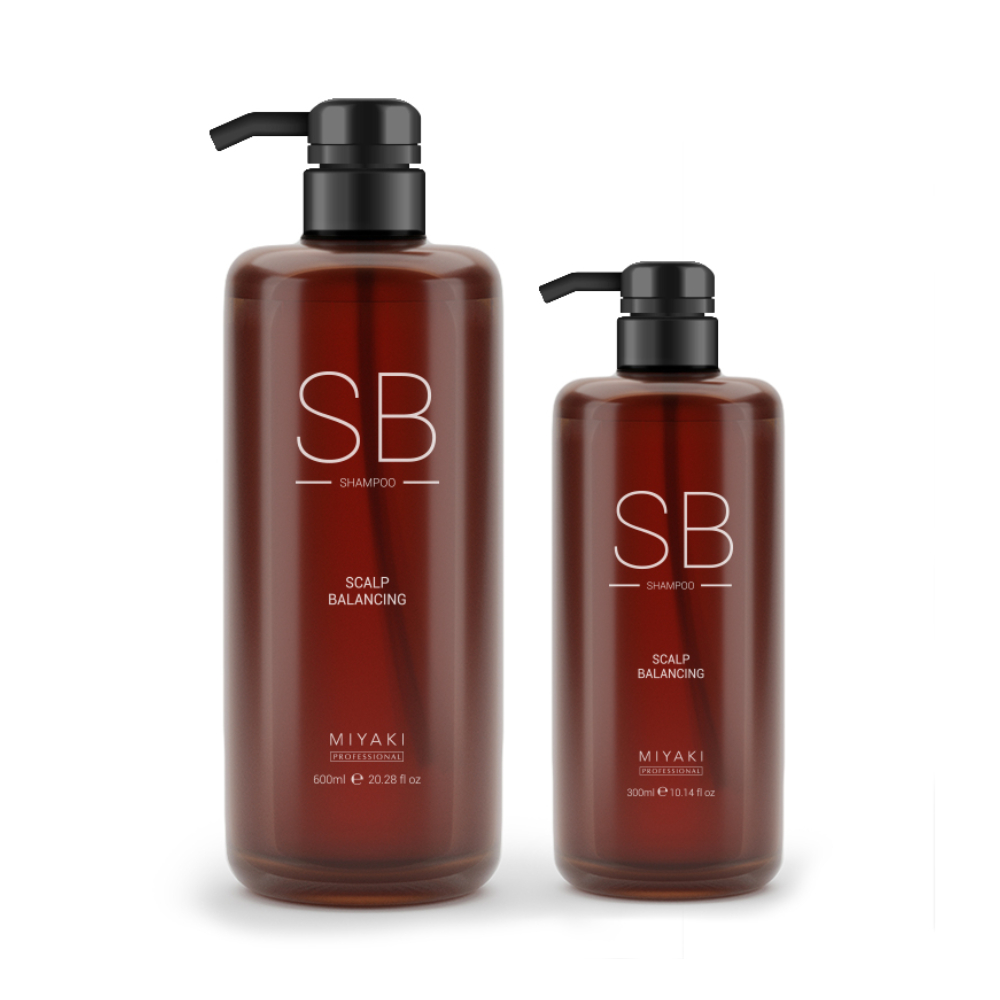
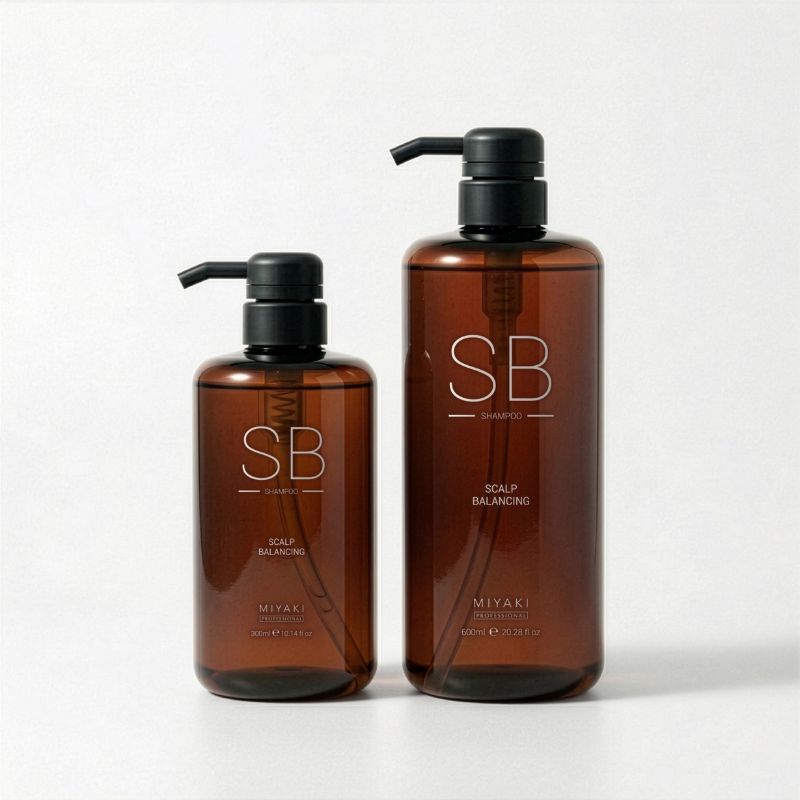
Miyaki SB Shampoo
For Normal/ Dry Scalp

Select options This product has multiple variants. The options may be chosen on the product page

Miyaki Scalp Balancing Shampoo
Balances overall scalp and hair environment to prevent dryness and frizz.

$40.00 – $68.00
2. Oil Your Hair Regularly

Natural oils like coconut, almond, olive, or argan oil penetrate the hair shaft, nourish the scalp, and reduce frizz. Regular oiling (once or twice a week) restores softness and adds natural shine. Be sure to read up on recipes and recommended amounts instead of aimlessly applying without guidance on duration and quantity.

3. Rinse With Cool Water

While hot showers feel relaxing, they can roughen the cuticle and strip moisture. A final rinse with cool or lukewarm water helps seal the cuticle, locking in hydration and leaving hair sleek and shiny.

4. Use Hair Serum or Leave-In Conditioner

A lightweight serum or leave-in conditioner can instantly transform dull hair. These products coat strands with a protective layer, reduce frizz, and add a polished, glossy finish while protecting against environmental stress.

Shop Our Treatments

Formulated for All Hair Types

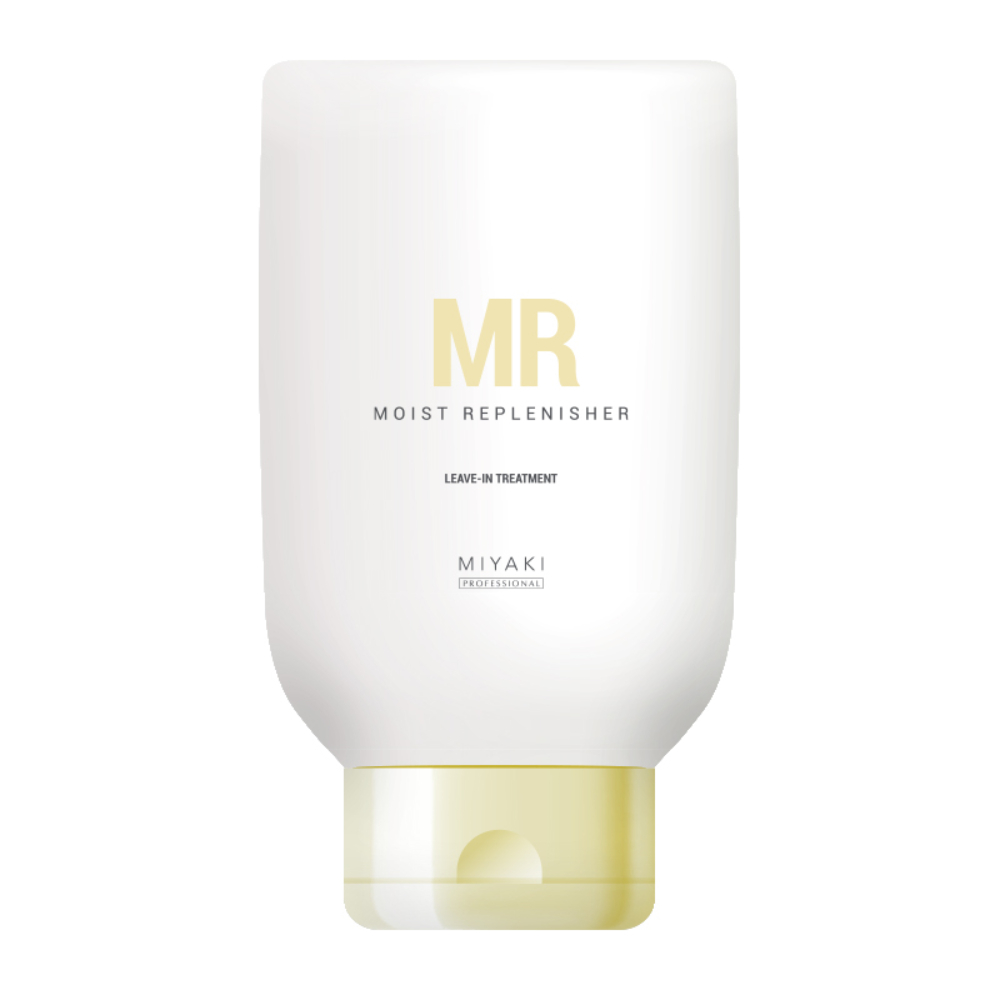
Miyaki Moist Replenisher
A leave-in treatment infused with argan oil and castor oil that leaves hair feeling strong, smooth, and shiny all day.

$38.00
Miyaki Smooth & Shine Serum

Miyaki Smooth & Shine (SS) Hair Serum
Miyaki Smooth & Shine Hair Serum protects hair from UV damage, leaving it soft, shiny, and nourished.

$38.00

Tip: For best results, apply leave-in conditioner to damp, towel-dried hair to hydrate, detangle, and lock in moisture, then finish with a hair serum on dry or nearly dry hair to smooth frizz, add shine, and seal the cuticle against humidity and external damage. Think of it as moisturizer first, then a protective topcoat.

5. Try Nourishing Hair Masks

Weekly hair masks offer deeper conditioning than regular conditioners. Professional masks, which are often enriched with proteins or oils, work to repair damage and bring back shine. Natural masks made with ingredients like honey, yogurt, banana, or aloe vera can help restore moisture.
Note: Don’t apply these raw ingredients directly to your hair. Instead, look up proper recipes online that use these natural ingredients in the right blends for hair care.

6. Minimize Heat Styling

Blow dryers, straighteners, and curling irons can weaken hair over time, leaving it dry and dull. To keep hair soft and shiny, try to limit heat styling to special occasions and always apply a heat protectant spray before using hot tools.

7. Eat a Balanced Diet

Shiny hair starts from within. A diet rich in proteins (eggs, fish, beans), healthy fats (avocados, nuts, seeds), and vitamins and minerals supports strong, glossy hair.

8. Stay Hydrated

Just like your skin, your hair needs hydration. Drinking 6–8 glasses of water daily keeps your scalp moisturized and helps each strand stay supple, soft, and naturally shiny.

9. Don’t Overwash

Washing too frequently strips away natural oils, leading to dryness and frizz. Most hair types do best with 2–3 washes per week, allowing natural oils to protect and add shine. Dry shampoo can help extend the time between washes. However, the heat in Singapore can really get on your nerves, so choosing the right shampoo for daily washes and following a proper haircare routine for aftercare is recommended.

10. Trim Regularly

Split ends and damaged tips scatter light and make hair look dull. Trimming your hair every 6–8 weeks keeps ends neat, maintains shine, and promotes healthier-looking strands overall.

Top Foods for Soft, Shiny Hair

Healthy hair starts from the inside. These nutrients and foods help your hair stay strong, soft, and shiny:

  • Protein – Builds strong hair and reduces breakage.
    Eggs, Greek yogurt, lentils, beans

  • Omega-3 Fatty Acids – Keep hair soft and hydrated.
    Salmon, walnuts, avocados

  • Vitamins A, C, E – Boost natural oils and protect hair.
    Sweet potatoes, spinach, leafy greens, almonds, avocados

  • Zinc & Selenium – Keep scalp healthy and prevent dryness.
    Pumpkin seeds, nuts, beans

  • Antioxidants – Protect hair and add shine.
    Blueberries and colorful fruits

Salon Treatments for Shinier Hair

If you want professional results, De Arte Hair Studio offers treatments designed to smooth the cuticle, restore moisture, and enhance natural shine. These are our most loved treatments, chosen by our customers time and time again:

  • Nano Mist Pre/Post Treatment
    Locks in hydration and repairs damage using nano-sized water molecules and conditioning agents, leaving hair soft, smooth, and radiant.

  • Oxygen Treatment
    Restores moisture, balances hair structure, and refreshes hair for a vibrant, healthy look in just 30 minutes.

  • Ultrasonic Repairment
    Uses 37,000 non-heat vibrations per second to deeply hydrate, repair porous areas, and seal the hair cuticle for stronger, smoother hair.

  • 5-Step Intensive Restructure
    A comprehensive system that strengthens, repairs, and heals hair from within, leaving it resilient, beautifully structured, and full of shine.

Book An Appointment

If you’ve been asking yourself “How to get soft and shiny hair?”, the answer lies in a mix of the right hair care habits, good nutrition, and occasional professional treatments. A healthy diet with protein, omega-3s, zinc, selenium, and vitamins supports natural shine from within, while gentle care and trims keep hair looking polished.

With consistency and smart choices, your hair can become naturally soft, smooth, and shiny! Don’t get lazy, start somewhere today!

How to Prevent Damage Hair: 6 Things You Should Never Put on Your Hair

Damage Hair

Damage Hair: 6 Things You Should Never Put on Your Hair

Damage hair is one of the most common problems people face, yet most of us unknowingly contribute to it every day. From swimming in chlorinated pools to using alcohol-based styling products, many habits silently weaken hair, causing dryness, breakage, color fading, and scalp irritation. Understanding how these substances and practices harm your hair and learning safer alternatives is key to keeping your strands strong, smooth, and healthy.

In this quick 5mins read article, we will explore six everyday things that can damage hair, explain why they’re harmful, and provide practical solutions to protect your hair for the long term.

1. Chlorine: The Silent Hair Damager

Of course, I didn’t mean literally applying chlorine to your hair. However, many people who enjoy swimming occasionally neglect to protect their hair from pool chemicals.

Why Chlorine Damages Hair

Chlorine is a powerful chemical added to swimming pools to kill bacteria and keep the water clean. While it’s essential for hygiene, it also strips hair of its natural oils, which are vital for maintaining moisture, softness, and shine. Frequent exposure can leave hair dry, rough, brittle, and prone to breakage. For color-treated or naturally light hair, chlorine can also cause discoloration and fading.

Tips to Protect Hair from Chlorine

  • Apply a leave-in conditioner or hair oil before swimming to create a protective barrier.
  • Wear a swim cap to reduce direct contact with pool water.
  • Rinse hair thoroughly with clean water immediately after swimming to remove chlorine residue.
  • Use a clarifying shampoo once a week to safely remove chemical buildup.

Extra Tip: Swimming frequently in chlorinated pools without protection can weaken the hair shaft over time, making hair prone to split ends. Regular deep conditioning treatments help restore moisture and prevent long-term damage.

2. Perfume and Body Spray

Are you guilty of spraying perfume or body mist directly onto your hair just because you love the scent so much that you want to smell it every time you flip your hair or when people walk past?

How Perfume Can Damage Hair

Most perfumes contain alcohol and synthetic fragrance compounds. When applied to hair, the alcohol evaporates quickly, taking moisture with it. This process dries out the hair shaft, roughens the cuticle, and contributes to frizz and breakage. Over time, hair loses its natural shine and feels brittle.

Safer Alternatives:

  • Use alcohol-free hair mists designed specifically for hair.
  • Apply a few drops of diluted essential oils to hair ends for a gentle, natural scent.
  • Spray perfume on clothes instead of directly on hair to avoid long-term damage.

Extra Tips: Even occasional perfume application on hair can accumulate damage. Make it a habit to nourish hair regularly with deep-conditioning treatments to counteract dryness.

3. Sulfate Shampoos

Using a sulfate shampoo for daily hair washing instead of sulfate-free shampoo because it just feels so much cleaner, sqqqqqqquuishy clean!

How Sulfates Damage Hair

Sulfates are detergents that remove dirt and create lather, but they also strip the hair and scalp of natural oils. This can lead to dryness, frizz, color fading, and weaker strands. Individuals with sensitive scalps may also experience itchiness, irritation, or dandruff from regular sulfate use.

Prevent Damage Hair Tips:

  • Switch to sulfate-free shampoos to preserve moisture balance.
  • Use hydrating masks weekly to maintain softness and elasticity.

Extra Tip: Choosing shampoos formulated for your hair type (curly, fine, color-treated) reduces the risk of long-term damage.

4. Alcohol-Based Styling Products

Daily use of hairspray, gel, mousse, or similar styling products containing alcohol.

How Alcohol-Based Products Damages Hair

Alcohol evaporates quickly, stripping hair of water and natural oils. Over time, repeated use makes hair brittle, dull, and more prone to breakage. Scalp dryness and flaking may also result, creating additional hair health concerns.

Safer Alternatives to Avoid Damage Hair:

  • Opt for alcohol-free styling sprays, creams, or mousses.
  • Use heat protectants when styling with hot tools.
  • Limit daily styling and give hair rest days to recover moisture.

Extra Tip: Lightweight serums or leave-in conditioners can provide hold and shine without causing long-term damage.

5. Baby Powder

Powder is powder, right? Using baby powder, especially since it smells like a baby as a DIY dry shampoo. Can you actually do that?

Why Baby Powder Can Damage Hair

While it absorbs oil temporarily, baby powder can clog hair follicles and irritate the scalp. Over time, this leads to dandruff, folliculitis, and dull-looking hair that’s difficult to clean.

Safer Alternatives:

  • Use dry shampoos specifically formulated for hair to absorb oil safely.
  • Apply only to roots and brush through hair to remove excess product.
  • Focus on scalp care with gentle exfoliating treatments to prevent buildup.

Extra Tip: Regular exfoliation and proper cleansing prevent hair follicle clogging, keeping hair strong and healthy.

6. Baby Oil

Obsessed with the baby smell and thinking that baby powder isn’t enough, you assume baby oil seems ‘healthier’ since it can be applied on babies. So you apply baby oil directly to the scalp or hair to ‘moisturize’. Why is this not okay?

How Baby Oil Damages Hair

Baby oil is heavy, mineral-oil based, and non-absorbing. It traps dirt, dust, and bacteria on the scalp, potentially causing irritation, follicle blockage, or breakouts. Hair may appear greasy but remain dry and undernourished at the core.

Safer Alternatives:

  • Use lightweight oils such as argan, jojoba, or grapeseed on mid-lengths and ends.
  • For scalp care, select serums or oils designed to absorb quickly and support follicle health.

Extra Tip: Regular scalp massages with absorbable oils improve circulation and strengthen roots, reducing overall hair damage. Or you can seek professional services, and yes, De Arte Hair Studio not only provide hair styling and retexturing but also offer hair and scalp treatments.

Final Thoughts
prevent damage hair: 6 things to never put on your hair

Our hair is constantly exposed to everyday habits and environmental factors that can quietly cause damage. From swimming in chlorinated pools to spraying perfume or applying heavy oils, even small actions can lead to dryness, breakage, frizz, and scalp issues over time.

The key is awareness. By identifying the things to never put on your hair and replacing harmful habits with safer alternatives such as using protective hair products, choosing alcohol-free styling sprays, and minimizing chemical exposure, you can keep your hair healthy, strong, and shiny for the long term. Remember, healthy hair isn’t just about what you apply, it’s also about what you avoid. Small, mindful changes today can make a big difference tomorrow.

Avoiding damaging habits is only the first step. For optimal results, pair these tips with professional salon care. Whether it’s a nourishing treatment, a trim to prevent split ends, or personalized advice for your hair type, visiting a salon can transform your hair health.

Book An Appointment

Don’t wait; book an appointment with De Arte Hair Studio today and give your hair the care it deserves. Healthy, strong, and shiny hair is just an appointment away!
How to Get Rid of a Smelly Scalp

Smelly Scalp

Smelly Scalp: Causes, Remedies, and How to Keep Your Hair Fresh

Smelly scalp is more common than you might think, and it can be caused by a variety of factors. Whether you’re dealing with excess oil, sweat, or even fungal issues, a smelly scalp can be embarrassing. Especially when you’re taking a group picture and have to squeeze into one frame, sometimes you end up bending down, and people can smell your scalp from above! But don’t worry! Once you know what causes the odor, you can easily address it (or at least start with somewhere simple). In this article, we’ll explore the common causes of a smelly scalp, ways to keep it fresh, and why your hair might still smell bad even after washing.

What Causes a Smelly Scalp?

Several factors can contribute to a smelly scalp. Understanding the root cause of your scalp’s odor is the first step in eliminating it.

1. Excess Oil Production

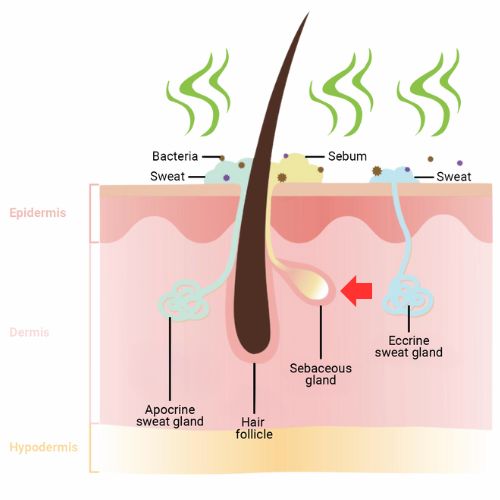
The sebaceous glands in your scalp produce sebum, a natural oil that keeps hair moisturized. However, when these glands produce too much oil, it can mix with sweat, bacteria, and dead skin cells. This creates the perfect environment for bacteria and fungi to thrive, leading not only to a strong, sour, or greasy smell but also to issues like oily scalp and even scalp acne. People with naturally oily hair are especially prone to these problems. (And sadly, I’m one of them!)

2. Sweat and Bacteria

Your scalp has two main types of sweat glands:

  1. Eccrine sweat glands: Found all over the body, including the scalp, they produce a watery sweat mainly for temperature regulation. Even though eccrine sweat is mostly odorless, when it mixes with bacteria on the scalp, it can produce an unpleasant smell.

  2. Apocrine sweat glands: Concentrated around the hair follicles, these glands produce a thicker, milky sweat rich in proteins and lipids. When bacteria break down this sweat, it generates a stronger, characteristic body odor, which can contribute to a smelly scalp.

Both types of sweat can harbor bacteria, but eccrine sweat usually causes mild odor, whereas apocrine sweat tends to produce stronger smells due to its protein- and fat-rich composition.

3. Poor Scalp Hygiene

Neglecting to wash your hair regularly or not properly rinsing your scalp can lead to the buildup of oils, sweat, and product residue. This buildup is a major contributor to a smelly scalp.

4. Fungal Infections

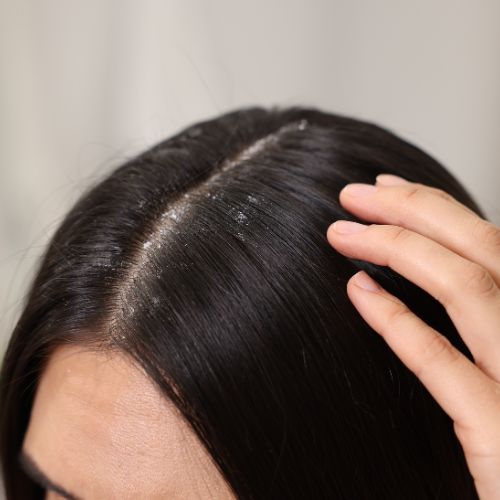
A smelly scalp can also be the result of fungal overgrowth. Conditions like dandruff or seborrheic dermatitis are caused by yeast or fungi, which can lead to excessive oiliness, flaking, and, of course, a smelly scalp.

5. Diet and Food Choices

Certain foods, like spicy dishes or garlic, can make your body’s odor more pronounced, including the smell of your scalp. The way your body processes food and sweat can contribute to a smelly scalp.

6. Tight Hairstyles
Tight Hairstyle

Tight hairstyles, such as braids, buns, or ponytails, trap sweat and oil against your scalp. This lack of airflow can cause a buildup of bacteria, leading to an unpleasant odor on your scalp.

7. Hormonal Changes
Hormones Change

Hormonal fluctuations, whether from puberty, pregnancy, or menopause can lead to increased oil production on the scalp, which in turn can lead to a smelly scalp. Hormones play a key role in scalp health, and a hormonal imbalance can contribute to stronger odors.

8. Dehydration
Dry Scalp

When your scalp is dehydrated, it often overcompensates by producing more oil. This excess oil, when mixed with sweat and bacteria, can cause a smelly scalp.

Why Does Your Hair Smell Bad Even After Washing?

It’s frustrating when you’ve washed your hair thoroughly, but the smell won’t go away. There are a few reasons why your hair might still have a smelly scalp after washing:

1. Incomplete Rinsing

If shampoo or conditioner isn’t properly rinsed from your scalp, it can leave behind residue that combines with sweat and bacteria, causing a lingering smell.

2. Overuse of Styling Products

Excessive use of hairsprays, gels, or other styling products can lead to a buildup on your scalp. Even after washing, this buildup can trap bacteria and contribute to a smelly scalp.

3. Fungal or Bacterial Infections

Conditions like dandruff or seborrheic dermatitis can cause a persistent smelly scalp, even with regular washing. These conditions often require special medicated shampoos or treatments to eliminate the fungal or bacterial overgrowth. You might be interested to read: 4 Common Scalp Problems in Singapore

4. Damp Hair

I know sometimes for long-haired girlie like me, it’s such a hassle to dry your thick, long hair especially after a long day out when all you want to do is lie down on the bed. However, leaving your hair damp or wet for too long can promote bacterial and fungal growth on your scalp, leading to a musty odor. Hence, always make sure your hair is thoroughly dry after washing to prevent a smelly scalp.

5. Oily Scalp

If you have an oily scalp, even after washing, your scalp may continue to produce oil quickly, which mixes with sweat and bacteria, resulting in a smelly scalp that doesn’t stay fresh for long. (Difficult hor? Wash also cannot, don’t wash also cannot, so the solution is… WELL, read on!)

So... How to Keep Your Scalp Fresh

Keeping your scalp fresh and odor-free can start small! Here are the 6 simple practices to prevent and address a smelly scalp:

1. Regular Shampooing

Regular washing is essential to remove oils, dirt, and bacteria from your scalp. A smelly scalp can be controlled by using a gentle, sulfate-free shampoo that suits your hair type. For oily scalps, consider washing your hair more frequently, but avoid over-washing, as this can lead to dryness and trigger more oil production.

Shop Our Top-Pick Shampoos

Formulated for Every Hair and Scalp Concern!

Miyaki Professional Root Balancing
For Oily Hair

Miyaki Root Balancing Shampoo
Prevents excess oil production in the scalp to prevent oily roots and adds volume to make hair look fuller.

$40.00 – $68.00

Select options This product has multiple variants. The options may be chosen on the product page

Miyaki Professional Repairing Shampoo
For Dry & Damaged Hair

Miyaki Repairing Shampoo
Deeply hydrates and nourishes hair from root to tips to repair dry and damaged hair.

$40.00 – $68.00

Select options This product has multiple variants. The options may be chosen on the product page

Miyaki Professional Scalp Balancing Shampoo
For Normal/ Dry Scalp

Miyaki Scalp Balancing Shampoo
Balances overall scalp and hair environment to prevent dryness and frizz.

$40.00 – $68.00

Select options This product has multiple variants. The options may be chosen on the product page

2. Exfoliate with a Scalp Treatment

Exfoliating your scalp is an effective way to remove dead skin cells and prevent the buildup of oils that can lead to a smelly scalp. Professional scalp treatments or exfoliating scalp scrubs can help improve scalp health by clearing away buildup and promoting a fresh, clean scalp.

3. Professional Scalp Treatments

For persistent issues like dandruff or an oily scalp, visiting a professional is essential. They can recommend advanced scalp treatments that help balance oil production, eliminate bacteria or fungi, and restore a healthy, fresh-smelling scalp.

At De Arte Hair Studio, we don’t just style and cut hair, we offer a complete, one-stop service focused on both scalp and hair health. Our advanced scalp treatments are tailored to your specific needs, ensuring long-term results and a healthier foundation for hair growth.

What to Expect for Scalp Treatment
Scalp Consultation-01

1. Consultation

A one-on-one session with our scalp specialist to understand your concerns, symptoms, lifestyle, and product history.

Scalp Consultation-02

2. Analysis

A detailed scalp analysis using professional tools and techniques to assess oil levels, dandruff presence, inflammation, clogged follicles, or fungal activity. This helps us accurately identify the root cause of your scalp issues.

Scalp Consultation-03

3. Treatment

Based on your diagnosis, we apply targeted professional treatments to detoxify, balance, and nourish the scalp, often incorporating exfoliation and deep cleansing solutions.

Scalp Consultation-04

4. Results

You’ll often notice immediate relief and visible improvements such as reduced flaking, less oiliness, or a calmer scalp. For more serious issues, the treatment’s full effect may take a few sessions, with improvements becoming clearer over time.

Scalp Consultation-05

5. Monitoring

To ensure long-term results, progress is monitored, and follow-up sessions are scheduled.

These follow-ups allow the stylist to adjust treatments as needed, ensuring optimal care and continued improvements for the client’s hair and scalp health.

4. Avoid Tight Hairstyles

Tight hairstyles prevent your scalp from breathing and can trap sweat and bacteria, which leads to a smelly scalp. Opt for looser styles, or allow your scalp to rest from tight braids and ponytails to reduce oil and sweat buildup.

5. Clean Your Hair Tools

Hairbrushes, combs, and hats can accumulate oils, dirt, and bacteria. These tools can transfer those contaminants back to your scalp, contributing to a smelly scalp. Regularly clean your hair tools to prevent buildup and bacteria transfer.

6. Maintain a Healthy Diet

A balanced diet can influence your scalp’s health and reduce the likelihood of a smelly scalp. Foods rich in omega-3 fatty acids, vitamins A and E, and antioxidants support scalp health. Drinking plenty of water also helps keep your scalp hydrated and fresh.

Book An Appointment

Dealing with a smelly scalp is common, but it can get worse if your routine isn’t right. Don’t wait! If the odor persists, you should consult a professional already.

With our professional help and a few scalp-care tips, you can enjoy a cleaner, healthier scalp and fresh-smelling hair. Book an appointment with us today to start your scalp care journey; and say BYEBYE to your smelly scalp!

Dry Hair vs Oily Hair: Causes, Differences, and Solutions

Dry Hair VS Oily Hair VS Both..

Are you dealing with dry hair or oily hair or perhaps a mix of both? It can be frustrating when your hair feels like it’s not cooperating, but the good news is that with the right routine and products, balance can be restored.

This guide will help you have a better understanding of the causes of dry and oily hair, the differences between them, and how you can manage these issues, especially in Singapore’s humid climate.

How Your Scalp and Hair Are More Connected Than You Think

Your scalp is closely connected to the health of your hair, and its condition often follows the state of your skin. If you’ve ever noticed that your skin tends to get dry, oily, or a bit of both, your scalp may follow suit. Because your scalp is closely connected to your skin, factors like the environment, lifestyle choices, diet, and hormones can impact both your skin and your hair in similar ways.

The Link Between Dry and Oily Hair & Your Skin

Your scalp is essentially a part of your skin, which is why skin conditions like dryness or oiliness often have a direct impact on your scalp and hair. Just like the skin on your face, your scalp can also experience imbalances, whether that’s excess oil production, a lack of moisture, or even a mix of both.

Dry Skin & Dry Hair

When your skin is dry, it can feel tight and uncomfortable. Similarly, dry hair lacks moisture, leaving it feeling rough, brittle, and dull. When your scalp doesn’t have enough moisture, it can lead to an itchy, tight feeling, and flaky patches.

Oily Skin & Oily Hair

If your skin tends to be oily, your scalp is likely producing excess sebum (natural oils) as well. In humid conditions like Singapore’s, the production of oil on your scalp can accelerate, resulting in greasy hair and clogged pores. Your hair might feel weighed down and flat, with the need for frequent washing.

Scalp Imbalances: More Than Just Dry or Oily

Sometimes, your scalp and hair might not neatly fit into the “dry” or “oily” categories. Instead, it can experience a combination of both conditions, making it harder to manage. You may find that some areas of your scalp are oily, while others are dry or flaky. Once again, this imbalance can occur for several reasons, such as hormonal changes, fluctuating weather, or inconsistent hair care habits.

Combination Scalp (Dry & Oily Hair)

A combination scalp is characterized by areas where your scalp is oily, particularly around the roots, but dry or flaky in other parts, like the crown or hairline.

  • Cause: Uneven sebum production across your scalp.
  • Symptoms: Oily roots by midday, with dry or flaky patches on the scalp. Hair may feel greasy at the roots but dry and brittle at the ends.
  • Common Triggers: Hormonal fluctuations, inconsistent washing routines, and varying humidity levels.
Oily Hair & Dry Scalp

This condition can be particularly confusing because your hair may appear oily, but your scalp feels dry, itchy, or flaky.

  • Cause: Overactive sebaceous glands at the roots produce excess oil, but the scalp lacks moisture, possibly due to overuse of harsh shampoos or air conditioning.
  • Symptoms: Oily hair roots combined with a dry, tight scalp. You may experience scalp irritation or flakiness, but your hair still feels greasy right after washing.
  • Common Triggers: Over-washing, harsh products, and environmental factors like air conditioning or pollution.
Dry Hair & Oily Scalp

This occurs when your scalp produces excess oil, but the hair itself is dry, frizzy, and damaged, particularly at the ends.

  • Cause: The scalp produces too much sebum, but the hair shafts remain dry, often due to heat styling, environmental damage, or using heavy products that don’t provide moisture to the hair’s length.
  • Symptoms: Oily roots but dry, frizzy, or split ends. The hair may look greasy at the roots but feel rough or lack moisture at the tips.
  • Common Triggers: Excessive heat styling, using the wrong conditioners, or exposure to environmental stressors like sun and pollution.
Dry Hair VS Oily Hair Hair Care Routines

Living in Singapore means dealing with intense humidity, which can make dry hair frizzy and oily hair greasy even faster. Whether you’re dealing with dry, oily, or a combination scalp, here’s how you can manage your hair in the city’s ever-changing climate:

Dry hair VS Oily Hair Hot water  VS Cold Water
Hair Care Routine for Dry Hair:

If your hair feels parched and lacks moisture, here’s how to restore hydration:

  1. Hydrating Shampoo: Opt for a sulfate-free, moisturizing shampoo with natural oils like argan oil or shea butter. Avoid harsh chemicals that strip moisture. Use lukewarm to warm water when shampooing to open up the cuticles and cleanse the hair thoroughly.
  2. Deep Conditioning: Treat your hair to a nourishing mask or deep conditioning treatment once a week to restore moisture and repair damage. For deep conditioning, rinse with warm water to help the product penetrate, but finish with cold water to lock in the moisture.
  3. Leave-In Conditioner: Use a leave-in conditioner for hydration throughout the day without weighing your hair down. For best results, apply after using cold water to seal in hydration and help smooth frizz.
  4. Reduce Heat Styling: Limit the use of blow dryers, straighteners, or curling irons. When you do style, apply a heat protection spray.
  5. Hydrate from Within: Stay hydrated by drinking plenty of water, and eat a balanced diet rich in vitamins A, C, and E for overall hair health.
Hair Care Routine for Oily Hair:

If your scalp is producing too much oil, here’s how to manage it without over-washing:

  1. Clarifying Shampoo: Use a clarifying shampoo once or twice a week to remove excess oil and product buildup. Shampoo with warm water to open up the hair cuticles and effectively lift away oils and impurities.
  2. Lightweight Conditioner: Use a lightweight conditioner, applying it only to the ends to prevent weighing down the roots. Rinse with cool water to help seal the cuticles and prevent oil from spreading to the lengths of your hair.
  3. Avoid Over-Washing: Washing your hair too often can stimulate oil production. Aim to wash your hair every 2-3 days or when necessary.
  4. Dry Shampoo: Dry shampoo is a great way to absorb excess oil between washes and refresh your hair.
  5. Cool Water Rinse: After washing, rinse your hair with cool water to help close the pores and reduce oil production. This helps tighten the scalp’s pores and keeps oil at bay, giving your hair a fresher, less greasy appearance.

Shop Our Recommended Hair Care Products

Ready to take your hair care routine to the next level?

Miyaki RB Shampoo
For Oily Hair

Miyaki Root Balancing Shampoo
Prevents excess oil production in the scalp to prevent oily roots and adds volume to make hair look fuller.

For oily scalp and hair loss

$40.00 – $68.00

Select options This product has multiple variants. The options may be chosen on the product page

Miyaki RP Shampoo
For Dry Hair

Miyaki Repairing Shampoo
Deeply hydrates and nourishes hair from root to tips to repair dry and damaged hair.

For dry or damaged hair

$40.00 – $68.00

Select options This product has multiple variants. The options may be chosen on the product page

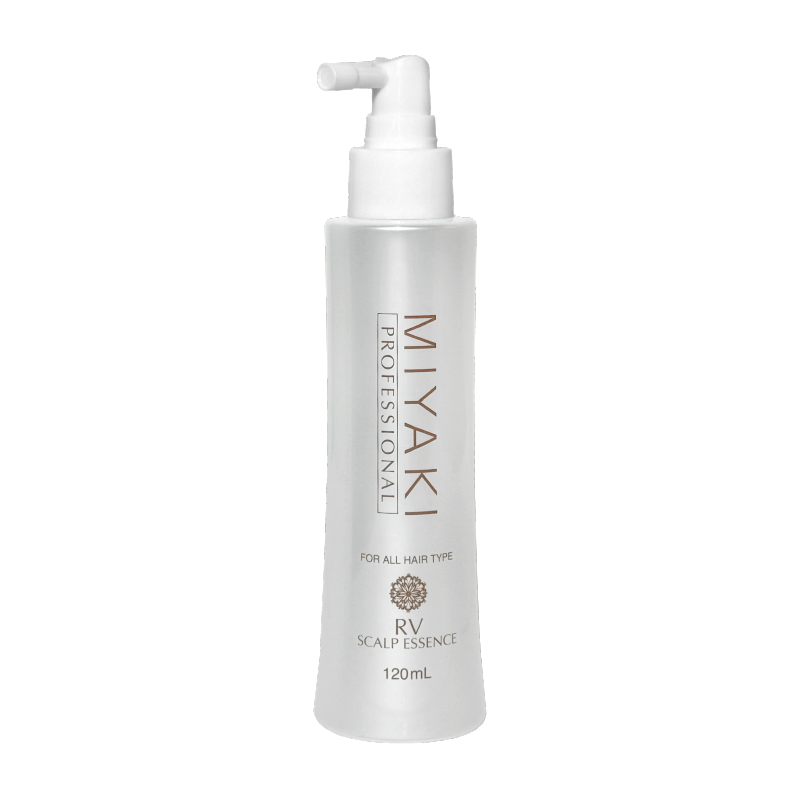
Miyaki RV Scalp Essence
For Scalp

Miyaki RV Scalp Essence
A nourishing scalp treatment made with 7 plant-based ingredients that repair and protect against dryness and UV damage. Infused with nano-sized hydrolyzed hyaluronic acid and collagen, it deeply hydrates and locks in moisture

$108.00
Aftercare

Miyaki Moist Replenisher
A leave-in treatment infused with argan oil and castor oil that leaves hair feeling strong, smooth, and shiny all day.

Suitable for all hair types.

$38.00
How Professional Salons Can Help with THE PROBLEM

When home remedies and over-the-counter products don’t seem to get to the root of your problem, it’s often because the exact cause of your scalp and hair issues is difficult to pinpoint without a professional’s assessment. De Arte Hair Studio is more than just a place for styling and cutting hair, we offer a full range of services, including advanced treatments for both scalp and hair health. We go beyond the basics to identify what’s really going on beneath the surface.

Scalp Analysis and Professional Guidance

At De Arte Hair Studio, we start with a thorough scalp analysis to help uncover the specific issues affecting your hair and scalp. Our professional stylists use specialized tool to carefully examine your scalp, checking for:

  • Oil production levels: Determining whether your scalp is producing too much oil or insufficient oil.
  • Moisture balance: Assessing whether your scalp is dehydrated or well-moisturized.
  • Scalp health: Looking for signs of irritation, flakiness, dandruff, or other scalp issues.

Based on the findings, we provide personalized recommendations on the best products and treatments specifically suited to your scalp and hair condition. Whether it’s a specialized shampoo, a deep-conditioning treatment, or a purifying scalp mask, we ensure you have the right products to restore balance and achieve healthier, more manageable hair.

Personalized Treatments for Dry or Oily Hair

We believe in treating both the scalp and hair, which is why De Arte Hair Studio offers a variety of professional treatments that go deeper than what you can typically do at home:

  • For Oily Hair: Our scalp purifying treatments are designed to balance excess oil production, eliminate buildup, and promote a healthier scalp. Our scalp massages further stimulate blood circulation, promoting healthier hair growth.
  • For Dry Hair: Our moisture-infusing treatments focus on deep hydration, repairing damage, and restoring the softness and shine that dry hair craves.

By understanding your unique scalp and hair needs, we can customize a treatment plan to ensure that both your scalp and hair thrive.

Step-by-Step Guide to our Professional Hair & Scalp Treatments

1. Consultation

The process begins with a thorough consultation where the stylist listens to the client’s hair and scalp concerns, goals, and preferences.

This helps identify the right treatment options, whether the client needs nourishment, scalp healing, or more intensive care for hair issues like thinning or dryness.

2. Analysis

(For scalp treatment only)
A detailed scalp analysis is conducted to assess its health.

The stylist checks for conditions like oiliness, dandruff, flakiness, or scalp irritation, explaining the findings and how the treatment will address specific concerns.

3. Treatment

Once the analysis is complete, the appropriate treatment is applied. For scalp concerns, depending on the condition, targeted serums, exfoliants, or soothing treatments are used to address issues like dryness or oiliness.

Hair treatments typically focus on nourishing masks or oils to improve hair health. While the scalp treatment include a relaxing massage to stimulate circulation, both scalp and hair treatments can be done concurrently to enhance overall results.

4. Results

The immediate results are typically visible: healthier, shinier hair, or a more balanced scalp.

For more serious issues, the treatment’s full effect may take a few sessions, with improvements becoming clearer over time.

5. Monitoring

To ensure long-term results, progress is monitored, and follow-up sessions are scheduled.

These follow-ups allow the stylist to adjust treatments as needed, ensuring optimal care and continued improvements for the client’s hair and scalp health.

The Importance of Regular Scalp Assessments

Your scalp condition, much like your skin, can change over time. For instance, you may start with an oily scalp and use products designed to control excess oil. Over time, these products can help normalize the scalp, but continuing to use the same oil-control treatments when your scalp has shifted to a more balanced state could lead to dryness.

At De Arte Hair Studio, we view hair care as a continuous journey. Regular scalp assessments allow us to stay in tune with how your scalp evolves over time. By working together, we can adjust your routine to match the current condition of your scalp and hair, ensuring your treatment remains effective. We’re committed to helping you maintain the healthiest scalp and hair, not just for today, but for the long term.

Final Thoughts

Managing dry or oily hair is about more than just finding the right products; it’s about understanding how your scalp and hair respond to factors like humidity, diet, and stress. In Singapore’s humid climate, your scalp can shift between dry, oily, or combination states, making it harder to maintain balance.

If you’ve tried various products but still struggle with your hair or scalp, we at De Arte Hair Studio are here to help. With our personalized scalp analysis and tailored treatments, we can pinpoint the root cause of your hair and scalp issues and provide solutions that work. By addressing these concerns directly, we’ll guide you toward healthier, more manageable hair.

Take control of your hair care today; whether you’re dealing with dryness, excess oil, or a combination of both. With our professional guidance and customized care, you’ll enjoy the long-term benefits of healthier, more vibrant hair that reflects your confidence and style!

Book An Appointment

Book your FREE consultation today and get personalized advice just for you!

Scalp Treatment: 7-in-1 Aroma Botanical for Hair Regrowth

Aroma Botanical Scalp Therapy

Unlock the Power of Nature for Healthier Hair

Achieving healthy, beautiful hair starts with a healthy scalp. If you’re struggling with scalp issues like dandruff, itching, hair thinning, or dryness, it’s time to give your scalp the attention it deserves. Aroma Botanical Scalp Therapy is an innovative scalp treatment designed to rejuvenate, detoxify, and nourish your scalp, creating the ideal environment for stronger, more vibrant hair.

Common Scalp Concerns: Are You Facing These Issues?

Scalp Type Problem - Dry Scalp
Oily dandruff
Scalp Type Problems - Oily Scalp
Scalp Type Problem - Dry Sensitive

Scalp problems are more common than you might think, affecting many people at some point. These issues can range from mild irritation to more severe hair loss, impacting both hair health and overall confidence. Common scalp concerns include:

  • Dandruff: Flaky, dry scalp caused by factors like fungal infections or excessive skin shedding. Read more about dry scalp vs dandruff
  • Itchy Scalp: Itching may arise from dryness, allergic reactions to hair products, or oil imbalances.
  • Hair Thinning or Loss: A weakened scalp environment can cause hair follicles to deteriorate, leading to thinning or even hair loss.
  • Scalp Sensitivity: Redness, soreness, or irritation may result from harsh chemicals, improper care, or product buildup.

If you’ve dealt with any of these issues, you’re not alone. They can affect not only the look of your hair but also your self-confidence. The good news? With the right care and ingredients, you can improve both your scalp health and hair growth. Read more about common scalp problems

More Than Just Styling: We Do Scalp Treatments Too

While we take pride in our expert cuts and color, we understand that your scalp’s health is the true foundation of healthy hair growth. At De Arte Hair Studio, we’re deeply committed to your hair’s long-term vitality, which is why we focus on nurturing and restoring the health of your scalp. Your scalp is the root of healthy hair growth and we care about creating the best possible environment for your hair to grow strong, vibrant, and healthy.

We know that every scalp is unique, which is why we offer personalized treatments that address your specific concerns, whether it’s dryness, frizz, an itchy or flaky scalp, oily hair, or hair thinning. Your scalp’s well-being is at the heart of what we do, and we’re here to ensure it’s always in the best condition to support the beautiful hair you deserve.

To ensure we recommend the most effective treatments, we will conduct a detailed scalp analysis using advanced deep learning models to assess concerns such as hair loss, oil levels, and sensitivity. This helps us provide the most targeted treatment plan, specifically tailored to your individual needs.

Aroma Botanical Scalp Therapy: A Natural Solution

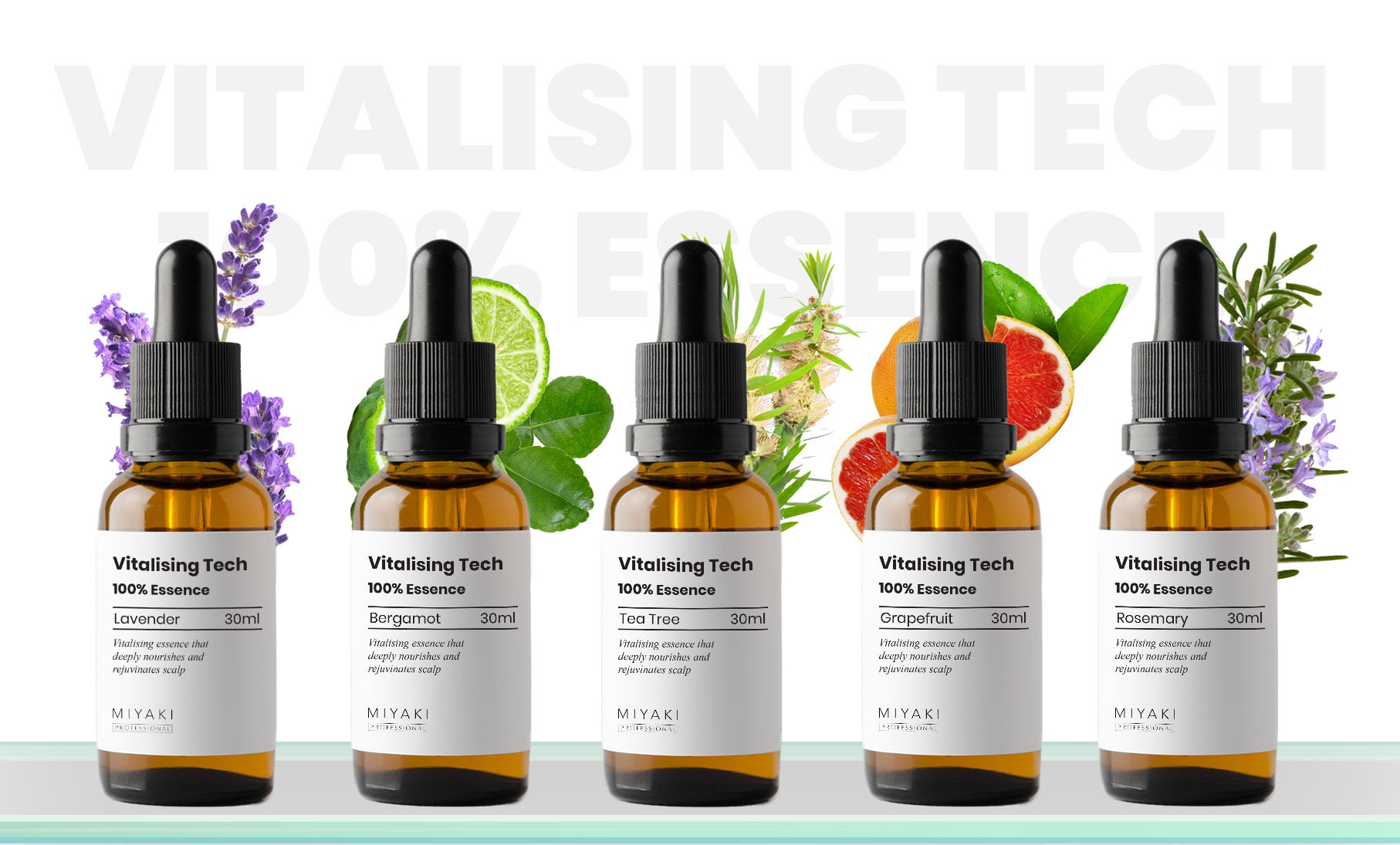
Aroma Botanical Scalp Therapy uses the power of nature to address your scalp concerns. This customized treatment uses Miyaki Vitalizing Tech 100% Essence and is infused with botanical extracts and essential oils to restore balance, nourish your scalp, and promote hair follicle health. Unlike traditional treatments that rely on harsh chemicals, Aroma Botanical utilizes pure, plant-based ingredients to cleanse, rejuvenate, and revitalize your scalp.

Scalp Therapy Vitalising Tech

The Power of Botanical Ingredients

  • Lavender: Contains anti-microbial properties that helps prevent bacteria and fungi from growing, and prevents itchy scalp and dandruff.
  • Bergamot: Rich in anti-bacterial and anti-inflammatory properties that facilitate wound healing and reduce inflammation due to common scalp problems, and promotes a healthy overall scalp environment.
  • Tea Tree: A powerhouse of soothing and healing properties that deeply cleanses the scalp from dead skin cells for a healthier scalp.
  • Grapefruit: Cleanses scalp and hair from debris and chemical build up that brings shine and luster back into hair.
    Rich in vitamins A and C that boost hair growth and healthy hair follicles.
  • Rosemary: Stimulates blood circulation in the scalp to prevent thinning hair and nourishes hair follicles to promote hair growth.

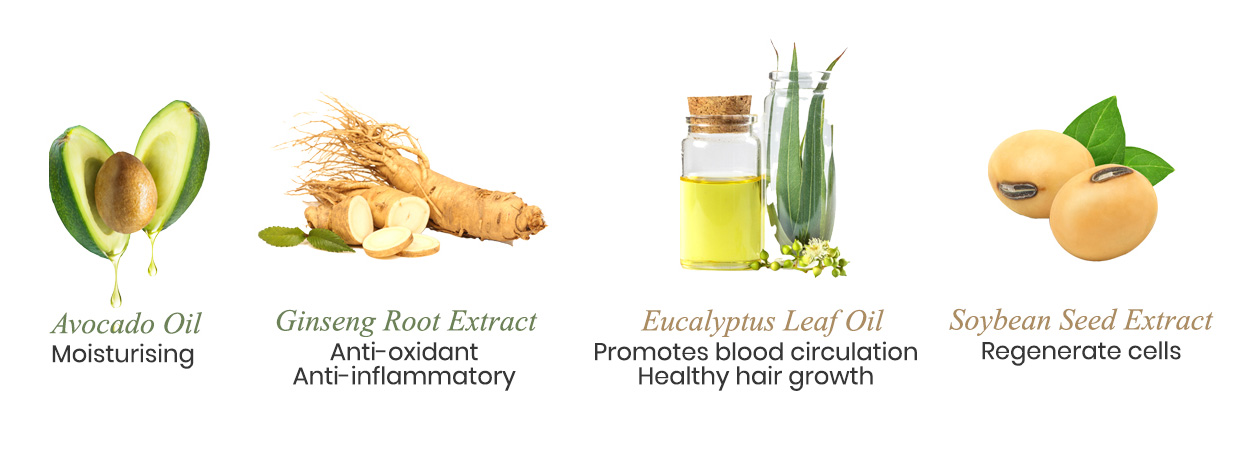
We also enhance the treatment with Miyaki Scalp Spa, featuring ingredients like:

  • Avocado Oil: Deeply moisturizes and nourishes the scalp.
  • Ginseng Root Extract: Soothes the scalp and calms inflammation with natural antioxidant support.
  • Eucalyptus Leaf Oil: Stimulates hair follicles and encourages growth.
  • Soybean Seed Extract: Regenerates scalp cells for a balanced scalp.

These botanical extracts, combined with cutting-edge technology, ensure your scalp receives the deep nourishment it needs for optimal hair growth.
Miyaki Scalp Spa

The 7-in-1 Hair Regrowth Treatment

Aroma Botanical’s 7-in-1 Hair Regrowth Treatment provides a comprehensive solution to scalp health, working together to cleanse, detoxify, and rejuvenate your scalp for maximum results. Each step is designed to create the perfect environment for your hair to grow strong and healthy:

Scalp Treatment Step Icon-01

1. Bubble Detox
Removes pollutants, free radicals, and chemical buildup from the scalp, ensuring a healthy base for hair growth.

Scalp Treatment Step Icon-02

2. Hair & Scalp Shampoo
Purifies the scalp at the roots, leaving it clean and refreshed.

Scalp Treatment Step Icon-03

3. Scalp Detox Mask
Unclogs pores and eliminates deeply seated impurities that may hinder hair growth.

Scalp Treatment Step Icon-04

4.  Scalp Toning Massage
Stimulates oxygenation and promotes healthy circulation, creating the ideal conditions for hair growth.

Scalp Treatment Step Icon-05

5.  High-Frequency Treatment
Kills bacteria and enhances scalp health while improving ingredient absorption.

Scalp Treatment Step Icon-06

6. Oxygen Essence Penetration
Deeply hydrates the scalp and promotes efficient absorption of nourishing ingredients.

Scalp Treatment Step Icon-07

7.  Bio Light Therapy
Boosts collagen production, strengthening hair follicles and encouraging healthy hair growth.

Who Should Try This Scalp Treatment?

If you’re dealing with scalp irritation, dryness, thinning hair, or other common issues, Aroma Botanical Scalp Therapy is the solution you’ve been looking for. Our unique blend of botanical extracts, combined with advanced technology, detoxifies, nourishes, and rejuvenates your scalp, creating a foundation for fuller, shinier hair.

Take the First Step Toward Healthier Hair

Ready to give your scalp the care it deserves? Aroma Botanical Scalp Therapy is here to help. Don’t let scalp issues hold you back from having the hair you’ve always wanted.

Experience the healing power of nature and restore balance to your scalp for healthier, more beautiful hair.

4 Common Scalp Problems in Singapore

4 Common Scalp Problems in Singapore and How to Fix Them

When it comes to maintaining healthy hair, many people focus solely on the products they use to style or treat their hair. But the truth is, a healthy scalp is just as, if not more but as important. Especially for individuals living in fast-paced, urban environments like Singapore, the challenges faced by your scalp can directly affect your hair’s health, appearance, and growth.

In this article, we’ll explore the 4 common scalp problems you may encounter, the effects they have on your hair, and how to address them for a healthier scalp and hair growth cycle, with a focus on those experiencing scalp concerns in the modern, often stressful world of their 20s and 30s in Singapore.

Understanding Scalp Problems: Causes and Effects on Hair

Scalp health is something that’s often overlooked, yet it’s fundamental to the health of your hair. In fact, a healthy scalp is the foundation for healthy hair growth. When the scalp is neglected or exposed to harmful factors (be it environmental stressors, poor diet, or even the wrong hair care routine), your hair follicles can become compromised, leading to conditions such as thinning hair, dryness, excessive oil, or dandruff.

In places like Singapore, where high humidity, pollution, and air conditioning are daily realities, the scalp faces unique challenges. The effects of these environmental factors can exacerbate scalp issues that, if not addressed, can lead to serious hair concerns later on.

4 Common Scalp Problems in Singapore

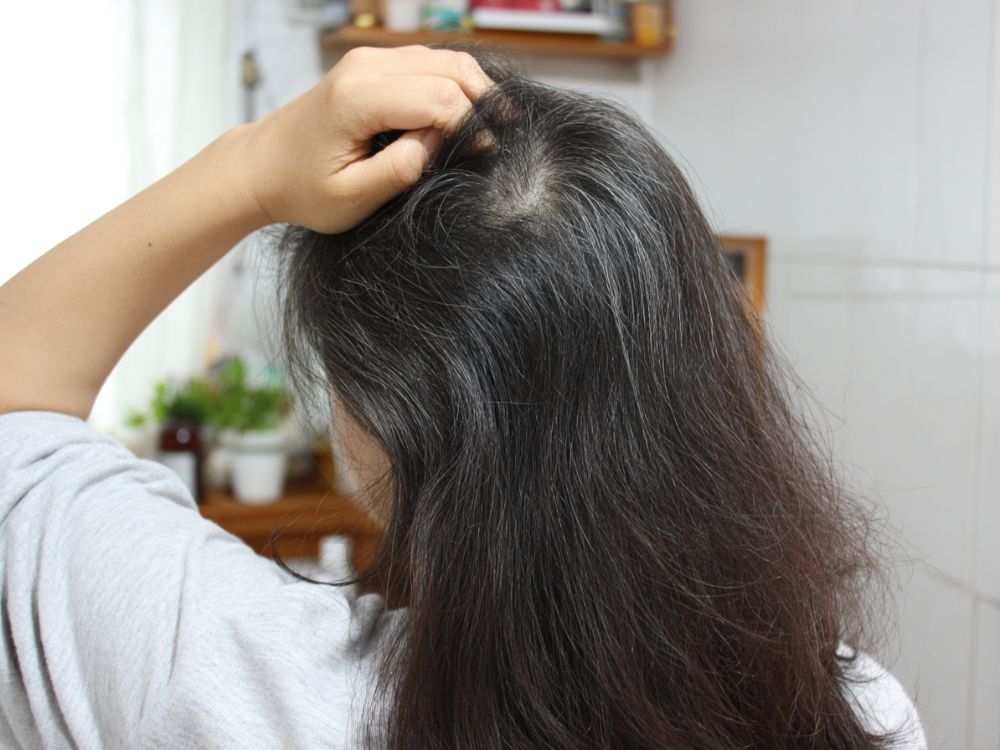
It’s easy to assume that scalp problems only affect people with visible dandruff or extreme hair loss.

However, many people experience scalp issues in more subtle forms, especially in the urban environments of Singapore. Regardless of your age, understanding the underlying causes of scalp discomfort and hair thinning is key to finding effective solutions.

1. Oily Scalp
Scalp Type Problems - Oily Scalp
Its Impact on Hair Health

If your scalp feels greasy soon after washing, or you find that your hair becomes limp and flat by midday, you may be dealing with an oily scalp. Oily scalps are especially common in humid climates like Singapore, where the excess moisture in the air can stimulate the sebaceous glands, causing them to overproduce sebum (oil).

While oil is necessary to protect the scalp and keep it moisturized, an overproduction can lead to clogged hair follicles. Over time, this can cause irritation, inflammation, and even hair thinning. In the worst-case scenario, it could disrupt the natural hair growth cycle, leaving hair looking dull, lifeless, and thin.

The added effect of pollution only worsens the situation. When pollutants in the air mix with sweat and sebum on your scalp, they can form a barrier that prevents hair follicles from getting the nutrients they need. The result? A potential increase in dandruff, hair thinning, and overall unhealthy hair.

2. Dry Scalp
Scalp Type Problem - Dry Scalp
When Your Scalp Doesn’t Get Enough Moisture

On the opposite end of the spectrum, some people experience a dry scalp. This condition can be particularly common for those who spend a lot of time indoors in air-conditioned environments. Air conditioning can strip moisture from the scalp, leaving it feeling tight, itchy, and flaky.

A dry scalp might seem like a minor inconvenience at first, but it can have long-term consequences if not managed. Dryness can lead to dandruff (a more severe version often referred to as seborrheic dermatitis), or it may weaken hair follicles, making it more difficult for your hair to grow healthily. The scalp, like the skin on your face, requires hydration to maintain its barrier function and prevent irritation. Without sufficient moisture, the scalp’s health can deteriorate quickly.

3. Sensitive Scalp
Scalp Type Problem - Dry Sensitive
The Silent Culprit of Hair Problems

In addition to the physical effects of weather and pollution, many individuals (especially those in their 30s) experience a sensitive scalp. Over time, your skin’s tolerance to hair treatments or environmental stressors may diminish, leading to a more sensitive, reactive scalp. Sensitive scalp conditions may manifest as redness, inflammation, and an increased feeling of discomfort after washing or using hair care products.

A sensitive scalp can often be exacerbated by the harsh chemicals found in certain shampoos, conditioners, and styling products. While your hair may look good in the short term, these chemicals can strip away natural oils and disrupt the delicate balance of your scalp, causing irritation. This can lead to a vicious cycle where the scalp becomes even more sensitive and prone to further issues.

4. Oily Dandruff
Oily dandruff
When Oil and Flakes Don’t Mix

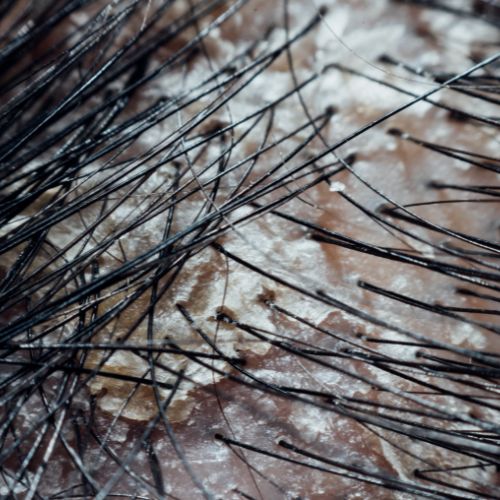
While dandruff is often thought of as a dry scalp issue, there is also a form of dandruff that is associated with oily scalps. Oily dandruff occurs when excess sebum mixes with dead skin cells, resulting in larger, greasier flakes. These flakes are not only unsightly but can also cause discomfort and irritation, often leading to a continuous cycle of scratching, which only worsens the condition.

This type of dandruff is more common in people with oily skin or a predisposition to seborrheic dermatitis, a condition that affects both the scalp and other oily areas of the body, like the face and chest. In Singapore’s climate, oily dandruff can be particularly persistent due to the heat and humidity, which keeps the scalp in a constant state of oil production.

What Causes Scalp Problems?

Understanding the root causes of scalp problems is the first step in addressing them effectively. Several factors, often working in combination, contribute to the development of scalp issues:

1. Environmental Factors

Humidity and Pollution: The high levels of humidity in Singapore encourage sebum production. Combined with urban air pollution, your scalp becomes a magnet for dirt, oil, and sweat, clogging pores and leading to inflammation.

Air-conditioning: While AC provides comfort, it also dries out your scalp, causing moisture imbalance and making it more prone to irritation.

2. Lifestyle Factors

Diet: A lack of essential nutrients, including vitamins and fatty acids, can make your scalp more susceptible to problems. A diet lacking in hydration and nutrients can leave your scalp dry and irritated.

Stress: The pressures of modern work-life balance, family commitments, and personal responsibilities can lead to heightened stress levels. Stress hormones, such as cortisol, can disrupt the scalp’s natural balance, leading to hair loss or skin sensitivity.

3. Hair Care Habits

Overuse of Hair Products: Constantly using styling gels, sprays, or other hair products with harsh chemicals can irritate the scalp and leave it vulnerable to dryness, itchiness, and other scalp conditions.

Improper Washing Routines: Overwashing or not washing your scalp enough can lead to either excess oil buildup or dryness. Finding a balanced hair care routine is essential for maintaining a healthy scalp.

4. Hormonal Changes

As you age, hormonal fluctuations can lead to changes in how your scalp behaves. Whether due to stress, pregnancy, or menopause, hormonal shifts can increase oil production, decrease moisture, or make the scalp more sensitive.

What Happens to the Follicle & Hair Growth Cycle When Disrupted?

Hair Growth

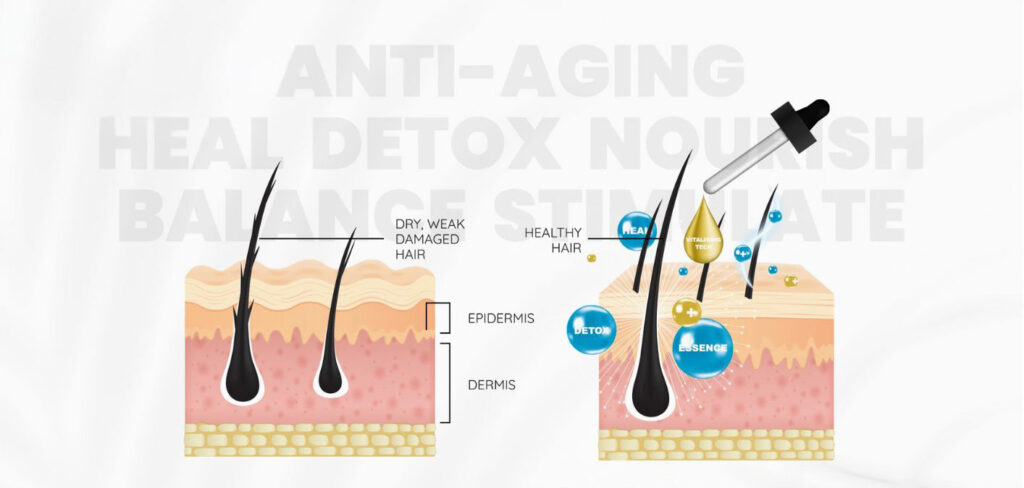
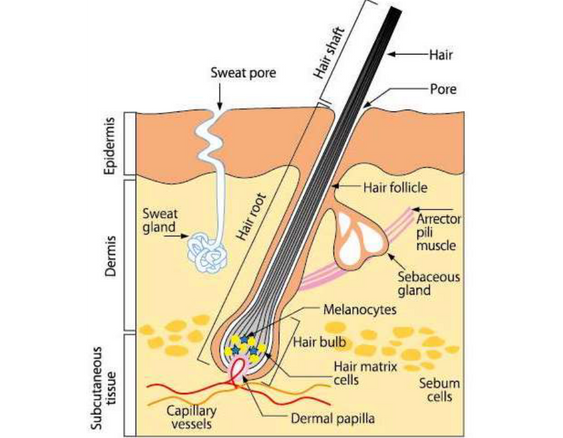
Scalp and Skin Structure Visualisation

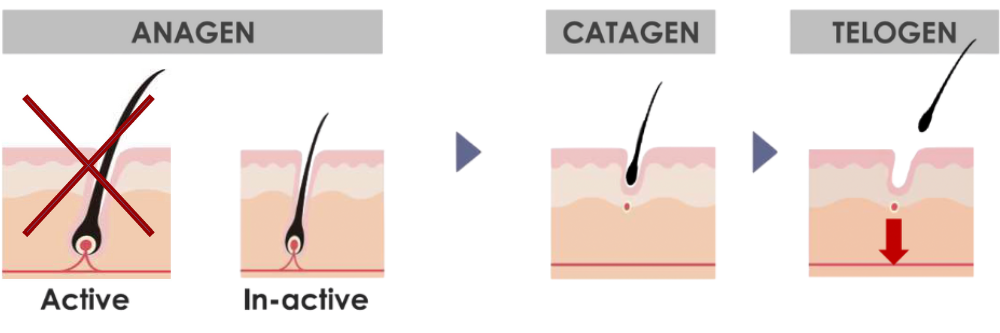
The hair growth cycle consists of three key phases: anagen (growth), catagen (transitional), and telogen (resting). Under normal conditions, hair grows for 2-7 years in the anagen phase before shedding and being replaced by new hair. However, when scalp issues (eg. excess oil, dryness, or inflammation) affect the follicles, this cycle can be disrupted, causing hair to behave differently. Here’s how:

Hair Grows Out Thinner due to Low FGF7 Activity

When FGF7 activity is low, hair follicles are less able to produce thick, healthy hair. FGF7 plays a crucial role in the anagen phase (growth phase) by signaling the dermal papilla to promote hair production. Without enough FGF7, the follicle’s growth is slowed, and the hair that grows is often thinner and weaker.

During the catagen phase, the dermal papilla naturally detaches from the follicle, and this detachment is even more pronounced when FGF7 activity is low. In addition, the dermal papilla does not anchor back to the deepest layer of the skin, where the capillaries are located, during this phase. This makes it harder for the follicle to receive vital nutrients and oxygen, further slowing down hair growth.

As a result, the follicle receives fewer growth signals and nutrients, causing hair to grow out thinner and leading to increased shedding. This disruption in the hair growth cycle, with weaker hair production and less efficient nourishment, can contribute to visible hair thinning and hair loss over time.

Shortened Lifespan of Hair

In a normal hair cycle, each hair strand goes through approximately 25 cycles of growth before naturally shedding. However, when the dermal papilla loses its ability to properly anchor to the scalp’s deepest layer, the hair growth phase shortens. As a result, hair enters the resting phase prematurely and the lifespan of each hair strand is significantly reduced. Normally, hair should last between 2 to 7 years, but in a compromised cycle, this could be reduced to as little as a few months.

Follicles Start to Die Off
Slow cells regeneration

The most severe consequence of a disrupted growth cycle is follicle atrophy. As your follicles undergo repeated cycles of stress, some may start to die off entirely. A healthy scalp typically has around 100,000 hair follicles, each going through their own individual cycles. However, when the follicles become damaged, you might see a reduction in the number of active follicles, perhaps dropping from 100,000 to 80,000, and even further to 40,000 in more advanced stages. This results in significant hair thinning and bald spots, particularly around the crown.

Once the follicles have regressed to this extent, nothing can fully revive them. This is why early intervention is critical to prevent long-term hair loss. If left untreated, the crown area may become shiny and bald, and regeneration becomes nearly impossible.

Hair Growth Becomes Dormant
Hair thinning

As the follicles face long-term stress from factors like poor blood circulation, hormone fluctuations, or constant scalp irritation, hair follicles can enter the dormant phase. This phase can last anywhere from 3 months to several years, depending on the severity of the disruption. During this time, hair growth slows significantly or stops altogether. As a result, hair thinning or shedding becomes more noticeable, particularly in areas where the follicles are weak or inactive.

For a more in-depth explanation of the hair growth cycle, read our detailed article on The Science of Hair Growth and Why You Should Care.

Solutions to Common Scalp Problems

Now that we’ve discussed common scalp problems, it’s time to explore the solutions that can help restore balance and ensure long-term scalp health.

For those experiencing an oily scalp, a gentle shampoo with salicylic acid or tea tree oil can help regulate oil production without stripping away too much moisture. Regular scalp exfoliation can also help remove buildup and prevent clogged pores.

On the other hand, if you’re dealing with a dry scalp, look for shampoos with hydrating ingredients like aloe vera or hyaluronic acid. Incorporating scalp oils such as coconut or argan oil into your routine can replenish moisture and restore balance.

For those with a sensitive scalp, choose hypoallergenic, fragrance-free products, and avoid any harsh chemicals or treatments. Calming ingredients like chamomile and lavender can help reduce inflammation and soothe the skin.

If you’re struggling with oily dandruff, try an anti-fungal shampoo containing zinc pyrithione or ketoconazole to address both the oil buildup and the flakes. Regular washing and treatment can help keep dandruff in check.

Overall Hair Growth Solutions: Restoring the Cycle

Restoring healthy hair growth involves addressing the root causes of scalp issues. Hair follicles thrive on a balanced, healthy scalp, where blood flow and nutrients can reach them effectively. Here are some additional ways to optimize your hair growth cycle:

Stimulate Follicle Health

To enhance hair growth, increase the activity of the dermal papilla in your hair follicles. The FGF7 (Fibroblast Growth Factor 7) helps stimulate healthy cell proliferation, leading to stronger and thicker hair. There are treatments that can help enhance this factor, including low-level laser therapy (LLLT) and scalp micropigmentation.

Promote Blood Circulation

A well-circulated scalp is crucial for nutrient delivery to the follicles. Massaging your scalp, using a derma roller, or investing in scalp stimulation tools can encourage better blood flow.

Nutritional Support for Hair Growth

Hair health isn’t just about what you put on your scalp, it’s also about what you nourish your body with. Ensure you’re consuming a balanced diet rich in vitamins and minerals like vitamin D, biotin, zinc, and omega-3 fatty acids to support the growth of healthy hair from the inside out.

Final Thoughts~

Taking care of your scalp is just as important as taking care of your skin and health. With the right approach and the right products, you can overcome common scalp issues and create an environment that encourages healthy hair growth. Whether you’re navigating the stresses of a busy career, adjusting to environmental changes in Singapore, or dealing with the challenges.

Book An Appointment

Book your FREE consultation today and get personalized advice just for you!

5 Step Intensive Restructure Treatment for Stronger Hair

Discover the Secret to Stronger, Healthier Hair with Our Intensive Restructure

If you’re struggling with dry, damaged, or brittle hair, our 5-Step Intensive Restructure Treatment offers a powerful, professional grade solution. This treatment deeply repairs and restores your hair’s natural structure using a unique blend of keratin, amino acids, and botanical extracts.

Suitable for all hair types, this intensive treatment strengthens, smooths, and revitalizes your hair, leaving it soft, shiny, and full of life. Want to know more? Let’s read on!

Why Does Natural Curl Frizz Happen?

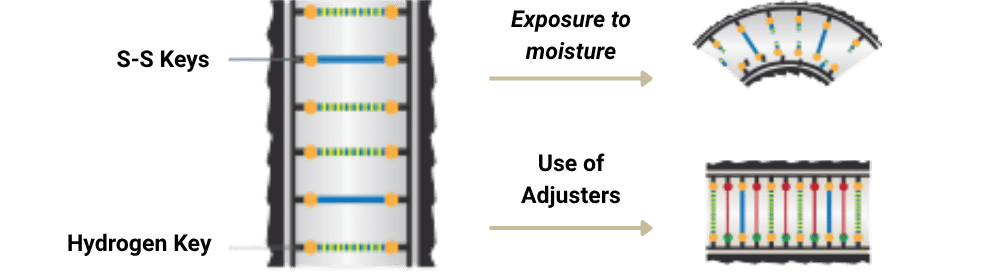
You might be thinking, Why does my hair still look frizzy no matter what I try? Well.. The root cause of frizz is often moisture. When hair is exposed to moisture (like humidity or water), the hydrogen bonds within the hair temporarily break. Since hydrogen bonds help hold the hair’s shape and smoothness, their uneven breaking causes the hair strands to swell and lift irregularly, leading to frizz (especially in natural curls).

Unlike hydrogen bonds, S-S bonds (disulfide bonds) are much stronger and more permanent. They determine the overall curl pattern and shape of your hair and are not easily affected by moisture. Hence, adjusters are used in treatments like perms or relaxers break and reform these S-S bonds to change hair texture, which can sometimes weaken hair if not properly cared for.

Generally, a good conditioner can help control frizz by:

  • Removing excess moisture from the hair

  • Binding to the hair’s natural amino acids

  • Helping hydrogen bonds reconnect properly to smoothen the hair and adds shine

But with our Intensive Restructure Treatment, you get more than just frizz control. Our advanced formula repairs damage caused by broken S-S bonds and strengthens the hair’s internal structure, while also replenishing oils and moisture balance. Resulting in curls that are smoother, healthier, and more resilient against humidity and styling.

The Science Behind our 5 Step Intensive Restructure Treatment

Hair Structure Basics

To start off, let’s understand the basic of hair structure right down to the molecular level. To make it easier to understand, hair is composed of three main layers:

  • Cuticle (outer layer)
  • Cortex (middle)
  • Medulla (inner core)

Approximately 80% of hair is keratin protein, held together by disulfide and hydrogen bonds, giving hair its strength and elasticity. These bonds can be broken by heat, chemicals, or environmental stress, causing weak, dry, brittle hair.

Exclusive Patented Technology

Our 5-step intensive restructure treatment features advanced ingredients that target hair at the molecular level:

1. Keratin and thermal proteins

With varying molecular weights, smaller molecules penetrate deeply into the middle layer and even reach the medulla in thicker hair, rebuilding internal protein bonds, while larger ones stay in the outer layer to smooth and protect the surface.

2. Vegetable oils

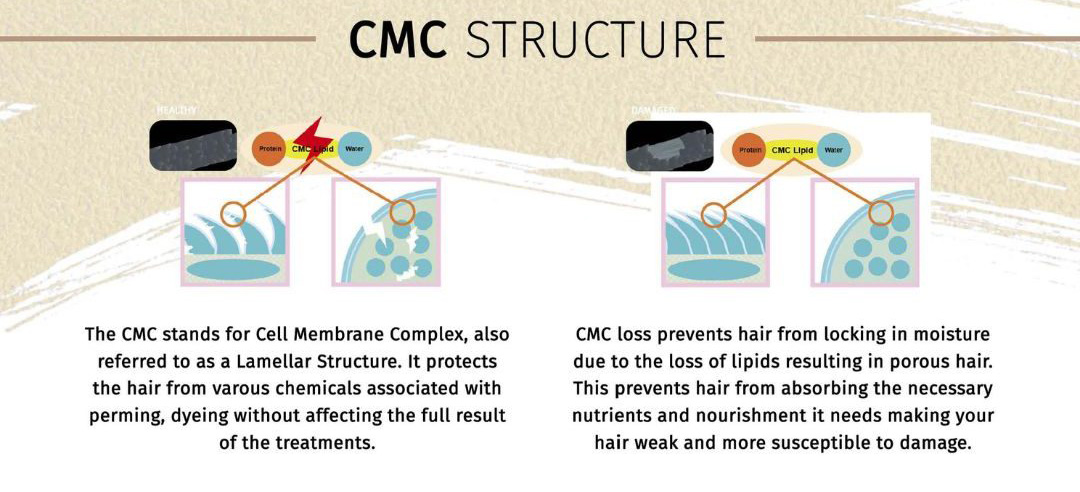
These restore essential lipids in the Cell Membrane Complex (CMC) (primarily located in the middle layer) to lock in moisture and maintain elasticity.

3. Platinum fullerenes

These ultra-fine molecules boost the delivery of active ingredients through all layers, including hard-to-reach inner areas like the medulla, ensuring deep nourishment, softness, and shine.

So.. What’s CMC?
The CMC, which is known as Cell Membrane Complex, is the “glue” that holds hair cells together. It locks in moisture and protects the hair fiber from environmental and mechanical damage. A healthy CMC prevents dryness, breakage, and brittleness.

CMC Structure
Three Key Features introduced in the tretment

These powerful ingredients deliver targeted benefits to restore your hair’s natural beauty:

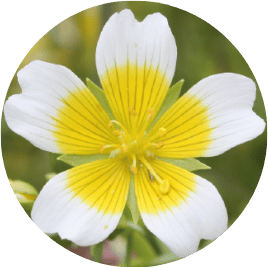
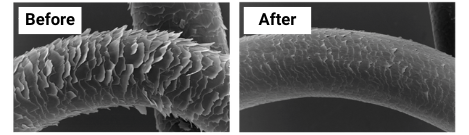
Smooth Gloss

The addition of white flower delta-lactone and platinum fullerenes smooth the cuticle and boost absorption of active ingredients.

Before & After

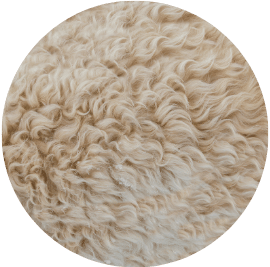
Kashmir Wool

Large hydrolyzed wool keratin molecules (30,000–35,000) to rebuild the hair shaft and enhance the longevity of perms.

Before & After

Colour Enhancement

Malic acid compounds and Gemini Amino Acids help replenish CMC oils to prevent color fading and improve vibrancy.

Color Enhancement

Step-by-Step Intensive Hair Restructure Process

After the long read of the science behind the treatment, I guess it’s time for us to jump right into our 5-Step Intensive Restructure Treatment! This treatment is a comprehensive system that combines five steps to achieve healthier and stronger hair. It focuses on repairing, strengthening, and healing damaged hair structure from the inside out. This intensive restructure hair treatment is designed not only for visible transformation, but also to restore long-term elasticity and shine

Intensive Care Step 1

Step 1: Shampoo

Deep Cleansing

Gently removes product buildup and stubborn impurities to prepare the hair for optimal absorption of treatment ingredients.

Intensive Care Step 2

Step 2: Core Internal Repair (No.1 Treatment)

Rebuilds the hair’s protein framework for added strength and resilience

Next, No.1 Treatment is applied using a spray bottle to ensure even distribution across the hair. This intensive formula replenishes the internal structure with 11 types of amino acids, CMC repair proteins, and malic acid compounds, working to restore keratin and repair internal damage. Enriched with white flower delta-lactone, avocado, olive, and argan oils, and boosted by platinum fullerene and high molecular weight keratin, this step repairs and strengthens the hair from within.

Intensive Care Step 3

Step 3: CMC Supplementation (No.2 Treatment)

Restores elasticity and moisture by repairing the internal hair structure

The third step uses No.2 Treatment to restore the cell membrane complex (CMC) oils, which are essential for hair elasticity and moisture retention. With ingredients like malic acid compounds, delta-lactones, and botanical oils, this step smooths the hair cuticle, seals in hydration, and adds softness and shine, protecting the hair from future damage.

Intensive Care Step 4

Step 4: Botanical Extract Boost (No.3 Treatment)

Delivers antioxidants and moisture to soothe the scalp and nourish strands deeply

Wash hair thoroughly with cold water and apply No.3 Treatment is applied to rebuild the hair’s physical structure. It contains high molecular weight keratin, ceramides, hyaluronic acid, and a thermal repair protein, all of which deeply penetrate the hair shaft to improve strength, moisture balance, and longevity of color and curls. (Yes, that’s right, it’s safe for colored hair!)

Depending on hair condition, the hair is wrapped in plastic and gently heated (while staying moist), then thoroughly rinsed. 

Intensive Care Step 5

Step 5: Protective Sealing & Heat Activation (No.4 Treatment)

Locks in all benefits, smooths the hair surface, and adds lasting shine and softness

The final step involves sealing in all the benefits of the treatment. Hair is shampoo using S HairSense Structured Conditioning Shampoo to remove excess residue and lock in results. Finally, No.4 Treatment is applied to create a protective coating that enhances shine, defines curls, and shields the hair from external stressors, ensuring long-lasting results.

Final Touch Intensive Care

Final Touch: Finishing Care

Hair Beauty Hair Conditioner Dilution

Repairs the internal structure of the hair, moisturises and prevents static electricity.
Suppresses natural frizz.

Fragrance Profile

Don’t worry about those strong chemical smell! Enjoy a subtle, fresh scent that enhances your treatment experience, leaving your hair lightly fragranced and refreshed.

Fragrance

Why Choose Our 5 Step Intensive Restructure?

A super comprehensive article about our 5 step intensive restructure, and I know some of you might be bored or just want to scroll to the main point. So LET ME EMPHASIZE RIGHT HERE AND SUM UP on why you should give our 5 step intensive restructure hair treatment a try:

✔️ Safe for Color-Treated Hair
Formulated to protect and preserve your hair color (no fading, no dullness, just vibrant, long-lasting shine).

✔️ Deep Repair for Damaged Strands
Targets internal damage caused by heat styling, bleaching, chemical treatments, and environmental stressors.

✔️ Intensive Hydration & Structural Rebuild
Infuses moisture deep into the hair shaft while restoring the protein structure (perfect for dry, brittle, or chemically processed hair).

✔️ Restores Elasticity & Prevents Breakage
Reinforces the hair’s elasticity, reducing the risk of split ends and breakage during brushing or styling.

✔️ Seals in Shine & Smoothness
Smooths the cuticle for a glossy, frizz-free finish that looks and feels healthy.

✔️ Long-Term Protection
Forms a protective barrier that shields hair from future heat, chemical, and environmental damage.

Customer's Result

1
3

FAQ (5 Step Intensive Restructure)

Is 5 Step Intensive Restructure treatment suitable for all hair types?

Yes, it is designed for all hair types (curly, straight, color-treated, chemically processed, or natural). It is especially recommended for hair that is frequently retexturized, dyed, or bleached. However, your stylist may adjust application methods depending on your hair’s condition.

How long does the result last?

With proper care and recommended aftercare products, the results can generally last up to 45 wash. Factors such as hair type, washing frequency, and exposure to heat or harsh products can affect longevity.

Will it completely straighten my hair?

No. The treatment focuses on repairing, strengthening, and hydrating the hair without changing its natural texture.

How long does a treatment session take?

Usually a treatment session lasts between 1 to 1.5 hours. However, if your hair is especially long or thick, it may take up to an additional hour. If you’re concerned about the time, it’s best to consult your stylist beforehand for a more accurate estimate.

How soon can I repeat the treatment?

Every 4 to 6 weeks is recommended for maintaining optimal results, especially if your hair is regularly exposed to heat styling, coloring, or environmental stress.

Will it damage my hair?

No, the treatment is formulated to nourish and strengthen the hair. It does not contain harsh chemicals that typically cause hair damage.

How much does the treatment cost?

The treatment ranges from $168 to $208, depending on your hair length.

Ready to Give Your Hair the Intensive Restructure It Deserves?

No more bad hair day when you wake up! Don’t let damaged hair steal your sleep time! Experience our 5 Step Intensive Restructure hair treatment and feel the difference for yourself. Book your free consultation with us today!
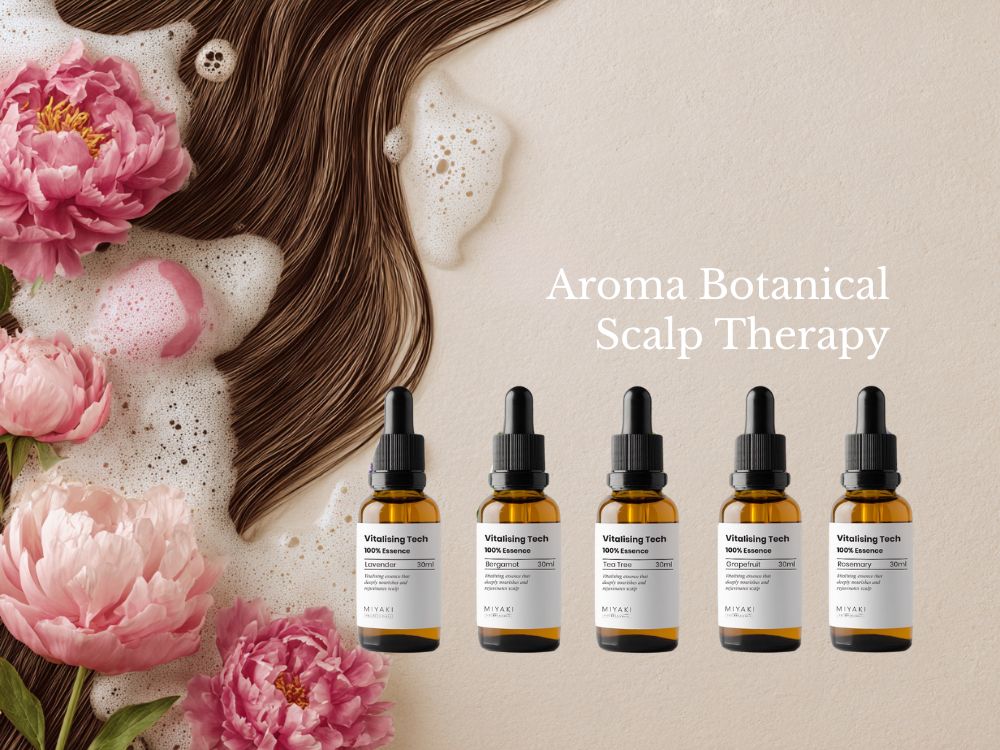
5 Effective Anti-Frizz Tips for Singapore’s Humid Climate

Anti Frizz Hair Treatment

Struggling with frizz in Singapore’s weather? You’re not alone.

Hair needs moisture to stay healthy and smooth, but in Singapore’s humid climate, the high moisture in the air can actually cause problems, especially if your hair is dry or damaged. When the outer layer of your hair (called the cuticle) is lifted or porous, it lets in extra moisture from the humid air unevenly. This causes the hair to swell, lose its smooth texture, and frizz up.

So, while your hair should retain moisture to stay soft and manageable, too much moisture from the environment can throw off its natural balance. Whether your hair is curly, wavy, or straight, that mix of heat, sweat, and humidity makes frizz a daily challenge.

The good news? Managing frizz doesn’t have to be complicated. Often, it just takes a few simple habit changes (i.e.  how you wash, dry, or style your hair) that can make a big difference. Here are 5 easy and practical anti-frizz tips that work especially well in Singapore’s humid climate.

1.Use a Wide-Tooth Comb with Conditioner in the Shower

Brushing your hair when it’s dry can cause breakage and frizz. Instead, apply conditioner in the shower and use a wide-tooth comb to gently detangle your hair. This method reduces friction and helps maintain your hair’s natural texture.

2. Dry Hair Gently with a Microfiber Towel or Soft Cotton Cloth

Rough bath towels create friction and soak up too much moisture, which can lead to frizz and damage. Instead, reach for a microfiber towel or a soft cotton cloth to gently blot your hair dry.

3. Avoid Blow-Drying Your Hair Completely

While air-drying your hair can help prevent heat damage, it’s not always the best option, especially in humid climates like Singapore. Prolonged dampness can weaken hair, making it more prone to breakage and frizz.

Instead, consider blow-drying your hair using a dryer equipped with ionic technology. These dryers emit negative ions that break down water molecules faster, reducing drying time and allowing you to use lower heat settings. This method minimizes heat exposure, helping to preserve your hair’s natural moisture and reduce frizz. To further protect your hair, always apply a heat protectant spray before styling.

Additionally, avoid drying your hair completely. Leaving a small amount of moisture in your hair can help maintain its natural texture and prevent it from becoming too dry or brittle.

4. Choose Sulfate-Free Shampoo and Hydrating Products

Sulfates are harsh detergents found in many shampoos that can strip your hair of its natural oils, leading to dryness and frizz. Opt for sulfate-free shampoos that cleanse without removing essential moisture.

At De Arte Hair Studio, we recommend the MIYAKI Shampoo range, each of these shampoos is formulated to cater to specific hair concerns, ensuring that your hair receives the appropriate care it deserves.

For Normal to Dry Scalp:

Miyaki Scalp Balancing Shampoo (SB) balances the scalp's environment to prevent dryness and frizz, making it suitable for normal or dry scalps experiencing hair loss.

For Oily Scalp:

Miyaki Root Balancing Shampoo (RB) helps regulate excess oil production, adding volume for a fuller appearance. This shampoo is ideal for oily scalps dealing with hair loss.

For Dry or Damaged Hair:

Miyaki Repairing Shampoo (RP) provides deep hydration and nourishment from roots to tips, repairing dry and damaged hair.

5. Treat Your Hair with Argan Oil Texture Control

If you’re looking for a more lasting way to manage frizz, especially in Singapore’s high humidity, an anti-frizz salon treatment like Argan Oil Texture Control may be worth considering. This treatment is designed to smooth and soften hair while preserving its natural movement, making it ideal for those who want manageable hair without harsh straightening.

What sets it apart is its ability to deeply hydrate and strengthen the hair from within, leading to noticeable improvements in texture and shine that can last for months.

Argan Oil Texture Control Before and After

Key Benefits include:

Up to 95% frizz reduction, helping you enjoy manageable, easier-to-style hair.

Up to 60% more shine, giving your hair a healthy look.

Prevents split ends for up to 90 days, supporting long-term hair health.

Lasts up to 6 months, so you spend less time on daily styling and upkeep.

While results may vary depending on your hair type and condition, it’s a gentle yet effective choice for those wanting smoother hair with less daily effort. For the best results, it’s always advisable to consult with the stylist, who can assess your hair and recommend the most suitable approach based on your goals and current hair condition.

Bonus Tips

These simple but often overlooked tips can make a noticeable impact on how your hair responds to Singapore’s constant heat and humidity. Add them to your daily routine to boost the effects of your main anti-frizz efforts.

1. Sleep on a Silk or Satin Pillowcase

Regular cotton pillowcases create friction while you sleep, causing hair strands to roughen, tangle, and frizz by morning. Silk and satin pillowcases have smoother surfaces that let your hair glide freely, reducing breakage and maintaining your hair’s moisture balance overnight.

2. Rinse with Cold Water After Conditioning

At the end of your hair wash, a quick cold-water rinse can help seal the hair cuticle. Closed cuticles lie flat and reflect more light, meaning shinier, smoother hair that resists absorbing excess humidity.

3. Use a Humidity-Resistant Hair Serum or Spray

Before stepping out into the humid Singapore air, apply a humidity-shielding serum or spray. These products create a thin barrier over your hair, helping to block excess moisture in the air that causes swelling, puffiness, and frizz.

Ready for Smoother, Frizz-Free Hair?

Say goodbye to daily hair struggles. Our Argan Oil Texture Control Treatment offers a healthier, natural alternative to traditional anti-frizz solutions. This award-winning treatment is formaldehyde-free, ammonia-free, and cruelty-free, ensuring a safe and nourishing experience for your hair. Read more >>

Ready to transform your hair? Book your Argan Oil Texture Control Treatment today and enjoy hair that stays manageable, regardless rain or shine.

Dry Scalp vs. Dandruff: What Your Itchy Scalp Is Really Telling You

Dandruff VS Dry Scalp

If you’ve ever noticed flakes on your shoulders or experienced an itchy scalp, you might have wondered: Is it dry scalp or dandruff? While they share similar symptoms, their causes and treatments differ. Understanding these differences is important for effective care.

Dry Scalp

What Is Dry Scalp?

A dry scalp occurs when the skin lacks sufficient moisture. This can lead to irritation and flaking.

Common Symptoms
Small, dry, white flakes
Tightness or itchiness on the scalp
Flakes that fall off easily

Causes
Cold, dry air
Excessive washing or use of harsh hair products
Skin conditions like eczema
Aging, which reduces natural oil production

Dandruff

What Is Dandruff?

Dandruff is a common scalp condition caused by an overgrowth of a yeast-like fungus called Malassezia. This leads to increased skin cell turnover and flaking.

Common Symptoms
Large, oily, yellow or white flakes
Persistent itchiness
Red, irritated scalp

Causes
Overgrowth of Malassezia fungus
Oily scalp conditions
Sensitivity to hair care products
Skin conditions like seborrheic dermatitis

Dry Scalp vs. Dandruff: Key Differences

Sympton Area Dry Scalp Dandruff
Flake Type
Small, dry, white flakes
Large, oily, yellow or white flakes
Scalp Condition
Dry, tight, possibly itchy
Oily, red, and itchy
Causes
Lack of moisture, harsh products
Fungal overgrowth, excess oil

Environmental Factors Affecting Scalp Health

Living in Singapore’s tropical environment means dealing with high humidity, frequent rain, and intense sun, all of which can impact your scalp health. Here’s how:

High Humidity and Sweat

Singapore's consistently high humidity levels, often around 80% or more, lead to increased sweat and oil production on the scalp. This excess moisture can mix with sebum and dead skin cells, creating an environment conducive to the growth of bacteria and fungi, potentially leading to scalp irritation and dandruff.

Overwashing/ Product Buildup

To combat the greasy feeling from humidity, many people wash their hair more frequently. However, overwashing can strip the scalp of its natural oils, causing it to produce even more oil to compensate. Additionally, the use of heavy hair products can lead to buildup, clogging hair follicles and exacerbating scalp issues.

Sun Exposure

Prolonged exposure to intense sun can damage the scalp's skin, leading to dryness and irritation.

UV rays can also weaken hair strands, making them more susceptible to breakage.

Air Pollution and Haze

Singapore occasionally experiences haze due to transboundary air pollution.

The fine particulate matter in the air can settle on the scalp, leading to clogged pores and inflammation, which may contribute to hair thinning and loss.

Other Everyday Factors That Affect Scalp Health

Even if the weather’s perfect, your scalp might still react to things you don’t usually think about:

Stress

Emotional stress can trigger hormone changes that affect oil production and scalp sensitivity (leading to flare-ups of both dry scalp and dandruff).

Harsh Hair Products

Shampoos with sulfates, alcohol, or heavy fragrances can strip moisture or irritate your scalp, especially if used long-term.

Tight Hairstyles

Wearing tight ponytails, hats, or helmets (common for riders or athletes in Singapore) can trap sweat and increase friction, leading to buildup and inflammation.

Poor Diet

Lack of essential nutrients like omega-3s, vitamin B, and zinc can compromise scalp health, slow healing, and worsen conditions like dryness or dandruff.

When you combine Singapore’s humid climate with everyday stressors like these, it’s no surprise that many people experience early signs of scalp imbalance (like mild itching or light flaking) even if the problem isn’t serious… yet.

Preventive Tips for a Healthy Scalp

Noticing a bit of itchiness or flaking? If your scalp issue is still in the early stages (not too serious yet), these simple steps can help you manage and improve your scalp health before it gets worse

Dry Scalp / Dandruff

Scalp types can vary greatly, and what works well for one person might not work for another. Trying out products without guidance can sometimes make things worse. Getting professional advice can save you time, money, and frustration in the long run.

Experience Comprehensive Scalp Care

At De Arte Hair Studio, we don’t just offer hair treatment, we provide comprehensive scalp care (eg. Aroma Botanical and Detoxifying Herb Infusion) too! Our scalp treatments include a FREE scalp analysis to identify your specific needs and a relaxing head massage to stimulate blood flow and promote relaxation. Experience the difference that targeted scalp care can make. Book an appointment today!