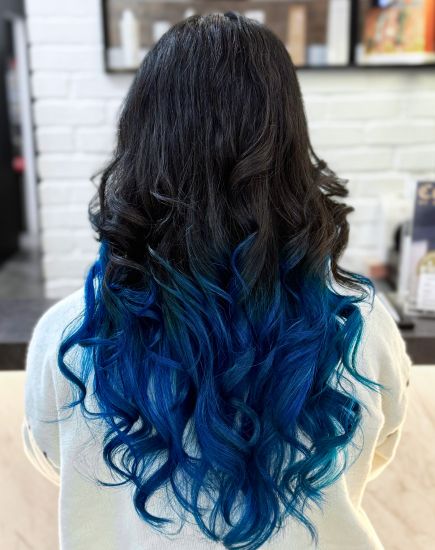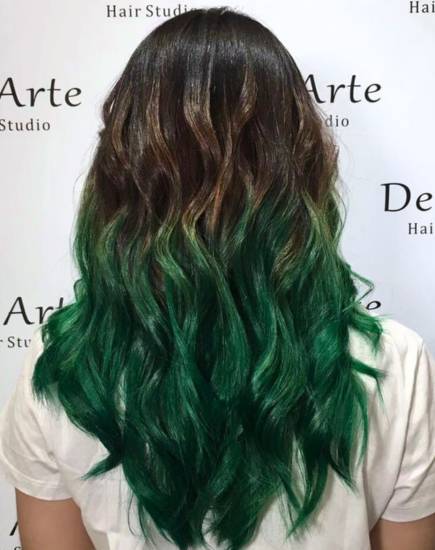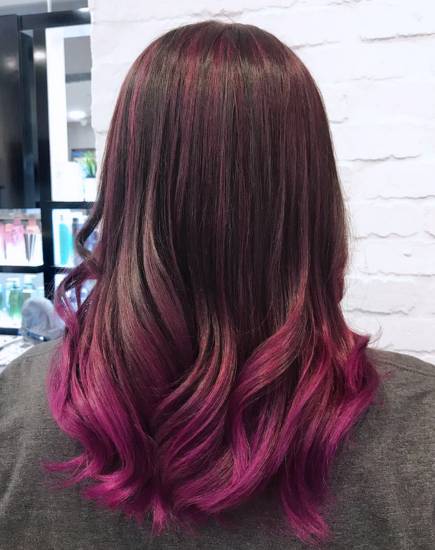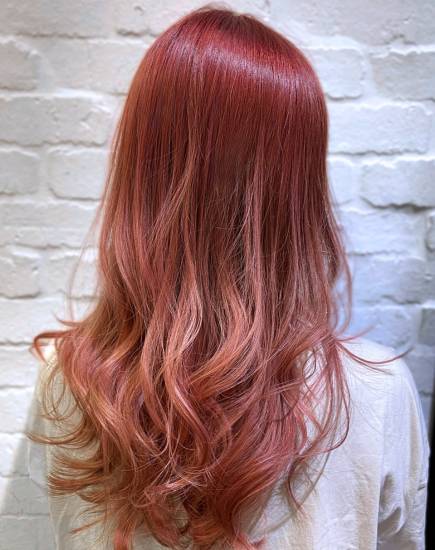
De Arte Hair Studio

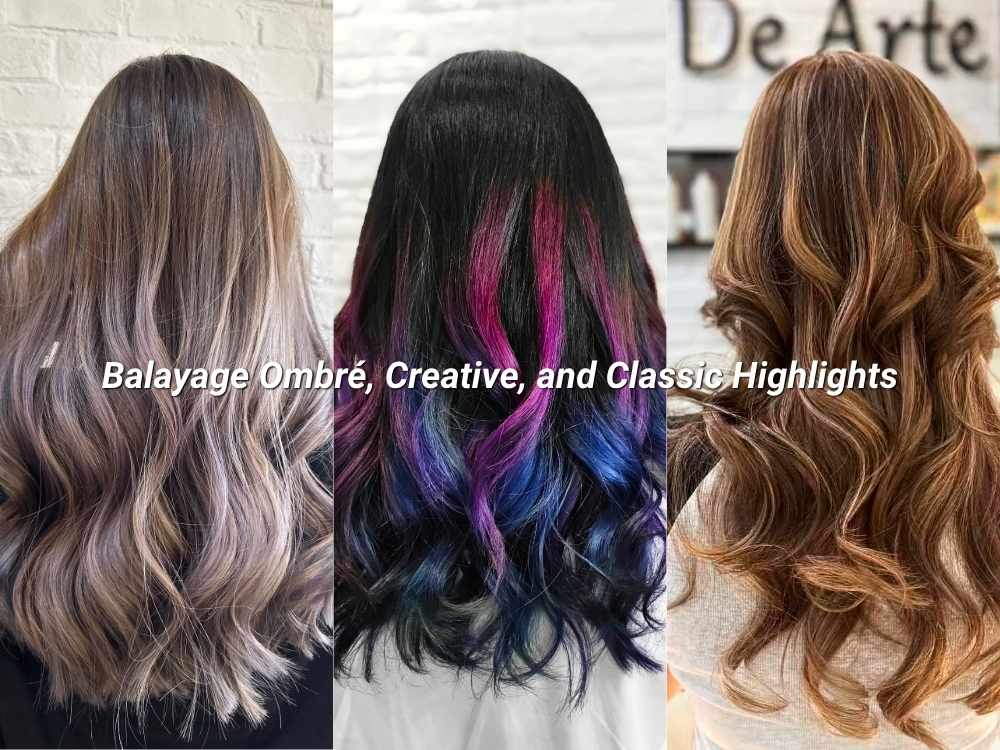
Mastering Modern Hair Color: Balayage Ombré, Creative, and Classic Highlights Explained

Mastering Modern Hair Color: Balayage Ombré, Creative, and Classic Highlights Explained

Highlights and modern hair color aren’t just about changing your hair, they completely transform your style, confidence, and personal vibe. The right highlights enhance natural beauty, add depth, and create a luminous, multidimensional finish. Whether you want a soft sun-kissed glow, bold editorial tones, or a polished classic look, understanding these hair color techniques will help you get the results you’ve always dreamed of.

In this ultimate guide, you’ll discover three essential techniques: Balayage Ombré, Creative Highlights, and Classic Highlights. With detailed step-by-step instructions, styling tips, maintenance advice, and professional insights. By the end, you should have an idea on which style suits your hair type, lifestyle, and personality best.

Because the right highlights don’t just change your hair, they change your whole vibe.

1. Introduction to Modern Hair Techniques

Modern hair techniques aren’t just about lightening strands; they’re a form of artistic expression. With carefully placed sections of color, hair gains visual volume, shine, and multidimensional movement.

The key benefits include:

* Enhancing natural texture and body
* Accentuating facial features
* Providing flexible styling options
* Offering results that grow out gracefully

Every technique can be tailored to hair type, texture, and lifestyle, ensuring a polished, high-end finish without compromising hair health.
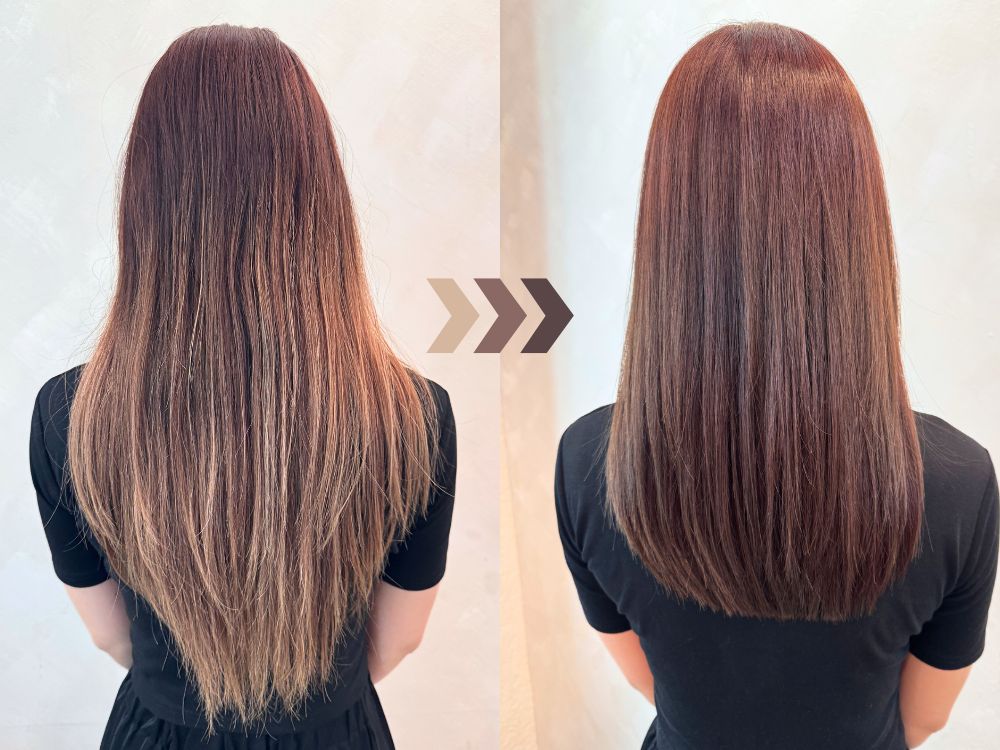
2. How Colors Transform Your Look
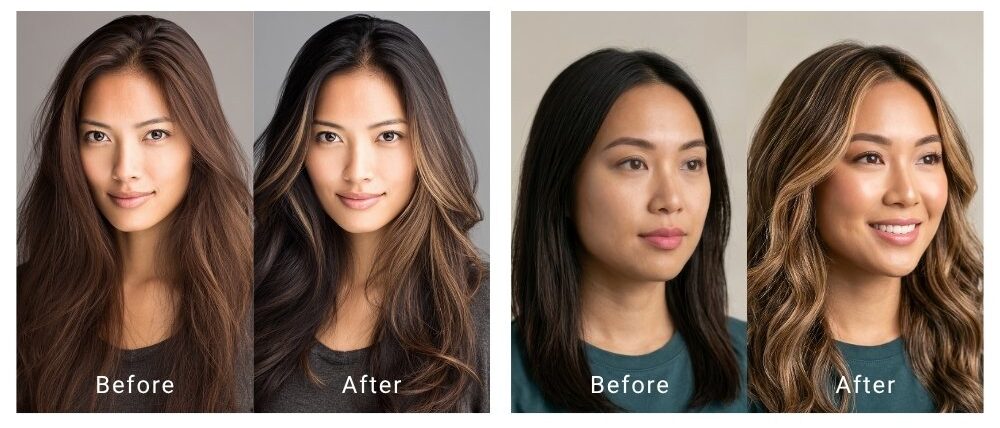
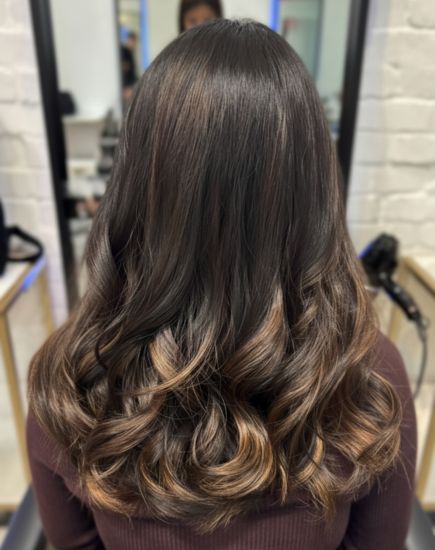
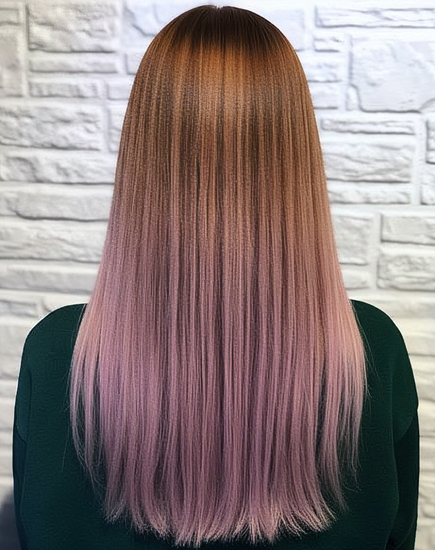
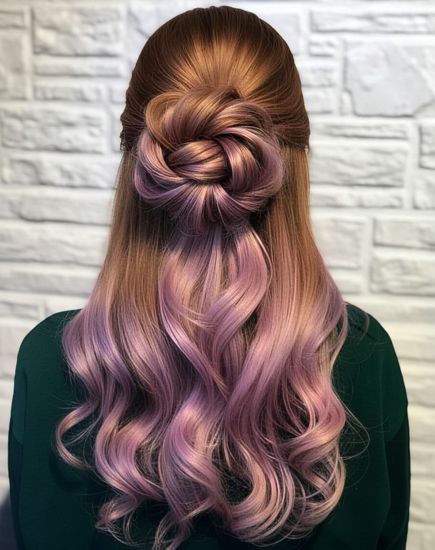
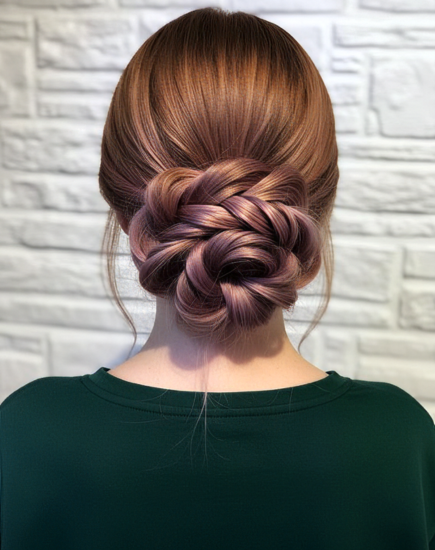
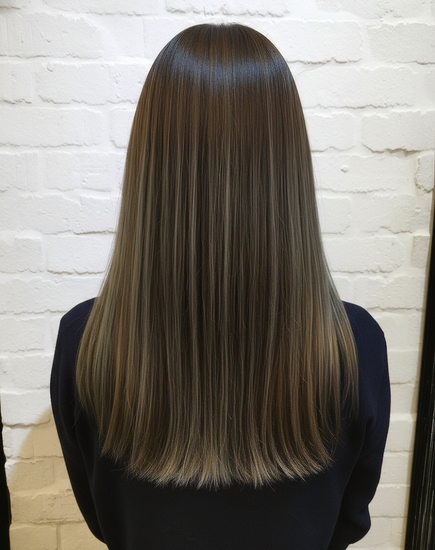
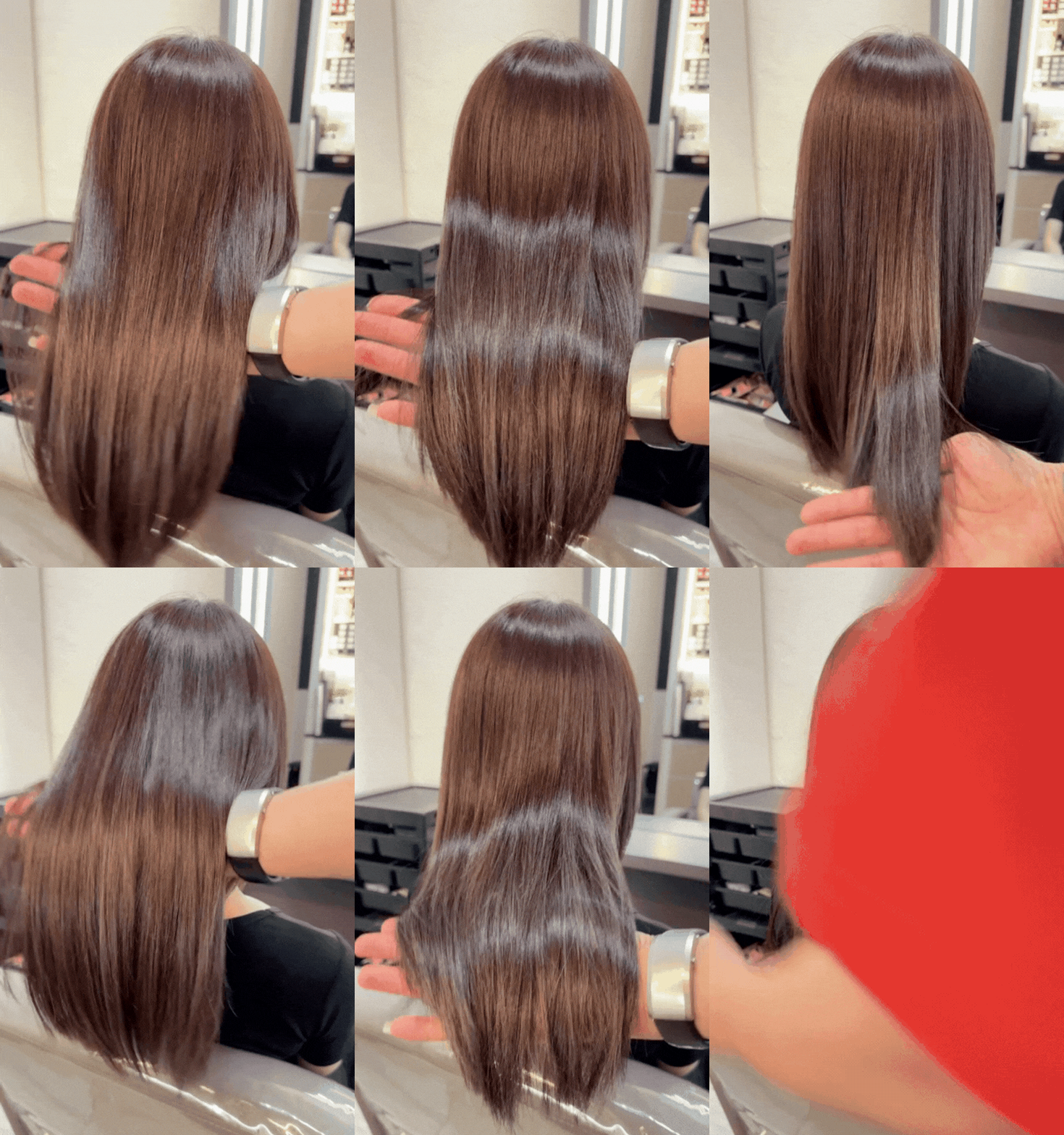
Modern Hair Coloring Before and After 1
Images are generated for reference purposes only.
Whether you’re looking for a subtle refresh or a noticeable transformation, the choice is yours. Each technique offers something unique:

* Depth and dimension: Creates the illusion of thicker, fuller hair
* Face-framing effects: Lightens around the face for a radiant glow
* Personal expression: From subtle natural tones to bold fashion colors
* Low-maintenance options: Some techniques allow longer intervals between salon visits

Professional hair coloring can boost confidence and elevate your overall vibe. There’s no right or wrong, just the version of yourself you’d like to express.
3. Understanding Hair Pigments, Lift, and Color Science
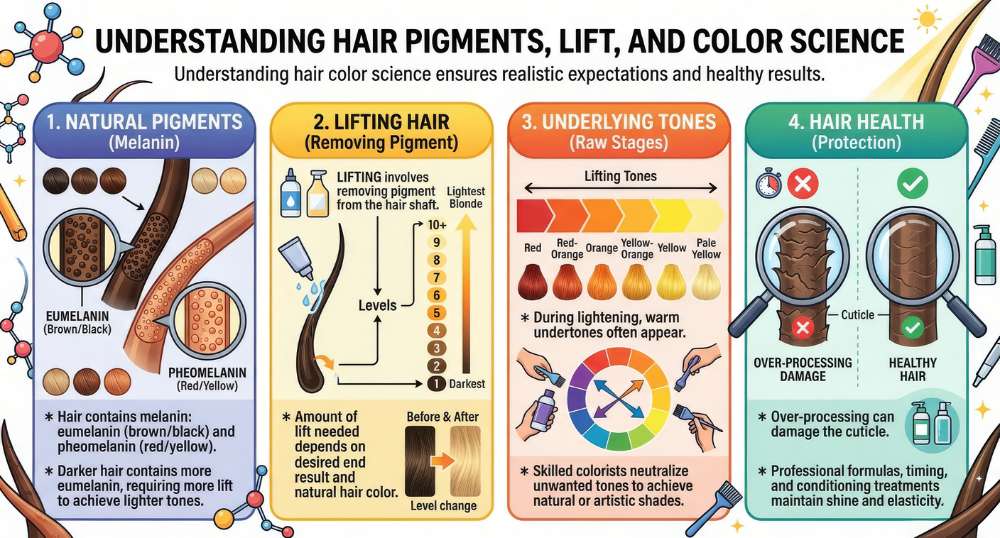
Understanding Hair Pigments, Lift, and Color Science
Before coloring your hair, it helps to understand how hair color actually works. This makes it easier to choose the right highlights and set realistic expectations for results and hair health.
Hair Pigments
Your natural hair color comes from melanin, the pigment inside each strand:
  • Eumelanin gives brown and black tones
  • Pheomelanin gives red and yellow tones
Darker hair contains more eumelanin, which means it usually needs more controlled lightening to achieve lighter shades.
Lifting Hair
“Lift” refers to how much natural pigment is gently removed from the hair during the lightening process.
  • The higher the lift, the lighter the hair becomes
  • The amount of lift needed depends on your starting color and your desired result
  • Controlled lifting is important to avoid unnecessary damage
Underlying Tones
As hair lifts, it naturally reveals warm tones underneath (yellow, orange, or red).
  • This is completely normal and part of the lightening process
  • Toners are then used to refine or neutralize these tones for the final desired shade
Hair Health
Because lightening affects the hair structure, over-processing can lead to dryness or breakage. Professional colorists manage this by:
  • Customizing the lightening process based on your hair condition
  • Carefully monitoring processing time
  • Using conditioning and bond-support treatments
How Hair Structure Plays a Role
Hair color doesn’t just sit on the surface; it interacts with the internal structure of the hair strand. For a better understanding of this, you can refer to our article on 🔗 Hair Structure Explained: Cuticle, Cortex, and Tips for Healthy Hair”, which explains how the cuticle and cortex affect how hair absorbs, holds, and reflects color.
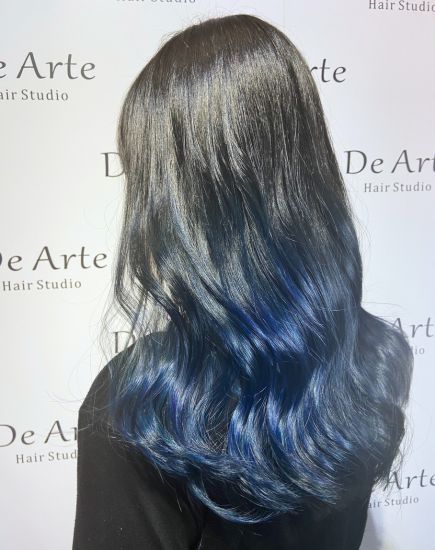
4. Technique 1: Balayage Ombré?
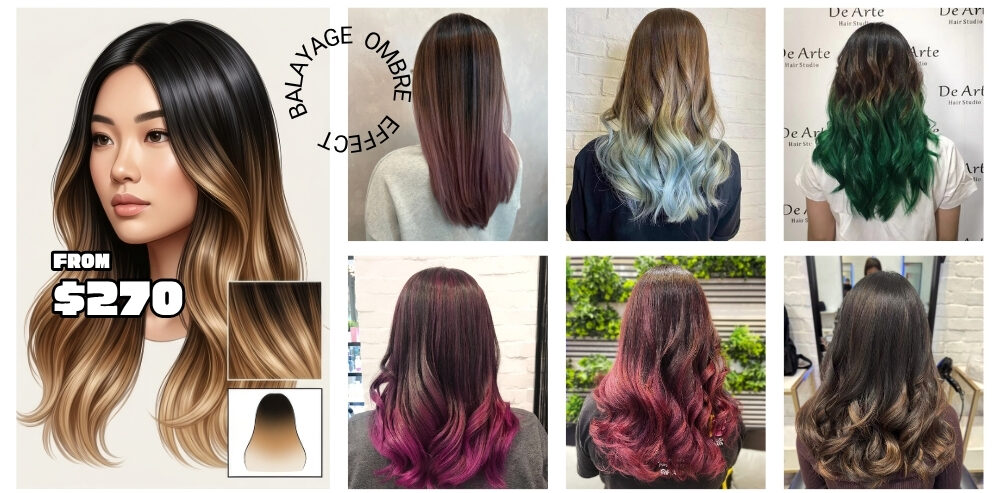
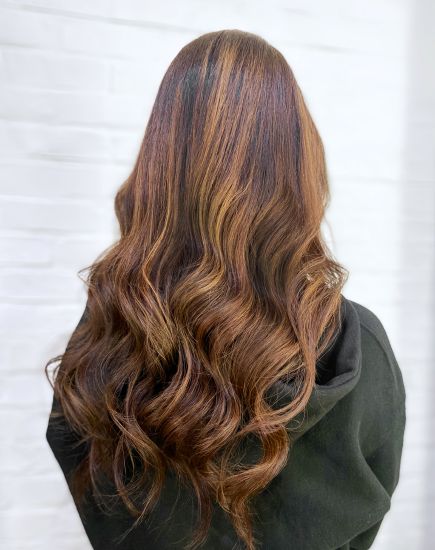
De Arte Hair Studio Balayage Ombre Highlights 1
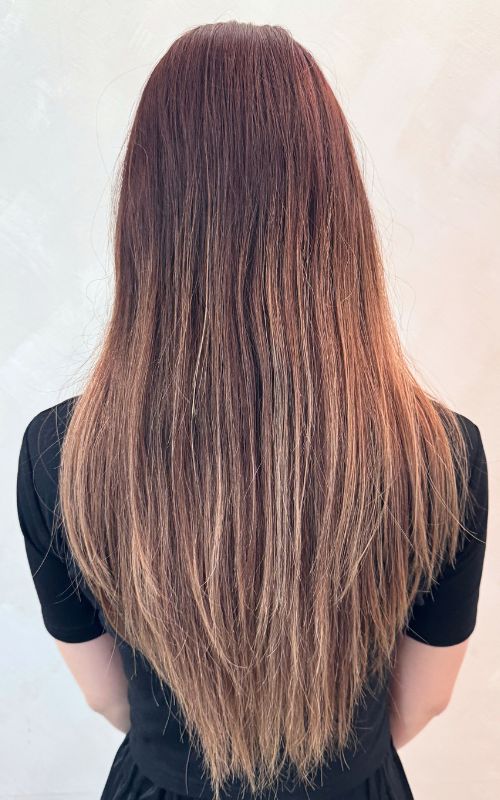
Balayage Ombré combines the hand-painted artistry of balayage with the soft gradient of an ombré. This creates a natural-looking, multidimensional effect with soft transitions from root to tip.
Step-by-Step Process

1. Consultation: Discuss hair history, desired outcome, and lifestyle.
2. Sectioning: Divide hair into panels for control.
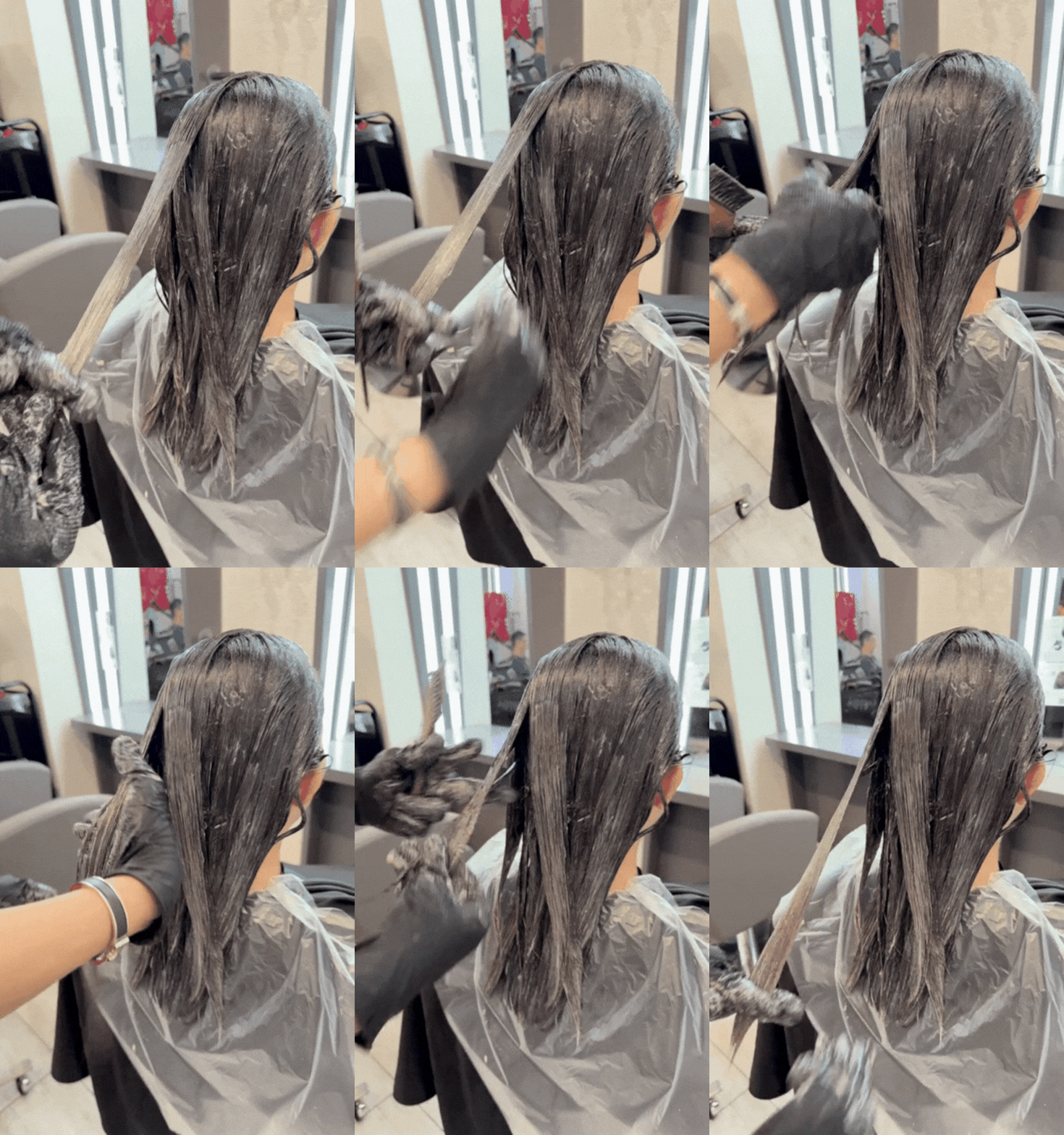
3. Painting: Apply lightener freehand from mid-lengths to ends. Root area is softly blended.
4. Processing: Allow hair to lift to the desired brightness.
5. Toning: Apply toner to neutralize unwanted warmth and refine the shade.
6. Finishing: Apply conditioning treatments, blow-dry, and style.

Best Hair Types & Textures

* Works on straight, wavy, or curly hair
* Ideal for those who want low-maintenance highlights
* Enhances natural movement and texture

Maintenance & Care

* Salon touch-ups every 4–6 months
* Use color-safe shampoos and conditioners
* Gloss treatments every 2–3 months for vibrancy

Styling Tips

* Loose waves enhance the gradient
* Air-dry with lightweight oil for shine
* Use a diffuser to maintain natural curl patterns

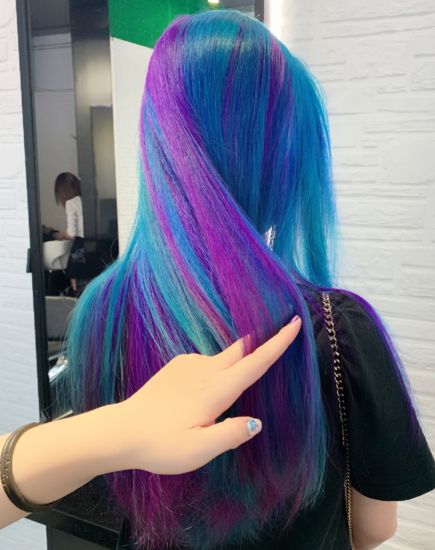
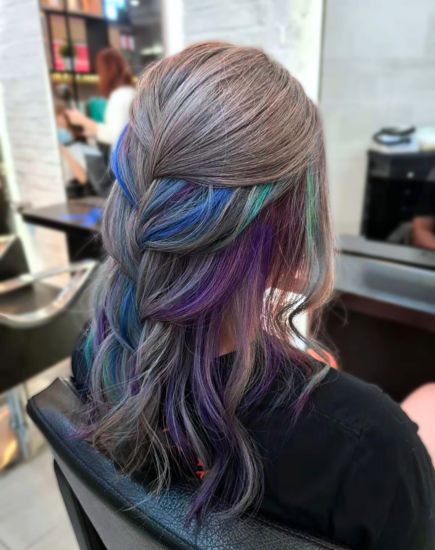
5. Technique 2: Creative Highlights
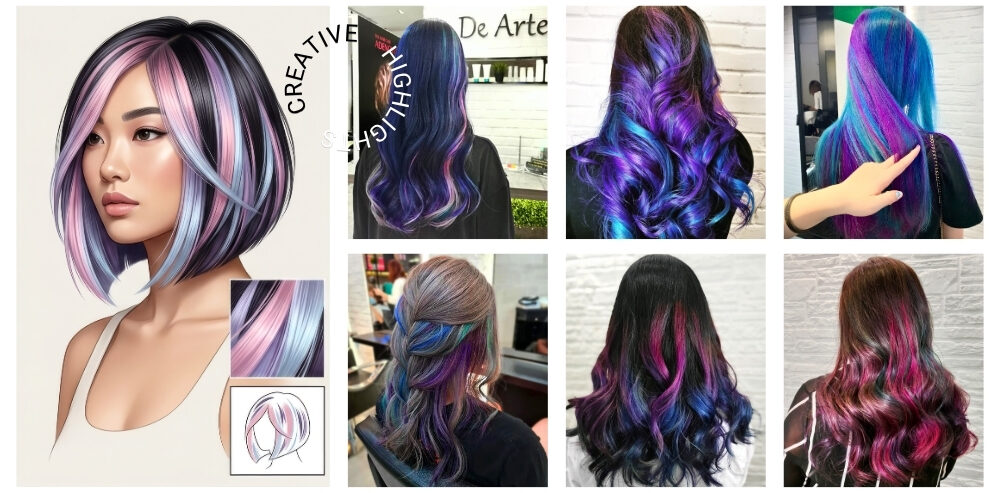
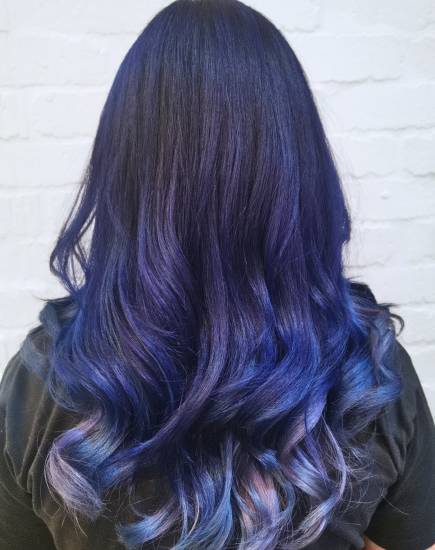
De Arte Hair Studio Creative Colors 2
Creative Highlights are bold, artistic color placements designed to make a statement. This technique is perfect for clients who want a high-fashion or editorial look.
Step-by-Step Process

1. Consultation: Choose color palette and placement strategy.
2. Sectioning: Asymmetric or geometric panels are defined for artistic effect.
3. Lifting: Dark hair is pre-lightened before applying vibrant fashion colors.
4. Color Application: Pastels, icy tones, or vivid shades are applied strategically.
5. Processing: Ensure even saturation and lift.
6. Finishing: Tone, treat, and style.

Popular Colors & Combos

* Pastel pink, lavender, and icy blue
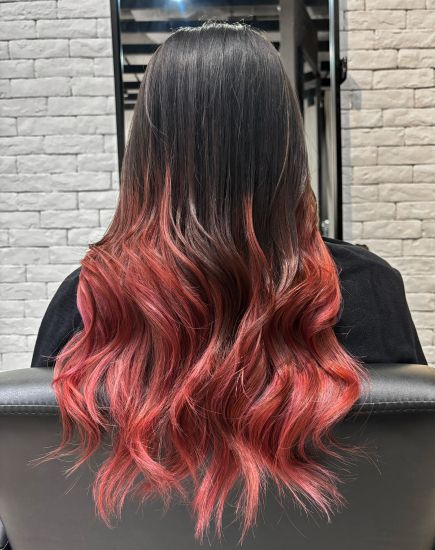
* Vibrant copper or red streaks
* Ombre or peek-a-boo placement for movement

Maintenance & Care

* Frequent color refresh required
* Cold-water rinses prevent fading
* Sulfate-free, color-safe shampoos preserve pigments

Styling Tips

* Use straighteners or curling irons to highlight contrast
* Layered haircuts enhance artistic color placement
* Styling products that protect from heat help maintain vibrancy

6. Technique 3: Classic Highlights
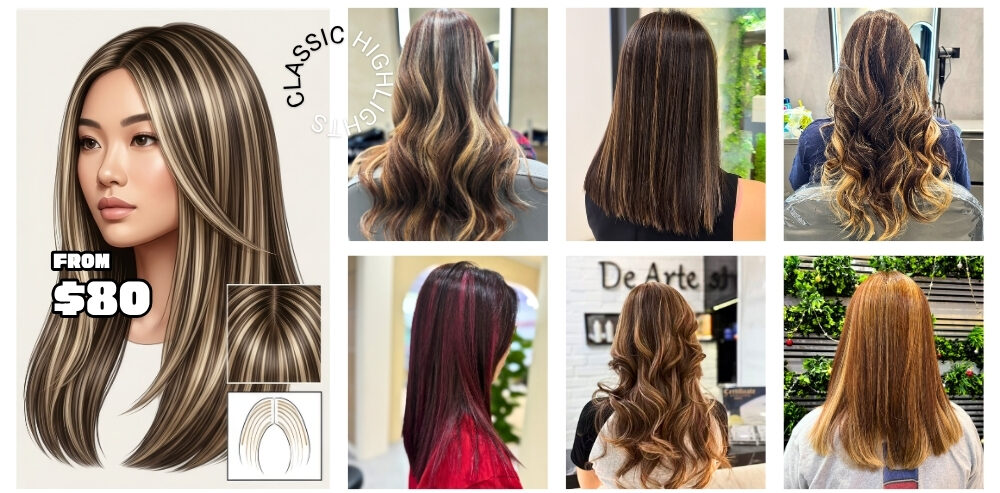
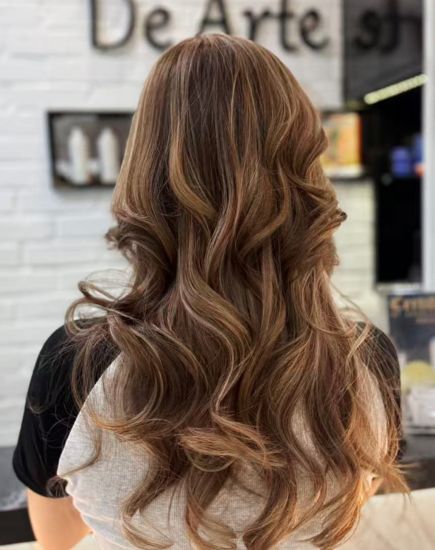
De Arte Hair Studio Classic Highlights 1

Classic Highlights, also known as foil highlights, are structured, uniform highlights that provide a polished, multi-dimensional look.

Step-by-Step Process

1. Consultation: Determine width and spacing of highlights.
2. Sectioning & Foiling: Weave fine sections and enclose in foils for precise lift.
3. Processing: Hair lifts evenly in foils.
4. Toning: Adjust shade for natural-looking brightness.
5. Finishing: Condition, blow-dry, and style.

Best Hair Types & Textures

* Straight, wavy, and slightly curly hair
* Works well for uniform coverage and structured looks
* Suitable for those who prefer traditional salon finishes

Maintenance & Care

* Touch-ups every 6–8 weeks
* Regular gloss treatments for shine
* Color-safe shampoos maintain crisp tones

Styling Tips

* Straight styles showcase precision
* Curls enhance multi-dimensional effects
* Highlighted layers add depth to simple cuts

7. Comparing Techniques: Which One Is Right for You?
FeatureBalayage OmbréCreative HighlightsClassic Highlights
Root BlendSoft, diffusedVaried, artisticPrecise, starts at root
PlacementHand-painted, freehandGeometric/asymmetricStructured, uniform weaving
MaintenanceLow (4–6 months)High (requires upkeep)Medium-High (6–8 weeks)
VibeEffortless, lived-inBold, editorialPolished, timeless
8. Common Mistakes and How to Avoid Them

* Too much lift too quickly: Can cause breakage, always consult a professional
* Ignoring undertones: Warm tones may appear; toning is essential
* Skipping maintenance: Even low-maintenance highlights benefit from gloss treatments
* Wrong product use: Sulfate shampoos fade color faster

FAQs About Hair Color and Highlights
1. What are highlights in modern hair color?

Highlights are sections of hair that are lightened or colored to create dimension, brightness, and contrast. In modern hair color, they are customized using techniques like balayage, foiling, or creative placement to suit individual style and hair type.

2. Which is better: balayage or highlights?

Neither is universally better, it depends on your goal.

  • Balayage is best for soft, natural, low-maintenance results
  • Classic highlights offer structured brightness and uniform lift
  • Creative highlights are ideal for bold, fashion-forward looks

A professional consultation helps determine the best option for your hair.

3. How long do highlights last?
  • Balayage Ombré: 4- 6 months
  • Classic Highlights: 6 – 8 weeks for root maintenance
  • Creative Highlights: 6 – 12 weeks depending on fashion color fading

Longevity depends on hair growth, aftercare, and color choice.

4. Do highlights damage your hair?

When performed professionally, highlights cause minimal damage. However, all lightening involves chemical lifting, so hair health depends on:

  • Proper formulation
  • Controlled processing time
  • Deep conditioning treatments
  • Home care routine

Healthy hair begins with professional technique and continues with proper maintenance.

5. Can I get highlights on dark hair?

Yes. Dark hair can absolutely be highlighted, but it may require multiple sessions depending on the desired level of lift. A skilled colorist will manage undertones and ensure the hair remains strong and glossy throughout the process.

6. What is the lowest maintenance highlight technique?

Balayage Ombré is the lowest maintenance option because the root is softly blended, allowing for a natural grow-out without harsh regrowth lines.

7. Why do highlights sometimes turn brassy?

Brassiness occurs when underlying warm pigments are exposed during lifting. This is common in lightening processes and is corrected with:

  • Toners
  • Purple or blue shampoos
  • Professional gloss treatments
8. Can highlights make hair look thicker?

Yes. Highlights create visual dimension and light reflection, which can make hair appear fuller, more textured, and voluminous.

9. How often should I tone my highlights?
  • Every 4–8 weeks depending on fade level
  • Fashion colors may require more frequent toning
  • Balayage may only need occasional gloss refreshes
10. What should I avoid after getting highlights?

Avoid:

  • High-sulfate shampoos
  • Excessive heat styling without protection
  • Chlorinated water without protection
  • Over-washing hair

These can reduce color longevity and shine.

11. How do I choose the right highlight style for me?

Consider:

  • Your lifestyle (low vs high maintenance)
  • Your fashion preference (natural vs bold)
  • Hair health and history
    Desired level of contrast

A consultation with a professional ensures the best match for your goals.

12. Can highlights be corrected if I don’t like them?

Yes. Color correction is possible through:

  • Toning adjustments
  • Rebalancing highlights
  • Lowlight application
  • Gloss treatments

However, correction is always easier when done by an experienced colorist from the start.

9. Choosing the Right Salon and Colorist

* Look for certified color specialists
* Review portfolios and client testimonials
* Ask about products, technique, and aftercare
* A consultation ensures the color matches your hair type, lifestyle, and desired outcome

New to De Arte Hair Studio? Read our 🔗 First Salon Visit: 7 Steps for New Customers to Feel Ready guide to understand what to expect during your consultation and appointment, helping you feel confident and prepared before your visit.

Why Expertise Matters

These colors may appear effortless once complete, but achieving seamless, healthy, and long-lasting results takes advanced technical skill. The difference between a good outcome and a truly transformative one often comes down to the colorist’s expertise, training, and precision.

Creating these looks involves more than simply applying lightener. A professional must also understand:

  • Hair structure and integrity: Knowing how much lift the hair can safely handle without compromising strength
  • Underlying pigment control: Managing warm, brassy undertones during the lifting process
  • Placement strategy: Designing highlights that complement face shape, haircut, and natural movement
  • Custom formulation: Adjusting developer strength, timing, and toning for each individual client
  • Aftercare guidance: Ensuring the client maintains color vibrancy and hair health at home

A skilled colorist doesn’t just “add highlights”, they design a personalized color system that enhances your features, lifestyle, and maintenance preferences.

Ready to transform your look?

Your Hair, Your Vibe: Book a personalized consultation with our master color specialists and discover the technique that brings your hair to life.
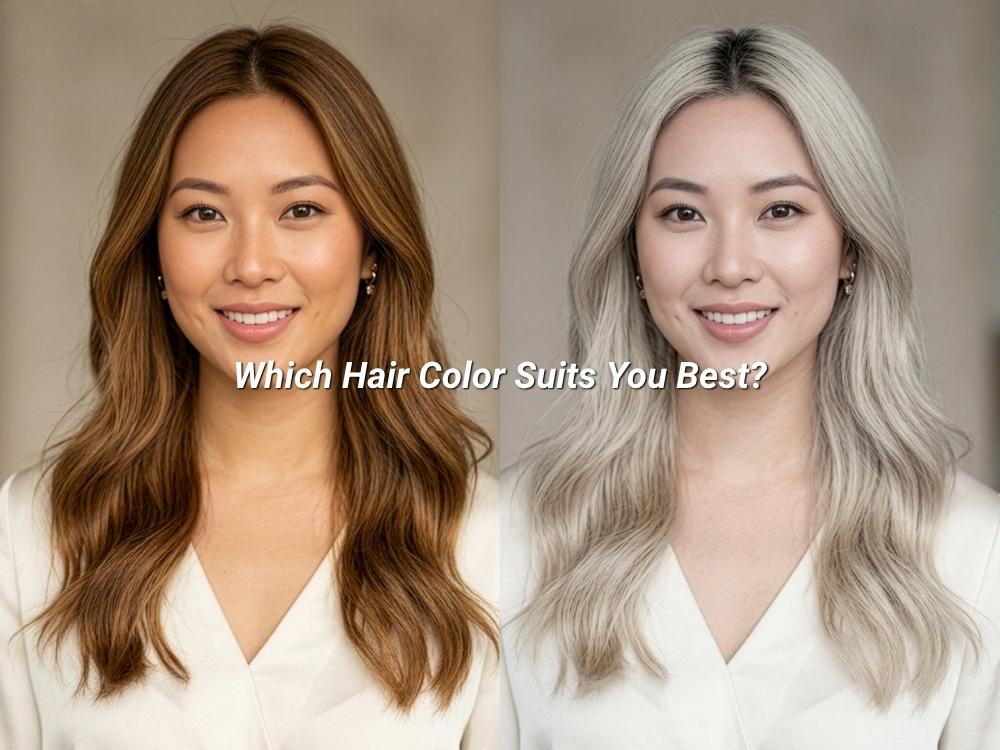
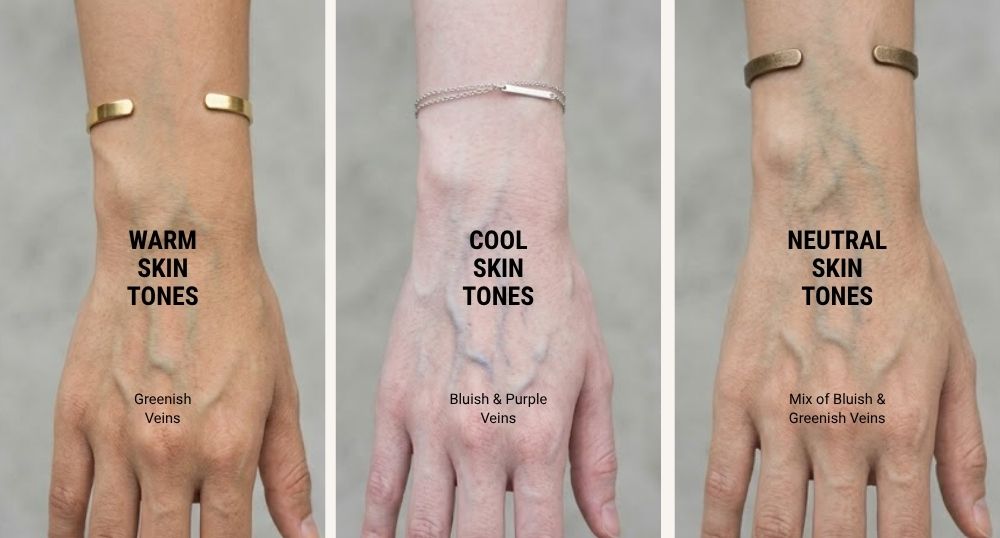
7 Tips for the Perfect Color Match for Your Skin Tone

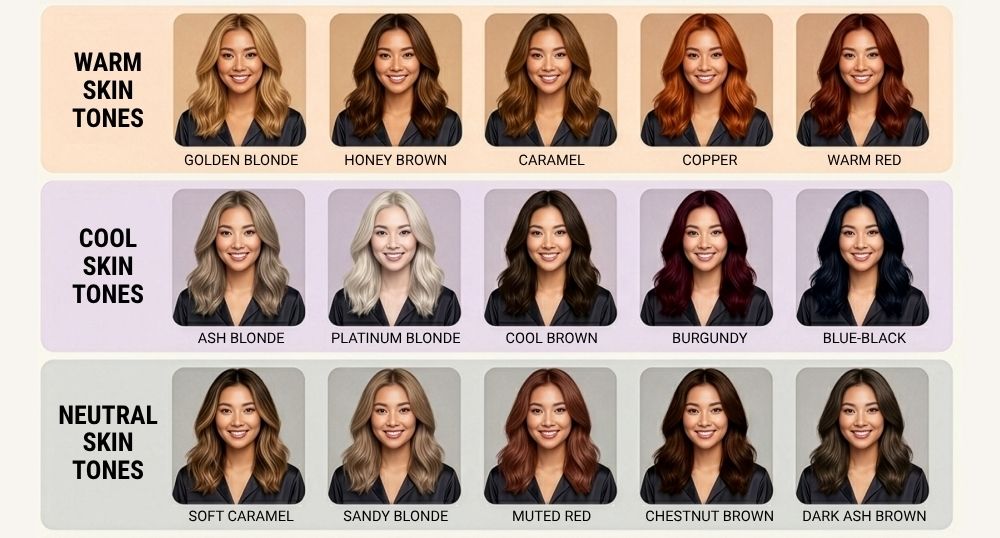
Color Match Skin Tone Which Hair Color suit you better

Color match is one of the most important factors when choosing a hair color that flatters your skin tone. The right hair shade can enhance your features, give your complexion a healthy glow, and boost your confidence. On the other hand, the wrong shade can make your skin look dull or washed out. Understanding your skin tone and how it interacts with hair colors is key to a flawless, harmonious look. This guide shares 7 practical tips to help you find the perfect hair color and maintain it beautifully.

1. Identify Your Skin Tone

The first step in achieving a perfect color match is understanding your skin tone. Skin tones typically fall into three categories:

  • Warm undertones: Yellow, golden, or peachy hues
  • Cool undertones: Pink, red, or blue hues
  • Neutral undertones: A balanced mix of warm and cool

A simple way to check your undertone is by examining the veins on your wrist under natural light. Greenish veins usually indicate warm undertones, bluish veins suggest cool, and a mix signals neutral (Healthline).

Knowing your skin tone ensures that the hair color you choose enhances your natural beauty rather than clashing with your complexion.

Jewelry tip: Another quick test is to see which metal looks best on your skin. If gold jewelry flatters you more, your undertone is likely warm. If silver jewelry suits you better, your undertone is probably cool. If both look equally good, you likely have a neutral undertone.

***

2. Match Hair Shades to Skin Tone

Once you know your skin tone, you can pick shades that naturally complement it. A proper color match ensures your hair enhances your features rather than overpowering them.

Hair Shade Skin Tone
  • Warm skin tones: Golden blonde, honey brown, caramel, copper, and warm reds. These shades bring out a healthy glow.
  • Cool skin tones: Ash blonde, platinum, cool brown, burgundy, and blue-black. Cool shades balance redness and brighten your complexion.
  • Neutral skin tones: Soft caramel, sandy blondes, and muted reds. Neutral undertones can carry both warm and cool shades.

Choosing hair shades close to your natural hair color is often the easiest way to maintain a natural color match and reduce maintenance.

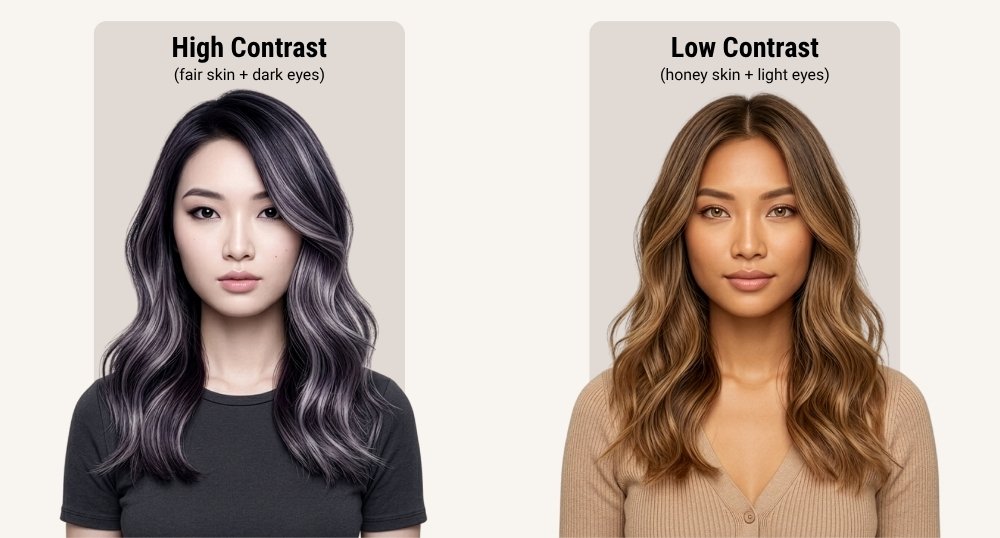
3. Consider Contrast Levels

Contrast is the difference between your hair, skin, and eye color. It affects how bold or subtle your hair color should be to achieve the best color match.

  • High contrast (fair skin + dark eyes): Supports bolder, dramatic shades.
  • Low contrast (honey skin + light eyes): Looks best with softer, blended tones (Vogue).

Understanding contrast helps you choose a hair color that feels balanced and harmonious with your natural features.

4. Adjust Your Hair Shade for a Balanced Look

After evaluating skin tone and contrast, the next step is choosing a hair shade that balances your features. You don’t need to worry about complicated undertones, focus on how light or dark you want your hair relative to your skin.

Hair Shade for a Balanced Look
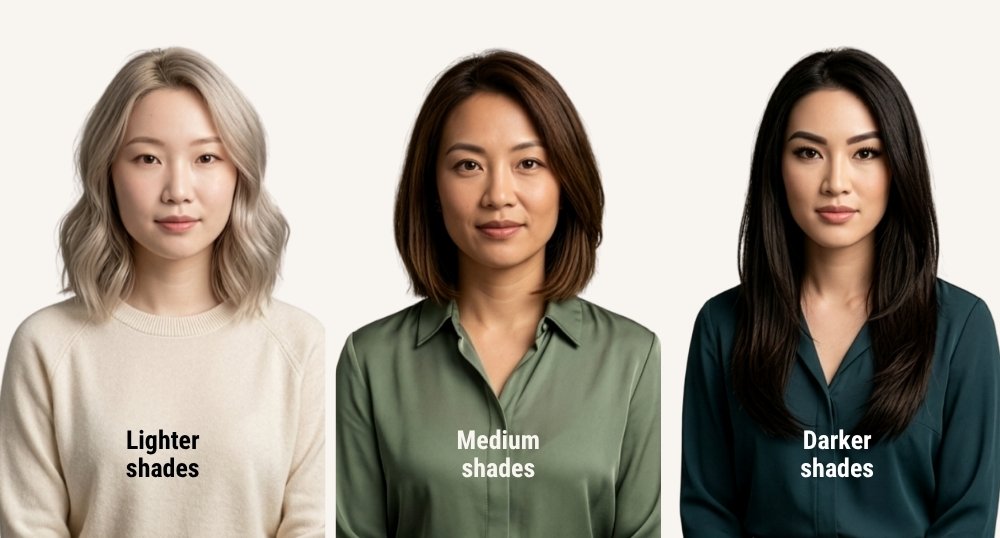
  • Lighter shades can brighten your face, especially for fair skin and low-contrast features.
  • Darker shades can add depth and dimension, particularly if your eyes or brows create higher contrast.
  • Medium shades often work well for neutral or balanced skin tones, giving a natural, flattering color match.

This step is about balance. Choosing a shade that complements your overall look while maintaining harmony with your skin and eyes.

5. Explore Custom Hair Color

Sometimes, standard shades may not perfectly suit your skin tone. A custom hair color allows you to blend shades that are tailored specifically for your complexion, eye color, and personal style. Even subtle highlights or lowlights can dramatically improve your color match.

6. Choose the Right Coloring Technique

How color is applied affects how it complements your skin tone. Two popular techniques are:

Balayage: Offers soft, natural highlights that blend seamlessly with your hair. Perfect for a subtle color match and low-maintenance styling.
Ombre: Creates a gradient from dark roots to lighter ends. Works best for high-contrast features and adds drama to your look.

Choosing the right technique enhances your color without overwhelming your natural features.
7. Maintain Your Color Match

Even the perfect hair color needs care to maintain its beauty:

  • Stick within 1–2 levels of your natural hair color for longevity.
  • Use professional hair products designed for color-treated hair.
  • Schedule touch-ups and treatments to preserve undertone balance and vibrancy.
  • Consider your eyes and overall contrast when refreshing highlights or color.

Achieving the perfect color match is both an art and a science. By understanding your skin tone, evaluating contrast, adjusting shades, and maintaining your color, you can create a look that enhances your natural beauty.

Ready to find your ideal hair color?

Book an appointment with our salon today and let our stylists create a look tailored just for you!

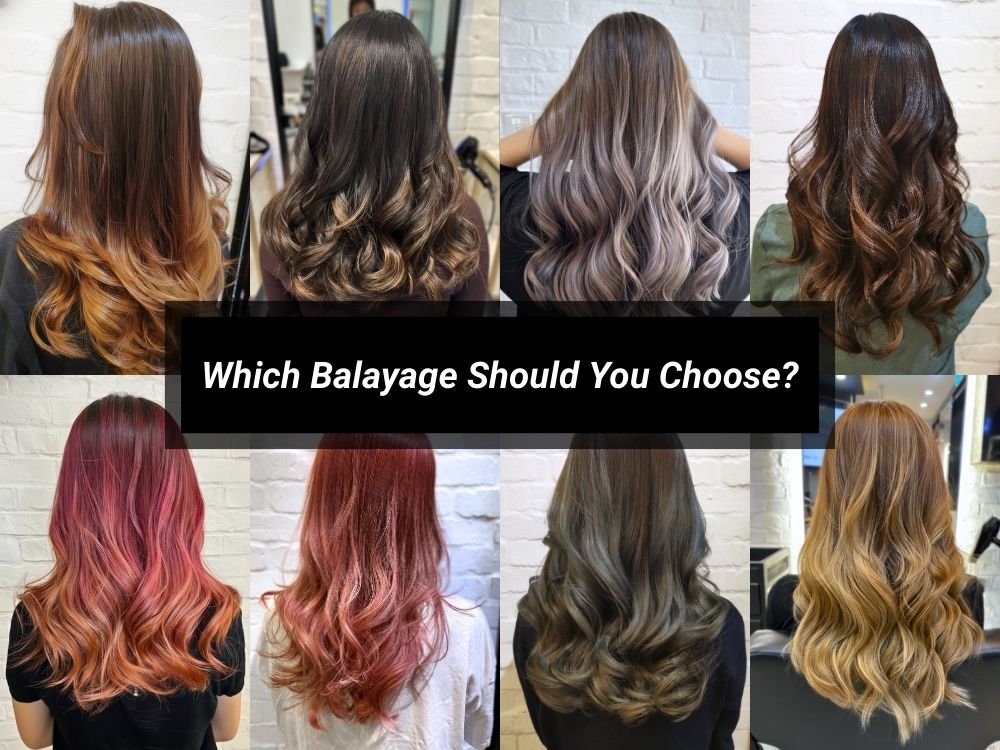
Transform Your Look with Our Top 8 Salon Favourite Balayage – Creative Hair Coloring Experts

Explore our salon favourite balayage style, one of the most requested creative hair coloring styles for customers seeking a look that’s effortless, modern, and completely personalized. If you’ve been hesitating to try balayage, now is the perfect moment to transform your hair with a style that grows out naturally, shines beautifully, and perfectly complements your personality.

Why Choose Us for Hair Coloring?

At De Arte Hair Studio, we create custom, stunning balayage designs that leave every customer feeling confident. Here’s why customers keep coming back:

  • Expert Stylists: Specialized in balayage, highlights, and creative hair coloring for flawless results.
  • Tailored Color: Each balayage is customized for your skin tone, hair type, and lifestyle.
  • Premium Products: Only salon-grade, hair-friendly dyes are used for long-lasting vibrancy.
  • Stress-Free Experience: From consultation to finishing touches, we make your transformation effortless.

Balayage is a low-maintenance, timeless solution that grows out naturally while keeping your hair looking gorgeous between salon visits.

Still hesistating whether to get Balayage?

If you’ve been unsure about getting balayage, here’s why now is the perfect time:

  1. Effortless Beauty: Balayage highlights grow out naturally, so you avoid harsh regrowth lines.
  2. Customizable Style: From subtle sun-kissed tones to bold, creative hair coloring, your look is entirely unique.
  3. Confidence Boost: A fresh balayage adds depth, dimension, and shine, instantly elevating your style.

Still undecided? Learn the difference between balayage and ombre in our guide: Ombre vs Balayage. If balayage isn’t your style, ombre might be the one for you.

Top 8 Salon Favourite Balayage Hair Color Examples

Discover our salon favourite balayage styles that customers return for again and again. These timeless, hand-painted looks combine artistry and precision to give your hair depth and dimension:

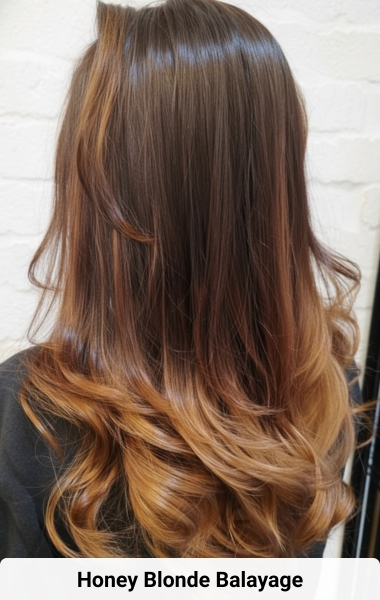
1. Honey Blonde Balayage

A timeless salon favourite, honey blonde balayage adds warmth and brightness without looking overdone.
Best for: Brunettes wanting a soft glow-up.
Why customers love it: Low maintenance, natural grow-out, perfect year-round.

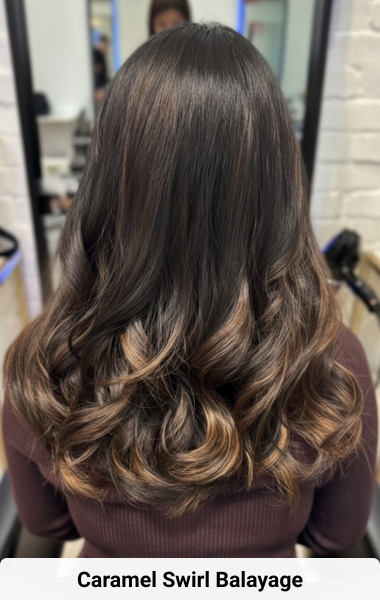
2. Caramel Swirl Balayage

Rich caramel ribbons blended into dark brown hair create depth and dimension.
Best for: Medium to dark brown hair.
Creative edge: Adds shine and movement while keeping it classy.

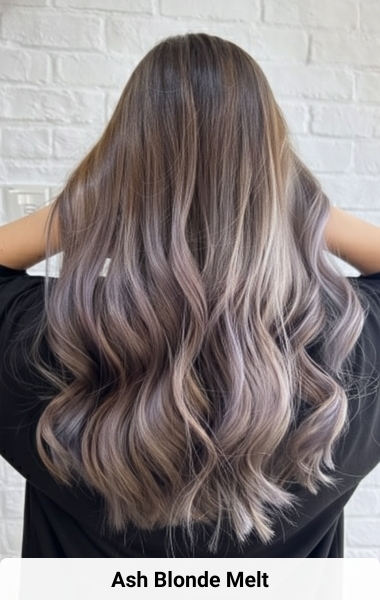
3. Ash Blonde Melt

A cool-toned balayage that transitions from natural roots into smoky ash ends.
Best for: Customers who prefer modern, cool-toned creative hair coloring.
Trend factor: One of the most requested looks in contemporary salons.

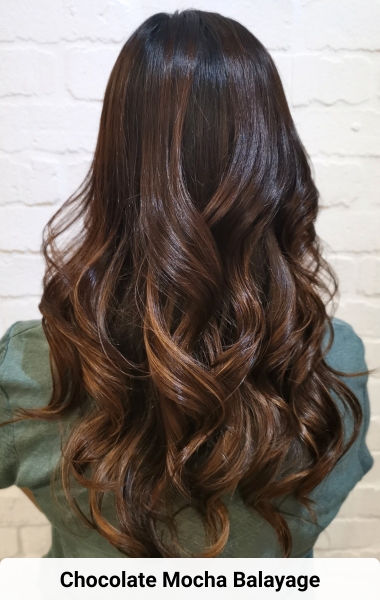
4. Chocolate Mocha Balayage

Deep chocolate tones blended with mocha highlights for a glossy, luxurious finish.
Best for: Customers wanting subtle yet noticeable creative hair coloring.
Salon tip: Ideal for professional settings while still being stylish.

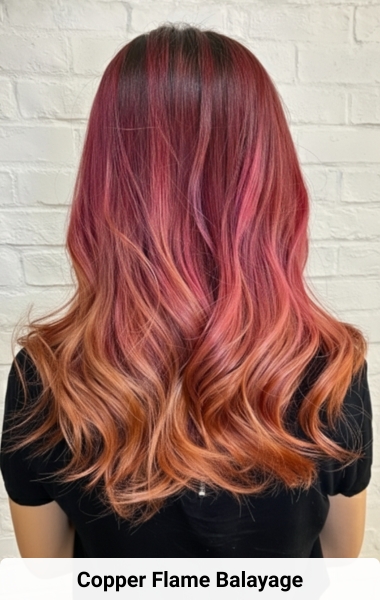
5. Copper Flame Balayage

Bold copper and auburn shades hand-painted for a fiery, dimensional look.
Best for: Customers wanting vibrant, statement-making hair.
Creative factor: Perfect for adding warmth and brightness all year round.

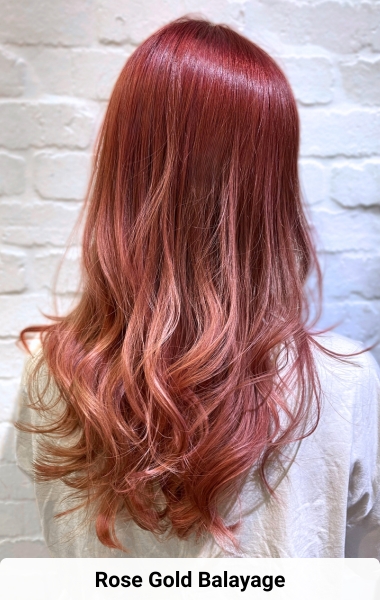
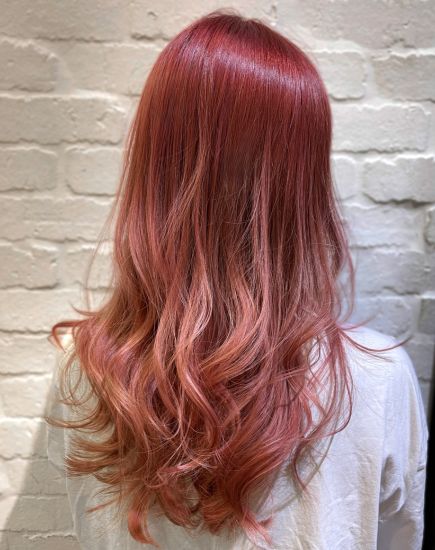
6. Rose Gold Balayage

Soft pink tones blended into blonde or light brown hair for a romantic finish.
Best for: Customers who love playful, Instagram-worthy styles.
Why it’s trending: A top creative hair coloring choice for younger customers.

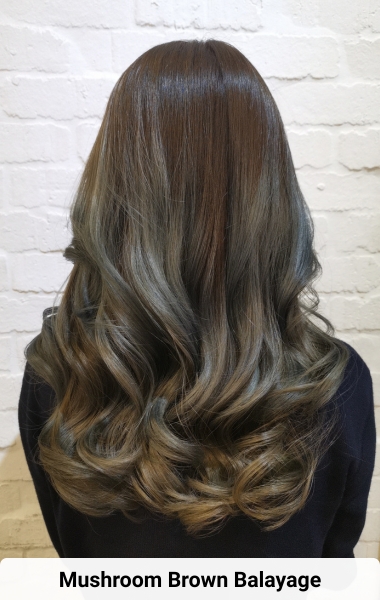
7. Mushroom Brown Balayage
A cool-toned blend of soft brown, ash grey, and subtle blonde hues inspired by earthy mushroom shades. This balayage creates a smoky, dimensional finish with a natural yet modern vibe.

Best for: Customers who love cool, muted tones without going too light.
Why customers love it:
Low-maintenance, sophisticated, and effortlessly on-trend.

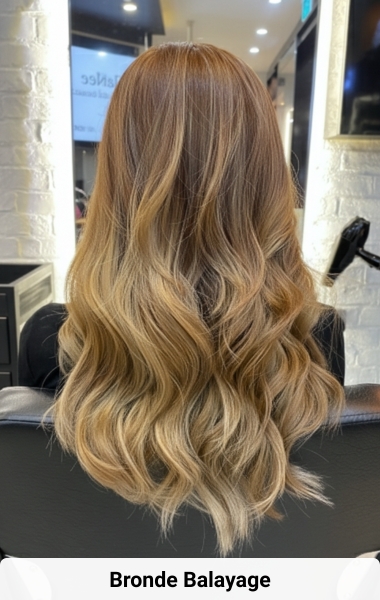
8. Bronde (Brown + Blonde) Balayage

The perfect in-between shade that combines brunette depth with blonde brightness.
Best for: Customers who can’t choose between blonde or brown.
Salon favourite factor: Universally flattering and low maintenance.

Every style is designed to stay trendy yet timeless, making sure your hair is not just stylish today, but your favourite look for years to come.

Book Your Salon Favourite Transformation Today

Ready to try our creative hair coloring techniques? Don’t wait! Book your appointment now and be the best balayage style in town 😏

✨ Secure your slot with our expert stylists today.

Ombre vs Balayage: Which Hair Color Is Right for You?

Ombre vs Balayage: Which Hair Color Is Right for You?

Discover the Perfect Blend of Style and Elegance

Ombre and balayage are among the most requested hair coloring techniques in salons worldwide. If you’re debating between ombre vs balayage, you’re not alone! Many people search for the perfect hair color that fits their style, face shape, and maintenance preferences.

Choosing the right technique isn’t just about the color, it’s about how it complements your natural hair, lifestyle, and personality.

In this guide, we’ll break down everything you need to know, from technique differences and styling ideas to maintenance tips, cost, and aftercare. By the end, you should be confident about which look is perfect for you. If not, you can always visit our salon for a free consultation.

What is Ombre?

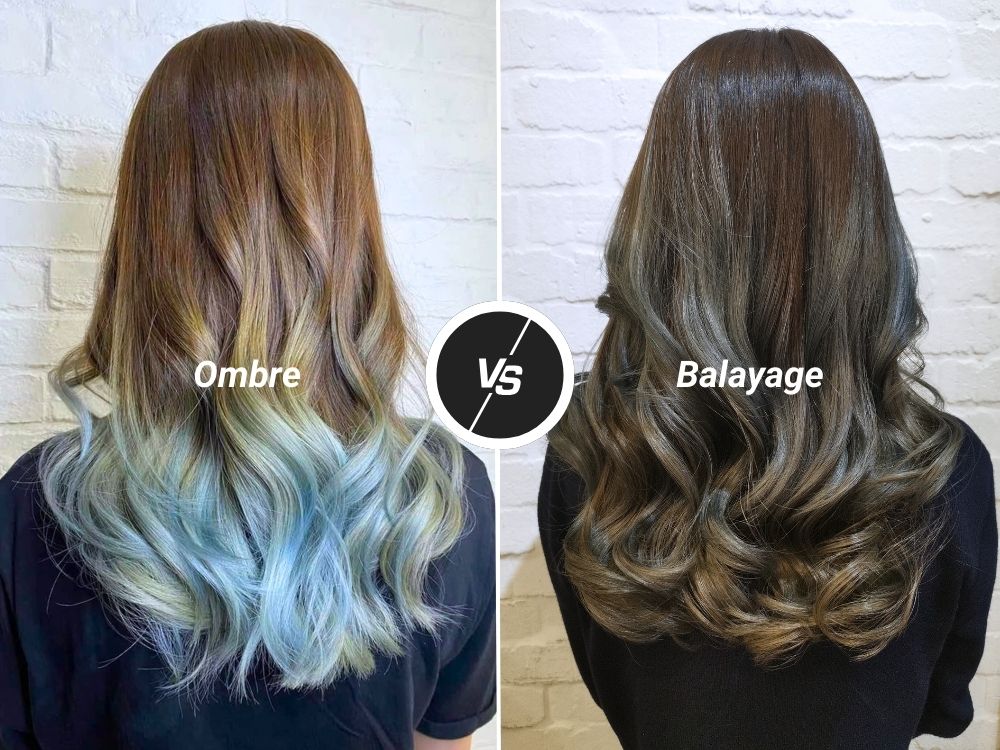
Ombre (pronounced “om-bray”) is a French word meaning “shadow” or “shade.” In hair coloring, it refers to a gradient transition from darker roots to lighter ends. Ombre can be subtle and natural, giving just a hint of light at the ends, or bold and dramatic with a stark contrast between root and tip.

Ombre Styles You’ll Love
  • Classic Ombre: Natural dark roots with a smooth transition to lighter ends.
  • Reverse Ombre: Light roots blending into darker ends for a unique twist
  • Sombre (Soft Ombre): A softer, more subtle version of ombre, perfect for a natural look.
  • Colorful Ombre: From pastel pinks to vibrant blues, creative color gradients are trending.
  • Balayage + Ombre Hybrid : Combines soft balayage highlights with a gradient ombre for a modern, multi-dimensional look.
Why Choose Ombre
  • Low maintenance: Roots are left dark, so touch-ups are less frequent.
  • High visual impact: Perfect for making a statement or refreshing your style.
  • Versatile: Works on medium to long hair, straight or curly.
  • Customizable: You can adjust contrast levels to suit your personal style.
What is Balayage?
Balayage is a French word meaning “to sweep.” Unlike traditional foiling, balayage is a freehand painting technique that creates a natural sun-kissed effect. Color is strategically placed on the hair to enhance movement, dimension, and face-framing highlights.
Balayage Styles
  • Classic Blonde Balayage: Perfect for a natural blonde glow.
  • Bronde Balayage: A combination of brown and blonde for subtle highlights.
  • Red Balayage: Adds warmth and richness to red hair tones.
  • Fashion Balayage: Bright, unconventional colors for those seeking bold creativity.
  • Balayage + Ombre : A hybrid technique for multi-dimensional color and soft gradient effects.
Why Choose Balayage
  • Low maintenance: Subtle regrowth makes touch-ups easy.
  • Natural results: Softly blended highlights mimic how the sun naturally lightens hair.
  • Face-framing: Brightens your features without full-head color.
  • Works on all hair lengths and colors: From short bobs to long locks.

Ombre vs Balayage: 10 Important Comparisons

Here’s a detailed numbered breakdown of the differences between ombre and balayage to make your decision easier:
1. Technique
  • Ombre: Creates a gradient effect, with darker roots fading into lighter ends. Usually applied from mid-length to tip.
  • Balayage: Freehand painting highlights across the hair, creating a natural, sun-kissed look with no harsh lines.
Tip: If you want a bold, high-contrast look, ombre works best. If you prefer subtle, natural brightness, balayage is ideal.
2. Overall Look
  • Ombre: Bold and noticeable, draws attention to the ends. Often dramatic.
  • Balayage: Soft, multi-dimensional, and blends seamlessly into your natural hair.
Tip: Ombre shines with loose curls, while balayage works beautifully with straight or wavy hair.
3. Maintenance
  • Ombre: Low to moderate maintenance* depending on how light the ends are. Touch-ups may be needed every 8 to 12 weeks.
  • Balayage: Very low maintenance* due to soft grow-out. Can last 3 to 4 months without a salon visit.
*Maintenance may vary if bleaching is included, if the color fades, or if a brighter shade contrasting with your natural hair color was chosen.
Lifestyle Consideration: If you have a busy schedule or prefer low-maintenance hair, balayage is usually easier to manage.
4. Root Appearance
  • Ombre: Dark roots are intentional, creating contrast against lighter ends.
  • Balayage: Roots are blended naturally, so regrowth looks seamless.

Balayage is ideal if you want subtle regrowth without a harsh line.

5. Hair Length Suitability
  • Ombre: Best on medium to long hair; short hair may not show a smooth gradient.
  • Balayage: Works on short, medium, or long hair, giving subtle highlights anywhere.
Short hair with balayage can add depth and volume.
6. Customization
  • Ombre: Mostly focused on mid-lengths and ends. Less flexible for highlights near the face.
  • Balayage: Highly customizable, highlights can be placed anywhere, framing the face or brightening specific strands.
7. Cost
  • Ombre: Price depends on hair length, thickness, and desired contrast. Usually slightly less than balayage because the technique is more straightforward.
  • Balayage: Can cost more due to hand-painted placement and precision work.
Note: Long hair or multi-tone colors increase both techniques’ costs.
8. Damage Level
  • Ombre: Focusing lightener on ends may prevent damage to roots.
  • Balayage: Applied strategically to minimize over-processing while creating highlights.

Both techniques are safe when applied professionally, but factors like bleach strength, hair health, and aftercare affect results.

9. Grow-Out Phase
  • Ombre: Color contrast remains visible as hair grows; a low-maintenance root style.
  • Balayage: Grows out seamlessly, avoiding harsh lines.

Best for Busy Schedules: Balayage offers the easiest grow-out with minimal salon visits.

10. Best For Your Lifestyle
  • Ombre: Great for bold, statement-making personalities or those looking for a dramatic change.
  • Balayage: Ideal for natural, effortless style and minimal maintenance.

How to Choose Between Ombre and Balayage

Consider the following questions:

  • Do you prefer subtle or bold contrast?
  • How often can you visit the salon?
  • Are you aiming for a natural or statement-making look?
Choose Ombre If:
  • You like dramatic transitions
  • You want brighter ends without coloring roots
  • You love trendy, statement styles
Choose Balayage If:
  • You want a natural sun-kissed finish
  • You prefer soft brightness around the face
  • You don’t want frequent touch-ups

Styling Ideas for Ombre & Balayage

Ombre Hairstyles:
  • Loose curls highlight the gradient effect
  • Sleek straight hair for a bold, dramatic contrast
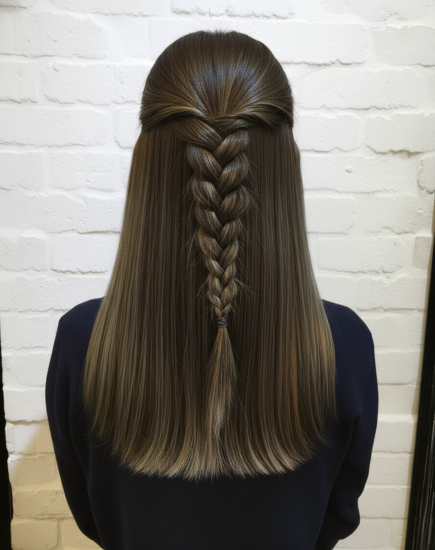
  • Updos or braids to show off lighter ends
ombre

These images are intended as visual references.

Balayage Hairstyles:
  • Soft waves enhance dimension
  • Straight hair for subtle shine
  • Layered cuts for natural, face-framing highlights
Hybrid Looks: Combining balayage with ombre can produce multi-dimensional color perfect for long hair.

These images are intended as visual references.

Our Expert Hair Coloring Services

Not sure? Our expert colorists customize both techniques to your hair texture, face shape, and lifestyle.

At De Arte Hair Studio, we specialize in:

  • Full Ombre Hair Coloring
  • Custom Balayage Highlights
  • Root Shadow & Color Blending
  • Toner and Gloss Treatments

All services use premium, salon-quality products to ensure long-lasting results without compromising the health of your hair.

Aftercare Tips

To maintain vibrant color and healthy hair:

  • Use sulfate-free, color-safe shampoo
  • Deep condition weekly
  • Use purple shampoo for blonde tones
  • Minimize heat styling
  • Schedule toning every 6–8 weeks

Book Your Hair Coloring Appointment with us Today!

Don’t wait to have the hair of your dreams. Our expert colorists are ready to bring your vision to life.
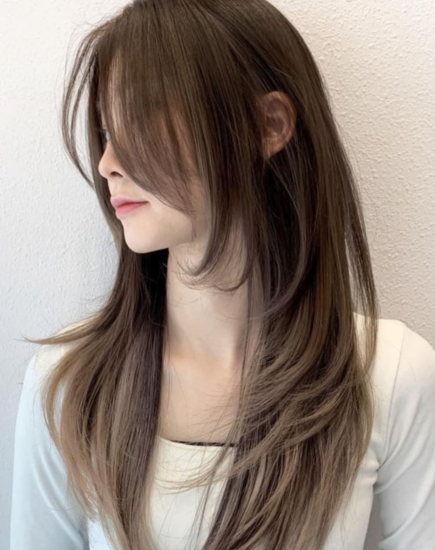
Your dream hair starts here.
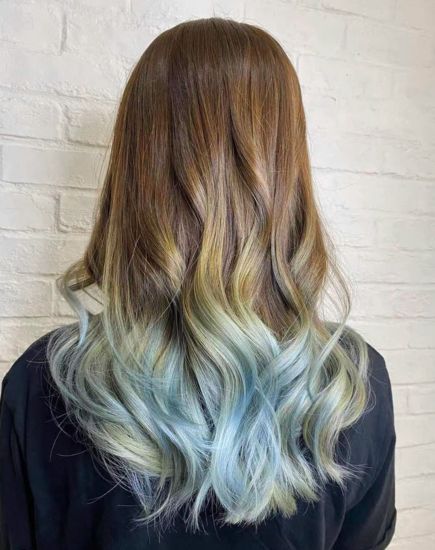
Top 10 FAQs about Hair Treatments

What is the main difference between balayage and ombre?

Balayage is a hand-painted highlighting technique that creates soft, natural dimension throughout the hair. Ombre is a gradient effect that transitions from darker roots to lighter ends with a more noticeable contrast.
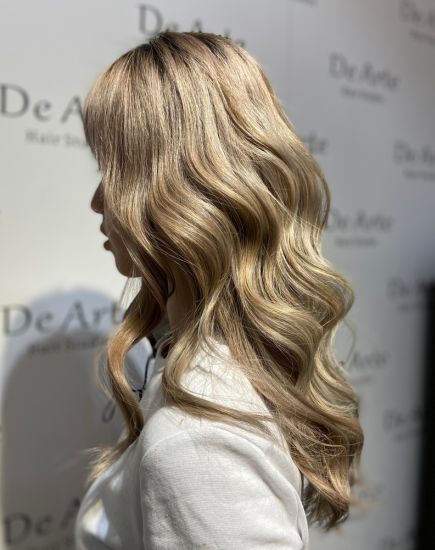
Which lasts longer: balayage or ombre?

Both are low-maintenance options. However, balayage often grows out more seamlessly because the highlights are blended naturally, while ombre maintains its intentional root contrast as it grows.

Is balayage better for short hair?

Yes, balayage works beautifully on short to medium hair because it adds dimension and brightness without requiring dramatic length for a gradient transition. Ombre typically looks best on medium to long hair.

Does ombre require bleaching?

In most cases, yes. Ombre usually involves lightening the mid-lengths and ends to achieve the gradient effect. The level of bleach depends on your starting hair color and desired brightness.

Is balayage damaging to hair?

When performed by a professional colorist using high-quality products, balayage is no more damaging than traditional highlights. Proper aftercare is essential to maintain hair health.

How much does balayage or ombre cost?

Pricing varies based on hair length, thickness, and color goals. Balayage can sometimes cost more due to the customized hand-painting technique.

👉 View Our Pricing

How often should I touch up balayage or ombre?

Most customers refresh their color every 8 to 12 weeks. Toners may be needed every 6 to 8 weeks to maintain brightness and eliminate brassiness. For the best results, consult with our stylist to create a personalized maintenance plan.

Can balayage or ombre cover gray hair?

Yes. Balayage can blend gray hair naturally, while ombre can help disguise regrowth by keeping roots darker. Your stylist can customize coverage based on your needs.

Which technique looks more natural?

Balayage typically looks more natural due to its soft, sun-kissed placement. Ombre creates a more defined color shift.

How do I choose between balayage and ombre?

Consider your desired contrast level, maintenance preference, and lifestyle. If you want subtle dimension, choose balayage. If you love bold transitions, go with ombre.

Still unsure? Book a free consultation today and let our color experts recommend the perfect look for you.

Bleached Hair and Damaged Hair: What Bleach Really Does to Your Hair

Bleached hair is one of the most popular ways to achieve a lighter, brighter look, but many people don’t realize the hidden changes happening beneath the surface. Bleaching doesn’t just alter the color, it changes the hair’s structure, affecting protein bonds, moisture balance, and overall strength. Understanding these hidden effects is essential for maintaining healthy, strong hair after bleaching.

Why You Should Care About Bleach Damage

Bleached hair isn’t just a cosmetic change, it chemically alters the hair’s internal structure. Knowing how and why damage occurs helps you:

  • Make better color decisions
  • Prevent severe breakage and hair loss
  • Extend the life of your color
  • Maintain healthier hair long-term

Awareness is the first step to protecting your hair while enjoying your new look. Proper care transforms temporary beauty into lasting health.

Bleached Hair: What Happens During the Process
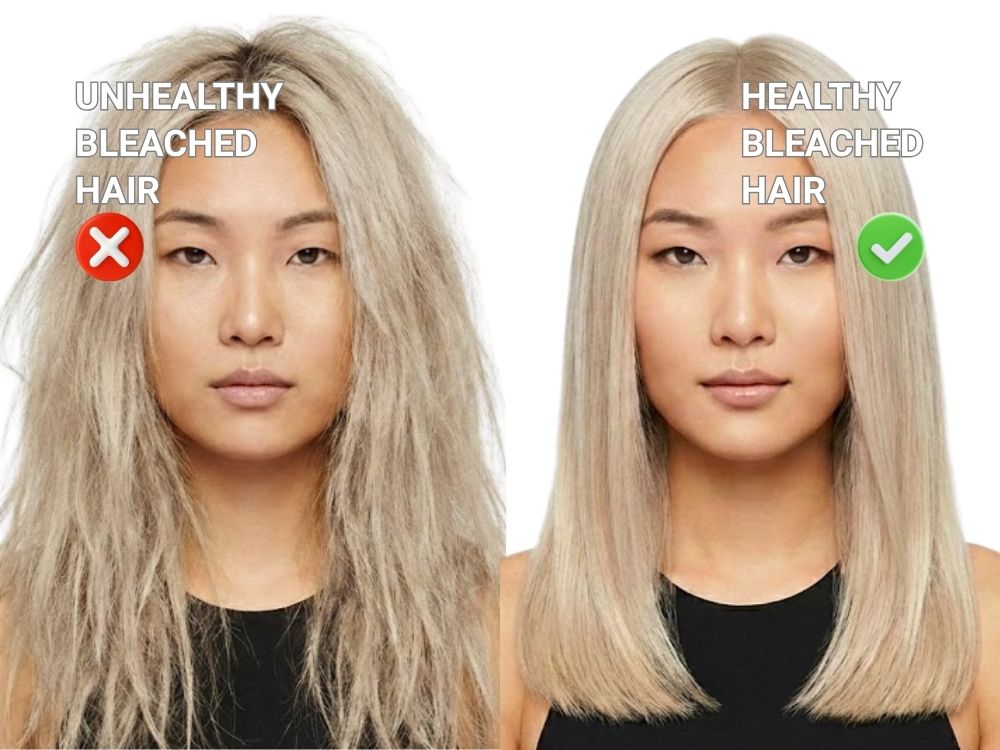
Bleached hair
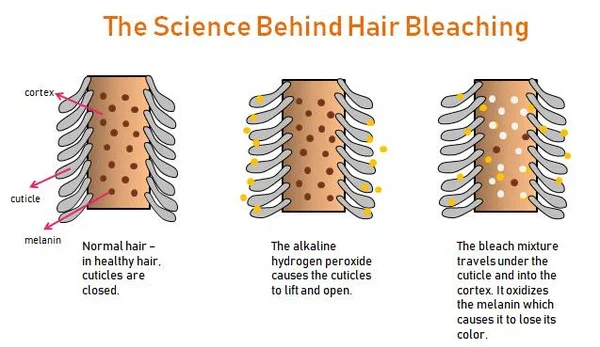
Bleached hair undergoes a chemical transformation driven by a combination of alkaline agents and oxidizers, most commonly ammonia (or similar compounds) and hydrogen peroxide (H₂O₂). This process not only removes pigment but also weakens hair structurally. (WebMD)
Step‑by‑Step Breakdown
1.Cuticle Lifting
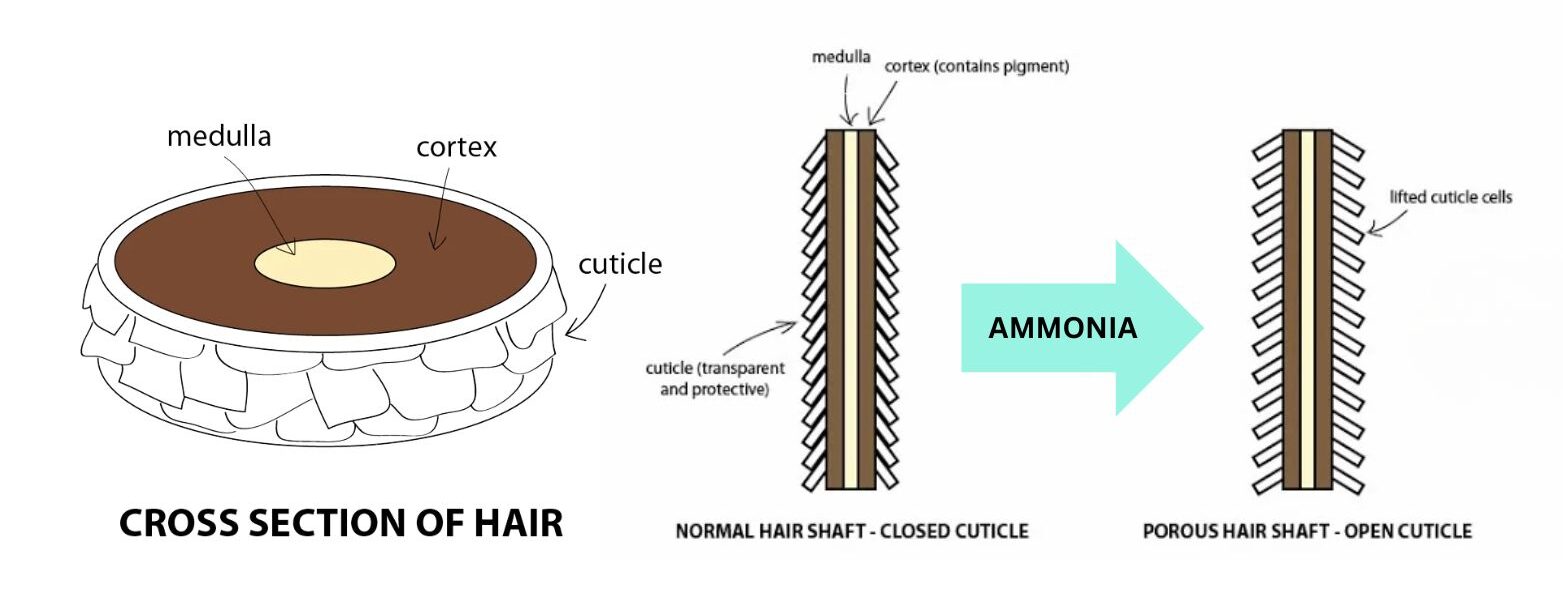
Hair’s cuticle consists of overlapping scales that normally lie flat. The alkaline component of bleach increases the hair’s pH and causes the cuticle to swell and lift, creating openings that allow other chemicals to penetrate deeper into the hair strand.
2.Penetration Into the Cortex
Once the cuticle is opened, hydrogen peroxide travels under the lifted cuticle into the cortex (the inner layer of the hair) where natural pigment (melanin) resides.
3.Oxidation of Melanin
Inside the cortex, hydrogen peroxide breaks down melanin through a chemical oxidation reaction, transforming the pigment into smaller, colorless molecules that either dissolve or are washed out. Melanin gives hair its natural color; breaking it down causes hair to appear lighter.
4.Structural Protein Impact
While the primary target is melanin, oxidation can also affect proteins like keratin and other structural elements in the cortex. This oxidative stress weakens bond structures and contributes to loss of strength and elasticity.
Why Bleached Hair Turns Into Damaged Hair

Hair damage doesn’t always happen overnight. With bleached hair, damage builds gradually.

Bleaching can:

  • Cuticle disruption: Swollen or lifted cuticles make it harder for hair to retain moisture.
  • Increased porosity: Hair absorbs and loses water too easily, leading to dryness.
  • Protein breakdown: Keratin and other proteins are partially degraded, weakening fibers.
  • Permanent pigment change: Unlike semi-permanent dyes, bleach irreversibly alters melanin.

Many people mistake these changes for “naturally dry hair,” not realizing they are signs of chemical damage.

Bleached Hair: Signs of Hidden Damage

Even if hair feels soft after a salon visit, bleached hair can have hidden damage. Common signs include:

  • Breaks easily when brushed or styled
  • Feels stiff, brittle, or straw-like
  • Tangles more than usual
  • Looks dull even after conditioning
  • Loses curl or wave patterns
  • Splits at the ends frequently
  • Feels weaker when wet

These symptoms indicate that internal protein bonds have been weakened, even if the hair looks healthy externally.

Is All Bleached Hair Damaged?

Not all bleached hair looks damaged right away, but all bleached hair is structurally altered. Even when hair feels soft after a salon visit, internal protein loss may already be occurring. Without proper care, damage becomes more visible with time, heat styling, or repeated bleaching.

This is why professional aftercare is essential for anyone with bleached hair.

How to Protect and Repair It

While bleach damage cannot be fully reversed, it can be managed and improved with informed care:

  • Use bond-repair treatments to strengthen weakened strands
  • Balance protein and moisture to prevent brittleness
  • Avoid frequent heat styling on freshly bleached hair
  • Choose gentle, sulfate-free cleansers

Still can't decide whether to bleach your hair?

If you’re unsure, it’s best to leave it to the professionals.

At De Arte Hair Studio, we assess the condition of your hair and carefully guide you through the process to achieve the color you desire. While multiple rounds of pre-lightening can take a toll on your hair, our stylists are trained to provide individual care and personalized guidance.

If you’re going to do it, do it right, otherwise, you might be left with more damage than you bargained for. Trust us to help you get the results you want, without the heavy aftercare stress.

Check out our customers' stunning color! Yours could be next!

Once again, bleached hair is more than just a cosmetic change, it creates hidden structural damage that affects long-term hair health. Understanding the science behind bleaching, recognizing signs of hidden damage, and implementing proper care routines can help you enjoy lightened hair without sacrificing strength, shine, or vitality.

Ammonia-Based vs. Ammonia-Free Hair Dyes: What’s the Difference?

Hair dyeing is more than just a cosmetic process; it’s a fascinating mix of art and science, driven by chemistry. Whether you’re going bold with a new color or simply covering grays, the type of dye you choose plays a crucial role in the final result. Salons typically offer two main categories of hair dye: ammonia-based and ammonia-free. But what exactly sets them apart? And how do you know which is best for your hair? Let’s find out the differences to help you make an informed decision.

Understanding Ammonia in Hair Dyes

Ammonia has been a staple ingredient in hair dye formulations for decades, and for good reason. Its primary function is to open up the hair cuticle, allowing the dye to deeply penetrate the hair shaft. This chemical reaction is crucial for achieving vibrant and long-lasting color.

In addition to helping the dye penetrate the hair, ammonia also raises the pH level of your hair, which helps lighten your natural color. When applied, ammonia interacts with melanin (the natural pigment in your hair), chemically altering the shade.

However, ammonia has a few downsides. Its molecules are small and volatile, meaning they evaporate quickly and can be quite pungent. This is why ammonia-based dyes often have a strong odor that can linger long after the coloring process is complete. On the plus side, ammonia makes it easier to rinse out the color since it helps break down the dye, ensuring a thorough wash.

Pros of Ammonia-Based Dyes
Effective Gray Coverage: Ammonia-based dyes excel in covering gray hairs, providing even and lasting coverage.

Long-Lasting Results: These dyes typically provide more vibrant and durable color compared to their ammonia-free counterparts.

Cons of Ammonia-Based Dyes
Scalp Irritation: The strong chemical nature of ammonia can lead to scalp irritation or allergic reactions in some people.

Strong Odor: The pungent smell of ammonia can be unpleasant during the dyeing process and may linger afterward.

The Ammonia-Free Alternative

In recent years, ammonia-free hair dyes have gained popularity, particularly among those looking for a gentler option. While ammonia-free dyes are marketed as being less harsh, they still contain other alkaline ingredients, such as monoethanolamine (MEA) or aminomethylpropanol (AMP). These ingredients perform a similar function to ammonia, they help regulate the pH of the hair, but they are less potent and often used in lower concentrations.

The primary difference is that these ingredients have larger molecules than ammonia, meaning they don’t penetrate the hair as deeply or as quickly. As a result, the color may not be as vibrant or long-lasting as it would be with ammonia-based dyes.

One of the biggest advantages of ammonia-free dyes is that they tend to have a much milder odor. Since their molecules are larger and less volatile, they don’t evaporate as quickly, making the coloring process more comfortable for those sensitive to strong smells. However, this slower evaporation means that the dye may take longer to rinse out, and you may need to wash your hair a few more times to fully remove any residue.

Pros of Ammonia-Free Dyes
Gentler on Scalp and Hair: These dyes are less likely to cause scalp irritation, making them a great choice for those with sensitive skin.

Reduced Odor: The absence of ammonia means a less pungent smell during and after the dyeing process.

Cons of Ammonia-Free Dyes
Potentially Less Effective on Gray Hair: Ammonia-free dyes may not provide full coverage for gray hair, especially in people with coarser hair textures.

Color Longevity: The color may fade faster than ammonia-based dyes, meaning more frequent touch-ups might be necessary.

Choosing the Right Hair Dye for You

When deciding between ammonia-based and ammonia-free hair dyes, it’s important to consider your hair type, the results you want to achieve, and your sensitivity to certain chemicals. Each option has its strengths, so choosing the best one depends on what’s most important to you; whether it’s vibrant, long-lasting color, or a gentler, less odorous experience.

Factors to Consider:

  • Hair Type and Texture: Coarser or thicker hair may benefit from ammonia-based dyes, which tend to provide more durable coverage.
  • Desired Color Outcome: If you’re aiming for a dramatic color change or need to cover stubborn gray hair, ammonia-based dyes might be the better choice. On the other hand, if you’re just looking for a subtle change, ammonia-free dyes can be a gentler option.
  • Sensitivity: If you have a sensitive scalp or are prone to allergic reactions, ammonia-free dyes may be the safer choice.
Recommended Ammonia-Free Hair Dye Brands in Singapore

If you’re exploring ammonia-free options, here are a few reputable brands that are known for their quality and effectiveness. These brands are widely available at major beauty stores, supermarkets, and online platforms in Singapore.

Ammonia Free Revlon Hair Dye
Revlon Colour Silk 3D Hair Dye: This dye is free from ammonia and contains silk proteins to nourish and smooth your hair, providing a silky and shiny finish.
Ammonia Free Garnier Hair Dye
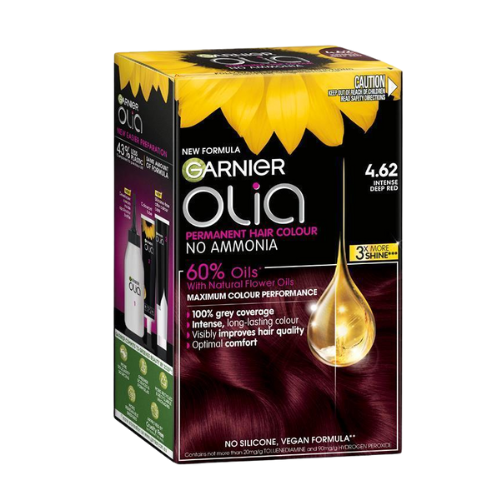
Garnier Olia Permanent Hair Color: An ammonia-free formula that uses natural flower oils to deliver vibrant color while caring for your hair's health.
Ammonia Free NaturVital Hair Dye
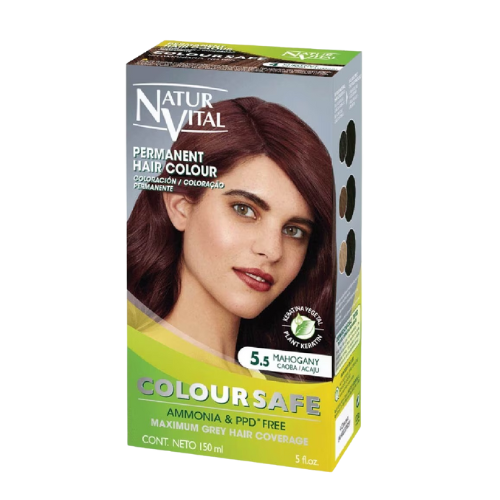
NaturVital Coloursafe Permanent Hair Colour: This dye is free from ammonia, PPD, resorcinol, and parabens, minimizing the risk of allergic reactions.

Tip: Always perform a patch test before full application to ensure compatibility with your hair and scalp. While these products are highly rated, individual results can vary.

Note: This information is based on online research; individual results may vary. At De Arte Hair Studio, we use our own color formulations and techniques, and these specific products have not been tested in our salon.

Enjoy a Professional, Worry-Free Coloring Experience

While understanding the differences between ammonia-based and ammonia-free dyes can help you make an informed decision, achieving the best results often requires professional expertise. At De Arte Hair Studio, we offer personalized consultations to determine the most suitable coloring options based on your unique hair type and preferences.

Our Salon Hair Coloring Services Include:

  • Scalp Protection: We offer pre-chemical protection (optional), which creates an invisible barrier on your skin to protect against harsh chemicals, ensuring that your scalp remains healthy during the coloring process. 🔗 Explore the 7 powerful benefits of pre-chemical protection for healthier scalp
  • Customized Coloring: Whether you opt for ammonia-based or ammonia-free dyes, our skilled stylists choose the best products for your hair to ensure vibrant, long-lasting results.
  • Expert Application: Our team uses advanced techniques to apply color evenly and precisely, minimizing the risk of damage and maximizing the beauty of your hair.
Ammonia Free  Hair Dye
BEFORE
Preparing Your Hair for the Best Results

Before starting the coloring process, our stylist begins by assessing your hair to determine the best approach.

This includes checking your hair’s condition, texture, and the current color, so we can select the perfect dye and treatment tailored to your needs.

We ensure that your hair is clean and ready for the dyeing process, setting the foundation for flawless, vibrant results.
Ammonia Free  Hair Dye
DURING
Applying Scalp Protector and Color Treatment (Non-ammonia)

To protect your scalp and enhance the coloring process, we apply a pre-chemical protection (add-on option). This product creates an invisible barrier on the skin’s surface, preventing irritation and discomfort from the chemicals in the dye.

Next, we use a color treatment to correct any unwanted tones or uneven color, ensuring that your hair achieves a more even, vibrant shade. This careful preparation ensures the best possible outcome and protects your hair’s health throughout the coloring process.
Ammonia Free NaturVital Hair Dye
RESULT
Beautifully Blended Colors with a Healthy Glow

After the dye has been applied, we ensure a flawless blending of colors to create a natural, seamless look.

The result is a vibrant, multi-dimensional shade that enhances your hair's texture and shine.

With proper care and expert application, your hair will have a healthy, glowing finish; radiant with rich, even color that looks and feels nourished and beautiful. You’ll leave our salon with a refreshed, confident new look.

Book An Appointment

Whether you choose ammonia-based or ammonia-free hair dye, it’s important to understand how each works and how it will affect your hair.

If you’re unsure about which option is best for you, a consultation with a professional stylist can help ensure you get the results you’re looking for, without compromising the health of your hair. Why not leave the hard work to the experts and enjoy a stress-free, gorgeous transformation at our salon? We’re here to help you shine!

Aftercare Tips for Color-Treated Hair

Regardless of the dye you choose, proper aftercare is essential for maintaining your color and ensuring the health of your hair. To keep your new shade looking fresh and vibrant:

Use Color-Safe Shampoos and Conditioners: These products help extend the life of your color by protecting it from fading.

Regular Conditioning: Moisturizing treatments keep your hair nourished and prevent dryness or damage from the coloring process.

Avoid Excessive Heat Styling: Too much heat can cause color to fade faster, so try to minimize the use of hot tools.