De Arte Hair Studio

12 Bangs Styles: The Ultimate Guide to Every Style, Face Shape & Hair Type

want to cut fringe

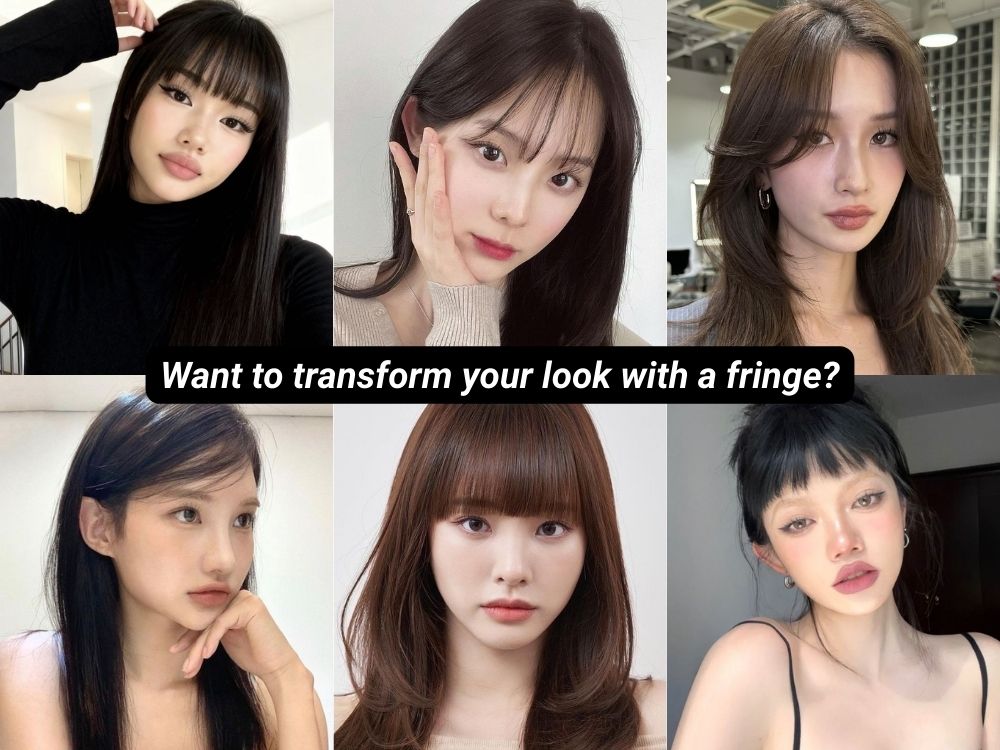
Thinking about getting your fringe cut? The right fringe can transform your look, softening features, enhancing your eyes, adding dimension, or creating a bold fashion statement. From dramatic blunt bangs to airy Korean-inspired fringe, here’s your complete guide to every bangs style.

1. Straight Across Bangs
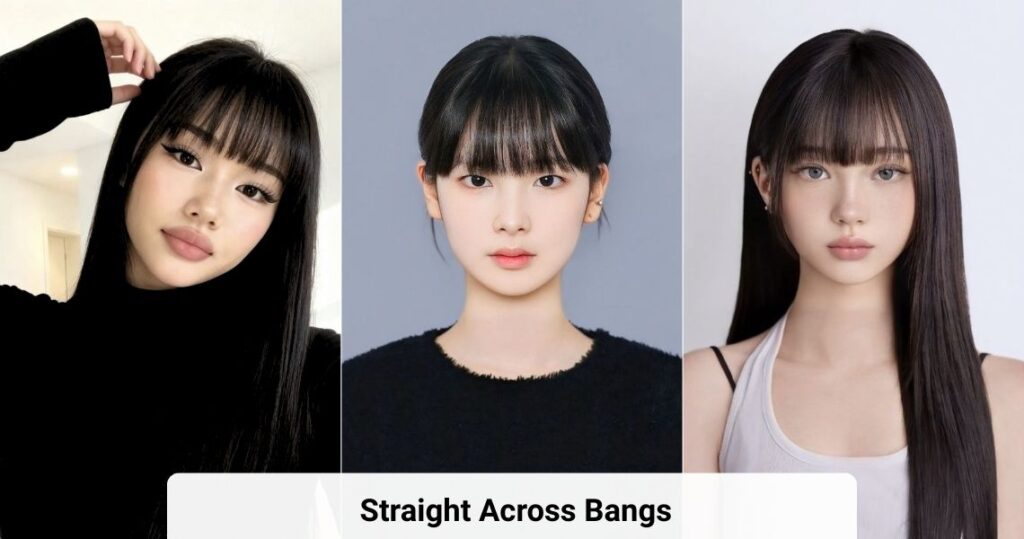
Straight across bangs are cut evenly across the forehead, creating a soft, horizontal frame for your face. They are often light or slightly layered, which makes them versatile and forgiving for most hair types. This style gently highlights your eyes and adds a subtle, approachable vibe to your look. Maintenance is moderate, with trims every 3–4 weeks recommended to keep the shape fresh.

While similar to blunt bangs at first glance, straight across bangs are less dense and softer in appearance, giving a more casual and flexible style. They work beautifully if you want a fringe that adds definition without feeling heavy.

Style impact: Structured, eye-focused, bold
Best for: Straight hair, oval or long faces

2. Side-Swept Bangs
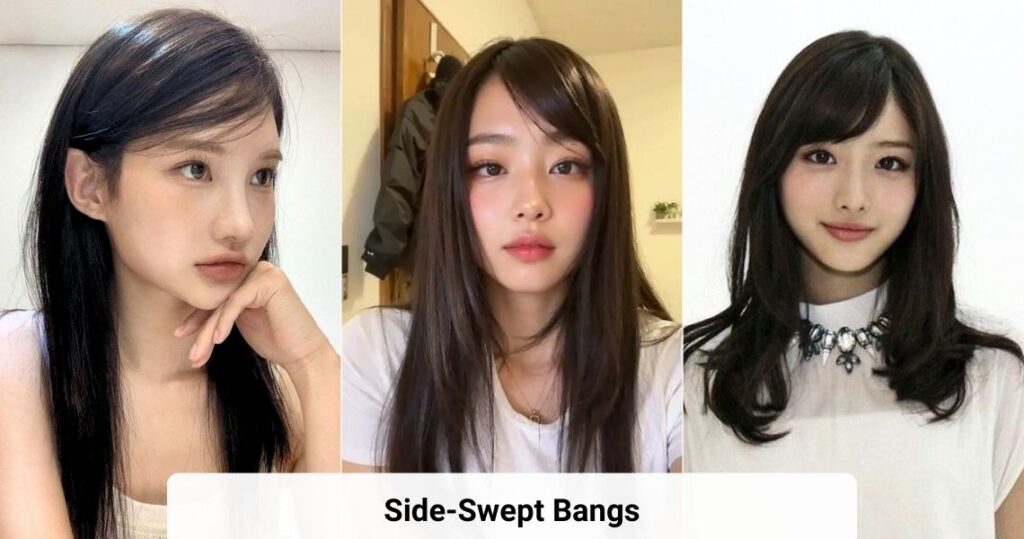
side swept bangs

Side-swept bangs gently angle across the forehead and blend into the rest of the hair, creating a soft, flattering frame. This style slims the face and softens strong features, making it ideal for round, square, or heart-shaped faces. Side-swept bangs are low-maintenance and easy to style, offering a romantic and approachable look that works with almost any hair type.

Style impact: Romantic, slimming, versatile

3. Curtain Bangs
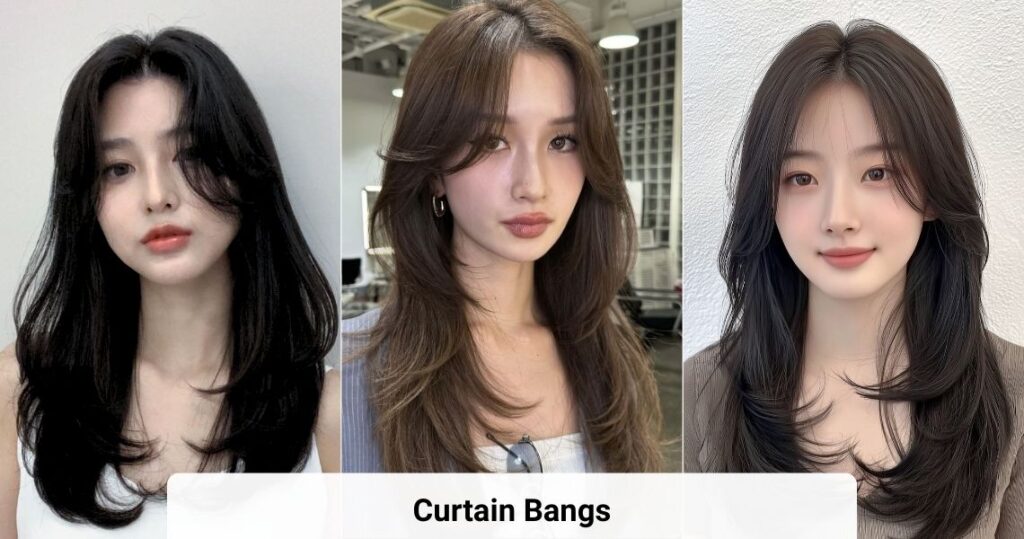
Curtain bangs are parted down the center and gradually lengthen toward the sides, framing the face like soft curtains. They create an effortless, 70s-inspired vibe that is both flattering and versatile. Curtain bangs are particularly effective on round, oval, or heart-shaped faces and blend seamlessly with layered hair, giving a natural, flowing appearance. Maintenance is moderate, and they can grow out gracefully if you decide to switch styles.

Style impact: Soft, trendy, face-framing
Best for: Round, oval, and heart-shaped faces

4. Blunt Bangs
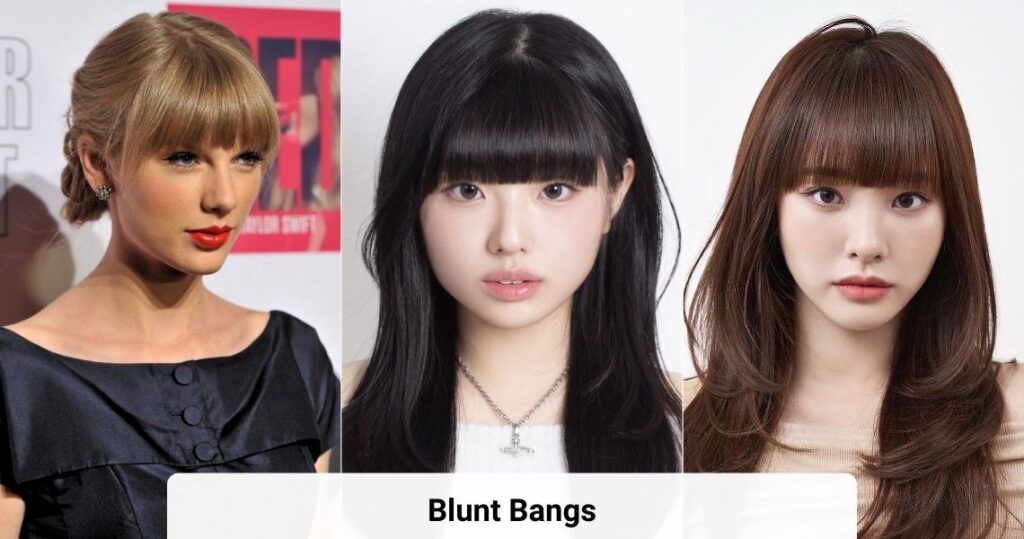
Blunt bangs, by contrast, are thick, dense, and straight, usually cut with no layering. This creates a bold, dramatic statement that emphasizes facial features like the eyes and cheekbones. The sharp, defined line of blunt bangs gives a polished, high-fashion vibe, making them ideal for anyone who wants a striking look.

Because of their density and precision, blunt bangs require higher maintenance, with trims every 2–3 weeks to retain their clean shape. Compared to straight across bangs, they are more structured, dramatic, and statement-making, perfect if you want your fringe to be the focal point of your hairstyle.

Style impact: Dramatic, polished, runway-ready
Best for: Thick hair

5. Choppy Bangs
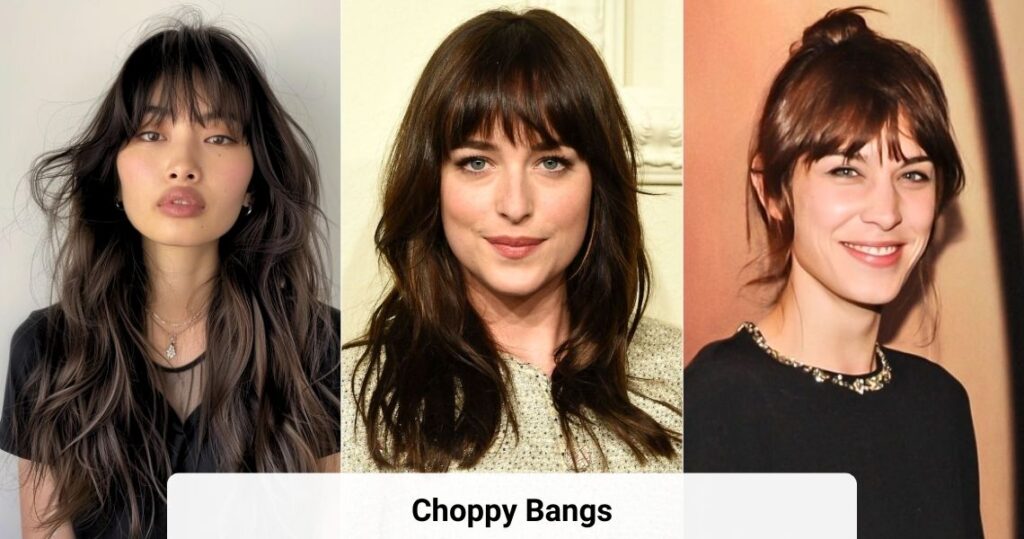
Choppy bangs feature textured, uneven ends that add movement and dimension to the hair. They are ideal for adding volume and an edgy, modern flair, especially on fine or medium hair. Choppy bangs can complement layered hairstyles or create a slightly messy, effortless aesthetic, while offering a style that feels playful yet intentional.

Style impact: Modern, airy, slightly edgy

6. Wispy Bangs
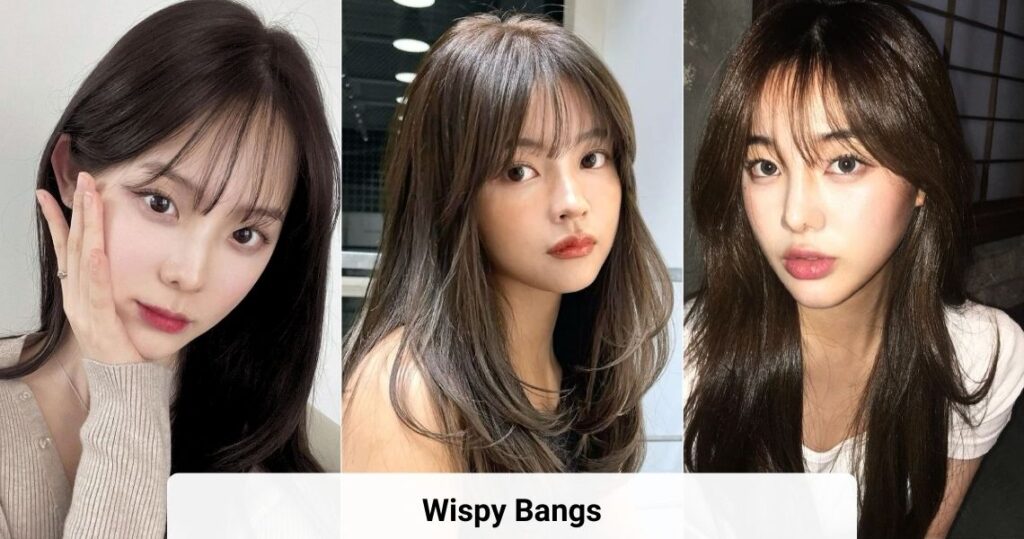
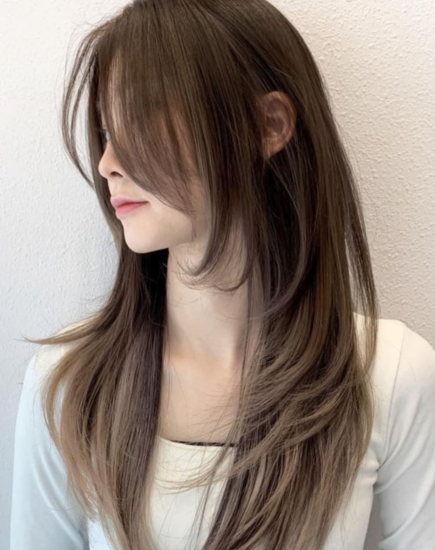
Wispy bangs, also called airy bangs, are soft, feathered, and light, creating a delicate, face-framing effect. Unlike blunt or straight-across bangs, they don’t sit heavily on the forehead, giving a natural and effortless look that works beautifully with most hair types, especially fine hair. Wispy bangs add subtle texture and movement, softening sharp features and giving a youthful, feminine vibe. Because of their airy nature, they are low-maintenance and grow out gracefully, making them an ideal choice for anyone seeking a gentle yet stylish change.

Style impact: Soft, feminine, low-commitment

7. Baby Bangs (Micro Bangs)
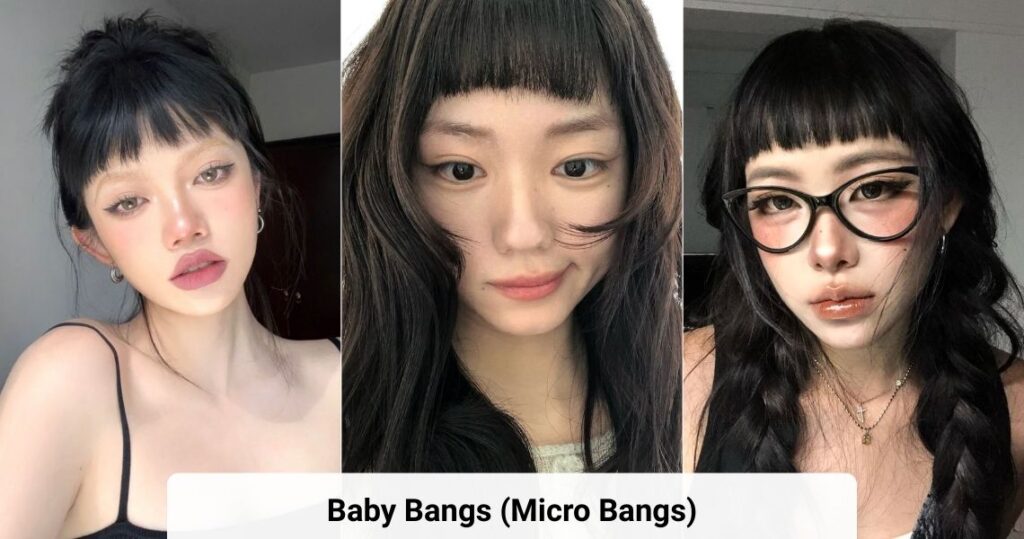
Baby bangs, also called micro bangs, are cut very short above the eyebrows for a bold and unconventional look. They add high-fashion, playful energy to your hairstyle and are ideal for those who want to make a statement with their fringe. Baby bangs require frequent maintenance to keep their dramatic shape but create a striking contrast that frames the face uniquely.

Style impact: Artistic, bold, statement-making

8. Angled or Asymmetrical Bangs
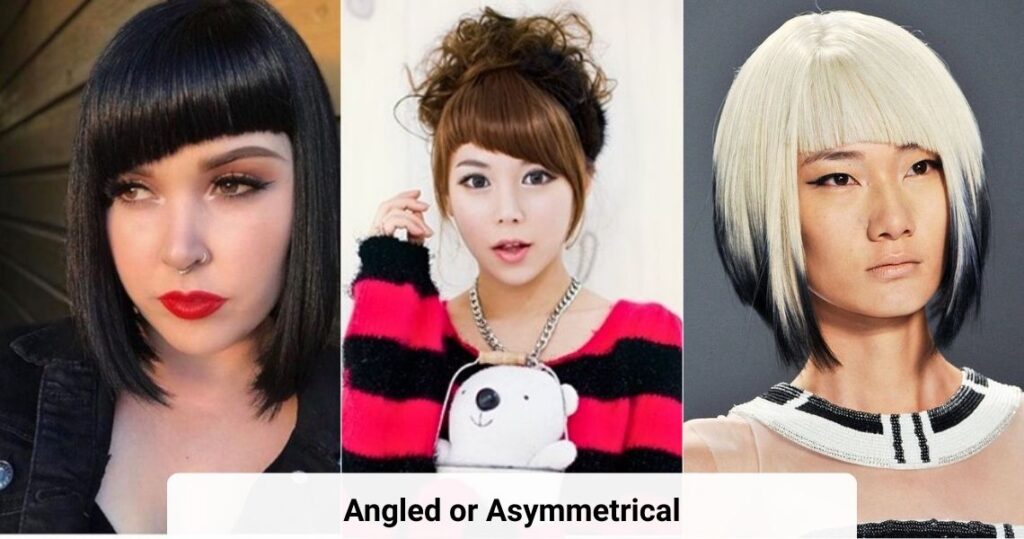
angled asymmerical bangs

Angled or asymmetrical bangs are cut diagonally across the forehead, creating a dynamic and contemporary frame. They are perfect for softening round faces or adding interest to layered hairstyles. This style slims and elongates the face, offering a fashion-forward appearance that feels modern and expressive. Maintenance is moderate, and they are versatile enough to pair with both casual and polished looks.

Style impact: Dynamic, slimming, fashion-forward

9. Full Bangs (Heavy Bangs)
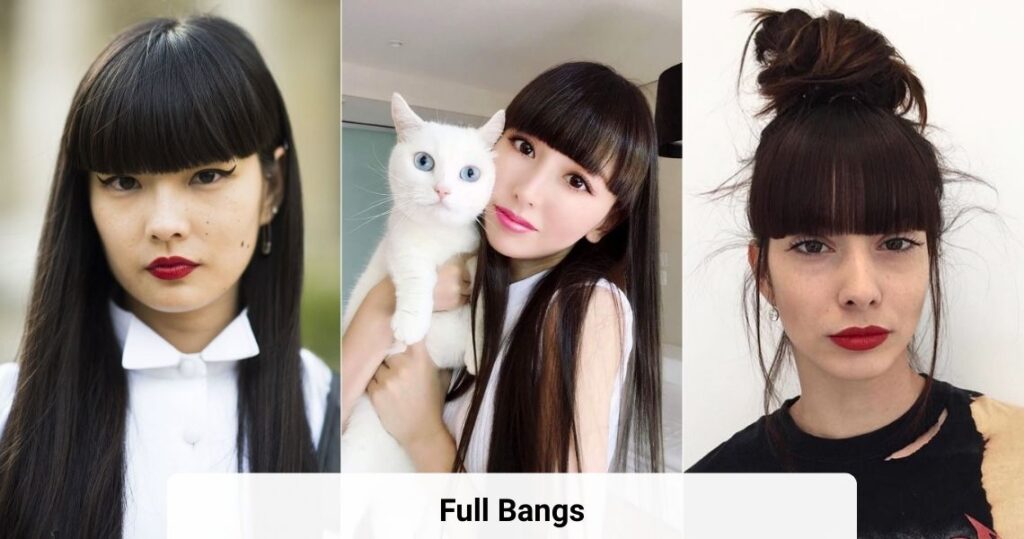
Full bangs, or heavy bangs, are dense and cover most of the forehead, creating a bold, eye-emphasizing effect. This style works particularly well on longer faces, as it visually shortens the forehead and balances proportions. Full bangs give a dramatic, statement-making appearance and pair beautifully with sleek or layered hair. They require high maintenance to maintain their dense shape.

Style impact: Bold, eye-emphasizing

Now you must be confused, full bangs, blunt bangs, straight across bangs, they look the same isnt it! Oh well, I can only say, same same but (slightly) different;
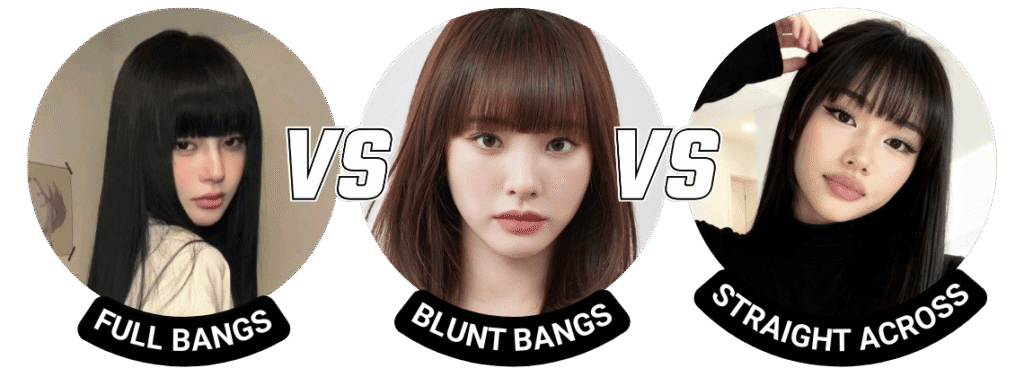
Full bangs: Heaviest, boldest, maximum forehead coverage, dramatic impact.

Blunt bangs: Thick and precise, sharp line, high-fashion and structured.

Straight across bangs: Softer, lighter, more forgiving, casual and versatile.

10. V-Shaped Bangs
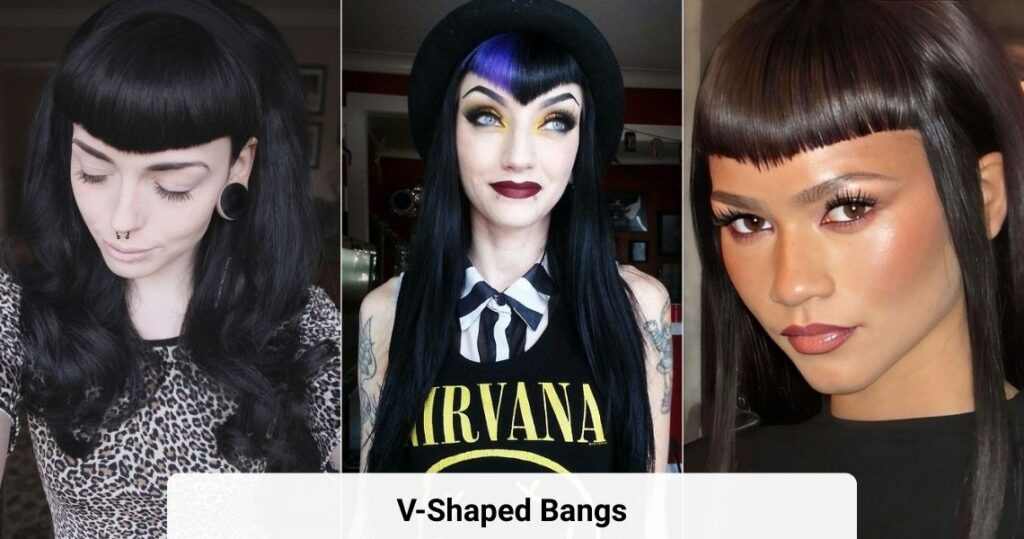
V-shaped bangs form a subtle or pronounced point at the center of the forehead, adding geometric interest and definition. This style is excellent for those looking for a unique or artistic fringe that stands out from traditional cuts. V-shaped bangs can complement layered or textured hair and add a fresh, edgy twist to any hairstyle.

Style impact: Sharp, artistic, unique

11. Curly Bangs
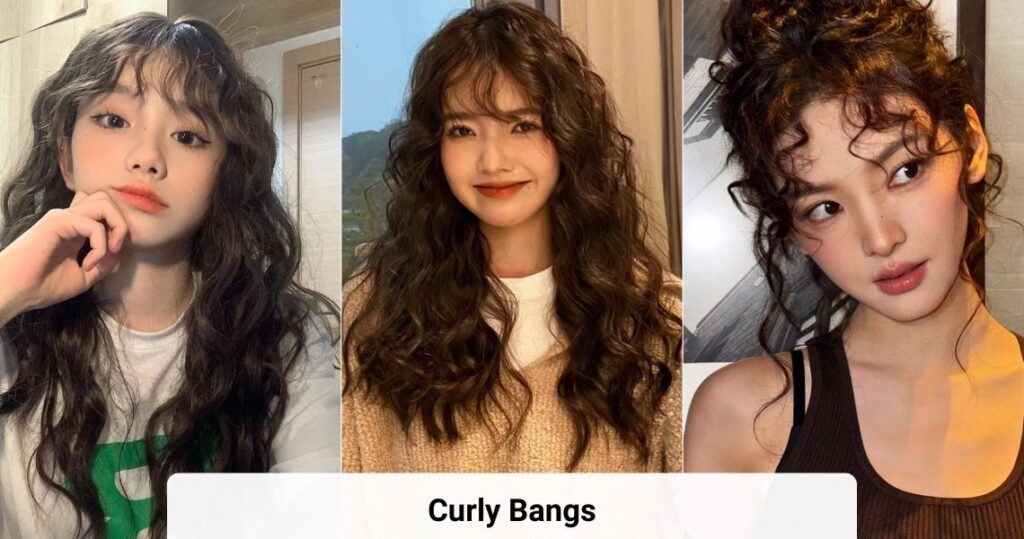
Curly bangs embrace the natural curl pattern, creating volume, texture, and a playful frame around the face. This style works beautifully for naturally curly or wavy hair, adding softness and dimension. Curly bangs are versatile and can be styled loosely for a relaxed vibe or more defined for an intentional, eye-catching look.

Style impact: Playful, voluminous, expressive

12. Tapered Bangs
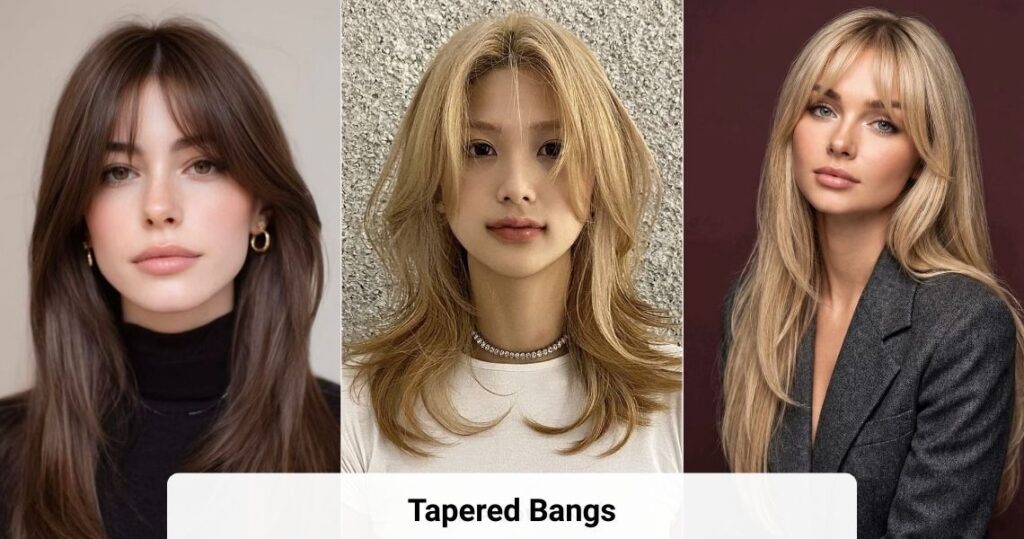
tapered bangs

Tapered bangs gradually change in thickness or length, blending seamlessly into the rest of the hair. This subtle style is perfect for professional or understated looks, giving a polished and natural appearance without the drama of a dense fringe. Tapered bangs are low-maintenance and work with most hair types, especially fine hair, offering an elegant and effortless frame for the face.

Style impact: Subtle, polished, effortless

Find Your Perfect Bangs

Whether you’re inspired by Hollywood icons or K-beauty trends, there’s a fringe style that matches your face shape, personality, and lifestyle.

✨ Book a professional consultation
✨ Explore our detailed bangs guides

Now that you’ve explore the front, why not get inspired for the back too? Check out our guide: 6 Best Types of Hair Perm for Different Face Shapes: Find Your Perfect Look to discover perm styles that complement your bangs and give your entire hairstyle a cohesive, flattering finish.

Your perfect bangs aren’t just a trend; they’re a transformation from every angle.
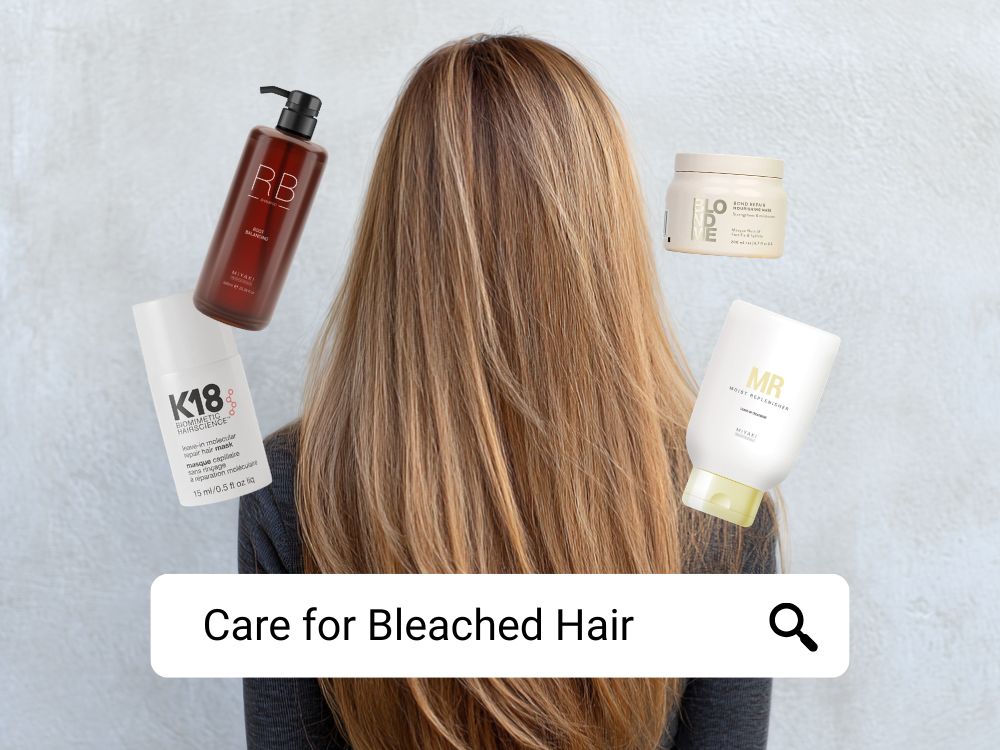
7 Methods to Support Recovery for Bleached Damaged Hair

Hair care for bleached damaged hair
How to Support the Recovery of Bleached Damaged Hair: A Balanced Approach

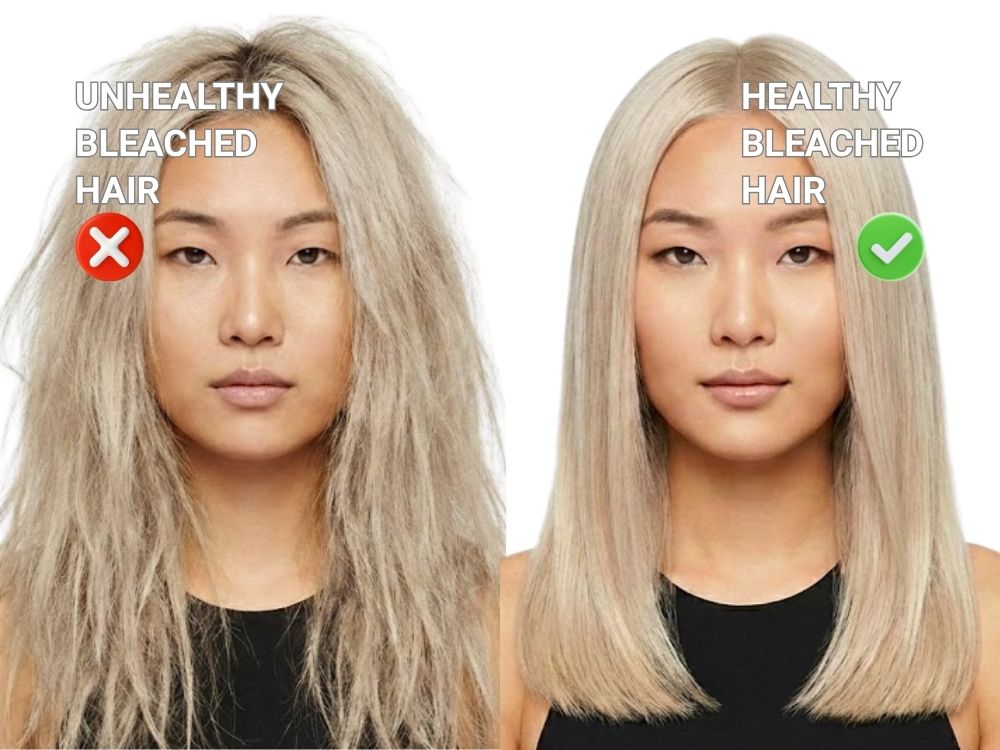
Bleaching can be a transformative hair process, but it often leaves hair vulnerable to damage. Bleached damaged hair can present with a range of issues, such as dryness, breakage, and frizz, depending on the degree of processing, hair type, and individual lifestyle factors.

This guide offers practical methods to support the recovery process. While results will vary from person to person, these approaches can help strengthen and protect your hair during its recovery journey.

Why Does Bleach Cause Hair Damage?
When hair is bleached, the process involves lifting the natural pigment, which can cause structural changes in the hair’s composition. Common results of bleaching may include:
  • Increased porosity, leading to faster moisture loss
  • Disruption of protein bonds, weakening hair strands
  • Dryness and brittleness, making hair prone to breakage
While these changes can be managed, they cannot be fully reversed, which is why repair efforts tend to focus on strengthening, hydrating, and maintaining the hair’s overall health

7 Practical Tips to Nourish and Revive Weakened Hair

1. Use Bond Repair Treatments
Bond repair treatments can help to reinforce weakened bonds in the hair shaft. These treatments typically contain amino acids or bond-building agents, which aim to restore structural integrity. If your hair has been significantly bleached, incorporating such treatments can help reduce breakage and improve overall strength over time.
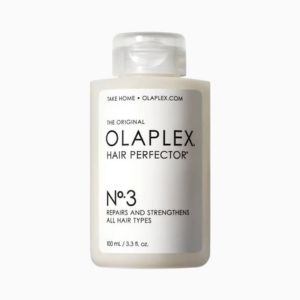
Olaplex Hair Perfector
Olaplex No.3 Hair Perfector

A highly reviewed at‑home bond repair treatment that specifically targets weakened hair structure and helps reduce breakage with regular use.

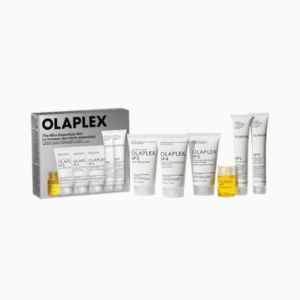
Olaplex Mini Essentials Set

A compact set that lets you try the core bond‑building treatment at a lower upfront cost; useful for first‑time users.

Olaplex Bond Maintenance Shampoo
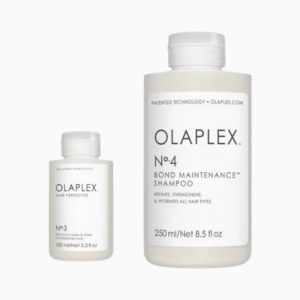
Olaplex No.3 and No.4 Duo
Combines the bond repair treatment with a gentle bond maintenance shampoo to support repair during cleansing.
2. Deep Hydration Treatments
Bleached hair tends to lose moisture faster than untreated hair, leading to dryness and frizz. Adding deep hydration treatments into your routine can help restore moisture levels and improve hair texture.

Hydrating hair masks or conditioners with ingredients like glycerin, shear butter, ceramides, and plant oils (such as argan or jojoba oil) can deeply nourish the hair and improve softness and shine.

3. Balance Protein and Moisture

Finding the right balance between protein and moisture is crucial when recovering bleached hair. Too much protein can cause hair to feel brittle, while insufficient protein can leave it weak and lifeless.

Protein-rich treatments like keratin or hydrolyzed silk protein can help reinforce damaged strands, while moisturizing ingredients like hyaluronic acid or glycerin help maintain hydration levels.

Note: Alternate between protein treatments and moisturizing masks to avoid overloading the hair with either.

4. Choose a Gentle Shampoo
Harsh shampoos can strip already fragile bleached hair of its natural oils, making it even more prone to damage. Opting for sulfate-free, gentle cleansers can help preserve moisture and protect your hair from further dryness.

Shampoos that are sulfate-free, color-safe, and moisturizing often work best for bleached hair. Ingredients like ceramides and fatty alcohols can help replenish the moisture balance that bleaching tends to strip away.
5. Limit Heat Styling

Excessive heat styling can worsen damage in already fragile bleached hair. If you must use heat, it’s important to apply a heat protectant and keep styling to a minimum.

Heat protectant sprays or serums containing silicone-based ingredients or vitamin E can help reduce the risk of further damage. If heat styling is essential, keep the temperature on your tools below 300°F (150°C) to minimize stress on the hair shaft. Air drying when possible is an easy way to give your hair a break from heat damage.
6. Apply Leave-In Treatments

Leave-in conditioners or serums help to provide ongoing moisture and protection for bleached hair throughout the day. They can help improve manageability and reduce frizz.

Look for leave-in products with natural oils (like argan oil or coconut oil), silk proteins, or vitamin E. These ingredients help to hydrate the hair, add shine, and protect it from external stressors like UV rays or pollution.
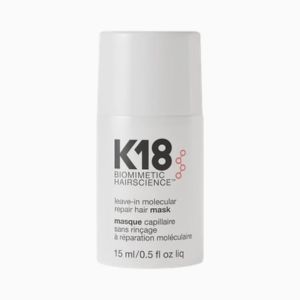
K18 Leave In Molecular Repair Hair Mask

A popular peptide‑based leave‑in mask that many users report helps improve elasticity and reduce dryness, making it a good option for chemically treated hair.

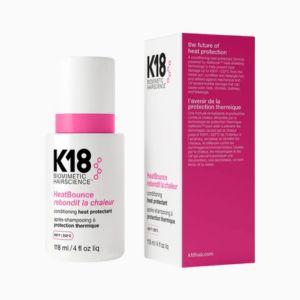
K18 HeatBounce Conditioning Heat Protectant

A lightweight conditioning spray that also protects against heat damage, useful if you use styling tools.

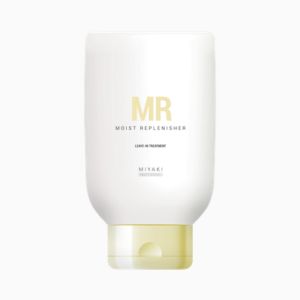
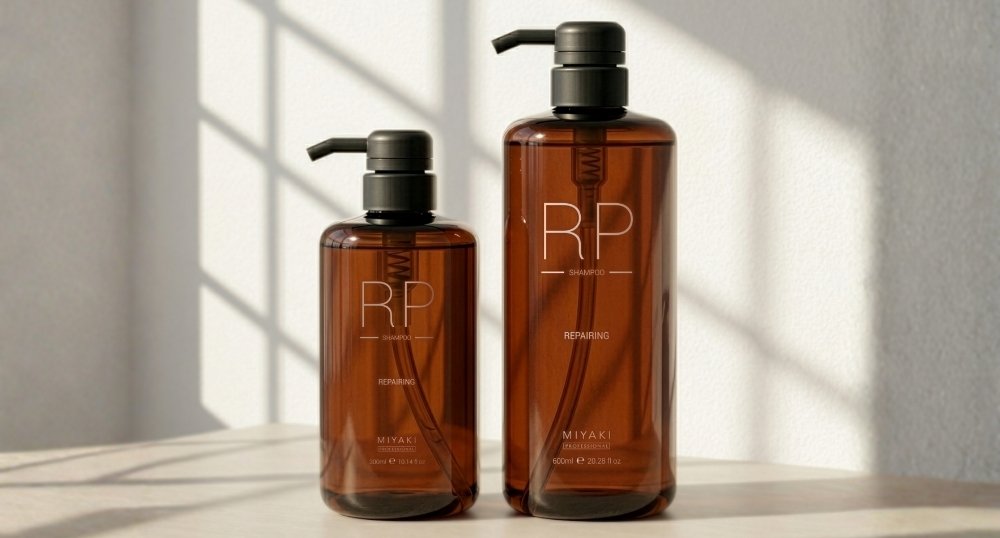
Miyaki Professional Moist Replenisher
A leave-in treatment infused with argan oil and castor oil that leaves hair feeling strong, smooth, and shiny all day.
7. Trim Regularly

Bleached hair can develop split ends and become prone to breakage. Regular trims can help minimize the spread of damage and keep your hair looking healthier.

Trimming damaged or split ends every 6–8 weeks helps maintain the appearance of healthy hair and prevents further breakage from moving up the strand. Even a small trim can make a big difference in reducing the appearance of damaged hair.

Disclaimer: We highlight products that are trending and highly rated online. Our suggestions are unbiased and not limited to our own salon’s brand.

When a Structured Treatment Plan May Be Helpful

For hair that feels:
  • Highly porous
  • Continuously breaking
  • Weak even after basic conditioning
  • Overprocessed from multiple bleach sessions

A more structured, multi-step treatment approach may be considered.

Instead of using single treatments occasionally, some routines focus on layering:
  1. Clarifying or preparation
  2. Bond reinforcement
  3. Protein support
  4. Moisture replenishment
  5. Cuticle sealing and protection

This type of approach may provide more comprehensive support for severely compromised strands, depending on individual hair condition.

Considering a More Intensive Restructuring Routine?

If your hair requires more targeted support, you may want to explore a structured recovery method.

How Long Does It Take to Support the Recovery of Bleached Hair?

The time it takes to see results from recovery treatments varies based on individual factors such as:
  • Degree of damage
  • Hair type
  • Consistency of care
  • Lifestyle factors (e.g., heat styling frequency, sun exposure)

Many people begin to notice small changes within 4–8 weeks of consistent care, such as improved softness or reduced breakage. However, more noticeable recovery may take several months, especially if the hair has been heavily processed.

Because chemically altered hair cannot fully return to its original state, long-term improvement often depends on maintaining a supportive routine and allowing healthier new growth to gradually replace more compromised strands. In some cases, periodic trims may also be necessary to maintain overall hair integrity.

Recovery timelines vary from person to person. Hair type, previous chemical history, styling habits, and daily maintenance all influence the process.

If you choose to bleach your hair, it is important to approach it with realistic expectations and a commitment to ongoing aftercare. Consistency, patience, and a balanced routine tend to play a significant role in maintaining bleached hair over time.

Restore Your Hair with Care

Your bleached hair deserves the care it needs; let our experts guide you.

Ombre vs Balayage: Which Hair Color Is Right for You?

Ombre vs Balayage: Which Hair Color Is Right for You?

Discover the Perfect Blend of Style and Elegance

Ombre and balayage are among the most requested hair coloring techniques in salons worldwide. If you’re debating between ombre vs balayage, you’re not alone! Many people search for the perfect hair color that fits their style, face shape, and maintenance preferences.

Choosing the right technique isn’t just about the color, it’s about how it complements your natural hair, lifestyle, and personality.

In this guide, we’ll break down everything you need to know, from technique differences and styling ideas to maintenance tips, cost, and aftercare. By the end, you should be confident about which look is perfect for you. If not, you can always visit our salon for a free consultation.

What is Ombre?

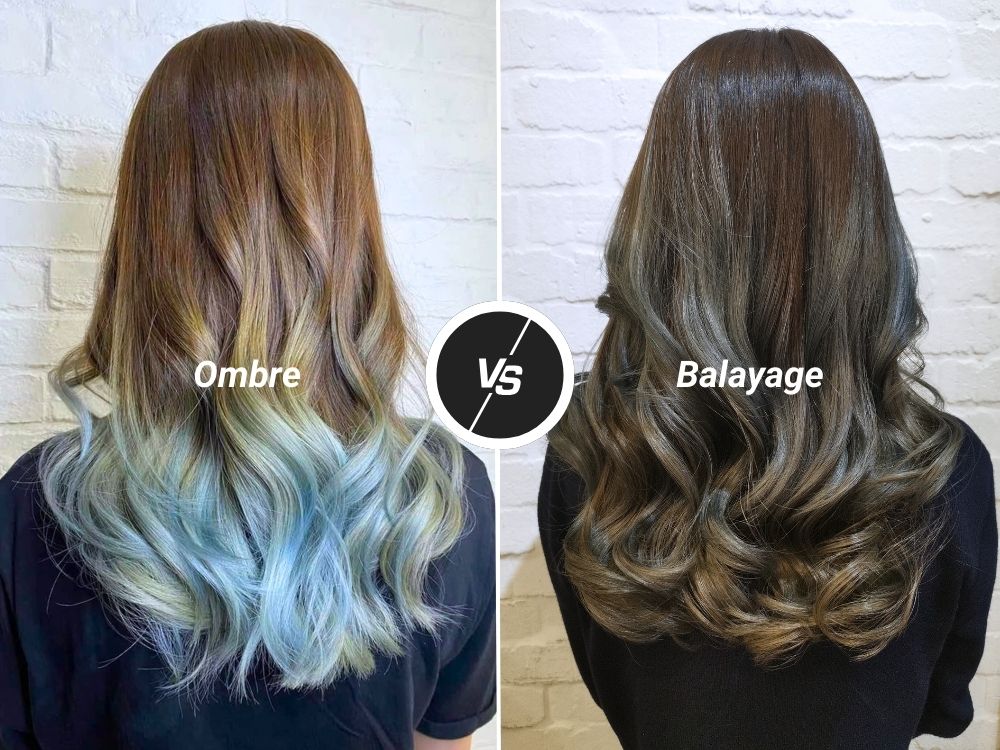
Ombre (pronounced “om-bray”) is a French word meaning “shadow” or “shade.” In hair coloring, it refers to a gradient transition from darker roots to lighter ends. Ombre can be subtle and natural, giving just a hint of light at the ends, or bold and dramatic with a stark contrast between root and tip.

Ombre Styles You’ll Love
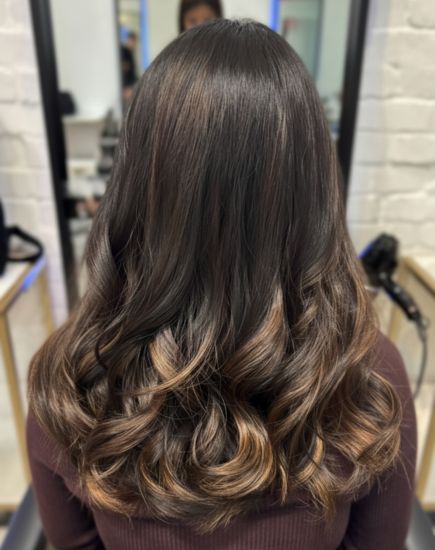
  • Classic Ombre: Natural dark roots with a smooth transition to lighter ends.
  • Reverse Ombre: Light roots blending into darker ends for a unique twist
  • Sombre (Soft Ombre): A softer, more subtle version of ombre, perfect for a natural look.
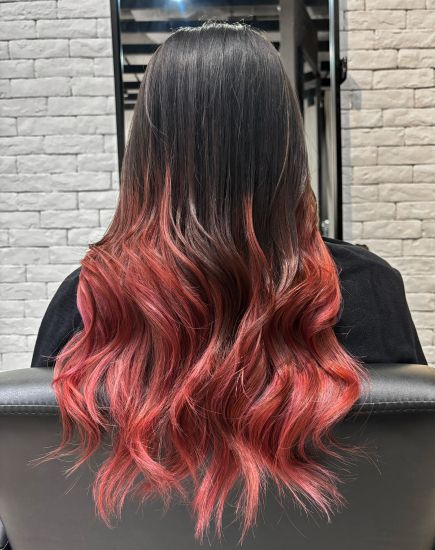
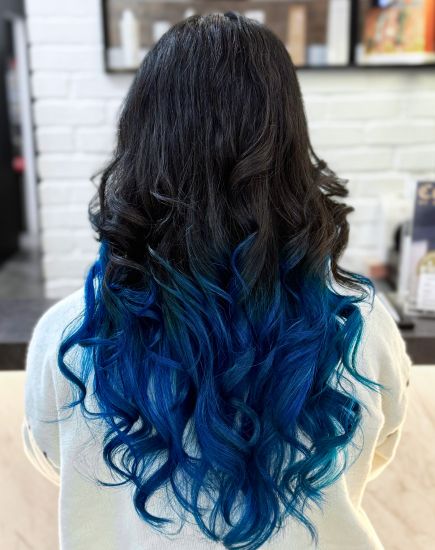
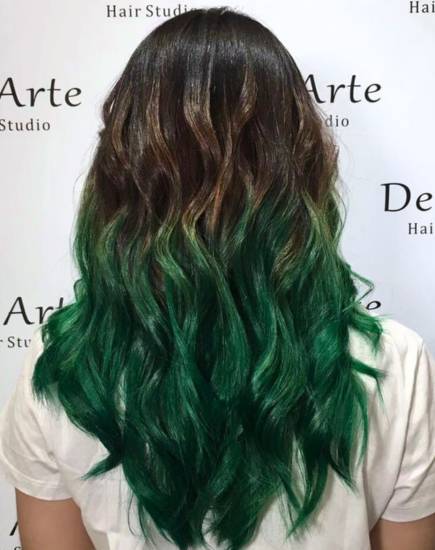
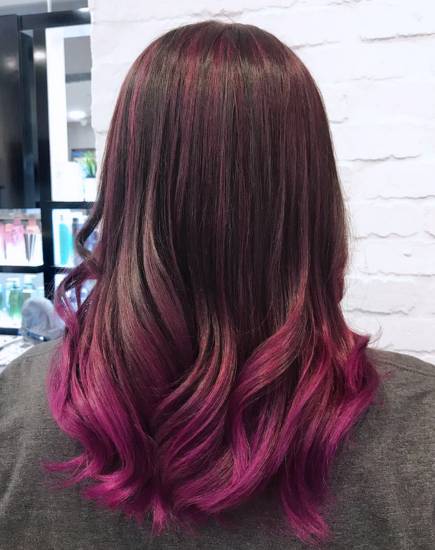
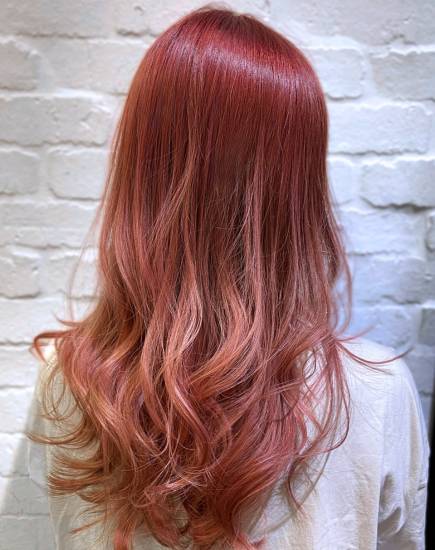
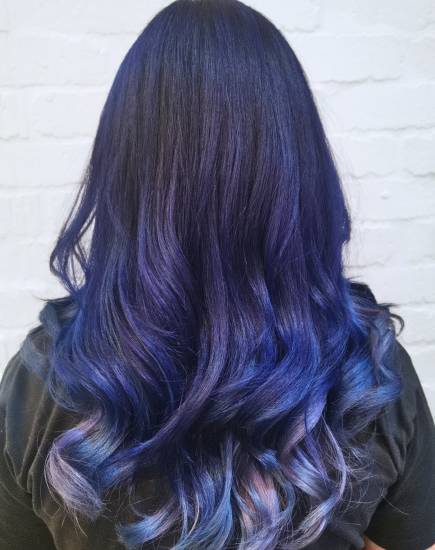
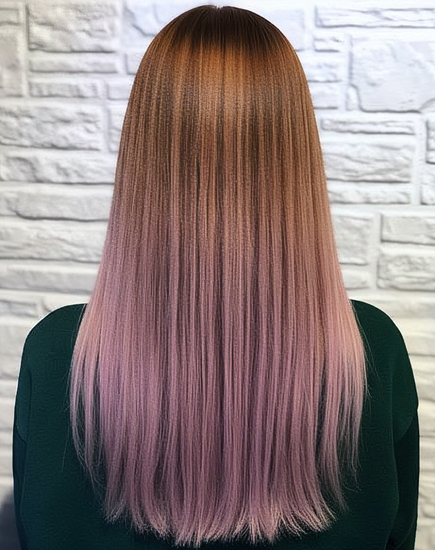
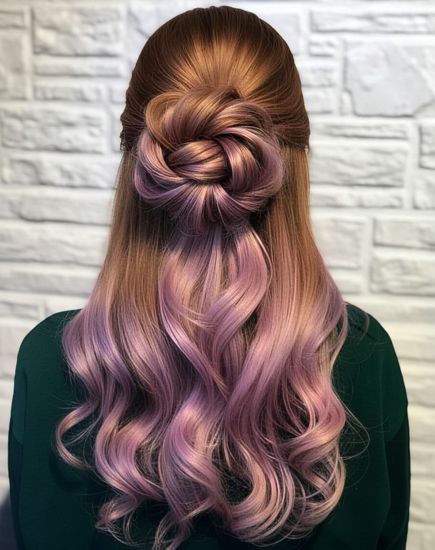
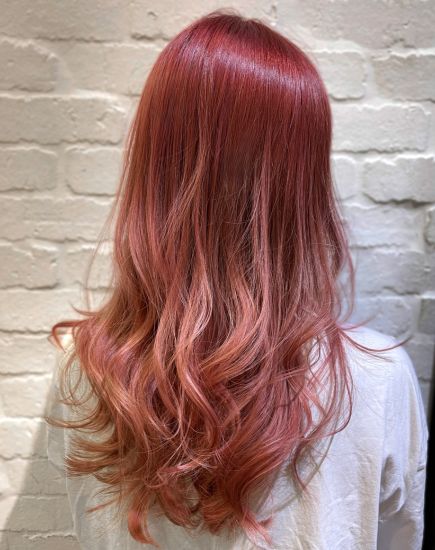
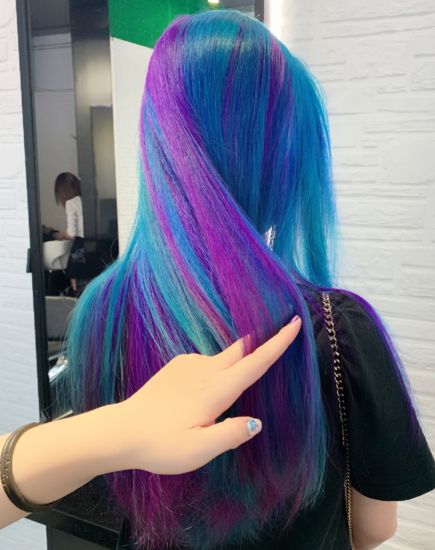
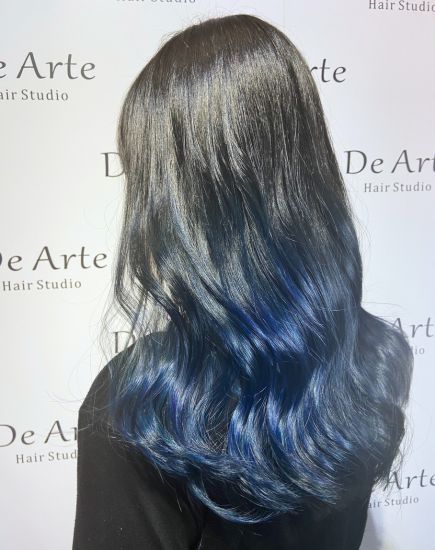
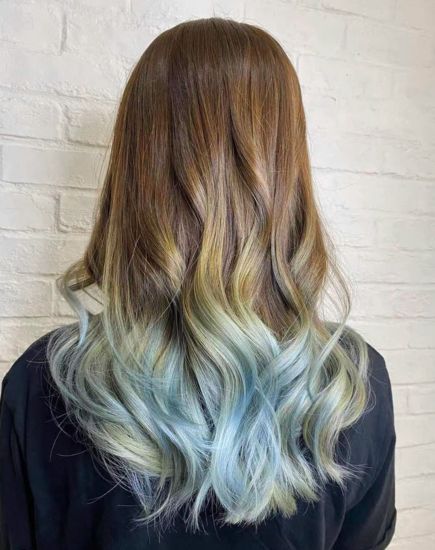
  • Colorful Ombre: From pastel pinks to vibrant blues, creative color gradients are trending.
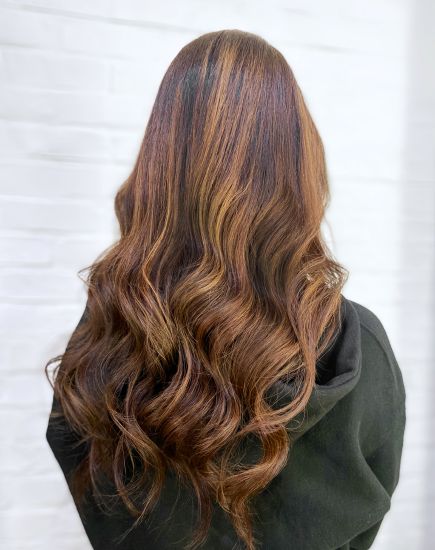
  • Balayage + Ombre Hybrid : Combines soft balayage highlights with a gradient ombre for a modern, multi-dimensional look.
Why Choose Ombre
  • Low maintenance: Roots are left dark, so touch-ups are less frequent.
  • High visual impact: Perfect for making a statement or refreshing your style.

  • Versatile: Works on medium to long hair, straight or curly.
  • Customizable: You can adjust contrast levels to suit your personal style.

What is Balayage?
Balayage is a French word meaning “to sweep.” Unlike traditional foiling, balayage is a freehand painting technique that creates a natural sun-kissed effect. Color is strategically placed on the hair to enhance movement, dimension, and face-framing highlights.

Balayage Styles
  • Classic Blonde Balayage: Perfect for a natural blonde glow.
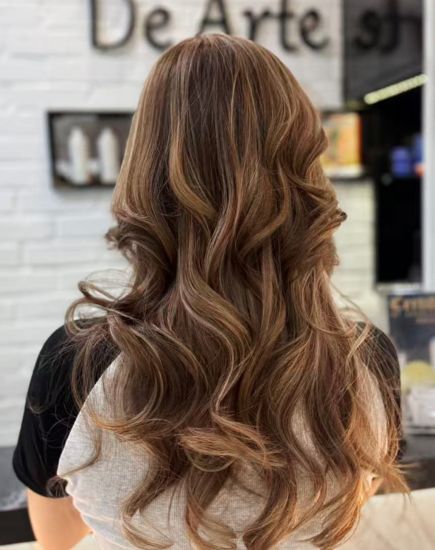
  • Bronde Balayage: A combination of brown and blonde for subtle highlights.
  • Red Balayage: Adds warmth and richness to red hair tones.
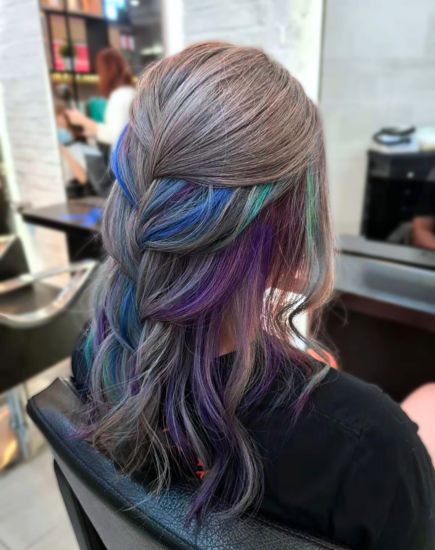
  • Fashion Balayage: Bright, unconventional colors for those seeking bold creativity.
  • Balayage + Ombre : A hybrid technique for multi-dimensional color and soft gradient effects.
Why Choose Balayage
  • Low maintenance: Subtle regrowth makes touch-ups easy.
  • Natural results: Softly blended highlights mimic how the sun naturally lightens hair.
  • Face-framing: Brightens your features without full-head color.
  • Works on all hair lengths and colors: From short bobs to long locks.

Ombre vs Balayage: 10 Important Comparisons

Here’s a detailed numbered breakdown of the differences between ombre and balayage to make your decision easier:
1. Technique
  • Ombre: Creates a gradient effect, with darker roots fading into lighter ends. Usually applied from mid-length to tip.
  • Balayage: Freehand painting highlights across the hair, creating a natural, sun-kissed look with no harsh lines.
Tip: If you want a bold, high-contrast look, ombre works best. If you prefer subtle, natural brightness, balayage is ideal.
2. Overall Look
  • Ombre: Bold and noticeable, draws attention to the ends. Often dramatic.
  • Balayage: Soft, multi-dimensional, and blends seamlessly into your natural hair.
Tip: Ombre shines with loose curls, while balayage works beautifully with straight or wavy hair.
3. Maintenance
  • Ombre: Low to moderate maintenance* depending on how light the ends are. Touch-ups may be needed every 8 to 12 weeks.
  • Balayage: Very low maintenance* due to soft grow-out. Can last 3 to 4 months without a salon visit.
*Maintenance may vary if bleaching is included, if the color fades, or if a brighter shade contrasting with your natural hair color was chosen.
Lifestyle Consideration: If you have a busy schedule or prefer low-maintenance hair, balayage is usually easier to manage.
4. Root Appearance
  • Ombre: Dark roots are intentional, creating contrast against lighter ends.
  • Balayage: Roots are blended naturally, so regrowth looks seamless.

Balayage is ideal if you want subtle regrowth without a harsh line.

5. Hair Length Suitability
  • Ombre: Best on medium to long hair; short hair may not show a smooth gradient.
  • Balayage: Works on short, medium, or long hair, giving subtle highlights anywhere.
Short hair with balayage can add depth and volume.
6. Customization
  • Ombre: Mostly focused on mid-lengths and ends. Less flexible for highlights near the face.
  • Balayage: Highly customizable, highlights can be placed anywhere, framing the face or brightening specific strands.
7. Cost
  • Ombre: Price depends on hair length, thickness, and desired contrast. Usually slightly less than balayage because the technique is more straightforward.
  • Balayage: Can cost more due to hand-painted placement and precision work.
Note: Long hair or multi-tone colors increase both techniques’ costs.
8. Damage Level
  • Ombre: Focusing lightener on ends may prevent damage to roots.
  • Balayage: Applied strategically to minimize over-processing while creating highlights.

Both techniques are safe when applied professionally, but factors like bleach strength, hair health, and aftercare affect results.

9. Grow-Out Phase
  • Ombre: Color contrast remains visible as hair grows; a low-maintenance root style.
  • Balayage: Grows out seamlessly, avoiding harsh lines.

Best for Busy Schedules: Balayage offers the easiest grow-out with minimal salon visits.

10. Best For Your Lifestyle
  • Ombre: Great for bold, statement-making personalities or those looking for a dramatic change.
  • Balayage: Ideal for natural, effortless style and minimal maintenance.

How to Choose Between Ombre and Balayage

Consider the following questions:

  • Do you prefer subtle or bold contrast?
  • How often can you visit the salon?
  • Are you aiming for a natural or statement-making look?
Choose Ombre If:
  • You like dramatic transitions
  • You want brighter ends without coloring roots
  • You love trendy, statement styles
Choose Balayage If:
  • You want a natural sun-kissed finish
  • You prefer soft brightness around the face
  • You don’t want frequent touch-ups

Styling Ideas for Ombre & Balayage

Ombre Hairstyles:
  • Loose curls highlight the gradient effect
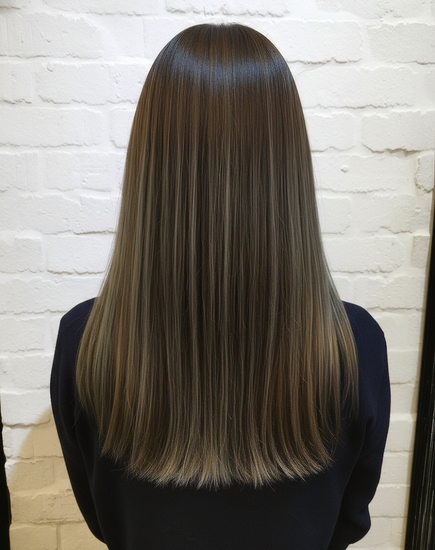
  • Sleek straight hair for a bold, dramatic contrast
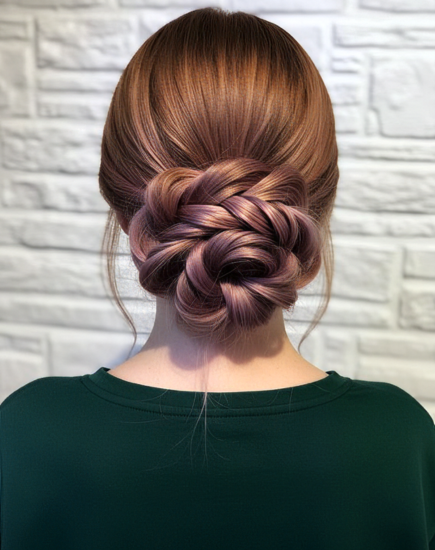
  • Updos or braids to show off lighter ends
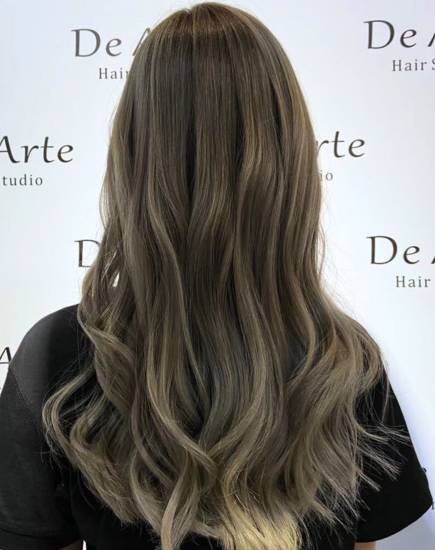
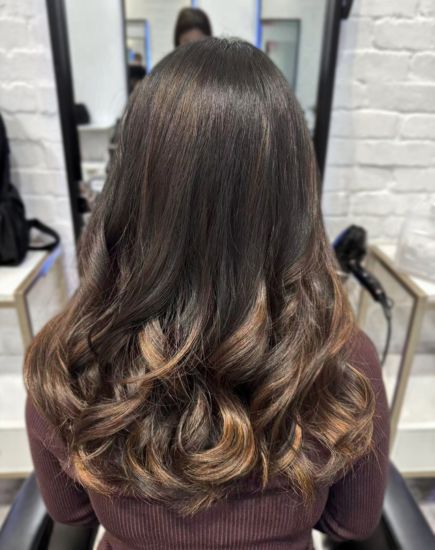
ombre

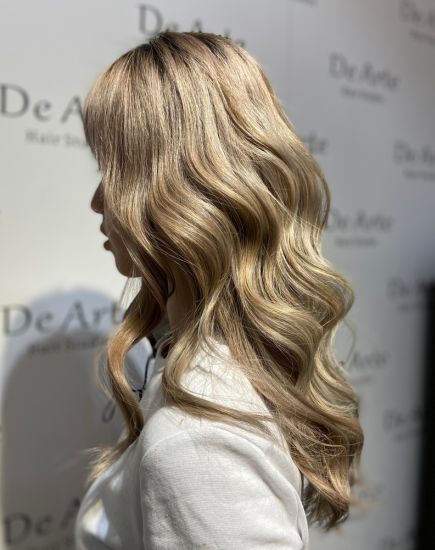
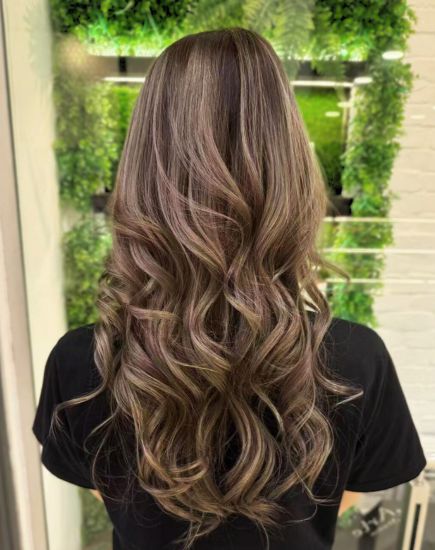
These images are intended as visual references.

Balayage Hairstyles:
  • Soft waves enhance dimension
  • Straight hair for subtle shine
  • Layered cuts for natural, face-framing highlights
Hybrid Looks: Combining balayage with ombre can produce multi-dimensional color perfect for long hair.

These images are intended as visual references.

Our Expert Hair Coloring Services

Not sure? Our expert colorists customize both techniques to your hair texture, face shape, and lifestyle.

At De Arte Hair Studio, we specialize in:

  • Full Ombre Hair Coloring
  • Custom Balayage Highlights
  • Root Shadow & Color Blending
  • Toner and Gloss Treatments

All services use premium, salon-quality products to ensure long-lasting results without compromising the health of your hair.

Aftercare Tips

To maintain vibrant color and healthy hair:

  • Use sulfate-free, color-safe shampoo
  • Deep condition weekly
  • Use purple shampoo for blonde tones
  • Minimize heat styling
  • Schedule toning every 6–8 weeks

Book Your Hair Coloring Appointment with us Today!

Don’t wait to have the hair of your dreams. Our expert colorists are ready to bring your vision to life.

Your dream hair starts here.

Top 10 FAQs about Hair Treatments

What is the main difference between balayage and ombre?

Balayage is a hand-painted highlighting technique that creates soft, natural dimension throughout the hair. Ombre is a gradient effect that transitions from darker roots to lighter ends with a more noticeable contrast.

Which lasts longer: balayage or ombre?

Both are low-maintenance options. However, balayage often grows out more seamlessly because the highlights are blended naturally, while ombre maintains its intentional root contrast as it grows.

Is balayage better for short hair?

Yes, balayage works beautifully on short to medium hair because it adds dimension and brightness without requiring dramatic length for a gradient transition. Ombre typically looks best on medium to long hair.

Does ombre require bleaching?

In most cases, yes. Ombre usually involves lightening the mid-lengths and ends to achieve the gradient effect. The level of bleach depends on your starting hair color and desired brightness.

Is balayage damaging to hair?

When performed by a professional colorist using high-quality products, balayage is no more damaging than traditional highlights. Proper aftercare is essential to maintain hair health.

How much does balayage or ombre cost?

Pricing varies based on hair length, thickness, and color goals. Balayage can sometimes cost more due to the customized hand-painting technique.

👉 View Our Pricing

How often should I touch up balayage or ombre?

Most customers refresh their color every 8 to 12 weeks. Toners may be needed every 6 to 8 weeks to maintain brightness and eliminate brassiness. For the best results, consult with our stylist to create a personalized maintenance plan.

Can balayage or ombre cover gray hair?

Yes. Balayage can blend gray hair naturally, while ombre can help disguise regrowth by keeping roots darker. Your stylist can customize coverage based on your needs.

Which technique looks more natural?

Balayage typically looks more natural due to its soft, sun-kissed placement. Ombre creates a more defined color shift.

How do I choose between balayage and ombre?

Consider your desired contrast level, maintenance preference, and lifestyle. If you want subtle dimension, choose balayage. If you love bold transitions, go with ombre.

Still unsure? Book a free consultation today and let our color experts recommend the perfect look for you.

Bleached Hair and Damaged Hair: What Bleach Really Does to Your Hair

Bleached hair is one of the most popular ways to achieve a lighter, brighter look, but many people don’t realize the hidden changes happening beneath the surface. Bleaching doesn’t just alter the color, it changes the hair’s structure, affecting protein bonds, moisture balance, and overall strength. Understanding these hidden effects is essential for maintaining healthy, strong hair after bleaching.

Why You Should Care About Bleach Damage

Bleached hair isn’t just a cosmetic change, it chemically alters the hair’s internal structure. Knowing how and why damage occurs helps you:

  • Make better color decisions
  • Prevent severe breakage and hair loss
  • Extend the life of your color
  • Maintain healthier hair long-term

Awareness is the first step to protecting your hair while enjoying your new look. Proper care transforms temporary beauty into lasting health.

Bleached Hair: What Happens During the Process
Bleached hair
Bleached hair undergoes a chemical transformation driven by a combination of alkaline agents and oxidizers, most commonly ammonia (or similar compounds) and hydrogen peroxide (H₂O₂). This process not only removes pigment but also weakens hair structurally. (WebMD)
Step‑by‑Step Breakdown
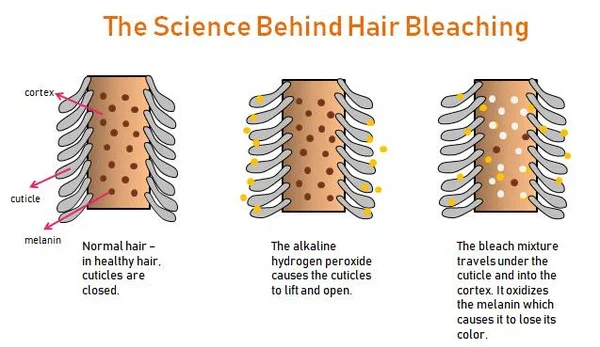
1.Cuticle Lifting
Hair’s cuticle consists of overlapping scales that normally lie flat. The alkaline component of bleach increases the hair’s pH and causes the cuticle to swell and lift, creating openings that allow other chemicals to penetrate deeper into the hair strand.
2.Penetration Into the Cortex
Once the cuticle is opened, hydrogen peroxide travels under the lifted cuticle into the cortex (the inner layer of the hair) where natural pigment (melanin) resides.
3.Oxidation of Melanin
Inside the cortex, hydrogen peroxide breaks down melanin through a chemical oxidation reaction, transforming the pigment into smaller, colorless molecules that either dissolve or are washed out. Melanin gives hair its natural color; breaking it down causes hair to appear lighter.
4.Structural Protein Impact
While the primary target is melanin, oxidation can also affect proteins like keratin and other structural elements in the cortex. This oxidative stress weakens bond structures and contributes to loss of strength and elasticity.
Why Bleached Hair Turns Into Damaged Hair

Hair damage doesn’t always happen overnight. With bleached hair, damage builds gradually.

Bleaching can:

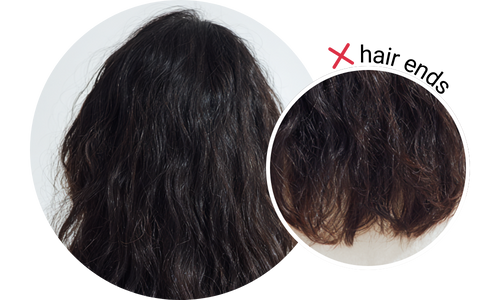
  • Cuticle disruption: Swollen or lifted cuticles make it harder for hair to retain moisture.
  • Increased porosity: Hair absorbs and loses water too easily, leading to dryness.
  • Protein breakdown: Keratin and other proteins are partially degraded, weakening fibers.
  • Permanent pigment change: Unlike semi-permanent dyes, bleach irreversibly alters melanin.

Many people mistake these changes for “naturally dry hair,” not realizing they are signs of chemical damage.

Bleached Hair: Signs of Hidden Damage

Even if hair feels soft after a salon visit, bleached hair can have hidden damage. Common signs include:

  • Breaks easily when brushed or styled
  • Feels stiff, brittle, or straw-like
  • Tangles more than usual
  • Looks dull even after conditioning
  • Loses curl or wave patterns
  • Splits at the ends frequently
  • Feels weaker when wet

These symptoms indicate that internal protein bonds have been weakened, even if the hair looks healthy externally.

Is All Bleached Hair Damaged?

Not all bleached hair looks damaged right away, but all bleached hair is structurally altered. Even when hair feels soft after a salon visit, internal protein loss may already be occurring. Without proper care, damage becomes more visible with time, heat styling, or repeated bleaching.

This is why professional aftercare is essential for anyone with bleached hair.

How to Protect and Repair It

While bleach damage cannot be fully reversed, it can be managed and improved with informed care:

  • Use bond-repair treatments to strengthen weakened strands
  • Balance protein and moisture to prevent brittleness
  • Avoid frequent heat styling on freshly bleached hair
  • Choose gentle, sulfate-free cleansers

Still can't decide whether to bleach your hair?

If you’re unsure, it’s best to leave it to the professionals.

At De Arte Hair Studio, we assess the condition of your hair and carefully guide you through the process to achieve the color you desire. While multiple rounds of pre-lightening can take a toll on your hair, our stylists are trained to provide individual care and personalized guidance.

If you’re going to do it, do it right, otherwise, you might be left with more damage than you bargained for. Trust us to help you get the results you want, without the heavy aftercare stress.

Check out our customers' stunning color! Yours could be next!

Once again, bleached hair is more than just a cosmetic change, it creates hidden structural damage that affects long-term hair health. Understanding the science behind bleaching, recognizing signs of hidden damage, and implementing proper care routines can help you enjoy lightened hair without sacrificing strength, shine, or vitality.

Hair Structure Explained: Cuticle, Cortex, and Tips for Healthy Hair

Your hair structure is far more than a cosmetic feature; it’s a complex biological structure made of three primary layers: cuticle, cortex, and medulla. Each layer plays a critical role in strength, elasticity, color, and shine. Understanding hair structure allows you to make informed choices about hair care, prevent damage, and maintain long-lasting hair health.

In this article, we’ll break down each layer, explain how it affects your hair, and share practical tips to protect and strengthen your strands.

Hair Structure Basics

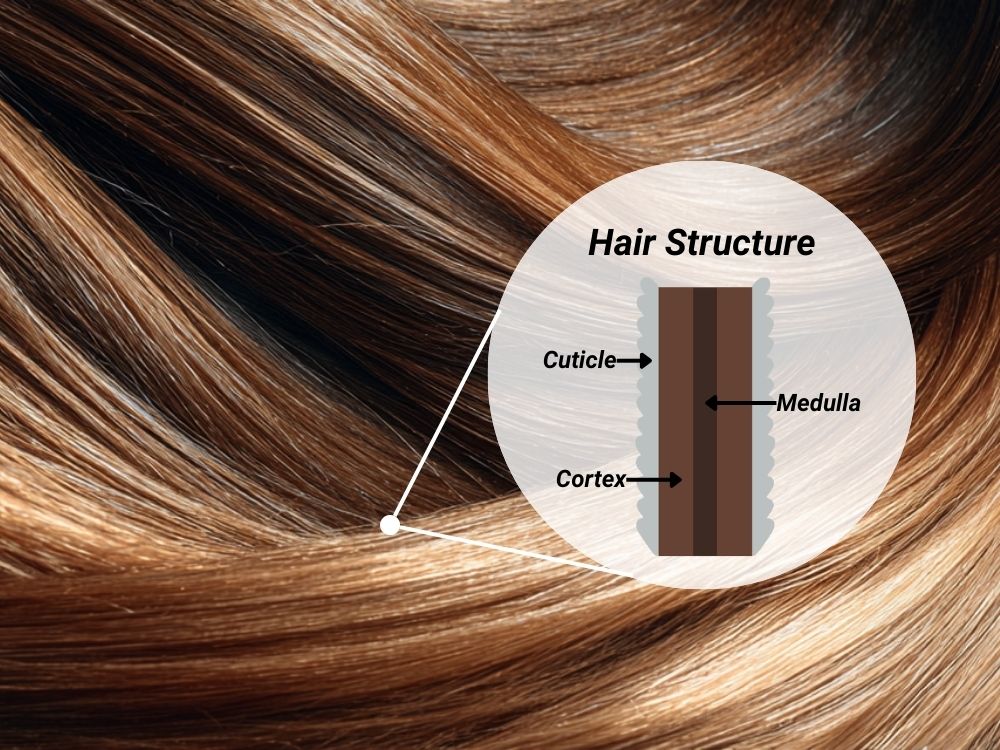
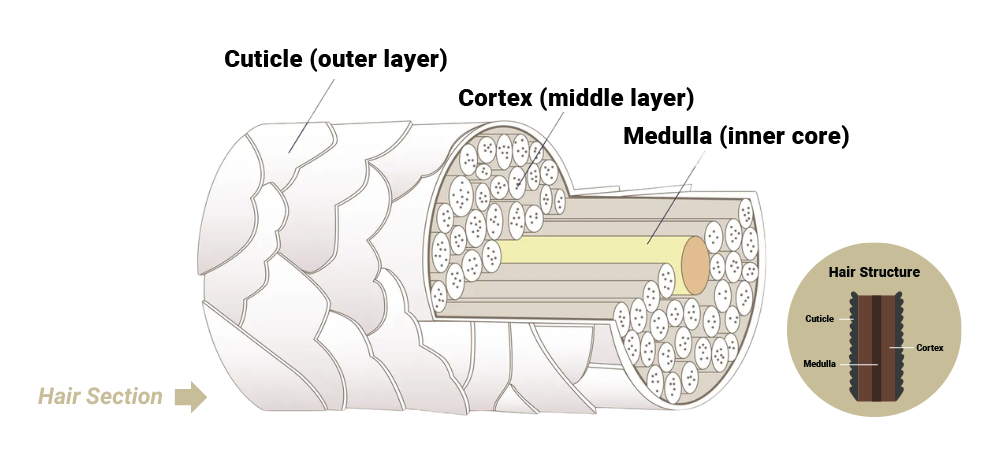
To start off, let’s understand the basic of hair structure right down to the molecular level. To make it easier to understand, hair is composed of three main layers:

  • Cuticle (outer layer): Protects the inner layers and gives hair its shine.
  • Cortex (middle): Contains keratin and melanin, providing strength, elasticity, and color.
  • Medulla (inner core): Present in thicker hair, may affect texture and thickness.

Approximately 80% of hair is keratin protein, held together by disulfide and hydrogen bonds, giving hair its strength and elasticity. These bonds can be broken by heat, chemicals, or environmental stress, causing weak, dry, brittle hair.

The Cuticle (Hair’s Protective Shield)

The cuticle is the outermost layer of the hair shaft. It consists of overlapping scale-like cells that act as a barrier, protecting the inner layers from damage caused by heat, chemicals, and environmental factors.

Key Facts About the Cuticle:
  • Appearance: Smooth, flat cuticles reflect light, giving hair its natural shine.
  • Function: Protects the cortex and medulla, prevents moisture loss, and reduces tangling.
  • Damage Signs: Raised or chipped cuticles cause frizz, split ends, and dull hair.
How to Protect the Cuticle:
  1. Use gentle, sulfate-free shampoos.
  2. Apply moisturizing conditioners and hair masks.
  3. Minimize heat styling or chemical treatments.
  4. Avoid excessive brushing when hair is wet.
The Cortex (Hair Strength, Elasticity & Color)

The cortex lies beneath the cuticle and makes up 80–90% of the hair shaft. It contains keratin proteins, which provide strength and elasticity, and melanin, which gives hair its natural color.

Why the Cortex Matters:
  • Hair Strength: The alignment of keratin fibers determines hair resilience.
  • Elasticity: Healthy cortex fibers allow hair to stretch without breaking.
  • Color & Pigmentation: Melanin in the cortex affects hair shade and changes with aging.
  • Damage Impact: Chemical treatments, bleaching, and heat can weaken the cortex, leading to breakage and thinning.
Types of Melanin and Hair Color

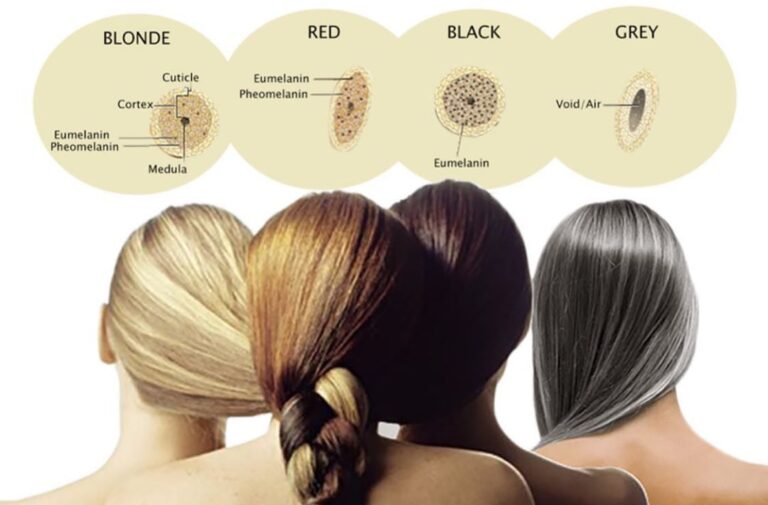
The color of your hair is determined by the type and amount of melanin in the cortex. According to Healthline:

Hair ColorMelanin Composition
BlackLarge amounts of eumelanin
BrownModerate amounts of eumelanin
BlondVery little eumelanin
Strawberry BlondA mixture of brown eumelanin and pheomelanin
RedMostly pheomelanin with small amounts of eumelanin

Key Insight: Darker hair has more eumelanin, lighter hair has less, and red tones are primarily due to pheomelanin. This explains why bleaching or coloring reacts differently depending on hair color, as the type and amount of melanin affects how easily pigments are oxidized or replaced.

Bleached Hair and Damaged Hair: What Bleach Really Does to Your Hair
Bleaching works by chemically altering melanin inside the cortex:
  1. Cuticle Opening: Bleach is alkaline, which lifts the cuticle scales, allowing the chemicals to penetrate the cortex. (NIUCOCO)
  2. Melanin Oxidation: The bleach oxidizes the melanin, breaking it down so it loses color. Eumelanin (brown/black) dissolves first, followed by pheomelanin (reds/yellows).
  3. Resulting Color Base: The hair is left pale and ready to accept new color.
Structural Damage: While bleaching lightens hair, it can weaken keratin fibers and the cuticle, causing:
  • Dry, brittle hair
  • High porosity
  • Reduced elasticity and strength
How to Strengthen the Cortex:
  1. Incorporate protein-rich treatments to rebuild keratin.
  2. Avoid harsh chemicals that break down fiber structure.
  3. Limit heat styling and always use heat protectants.
  4. Regularly trim split ends to prevent cortical exposure.
The Medulla (The Hair Core)

The medulla is the innermost layer of hair, present mainly in thick, coarse hair. While it doesn’t significantly contribute to strength or elasticity, it influences hair texture and thickness. Fine hair may lack a medulla entirely, but thicker strands benefit from this inner core.

How Hair Structure Impacts Hair Care

Knowing the structure of your hair helps you choose products and treatments tailored to your needs. Each layer (cuticle, cortex, medulla) requires specific care to maintain overall hair health.

Tips for Comprehensive Hair Health:
  1. Hydrate: Use moisturizing shampoos and conditioners to keep cuticles smooth.
  2. Strengthen: Protein treatments support cortex integrity.
  3. Protect: Heat protection sprays shield cuticles during styling.
  4. Limit Damage: Avoid excessive coloring, perming, or chemical relaxers.
  5. Regular Trims: Prevent split ends and maintain hair structure.

Not sure where to start with your hair care?

Book a professional consultation today to get expert advice tailored to your hair type and goals. Whether you need help with scalp care, treatment options, or creating a personalized routine, we’re here to guide you every step of the way.

Unlock the Secrets to Healthy Hair from Scalp to Strand

Healthy hair begins with a healthy scalp, which is the foundation for strong, vibrant hair. By understanding the structure of your hair (cuticle, cortex, and medulla) you can make smarter choices to enhance your hair care routine.

  • Scalp Health: Regular cleansing, nourishment, and protection are key to promoting healthy hair growth from the root.
  • Cuticle Care: Keep your cuticle layer intact with gentle products and minimize heat styling to maintain shine and moisture.
  • Cortex Protection: Rebuild strength and elasticity with protein-rich treatments to keep your hair resilient.
  • Medulla Maintenance: For thicker hair, take steps to ensure your inner core stays healthy for texture and fullness.

By caring for each layer, you’re setting yourself up for stronger, shinier, and more resilient hair. Remember, healthy hair starts from the scalp and extends all the way down to the ends.

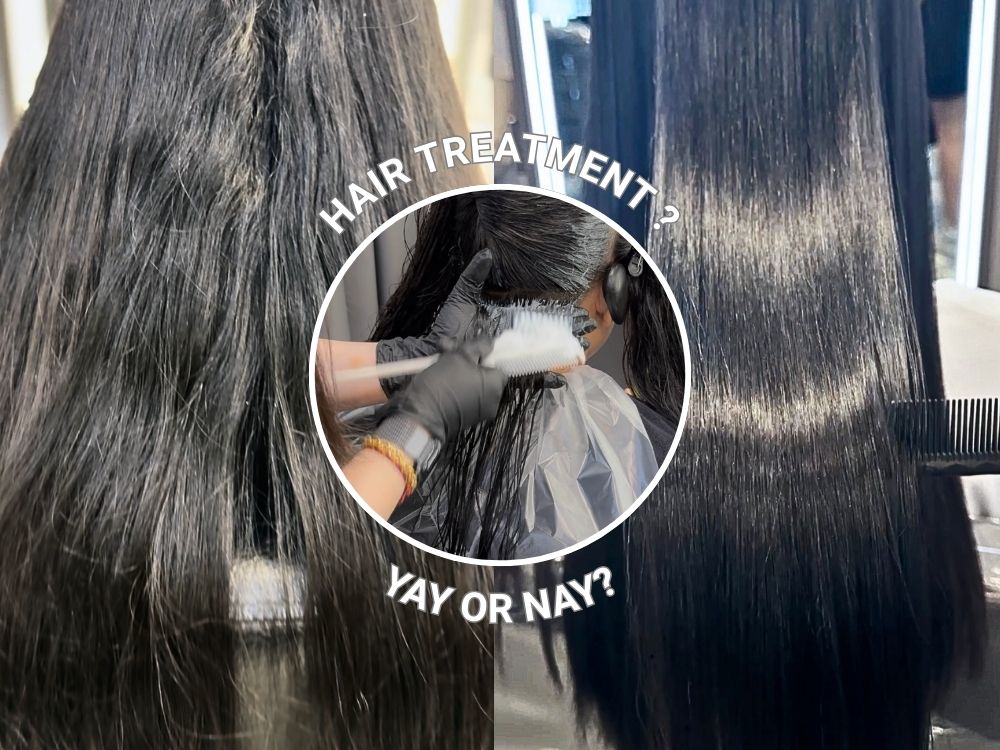
Hair Treatment for Smooth, Shiny Hair: 8 Tips (Before & After) for Long-Lasting Results

Hair Treatment That Delivers Long-Lasting Results

Looking for an effective hair treatment that restores shine, smoothness, and strength? Whether you’re dealing with dry hair, frizz, chemical damage, or dullness, the right hair treatment can transform your hair when done correctly and maintained properly.

This article covers:

What Is a Hair Treatment?

A hair treatment is a professional or at-home solution designed to repair, nourish, and protect hair from damage caused by heat styling, colouring, chemical services, and environmental stress.

Types of Hair Treatments We Offer:

👉 Healthy hair starts at the scalp, and we also offer specialised scalp care treatments to complement your hair treatment.

Tips Before a Hair Treatment (What You Should Do First)

Preparing your hair correctly is crucial to achieving the best hair treatment results.

1. Avoid Heavy Styling Products

Stop using wax, hairspray, or heavy oils at least 24–48 hours before your hair treatment. Product buildup can prevent treatment ingredients from penetrating effectively.

2. Inform Your Stylist About Your Hair History

Always share details about:

  • Previous colouring or bleaching
  • Rebonding or perm treatments
  • Home hair treatments used

This allows the stylist to customize the hair treatment to your hair condition.

3. Skip Washing (Unless Advised)

Some hair treatments require natural oils to protect the scalp, while others need freshly washed hair. Always follow your salon’s instructions.

4. Avoid Chemical Services

Do not colour, bleach, or perm your hair right before a hair treatment unless recommended. Chemical overlap can reduce effectiveness and cause damage.

Tips After a Hair Treatment (Aftercare Guide)

Proper aftercare determines how long your hair treatment lasts.

1. Avoid Washing Too Soon

Wait 24–72 hours before washing your hair, depending on the treatment type. This allows the treatment to fully bond with the hair.

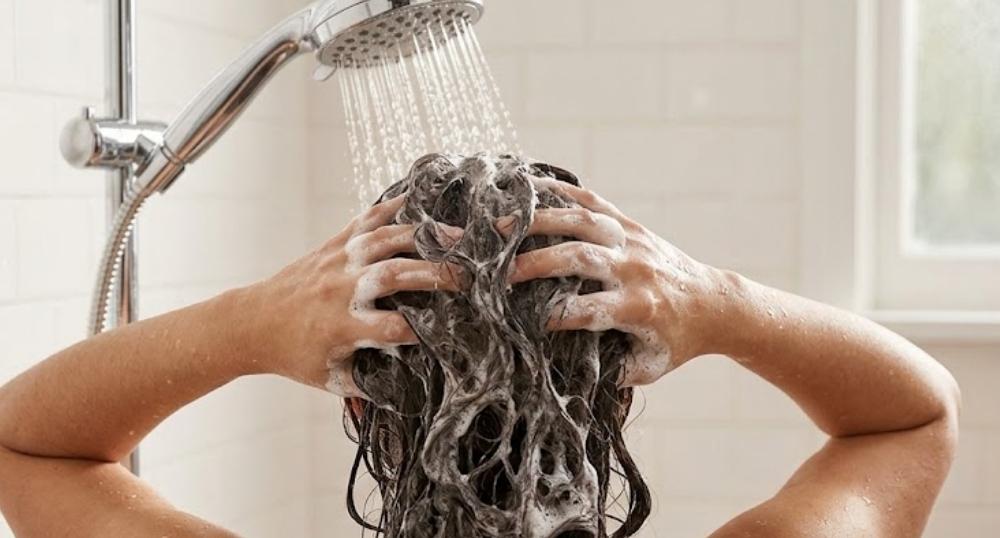
2. Use Sulfate-Free Shampoo

Sulfates strip away treatment benefits. Always use sulfate-free, treatment-safe shampoo.

👉 Read more on our article about How to Identify Your Scalp Type & Choose the Right Shampoo

3. Minimize Heat Styling

Excessive heat shortens the lifespan of any hair treatment. When styling is needed, always apply heat protectant.

4. Avoid Swimming Without Protection

Chlorine and salt water can weaken hair treatment effects. Use a swim cap or protective hair serum before swimming.

Ways to Prolong the Effect of Hair Treatment

If you want your hair treatment to last longer, consistency is key.

1. Follow a Treatment-Friendly Hair Care Routine
  • Wash hair only 2–3 times a week
  • Use nourishing conditioners and masks
  • Avoid harsh clarifying shampoos
2. Schedule Maintenance Treatments

A light booster or maintenance hair treatment every 4–6 weeks helps sustain results.

👉 Interested in our hair treatment packages? Since most treatments require a few sessions for optimal results, our packages offer better value and greater savings in the long run. Contact your preferred outlet directly or WhatsaApp us for more details.

3. Protect Hair While Sleeping

Use silk or satin pillowcases to reduce friction, breakage, and moisture loss.

4. Maintain a Healthy Scalp

Healthy hair starts at the scalp. Regular scalp treatments improve absorption and longevity of hair treatments.

What to Expect During a Hair Treatment

A professional hair treatment typically includes:

  • Hair analysis/ consultation
  • Deep cleansing
  • Application of treatment formula
  • Heat activation or processing time
  • Rinse, blow-dry, or sealing process

Visible results can be seen after the first session, with hair appearing smoother, shinier, and healthier. For optimal and longer-lasting results, multiple sessions may be recommended based on your hair condition.

Who Should Get a Hair Treatment?

A hair treatment is ideal if you:

  • Have dry, frizzy, or damaged hair
  • Frequently colour or style your hair
  • Want smoother, shinier, more manageable hair
  • Experience hair breakage or dullness

Book Your Hair Treatment Consultation Today

Investing in the right hair treatment doesn’t just improve appearance, it improves hair health long-term.

Why Choose De Arte Hair Studio?

Personalized Treatment Plans

We tailor every service to your hair type, lifestyle, and goals, ensuring results that are uniquely suited to you.

Professional-grade Products

We carefully selected professional products into our services and offer many of them for retail, helping you maintain healthy hair beyond the salon.

Experienced
stylists

Our stylists bring at least five years of professional experience, combining technical expertise with an eye for current trends.

Proven
results

With over 15 years of experience in the hair industry, our salon has built a strong track record of consistent results and long-term client trust.

Top 10 FAQs about Hair Treatments

What is a hair treatment?

A hair treatment is a professional service designed to repair, nourish, and strengthen hair, improving texture, shine, and overall hair health.

Is hair treatment really effective?

Yes. When chosen correctly and maintained with proper aftercare, hair treatments can significantly improve dryness, frizz, damage, and manageability.

How often should I do a hair treatment?

Most hair treatments are recommended every 3–6 weeks, depending on your hair condition, lifestyle, and the type of treatment used.

How long do hair treatment results last?

Results can last anywhere from 2 weeks to 3 months, depending on the treatment type and how well you care for your hair afterward.

Is hair treatment suitable for all hair types?

Yes. Hair treatments can be customized for different hair types, including fine, thick, curly, coloured, or chemically treated hair.

Can I colour or bleach my hair after a hair treatment?

Yes, but it’s usually best to wait 1–2 weeks after a hair treatment unless your stylist advises otherwise.

Do hair treatments damage hair?

When performed professionally and matched to your hair condition, hair treatments do not damage hair. In fact, they help repair and protect it.

What should I avoid after a hair treatment?

Avoid washing your hair too soon, using sulfate shampoos, excessive heat styling, and swimming without hair protection.

Are hair treatments better than home hair masks?

Professional hair treatments use higher-quality ingredients and advanced techniques, making them more effective and longer-lasting than most home treatments.

How do I know which hair treatment is right for me?

A professional consultation is the best way. Your stylist will assess your hair and recommend a treatment based on your hair goals and condition. Interested? Book a free consultation with us today!

How to Maintain Your Perms: 8 Tips for Healthy, Long-Lasting Curls

How to Maintain Your Perms

Getting a perm is only the first step; learning how to maintain your perm is what keeps those curls looking their best for months rather than weeks. When you undergo a chemical service like a perm, you aren’t just changing the look of your hair, you are basically altering its structure.

With the right routine, specialized products, and mindful habits, your perm can stay healthy, bouncy, and long-lasting. This comprehensive guide dives deep into everything (or at least the basic) you need to know to maintain your perm like a professional.

Why Proper Perm Maintenance Matters

The perming process works by using chemicals to break the internal structural bonds (disulfide bonds) within your hair and then reforming them around a rod to create a new shape. Because the hair has been “reset,” it is more porous and sensitive than untreated hair.

Without the right care, perms can quickly become dry, frizzy, or lose their “snap.” However, by learning how to maintain your perm with a consistent routine, you can:

  • Extend the life of your perm: Keep the curls from dropping prematurely.
  • Maintain curl shape and elasticity: Ensure curls “spring” back when pulled.
  • Prevent dryness and breakage: Replace the moisture lost during the chemical process.
  • Keep hair looking healthy and shiny: Avoid the “dull, straw-like” look often associated with neglected perms.

How to Maintain Your Perm (8 Tips)

1. The Golden Rule: Avoid Washing for the First 48 Hours
Avoid Washing for the First 48 Hours

After getting a perm, your hair needs a “setting” period. The chemical bonds are still stabilizing in their new curly shape. If you wash your hair, get it caught in a rainstorm, or even tie it back in a tight ponytail during the first 48 to 72 hours, you risk relaxing the perms and causing them to turn into limp waves. To properly maintain your perm, give it the space it needs to lock in.

2. Use the Right Shampoo and Conditioner

When you learn how to maintain your perm, your product shelf is your first line of defense. Standard shampoos often contain harsh sulfates that strip away natural oils, which is a disaster for perms. Opt for sulfate-free shampoos and moisture-rich conditioners specifically formulated for chemically treated or curly hair.

Best product features to look for:

  • Moisturizing and curl-enhancing formulas: These provide the “weight” needed to prevent frizz.
  • Ingredients like argan oil, shea butter, or keratin: These help repair the cuticle.
  • Alcohol-free styling products: Alcohol evaporates moisture, making your perms brittle.
3. Deep Condition Weekly

Because the perming process raises the hair cuticle, moisture escapes more easily. To maintain your perm’s elasticity, a weekly deep conditioning treatment or hair mask is essential.

TIP: Apply the mask to damp hair, focusing on the mid-lengths to ends. Leave it on for 15–20 minutes. For an extra boost, wrap your hair in a warm towel to help the treatment penetrate deeper into the hair shaft.

4. Dry and Style Your Curls Correctly

Rough towel-drying is the enemy of a perm. The friction raises the hair cuticle, leading to immediate frizz and potential breakage. To maintain your perm’s definition:

  • Use a microfiber towel or an old cotton T-shirt: These fabrics absorb water without disrupting the curl pattern.
  • Gently scrunch, don’t rub: Use a “scrunching” motion to encourage the curls to form.
  • The Diffuser is your best friend: If you must blow-dry, always use a diffuser attachment on a low-heat setting. This distributes the air evenly so the curls aren’t blown apart.
5. Protect Your Perm While Sleeping

A lot of damage happens while you sleep. Tossing and turning creates friction against cotton pillowcases, which can “fuzz” your perms. To maintain your perm overnight:

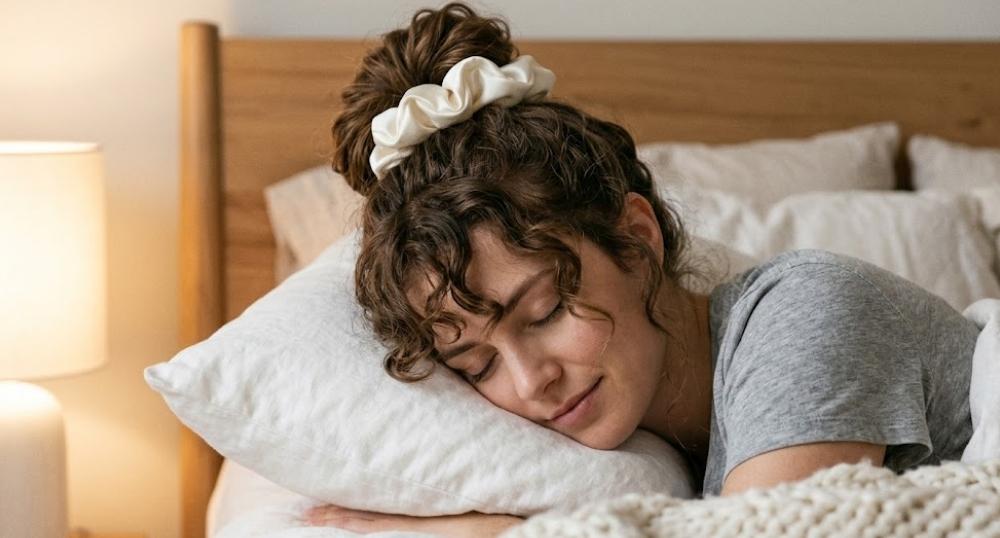
  • Switch to a silk or satin pillowcase.
  • Use the “Pineapple Method”: Gather your curls at the very top of your head and secure them loosely with a silk scrunchie.
  • This prevents the weight of your head from flattening the curls while you sleep.
6. Detangle with Extreme Caution

Never, ever use a fine-tooth comb or a standard brush on dry perms. This will separate the curl clumps and create a “poodle” effect of uncontrollable frizz. You shoud:

  • Only detangle when hair is wet and saturated with conditioner.
  • Use a wide-tooth comb or your fingers.
  • Start from the ends and work your way up to the roots to avoid snapping the hair.
7. Minimize Heat Styling

Your hair has already undergone a high-heat or chemical “thermal” process to become a perm. Adding more heat via curling irons or flat irons can lead to extreme dryness. If you want to maintain your perm in its healthiest state, embrace air-drying or low-heat diffusing.

8. Trim Regularly
Trimming Hair

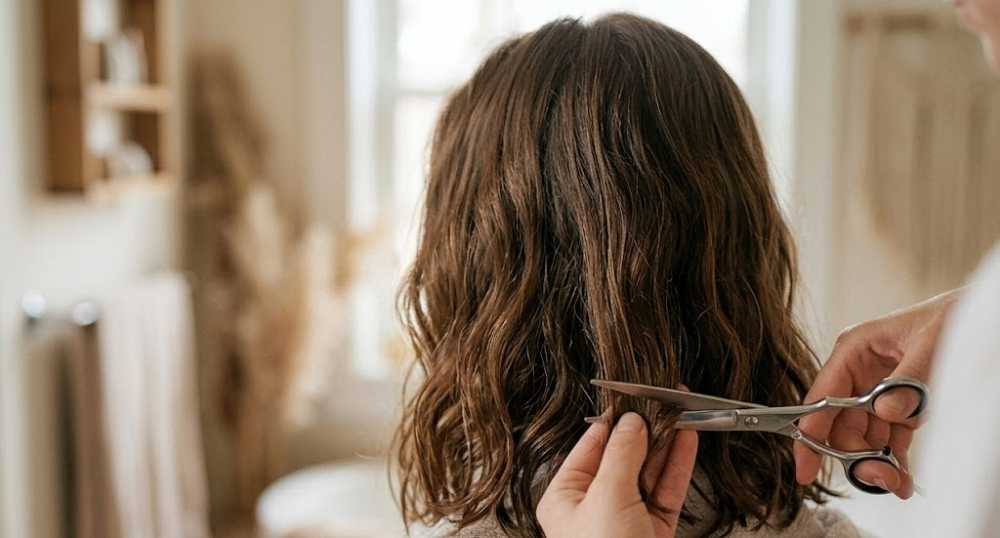
As perms grow out, the weight of the new, straight growth at the roots can pull down the curls, making them look flat. Furthermore, the ends of permed hair are the oldest and most processed. Schedule a trim every 6–8 weeks to remove split ends and keep the “bounce” in your perms.

Healthy vs. Unhealthy Perm: What to Look For

Understanding how to maintain your perm becomes much clearer when you can compare results. Below is a comparison of a healthy perm vs an unhealthy perm:

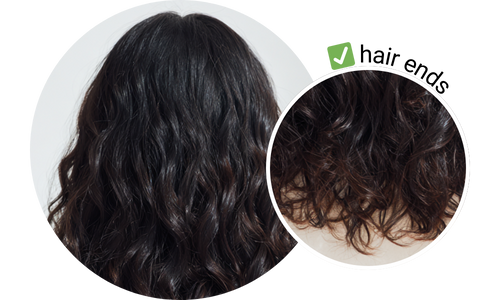
Healthy Perm
maintain perm after healthy perm
Unhealthy Perm
perm no maintain unhealthy perm
FeatureHealthy PermUnhealthy Perm
Curl DefinitionWell-defined, springy curlsLoose, uneven, or stretched curls
Hair TextureSoft, moisturized, and flexibleDry, rough, or brittle
Frizz LevelMinimal frizz, even in humidityExcessive frizz and flyaways
ShineNatural, visible shineDull appearance with little to no shine
Curl ConsistencyConsistent pattern from roots to endsInconsistent pattern; ends may look straight or damaged
Overall ConditionHealthy-looking, bouncy, and smoothDamaged-looking, weak, or broken ends

Why this matters: A healthy perm is the direct result of consistent aftercare. If you notice your perms shifting toward the “unhealthy” column, it’s time to increase your deep conditioning and check your product ingredients.

Common Mistakes That Can Ruin a Perm

If you want to maintain your perm for the full duration of its lifespan, avoid these common pitfalls:

  • Washing hair too frequently: This strips the essential oils that keep curls together. Aim for 2–3 times a week.
  • Using heavy silicones: While they add shine, non-water-soluble silicones can weigh down perms and cause buildup.
  • Chemical Overload: Avoid coloring or bleaching your hair immediately after a perm. Give your hair at least 2–4 weeks to recover.
  • Brushing curls when dry: This is the fastest way to turn a beautiful perm into a frizzy mess.

How Long Does a Perm Last?

Generally, a perm lasts between 3 to 6 months. However, this isn’t a “set it and forget it” timeline. The longevity is almost entirely dependent on how you maintain your perm. Large, loose “beach wave” perms tend to drop faster than tighter, coiled perms. Consistent use of curl-defining creams and avoiding heavy heat will ensure you get the maximum value out of your salon visit.

Is a Perm Right for You?

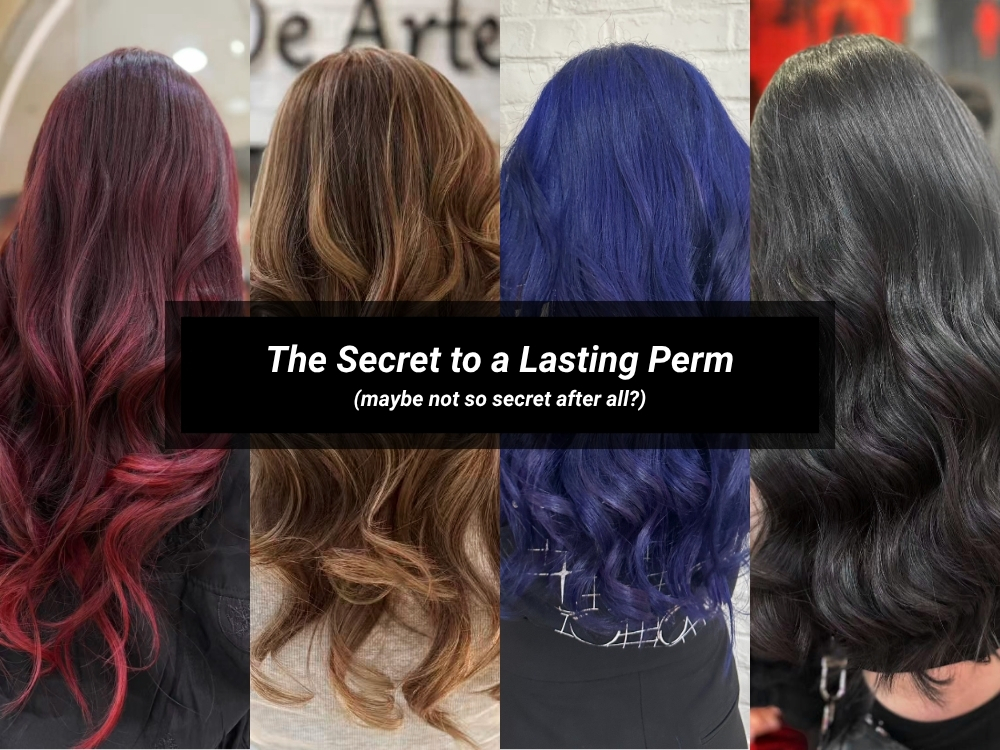
Isn’t all these perms beautiful? You can have your own style too!

A perm isn’t about “copying” someone else’s curls; it’s about creating volume and movement that fits you. Whether you choose a digital perm, a cold perm, or a ceramic perm, the goal is the same: effortless style.

A perm may be right for you if you:

  • Want volume and texture tailored to your specific face shape.
  • Are tired of spending 30 minutes every morning with a curling wand.
  • Are willing to put in the consistent care required to maintain your perm.
👉 Tip: A professional consultation helps customise the curl pattern, size, and technique so your perm feels uniquely yours. And.. De Arte got you covered!

Book a perm consultation today

Ready to get the perfect perm? Or keep yours looking its best?

FAQ: Perm Maintenance

How often should I wash my permed hair?

Wash your hair 2–3 times a week. Over-washing can strip moisture and weaken curl definition. Always use a sulfate-free shampoo and follow with conditioner.

How should I dry my perm properly?

Gently blot excess water using a microfiber towel or cotton T-shirt. Avoid rubbing. Let your hair air-dry or use a diffuser on low heat to maintain curl shape and reduce frizz.

Can I color my hair after a perm?

Yes, but wait at least 2 weeks before colouring your hair and consult a professional stylist for proper guidance and advice to avoid damage.

What products are best for maintaining a perm?

Use curl-friendly, moisturizing products designed for chemically treated hair. Look for ingredients like argan oil, shea butter, keratin, and avoid alcohol-based styling products.

Can I straighten my perm if I don’t like it?

You can temporarily straighten a perm using heat tools, but frequent straightening may weaken or loosen the curl pattern over time. Always use a heat protectant and consult a professional if you’re considering a long-term change.

How can I reduce frizz in my perm?

Frizz is usually caused by dryness or friction. Deep condition weekly, avoid brushing dry curls, and sleep on a silk or satin pillowcase to keep curls smooth and defined.

We’d also like to introduce one of our customers’ most-loved anti-frizz hair treatments. It’s not just suitable for straight hair, but works beautifully on curly and permed hair too! Helping to control frizz without compromising curl shape. 👉 Read more: Argan Oil Texture Control: The Ultimate Solution for Frizz-Free, Silky Hair in Just 1 Treatment

Consistency Is What Makes the Difference

The most important takeaway for anyone learning how to maintain your perm is that effort directly affects the outcome. A perm does not stay healthy by accident; it reflects your daily habits.

When you consistently use the right products, protect your hair at night, and avoid harsh chemicals, you’ll see the results in the mirror: stronger curl definition, less frizz, and a perm that looks as good in month four as it did on day one. Maintain your perm with love, and your hair will thank you with endless bounce and shine.

From Salon to Home: The Importance of After-Care (Shiseido Edition)

Why Is Haircare Routine Important? (Shiseido Edition)

The Salon Experience: More Than Just a Visit

Stepping into the salon is more than just an appointment, it’s a rejuvenating experience. From the moment your hair is washed with premium products, to the precise cuts, coloring, or treatments applied by skilled stylists, your hair is receiving expert attention and professional-grade care.

During a salon treatment, your hair is nourished, hydrated, and styled to perfection. Texture is smoothed, color is enhanced, and your scalp feels refreshed. The result is hair that looks and feels vibrant, healthy, and full of life; an instant transformation you can see and touch.

But here’s the reality: the salon treatment is only the beginning. Once you step out of the salon, daily life begins to take its toll on your hair.

Why Aftercare Is Essential

Even the most luxurious salon treatment cannot fully protect your hair from:

  • Heat from styling tools

  • Environmental stress like UV rays and pollution

  • Chemical damage from coloring or perming

  • Daily buildup of oil, sweat, and dirt

Without a professional aftercare routine, these factors can quickly cause:

  • Loss of moisture and shine

  • Color fading

  • Frizz, breakage, or thinning hair

  • Scalp imbalance such as dryness, oiliness, or dandruff

Simply put, your salon results will fade without proper home care.

This is why we recommend extending your salon treatment with professional after-care products, carefully selected to maintain results and keep your hair and scalp healthy every day.
Shiseido Professional: Trusted Expertise in Haircare
Shiseido Professional has over a century of Japanese innovation, blending science, beauty, and professional expertise. Used by salons worldwide, it offers precision formulas that target both hair and scalp needs.

Why we trust it:

  • Supports the internal structure of hair, keeping strands strong and resilient

  • Maintains scalp health, the foundation of long-term hair beauty

  • Addresses specific hair and scalp concerns, from thinning and damage to color care

Every series is carefully designed to solve a specific problem, meaning your routine is personalized, not one-size-fits-all.

Shiseido Professional Series: Solutions for Every Hair Need

Whether it’s fixing damaged hair, protecting color, or caring for your scalp, Shiseido Professional offers 5 different hair care series to help with every need:

Not sure which option is right for you? Feel free to check in with our stylist! They’ll be happy to advise and guide you on which series is best suited to help you maintain your salon results at home. Otherwise, you can read through the series below, compare them, and use a little trial and error to see which one is best for you to try first.

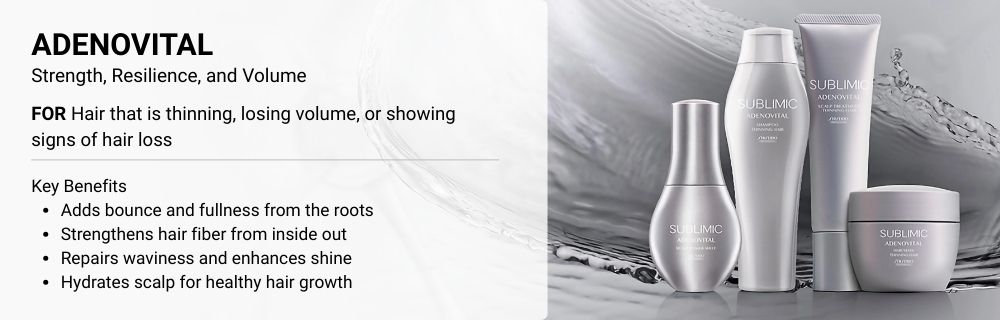
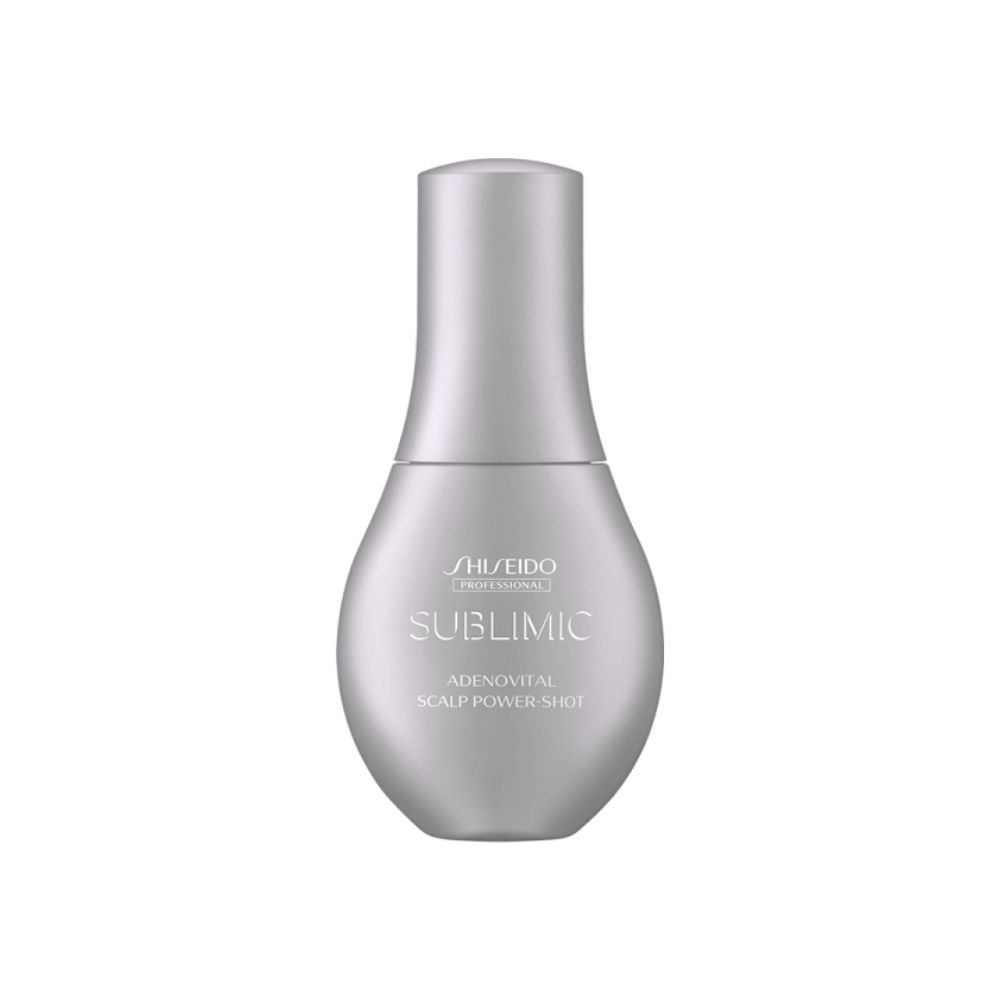
Shiseido AD Power Shot
AD Power Shot
Deep scalp treatment to add volume, shine, and hydration
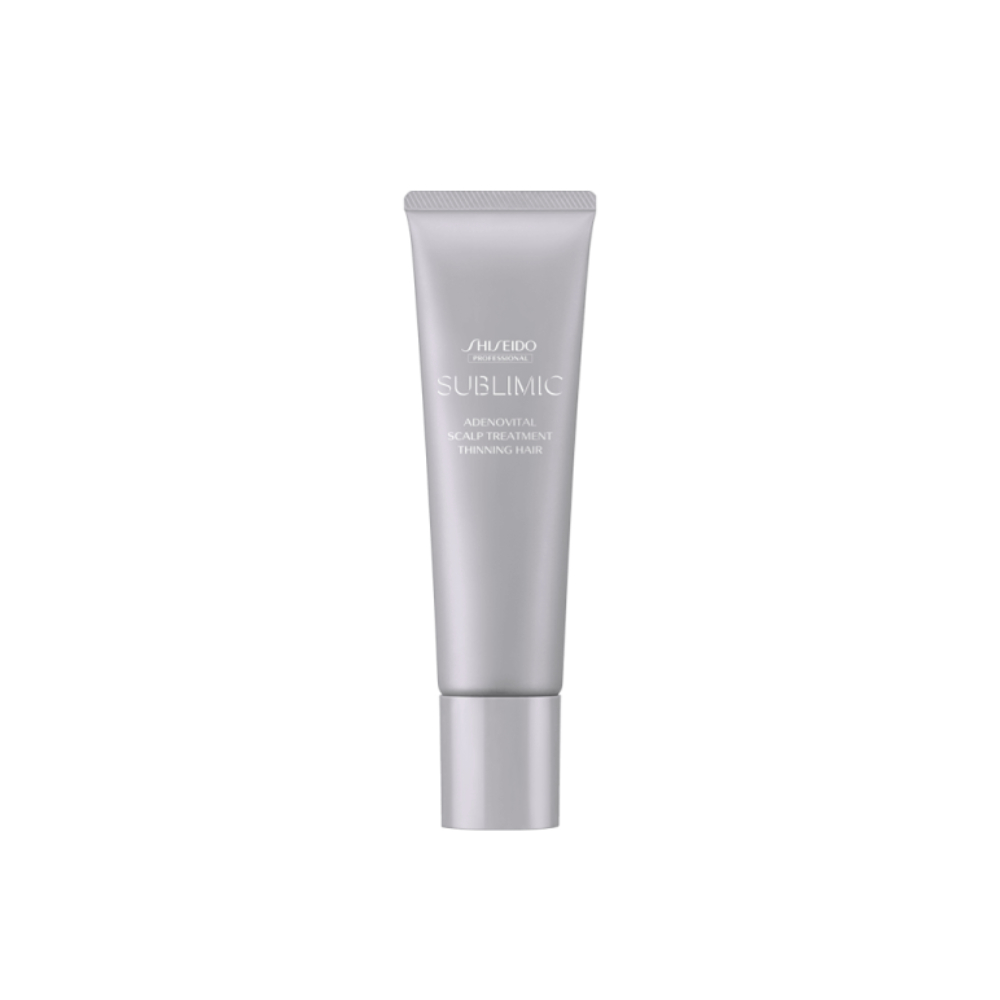
Shiseido AD Scalp Treatment
AD Scalp Treatment
Strengthens roots and
nourishes scalp
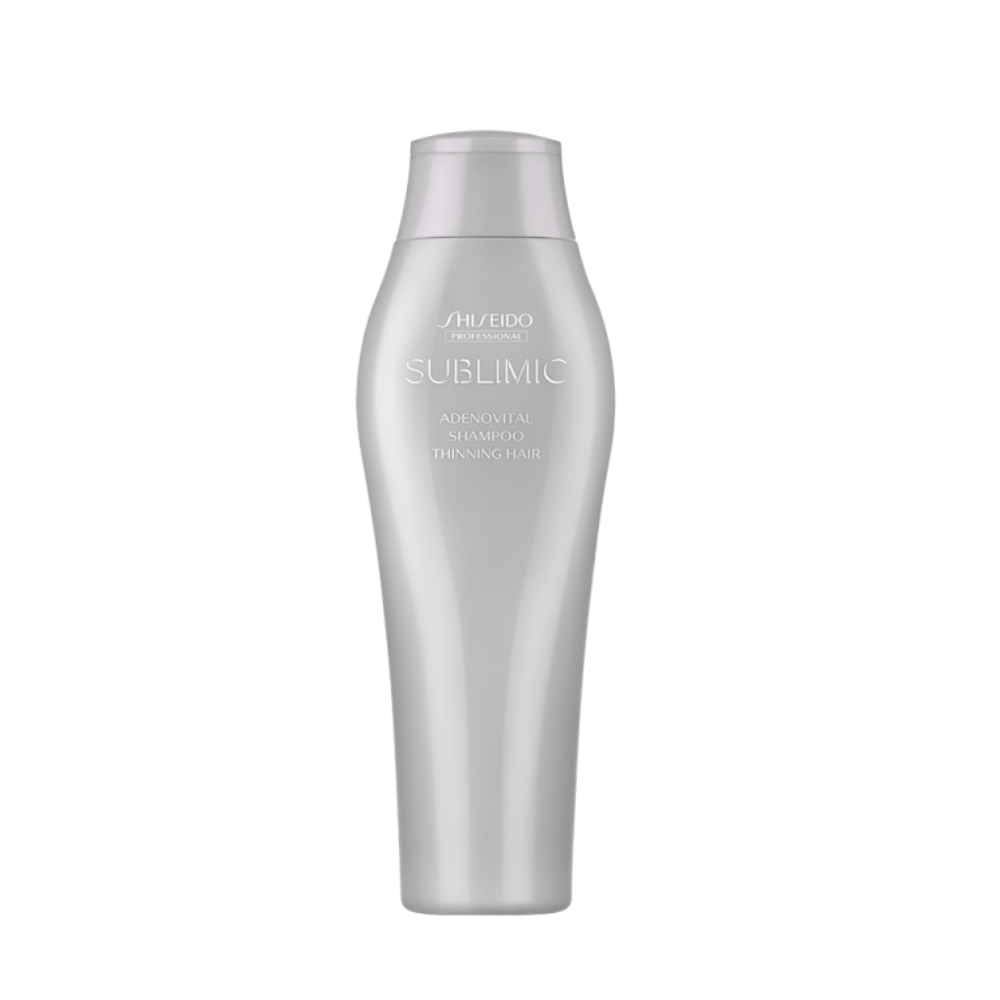
Shiseido AD Shampoo
AD Shampoo
Mild cleansing for light,
airy hair

Select options This product has multiple variants. The options may be chosen on the product page

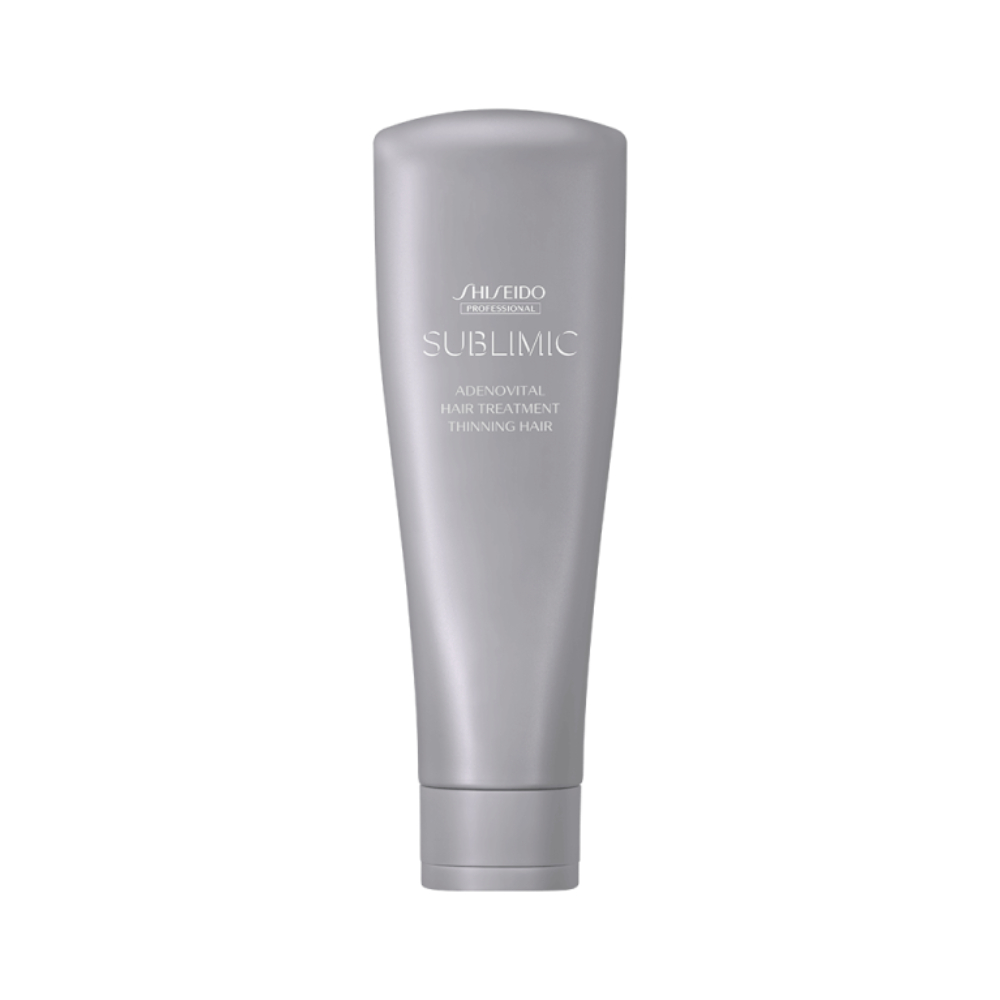
Shiseido AD Hair Treatment
AD Hair Treatment
Repairs damage while controlling waviness

Select options This product has multiple variants. The options may be chosen on the product page

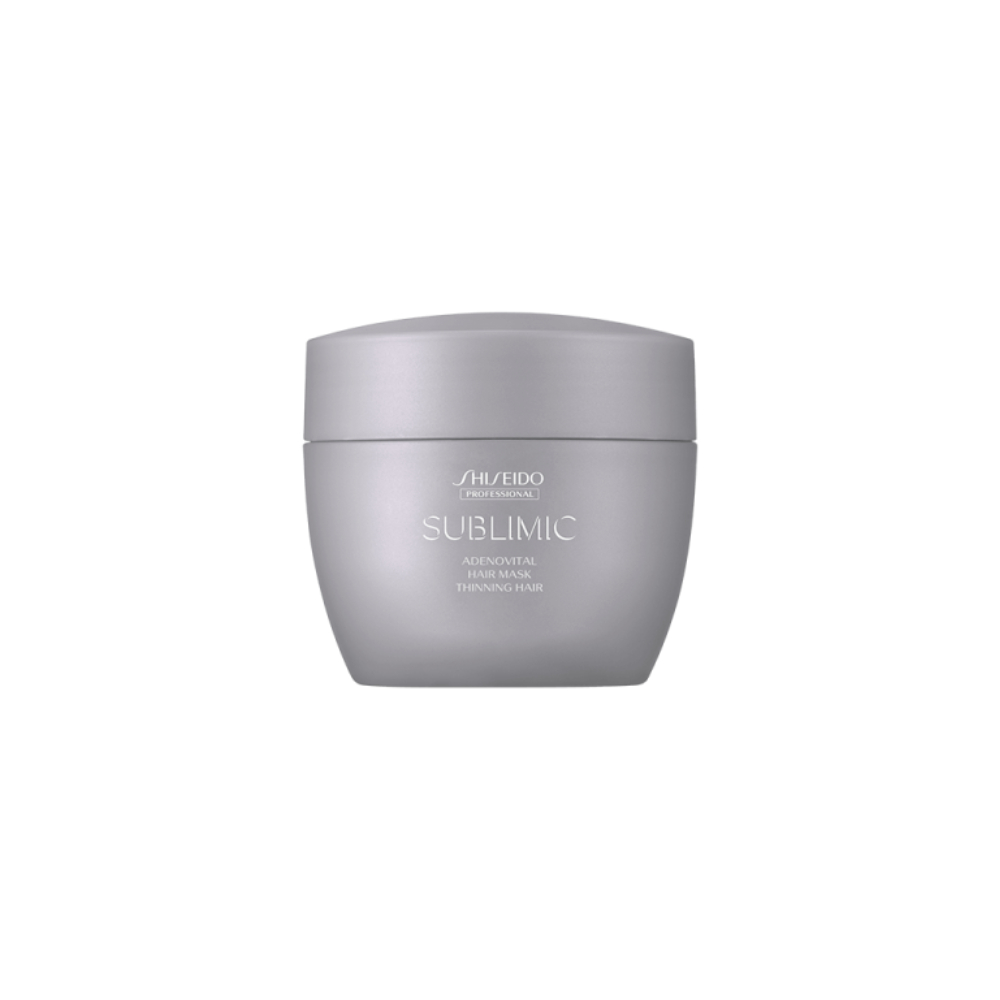
Shiseido AD Mask
AD Hair Mask
Intensive repair for resilient, voluminous hair
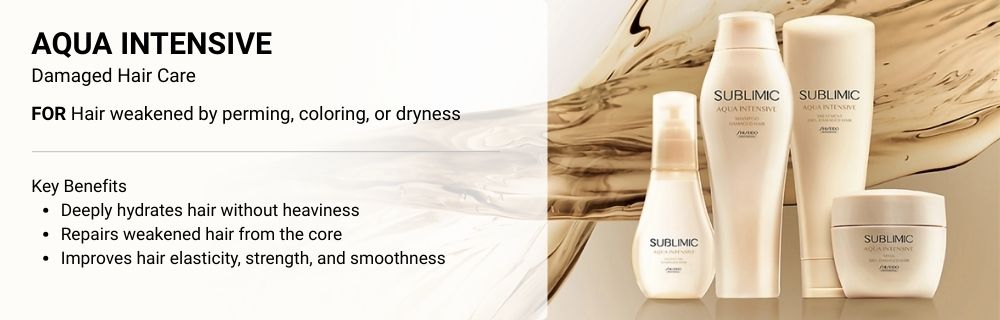
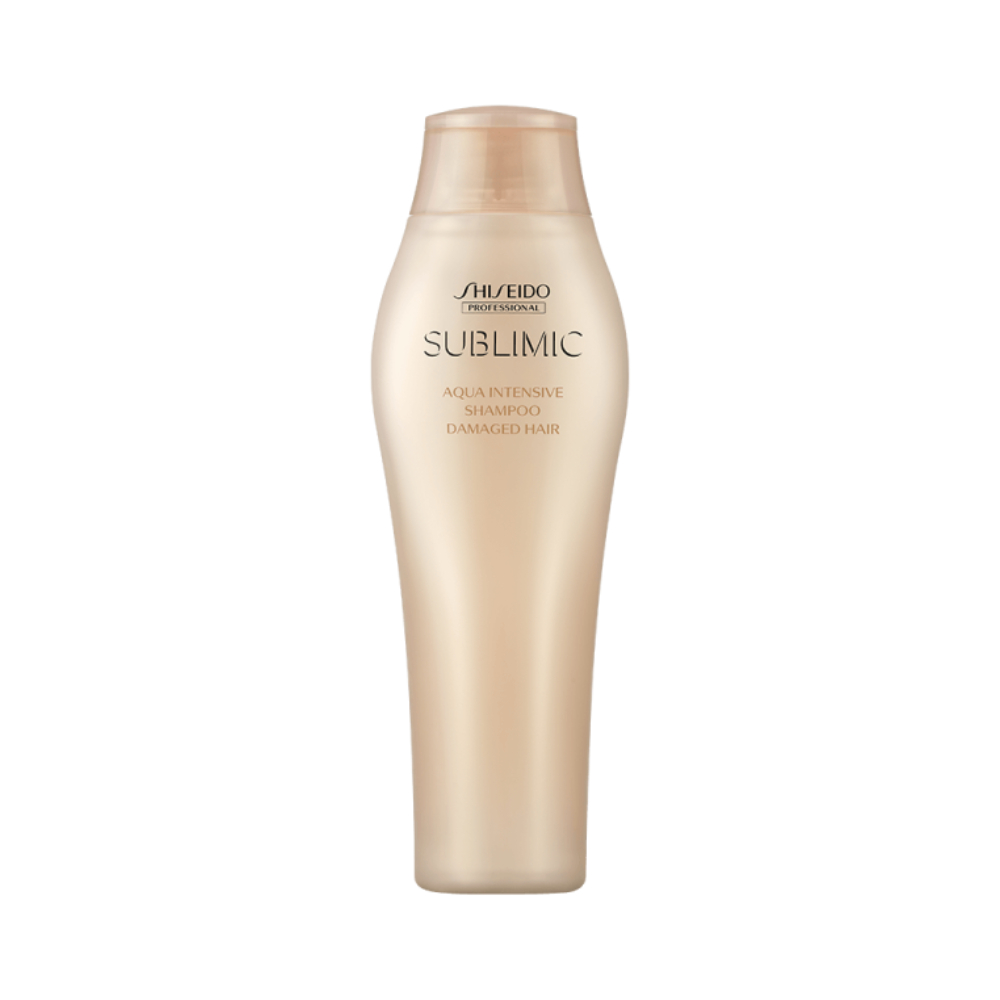
Aqua Intensive Shiseido Shampoo
AI Shampoo
Removes impurities while retaining moisture

Select options This product has multiple variants. The options may be chosen on the product page

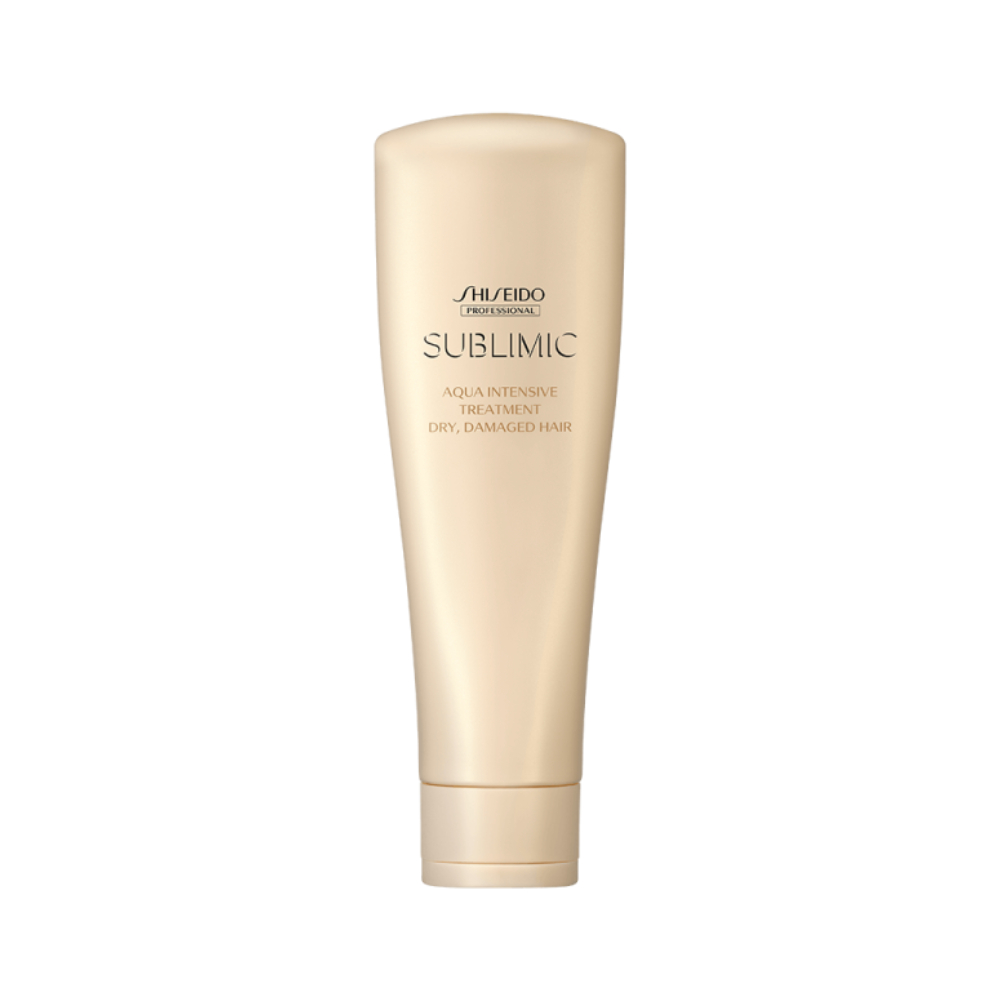
AI Treatment 1 (Dry Hair)
Adds suppleness and restores cross-sectional shape

Select options This product has multiple variants. The options may be chosen on the product page

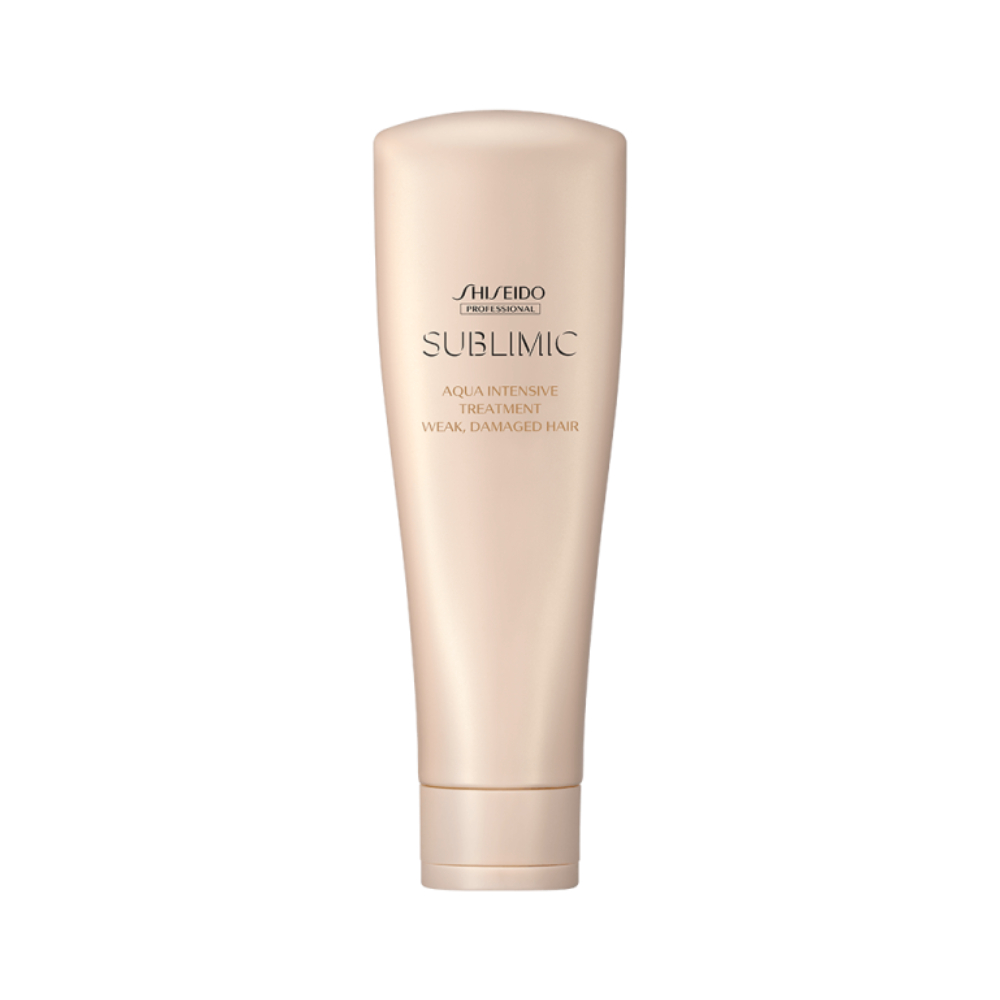
AI Treatment 2 (Weak Hair)

Strengthens fragile hair from the core

Select options This product has multiple variants. The options may be chosen on the product page

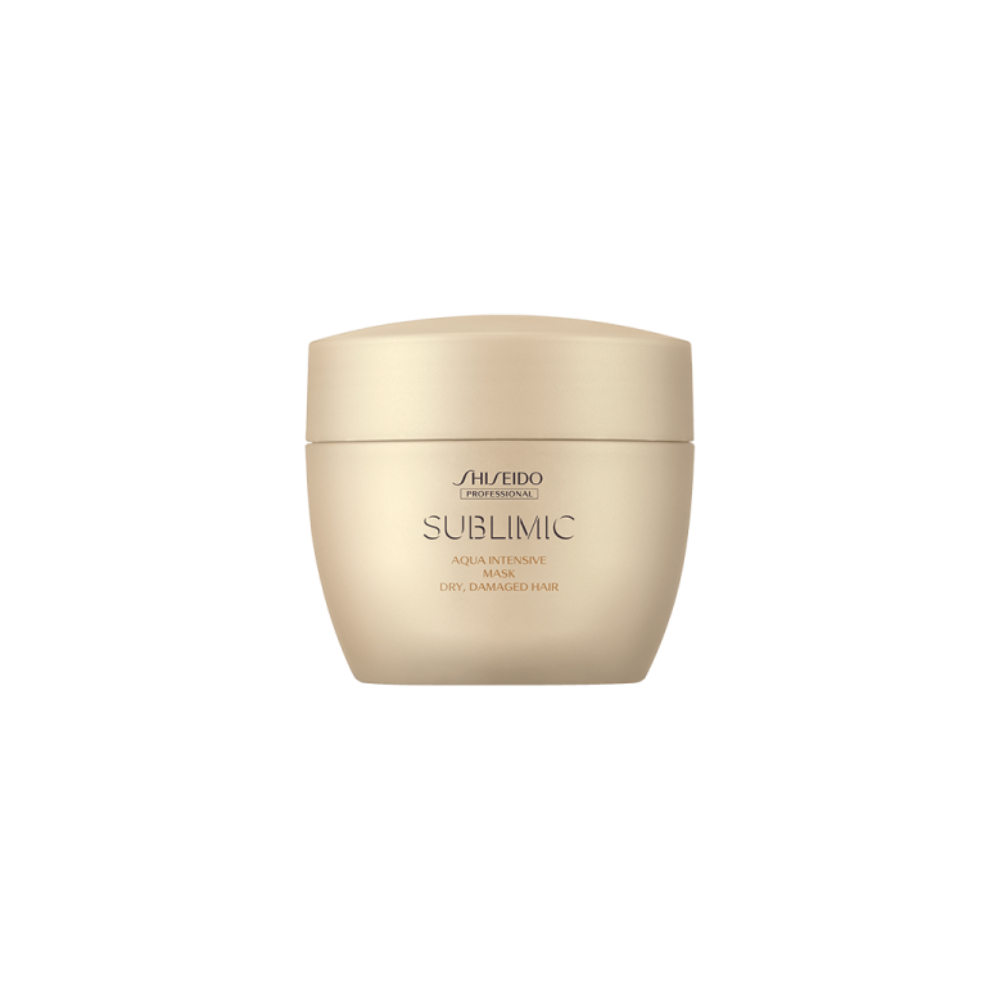
AI Mask (Dry Hair)
Locks in moisture and softens hair
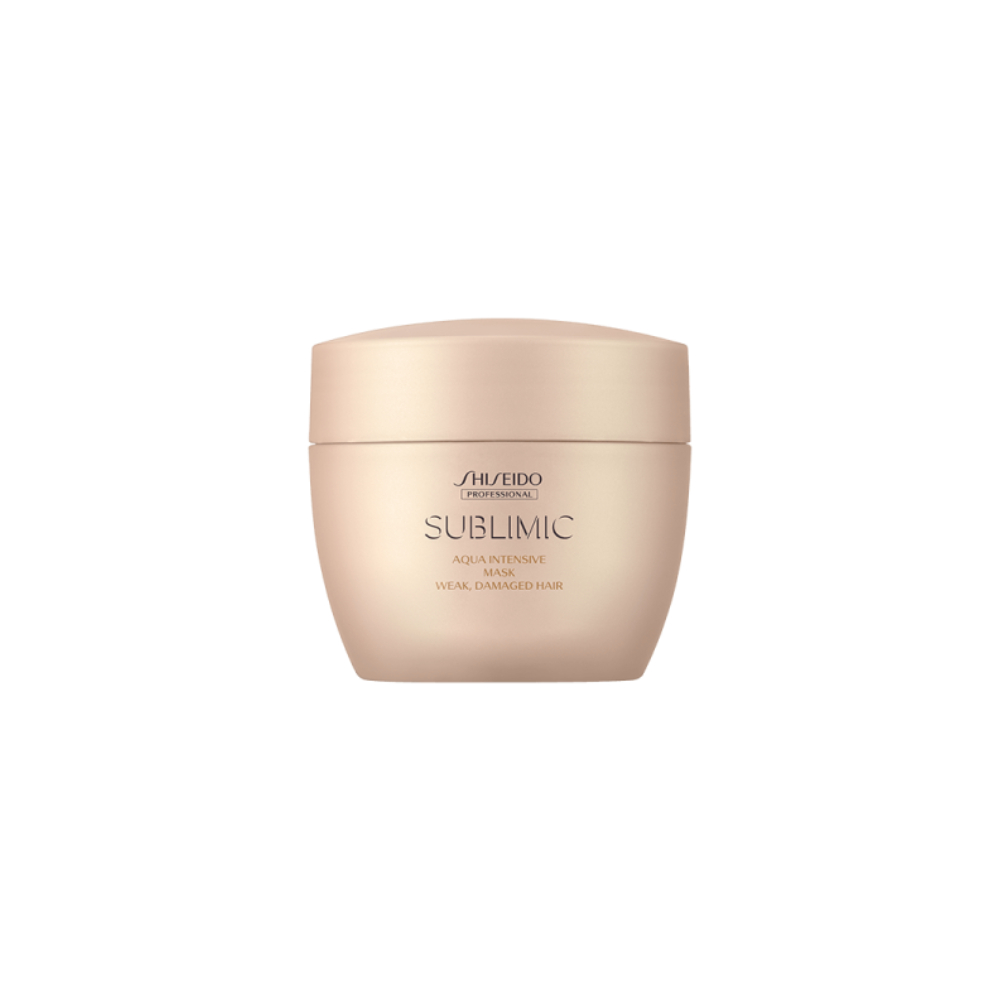
AI Mask (Weak Hair & Damaged Hair)
Enhances resilience and strength
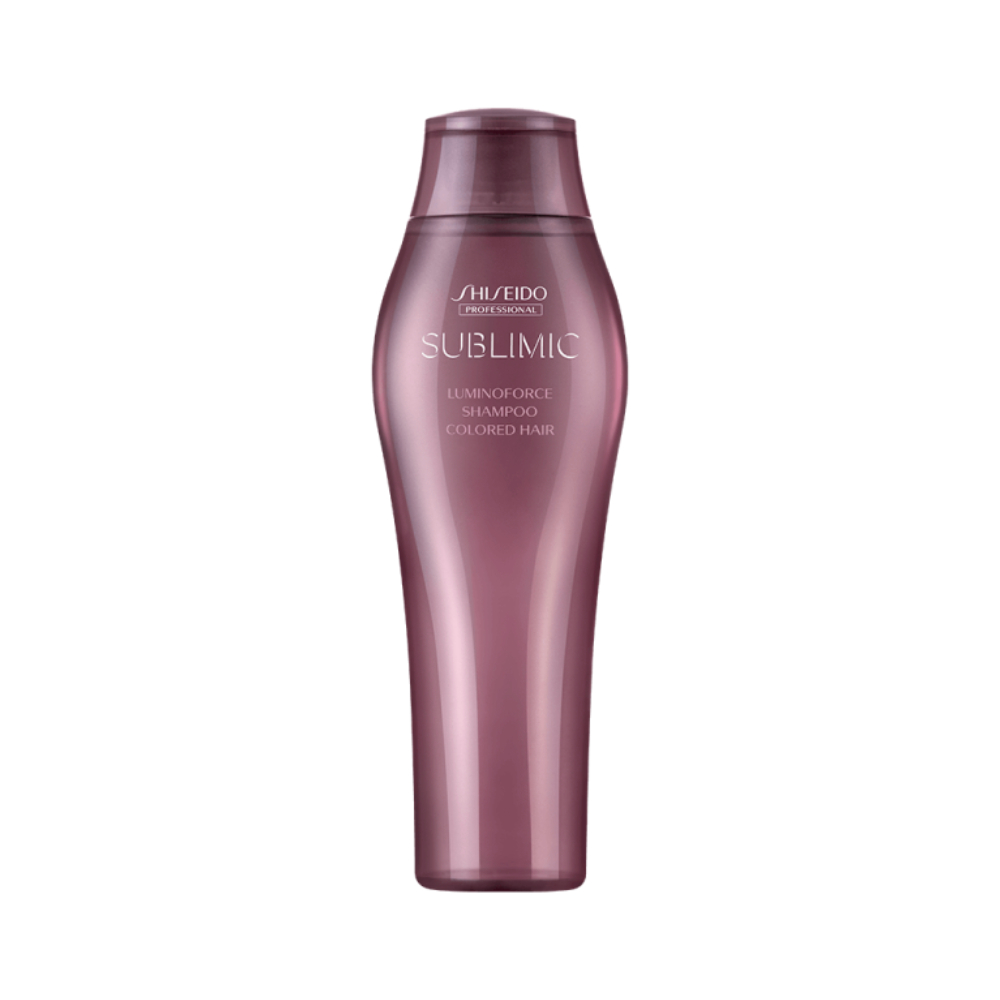
LF Shampoo
Gentle cleansing without stripping color

Select options This product has multiple variants. The options may be chosen on the product page

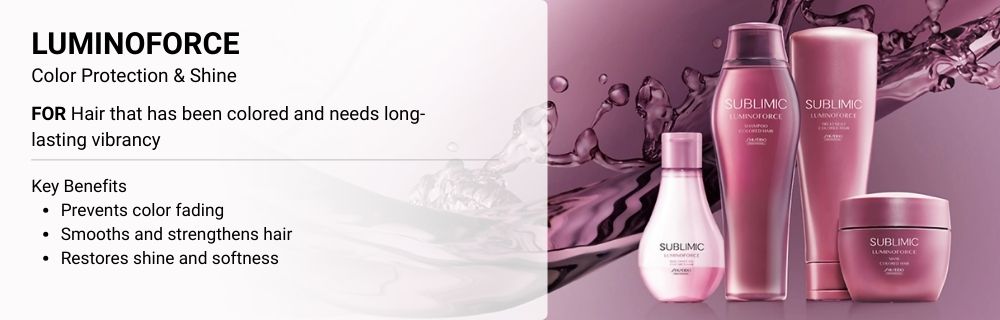
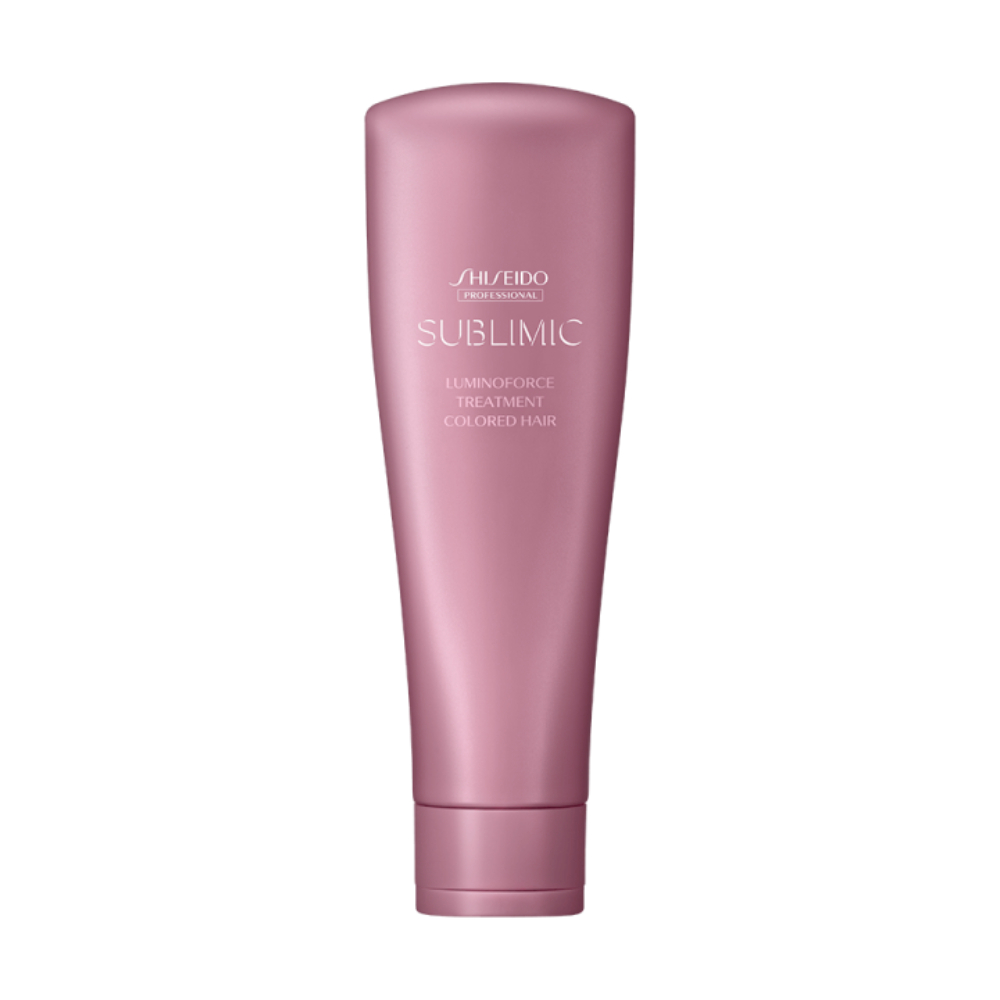
LF Treatment
Maintains shine and prevents fading

Select options This product has multiple variants. The options may be chosen on the product page

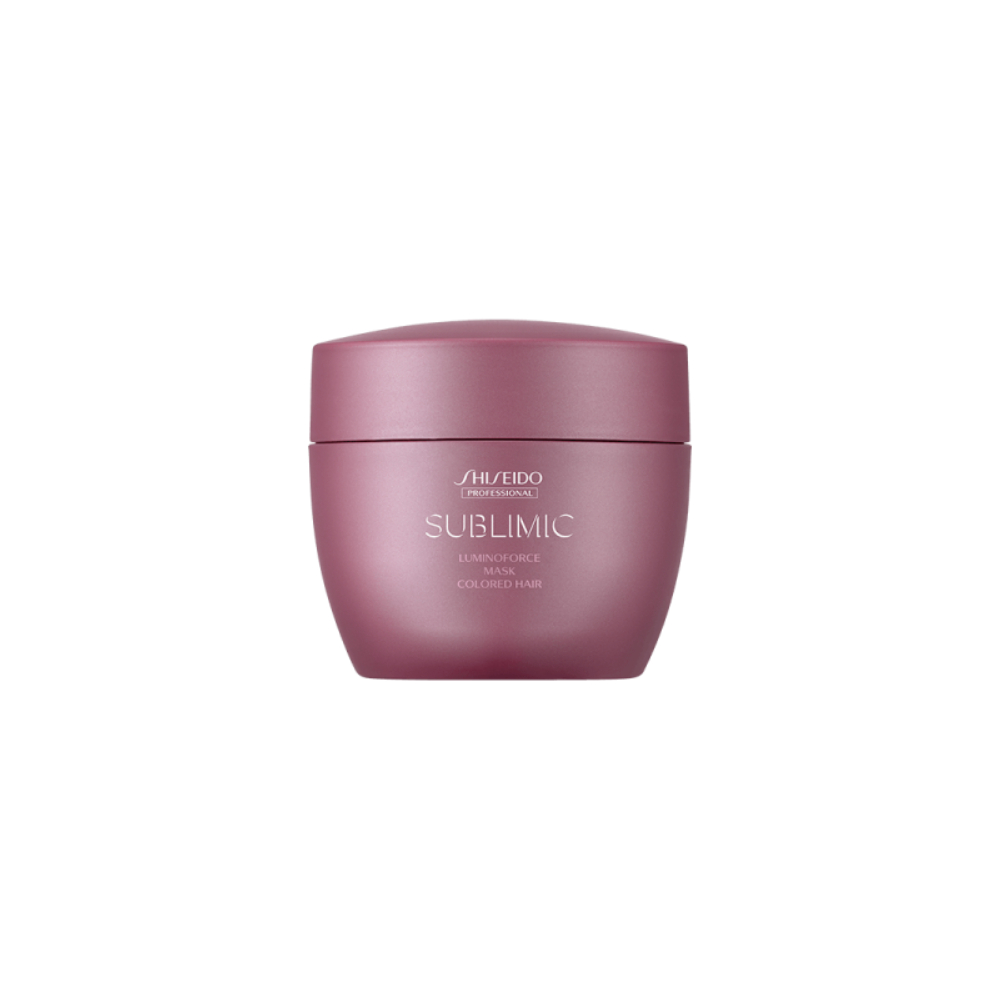
LF Mask
Intensively treats colored hair and keeps it vibrant
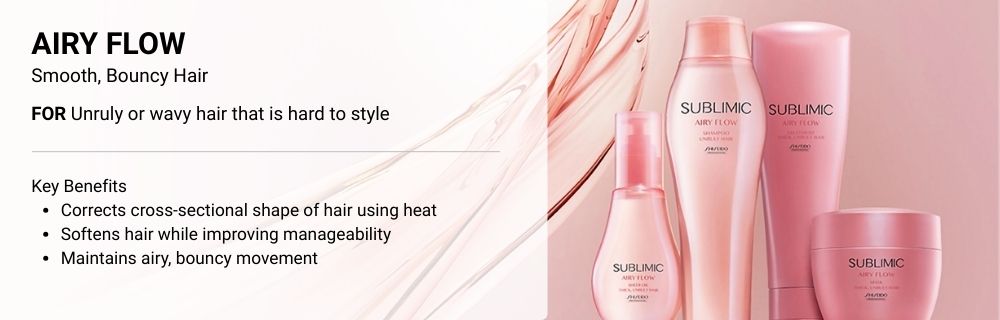
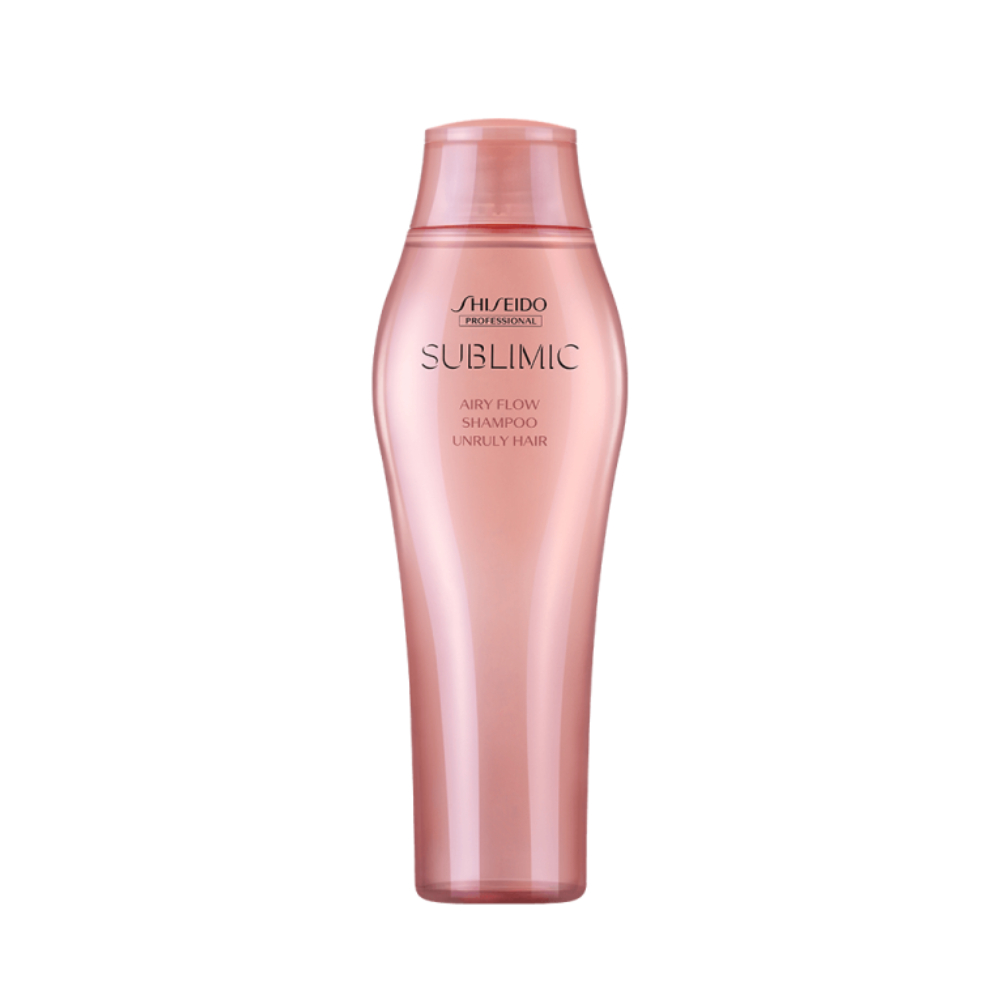
Shiseido AF Shampoo
AF Shampoo
Controls waviness for manageable hair

Select options This product has multiple variants. The options may be chosen on the product page

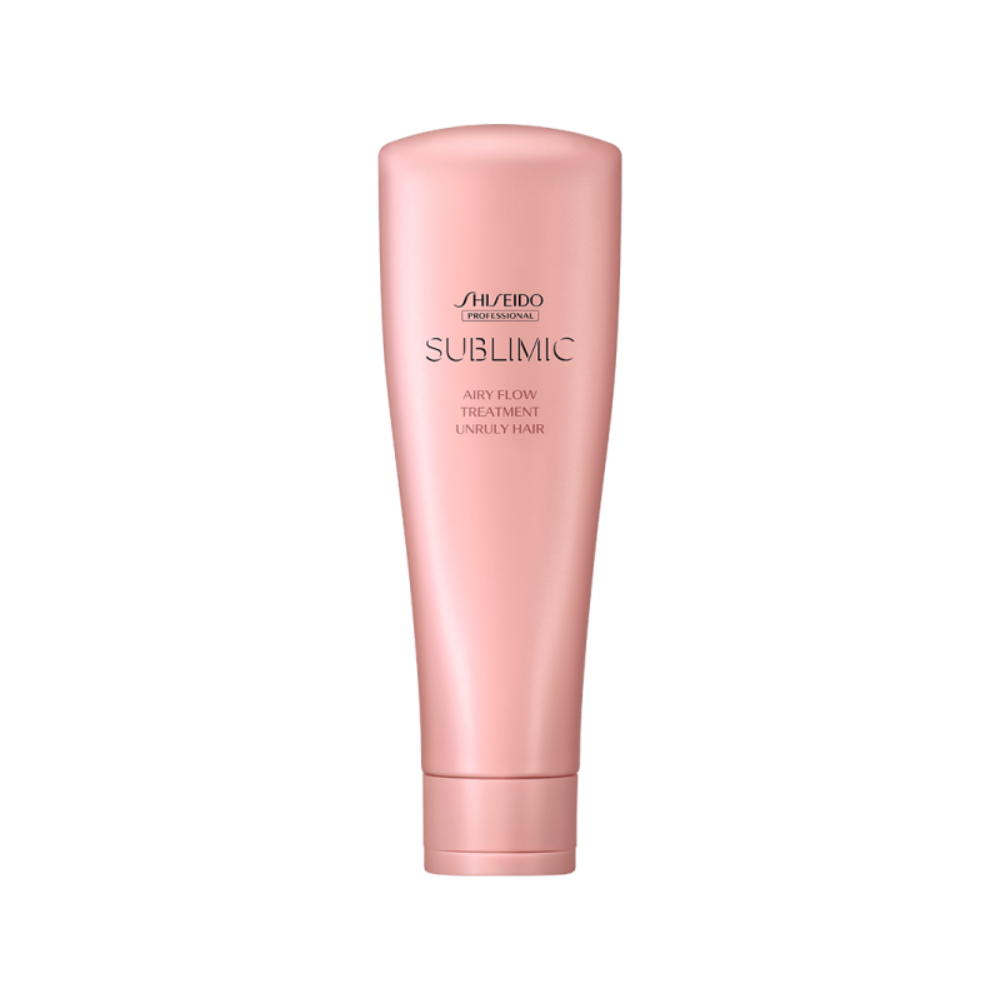
Shiseido AF Treatment
AF Treatment (Unruly Hair)
Softens hair and aids styling

Select options This product has multiple variants. The options may be chosen on the product page

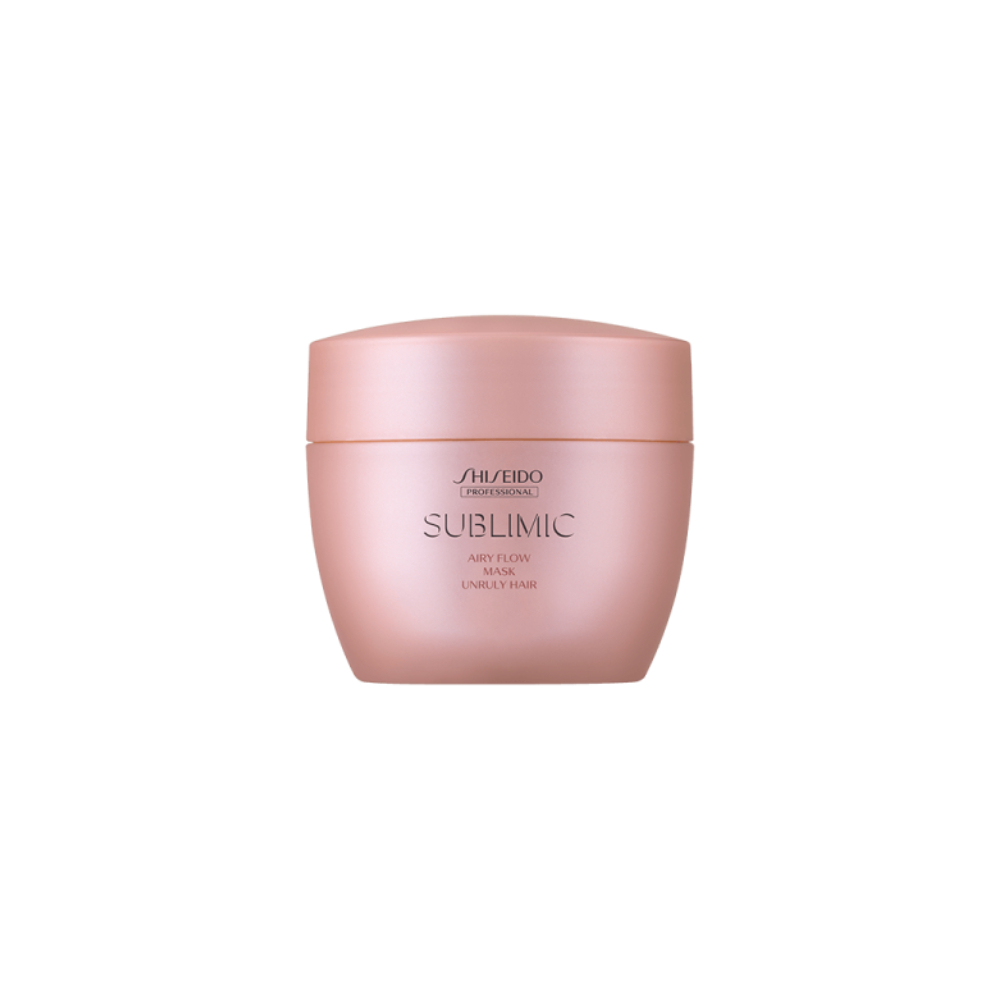
Shiseido AF Mask
AF Mask (Unruly Hair)

Special 1–2 times per week care to protect against humidity

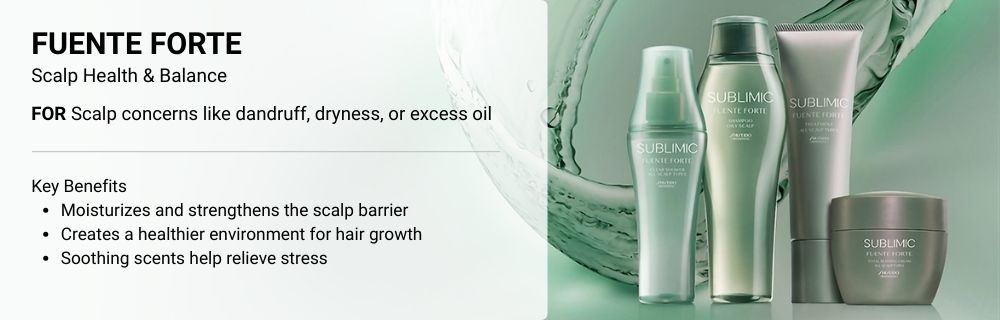
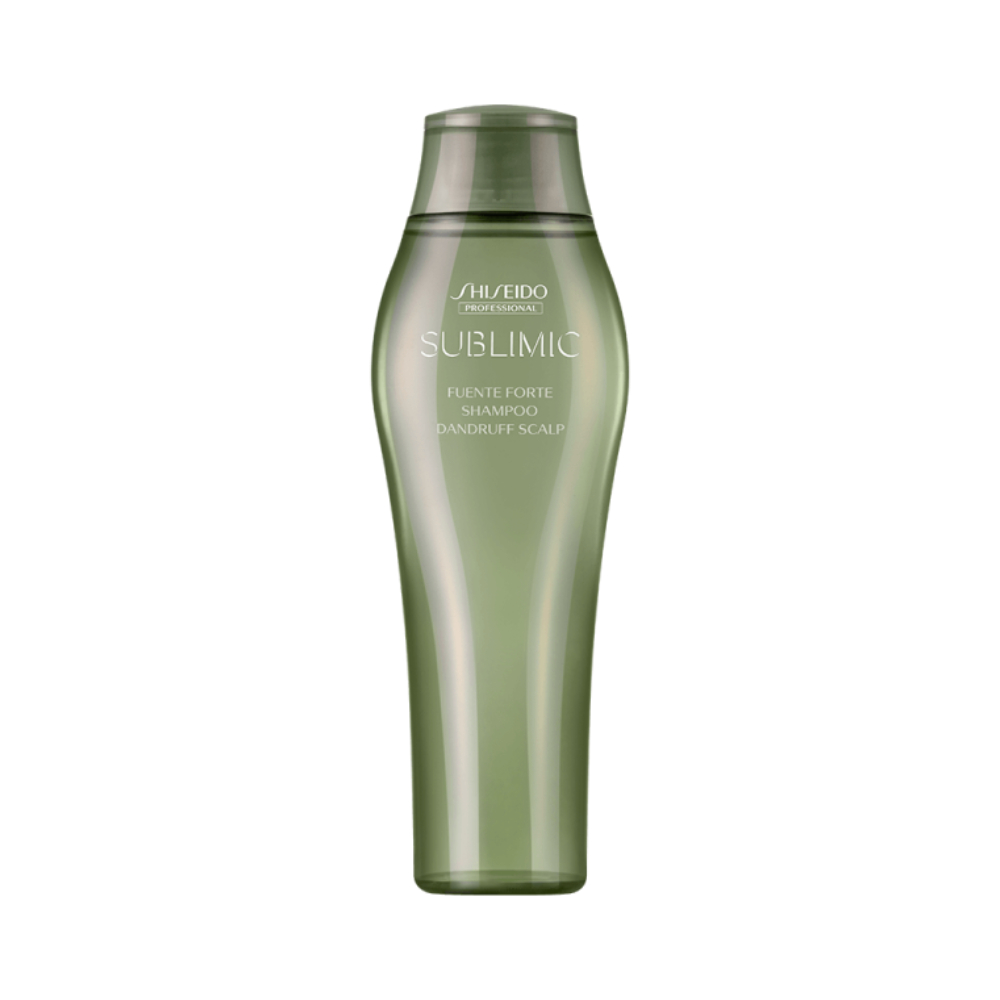
FF Shampoo (Dandruff)
Removes flakes and itchiness
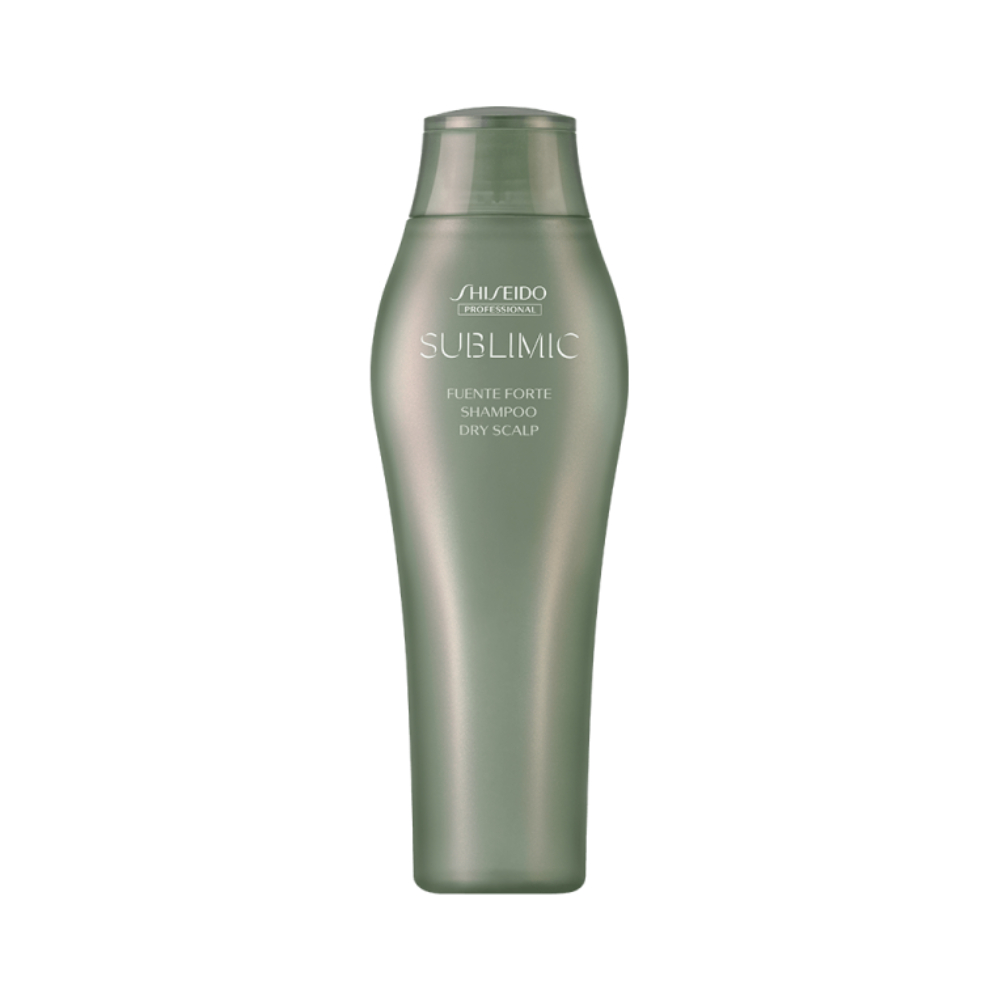
FF Shampoo (Dry Scalp)
Cleanses without stripping moisture

Select options This product has multiple variants. The options may be chosen on the product page

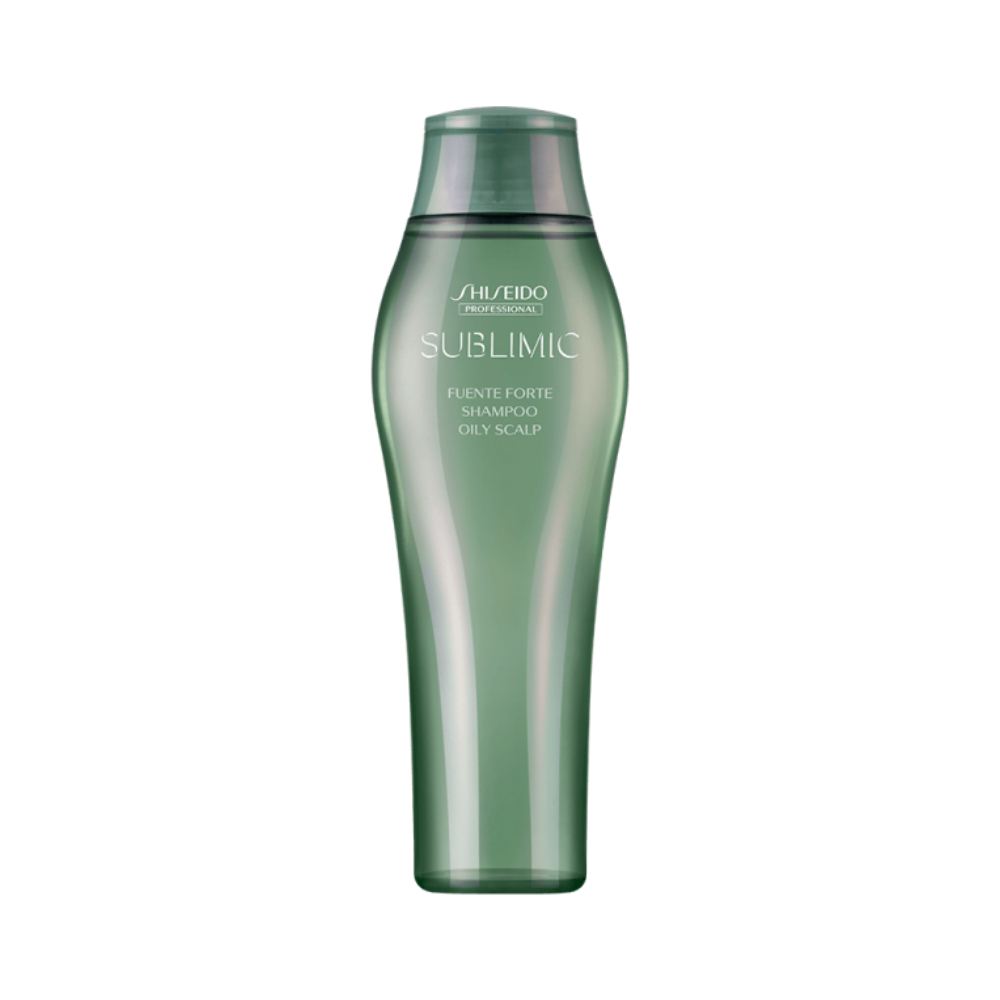
FF Shampoo (Oily Scalp)
Controls excess sebum and refreshes

Select options This product has multiple variants. The options may be chosen on the product page

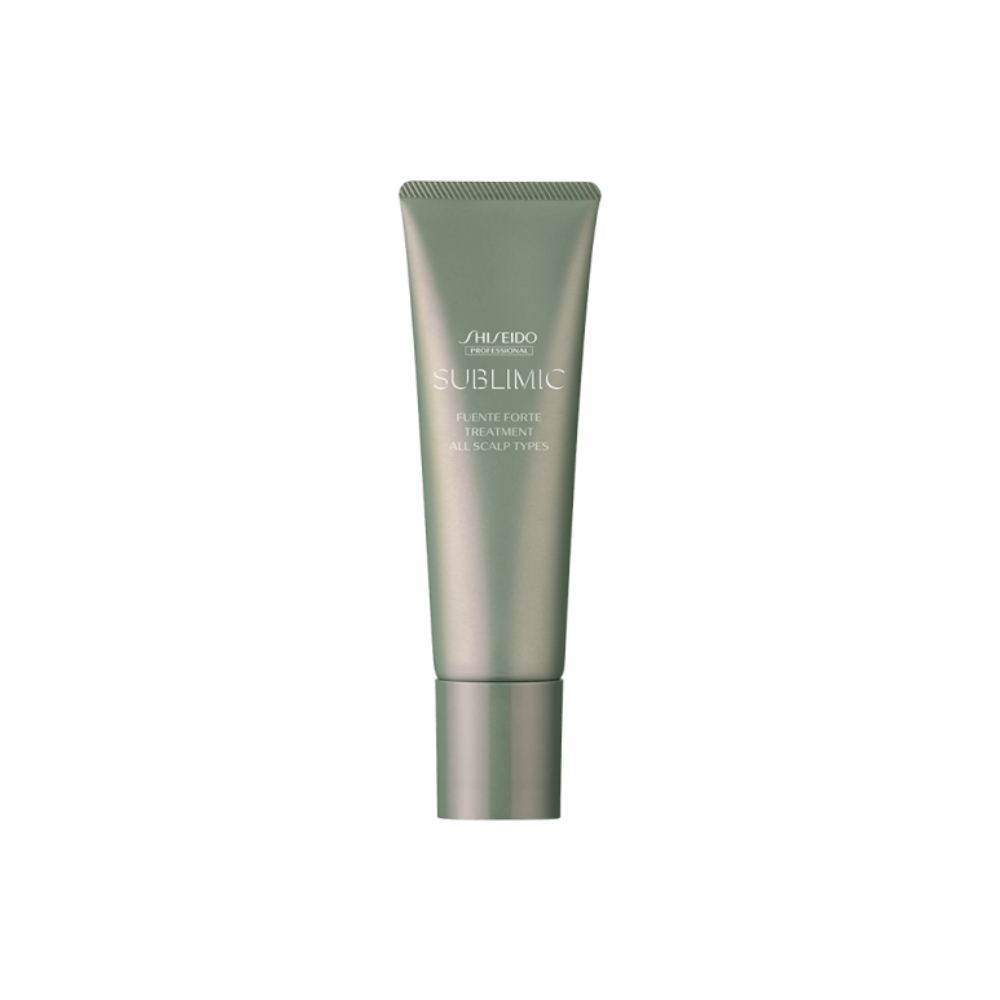
FF Treatment (All Scalp Types)
Nourishes scalp and strengthens hair roots
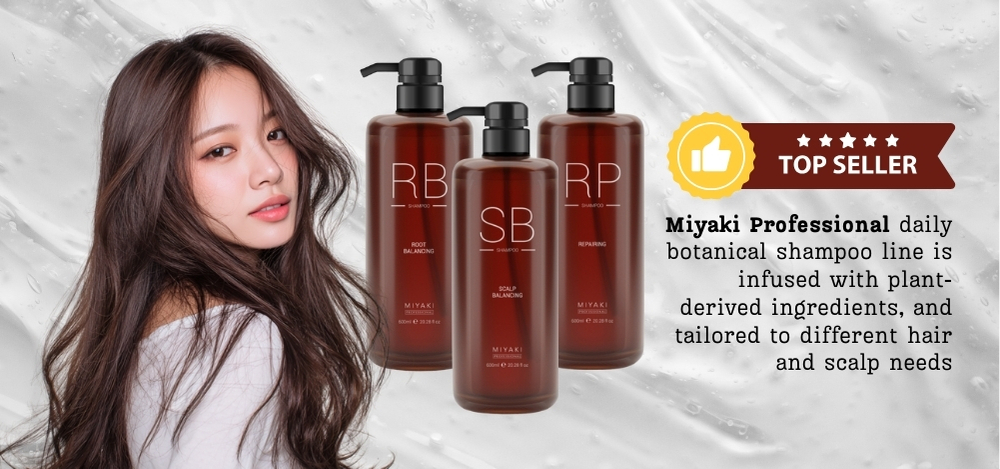
⭐ Our Salon Favorite Brand: Miyaki Professional

In addition to Shiseido Professional, we proudly use Miyaki Professional, a trusted salon-grade brand formulated in Japan. Though it may not have the global recognition of Shiseido Professional, Miyaki has earned the trust of our stylists and clients through consistent performance, reliability, and visible results.

Many of our regular clients enjoy using Miyaki Professional for their daily haircare routine, appreciating its balance of professional quality and everyday usability.

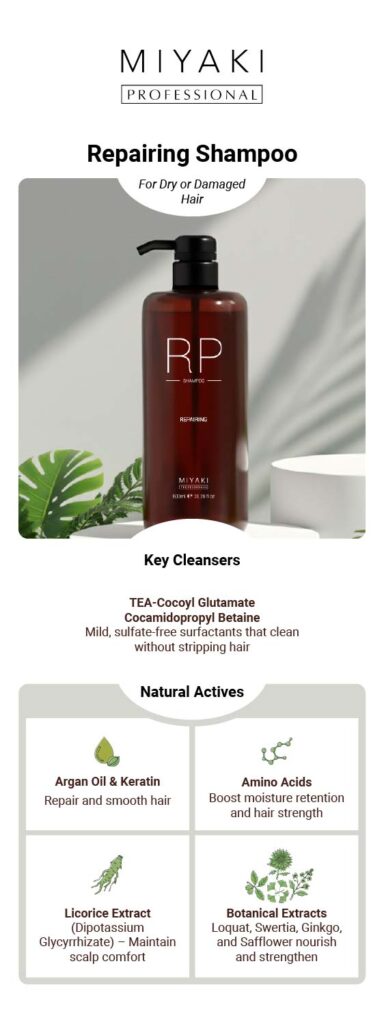
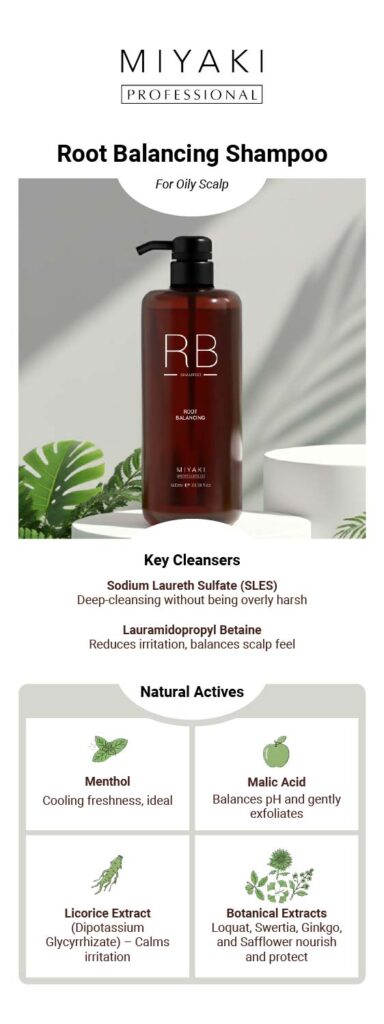
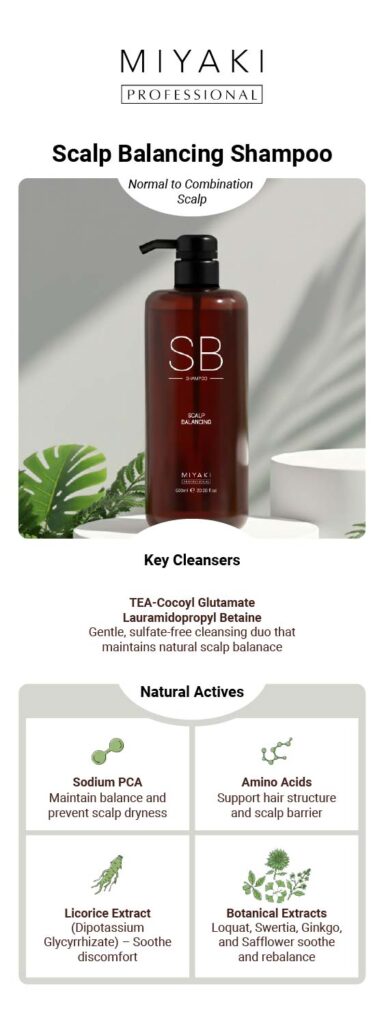
Curious about the differences between the Miyaki Professional shampoo lines? Check out our detailed guide below to see which option best suits your hair and scalp type.

Protect Your Salon Investment

Salon care is an investment and aftercare is how you protect it. By using professional-grade products, you ensure that your hair remains healthy, vibrant, and salon-fresh long after your appointment.

Beautiful hair doesn’t stop at the salon door.
With the right aftercare, your results last longer.

You made it through our ultimate guide to after-hair care! Nicely done! *pat on the back*~ Here’s a treat for you.

Thinking of trying the full range, or starting with just the shampoo and conditioner? Now’s the perfect time. With a minimum spend of $100 on Shiseido Professional products, you’ll receive a FREE Shiseido travel bag!

No coupon code, no extra steps.

Want to double-check availability? Just WhatsApp us at +65 8083 2131.

Hair Fall vs. Hair Loss: Understanding the Differences and Promoting Hair Regrowth

Hair Loss? Hair Fall?

Hair fall and hair loss are two terms often used interchangeably, but they represent different issues in the hair growth cycle. While both conditions can result in thinning or shedding of hair, understanding the difference between hair fall (telogen effluvium) and hair loss (anagen effluvium) is crucial to addressing the root causes and choosing the most effective treatment. In this article, we’ll explore how these conditions differ and offer practical strategies to promote hair regrowth, from simple scalp care to advanced treatments like minoxidil and light therapy.

Find out more: The Science of Hair Growth and Why You Should Care

Hair Fall (Telogen Effluvium) vs. Hair Loss (Anagen Effluvium)
Hair Fall (Telogen Effluvium)

Hair fall, medically known as telogen effluvium, refers to temporary hair shedding that occurs when a large number of hair follicles prematurely enter the telogen phase (resting phase) of the hair growth cycle. Unlike hair loss, which often involves more permanent damage to hair follicles, telogen effluvium is usually reversible and can be triggered by various external factors.

Causes of Hair Fall (Telogen Effluvium):

  • Stress: Emotional or physical stress can disrupt the hair cycle, causing excessive shedding.
  • Hormonal Imbalances: Changes in hormones, such as during pregnancy, menopause, or thyroid issues, can lead to hair fall.
  • Poor Diet: Deficiencies in key nutrients, like iron, zinc, or vitamins, can affect hair health.
  • Illness or Medication: Certain medications or underlying health conditions may trigger telogen effluvium.
  • Weight Loss or Surgery: Rapid weight loss or undergoing surgery can also shock the body and lead to temporary hair shedding.

In telogen effluvium, hair follicles are not permanently damaged, and once the triggering factor is addressed (like reducing stress, correcting hormonal imbalances, or improving nutrition), hair typically grows back within 6 to 12 months.

"It's normal to lose 50 to 100 strands of hair per day as part of the natural hair growth cycle."

Hair Loss (Anagen Effluvium)

Hair loss, or anagen effluvium, is a more severe condition in which hair falls out during the anagen phase (growth phase) of the hair cycle. This type of hair loss is often sudden and more noticeable, with large amounts of hair shedding over a short period. It is typically caused by more intense factors that directly affect the hair follicle’s ability to grow hair.

Causes of Hair Loss (Anagen Effluvium):

  • Chemotherapy and Radiation: Treatments that target rapidly dividing cells can damage hair follicles, leading to significant hair loss.
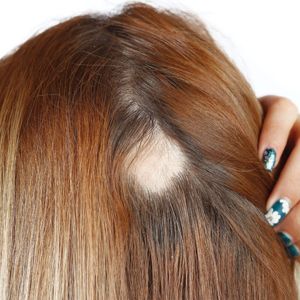
  • Autoimmune Diseases: Conditions like alopecia areata cause the immune system to attack hair follicles, resulting in patchy or total hair loss.
  • Medications: Drugs used to treat cancer, thyroid disorders, or even some blood thinners can cause hair loss.
  • Genetics: Androgenic alopecia (pattern baldness) is a hereditary condition that affects both men and women.
Anagen effluvium often leads to more visible hair loss, such as patches of baldness or thinning, and can require more intensive interventions to manage.

"Losing up to 100 strands of hair a day is normal, but more than that could be a sign of hair loss."

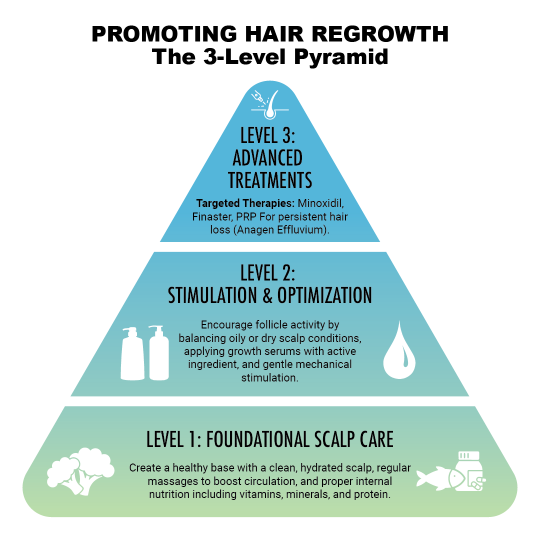
Promoting Hair Regrowth: The 3-Level Pyramid
Promoting hair regrowth works best with a step-by-step method. The 3-Level Pyramid Strategy ensures you’re supporting hair health from the foundation upward; starting with essential scalp and internal health, then moving into follicle stimulation, and finally applying advanced treatments when needed. This structure helps address both hair fall (telogen effluvium) and hair loss (anagen-related thinning) in a clear, effective way.
Hair Loss VS Hair Fall-04
Level 1: Foundational Scalp Care
At the base of the pyramid lies the most fundamental step in promoting hair regrowth: scalp care. Healthy hair starts with a healthy scalp, so the first step is to keep your scalp clean, nourished, and balanced.
  • Scalp Cleansing: Use a gentle, sulfate-free shampoo to cleanse the scalp. This helps to remove excess oil, dirt, and dead skin cells, which can clog hair follicles. Find out more: How to Identify Your Scalp Type & Choose the Right Shampoo
  • Scalp Massages: Gently massage your scalp for a few minutes daily to improve blood flow. This helps deliver more nutrients and oxygen to the hair follicles, encouraging hair growth.
  • Hydration: Keep your scalp well-hydrated with nourishing oils to restore moisture and promote healthy scalp conditions. Find out more about how we use different types of essence to target scalp needs: Scalp Treatment: 7-in-1 Aroma Botanical for Hair Regrowth
  • Internal Nutritional Support: Supplements (eg. Biotin, Iron, Zinc, Vitamin D, Omega-3) and balanced diet are most useful when nutritional deficiencies are present or dietary intake is low. Internal balance must be restored before stimulation or medical treatments can show results.
Level 2: Regulating the Scalp Environment
Once the basics are covered, the next step is regulating the scalp environment. At this stage, you’ll address specific scalp issues that may be hindering hair growth, such as excess oil production, dryness, or irritation. These issues can create an unhealthy environment for hair follicles, so it’s important to tackle them for optimal growth conditions.
  • Correcting Scalp Imbalances: An oily scalp can suffocate hair follicles and lead to thinning hair or shedding. Use shampoos with salicylic acid, tea tree oil, or charcoal to cleanse and regulate oil production without stripping the scalp’s natural moisture.
  • Nourishing a Dry Scalp: A dry scalp can result in itching, irritation, and hair breakage. To restore moisture and soothe dryness, apply hydrating scalp masks or oils with rosemary, jojoba, or argan oil. These oils not only moisturize but also promote circulation, stimulating dormant hair follicles.
  • Hair Serums & Tonics: At this stage, it’s beneficial to introduce scalp tonics or serums that contain active ingredients like caffeine, biotin, and peptides. These ingredients help nourish the scalp and promote follicular health, providing an added boost to your hair regrowth efforts.
Level 3: Active Hair Regrowth Stimulation

The final level of the pyramid focuses on actively stimulating hair regrowth through more intensive treatments. This stage includes options such as minoxidil or low-level laser therapy (LLLT). These treatments work directly to enhance hair follicle activity and accelerate the regrowth process.

Hair Loss VS Hair Fall-02
Minoxidil
  • This FDA-approved topical treatment is commonly used to treat both androgenic alopecia (pattern baldness) and telogen effluvium (chronic hair fall). Minoxidil works by improving blood circulation to the hair follicles, helping to stimulate hair regrowth. While it’s effective for many, it’s not the first-line treatment for telogen effluvium unless the shedding persists.
  • Minoxidil for Telogen Effluvium: Minoxidil is not always necessary for temporary hair shedding caused by stress, illness, or hormonal imbalances. However, if shedding continues for several months, minoxidil may help stimulate regrowth.
  • Minoxidil for Anagen Effluvium: Minoxidil is often effective in cases of androgenic alopecia and autoimmune-related hair loss (like alopecia areata). It’s typically used when the hair follicles are still healthy and capable of regrowth. Minoxidil should not be used for hair loss caused by chemotherapy, as hair regrowth typically resumes naturally once treatment ends.
  • Important Side Effects of Minoxidil: While effective, minoxidil can cause side effects such as scalp irritation, dryness, or itching. In rare cases, it may cause dizziness or a rapid heartbeat. Minoxidil should not be used by pregnant or breastfeeding women unless directed by a healthcare provider. Always consult a doctor before starting minoxidil if pregnant or breastfeeding.
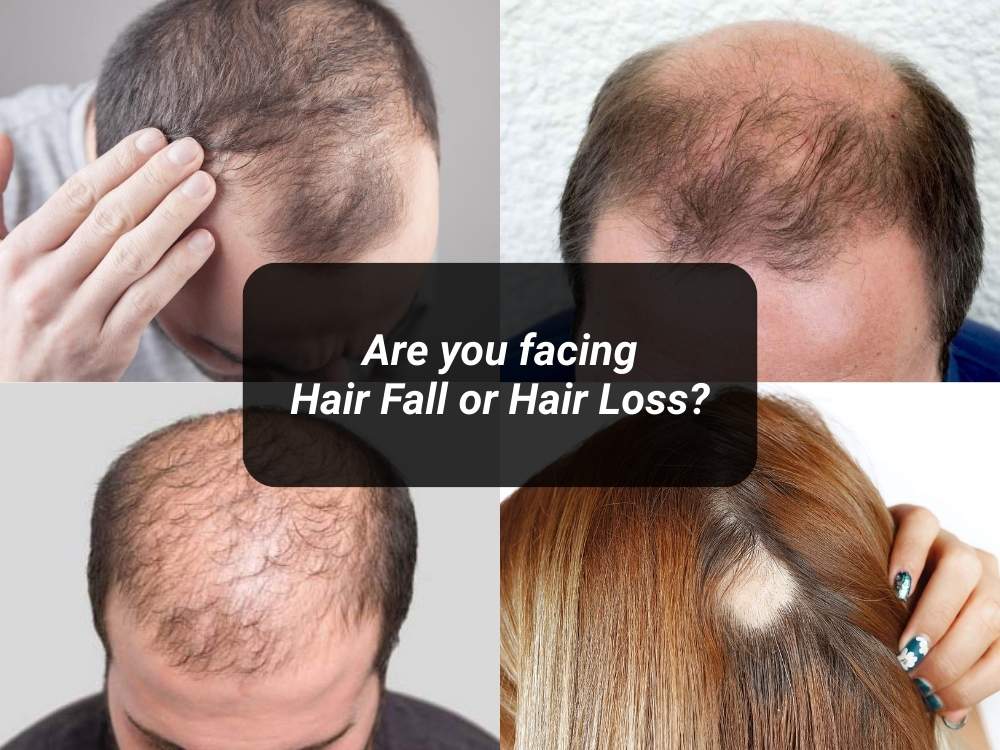
Androgenic Alopecia
Telogen Effluvium
Anagen Effluvium
Alopecia Areata
⚠️ Important Side Effects of Minoxidil: While effective, minoxidil can cause side effects such as scalp irritation, dryness, or itching. In rare cases, it may cause dizziness or a rapid heartbeat. Minoxidil should not be used by pregnant or breastfeeding women unless directed by a healthcare provider. Always consult a doctor before starting minoxidil if pregnant or breastfeeding.
Low-Level Laser Therapy (LLLT)
Devices like red light combs or laser helmets use low-level laser light to stimulate hair follicles, increase circulation, and promote regrowth. Consistent use of LLLT devices can help encourage hair follicles to stay in the growth phase and improve overall hair density.
Professional & Prescription Options

Depending on the cause, dermatologists may recommend:

  • Finasteride or dutasteride (for androgen-driven loss)

  • PRP (Platelet-Rich Plasma)

  • Exosome or stem-cell–based therapies

  • Treatment for underlying medical conditions (thyroid, autoimmune disorders, PCOS)

Maximizing Effectiveness: Combining the Pyramid Strategy

To get the best results, consistency is key. Combining these treatments across all three levels ensures you’re addressing every aspect of hair health. Here’s how to integrate the pyramid strategy for maximum effectiveness:

Level 1: Foundation
Clean scalp, hydration, massages, and internal nutrition.

Level 2: Stimulation & Optimization
Correct scalp imbalances and use growth serums + massage.

Level 3: Targeted Growth
Use minoxidil, LLLT, or clinical treatments if needed.

This structured approach ensures stability → stimulation → targeted intervention, creating the ideal conditions for healthy, sustained regrowth.

Conclusion: Understanding Hair Fall vs. Hair Loss and Regrowing Your Hair

Understanding the difference between hair fall (telogen effluvium) and hair loss (anagen effluvium) is crucial when selecting the right treatment. While telogen effluvium is typically temporary and resolves once the triggering factor is addressed, anagen effluvium often requires more intensive treatment to stimulate regrowth.

By following the three-level pyramid strategy, you can approach hair regrowth in a structured and comprehensive way. Start with basic scalp care, regulate the scalp environment, and use active treatments like minoxidil and LLLT to encourage healthy hair growth.

Patience is essential, as hair regrowth can take time. However, with consistent effort and the right treatment plan, you can achieve healthier, fuller hair.

Did you know...

De Arte Hair Studio does more than just styling and cutting?

We also offer treatments that care for your scalp and hair because we believe that healthy hair starts with a healthy scalp. In many cases, for your style to truly shine, a strong base is essential. While we address common scalp concerns, we also provide a complimentary scalp consultation to identify any issues and explain the solutions we recommend. Feel free to check out our full list of services below, or if you prefer, you can arrange a free scalp consultation and we’ll help choose the best treatment for you 🙂

Want to book an appointment?

You’re just one click away! Follow simple instruction below and we’ll see you real soon!

4 Easy Steps to Identify Your Scalp Type & Choose the Perfect Shampoo

So, how shall we start?

Healthy hair starts with a healthy scalp. But not all scalps are the same. Your scalp type whether oily, dry, normal, or sensitive, determines which shampoo, treatment, and care routine will work best for you. Knowing your scalp type and how ingredients interact with it is the first step toward balanced, nourished hair.

In this guide, we’ll cover:
Step 1: Identify Your Scalp Type

Each hair grows from a follicle, which has a tiny oil-producing gland called a sebaceous gland. This oil, called sebum, moisturizes your scalp, protects your hair, and helps guard against bacteria and fungi.

At the base of the follicle, new cells are continuously produced in the hair bulb. These new cells push older cells upward, where they harden into keratin and form the visible hair. Meanwhile, the scalp’s skin cells are also constantly renewing: as new cells form at the base of the skin, older ones die and rise to the surface, eventually shedding as dead skin. Sometimes dead skin cells mix with excess oil or product buildup, which can clog follicles and slow or disrupt healthy hair growth. The right shampoo helps keep your scalp balanced (not too oily, not too dry).

Oily Scalp (overactive sebaceous gland)
Scalp Type Problems - Oily Scalp

Common Signs
Feels greasy soon after washing, limp roots, product buildup

Recommended Shampoo
Deep-cleansing or balancing shampoos with clarifying surfactants

Dry Scalp (underactive sebaceous gland)
Scalp Type Problem - Dry Scalp

Common Signs
Tight, flaky, itchy

Recommended Shampoo
Moisturizing, sulfate-free shampoos with amino acids and oils

Normal Scalp (balanced sebaceous glands)
Normal Scalp Type

Common Signs
Feels clean and comfortable for 2–3 days after washing

Recommended Shampoo
Balanced, gentle formulas

Sensitive or Damaged Scalp
Scalp Type Problem - Dry Sensitive

Common Signs
Redness, irritation, tingling after wash

Recommended Shampoo
Mild, soothing shampoos with gentle surfactants and calming extracts

In humid climates, it’s common to have oily roots and dry ends. A balancing shampoo suited to your scalp type can cleanse effectively without stripping moisture. 🔗 You might be interested in 4 Common Scalp Problems in Singapore.

Step 2: How Surfactants Work

Surfactants are the cleansing agents in shampoo. They have two ends: one that attracts oil and dirt (hydrophobic) and one that attracts water (hydrophilic), which helps wash away grease, buildup, and impurities. The “charge” of a surfactant refers to the electric charge present on the water-loving (hydrophilic) end of the molecule.

Here are the main types used in modern, gentle formulations:

Anionic

Charge
Negative

Example
Sodium Laureth Sulfate (SLES SO₄⁻), TEA-Cocoyl Glutamate (–COO⁻)

Function
Effective cleansing and foaming

Gentleness
Medium to strong

Cationic

Charge
Positive

Example
Polyquaternium-10 (NR₄⁺)

Function
Conditions and smooths hair

Gentleness
Very gentle

Nonionic

Charge
No charge

Example
Cocamide MEA (–OH hydroxyl group)

Function
Adds mildness, stabilizes foam

Gentleness
Gentle

Amphoteric

Charge
Both

Example
Lauramidopropyl Betaine (COO⁻ and +NR₃⁺)

Function
Balances harshness, improves foam

Gentleness
Very gentle

The “charge” affects how the surfactant interacts with hair and skin. Negative charges clean well but can be harsher, positive charges condition hair, and neutral or amphoteric ones keep things gentle. Modern mild shampoos often mix mild anionic + amphoteric surfactants to give effective cleansing without irritating your scalp.
Step 3: SLS & SLES — Are They Good or Bad?
Sodium Lauryl Sulfate (SLS) and Sodium Laureth Sulfate (SLES) are common surfactants found in many shampoos and cleansers. Known for their strong foaming and cleansing abilities, they can be highly effective at removing oil and buildup.
Ingredient Function Pros Cons
Sodium Lauryl Sulfate (SLS)
Strong detergent and foaming agent
Deep cleans oily scalp
Can strip natural oils
Sodium Laureth Sulfate (SLES)
Gentler derivative of SLS
Smooth, effective foam
May still dry sensitive scalps

✔️ Ideal for oily scalps needing deep cleansing

✔️ Avoid for dry, sensitive, or color-treated hair

✔️ Although amino acid–based surfactants like TEA-Cocoyl Glutamate are anionic (with a negatively charged COO⁻ head), unlike traditional sulfate-based anionic surfactants such as SLES, they are much milder on skin and hair and do not contain harsh sulfates, making them gentle, sulfate-free alternatives for cleansing.

💡 Key point: ‘Anionic’ only describes the charge, not the harshness. The chemical structure of the head group and the tail determines how gentle or strong the surfactant is.

A Note for Sensitive Scalps
If your scalp type is sensitive, surfactants aren’t the only consideration, preservatives matter too.

Certain synthetic preservatives used in personal care, such as Methylchloroisothiazolinone (MCI), Methylisothiazolinone (MI), DMDM Hydantoin, Glycolactone, or Imidazolidinyl Urea, can occasionally cause irritation or allergic reactions in very sensitive individuals.

Our Miyaki shampoos range use MCI/MI in strictly regulated, low concentrations that meet international cosmetic safety standards, ensuring freshness and microbial protection.

⚠️ If you have a known sensitivity or allergy, we recommend performing a patch test before use or consulting your dermatologist for guidance. This transparent approach helps keep our formulas safe, effective, and suitable for most scalps, while acknowledging that extra-sensitive skin may need specialized care.

Step 4: Ingredient Analysis — Our Formulas for Every Scalp

Now that you understand your scalp type and the role of surfactants and preservatives, it’s time to see how our shampoos are formulated. Each shampoo is designed to support a specific scalp type, balancing health, moisture, and comfort while keeping hair nourished.

Shampoo Repairing Miyaki Professional
300/ 600ml
For dry or damaged hair

Select options This product has multiple variants. The options may be chosen on the product page

Shampoo Root Balancing Miyaki Professional
300/ 600ml
For Oily Scalp

Select options This product has multiple variants. The options may be chosen on the product page

Scalp Balancing Miyaki Professional Shampoo
300/ 600ml
For Normal to Combination Scalp

Select options This product has multiple variants. The options may be chosen on the product page

All three Miyaki shampoos Root Balancing, Repairing, and Scalp Balancing contain key natural ingredients that help nourish, protect, and soothe the scalp and hair. These include Loquat Extract, Swertia Japonica Extract, Ginkgo Biloba Extract, Safflower Extract, and Licorice Extract (Dipotassium Glycyrrhizate).

Although these ingredients are common across all three formulas, the concentration and combination of each extract are tailored to address specific hair and scalp concerns. The Repairing Shampoo uses these extracts to restore moisture and strengthen damaged hair. The Root Balancing Shampoo focuses on rebalancing the scalp and controlling oil. The Scalp Balancing Shampoo helps hydrate and soothe irritation for a more comfortable scalp.

Shampoo Surfactants Key Function Ideal For Sulfate-Free
Repairing
TEA-Cocoyl Glutamate, Cocamidopropyl Betaine
Repair, moisture
Dry/damaged hair
Root Balancing
Sodium Laureth Sulfate, Lauramidopropyl Betaine
Deep cleanse, refresh
Oily scalp
Scalp Balancing
TEA-Cocoyl Glutamate, Lauramidopropyl Betaine
Gentle balance
Normal/combination scalp
Healthy hair begins with a healthy scalp. I know this has been said many time, but that’s because it’s true and important. By understanding your scalp type and the role of surfactants and preservatives, you can choose a shampoo that supports and not stresses your natural balance.
Match Your Shampoo to Your Scalp Type

🌿 Oily scalp? Try our Root Balancing Shampoo for a refreshing cleanse.
🌾 Dry or damaged hair? Choose our Repairing Shampoo, rich in amino acids and oils.
🌸 Normal or slightly sensitive scalp? Our Scalp Balancing Shampoo keeps everything in harmony.

Each of our Miyaki shampoo is formulated with botanical extracts and modern natural surfactants, combining nature and science for scalp health that truly shows. Not sure which shampoo is right for your scalp type? Message us on Messenger and we’ll guide you! 🙂